Just in:
Yeebo Announces Interim Results for FY26/27 Revenue Increases by 45.5% to HK$806.7 Million Profit Attributable to Owners Surges 87.6% to HK$2,284.7 Million // Phancy Announces Business Performance for the Nine Months Ended September 30, 2026 // Dubai Introduces SHARH, an AI-Powered Platform Helping Entrepreneurs Buy, Sell and Manage Businesses in the UAE // 2026 Tropical Rainforest Ecosystem Partners Conference Kicks off in Hainan //
Centre grants aircraft cabin access for Sabarimala pilgrims’ irumudi
// PayerMax and ShopeePay Strengthen Strategic Partnership to Advance Digital Payment Collaboration in Southeast Asia // Singapore regulator cautions against AI access to bank logins // Technology at Work, Heritage for All: The “Chinese Approach” to Safeguarding the Leshan Giant Buddha // Russia permits retail cryptocurrency purchases under regulated framework // Coinbase targets 2027 launch amid state gambling lawsuits // Bail refused to 17-year old in Abhiram murder // Crypto market loses $150 billion amid broad sell-off // Ex-minister named accused in Messi visit fraud case // Sui activates Hashi Bitcoin lending across partner network // Toward a Shared Future for Humanity: Rethinking Civilizational Exchange // ED searches five districts in probe against hawala // Padmini follows Padmaja for ‘ghar vapsi’ //
Rahul addresses League’s INDIA bloc grievances
// European Commission takes systems offline after AI cyberattack // Diabetes Malaysia And Alpro Pharmacy Set National Record With 11,007 Most Blood Glucose Screenings Conducted Across Malaysia In Just 48 Hours //

News related to
opportunities

The Middle East’s aviation market is poised for an extraordinary expansion, according to Airbus’s Global Market Forecast 2025. The region, currently experiencing rapid economic growth and a surge in travel demand, is expected to see its in-service fleet more than double over the next two decades. The forecast reveals that the fleet will increase from 1,480 aircraft in 2024 to 3,700 by 2044, driven by both the […]

The launch of the UAE’s Financial Inclusion Strategy has been hailed as a pivotal move in advancing economic access for all, not only within the country but also across the broader Middle East and North Africa region. Ousmane Dione, Vice President for the World Bank’s MENAAP region, underscored the significance of the initiative, framing it as a transformative step that will set a precedent for further developments in financial inclusion.

Speaking at the MENA Leaders’ Summit on Financial Inclusion in Abu Dhabi, Dione expressed his enthusiasm for the UAE’s leadership in this area. He noted that the nation’s decision to launch a comprehensive financial inclusion strategy demonstrates its forward-thinking approach, which aligns with global objectives of promoting equal economic opportunities. The event, organised by the Central Bank of the UAE in collaboration with the Arab Monetary Fund and the World Bank, served as a forum for regional leaders to exchange insights on tackling the challenges that hinder financial access in the MENA region.

The UAE’s initiative seeks to enhance financial services for underserved and unbanked populations, including women, low-income households, and small businesses. This strategy is in line with global efforts to bridge the financial inclusion gap, particularly in emerging economies where a significant proportion of the population remains excluded from formal financial systems.

Dione’s remarks highlighted the importance of creating an inclusive financial ecosystem that enables individuals and businesses, regardless of their background or income level, to access essential financial services. The UAE’s strategy addresses several key areas, including expanding digital payment systems, enhancing financial literacy, and ensuring the accessibility of financial services to remote and underserved communities.

The summit, which brought together leaders from across the MENA region, was a significant step towards addressing the region’s financial inclusion challenges. Many countries in the MENA region still face considerable hurdles in achieving universal financial inclusion, such as limited access to banking infrastructure, low levels of financial literacy, and insufficient regulatory frameworks to support digital finance innovations.

A key topic of discussion at the summit was the role of digital technologies in fostering financial inclusion. Mobile banking, digital wallets, and blockchain-based financial services were identified as critical enablers of inclusive financial systems. These technologies provide a means for individuals who lack access to traditional banking services to participate in the financial ecosystem, empowering them to save, borrow, and invest in their futures.

In his comments, Dione acknowledged that while progress has been made in several MENA countries, significant challenges remain. He emphasised the need for continued collaboration among governments, financial institutions, and technology providers to overcome barriers to financial access. The World Bank has committed to supporting regional efforts to enhance financial inclusion, providing technical expertise and financial resources to initiatives like the UAE’s strategy.

The UAE’s leadership in this area reflects its broader ambitions to position itself as a regional and global leader in financial services. Over the years, the country has invested heavily in developing its financial infrastructure, becoming a hub for banking and fintech innovation. The launch of the Financial Inclusion Strategy is a natural extension of these efforts, aiming to ensure that the benefits of economic growth are more equitably distributed.

One of the notable aspects of the UAE’s strategy is its focus on women’s financial empowerment. Women in the MENA region have historically faced significant barriers to accessing financial services, with factors such as cultural norms and limited financial literacy often preventing them from participating fully in the economy. The UAE’s strategy includes targeted measures to increase women’s participation in the financial system, recognising that empowering women is crucial for driving broader economic growth and development.

The event in Abu Dhabi also underscored the growing importance of regional cooperation in tackling financial inclusion challenges. Leaders from various MENA countries exchanged best practices and discussed ways to harmonise regulatory approaches to digital finance. The World Bank’s involvement in the summit highlights its commitment to supporting the region’s efforts to build more inclusive financial systems.


Snapchat has launched its internal Valdi framework to the public, marking a significant shift in the competitive landscape for user interface frameworks. Initially used exclusively within the company for eight years, Valdi is now available to external developers, expanding the tools and resources that could influence UI design and development across digital platforms. Valdi, which was first conceived to streamline Snapchat’s app development process, has been a […]

Ebury, a leading financial services provider, has confirmed its role as a key sponsor for the upcoming Scotland London Africa Week in 2025. The event, organised by the Scottish Africa Business Association, aims to foster stronger economic ties between Scotland and the African continent, highlighting the role of trade, investment, and business opportunities in the region.

The partnership with Ebury, renowned for its expertise in global trade finance and foreign exchange solutions, underscores the growing importance of financial services in facilitating cross-border business relationships. The firm’s sponsorship will be centred around the Scotland Africa Networking Reception, which will take place at Dover House in London. This reception serves as a key platform for Scottish businesses, entrepreneurs, and investors to engage with African counterparts and explore new avenues for collaboration.

Scotland London Africa Week is a prominent event that brings together leaders from both public and private sectors to discuss and promote the growing potential of the African market. Through networking sessions, panel discussions, and targeted events, the week-long celebration will provide an opportunity for businesses to forge partnerships, tap into new markets, and discover emerging opportunities within Africa.

Ebury’s involvement with the event highlights the company’s commitment to supporting the economic relationship between Africa and the UK, especially Scotland, which has increasingly sought to expand its international trade network. The company’s expertise in cross-border payments and currency exchange is expected to add valuable insights to the discussions around enhancing financial inclusivity and reducing barriers for businesses in Africa and the UK.

Scotland, with its strong international trade links and vibrant financial services sector, continues to be a key player in fostering relationships with Africa. The country’s emphasis on promoting innovation, sustainable development, and investment in emerging markets aligns well with the strategic goals of the Africa Week.

With the backing of Ebury, the networking reception will focus on addressing critical issues such as trade finance, investment flows, and economic partnerships. The reception will also offer an invaluable networking opportunity for delegates from across the continent and beyond to exchange ideas and explore avenues for collaboration. This sponsorship comes at a time when both the UK and African nations are looking to bolster trade relations and deepen economic cooperation.

Kubernetes maintainers have confirmed that Ingress NGINX, a cornerstone of many cloud-native infrastructures, will be retired by March 2026. This decision marks a significant change for developers and organisations relying on the popular ingress controller for managing internal and external traffic in Kubernetes clusters. Ingress controllers are essential components in cloud-native environments, facilitating the routing of traffic between external users and Kubernetes-based applications. Ingress NGINX, specifically, has […]

The Dubai International Financial Centre Authority has reported that US companies account for approximately 7% of the financial services firms operating within the DIFC, a landmark financial hub that has been active since its inception in 2004. This data highlights the increasing influence of US-based businesses in the Middle East’s burgeoning financial sector, with a noticeable presence of American institutions across various finance-related services. Arif Amiri, CEO […]

The Bank of China’s Dubai branch is moving forward with plans to issue a new dollar-denominated bond, a three-year senior unsecured floating rate note. Initial price guidance has been set at SOFR plus 100 basis points, a sign of the bank’s effort to tap international capital markets despite current economic challenges. This move comes in light of the issuer’s credit ratings, with Moody’s assigning an A1 rating, […]

Advertisements

Abu Dhabi has taken a significant leap in transport innovation with the launch of a new category for modular smart vehicles. This category, developed by the Integrated Transport Centre, an affiliate of the Department of Municipalities and Transport, marks a global first. These vehicles are capable of reconfiguration, allowing their individual modules to connect or separate based on specific operational requirements. This development was revealed during the […]

SINGAPORE – Media OutReach Newswire – 17 November 2025 – The workplace is undergoing a seismic shift as employees’ expectations and priorities continue to evolve. Infinity Financial Advisory (Infinity FA) has been actively monitoring these developments through its ongoing collaborations with corporate partners, HR leaders, and financial advisors. This work reflects the firm’s commitment to providing organizations with timely insights into the changing dynamics of today’s workforce. […]

Saudi Arabia’s Public Investment Fund, one of the world’s largest sovereign wealth funds, has drastically reduced its holdings in a range of US-listed companies, including notable names like Pinterest Inc. and Linde Plc, marking a significant shift in its investment strategy. The move, which took place during the third quarter, reflects a broader recalibration of the fund’s international portfolio, as its stake in US equities dropped to its lowest level in nearly a year.

The PIF, valued at approximately $1 trillion, exited positions in nearly a dozen companies, signaling a shift away from some major US stocks. Alongside Pinterest and Linde, the fund also sold its entire stake in Prologis Inc. and Air Products and Chemicals Inc. This latter company is involved in the co-development of a green hydrogen plant in Neom, a major infrastructure project that is central to Saudi Arabia’s ambitious Vision 2030 goals.

The decision to divest from such high-profile firms raises questions about the long-term strategy of the PIF, which has been a key player in driving economic diversification and attracting international investment into the kingdom. The fund’s move comes as part of a broader effort to diversify its portfolio, reducing exposure to certain industries while increasing investments in sectors like technology, entertainment, and renewable energy, which align more closely with Saudi Arabia’s future growth ambitions.

Despite the sell-off, the PIF has maintained its commitment to expanding its investments in sectors aligned with its Vision 2030 objectives. The PIF has been a driving force behind many of Saudi Arabia’s high-profile investments, including backing for initiatives like the Red Sea Development Project, entertainment ventures, and tech giants. However, the recent pullback from US stocks suggests a possible shift towards domestic and regional investments, as well as a greater focus on emerging markets and future-facing industries.

The exit from Pinterest and Linde is noteworthy given the size and profile of these companies. Pinterest, a popular social media platform, has faced challenges in terms of user growth and profitability, while Linde, a leading industrial gas firm, has seen its stock fluctuate in line with broader economic trends. Prologis, a real estate investment trust focused on logistics, has benefitted from the global e-commerce boom but has been impacted by changing market dynamics in the logistics and real estate sectors. Meanwhile, Air Products’ involvement in green hydrogen is central to its long-term growth strategy, and the PIF’s decision to divest from this project could signal a rethinking of its commitment to certain green initiatives.

The PIF’s latest moves are part of a larger trend among sovereign wealth funds globally to recalibrate their investment portfolios in response to shifting economic conditions, including rising inflation, fluctuating commodity prices, and growing geopolitical uncertainty. These factors have made traditional investments in stocks and bonds more volatile, prompting funds like the PIF to seek greater diversification and look for opportunities in less conventional markets, including technology startups and renewable energy.

Saudi Arabia’s economic strategy under Vision 2030 has focused on reducing the country’s reliance on oil revenues and investing in new industries to create sustainable long-term growth. This vision has influenced the PIF’s approach, which has actively pursued investments in global tech companies, entertainment, and infrastructure projects. The fund has also sought to boost its international profile through high-profile investments in companies like Uber, Lucid Motors, and the Electric Vehicle market.

Saudi Arabia’s Ministry of Communications and Information Technology’s Center of Digital Entrepreneurship has successfully concluded the Multiverse Summit 2025, which was held in Silicon Valley, United States. This landmark event highlighted the Kingdom’s ongoing commitment to advancing digital innovation and fostering a global digital ecosystem. The summit, which brought together industry leaders, innovators, and government officials, served as a platform to explore the convergence of cutting-edge technologies, […]

Speculation around the potential launch of a BlackRock XRP Exchange Traded Fund has intensified following the impressive debut of the Canary XRPC ETF. The new fund has shattered records, achieving a staggering 58 million dollars in first-day volume and 245 million dollars in net inflows. This performance places it among the strongest ETF launches of 2025, outperforming many other offerings in the competitive market.

The Canary XRPC ETF’s exceptional launch has sparked a wave of interest in XRP-related investment products. This surge in attention comes at a time when global interest in cryptocurrency-based financial products is rising, fueled by increased institutional involvement and growing acceptance of digital assets within traditional financial markets. The success of the Canary XRPC ETF, in particular, has led analysts to revisit the possibility of BlackRock entering the space with its own XRP-focused ETF.

BlackRock’s previous filings have contributed to the ongoing speculation. The investment giant has been a major player in the ETF market, with a track record of successfully launching funds that track digital assets, including Bitcoin and Ethereum. The company has already filed for a number of crypto ETFs in the past, most notably its Bitcoin ETF, which garnered significant attention. With the positive reception of such products, the entry of a BlackRock XRP ETF seems like a natural progression for the firm, especially considering XRP’s rising prominence within the digital asset ecosystem.

XRP, the digital currency associated with Ripple Labs, has been at the centre of legal and regulatory developments. Despite challenges, including the ongoing legal battle with the U. S. Securities and Exchange Commission, XRP has maintained a strong position in the cryptocurrency market. The uncertainty surrounding XRP’s regulatory status has not deterred investor interest, as demonstrated by the overwhelming demand for the Canary XRPC ETF. Ripple’s ongoing efforts to settle its legal issues, along with its partnerships with financial institutions, have bolstered confidence in the cryptocurrency’s future prospects.

The performance of the Canary XRPC ETF is viewed as a strong indicator of the market’s appetite for XRP-linked investment products. Market analysts believe that the fund’s initial success reflects a growing demand for structured, exchange-traded products that offer exposure to digital assets without requiring investors to directly hold the underlying cryptocurrencies. ETFs provide a level of convenience and security that traditional cryptocurrency exchanges may lack, appealing to institutional investors looking for a regulated route into the digital asset market.

With the Canary XRPC ETF breaking records, the conversation around a potential BlackRock XRP ETF has gained momentum. If BlackRock were to launch its own XRP ETF, it would likely benefit from the momentum created by Canary’s success, attracting both retail and institutional investors eager to gain exposure to XRP through a trusted, established financial institution. BlackRock’s involvement would also likely enhance the legitimacy of the XRP asset class in the eyes of conservative investors and regulators alike.

Despite the strong demand for XRP-related products, market experts caution that the regulatory landscape remains a critical factor in the future of XRP-focused ETFs. The legal uncertainty surrounding Ripple’s ongoing lawsuit with the SEC could impact investor sentiment and regulatory approval. Any significant developments in this legal battle could either accelerate or delay the launch of new XRP-related financial products.

In addition to regulatory hurdles, market volatility is another risk factor that could influence the success of an XRP ETF. Cryptocurrencies are known for their price fluctuations, and the value of XRP has experienced considerable swings over the years. While this volatility presents opportunities for high returns, it also poses risks for investors who are not prepared for the rapid price movements typical in the cryptocurrency market.

The growing popularity of XRP as an investment vehicle underscores a broader trend in the digital asset market. Institutional investors are increasingly turning to cryptocurrencies as part of their diversified portfolios, seeking to capture the potential growth of blockchain-based assets. ETFs have become a popular mechanism for accessing these assets, offering exposure while avoiding the complexities of direct cryptocurrency ownership, such as wallet management and private key security.

Actively Promote the “Bringing in and Going Global” Strategy to Empower I&T Companies to Expand into the GBA and Overseas Markets HKSTP leads 13 park companies to CHTF 2025, “China’s No. 1 Technology Exhibition”, presenting breakthroughs across AI, robotics, new energy, semiconductors, smart manufacturing, biotech, fintech, and more The Hong Kong Pavilion features end-to-end innovation from R&D to application, with live demos and business matching for global […]

Investcorp Capital, a prominent Abu Dhabi-listed alternative investments firm, has acquired the US-based Kanawha Scales & Systems, marking a strategic move to broaden its services sector portfolio. The acquisition, which was arranged by Investcorp, comes at a time when the company looks to strengthen its presence in the industrial services space. Although the financial details of the deal have not been disclosed, ICAP has highlighted the significance […]

Expanding Cross-border Payment and Shariah-Compliant Solutions Across ASEAN SINGAPORE – Media OutReach Newswire – 14 November 2025 – XTransfer, the world’s leading B2B cross-border trade payment platform, and Maybank, a leading bank in ASEAN, are pleased to announce a strategic partnership to expand cross-border payment and Shariah-compliant solutions. Coinciding with Singapore FinTech Festival 2025, senior representatives of XTransfer and Maybank officially signed the Memorandum of Understanding (MOU) […]

A delegation from Abu Dhabi’s infrastructure authority wrapped up discussions in Singapore with seven strategic memoranda of understanding aimed at accelerating urban development and smart-city infrastructure. The Abu Dhabi Projects and Infrastructure Centre signed accords with Singapore’s leading construction, engineering and architectural firms to bring advanced modular construction, digital twin technology and sustainable delivery models into a US$54 billion + project pipeline.

The agreements involved Singapore entities such as BCA International, Surbana Jurong, Meinhardt Group, Singapore Institute of Architects, CPG Corporation, Tech Onshore MEP Prefabricators and RSP Architects. Collectively they span built-environment excellence, urban master-planning, engineering consultancy, design collaboration, infrastructure solutions and prefabricated Mechanical, Electrical and Plumbing systems.

Representatives from the Abu Dhabi side included His Excellency Eng. Maysarah Mahmoud Salim Eid, Director General at ADPIC; His Excellency Jamal Abdullah AlSuwaidi, Ambassador to Singapore; Eng. Khulood Al Marzouqi, Acting Executive Director of Infrastructure Regulation & Support at the Abu Dhabi Department of Municipalities and Transport; and Eid Alobeidli, Director of Musataha & Public-Private Partnerships at the Abu Dhabi Investment Office. On the Singapore side, figures such as Kelvin Wong of BCA International and Tiah Nan Chyuan of the Singapore Institute of Architects joined the talks alongside over 400 industry-leaders.

The roadshow, branded under the Abu Dhabi Infrastructure Summit International Roadshow framework and hosted in partnership with Enterprise Singapore and the UAE-Singapore Business Council, showcased Abu Dhabi’s public-private-partnership frameworks, regulatory incentives and capital-project delivery models, while spotlighting Singapore’s global expertise in digitalised construction and sustainable design.

Among the key trends emerging is a strong emphasis on modular construction and design-for-manufacture-and-assembly methods. The Singaporean partners bring capabilities in integrated digital delivery and prefabricated MEP systems which Abu Dhabi is keen to deploy across large-scale urban districts, residential developments and mixed-use master-plans. Eng. Eid described Singapore as “the pinnacle of smart-city innovation and advanced construction methodologies” and said the step sets “concrete pathways for Singaporean expertise to contribute to Abu Dhabi’s ambitious infrastructure agenda”.

The pipeline includes more than US$54 billion in planned infrastructure across Abu Dhabi, signalling opportunities for joint ventures, co-investment and technology transfer. The partnership framework aims to elevate not only individual projects but to build an integrated ecosystem of digital-innovation, sustainability and efficient delivery models. Eid Alobeidli of ADIO emphasised that Abu Dhabi is “developing an integrated ecosystem that leverages world-class infrastructure, digital innovation and proven PPP delivery models to accelerate… transformation into a future-ready global capital.”

From the Singapore side, Heng Teck Thai of BCA International noted that the collaboration “reinforces Singapore’s commitment to global built-environment excellence” and underlined the use of the Green Mark framework as a basis for promoting sustainable and energy-efficient developments in Abu Dhabi and beyond.

The two-day event featured detailed presentations of Abu Dhabi’s major project opportunities, developers’ pipelines and open B2B networking sessions that connected Abu Dhabi stakeholders with Singaporean firms. Site-visits were also conducted, including a tour of Surbana Jurong’s campus and a modular-construction facility by Teambuild ICPH in Singapore, illustrating the hands-on dimension of the partnership potential.

With the formal agreements in place, attention now shifts to the operational phase of collaboration: how Singapore-based firms will transfer technology, how Abu Dhabi will adapt regulatory frameworks for fast-track project delivery and how both sides will structure co-investment and risk-sharing in major infrastructure programmes. Analysts note that successful execution will depend on aligning regulatory regimes, intellectual-property frameworks and local content strategies to maximise the benefits from global-local partnerships.

Observers point to the Gulf–ASEAN axis as gaining momentum in infrastructure cooperation, as the Abu Dhabi-Singapore tie-up could serve as a model for other Gulf states seeking to tap Singapore’s expertise in urban planning, sustainability and smart-technology integration. The signalling effect may help unlock further foreign-direct-investment flows into Gulf infrastructure markets and enhance cross-regional knowledge exchange.

The Trump administration has unveiled a controversial twist on its stance towards the H-1B visa program, a cornerstone of the US’s immigration policy for skilled workers. The proposal, set forth by Treasury Secretary Scott Bessent, appears to strike a delicate balance between maintaining the flow of skilled foreign workers and the administration’s “America First” agenda. Under the new policy, foreign workers would be brought to the US […]

Grant Williams, a globally recognised commentator in the fields of gold and finance, has been confirmed as the keynote speaker for the upcoming Dubai Precious Metals Conference, organised by the Dubai Multi Commodities Centre. The conference, scheduled to take place in the coming weeks, is set to attract a wide range of industry professionals, investors, and experts within the precious metals sector.

Williams, known for his insightful analysis and expert commentary, has a reputation for his deep understanding of global financial markets, with a particular focus on commodities and gold. His involvement in the conference underscores DMCC’s ambition to reinforce Dubai’s position as a key player in the global precious metals industry. This year’s event is expected to explore critical issues facing the precious metals market, including regulatory shifts, technological advancements, and economic challenges.

The Dubai Precious Metals Conference has become a highly anticipated gathering, drawing key figures from across the financial and commodities sectors. Attendees can expect discussions on market trends, investment strategies, and the evolving landscape of gold trading, with Williams offering his expert perspective on global macroeconomic factors that influence the precious metals market. His analysis is expected to provide attendees with a thorough understanding of the dynamics shaping the industry.

In addition to Williams, the conference will feature a host of other prominent speakers and panellists from leading financial institutions and trading platforms. These experts will delve into a range of topics, from the impact of geopolitical events on commodity prices to the growing role of digital platforms in precious metals trading. This year’s conference is poised to be one of the most significant gatherings for industry professionals, highlighting the importance of staying ahead of market shifts and understanding the factors that drive the sector’s growth.

The DMCC’s efforts to host such a high-profile event reflect the centre’s continued commitment to expanding Dubai’s influence in global trade and commodities. As the world’s largest free zone for precious metals trading, DMCC has long been a hub for the buying, selling, and storage of gold, silver, and other precious commodities. By inviting top-tier speakers like Grant Williams, DMCC is ensuring that its events remain at the forefront of global discussions on precious metals, providing invaluable insights for businesses and investors in the sector.

The importance of the conference is amplified by the growing interest in gold as an investment asset, particularly amid volatile market conditions. As the world navigates uncertain economic times, many investors are turning to gold and other precious metals as safe-haven assets. The conference will offer timely discussions on how investors can optimise their portfolios in light of current economic trends, as well as exploring the emerging opportunities and risks in the precious metals market.

Dubai’s strategic location as a key global financial hub makes it an ideal venue for such discussions, especially as the city continues to strengthen its position in the commodities sector. The DMCC, with its robust infrastructure and regulatory framework, provides a conducive environment for the growth of the precious metals industry. The Dubai Precious Metals Conference is a vital event for all those involved in or seeking to enter the precious metals market, and the involvement of Grant Williams as a keynote speaker further elevates the stature of the event.

How Visarun.ai is using AI-first approach to capture enterprise clients in the fragmented visa processing industry While giants like VFS Global and BLS International process millions of visa applications annually through legacy systems, a Dubai-founded startup is betting that AI-native infrastructure can carve out a lucrative niche in the $13.87 billion global visa services market—projected to hit $55 billion by 2034 at 16.6% CAGR. Visarun.ai, founded in […]

HONG KONG SAR – Media OutReach Newswire – 12 November 2025 – AS Watson, the world’s largest international health and beauty retailer, has reached a major milestone in its global youth employment pledge – recruiting 134,000 young people to date and delivering 3.8 million hours of training. This achievement marks more than halfway toward its goal of creating 200,000 opportunities by 2030. Alongside job creation, AS Watson […]

Cross-sector collaboration drives innovation in digital assets ecosystem HONG KONG SAR – Media OutReach Newswire – 4 November 2025 – KPMG is pleased to announce the successful conclusion of the Digital Assets Forum: Policy, Market Dynamics and Institutional Adoption, held on 31 October 2025. The event convened over 200 industry leaders, regulators, and subject matter experts to explore the rapidly evolving digital assets landscape. They engaged in […]

Guyana’s energy landscape is set to undergo a transformation following the approval of major international companies to begin exploration activities within its borders. TotalEnergies, QatarEnergy, and Petronas have each received government approval to explore potential oil and gas reserves off the country’s coast, a move that could help diversify the sector and reduce reliance on the existing dominant players.

The country has long struggled to expand its energy portfolio beyond the consortium led by U. S.-based ExxonMobil, which has been instrumental in developing the region’s significant offshore oil fields. However, Guyana has faced challenges in fostering competition and attracting foreign investment that could assist in broadening its energy capabilities.

ExxonMobil has long held a near-monopoly over Guyana’s booming oil sector, benefiting from the vast discoveries made in the Stabroek Block, an area off the coast of Georgetown. While the company’s presence has led to substantial growth in the nation’s oil production, the reliance on a single foreign entity has raised concerns about the need for greater diversification. The new approvals for TotalEnergies, QatarEnergy, and Petronas mark a significant departure from the status quo, with these firms now poised to play an essential role in shaping the future of Guyana’s energy industry.

Guyana’s government has emphasized the importance of inviting new players into the market to boost local industry development and foster a more competitive environment. This move is seen as a strategic decision to counterbalance the influence of ExxonMobil, as well as to ensure that Guyana can better control its resources, rather than remaining overly dependent on a single operator.

Each of the three companies—TotalEnergies, QatarEnergy, and Petronas—brings a wealth of experience and resources to the table. TotalEnergies, headquartered in France, has been a significant player in the global oil and gas market for decades. Similarly, QatarEnergy, which is part of the energy powerhouse Qatar Petroleum, has vast experience in the exploration and production of natural gas and oil across several regions, including the Middle East and North Africa. Petronas, Malaysia’s state-owned oil and gas company, adds to this pool of expertise, with a strong track record of international exploration ventures.

The approval process involved extensive environmental and technical assessments to ensure that exploration activities would be conducted in line with Guyana’s regulatory standards. This includes adhering to the country’s stringent environmental protection measures, aimed at safeguarding its fragile marine ecosystems while extracting valuable energy resources.

While the trio of companies now entering Guyana’s oil and gas sector have been given the green light to explore, the real test will come as exploration progresses and potential discoveries are made. Industry analysts remain cautious but optimistic about the long-term prospects of this diversification. Some experts suggest that bringing in additional operators could drive increased investment and innovation, while others warn that challenges remain in ensuring the effective management of these newly opened opportunities.

The Guyanese government has promised to leverage the revenue generated from these new ventures to foster greater economic diversification. The hope is that the newfound wealth will benefit sectors such as infrastructure, healthcare, and education, helping to reduce the country’s historical dependence on oil. Critics, however, caution that managing the inflow of capital from new oil projects requires careful planning to avoid the so-called “resource curse,” which has plagued other resource-rich nations in the past.

HONG KONG SAR – Media OutReach Newswire – 12 November 2025 – Swiss-Belhotel International, the global hospitality management group, has signed a Memorandum of Understanding (MOU) with Malaysia’s leading property developer, Sheng Tai International, to explore collaborations in hotel development and management. The agreement marks the beginning of a strategic partnership aimed at developing, branding, and managing future hospitality projects under Swiss-Belhotel International’s recognized portfolio. The collaboration […]

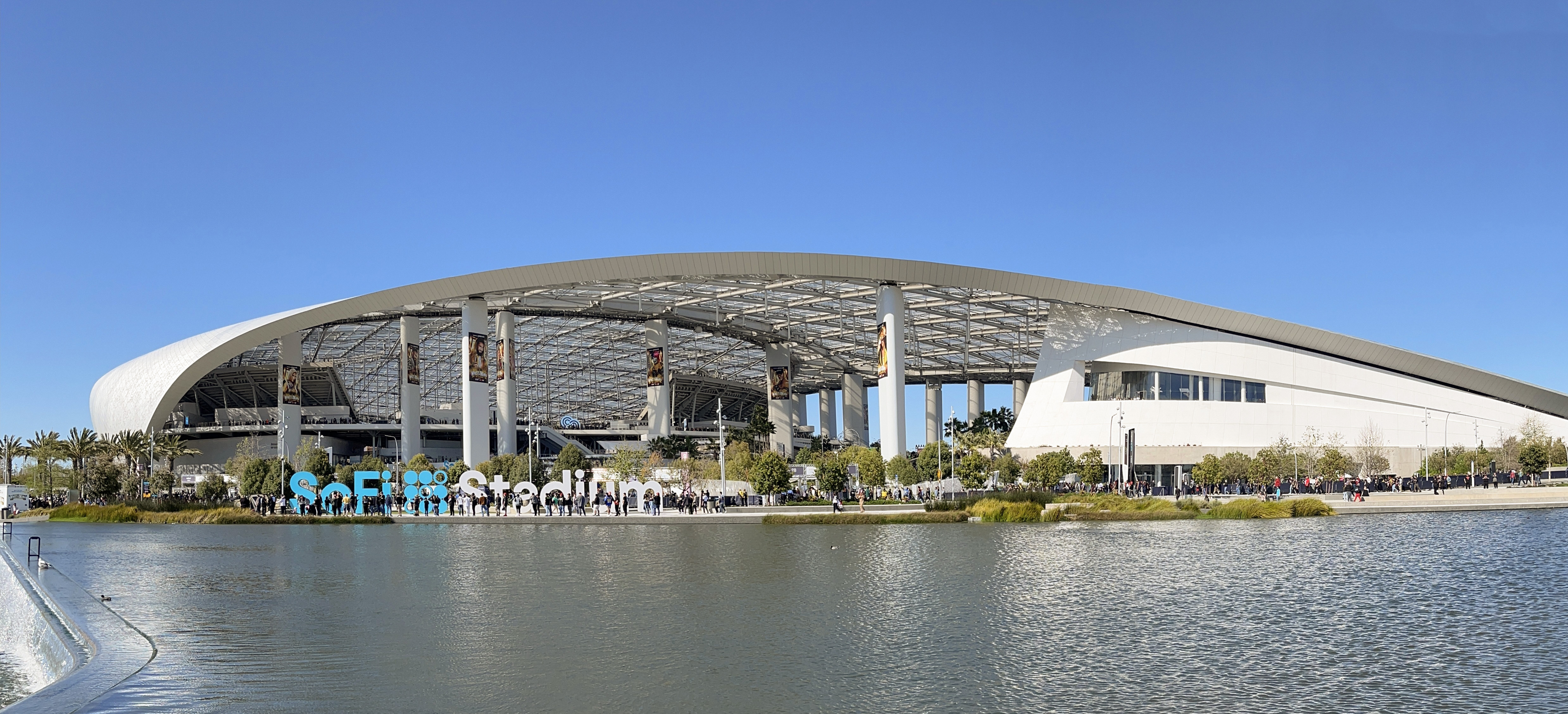
SoFi has achieved a significant milestone in the world of financial services, becoming the first nationally chartered bank in the United States to introduce cryptocurrency trading, including Bitcoin. This development positions the company as a key player in bridging traditional banking with the expanding digital currency market.

The move allows SoFi’s customers to buy, sell, and hold cryptocurrencies directly through their existing accounts, enhancing the platform’s appeal as a one-stop-shop for financial services. This shift comes amid growing demand for crypto investments, particularly as more consumers seek alternatives to traditional investments in stocks and bonds.

With the new crypto offering, SoFi customers will have the ability to trade a variety of digital assets, starting with Bitcoin. The platform also plans to expand its range to include other major cryptocurrencies such as Ethereum in the near future. SoFi’s seamless integration of crypto trading with its other services, including personal loans, mortgages, and investing, aims to simplify the crypto experience for users who are new to the digital asset space.

This landmark move also signals a growing acceptance of digital currencies within mainstream financial institutions, traditionally hesitant about embracing the volatile market. SoFi’s decision to allow crypto trading comes at a time when other financial services companies are cautiously exploring similar offerings. Many banks and payment companies are entering the crypto space, but SoFi stands out as the first to secure national banking status and roll out a comprehensive crypto trading service.

The firm, which already holds a charter as a savings and loan institution under the supervision of the Office of the Comptroller of the Currency, secured approval from the regulatory body to add crypto trading to its list of services. This approval was seen as a crucial step in the broader trend of regulatory authorities gradually adapting to the rapid growth of the cryptocurrency sector.

SoFi’s expansion into cryptocurrency trading also aligns with the broader trend of increased institutional interest in digital currencies. Over the past few years, various asset management firms and banks have slowly begun offering crypto-related services to their customers, albeit cautiously. SoFi’s move to offer crypto trading through a fully regulated bank platform could catalyse further innovation in the sector, prompting other financial institutions to follow suit.

While this development represents a win for SoFi, it also raises questions about the future of traditional banking as the line between conventional and digital finance continues to blur. As digital currencies gain traction, banks and financial institutions will need to adopt increasingly flexible approaches to remain competitive. SoFi’s move reflects its strategy to capture the younger, tech-savvy demographic that is more inclined to explore digital currencies and alternative investments.

The introduction of crypto trading by SoFi also opens up opportunities for the firm to expand its revenue streams. With the growing popularity of cryptocurrencies, companies that offer crypto services have seen significant growth in customer acquisition and engagement. SoFi’s vast user base, which includes millennials and Generation Z, could see increased activity on the platform, potentially boosting its financial performance in the coming quarters.

However, the regulatory landscape surrounding cryptocurrencies remains a concern. Despite increasing adoption, regulators continue to grapple with how to effectively oversee the space. This includes determining the appropriate level of consumer protection, tax implications, and how to mitigate potential illegal activities associated with digital currencies. SoFi’s decision to offer crypto trading within a regulated environment could provide some reassurance to customers concerned about the risks of engaging in the volatile crypto market.

VISHNU RAJA
RYO YAMADA
HITORI GOTOH
IKUYO KITA
Just in:
US military rebuts Iran’s Gulf F-16 strike allegation // Ex-minister named accused in Messi visit fraud case // PayerMax and ShopeePay Strengthen Strategic Partnership to Advance Digital Payment Collaboration in Southeast Asia // Padmini follows Padmaja for ‘ghar vapsi’ //
Centre grants aircraft cabin access for Sabarimala pilgrims’ irumudi
// ED searches five districts in probe against hawala // Thailand’s Most Iconic New Year’s Celebration Returns: ICONSIAM Unveils “Amazing Thailand Countdown 2027” // Balagopal challenges CM over tax revenue // Toward a Shared Future for Humanity: Rethinking Civilizational Exchange // Sabarimala booking discrepancies prompt sabotage angle probe // Workday targets Honeydew purchase to unify AI metrics // Russia permits retail cryptocurrency purchases under regulated framework // Jaiedco and Golden Bridge Announce Strategic Collaboration for a New Dubai Islands Development // European Commission takes systems offline after AI cyberattack // Phancy Announces Business Performance for the Nine Months Ended September 30, 2026 // Coinbase targets 2027 launch amid state gambling lawsuits // Crypto market loses $150 billion amid broad sell-off // Diabetes Malaysia And Alpro Pharmacy Set National Record With 11,007 Most Blood Glucose Screenings Conducted Across Malaysia In Just 48 Hours // Dubai Introduces SHARH, an AI-Powered Platform Helping Entrepreneurs Buy, Sell and Manage Businesses in the UAE // Sui activates Hashi Bitcoin lending across partner network //