

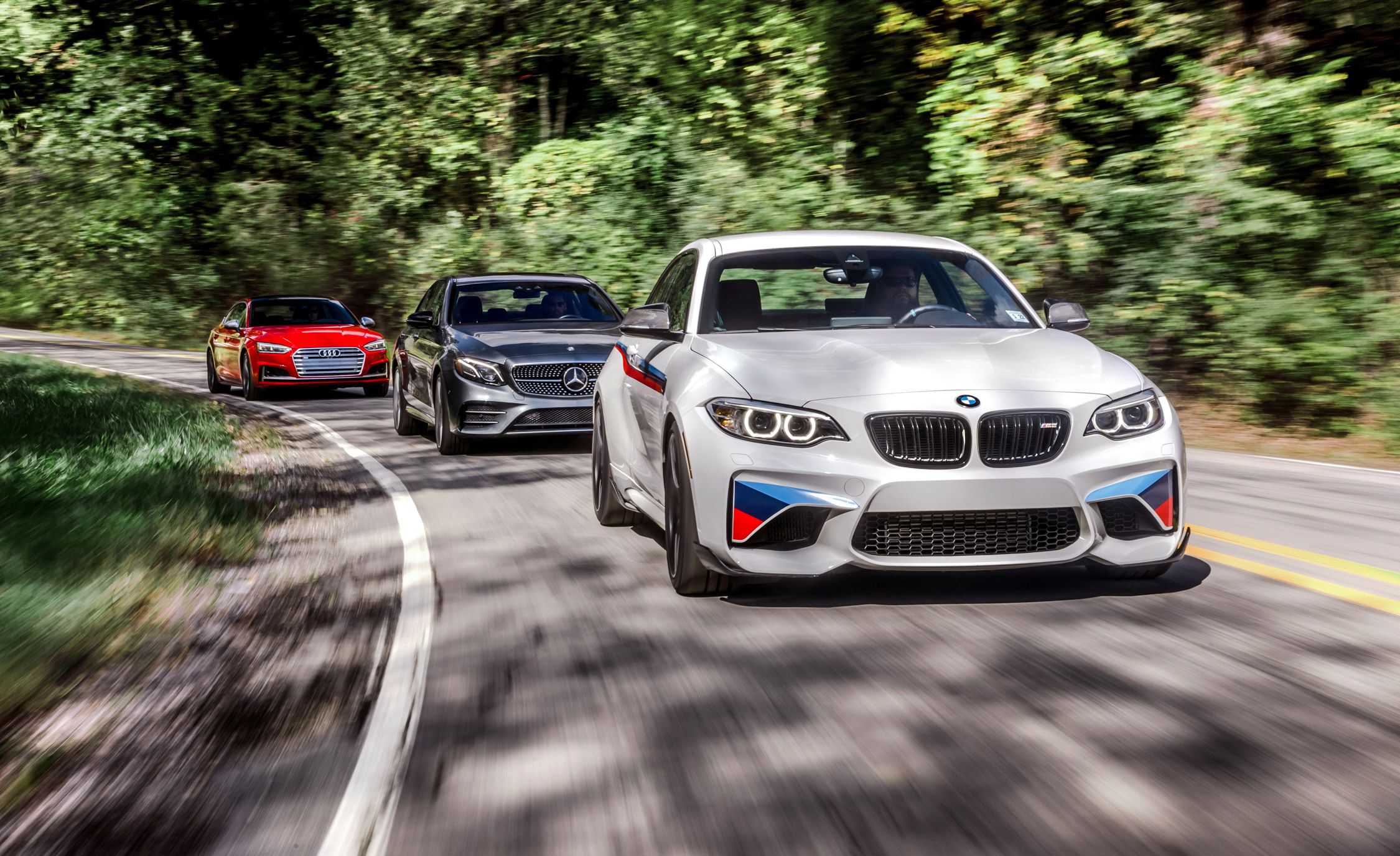
China’s electric vehicle (EV) market is rapidly reshaping the automotive landscape, leaving established players like Volkswagen, BMW, and Mercedes-Benz struggling to keep pace. With substantial investments and government support, Chinese manufacturers are not only producing high-quality electric vehicles but are also innovating in technology and sales strategies, challenging the dominance of their European counterparts.
Leading the charge are Chinese brands such as BYD, NIO, and Xpeng, which have gained significant market share in both domestic and international arenas. BYD, in particular, has become a formidable contender, reporting remarkable sales figures that outpace many traditional automotive giants. The company sold over 1.3 million electric vehicles in 2023, a staggering increase compared to previous years, and aims to double its production by expanding into international markets.
The aggressive pricing strategies of these Chinese manufacturers have further contributed to their rise. By offering competitive prices without sacrificing quality or technology, they have captured the attention of cost-conscious consumers. NIO’s introduction of the ES6 and ES8 models has been particularly notable, as they combine luxury with affordability, making them appealing to a broader audience. This pricing model contrasts sharply with the premium pricing strategies of VW, BMW, and Mercedes, which have historically targeted wealthier consumers.
Technological innovation is another area where Chinese automakers excel. Many Chinese brands are leading in battery technology, with advancements in lithium iron phosphate (LFP) batteries that offer improved safety and longevity at a lower cost. This is crucial in a market where range anxiety remains a significant concern for consumers. Furthermore, the integration of advanced features like autonomous driving capabilities and cutting-edge infotainment systems has set Chinese EVs apart, enhancing their attractiveness.
The shift in consumer preferences also plays a vital role in this transition. Younger consumers, particularly in urban areas, are increasingly favoring EVs over traditional gasoline-powered vehicles. This demographic is drawn to the environmental benefits of EVs and the modern technology integrated into these vehicles. As a result, the demand for electric vehicles is surging, with the Chinese government projecting that EVs will make up over 30% of total car sales by 2025.
Regulatory policies in China have further accelerated this trend. The government has implemented various incentives, including subsidies for EV purchases and tax exemptions, which have made electric vehicles more accessible to the average consumer. These policies are part of China’s broader strategy to reduce carbon emissions and promote sustainable transportation solutions, aligning with global environmental goals.
In contrast, European automakers are grappling with challenges that hinder their ability to compete effectively in the EV market. VW, for example, has faced production delays with its ID. series, which has impeded its ability to meet market demand. The company has also been criticized for its slow transition to electric mobility compared to its Chinese rivals. BMW and Mercedes are similarly striving to catch up, but their production timelines for new EV models have been slower, resulting in missed opportunities in a fast-evolving market.
The impact of geopolitical tensions and trade policies cannot be overlooked. The ongoing trade rivalry between the U.S. and China has led to uncertainties that affect the global automotive supply chain. German automakers, heavily reliant on international markets, must navigate these complexities while simultaneously trying to innovate and meet the growing demand for EVs. This situation creates an added layer of difficulty as they attempt to catch up with their Chinese counterparts.
As the competition intensifies, partnerships and collaborations are becoming increasingly vital. German automakers are exploring strategic alliances with tech companies and local manufacturers to enhance their EV offerings. For instance, VW has announced collaborations with various tech firms to improve its battery technology and autonomous driving capabilities, recognizing the importance of leveraging expertise outside traditional automotive boundaries.
Follow Arabian Post
Select Arabian Post as your preferred source on Google and MSN News for trusted business news and Arab politics and updates.



