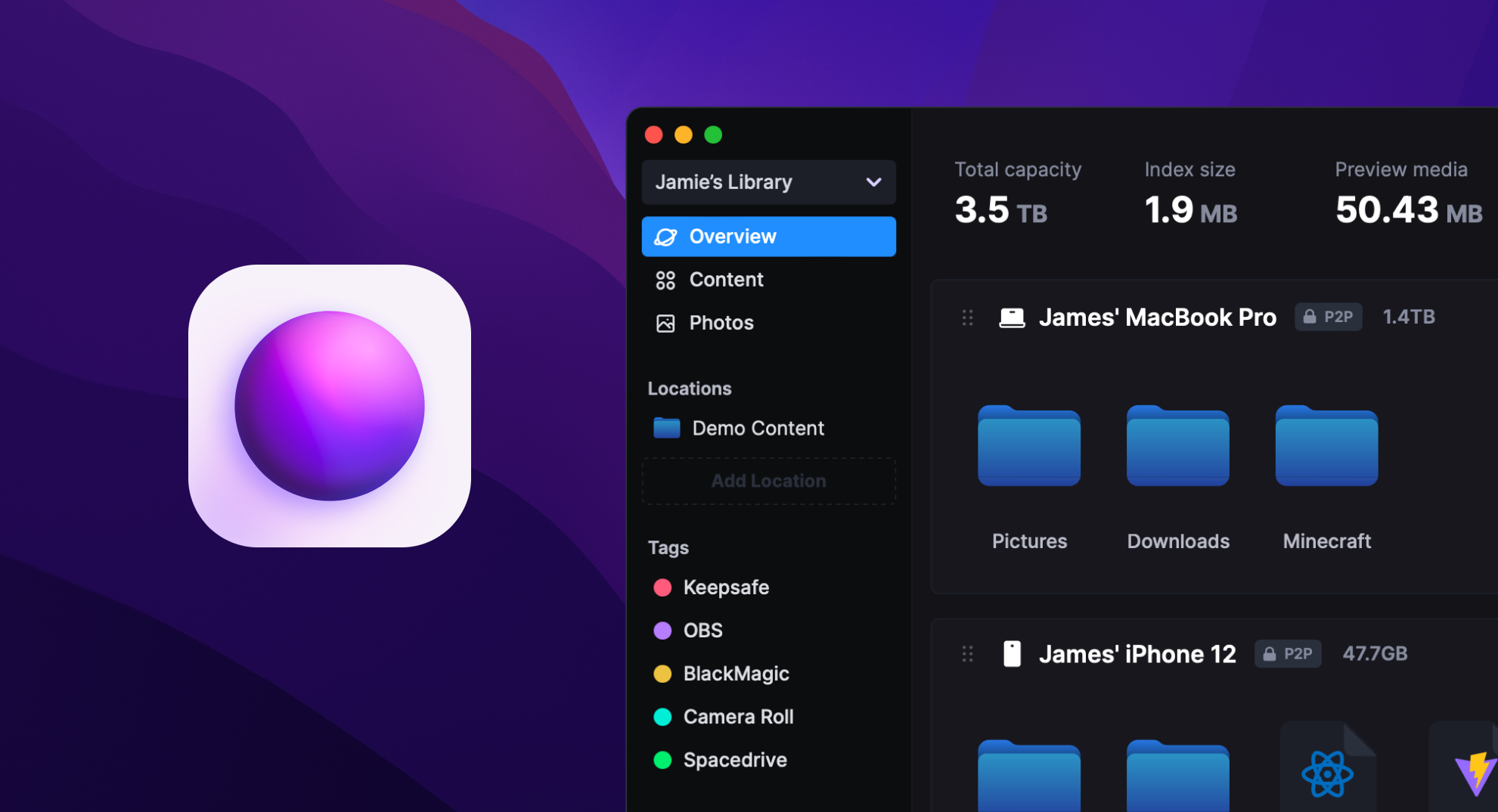
A new contender in the realm of file management, Spacedrive, is capturing attention for its innovative approach to handling digital clutter. Developed using the Rust programming language, Spacedrive is an open-source, cross-platform file manager that aims to redefine how users organize, access, and control their digital data. What sets this tool apart is its ability to seamlessly integrate storage from multiple sources—whether it be local hard drives, cloud services, or other devices—into a singular, cohesive interface.
At its core, Spacedrive utilizes a Virtual Distributed Filesystem (VDFS), which allows users to manage files across devices without the restrictions typical of conventional file systems. The VDFS operates by creating a virtual index of storage locations, allowing real-time synchronization between clients. This means users no longer need to be tethered to a single device, as Spacedrive’s architecture enables access to their data from any connected device, all while preserving privacy and control.
This tool is currently in its alpha stage, with its developers anticipating a full release by the end of summer 2024. Despite being in early development, the app already shows promise with major features accessible through its development mode. Users can download versions compatible with macOS, Windows, and Linux, and a mobile app for iOS and Android is also on the horizon.
Designed with data privacy and independence in mind, Spacedrive addresses a growing concern in today’s digital age: the fragmentation and vulnerability of personal data. Unlike popular cloud services such as Google Drive and iCloud, which limit interoperability between platforms and can be prone to data harvesting, Spacedrive offers a more flexible and secure alternative. This platform is particularly appealing to those who manage large volumes of data or seek greater autonomy over their digital assets, such as creative professionals and data hoarders.
Follow Arabian Post
Select Arabian Post as your preferred source on Google and MSN News for trusted business news and Arab politics and updates.