

By K Raveendran
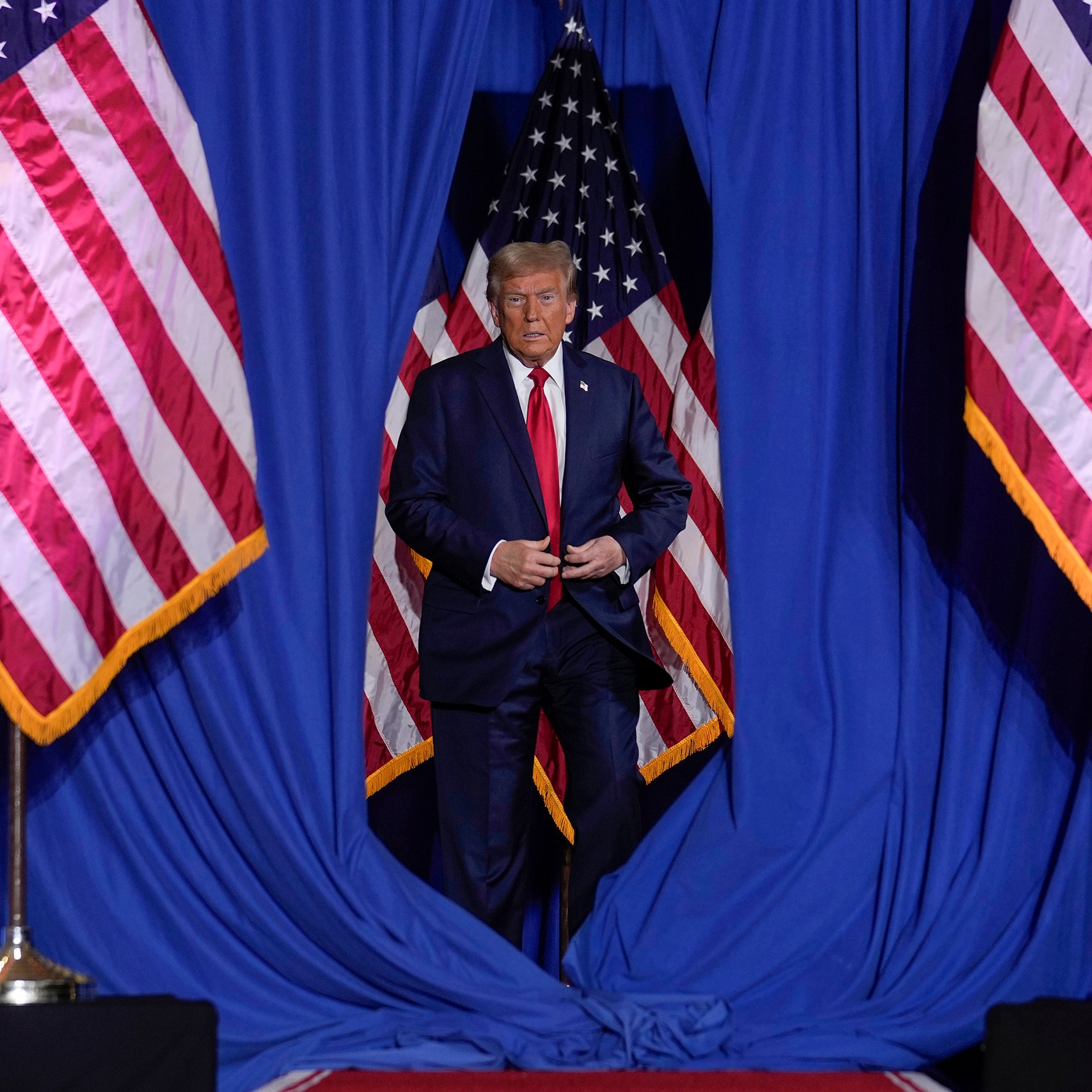
The term disruption has undergone a significant transformation in meaning over the years. Traditionally, it carried a negative connotation, indicating disorder or interruption. However, in the contemporary technological setting, disruption is celebrated as a driver of innovation, progress, and problem-solving. Companies like Uber, Airbnb, and Tesla have all disrupted their respective industries, ushering in advancements that have benefited consumers and economies alike. Yet, in the political sphere, particularly in the context of President Donald Trump and his policies, disruption assumes a starkly different meaning—one that signifies regression, instability, and a retreat from established global norms.
One of the most conspicuous manifestations of this regressive disruption has been the reintroduction of trade barriers under Trump’s administration. Protectionist policies, long considered anachronistic in an era of globalization and free trade, have been revived, threatening the delicate interdependencies that define modern economies. Trump’s imposition of tariffs during his first term sent shockwaves through supply chains, reduced corporate earnings, and provoked retaliatory measures from trading partners. The second wave of such policies under a renewed Trump administration could have even more severe consequences, given the already precarious state of global markets grappling with inflationary pressures and monetary policy uncertainties.
Standard & Poor’s (S&P) has sounded alarm about the potential fallout from the uncertainty surrounding U.S. trade policies. A significant consequence of these protectionist measures is the hesitation they induce in investment decisions. Businesses thrive on stability and predictability; when these are eroded, capital expenditure and long-term planning suffer. Emerging markets (EMs), which are intricately linked to the economies of countries targeted by U.S. tariffs, face heightened risks. A strong U.S. dollar, coupled with protectionist policies, could trigger capital outflows from EMs, leading to tighter financial conditions and economic stagnation in these regions.
The role of central banks in navigating these turbulent waters becomes crucial. Given the looming threats posed by U.S. trade policies, EM central banks are likely to adopt a more cautious stance on monetary policy normalization. An aggressive reduction in interest rates, though beneficial for stimulating domestic growth, could exacerbate capital outflows if the dollar continues to strengthen. The delicate balancing act required to maintain economic stability in the face of these disruptions underscores the broader ramifications of Trump’s policies beyond the borders of the United States.
Equity markets offer another lens through which to assess the impact of these disruptions. At the start of the year, EM equities had been performing well, buoyed by optimism surrounding economic recovery and investment inflows. However, following the U.S. election, this momentum has reversed across all regions. The uncertainty generated by the new Trump administration and its potential policy shifts has dampened investor confidence, leading to a broad-based decline in stock performance. This downturn underscores the extent to which political decisions in the United States influence global financial markets.
Beyond the immediate economic ramifications, Trump’s trade policies represent a broader ideological shift that challenges the foundations of globalization. Since the mid-20th century, the prevailing economic order has been one of increasing interconnectedness, where free trade agreements, multinational cooperation, and open markets have driven prosperity. Trump’s approach disrupts this paradigm, advocating instead for economic nationalism and bilateralism over multilateralism. This shift not only threatens economic stability but also undermines diplomatic relationships that have been meticulously built over decades.
The ripple effects of Trump’s trade policies are not limited to economics; they extend into geopolitical dynamics as well. The imposition of tariffs and trade restrictions has strained relations with traditional allies while emboldening adversarial nations to adopt more aggressive economic postures. China, for instance, has capitalized on the uncertainty created by U.S. policies to strengthen its own trade alliances. By retreating from global trade leadership, the United States risks ceding influence to competitors, reshaping the global economic landscape in ways that could prove detrimental in the long run.
Moreover, the unpredictability of Trump’s policy decisions creates an environment of sustained volatility. Unlike traditional economic disruptions driven by innovation, which tend to be progressive and forward-looking, Trump’s brand of disruption fosters instability and regression. The imposition of tariffs, renegotiation of trade agreements, and threats of withdrawal from international organizations contribute to a climate of uncertainty that hampers business confidence and economic growth.
At the heart of this disruption is a fundamental contradiction. While Trump’s policies purport to prioritize American interests, they often end up harming U.S. businesses and consumers. Tariffs, for example, increase input costs for American manufacturers, making domestic production more expensive and less competitive on the global stage. Consumers, in turn, bear the brunt of these policies through higher prices on goods. The agricultural sector, a key constituency of Trump’s political base, has been particularly hard hit by retaliatory tariffs imposed by trading partners, leading to lost export markets and financial distress for farmers.
In contrast to the technological disruptions that drive progress, the disruptions introduced by Trump’s policies threaten to reverse economic gains and reintroduce inefficiencies into the global market. While innovation-driven disruption fosters competition and efficiency, protectionist-driven disruption fosters isolationism and stagnation. The economic principles that underpin global prosperity are being challenged by policies that prioritize short-term political gains over long-term economic stability. (IPA Service)
Follow Arabian Post
Select Arabian Post as your preferred source on Google and MSN News for trusted business news and Arab politics and updates.



