

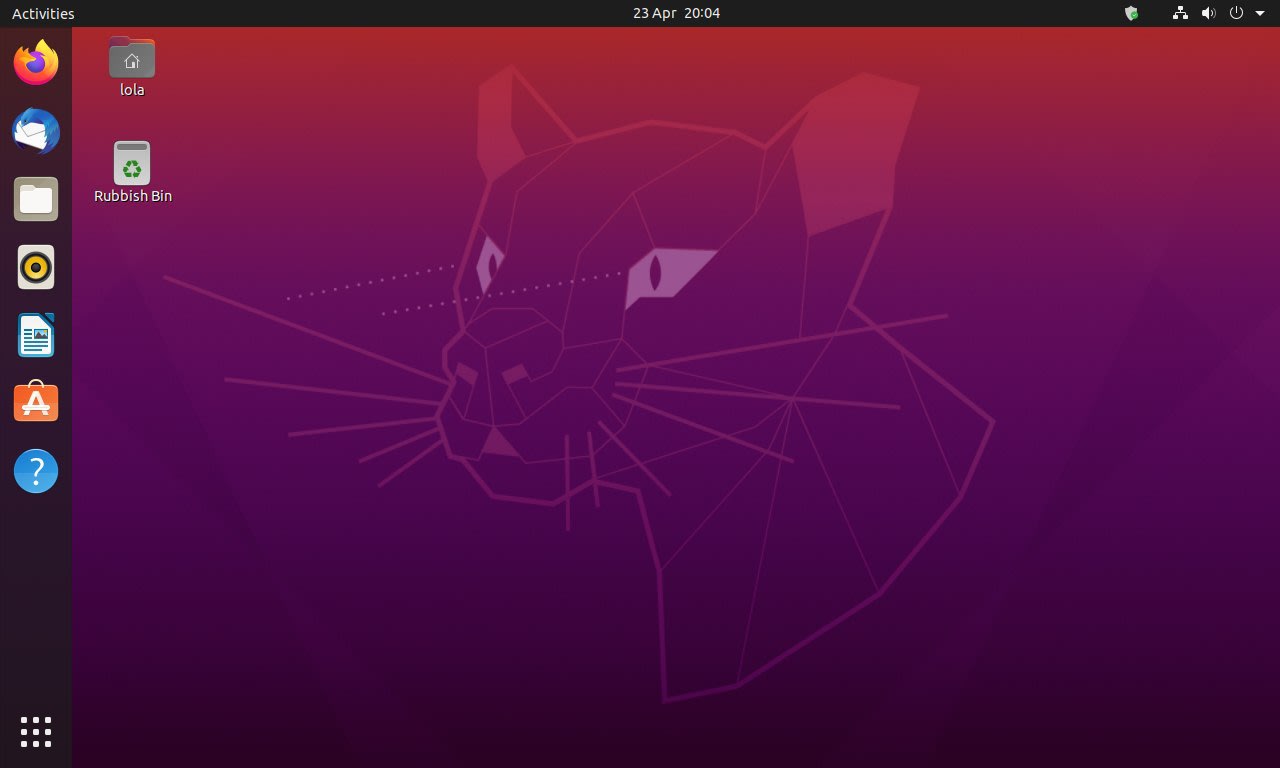
Canonical’s Ubuntu 20.04 LTS, known as Focal Fossa, will reach the end of its standard five-year support period on 31 May 2025. This transition affects millions of users across enterprise, cloud, and personal environments, who must now decide between upgrading to a newer release or subscribing to extended support to maintain security compliance.
Ubuntu LTS releases are designed to provide five years of free security updates and maintenance for packages in the ‘Main’ repository. After this period, systems no longer receive critical patches unless users opt for Canonical’s Extended Security Maintenance through Ubuntu Pro. For Ubuntu 20.04, ESM extends security coverage until April 2030, with an additional two years of legacy support available until April 2032.
Ubuntu Pro, which includes ESM, is available at no cost for up to five machines, catering to individual users and small businesses. Larger organisations can subscribe to paid plans that offer broader support, including security updates for packages in both the ‘Main’ and ‘Universe’ repositories, kernel livepatching, and compliance tools for FIPS and CIS benchmarks. This extended coverage is particularly vital for enterprises operating in regulated industries or managing critical infrastructure.
Canonical advises users to consider upgrading to a newer LTS release to benefit from the latest features and hardware support. The recommended upgrade path from Ubuntu 20.04 is to Ubuntu 22.04 LTS , which will receive standard support until April 2027 and ESM until April 2032. Alternatively, users may perform a fresh installation of Ubuntu 24.04 LTS , released in April 2024, which offers standard support until April 2029 and ESM until April 2034.
It is important to note that there is no direct upgrade path from Ubuntu 20.04 to 24.04. Users must first upgrade to 22.04 before proceeding to 24.04, or opt for a clean installation of 24.04. Canonical provides detailed documentation and tools to facilitate these transitions, ensuring minimal disruption to services.
For those unable to upgrade immediately, enabling ESM through Ubuntu Pro ensures continued receipt of critical security updates. This option is particularly beneficial for organisations with complex infrastructures or those requiring additional time to test and validate new environments. By subscribing to Ubuntu Pro, users can maintain system integrity while planning their migration to newer releases.
Failure to act before the end of standard support may expose systems to unpatched vulnerabilities, increasing the risk of security breaches. Organisations are encouraged to assess their current deployments and determine the most appropriate course of action to maintain compliance and operational stability.
Follow Arabian Post
Select Arabian Post as your preferred source on Google and MSN News for trusted business news and Arab politics and updates.




