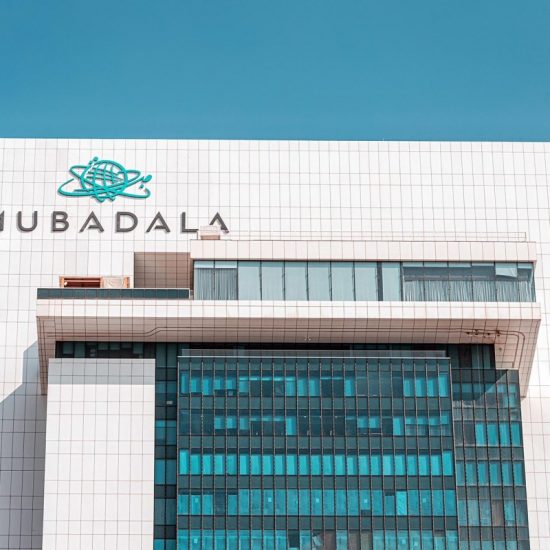
The change applies to ETFs and futures contracts listed on the exchange, allowing their prices to move without the daily trading bands that usually cap gains or losses during a session. ADX said the measure is designed to create a more efficient and investor-responsive market, particularly for instruments whose fair value can change quickly in response to underlying securities, indices, interest-rate expectations or global risk conditions.
The move does not amount to a removal of all safeguards. The exchange will retain mechanisms to manage intraday volatility, including temporary trading pauses in exceptional circumstances to preserve orderly trading. That balance is central to the reform: ADX is seeking to give market participants wider freedom to price risk while keeping tools available to contain disorderly moves.
Daily price limits have long been used across regional exchanges to curb extreme volatility, especially in cash equities. They can protect retail investors from sharp swings, but they can also slow price adjustment when underlying markets move faster than the local trading band permits. For ETFs, that gap can matter because the traded price should ideally remain close to the value of the basket it tracks. For futures, restrictive bands may reduce the ability of investors to hedge or reposition when expectations shift.
The timing is significant for Abu Dhabi’s capital market. ADX has been expanding beyond conventional share trading into ETFs, derivatives, fixed income and index-linked products as part of a broader strategy to attract institutional capital. The exchange’s market capitalisation is above AED2.8 trillion, placing it among the larger markets in the region, and its product base has widened through new listings, cross-market initiatives and index partnerships.
The derivatives market was launched in 2021, giving investors access to equity futures and later index futures. Early contracts were linked to some of the exchange’s most actively traded companies, including Etisalat, First Abu Dhabi Bank, International Holding Company, ADNOC Distribution and Aldar Properties. The launch gave fund managers, brokers and sophisticated investors a way to hedge portfolios, take directional views and manage exposure without transacting directly in the underlying shares.
ADX’s ETF segment has also become more important as Gulf markets seek to draw global portfolio flows and offer local investors diversified access to regional and international assets. ETFs are increasingly being used for cross-border investment links, sector exposure and passive strategies. For market makers, fewer pricing constraints can make it easier to maintain tighter spreads when the underlying basket is moving quickly.
The decision also reflects a wider shift among exchanges that are trying to modernise market microstructure without weakening investor protection. Price bands are useful during disorderly trading, but they can create stale prices when the reference asset is liquid elsewhere or when futures prices need to reflect overnight moves. Global investors often prefer rules that allow continuous price discovery, especially in products used for hedging.
For brokers and liquidity providers, the removal of limits may encourage more active quoting in ETFs and futures because prices can adjust immediately to supply and demand. That could improve turnover and reduce mismatches between executable prices and fair value. The benefit is likely to be clearer in products linked to volatile assets or overseas markets, where external prices may move sharply outside ADX trading hours.
The reform may also support Abu Dhabi’s ambition to strengthen its role as a regional financial hub. Deeper derivatives markets are often viewed as a marker of capital-market maturity because they allow investors to manage risk rather than simply buy or sell cash securities. A more flexible ETF market can also improve access for wealth managers, family offices and institutions seeking low-cost exposure.
The change carries risks. Removing daily bands can expose investors to sharper intraday losses, especially in thinly traded products or during periods of global stress. Market makers will have to manage quoting obligations carefully, while brokers may need to strengthen risk warnings and suitability checks for less experienced clients using futures. Clear communication around product risks will be important because futures can magnify both gains and losses.
Follow Arabian Post
Select Arabian Post as your preferred source on Google and MSN News for trusted business news and Arab politics and updates.