Arabian Post Staff -Dubai
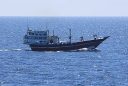
The tanker, identified as Sibu 1 and also known by its former name Seamull, was travelling west when it reported that an unauthorised vessel was approaching. The incident occurred about 136 nautical miles, or 252 kilometres, east of Al Mukalla on Yemen’s southern coast. The ship transmitted a distress call before the armed group boarded and took control.
The attackers subsequently changed the vessel’s course towards Somalia. Maritime authorities have opened an investigation and warned other ships operating in the area to exercise caution and immediately report suspicious activity. No confirmed information has been released on the condition of the crew or whether anyone was injured during the boarding.
Sibu 1 is a 32,238-deadweight-tonne oil products tanker built in 2001. The 178-metre vessel, IMO number 9204776, has undergone changes of name and flag during its operating history. Shipping databases currently list it as sailing under the Eritrean flag, although it operated as the Palau-flagged Seamull when it was placed under United States sanctions in December 2025.
The tanker was sanctioned over its connection to Dubai-based Qatrat Alnada Almasi Ship Management. The company and vessels under its management were targeted over involvement in transporting Iranian petroleum products, including naphtha and gasoil. Seamull and three other tankers managed by the company had also called at ports in Yemen controlled by the Houthis.
The seizure adds to evidence that Somali pirate groups are again extending operations far beyond the immediate Somali coastline. Their ability to operate hundreds of nautical miles offshore has increased concern among shipping companies, insurers and naval forces after piracy had fallen sharply from the levels recorded more than a decade ago.
Another vessel, the Cameroon-flagged cargo ship Lutuf, was seized earlier this week near Somalia’s Puntland coast. Eight armed men boarded the ship, which was carrying military-related cargo, and took it towards the Nugaal coastline. Its 10 crew members included nationals from India, Turkey, Georgia and Serbia. Their condition remained unclear as security forces monitored the vessel.
A separate tanker hijacking in July also demonstrated the expanding reach of armed groups operating from Somalia. A vessel boarded south of Al Mukalla was subsequently taken into Somali territorial waters, prompting maritime authorities to formally classify the case as a hijacking.
The pattern represents a renewed security challenge for merchant shipping at a time when vessels crossing the region already face risks linked to wider Middle East tensions. The Gulf of Aden connects the Arabian Sea and Indian Ocean with the Bab el-Mandeb, Red Sea and Suez Canal, making it a critical passage for trade between Asia, Europe and the Mediterranean.
About 12 to 15 per cent of global trade by value normally moves through the Suez Canal route, along with roughly 30 per cent of global container traffic. Disruptions around the Red Sea and Gulf of Aden can therefore increase voyage times, insurance costs and fuel expenditure when operators divert vessels around Africa.
Shipping through the southern Red Sea has already been operating below normal levels following attacks linked to regional conflicts. Commercial traffic in the Gulf of Aden had remained comparatively steady, but maritime security assessments have continued to highlight the possibility of piracy alongside threats associated with armed groups operating from Yemen.
Somali piracy reached its previous peak between 2008 and 2012, when armed groups seized dozens of vessels and collected millions of dollars in ransom payments. International naval deployments, armed guards aboard merchant vessels and improved maritime security practices later reduced successful hijackings sharply.
Also published on Medium.
Follow Arabian Post
Select Arabian Post as your preferred source on Google and MSN News for trusted business news and Arab politics and updates.