

Bhutan has moved another 250 bitcoin worth about $18.5 million, extending a steady disposal of the digital asset that has cut the kingdom’s publicly tracked holdings to roughly 3,500 BTC and raised fresh questions over how long one of the world’s best-known sovereign crypto stockpiles can last. The transfer, flagged by Arkham Intelligence and widely followed across crypto markets, came as bitcoin traded near $77,000 on April 18.
The new sale does not by itself prove Bhutan will exhaust its reserves by September, despite that claim circulating in crypto commentary. What it does show is that the pace of outflows has accelerated sharply this year. Arkham-linked tracking and market reports indicate Bhutan’s holdings have fallen from about 13,000 BTC in October 2024 to between 3,500 and 4,000 BTC in April 2026, implying that around 70 per cent of the stash identified last year has already been sold or moved out of state-linked wallets.
That distinction matters because Bhutan has never publicly announced that it intends to liquidate its entire bitcoin treasury on any fixed timetable. The September line appears to be an extrapolation from current selling behaviour rather than an official position. If disposals continued at roughly the same weekly speed seen in March and April, the reserve could indeed diminish quickly. But the actual outcome will depend on market prices, whether mining inflows resume, and whether the government chooses to slow or pause transfers. ][1])
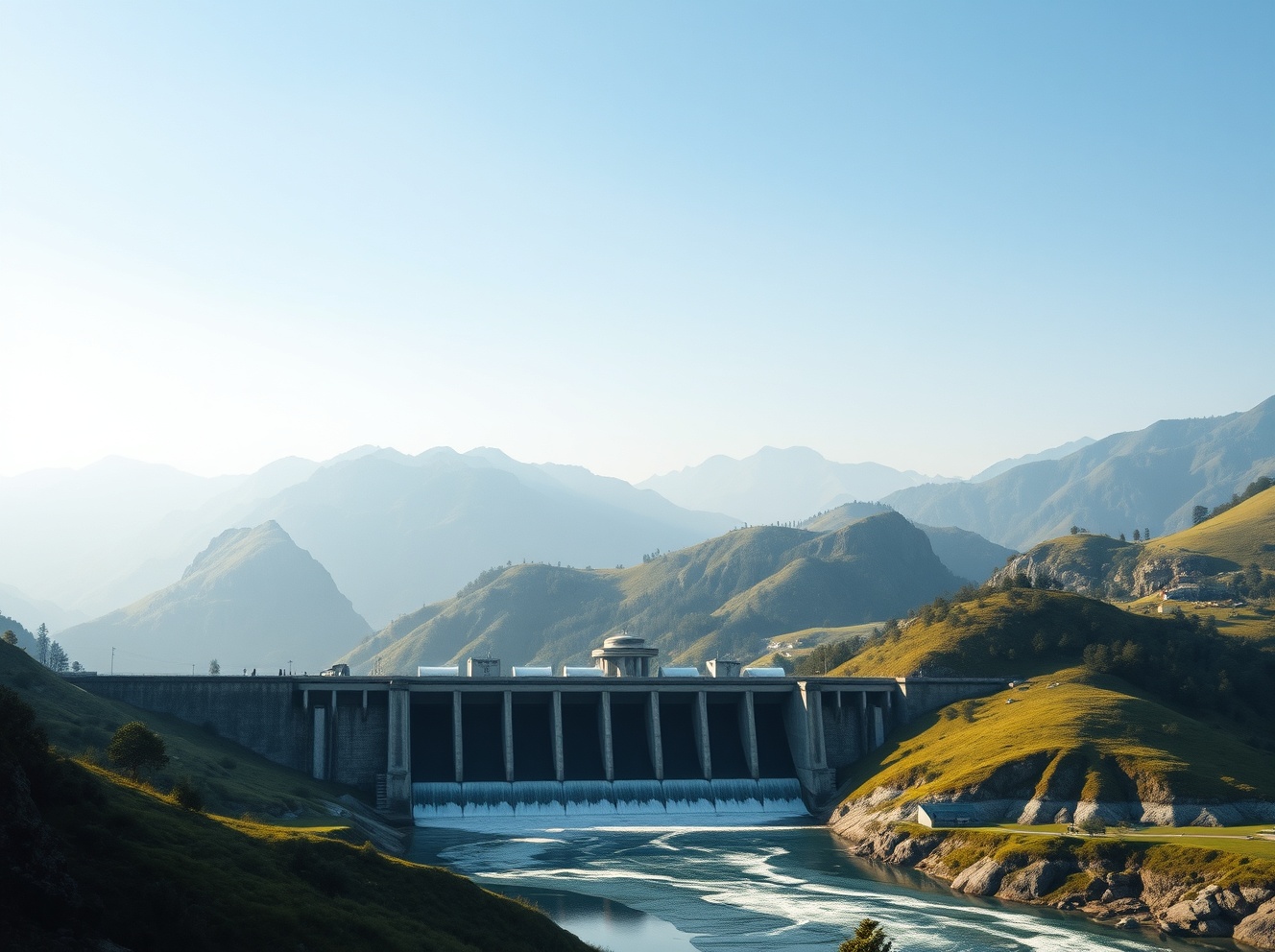
Bhutan occupies an unusual place in sovereign crypto markets because its bitcoin was not built mainly through seizures, as in the United States or the United Kingdom, but through state-backed mining powered by hydropower. Reuters reported last year that Druk Holding and Investments, the kingdom’s sovereign investment arm, had been adding cryptocurrencies since 2019 and had used part of the profits to help pay government salaries for two years. Ujjwal Deep Dahal, the group’s chief executive, described bitcoin as a way of converting Bhutan’s clean electricity into hard-currency liquidity while supporting a green-mining narrative.
That strategy once looked like a clever hedge for a small economy seeking new revenue streams. Bhutan has fewer than 800,000 people, a narrow industrial base, and a long-running challenge in retaining young workers. Officials have also been trying to build Gelephu Mindfulness City, an expansive economic project intended to draw investment, create jobs and reposition the country as a gateway between South and Southeast Asia. Reuters reported the project would take decades to complete and require major spending on an airport, roads, bridges and urban infrastructure.
That broader economic context helps explain why traders and analysts are focusing so closely on each wallet movement. For a country of Bhutan’s size, bitcoin reserves are not just a speculative side bet; they are part of a larger development story. Supporters argue that monetising mined bitcoin when prices are strong is rational treasury management, particularly for a state that needs foreign exchange and capital for long-term projects. Critics counter that persistent selling reduces a strategic reserve that once differentiated Bhutan from almost every other small economy and leaves it more exposed if crypto prices rise further after the sales are completed.
There is also uncertainty over the mining side of the equation. Arkham’s earlier research linked Bhutan’s holdings to government-funded mining operations and to partnerships aimed at expanding carbon-free digital-asset mining capacity. Bitdeer and DHI announced plans in 2023 to develop green mining operations in Bhutan, while later market reports suggested activity may have slowed after bitcoin’s 2024 halving reduced mining rewards. If that slowdown is sustained, the country would have fewer new coins entering treasury wallets just as outflows have intensified.
Arabian Post – Crypto News Network
Also published on Medium.
Follow Arabian Post
Select Arabian Post as your preferred source on Google and MSN News for trusted business news and Arab politics and updates.




