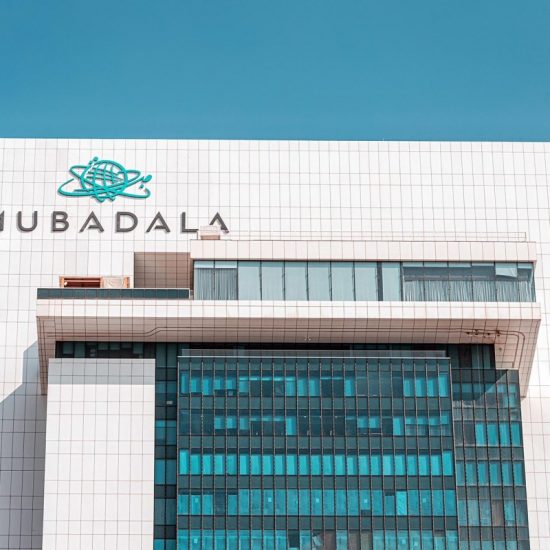
The Dubai Gold and Commodities Exchange, part of Dubai Multi Commodities Centre, will introduce the Gold Spot T+0 Contract for bullion dealers, refineries, brokers, clearing members and institutional market participants. The product is designed to allow trades to be executed and settled on the same day, reducing the time gap between price agreement, clearing and delivery in a market where volatility has made settlement speed more valuable.
The contract marks a significant addition to Dubai’s precious metals infrastructure at a time when safe-haven demand, geopolitical risk and shifts in global vaulting preferences are reshaping gold markets. It will provide physical delivery through approved vaults, giving market participants a regulated mechanism to hedge, trade and settle positions with a closer link to the underlying bullion market.
The exchange’s move reflects a broader push by Dubai to deepen liquidity in gold beyond traditional over-the-counter trading. A same-day settlement cycle can help refiners, jewellers, bullion banks and trading houses manage intraday price exposure, especially when global spot prices move sharply between London, New York, Dubai and Asian trading hours. For traders holding physical inventories, the shorter cycle may also improve capital efficiency by reducing the period during which funds and metal are tied up awaiting settlement.
DGCX has been expanding its precious metals offering as Dubai positions itself as a central marketplace between producing nations, refining centres and major consumer markets. The exchange began trading in November 2005 and has since developed futures and spot contracts across gold, silver, currencies, equities and energy. Its clearing infrastructure, through Dubai Commodities Clearing Corporation, remains central to efforts to bring more transparent and standardised risk management tools to regional commodities trading.
Dubai’s bullion market already benefits from a large physical ecosystem built around refineries, logistics firms, vault operators, banks, jewellers and commodity finance providers. The emirate has long served as a bridge between African, Middle Eastern and Asian gold flows, while its tax treatment of investment-grade bullion and air connectivity have supported its standing as a trading and re-export hub.
The UAE’s foreign trade in precious metals reached nearly AED625 billion, or about $170 billion, in 2024, rising 27 per cent from the previous year and 79 per cent over two years. Dubai is considered one of the world’s largest physical gold trade centres, second only to Switzerland in some market assessments, with more than 1,500 companies active across DMCC’s precious metals, stones and diamonds ecosystem.
DGCX reported a stronger market performance in 2025, with total traded volumes rising by more than 30 per cent to exceed two million lots and traded value surpassing $46 billion. Gold futures activity contributed to that momentum as investors used exchange-traded products to manage price swings triggered by geopolitical tensions, changing interest-rate expectations and currency volatility.
The launch also comes as global gold demand remains heavily influenced by central-bank purchases, exchange-traded fund flows and private investment in bars and coins. Reserve managers have continued to treat gold as a strategic asset for diversification and crisis protection, while retail and institutional investors have increased their focus on physical-backed products during periods of market stress.
At the same time, high gold prices have weighed on jewellery demand in several consumer markets, pushing more activity towards investment products and hedging tools. That shift has increased the importance of exchange-based contracts that can connect financial trading with deliverable metal, particularly in hubs able to offer vaulting, logistics and regulatory oversight.
Same-day settlement is not without challenges. Market participants will need to align funding, collateral, vault documentation and delivery procedures within a compressed time frame. Brokers and clearing members will also need robust operational systems to manage cut-off times, margin calls and physical allocation. Liquidity will depend on whether bullion dealers, refineries and institutional users commit meaningful volumes after launch.
Follow Arabian Post
Select Arabian Post as your preferred source on Google and MSN News for trusted business news and Arab politics and updates.