

Arabian Post Staff -Dubai
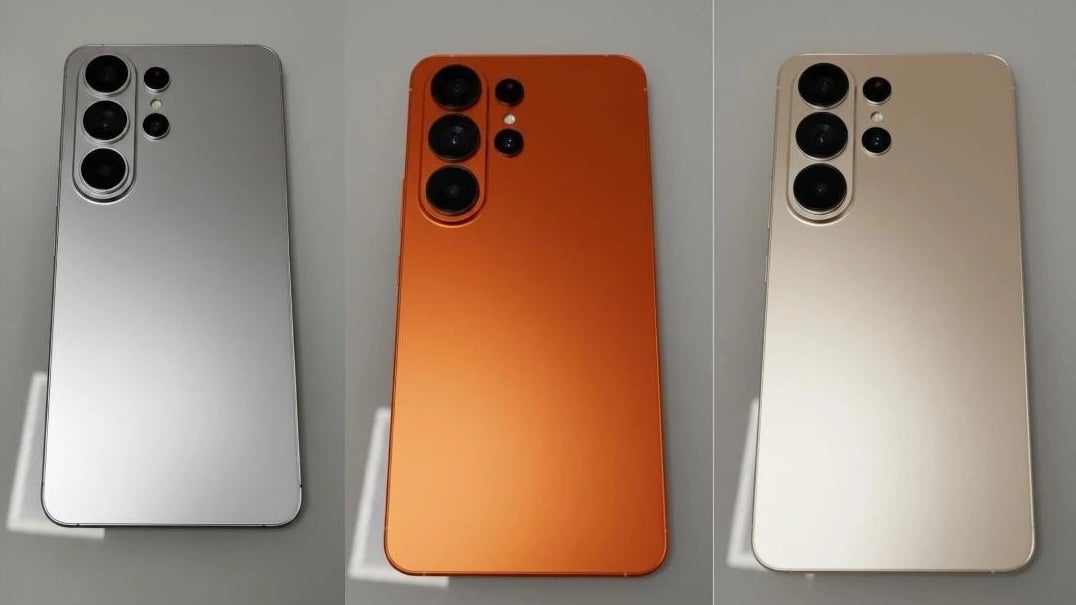
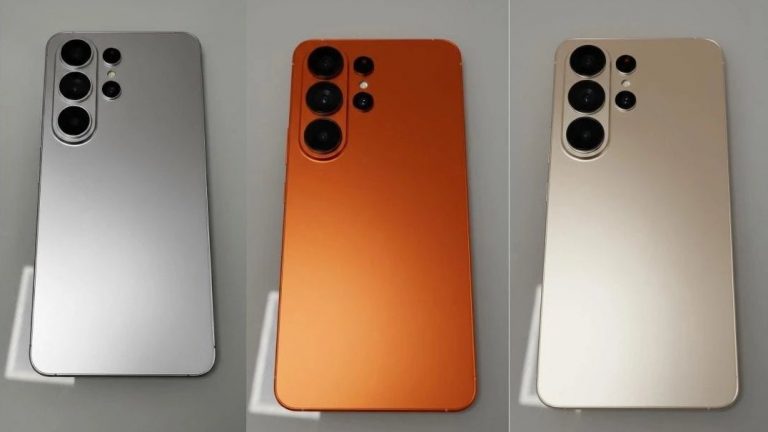
Competition in the premium smartphone market has intensified as Samsung’s Galaxy S26 series arrives with upgraded artificial intelligence features, faster processors and improved camera systems, setting up a direct contest with Apple’s iPhone 17 Pro Max. Both devices represent the most advanced offerings from their respective ecosystems, targeting users seeking high-end performance, photography capabilities and extended software support.
Samsung unveiled the Galaxy S26 lineup at its Unpacked event in February 2026, with the S26 Plus positioned as a premium model between the base S26 and the top-tier Ultra. The device is scheduled to reach stores globally on March 11, with a starting price around $1,099. The launch marks Samsung’s push to expand AI integration and hardware performance across its flagship devices while competing directly with Apple’s latest iPhone generation.
Display technology remains one of the most visible differences between the two models. The Galaxy S26 Plus uses a 6.7-inch QHD+ AMOLED display with a 120Hz refresh rate and a resolution of roughly 3120 by 1440 pixels, designed to deliver vivid colours and smooth motion for gaming and multimedia. Apple’s iPhone 17 Pro Max adopts a larger 6.9-inch Super Retina XDR OLED panel with ProMotion technology, allowing adaptive refresh rates up to 120Hz and peak brightness levels approaching 3,000 nits. While Samsung’s display typically emphasises saturation and contrast, Apple focuses on colour accuracy and outdoor visibility, reflecting distinct design philosophies in screen engineering.
Processing power also illustrates the diverging approaches of the two companies. Samsung equips the Galaxy S26 Plus with the Exynos 2600 processor in several markets, while some regions use Qualcomm’s Snapdragon 8 Elite generation chip. The device is paired with 12GB of RAM and storage options beginning at 256GB. Apple’s iPhone 17 Pro Max runs on the A19 Pro chip, a high-performance processor built to emphasise efficiency and machine-learning capabilities through a dedicated neural engine. The two devices handle demanding applications, gaming and AI-driven features smoothly, though Apple’s chip has historically delivered stronger single-core performance while Samsung devices prioritise multitasking flexibility.
Artificial intelligence has become a defining theme of the 2026 flagship generation. Samsung integrates a suite of Galaxy AI tools that assist with tasks such as photo editing, contextual search, translation and productivity automation. These features work alongside Android 16 and Samsung’s One UI interface, enabling deeper customisation and integration with Google services. Apple’s strategy revolves around its hardware-accelerated machine-learning platform embedded within the A19 Pro chip, which powers camera processing, system predictions and voice-assistant improvements while maintaining tight integration across the Apple ecosystem.
Camera capabilities continue to influence purchasing decisions in the premium segment. Samsung equips the S26 Plus with a triple-camera system centred on a 50-megapixel main sensor supported by ultra-wide and telephoto lenses. The setup emphasises flexibility, manual controls and AI-driven enhancements for night photography and stabilised video. Apple’s iPhone 17 Pro Max uses a triple 48-megapixel camera array designed for computational photography, delivering consistent colour reproduction and professional-grade video features such as advanced stabilisation and ProRes recording. Apple’s cameras are widely regarded for their video quality, while Samsung’s devices often emphasise high-resolution photography and zoom capabilities.
Battery capacity and charging speeds reveal another contrast. The Galaxy S26 Plus carries a battery around 4,900mAh and supports fast wired charging of about 45W along with wireless charging. Apple’s iPhone 17 Pro Max features a battery exceeding 5,000mAh in some configurations and relies on software optimisation to deliver long endurance, with MagSafe and Qi2 wireless charging options. Apple’s optimisation of hardware and software often yields longer real-world battery efficiency, while Samsung tends to offer faster charging speeds.
Operating systems represent one of the clearest dividing lines between the two devices. Samsung’s handset runs Android with Samsung’s custom interface, providing extensive personalisation, multitasking tools and compatibility with a wide variety of apps and services. Apple’s iPhone 17 Pro Max runs the latest version of iOS, designed for seamless interaction with Mac computers, iPads and Apple Watches through features such as AirDrop, Handoff and shared device continuity.
Software longevity also shapes buyer decisions in the premium category. Apple typically provides software updates for seven years or longer, giving older devices extended support and security coverage. Samsung has narrowed that gap by committing to several years of Android upgrades and security updates for the S26 series, signalling a broader industry shift toward longer product lifecycles.
Pricing strategies further highlight market positioning. The Galaxy S26 Plus enters the premium tier at a slightly lower starting price than Apple’s flagship model in many regions, while the iPhone 17 Pro Max commands a higher cost due to its position at the top of Apple’s smartphone lineup. Storage options also differ, with Apple offering capacities reaching 2TB on some models, compared with lower maximum capacities on the Samsung Plus variant.
Also published on Medium.
Follow Arabian Post
Select Arabian Post as your preferred source on Google and MSN News for trusted business news and Arab politics and updates.




