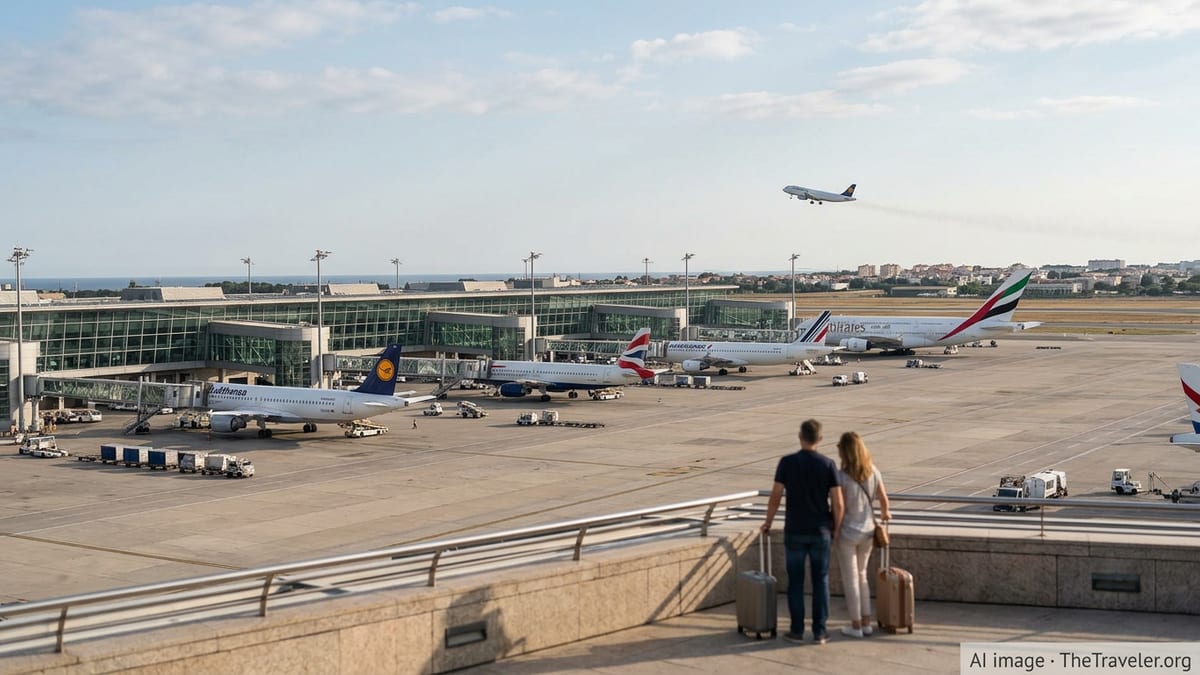
Italy has introduced temporary jet fuel limits at four airports as supply strains tied to the Middle East conflict begin to hit European aviation, raising the prospect of operational disruption just as airlines prepare for heavier spring and summer traffic. Notices to airmen issued for Bologna, Milan Linate, Venice and Treviso said Jet A1 availability from Air BP Italia was limited, with restrictions running between April 2 and April 9.
The advisories indicate that priority will be given to ambulance flights, state aircraft and services with flight times exceeding three hours, while other flights may face constrained uplift or have to adjust operations. That does not amount to a shutdown of airport fuel supplies, but it marks one of the clearest signs yet that a conflict-driven squeeze in refined products is moving from global markets into day-to-day airport logistics in Europe.
The immediate trigger lies far beyond Italy. The widening war involving Iran, the United States and Israel has disrupted oil flows and damaged energy infrastructure across the Middle East, while the Strait of Hormuz has become a choke point for shipments. The International Energy Agency warned on April 1 that losses in oil supply had already exceeded 12 million barrels and that shortages of products such as jet fuel and diesel were set to bite Europe during April or May.
That broader backdrop matters because aviation fuel markets are more vulnerable than crude alone might suggest. Refined products depend not only on access to feedstock but also on uninterrupted shipping, storage and distribution chains. Industry executives have been signalling for days that the danger is no longer confined to higher costs. Ryanair chief executive Michael O’Leary said on April 1 that jet fuel supply to Europe could be disrupted from May or June if the conflict persists, and warned that airlines may ultimately have to consider cancelling some summer flights if airport supplies tighten.
For Italy, the restrictions are especially sensitive because the country is already grappling with wider energy-security concerns. Prime Minister Giorgia Meloni travelled to Gulf states this week in part to reinforce energy ties, while Rome has been weighing the economic fallout from higher energy costs and tighter supply. Reuters reported that Qatar has paused some LNG shipments and that Italy is exploring alternative supply arrangements, underlining how the aviation issue sits within a broader scramble for fuel security.
The four affected airports are not Italy’s largest long-haul hubs, but they are commercially significant. Milan Linate is a key business-travel gateway, while Venice, Treviso and Bologna serve dense networks of domestic, European and leisure traffic. Limits at those airports can ripple quickly through schedules, especially if aircraft are unable to tank sufficient fuel for onward sectors or need to alter uplift plans at other stations. Airlines can mitigate some of that pressure by tankering fuel from other airports or adjusting rotations, though those measures add cost, complexity and in some cases weight penalties. The NOTAM language suggests authorities and suppliers are trying to preserve essential and longer-range movements first.
So far, there is no indication of a nationwide aviation fuel emergency in Italy, and suppliers have not said the affected airports are out of fuel. The measures instead point to managed scarcity: enough supply to keep priority traffic moving, but not enough comfort for normal commercial operations to continue without tighter allocation. That distinction is important for passengers and markets alike. It means widespread cancellations are not yet a certainty, but it also means the system has become more fragile, particularly if the Middle East conflict drags on or if more European airports begin reporting constrained availability.
Elsewhere, Asia has already provided a warning of what can follow when aviation fuel tightens. Vietnam said in March that its airlines could face fuel shortages from April because of the same geopolitical shock, and later reports indicated carriers were preparing service cuts if prices stayed elevated and supplies remained under pressure. That pattern gives European regulators and airlines a live case study in how quickly market disruption can feed into route planning and capacity decisions.
Follow Arabian Post
Select Arabian Post as your preferred source on Google and MSN News for trusted business news and Arab politics and updates.