

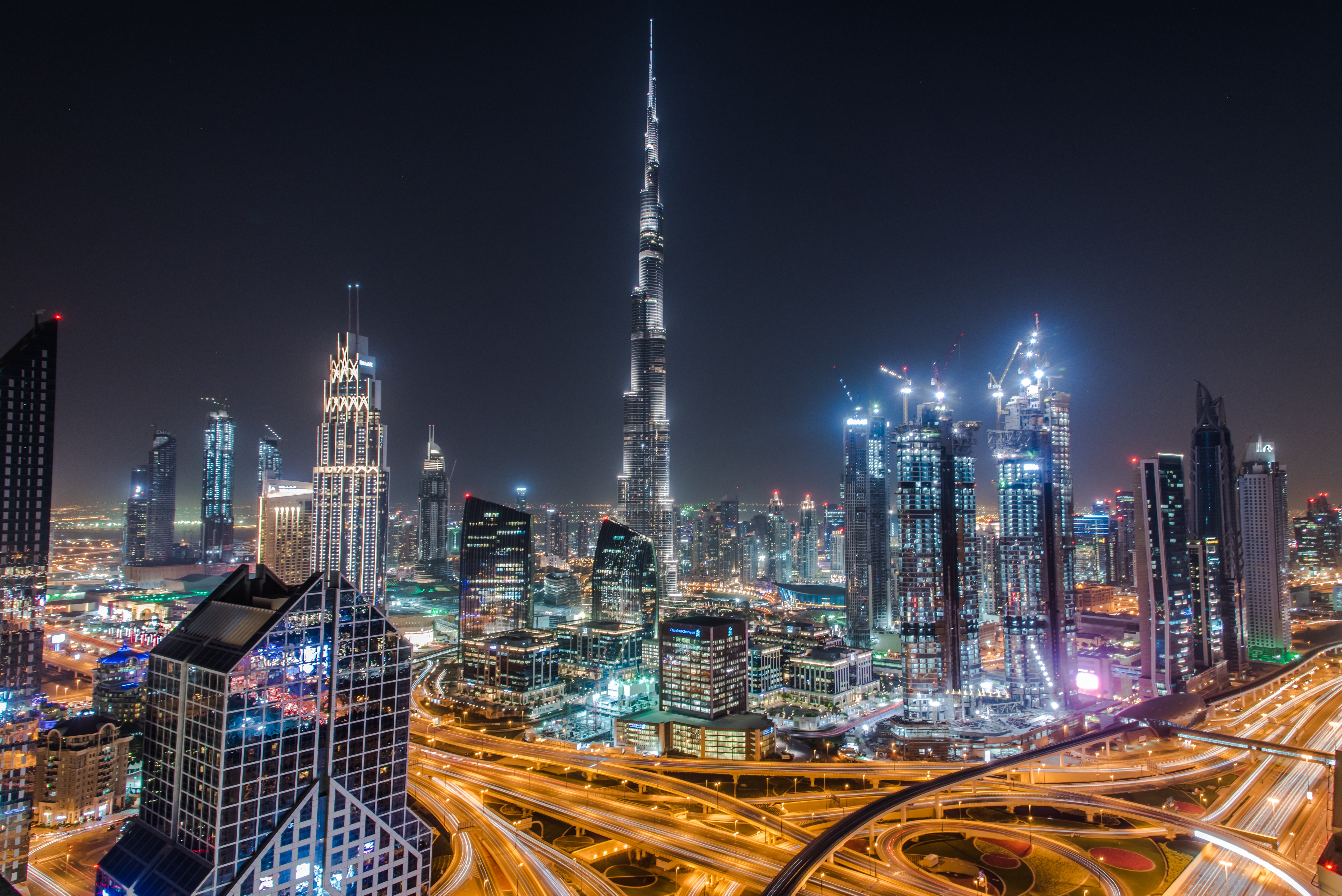
Dubai’s rental market continues to show pronounced growth, with mid-income neighborhoods emerging as hotspots for rental increases as more tenants choose to renew leases rather than face escalating costs for new contracts. Analysts attribute this trend to strong demand, limited supply, and landlords maintaining an advantageous position.
Tenancy renewal activity has surged in Dubai, with Ejari records indicating a 23.6% rise in renewals over the past year, alongside a 12.2% decline in new registrations. This suggests that tenants are opting to stay in their current accommodations to avoid higher rents. The urban planning vision for the emirate aims for a population of 5.8 million by 2040, driving demand for residential units and placing further pressure on available supply.
Areas such as Jumeirah Village Circle (JVC), Dubai Production City, and Dubailand have experienced particularly strong demand, pushing rental prices higher. A constrained supply of affordable units has amplified the competition in these neighborhoods, resulting in the highest rental growth rates in the mid-income segment. Despite plans to deliver 24,000 new residential units in 2024, this figure represents only half the number of completions from the previous year, likely compounding the affordability challenge in these areas.
Real estate experts note that landlords continue to hold leverage in negotiations, with single-cheque annual payments becoming increasingly common. This payment model, which benefits landlords by ensuring upfront liquidity, has become the norm for approximately a third of lease agreements managed by prominent property agencies. At the same time, flexible options like “rent now, pay later” services are gaining popularity, allowing tenants to pay monthly while landlords receive a full-year rent upfront through financing mechanisms.
Rental yields in Dubai remain among the highest globally, surpassing cities like New York, London, and Los Angeles. With an average annual yield exceeding 11.3%, the emirate is a prime location for real estate investors seeking strong returns. However, this also reflects the financial burden on tenants, particularly those in the mid-market and lower-income segments, who face increasing difficulty in meeting rising rental costs.
Dubai’s efforts to digitize and streamline rental payment processes have made some progress, with the introduction of direct debit options for tenancy contracts. However, the traditional cheque system continues to dominate due to its established role in the local property market. Analysts expect that broader adoption of direct debit and other digital payment mechanisms could eventually provide tenants with more financial flexibility and security.
Follow Arabian Post
Select Arabian Post as your preferred source on Google and MSN News for trusted business news and Arab politics and updates.



