Staycations across the Northern Emirates and quieter destinations beyond Dubai and Abu Dhabi are gaining momentum as UAE residents rethink holiday plans amid flight disruption and wider uncertainty linked to the Iran war. Hotels in Umm Al Quwain, Hatta, Al Ain and parts of Fujairah have reported firmer domestic demand, with some properties saying residents are choosing short road trips over overseas travel during the Eid period and the weeks around it.
That shift is unfolding against a broader shock to Gulf travel. Reuters reported in March that conflict-related disruption had hit major aviation hubs, including Dubai, and raised the prospect of a sharp blow to regional tourism, with consultancy estimates pointing to billions of dollars in lost visitor spending if the crisis drags on. Separate Reuters data also showed UAE holiday rental cancellations more than doubled on February 28 to about 8,450 units, while the cancellation rate climbed to 43.8 per cent from a February average of 14.5 per cent, underlining how quickly travellers reacted once the conflict escalated.
For residents staying inside the country, that disruption has created a different pattern. The National reported on April 4 that travellers from Abu Dhabi and Dubai were increasingly opting for Al Ain, Hatta and the Northern Emirates rather than boarding flights whose schedules could change at short notice. One Abu Dhabi resident who chose Al Ain said the family had no interest in leaving the country by air because they were unsure about the journey out and whether they would face difficulty getting back. Another Dubai resident who headed to Hatta described it as a chance to step away from the anxiety created by drone and missile alerts and spend time in a quieter setting.
Hotel operators are seeing the effect unevenly, which is important to understanding the market. In Umm Al Quwain, Barracuda Beach Resort said it was fully occupied from March 20 onward, with restaurants also full and revenue running ahead of last year. Management said prices had held steady, although some corporate bookings were later cancelled. In Hatta, Mughaibar Fort Resort said demand remained strong, with more callers seeking stays of 10 to 15 days and many guests arriving from Dubai in search of a calmer location.
Fujairah has presented a more mixed picture. A beach resort near Dibba said occupancy surged to full capacity in the week before Eid, but dropped sharply once the holiday started, with only about a fifth of rooms occupied after security concerns intensified following strikes near Fujairah Port. The property responded by cutting rates to pull demand back. That divergence suggests the staycation boom is real but not universal: proximity to strategic infrastructure, local perceptions of safety and the timing of attacks all appear to influence booking behaviour.
Across the wider hospitality sector, businesses are adjusting on the fly. The National reported in late March that cut-price hotel deals, food-and-beverage credits and flexible cancellation terms were being used to hold occupancy. Holiday-home operator bnbme said occupancy had fallen from about 90 per cent to below 20 per cent as cancellations mounted, while Rove Hotels said Eid-driven domestic demand temporarily lifted occupancy to around 75 per cent even as international bookings slowed. Hotels have also brought forward refurbishments, reworked staffing rotas and encouraged annual leave rather than shutting outright.
Pricing is another part of the story. Even before the conflict intensified, staycations in the UAE had become more expensive, with stronger demand, high occupancy and a tilt towards luxury supply pushing up average rates, especially in Dubai. Yet analysts cited by The National said the Northern Emirates still offered more competitive alternatives in the mid-range segment, helping explain why residents looking for a break without flight risk are gravitating towards Ras Al Khaimah, Umm Al Quwain, Fujairah and inland destinations. Wego data cited in February also indicated that staycation searches from UAE residents had more than doubled year on year during Ramadan.
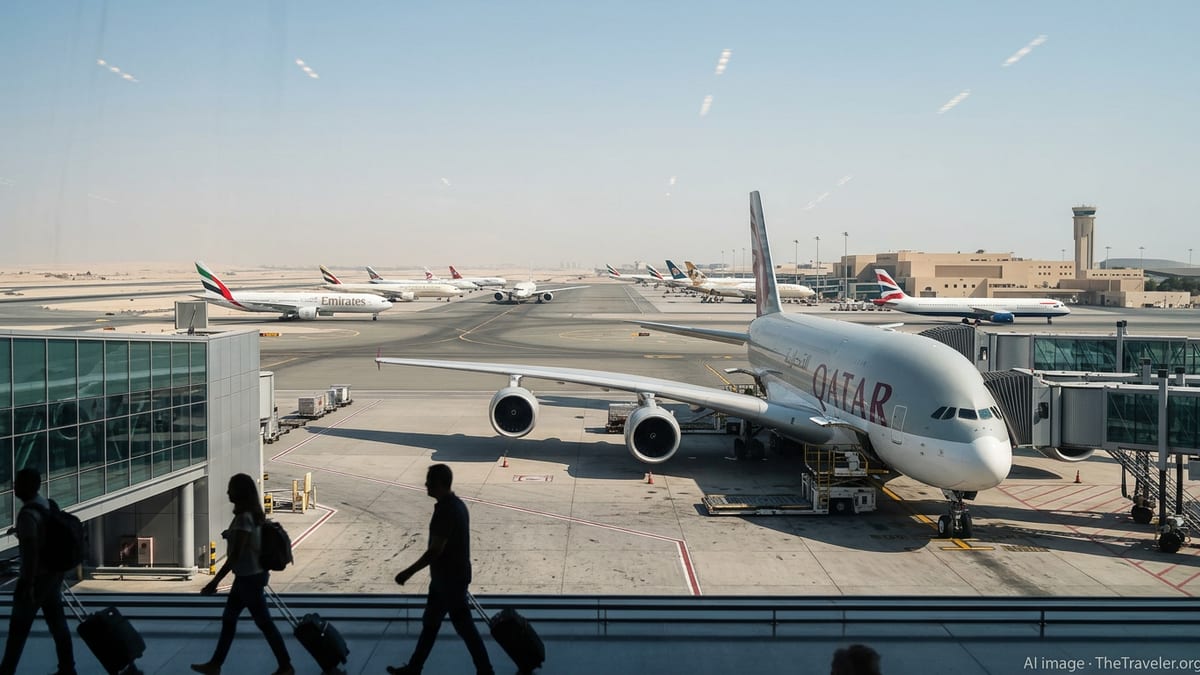
The aviation backdrop remains central. Reuters reported on March 17 that the UAE briefly closed its airspace in response to incoming missile and drone threats, while flight cancellations, reroutings and fuel-price spikes spread well beyond the Gulf. The National said on April 3 that flights at Dubai International and Zayed International were again affected, with suspensions, diversions and cancellations linked to the conflict. Against that backdrop, domestic leisure by car has become less a budget choice than a risk-management decision for many households.
Follow Arabian Post
Select Arabian Post as your preferred source on Google and MSN News for trusted business news and Arab politics and updates.