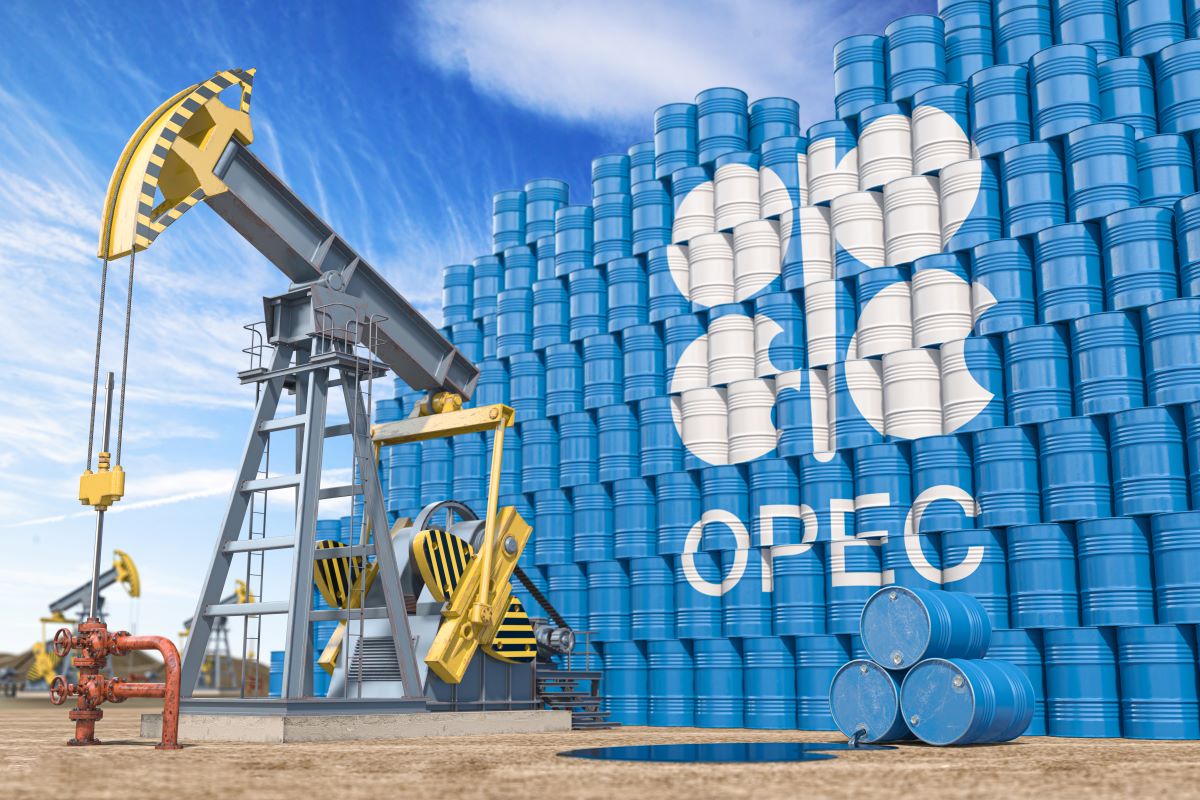
Oil prices climbed as OPEC+ upheld a halt on output increases through the first quarter of 2026, prompting traders to weigh the repercussions of escalating geopolitical tensions around Venezuela. Brent crude futures hovered close to $63 a barrel while U. S. West Texas Intermediate rose above $59, reflecting tentative optimism in energy markets. The group’s decision to maintain the pause—originally declared at the start of November—was confirmed at a meeting on Sunday. OPEC+ said the freeze mirrors expectations of subdued demand and seasonal softness in the wake of the holiday period.
The modest outcome contrasts with earlier plans: members had gradually restored approximately 2.9 million barrels per day over the course of 2025. That rollback represented about 2.7 percent of global demand. However, decline in demand-growth projections and signs of inventory buildup have pushed the alliance to re-evaluate its pace of output restoration. The group approved a small increase of 137,000 barrels per day for December but announced no further hikes through January, February and March 2026.
Markets responded to the OPEC+ decision with immediate upward movement in futures trading. Some analysts interpreted the announcement as a reaffirmation of caution, aimed at averting a surplus-driven slump. At the same time, supplies from key exporters remain uncertain, in part because of sanctions imposed on entities in sanctioned countries, including Russia and Venezuela.
Heightened concern over Venezuela has added fuel to oil-price momentum. Comments by the United States President hinting at potential action against Venezuela triggered investor anxiety over supply disruptions. That uncertainty has drawn renewed attention to the country’s crude output — already weighed down by economic collapse and sanctions. The possibility of U. S. intervention has intensified scrutiny on oil flows from the region, injecting fresh volatility into markets struggling to forecast supply and demand.
Global demand dynamics are also forcing traders to recalibrate expectations. Surveys of manufacturing activity across Asia continued to suggest sluggish growth, while signals from key European economies pointed to softness in energy consumption. Meanwhile, a stronger dollar made dollar-denominated oil less affordable for buyers using other currencies, further pressuring demand.
Some market observers warn that the freeze may not prevent oversupply entirely, especially if output from sanctioned producers returns to markets unexpectedly. At the same time, the pause gives OPEC+ breathing space to monitor global consumption trends and storage levels, including floating storage — sometimes referred to as “oil on water” — which has reportedly surged as companies hold crude in tankers awaiting higher prices or delivery windows.
Remaining voluntary cuts under OPEC+ also bear watching. The group already maintains around 3.24 million barrels per day in committed cuts — roughly 3 percent of global demand. That cushion may help stabilise prices if demand stays weak or supply from sanctioned exporters resumes.
Follow Arabian Post
Select Arabian Post as your preferred source on Google and MSN News for trusted business news and Arab politics and updates.