Just in:
LatAm gushers and possible Venezuela exit a nightmare for Opec // XcanMow Mix 2000 Robot Mower Makes Its European Debut at IFA Berlin 2026 // Amicura X1 Max Smart Cat Litter Box:AliExpress France Official Warehouse, Litter Box at One Click // Venezuela defends sovereignty after Trump oil control claim // Hong Kong Ranks Fifth Among APAC’s Preferred Living Investment Destinations as 85% of Investors Plan to Increase Sector Investment // Apple raises evidence-destruction claims against OpenAI // Dubai hotel provides free public co-working space // WisPaper Introduces TrueCite to Help Researchers Verify AI-Generated Academic References // SCX Corporation Accelerates SC Group’s Recurring-Income Businesses // India plans own orbital space outpost, second after China // Jungheinrich Marks 25 Years In Singapore, Leading APAC Strategic Hub And Electrification In The Market // Jordan downs eight missiles as Iran targets US bases // Apical Provides Free Health Screenings and Treatment for Lubuk Gaung Residents // Ingdan, Inc. (400.HK) Announces 2026 Interim Results // US-Iran strikes revive confrontation across Hormuz and Jordan // What Shein’s $27bn IPO means for Mubadala // Alpha Dhabi lifts MICAD commitment to $1 billion // Inovatif Media Asia Sets Regional Ambitions in Motion with Tun Ahmad Fuzi as Strategic Advisor // Macao Economic, Trade and Tourism Investment Promotion Seminar Held in Singapore, Deepening Multi-Domain Cooperation to Empower Regional Growth // Chinese researchers engineer self-contracting muscle grafts //

Oil Prices Surge Amid Syria’s Struggling Energy Landscape

Arabian Post Staff -Dubai
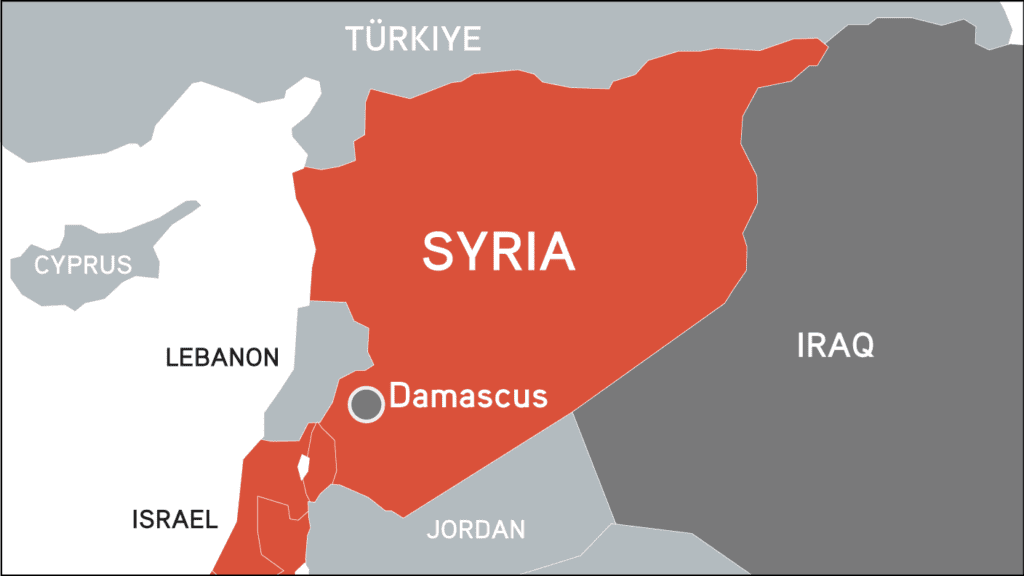
Global oil prices have seen a sharp increase, driven in part by a growing crisis in Syria’s energy sector. The country, already plagued by years of conflict, is facing an acute shortage of oil due to ongoing economic turmoil and political instability. Reports indicate that Syria’s oil production has drastically dropped from 90,000 barrels per day to just 20,000, a situation exacerbated by Turkish military operations in the northeast, which have impacted key oil fields. Compounding this, fuel shipments from Iran—once a lifeline—have slowed down, further straining Syria’s fuel supply.

Syria’s dependence on Iranian oil has been critical, with Tehran supplying up to 16 million barrels in 2024 alone. However, this amount falls far short of the country’s daily requirements, leading to black market surges and skyrocketing prices. The government’s cutbacks on fuel subsidies, alongside failed efforts to stabilize its own oil fields, have intensified the energy crisis. Public protests, triggered by shortages, reflect the widespread discontent, and basic goods like food have become increasingly difficult to transport due to high fuel costs.


Notice an issue?

Arabian Post strives to deliver the most accurate and reliable information to its readers. If you believe you have identified an error or inconsistency in this article, please don't hesitate to contact our editorial team at editor[at]thearabianpost[dot]com. We are committed to promptly addressing any concerns and ensuring the highest level of journalistic integrity.


Loading next story…