News related to
Apple

KUALA LUMPUR, MALAYSIA – Media OutReach Newswire – 21 June 2025 – Crude oil, which is arguably the world’s most important commodity, is on everybody’s mind right now. The flared up conflict in the Middle East is increasing risks of a major oil supply shock, potentially pushing the price of ‘black gold’ into the stratosphere and completely derailing the global economy. In this article, Octa, a global […]

Security researchers have uncovered an enormous password cache comprising 16 billion unique login credentials spanning major platforms such as Apple, Facebook, Google, Telegram, GitHub, VPN services and even government portals—making it the largest credential leak known to date. These credentials were harvested via at least 30 substantial datasets, some containing up to 3.5 billion records, indicating multiple infostealer malware operations operating at a large scale during 2025. Researchers found […]

Scientists have observed that under intense environmental pressure, nematode worms assemble into towering collective structures to disperse by hitching rides on passing insects. This phenomenon, documented in decaying orchard fruit in Germany, represents the first natural evidence of cooperative “towering” behaviour among nematodes. Field researchers from the Max Planck Institute of Animal Behavior and the University of Konstanz spent months scanning fallen apples and pears with digital […]

Cost estimates suggest manufacturing and assembling an iPhone entirely in the United States would push retail prices well beyond current norms, potentially reaching up to USD 3,500. Analysts point to steep labour costs, the absence of a mature electronics supply chain, and existing tariffs as primary drivers behind the inflation. Bill of materials for an iPhone 16 Pro is around USD 550, with assembly and testing adding approximately USD 30 when […]

New research from CloudMosa shows digital inclusion is shifting from CSR to a core business strategy – and telcos stand to gain if they move quickly Majority (97%) of telco leaders say digital inclusion is now central to their business strategy, driven primarily by the need to bridge the digital divide (71%) With 92% of respondents seeing a strong alignment with government affordability initiatives as a key […]

The Trump Organisation has unveiled Trump Mobile, featuring a $499 gold-hued T1 smartphone and a monthly “47 Plan” priced at $47.45. Designed to target conservative consumers disenchanted with mainstream providers, the offering promises an American‑branded telecommunications package with US‑based customer support and domestically produced handsets. Donald Trump Jr and Eric Trump introduced the venture on 16 June 2025 at Trump Tower, emphasising the use of US‑made phones […]

Leaders at the 51st G7 summit convening in Kananaskis, Canada, are confronting an abrupt surge in hostilities between Israel and Iran, marked by intensified airstrikes, rising civilian casualties, and mounting diplomatic tensions. With missile barrages and pre‑emptive assaults already claiming hundreds of lives, the summit agenda has shifted dramatically, prioritising strategies to contain the conflict and avert a broader regional war.

Israeli forces launched “Operation Rising Lion” on 13 June, targeting Iran’s nuclear, ballistic missile, and military infrastructure—including key command centres and Iranian Revolutionary Guard facilities around Tehran—and killed high‑ranking officials and scientists. Iran retaliated with a wave of over 270 missiles, deploying new tactics that overwhelmed Israel’s air defences and struck densely populated urban areas such as Tel Aviv and Haifa. As of 16 June, at least five Israelis were killed and more than 100 injured in the latest overnight strikes. Iranian health authorities report a death toll of at least 224, predominantly civilians, and over 1,200 wounded.

The rapid escalation has introduced fresh complexity to international diplomacy. U.S. President Donald Trump vetoed an Israeli proposal to target Iran’s Supreme Leader Ayatollah Ali Khamenei, emphasising that such action would only inflame the situation. Trump has also signalled the possibility of brokering a deal, suggesting Iran “must make a deal before there is nothing left” and voicing optimism that peace negotiations could emerge from this crisis.

European leaders are urging urgent collective action. German Chancellor Friedrich Merz asserted at the summit that unity is essential to prevent Iran’s nuclear ambitions, uphold Israel’s right to self‑defence, curb escalation, and open diplomatic channels. He indicated that measures could include sanctions, and emphasised cooperation with regional actors such as Oman to reduce tensions with Iran and Yemen’s Houthi rebels. Meanwhile, Ursula von der Leyen and Emmanuel Macron deployed diplomats to press for negotiation, although Macron’s optimism about a swift resolution contrasts with ongoing military deployment in the region.

Britain has signalled readiness to support Israel with defensive and civil aid while advocating restraint. Prime Minister Keir Starmer has reinforced diplomatic engagement with Trump, Netanyahu, and Gulf leaders, and authorised RAF Typhoon jets as a contingency against potential Iranian threats to UK bases. Nonetheless, Iran has dismissed ceasefire calls while military operations continue.

Canada, hosting the summit, has abandoned the traditional joint communiqué, opting instead for chair’s summaries to manage discord—particularly over trade and Middle East policy—between the U.S. and other participants. Canadian Prime Minister Mark Carney emphasised the summit focus on peace, security, supply chains, and jobs—prioritising a co‑ordinated response to the Israel‑Iran crisis.

G7 officials are crafting a unified statement urging Iran to halt its nuclear programme and Israel to pause expansive military action, signalling tangible diplomatic pressure backed by clear consequences for non‑compliance. However, persistent disagreements across the bloc—over trade, relations with Russia, and climate policy—complicate efforts to forge a consensus.

Regional actors are mobilising diplomatic channels. Qatar and Oman are reportedly engaged in shuttle diplomacy to de‑escalate the conflict. Simultaneously, Iran‑backed groups, including militias in Iraq and Houthis in Yemen, are extending hostilities across front lines, prompting concern that the confrontation may metastasise into a wider regional war.

The humanitarian fallout is grave. Large‑scale displacement is underway as Iranians flee Tehran after warnings issued by Israeli forces to civilians near weapons facilities. Hospitals in northern provinces are stretched, while the Iranian Red Crescent has launched mobile clinics to address urgent needs. Energy markets have also reacted sharply: Brent crude prices spiked as Gulf insecurity intensified.

Analysts warn the conflict risks triggering retaliatory terror attacks in the West and disrupting global energy security. The G7 faces a pivotal test: coordinating military readiness, civilian protection, sanctions, nuclear non‑proliferation, and active diplomacy, all while preserving internal unity amid geopolitical divisions.

Advertisements

Apple has introduced “Liquid Glass,” a sweeping redesign of its software interface unveiled at the Worldwide Developers Conference on 9 June. The look is inspired by the translucent, refractive aesthetics of its Vision Pro headset, spreading across iOS 26, macOS Tahoe, iPadOS 26, tvOS 26 and watchOS 26. The update, beginning developer betas immediately, provoked strong reactions from users, designers and Wall Street analysts alike. The new […]

Abu Dhabi hosted the culminating round of the Grand Prix Grappling World Tour at Mubadala Arena, Zayed Sports City, drawing hundreds of athletes from over 50 nations yesterday. The UAE secured top position in the overall standings, with 31,000 points, narrowly surpassing Brazil’s 30,600 and Russia’s 19,000, highlighting Emirati athletic rise in combat sports.

Leading the charge was Khaled Al Shehhi, who seized gold in the professional division after a series of commanding performances. Demonstrating exceptional physical strength and technical finesse, Al Shehhi attributed his victory to years of rigorous training and unwavering institutional backing from national leadership. He praised the diversity of grappling styles present and affirmed that the title represents a “significant milestone” in his career.

In the heavyweight division, Pouya Rahmani also took home gold. He commended the tournament’s professionalism, citing world‑class refereeing and flawless logistical arrangements, which, he added, elevated his performance amid a passionate crowd.

Organised by the Abu Dhabi Jiu‑Jitsu Pro Federation, the event underlined Abu Dhabi’s growing stature as a global combat‑sports hub. Its presence on the AJP calendar consistently attracts elite talent and contributes to the city’s international sporting profile.

Analysts note that this iteration—held on 14 June 2025—reflects a wider trend of rising investment and performance in grappling disciplines across the Gulf. With significant prize money and global ranking points at stake, UK‑based grappling commentator James Carter remarked: “This tournament is fast evolving into a key international stage for pro grapplers—it draws tactical competitors from Europe, South America, and Asia alike.”

Data from AJP shows this year’s event awarded 2,000 global ranking points to each champion—an incentive that has increased both participation and competitive intensity.

At the closing ceremony, Tareq Al Bahri, general manager of AJP, lauded the standard of competition and Emirati athletes’ achievements. He emphasised that national development programmes have been instrumental in nurturing home‑grown talent, with jiu‑jitsu federations investing in grassroots camps and international coaching exchanges.

Veteran coach Maria Fernandez, who oversees female grappling teams across the region, observed that the UAE’s multi‑tiered strategy—combining youth training, scholarships, and elite events at Mubadala Arena—has yielded visible results. “What we’ve seen here isn’t just isolated wins; it’s structural change. The UAE is visibly closing the gap with traditionally dominant nations like Brazil and Russia,” she said.

Looking ahead, organisers confirm that the Abu Dhabi stop is set to remain a keystone of the 2025‑26 AJP Grappling World Tour. Future events, including youth and professional categories, will continue at Mubadala Arena and additional venues across the emirate, reinforcing Abu Dhabi’s role in hosting elite martial‑arts competition.

For Khaled Al Shehhi and Pouya Rahmani, the gold medals on home soil represent both personal triumph and national pride. Their performances, supported by a robust governance and funding framework, signal a shifting landscape in global grappling—a sport now gaining serious ground in the Middle East.

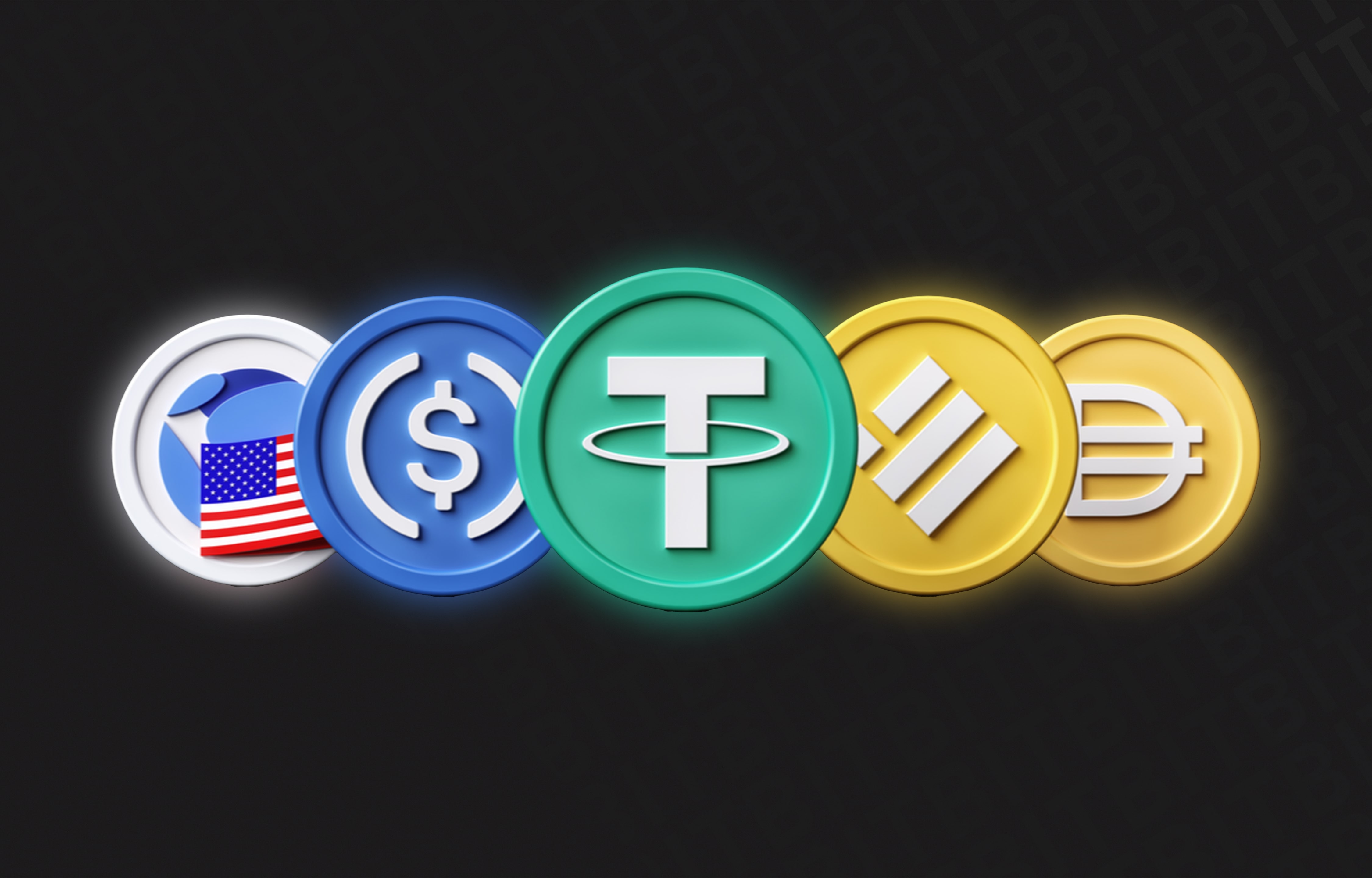
Major corporations Walmart and Amazon are understood to be mulling the launch of their own stablecoins as part of a broader trend among retailers and tech companies seeking to streamline payment systems and reduce transaction costs. With the U.S. Congress advancing the GENIUS Act—legislation to regulate stablecoin issuance—the moment now appears opportune for these private-sector experiments.

Both Walmart and Amazon are reportedly evaluating the regulatory environment and potential use cases for proprietary stablecoins. Sources suggest these could be integrated with payment platforms, loyalty schemes and digital marketplaces. Such a move would allow these companies to bypass conventional card rails and intermediaries that currently levy high fees on merchants and slow settlement times.

Walmart’s ongoing fintech ambitions align with the exploration of stablecoin applications. The retailer has already lobbied for regulatory changes aimed at bringing greater competition into credit card networks, indicating a broader shift towards alternative payment mechanisms. Amazon, though in the preliminary assessment stage, is also understood to be considering whether a branded stablecoin might enhance the convenience of online transactions.

The GENIUS Act currently under Senate review is central to this evolution. It delineates a framework for “permitted payment stablecoin issuers” and mandates reserve requirements, redemption rules and federal oversight. While enabling banks, non-banks and subsidiaries to issue stablecoins, it permits notable flexibility across different sectors.

Critics are already voicing concerns. Legislators such as Senator Elizabeth Warren and Rep. Maxine Waters caution against allowing large non-financial firms to enter the payments landscape, fearing an erosion of banking safeguards and potential intensified corporate dominance. Academic voices, including law professor Hilary Allen, warn that Big Tech’s entry into finance could “entrench corporate power” and compromise consumer data privacy.

A key sticking point lies in a proposed amendment to prohibit non-financial corporations from issuing stablecoins unless they meet stringent criteria around financial stability, data protection and consumer welfare. This amendment would cover tech behemoths like Amazon, Meta and Apple. In contrast, proponents argue that allowing these companies in could foster innovation and enhance market competition.

Merchant industries are lobbying hard for clarity. The Merchants Payments Coalition argues that a stablecoin framework could disrupt the dominance of established payment networks and deliver substantial cost savings. Stakeholders have highlighted how cross-border payments could benefit from low-cost, near-instant settlement, echoing the broader fintech industry’s embrace of stablecoins as programmable rails for digital commerce.

Opposition remains robust, however. Critics warn that unbridled stablecoin issuance by non-financial corporations could introduce systemic risks. The GENIUS Act’s provisions are aimed at managing these risks through requirements for reserves, transparency, anti-money laundering compliance and state-federal coordination. Still, there is unease that enforcement mechanisms may not sufficiently address deep-seated concerns over financial stability and consumer safety.

Proponents believe stablecoins could transform how commerce operates, by speeding up settlements, reducing fees and enabling more fluid integration across digital platforms. With adoption driven by both large merchants and smaller enterprises, the innovation rather than consolidation of money systems could mark a significant shift.

Walmart and Amazon appear poised to test these boundaries. As the GENIUS Act moves closer to a Senate floor vote, the exact role that private-sector stablecoins will play remains uncertain. The decision by Congress to permit non-bank issuers is a strategic pivot, opening regulatory pathways that could redefine how money flows through the global payments ecosystem.

Apple has unveiled a breakthrough open‑source framework, Containerization, during its WWDC 2025 keynote, enabling developers to create, run and manage Linux containers directly on macOS. The Container CLI, a companion command‑line tool, operates each container as a lightweight virtual machine, bypassing the need for third‑party platforms like Docker. This marks a strategic shift in Apple’s support for cross‑platform workflows, particularly for developers working on server‑side and cloud‑native […]

E‑commerce platform Shopify will launch a pilot in late June allowing select U.S. and European merchants to accept USDC stablecoin payments, marking its first native integration of crypto payments into the platform-wide setup. Developed in partnership with Coinbase and integrated through Stripe, the initiative leverages Coinbase’s Base blockchain and supports essential e‑commerce features, including refunds, chargebacks and delayed payment capture.

The opt‑out model means USDC acceptance will be enabled by default for participating merchants, who can also access up to 0.5 per cent cashback on USDC transactions. Shopify CEO Tobias Lütke, also a Coinbase board member, highlighted that the platform aspires to expand the pilot to all merchants across the U.S. and Europe by end‑2025.

Coinbase head of blockchain Jesse Pollak described the level of integration as “holy crap” compared to existing solutions, noting that the custom protocol built on Base addresses operational challenges previously unmet by third‑party crypto plug‑ins. Stripe’s role is central in embedding stablecoin functionality into Shopify Payments, enabling merchants to receive USDC or convert funds into local currency seamlessly.

Stablecoins such as USDC offer the stability of a dollar‑pegged asset while enabling near‑instant, low‑cost transactions via Layer‑2 networks like Base. Stripe cites a surge in monthly stablecoin payment volume from $2 billion to $6.3 billion over the past two years. Shopify’s integration now brings that rail within reach of over a million merchants based in 34 countries.

The e‑commerce industry’s attention to stablecoins has intensified, with major financial institutions and tech companies—including Visa, PayPal, JPMorgan, Deutsche Bank, Apple, Meta, Airbnb and Google—either building or experimenting with stablecoin infrastructure. Shopify’s entry at this scale signals a significant shift in digital commerce towards crypto‑native settlement methods.

Operationally, the rollout addresses common e‑commerce pain points. The bespoke smart contract protocol supports standard payment flows—authorisation, capture, refund, tax processing and inventory reservation—aligning cryptocurrency transactions with merchant back‑end operations.

Merchants can choose to receive USDC directly into their crypto wallets or automatically convert to local currency with zero foreign‑exchange fees. Additionally, U.S. customers will start receiving a 1 per cent cashback incentive on USDC payments later this year.

Industry analysts suggest that embedding stablecoin capability into mainstream platforms like Shopify could accelerate global digital currency adoption. It lowers technical barriers for merchants and broadens spending options for customers holding crypto assets.

While credit cards and traditional rails remain dominant, the integration demonstrates that stablecoin payments are maturing into a reliable option for commercial transactions. The pilot will effectively test merchant and consumer appetite for crypto payments on a large scale.

Pending successful outcomes, Shopify plans to roll out access to all merchants using Shopify Payments across the U.S. and Europe by the end of 2025, with potential further extension globally.

Foxconn’s latest customs data confirms that from 1 March to 31 May 2025, an overwhelming 97 per cent of all iPhones assembled in India were destined for the United States, totalling $3.2 billion in exports—nearly double the 50 per cent average seen throughout 2024. May alone accounted for almost $1 billion, the second‑highest monthly export value ever recorded—just behind March’s $1.3 billion. This sharp shift reflects Apple’s concerted effort to navigate escalating U.S. tariffs targeting Chinese […]

– Launch a commemorative campaign by celebrating the Japanese app “TRIMA” surpassing 22 million downloads in Japan and its US version “GeoSmile” reaching 1 million downloads – TOKYO, JAPAN – Media OutReach Newswire – 12 June 2025 – GeoTechnologies, Inc. (Headquarters: Tokyo Japan, President & CEO: Yoichiro Yatsurugi), has announced that move-to-earn apps “TRIMA” and “GeoSmile” surpassed twenty-three million cumulative downloads worldwide. Expanding the Japanese move-to-earn app […]

Apple awarded top honours across its six categories at the 2025 Apple Design Awards, celebrating innovation, aesthetics and social impact across apps and games. Standout recipients included Balatro, Neva and DRE​​DGE, which secured wins in key categories and reflect the diversity and creativity of today’s digital creators. Balatro, developed by Canadian indie studio LocalThunk, claimed the “Delight and Fun” game category. This roguelike, poker-infused deck-builder has gained […]

Apple has announced a standalone Games app, launching this autumn, to serve as an integrated gateway for gaming across iPhone, iPad and Mac. Displaying a curated selection of titles, social features and gameplay updates in one centralised spot, the app aims to elevate gaming engagement and streamline discovery across Apple’s ecosystem. The new Games app will host five main sections: Home, Arcade, Play Together, Library and Search. […]

The 2025 Infiniti QX80 marks a significant departure from its predecessor, delivering a blend of commanding presence and refined agility rarely seen in full-size luxury SUVs. Infiniti’s latest iteration sheds the bulkiness that once defined the model, replacing it with a sleeker, more aerodynamic silhouette while enhancing interior sophistication and technological integration. This transformation reflects the brand’s push to compete more aggressively within the crowded luxury SUV […]

Hong Kong’s Hang Seng index climbed past the 24,000 mark, reaching heights unseen since March, fuelled by renewed optimism surrounding US-China trade discussions. Investor sentiment improved as market participants weighed the possibility of easing tensions between the two largest economies, sparking a notable rally in Hong Kong’s benchmark index. However, this upbeat mood contrasted sharply with the performance of Bitcoin, which struggled amid uncertainties over inflation dynamics and broader market volatility.

The Hang Seng’s advance reflected a growing belief that US and Chinese officials are making progress toward resolving key trade disputes. Early talks aimed at addressing tariffs, technology restrictions, and investment barriers have led investors to anticipate a thawing in one of the most consequential economic standoffs globally. The improving trade dialogue appears to be encouraging capital inflows into Hong Kong-listed shares, particularly in sectors sensitive to cross-border trade such as technology, manufacturing, and finance.

Market experts highlight that investor focus remains fixed on the trajectory of these negotiations, with any breakthroughs potentially unlocking significant value in the region’s equities. The rally also aligns with a more cautious but hopeful stance among traders that a prolonged trade conflict could ease, bolstering global economic growth prospects. Notably, blue-chip stocks led the gains, signalling confidence among institutional investors betting on recovery and expansion in the Asia-Pacific markets.

Conversely, Bitcoin’s performance diverged, as the leading cryptocurrency grappled with pressure from both macroeconomic and regulatory fronts. The digital asset has faced downward momentum partly due to investor apprehensions over persistent inflationary pressures in the United States. Inflation data remains a key focal point, as higher consumer prices could prompt the Federal Reserve to sustain or accelerate interest rate hikes, tightening liquidity conditions and dampening risk appetite in speculative assets.

Bitcoin’s volatility has also been compounded by shifting regulatory attitudes worldwide. Authorities in various jurisdictions are intensifying scrutiny of digital currencies, citing concerns over money laundering, market manipulation, and financial stability risks. Such regulatory tightening has contributed to a cautious investor approach, limiting Bitcoin’s ability to capitalize on broader risk-on sentiment seen in equities.

Analysts note that while Bitcoin has often been viewed as a potential inflation hedge, its correlation with traditional risk assets has increased, causing it to react sensitively to shifts in monetary policy and global economic uncertainty. This evolving dynamic challenges the narrative of cryptocurrencies as safe havens, complicating portfolio strategies for institutional and retail investors alike.

The Hang Seng’s rally has benefited from strong performances in technology companies listed in Hong Kong. Giants in the semiconductor and telecommunications sectors saw their share prices rise amid speculation that easing trade tensions could reduce supply chain disruptions and promote cross-border business activities. Additionally, financial stocks gained momentum as optimism grew about improving economic fundamentals and potential credit growth in the region.

Meanwhile, traders are closely monitoring upcoming US inflation reports, which could significantly influence market direction. Persistent inflation could lead the Federal Reserve to maintain a hawkish stance, thereby exerting downward pressure on risk assets including equities and cryptocurrencies. Conversely, signs of easing inflation could provide further impetus for market rallies and reduce volatility.

Hong Kong’s role as a financial gateway between China and the global economy continues to underpin investor confidence. The city’s markets are seen as a barometer for broader regional economic health, and the Hang Seng’s rise signals expectations that cross-border trade and investment flows will stabilise or improve amid diplomatic progress. This optimism is tempered by awareness of ongoing geopolitical risks, including Taiwan tensions and global supply chain uncertainties.

Bitcoin’s challenges underscore the growing complexity of the global investment landscape, where traditional and emerging asset classes are influenced by an intertwined set of economic, regulatory, and geopolitical factors. While the cryptocurrency market remains dynamic, its path forward appears increasingly contingent on external economic conditions rather than solely on technological or adoption milestones.

The 2025 MICHELIN Guide selection in Vietnam features a record 181 establishments: 9 One MICHELIN Star (1 new and 1 promoted), 2 MICHELIN Green Star (1 new), 63 Bib Gourmand (9 new), and 109 MICHELIN Selected (14 new). CieL (Ho Chi Minh City) directly debuts with One MICHELIN Star, while Coco Dining (Ho Chi Minh City) is promoted to One MICHELIN Star. The new MICHELIN Green Star […]

Major technology companies are exploring stablecoin integration to reduce transaction fees and enhance global payment efficiency, signaling a potential shift in the digital payments landscape.

Apple is reportedly in discussions with Circle, the issuer of the USDC stablecoin, to explore potential integration of stablecoin payments into its ecosystem. This move could enable seamless, tap-to-pay transactions using USDC on Apple devices, leveraging the company’s recent decision to open its NFC technology to third-party developers. Such integration would allow users to conduct transactions without relying on traditional banking intermediaries, potentially reducing costs and increasing transaction speed.

Airbnb is collaborating with Worldpay to explore stablecoin payouts, aiming to mitigate the high fees associated with Visa and Mastercard transactions. By integrating stablecoin payments, Airbnb seeks to offer a more cost-effective and efficient payment solution for its global user base. Worldpay’s partnership with stablecoin infrastructure startup BVNK further supports this initiative, enabling businesses to make payouts using stablecoins without the need to handle digital assets directly.

X, formerly known as Twitter, is developing its payments platform, X Money, which is set to launch later this year. The platform will feature Visa as its first partner, enabling secure and instant funding to users’ X Wallets via Visa Direct. X Money has obtained money transmitter licenses in 41 US states and is banking with Citibank, with agreements with Stripe and Adyen. The integration of stablecoin payments into X Money could offer users a seamless and efficient payment experience, aligning with Elon Musk’s vision of transforming X into an “everything app.”

Google Cloud has already taken steps toward stablecoin integration by supporting PayPal’s PYUSD on its Web3 Faucet. This initiative allows developers to access testnet PYUSD on Ethereum and Solana, facilitating the development and testing of applications that utilize stablecoin payments. By providing these tools, Google Cloud aims to support the growth of Web3 applications and the broader adoption of stablecoins in digital commerce.

South Darfur is facing an escalating humanitarian catastrophe marked by widespread violence, acute malnutrition, and a collapsing healthcare system, according to a new report by Médecins Sans Frontières . The report highlights severe shortages in protection and assistance for civilians, particularly women and children, as the region grapples with ongoing conflict and restricted humanitarian access. Between January and March 2025, MSF treated 659 survivors of sexual violence […]

KUALA LUMPUR, MALAYSIA – Media OutReach Newswire – 5 June 2025 – May proved to be a rather challenging month for gold traders. XAUUSD, the primary financial instrument for trading gold, fluctuated in a relatively broad range between $3,120 and $3,435 per ounce (oz), but finished the month virtually unchanged, narrowly recording a fifth consecutive monthly gain. Although trading started on a bearish note, XAUUSD found support […]

Thailand’s tourism industry continues to grapple with significant challenges despite the temporary surge in visitor interest linked to the popularity of HBO’s hit series set on Koh Samui. The so-called “White Lotus effect” sparked a modest increase in Western tourists drawn by the picturesque island backdrop of the show. However, this spike has failed to reverse the broader downward trend that has gripped the sector, which remains weighed down by a complex mix of economic, geopolitical, and structural factors.

Tourism, which historically accounted for approximately 20% of Thailand’s GDP, has not rebounded to pre-pandemic levels. The government’s ambitious targets for visitor arrivals have consistently fallen short, with numbers lagging due to a combination of diminished demand from key markets, lingering travel restrictions in some regions, and competition from neighbouring countries aggressively courting tourists with attractive packages and incentives.

Koh Samui, often portrayed as a tropical paradise in the series, experienced an influx of curious travellers eager to visit the filming locations. Hotels and local businesses reported short-term gains, but these have proven insufficient to restore the overall health of the industry. Analysts note that the White Lotus effect highlights the growing influence of media and entertainment in shaping travel preferences but also underscores the limitations of relying on such ephemeral boosts without broader strategic support.

The pandemic fundamentally altered global travel behaviours, accelerating trends towards more cautious spending and preference for less crowded destinations. Additionally, the economic slowdown and inflationary pressures in Western countries have tightened discretionary budgets for leisure travel, further curbing outbound flows. Thailand, which relies heavily on long-haul visitors from Europe, North America, and Australia, has thus found itself at a disadvantage amid shifting global economic dynamics.

Geopolitical tensions in Southeast Asia and stricter visa and entry policies in response to health concerns have deterred potential visitors. While Thailand has progressively eased COVID-19 restrictions, some travellers remain wary of changing regulations and the unpredictability of travel protocols. This uncertainty contrasts with competitors like Vietnam and Malaysia, which have implemented more streamlined border policies to attract tourists.

The country’s tourism infrastructure also faces scrutiny. Despite being a longstanding favourite destination, several regions struggle with overdevelopment, environmental degradation, and inconsistent service standards. These issues have sparked calls for more sustainable tourism practices to ensure long-term viability. Efforts to diversify tourism offerings beyond beach resorts, such as promoting eco-tourism, cultural tourism, and wellness retreats, are gaining traction but require substantial investment and coherent policy frameworks to achieve scale.

The Thai government has responded with a series of incentives aimed at reviving the sector. These include marketing campaigns targeting emerging markets such as China, India, and the Middle East, where outbound travel is expected to grow. Subsidies and financial support for local businesses, infrastructure upgrades, and training programmes for hospitality workers form part of the recovery blueprint. Nonetheless, experts caution that the benefits of these measures will manifest gradually and hinge on geopolitical stability and global economic recovery.

Tourism operators highlight that the industry’s challenges extend beyond attracting visitors to addressing the quality of the visitor experience and the sustainability of growth. For example, concerns about overtourism in some hotspots have led to overcrowding and resource depletion, while lesser-known regions struggle to attract sufficient attention and investment. This imbalance has prompted calls for a more balanced approach that spreads economic benefits more evenly across the country.

Foreign direct investment in the tourism sector remains muted compared with previous years, reflecting broader investor caution about global economic uncertainties. The depreciation of the Thai baht has had mixed effects; while it makes the destination more affordable for foreign tourists, it also raises costs for imported goods and services crucial to the hospitality industry. Inflationary pressures on food, energy, and labour add to the operational challenges faced by businesses seeking to maintain profitability while keeping prices competitive.

Labour shortages persist as well, with many workers leaving the tourism sector during the pandemic to pursue alternative employment. This has led to difficulties in maintaining service quality and meeting seasonal demand peaks. The government has encouraged re-skilling and vocational training programmes, but the gap remains significant, especially in rural and less-developed areas.

Industry analysts point to the need for a comprehensive long-term strategy that integrates tourism with broader economic and social development goals. This would include embracing digital transformation to enhance marketing, customer engagement, and operational efficiency, as well as fostering partnerships between the public and private sectors to ensure resilience against future shocks.

Thailand’s brand as a travel destination continues to enjoy global recognition for its natural beauty, rich culture, and culinary appeal. However, sustaining this reputation requires ongoing adaptation to evolving traveller expectations, global trends, and environmental imperatives. While the White Lotus series has brought some renewed attention to specific locales, the industry’s recovery depends on deeper structural reforms and coordinated efforts at multiple levels.


Apple is set to unveil macOS 26, internally dubbed ‘Tahoe’, at its Worldwide Developers Conference commencing on June 9. This iteration signifies a substantial overhaul in both design and branding for the Mac operating system. Continuing its tradition of naming macOS versions after Californian landmarks, Apple has selected Lake Tahoe—a renowned resort area straddling the California-Nevada border—as the namesake for its latest release. The choice reflects the […]

VISHNU RAJA
RYO YAMADA
HITORI GOTOH
IKUYO KITA