News related to
Apple

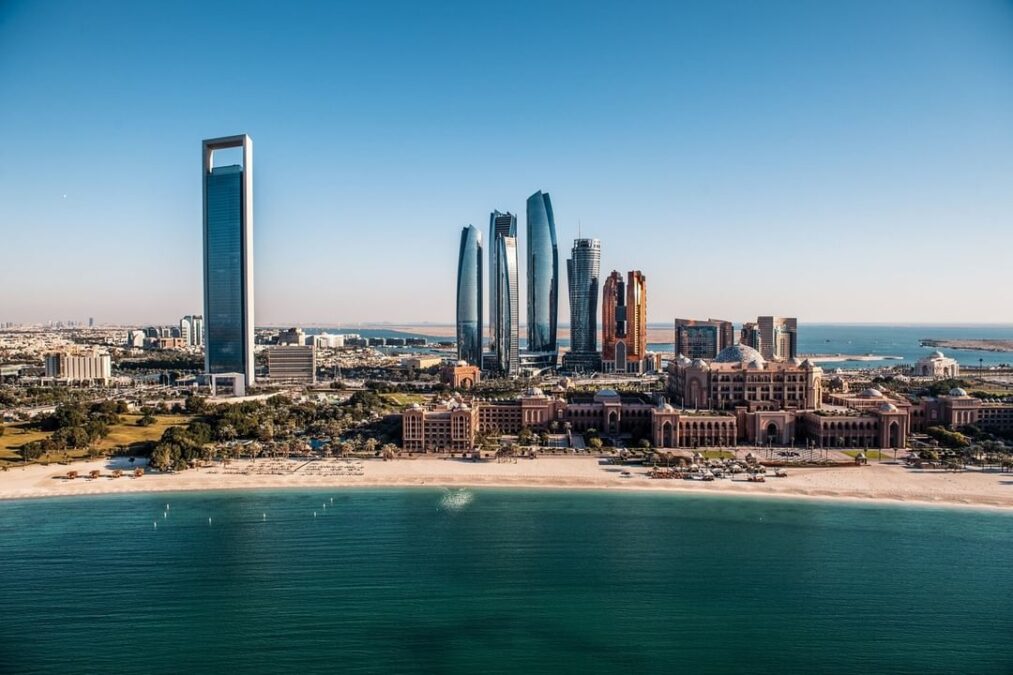
Abu Dhabi’s real estate market experienced a significant surge in activity during January, reaching a total value of $2.88 billion in transactions. This marks a considerable increase in both sales and investments, reflecting growing investor confidence in the emirate’s property sector.

The uptick in transactions follows a series of market dynamics that have been shaping the real estate landscape in the UAE capital. According to the latest figures from the Abu Dhabi Department of Municipalities and Transport , the volume of deals spans various segments, including residential, commercial, and industrial properties. Notably, the residential sector continues to dominate, with a large portion of transactions involving high-value villas and apartments in sought-after areas.

The government’s commitment to fostering economic growth, especially through initiatives targeting real estate, has played a key role in stimulating demand. These policies have aimed at attracting foreign investments, bolstering infrastructure, and improving overall market conditions. New regulatory measures, such as those aimed at simplifying property ownership laws for non-residents and expanding property options, have also helped to enhance market stability.

Throughout January, luxury real estate in prime locations, particularly on Yas Island and Saadiyat Island, saw a noticeable uptick in demand. These areas, known for their high-end residential developments and world-class amenities, have become magnets for international buyers. Properties in these locations have attracted investors looking for both secure capital growth and high rental returns.

The office space market has also shown resilience, as businesses continue to expand operations in Abu Dhabi, despite global challenges. Leasing activity for commercial properties remains strong, especially for Grade-A office spaces, as companies seek modern and flexible work environments. The UAE capital’s status as a regional business hub has contributed to this demand, alongside its increasing appeal as a destination for multinational corporations.

The data further highlights the rise of off-plan sales, with developers offering new projects across multiple residential communities. These off-plan sales, which accounted for a significant portion of the month’s total value, demonstrate the ongoing confidence in Abu Dhabi’s long-term real estate prospects. The availability of flexible financing options and competitive prices in comparison to global property markets have positioned Abu Dhabi as a desirable market for investors seeking stable returns.

The UAE’s Vision 2021 agenda, which aims to diversify the economy and reduce reliance on oil, has undoubtedly influenced the real estate sector’s strong performance. A considerable focus has been placed on infrastructure development and sustainability, including green building initiatives and smart city projects, which align with global trends. These initiatives are expected to sustain the growth of Abu Dhabi’s property market in the long term, as both local and international investors turn their attention to properties with sustainable features and advanced technologies.

The value of transactions in the commercial sector, including retail and hospitality properties, has shown positive movement. As the UAE recovers from the global disruptions caused by the COVID-19 pandemic, tourism and hospitality sectors are also seeing a boost, with a surge in demand for short-term rental spaces. Investors are capitalizing on this, focusing on both residential and commercial assets that cater to the increasing influx of tourists and business travelers.

Analysts suggest that the robust performance of the real estate market is also tied to global economic conditions. As many countries continue to grapple with inflationary pressures and market volatility, Abu Dhabi’s relatively stable economic environment is increasingly seen as a safe haven for investors. This trend is expected to continue, with forecasts pointing to sustained growth in the property market throughout 2025.

As Abu Dhabi continues to make strides toward becoming a global financial and cultural hub, its real estate market is likely to remain a key contributor to the emirate’s economic growth. The government’s focus on developing a diverse and attractive real estate sector, along with ongoing investments in infrastructure, is expected to support the market’s expansion.


NEW DELHI: Skilling and job creation will be a major theme in the Budget as government seeks to fill a critical gap and in the process boost income and demand in the economy.   Indian companies are looking for skilled workers, including at construction sites within the country, and the skilling initiative will help meet […]

By K Raveendran The Chinese AI startup DeepSeek has brought down the market crashing, but it has done even more damaging things to the United States. Apart from challenging Silicon Valley’s technology dominance, the Chinese have exposed the limits of Trump’s tariffs, challenging Washington’s ability to restrain China’s technological advance. The Chinese breakthrough undermines one […]

El Salvador’s legislative assembly has passed a major reform to its Bitcoin law, a move aimed at aligning the country’s cryptocurrency framework with broader financial goals, particularly following an agreement with the International Monetary Fund . The reform has been met with mixed reactions both within the country and internationally, raising questions about its impact on the nation’s economic strategy.

The proposed amendments focus on ensuring that Bitcoin operates as a legal currency in the country but with significant modifications to the conditions under which it can be used. Key adjustments include enhancing regulatory oversight and establishing clearer parameters for businesses involved in cryptocurrency transactions. The reform aims to address concerns raised by both domestic and international financial institutions regarding the volatility and risks associated with Bitcoin, which was adopted as legal tender in the country back in 2021.

This shift comes in the wake of a formal agreement between the Salvadoran government and the IMF, which had previously expressed concerns over the country’s reliance on Bitcoin as a central part of its economic strategy. The IMF had cautioned against the risks of using a highly volatile asset as an official currency, urging El Salvador to exercise caution. The reformation of the Bitcoin law is seen as a response to these international pressures, signaling a more cautious approach to the integration of cryptocurrency into the country’s financial system.

President Nayib Bukele, a strong advocate for Bitcoin adoption, has repeatedly touted the cryptocurrency as a vehicle for financial inclusion and a potential catalyst for economic growth. Despite skepticism from various sectors, Bukele maintained that Bitcoin would bring long-term benefits by providing access to financial services for the unbanked population and attracting foreign investment. However, critics have pointed to the lack of widespread adoption, citing a significant portion of the population still hesitant or unfamiliar with the digital currency.

The IMF’s role in pushing for the law reform underscores the complexities of El Salvador’s economic situation, especially as the country grapples with its growing debt levels and reliance on foreign aid. The approval of the Bitcoin law reforms is a step toward meeting conditions set by international lenders, who have been cautious about the potential destabilizing effects of cryptocurrency on traditional financial systems. For El Salvador, it marks a delicate balancing act between maintaining Bukele’s vision of innovation and securing crucial international financial support.

Supporters of the reform argue that the changes will provide greater clarity for businesses and consumers alike, reducing the legal and economic uncertainty surrounding Bitcoin transactions. By introducing new regulations, such as anti-money laundering provisions, the government aims to ensure that Bitcoin is not used for illicit purposes, while maintaining the broader goal of financial modernization.

On the other hand, critics of the reform are concerned that the amendments do not go far enough in addressing the fundamental issues with Bitcoin’s integration into the national economy. For instance, while the new rules may curb some of the more problematic aspects of cryptocurrency adoption, they may not alleviate the inherent risks tied to Bitcoin’s market fluctuations. The cryptocurrency has demonstrated significant price volatility, which has led to financial instability in countries that have taken similar paths to adopting Bitcoin.

The reform also comes at a time when the global cryptocurrency landscape is facing increasing scrutiny. In the U.S., regulatory bodies are tightening their stance on digital currencies, raising concerns over security, transparency, and the potential for fraud. Similarly, countries such as China and India have taken a more restrictive approach to cryptocurrency, while others like El Salvador and Paraguay have embraced it with varying degrees of enthusiasm and regulation.

This complex global backdrop means that El Salvador’s decision to overhaul its Bitcoin law is not just a domestic issue but part of a broader dialogue on the future of cryptocurrencies in national economies. Some observers argue that the reform may be part of a broader trend where countries reconsider their initial forays into cryptocurrency adoption, especially as economic realities evolve and financial pressures mount.

The Salvadoran government’s decision to overhaul the Bitcoin law also has implications for its wider economic policies. It highlights the ongoing tensions between innovation and regulation, as well as the balancing act that small economies must perform when navigating the global financial system. As the country continues to depend on foreign aid and investment, including funds from the IMF, the path forward for Bitcoin in El Salvador remains uncertain.

El Salvador’s experience with Bitcoin has served as a case study for other countries contemplating similar moves. The nation’s attempt to embrace the digital currency as a national legal tender has been watched closely by governments and financial institutions around the world. With the reform, El Salvador seems to be taking a more cautious approach to cryptocurrency, which may signal a shift away from its previously bold stance on Bitcoin.

Musify, an open-source music streaming application for Android, has been gaining traction among users looking for a more personalized and flexible music listening experience. The app, which is designed to give users full control over their playback, stands out in a competitive market dominated by proprietary platforms. Offering offline support, Musify provides a unique alternative to mainstream music services, allowing users to store their favorite tracks on their devices and access them without an internet connection.

While Musify’s open-source nature makes it an appealing choice for those who prioritize privacy and customization, the app’s features are also being praised for its user-friendly interface and seamless integration with existing music libraries. It provides a smooth and consistent experience for Android users who want to break away from the limitations of traditional streaming platforms, where the scope of control is often restricted.

The primary draw of Musify lies in its flexibility. Unlike most mainstream music streaming apps that rely on cloud-based servers, Musify offers users the ability to download songs and playlists directly to their devices. This offline functionality makes it ideal for users in areas with unreliable internet access or those simply looking to minimize data usage. This feature also makes it a perfect tool for users who wish to avoid the ads and other interruptions that are commonly seen in free versions of popular streaming services.

Musify’s commitment to open-source development also appeals to a specific audience—those who are keen on supporting free software projects. The app allows users to modify and contribute to its code, which is available on platforms like GitHub. This open-source model fosters a sense of community, as users are able to directly impact the app’s future development and suggest improvements. With an increasing interest in privacy and data protection, open-source software has been gaining ground, and Musify is positioning itself as a prominent player in this trend.

The app’s interface is simple yet functional, providing basic playback controls such as play, pause, skip, and volume adjustments. It also supports various file formats, ensuring compatibility with a wide range of music files. As it allows users to create personalized playlists, organize their music library, and even explore albums, Musify has quickly become a go-to option for Android users who value customization and ease of use.

Musify’s developer community has been particularly active in refining the app’s performance. Regular updates ensure that any bugs or issues are promptly addressed, and the platform’s open-source nature means that any developer with the right skills can contribute improvements. The app’s transparent development process allows users to track changes and suggest new features, creating a sense of ownership and loyalty among its community.

Despite its promising features, Musify faces stiff competition from more established players in the streaming industry. Platforms like Spotify, YouTube Music, and Apple Music continue to dominate the market with their extensive music libraries, curated playlists, and exclusive content. These services also benefit from advanced algorithms that personalize music recommendations based on user preferences, an area where Musify is still developing its capabilities. While Musify’s offline support and open-source model are strong selling points, it remains to be seen whether it can compete with the vast resources and technologies of the major players.

Musify’s growth and adoption will depend largely on its ability to carve out a niche in the crowded music streaming landscape. The app’s commitment to user freedom, data privacy, and offline functionality provides a unique alternative, but it will need to further refine its features to appeal to a broader audience. In particular, Musify may need to enhance its discovery features to rival the recommendation systems of Spotify and others.

As Musify continues to evolve, it could play a pivotal role in shaping the future of music streaming. The app’s emphasis on open-source development and user control positions it as an alternative to the mainstream, but its long-term success will depend on how it adapts to the rapidly changing digital music landscape. By focusing on its strengths—offline listening, customization, and data privacy—Musify could become a significant player in the global music streaming market.

Kick off the Year of the Snake early with iShopChangi as it rolls out a dazzling array of deals on Lunar New Year essentials. Avoid the festive frenzy and enjoy unbeatable discounts of up to 60% on everything you need to usher in prosperity and joy. From gourmet treats and traditional “Nian Huo” to spring cleaning supplies, exquisite liquors, and fashionable finds, celebrate with flair from now […]

Pure Health, a prominent UAE-based healthcare provider, is set to acquire a controlling stake in Greece’s Hellenic Healthcare Group, marking a significant milestone in its international expansion strategy. The move is poised to strengthen Pure Health’s presence in Europe, opening doors to new growth opportunities in the rapidly evolving healthcare sector. The acquisition, which is expected to be finalized in the coming months, will give Pure Health […]

Advertisements

Matein Khalid The ghost of Austrian School economist Joseph Schumpeter must be turning in his grave since his theory of creative destruction in capitalist societies just got vindicated with the vengeance by the meteoric impact of Chinese AI start up DeepSeek, whose competitive threat has triggered a trillion dollar plus bloodbath on Nasdaq as futures are down a 1,000 points, the Volatility Index is up a ghastly […]

As the Year of the Snake Approaches, the contrasting sentiments reveal deeper economic realities and highlight the paths forward for both cities. Optimism Divide: A striking difference in outlook for 2025 exists between residents of Singapore and Hong Kong. 51% of Singaporeans express optimism about the upcoming year, while only 29% of Hong Kong residents share this sentiment. Confidence in Achievements: 57% of Singaporeans report high confidence […]

SINGAPORE – Media OutReach Newswire – 24 January 2025 – Kaplan (Singapore) officially launched its new Odeon 333 City Campus1 on 17 January 2025, another dynamic hub for delivering Murdoch University and Kaplan programmes and fostering a vibrant environment for student activities. This landmark occasion also celebrates the longstanding partnership between Murdoch University and Kaplan, recently renewed for another 15 years in 2024. From left to right, […]

KUALA LUMPUR, MALAYSIA – Media OutReach Newswire – 22 January 2025 – The U.S. dollar has been appreciating almost relentlessly since the end of September. In just three and a half months, the Dollar Index (DXY), which measures the value of the greenback relative to a basket of six major foreign currencies, including the euro, Japanese yen, British pound, Canadian dollar, Swedish krona, and Swiss franc, was […]

Ring in the Lunar New Year with Joy, Colour, and Prosperity Immerse Yourself in the Joyful Installation by Knot Designer Zoe Siu This Lunar New Year HONG KONG SAR – Media OutReach Newswire – 20 January 2025 – This Lunar New Year, Pacific Place and Starstreet Precinct invite you to a celebration of luck, tradition, and modern artistry with the “Weaving Celebration of Fortunes”, running from today […]

Abu Dhabi is set to become the site of the world’s largest 24/7 solar photovoltaic (PV) and battery storage facility, a groundbreaking project that aims to deliver 1 gigawatt (GW) of uninterrupted renewable energy daily. This initiative marks a significant advancement in the United Arab Emirates’ (UAE) commitment to sustainable energy and positions the nation as a global leader in renewable energy innovation. The project, a collaboration […]

Dusit Princess Moena and Dusit Princess Firenze to open in 4Q 2029. BANGKOK, THAILAND – Media OutReach Newswire – 14 January 2025 – Dusit International, one of Thailand’s leading hotel and property development companies, represented in the Philippines by Dusit Thani Philippines Inc., has signed hotel management agreements with IDC Prime, a wholly owned subsidiary of Italpinas Development Corp, a design-driven developer of sustainable properties in emerging […]

In a world where financial markets often feel like a roulette wheel spun by central banks, more and more investors are embracing active fixed income strategies—and for good reason. These hands-on approaches to bond investing are proving to be an antidote to the unpredictability of stocks, the underwhelming returns of cash, and the volatility of crypto. This isn’t just a trend; it’s a quiet revolution. At its […]

Dubai’s real estate market, renowned for its rapid expansion and high returns, is encountering signs of strain as it grapples with unprecedented growth and emerging challenges. The city has experienced a significant surge in property prices, with forecasts indicating an 8% increase in 2025, driven by a shortage of housing supply.

In the third quarter of 2024, Dubai recorded 47,269 property transactions, the highest quarterly figure on record, marking a 41.8% increase compared to the same period in 2023. This surge has led to a 19.9% rise in property prices year-over-year.

Despite the robust demand, the market is facing a significant supply shortage. Knight Frank estimates that approximately 300,000 homes are expected to be built in Dubai between now and the end of 2029, with apartments accounting for 80.1% of the supply and villas making up 17.4%. However, only 8,900 new villas are anticipated by the end of 2024, and an additional 19,700 by the end of 2025, indicating a persistent villa shortage.

This supply-demand imbalance is contributing to rising property prices. Faisal Durrani, Partner and Head of Research for MENA at Knight Frank, noted that house prices in Dubai continue to be fueled by relentless demand, with prices in the mainstream market climbing by 4.3% in the third quarter, taking city-wide prices up by 19.9% compared to the same time last year.

The luxury segment is also experiencing significant growth. Properties valued over $1 million now account for 18.1% of all sales, up from 6.3% in 2020. This trend underscores Dubai’s appeal to high-net-worth individuals seeking premium real estate options.

Looking ahead, industry experts anticipate a moderation in price increases. Farooq Syed, CEO of Springfield Properties, forecasts residential prices to rise between 5% and 10% in 2025, driven by robust demand for off-plan properties. He emphasized that Dubai’s ability to balance rapid expansion with policies prioritizing market stability and long-term value creation will continue to position it as a leader in global real estate.

However, the market’s rapid growth has also led to concerns about affordability and sustainability. The limited availability of sites across key locations is contributing to rising prices for off-plan homes, while stock in the secondary market is experiencing significant price growth, especially where older homes have been refurbished.

The influx of international buyers is influencing the market dynamics. The opening of international schools in Dubai has accompanied significant house-price inflation, as developers create housing projects aimed at affluent families seeking quality education for their children. This trend has notably increased property prices in areas with international schools, as seen in regions such as Brittany, Marbella, Portugal, the south of France, and Switzerland.

In response to the growing demand for luxury properties, developers are undertaking significant projects. For instance, the Trump Organization, in partnership with Saudi real estate company Dar Global, is set to develop Trump-branded properties in Dubai. These ventures include a $4 billion project in Oman and a Trump Tower in Dubai, featuring a hotel and residential units, set to launch next year.

The luxury market is also attracting high-profile individuals. Soccer star Neymar recently purchased a $54.45 million penthouse in Dubai’s Bugatti Residences, underscoring the city’s appeal to affluent buyers.

Despite the challenges, Dubai’s real estate market remains resilient, supported by strategic government reforms, robust foreign investment, and a diversified economic landscape extending beyond oil. The city’s strong infrastructure and investor-friendly policies continue to attract both residents and high-net-worth individuals, positioning Dubai as a preferred destination for long-term investment.

However, the market’s rapid growth has also led to concerns about affordability and sustainability. The limited availability of sites across key locations is contributing to rising prices for off-plan homes, while stock in the secondary market is experiencing significant price growth, especially where older homes have been refurbished.

The influx of international buyers is influencing the market dynamics. The opening of international schools in Dubai has accompanied significant house-price inflation, as developers create housing projects aimed at affluent families seeking quality education for their children. This trend has notably increased property prices in areas with international schools, as seen in regions such as Brittany, Marbella, Portugal, the south of France, and Switzerland.

In response to the growing demand for luxury properties, developers are undertaking significant projects. For instance, the Trump Organization, in partnership with Saudi real estate company Dar Global, is set to develop Trump-branded properties in Dubai. These ventures include a $4 billion project in Oman and a Trump Tower in Dubai, featuring a hotel and residential units, set to launch next year.

NCKUH embraces digitization, revolutionizing patient care through technology TAIPEI, TAIWAN – Media OutReach Newswire – 8 January 2025 – Smart hospitals are at the forefront of a global transformation in healthcare, integrating advanced technologies to improve patient outcomes, enhance operational efficiency, and reduce costs. By leveraging innovations such as artificial intelligence, wearable devices, telehealth services, and big data analytics, smart hospitals are addressing critical challenges in the […]

HONG KONG SAR – Media OutReach Newswire – 2 January 2025 – Since the global AI boom sparked by ChatGPT in December 2022, the artificial intelligence industry has consistently attracted market attention, with investment enthusiasm only increasing over the past two years. For most, however, the future of AI remains opaque. Despite its prominence, questions persist about the technology’s evolution and its impact on markets and investors. […]

HO CHI MINH CITY, VIETNAM – Media OutReach Newswire – 30 December 2024 – Visa, the global leader in digital payments, reveals a surge in contactless payments across the Asia-Pacific (AP) region, with Vietnam leading the charge based on a recent survey commissioned by Visa done by YouGov[1]. VisaNet data analyzed by the Visa Consulting & Analytics (VCA) shows a significant shift in payment behavior, with nearly […]

SINGAPORE – Media OutReach Newswire – 27 December 2024 – Energea is revolutionizing wireless charging with the launch of its latest lineup, created to embrace the new open wireless charging standard, Qi2, by the Wireless Power Consortium (WPC). The innovative collection, featuring the MagTrio Plus, MagDuo, and MagPac Pro+, supports Apple’s most-loved devices, including the iPhone, Apple Watch and AirPods. Each product is officially Qi2-certified, guaranteeing superior […]

The Fedora Project, in collaboration with the Asahi Linux initiative, has unveiled Fedora Asahi Remix 41, a Linux distribution tailored for Apple Silicon devices. This release introduces significant enhancements, notably x86/x86-64 emulation and support for AAA gaming, broadening the functionality of Apple’s M1 and M2 hardware. Built upon Fedora Linux 41, the remix integrates the latest software versions, ensuring a robust and high-quality user experience. It offers […]

ENOC Group has announced a strategic partnership with Drive Terra to deploy an extensive battery swapping network across the United Arab Emirates. This initiative aims to revolutionize the e-bike infrastructure in the region, promoting sustainable transportation solutions and supporting the UAE’s Net Zero by 2050 strategic initiative. The collaboration between ENOC, a leading energy group, and Drive Terra, a pioneer in battery swapping technology for last-mile delivery […]

Dubai Aerospace Enterprise (DAE) has successfully secured $201 million in compensation from its insurers following significant losses caused by the imposition of sanctions on Russia. The payout marks a major step in DAE’s effort to recover from the financial toll these sanctions have taken on its business operations. The aviation firm, which owns and manages a fleet of aircraft leased to airlines worldwide, has been significantly impacted by the sanctions imposed in response to Russia’s invasion of Ukraine.

The sanctions have led to a dramatic disruption of DAE’s aircraft leasing operations in Russia. The company’s portfolio includes several jets leased to Russian airlines, which became subject to forced returns, asset seizures, and outright grounding. DAE was forced to cancel contracts and find ways to recover its assets after the Russian government passed laws preventing the return of foreign-owned aircraft. As part of the fallout from these geopolitical events, many of DAE’s high-value assets were left stranded in Russia, leaving the company with substantial financial exposure.

The payout from the insurers, which was finalized after a prolonged claims process, is seen as a crucial recovery for DAE. Industry analysts note that the company faced a complex and multifaceted challenge. Not only did it deal with physical asset seizures, but there were also legal hurdles and the financial uncertainty stemming from Russia’s refusal to honor contracts. The compensation is intended to cover losses related to the seizure of aircraft, the loss of aircraft value, and the non-repayment of lease agreements that were disrupted by the sanctions.

Although the compensation is a significant milestone, experts suggest that DAE’s recovery is far from complete. While the financial assistance will certainly ease the company’s liquidity constraints, the long-term effects of the sanctions remain a concern for the aviation industry at large. Leasing companies that operated in Russia are continuing to grapple with similar challenges, including the revaluation of aircraft that were once thought to be secured assets but are now devalued due to their involuntary relocation or grounding.

This payout is also a clear example of the broader economic impact of international sanctions on the aviation industry. Leasing companies, such as DAE, which provide aircraft to global airlines, have been facing increasingly complex legal and operational challenges in Russia. Industry experts underline that the aircraft leasing market is built on a delicate balance of international agreements and regulatory frameworks. When nations are cut off from the global financial system, as Russia has been, it creates a domino effect, severely impacting businesses that rely on cross-border contracts and financial protections.

The aviation sector, which was already reeling from the impact of the COVID-19 pandemic, is now forced to confront the unintended consequences of geopolitical tensions. Leasing companies, in particular, are under pressure as they try to recover from the crisis. Some firms have opted to write off assets, while others, like DAE, are seeking legal recourse and insurance compensation. The question of how insurers assess the financial impact of sanctions-related losses is likely to be an ongoing point of discussion in the industry.

In addition to the insurance settlement, DAE has been exploring alternative strategies to mitigate its losses. The company has ramped up efforts to lease out its remaining fleet to non-Russian airlines, and it is working on a comprehensive restructuring plan to reduce exposure to regions that may pose future risks due to political instability. These efforts are part of a broader trend in the aviation leasing industry where companies are looking for ways to diversify their portfolios and reduce dependence on volatile markets.

DAE’s experience highlights the need for better risk management frameworks in the aviation industry. Experts argue that the complexities of international regulations, combined with the unpredictability of global political events, mean that companies need to adopt more proactive approaches to risk mitigation. Insurers, too, may need to reassess the terms under which they offer coverage to aviation firms, particularly in high-risk regions like Russia.

For DAE, securing the insurance payout is a step in stabilizing the company’s finances, but it is clear that the road to full recovery is long and uncertain. The situation in Russia continues to evolve, and the leasing company will need to navigate a constantly shifting geopolitical landscape. As it works to recover its losses, DAE is also paying close attention to the broader implications of the sanctions on its business model, as well as the potential for further disruptions in its international leasing operations.

UAE-based agricultural giant Al Dahra is reportedly in negotiations to lease agricultural land in Kenya, a move that could further strengthen the company’s presence in the East African market. The discussions center around large-scale agricultural operations that could span thousands of hectares, contributing to both local food production and Al Dahra’s wider global portfolio.

The proposed farmland lease is part of a growing trend in which foreign companies, particularly from the Gulf region, are investing in Africa’s agricultural sector. Kenya, with its favorable climate and strategic location, has long been a target for agribusiness investments. For Al Dahra, which operates across a diverse range of agricultural sectors such as crop production, animal feed, and trading, the potential lease offers an opportunity to tap into a fertile land base for its agribusiness operations.

Kenya’s government, eager to modernize its agricultural sector and boost exports, has been welcoming foreign investment. The nation’s agricultural policy includes initiatives aimed at increasing productivity and establishing partnerships with international players. Al Dahra’s move is in line with Kenya’s ongoing efforts to enhance its agricultural infrastructure and food security, offering both a business opportunity for Al Dahra and a potential solution to local supply chain challenges.

A key aspect of the deal is the access to Kenya’s extensive irrigation networks, which are critical for maintaining consistent crop yields in the face of fluctuating weather patterns. The UAE-based company, with its expertise in water-efficient farming technologies, would be well-positioned to utilize these systems. The partnership could also support Kenya’s ambitions to increase agricultural exports, particularly in sectors such as horticulture, floriculture, and cereals, which have seen steady growth in recent years.

Al Dahra has established itself as a significant player in international agriculture, with operations in more than 15 countries. Its move into Kenya aligns with the UAE’s broader strategy to diversify its economic interests, particularly in the agriculture and food security sectors. With the increasing pressures of climate change and growing demand for food worldwide, investments like these are expected to play a crucial role in global food production systems.

The agreement could also have broader regional implications, as Kenya is viewed as a key agricultural hub within the East African Community (EAC). If successful, it would provide a model for other foreign agribusinesses looking to expand into the region, further integrating Kenya into global supply chains.

However, the negotiations come amid a backdrop of growing scrutiny regarding land leasing practices in Africa. Critics argue that large-scale land acquisitions by foreign firms can lead to land dispossession, adversely affecting local communities. There are also concerns about the environmental impact of large agribusinesses on local ecosystems. As such, the terms of the lease will likely face close examination by both Kenyan stakeholders and international watchdogs. It remains to be seen how Al Dahra addresses these issues, but it is expected that the company will work closely with local authorities and stakeholders to mitigate potential risks.

Al Dahra’s reputation for sustainable practices could play a pivotal role in easing concerns over the environmental and social impacts of its operations. The company has made significant strides in promoting sustainable farming techniques, including using innovative irrigation methods and reducing water usage in its farming operations. These efforts are crucial in an environment like Kenya, where water scarcity is a significant challenge.

The broader context of this move is also influenced by the growing importance of food security in the UAE. With limited arable land and water resources at home, the UAE has been investing in agricultural projects abroad for years. These investments not only ensure the country’s food supply but also provide economic and strategic advantages. As the UAE looks to secure long-term food security, projects like Al Dahra’s farming lease in Kenya are central to this vision.

Kenya, too, stands to benefit significantly from such investments. The East African nation has grappled with issues such as land degradation, inconsistent rainfall, and low agricultural productivity. Foreign investments like the one proposed by Al Dahra could provide the necessary capital, technology, and expertise to address these challenges. Additionally, the job creation and technological advancements that accompany such large-scale agricultural operations could help uplift rural communities.

VISHNU RAJA
RYO YAMADA
HITORI GOTOH
IKUYO KITA