News related to
Apple

SINGAPORE – Media OutReach Newswire – 25 September 2024 – Singapore-based lifestyle brand SKINARMA has unveiled its newest iPhone case collection following the iPhone 16 release. Reintroducing old favorites and debuting fresh designs, the latest lineup explores themes inspired by mecha, cyberpunk, industrial and minimalist aesthetics, capturing the world’s growing fascination with futuristic design. Each case is fashioned to complement and highlight the updated iPhone 16 features. […]

Investment flows from the Middle East into China have surged to unprecedented levels, reflecting an evolving economic partnership driven by substantial cash reserves and a shared interest in diversification and innovation. As the global economy continues to grapple with geopolitical tensions and supply chain disruptions, companies from the Gulf region are increasingly looking to capitalize on China’s robust market potential.

Several factors have contributed to this notable increase in investment. The post-pandemic recovery in China, coupled with the Belt and Road Initiative, has created fertile ground for collaboration. This initiative aims to enhance global trade routes, and Middle Eastern firms see significant opportunities in infrastructure, technology, and renewable energy sectors. Recent data indicates that investments from Gulf Cooperation Council (GCC) countries reached a record high, with a noticeable increase in transactions related to technology and logistics.

A pivotal player in this investment wave is Saudi Arabia, which has been actively seeking to diversify its economy under the Vision 2030 plan. The Kingdom’s Public Investment Fund (PIF) is increasingly channeling resources into Chinese technology firms, particularly in artificial intelligence and e-commerce. This aligns with the Saudi strategy to leverage advancements in technology to bolster local industries and foster economic growth. The PIF has made substantial investments in Alibaba and other tech giants, marking a significant shift in its investment portfolio.

UAE firms are also playing a critical role in this trend. Abu Dhabi’s Mubadala Investment Company has expanded its footprint in China, investing heavily in sectors such as healthcare, renewable energy, and telecommunications. The strategic focus on technology and innovation mirrors the UAE’s own economic diversification goals, emphasizing a move away from oil dependency. Additionally, Dubai’s position as a global trading hub enables UAE companies to act as a conduit for investments flowing into China, facilitating partnerships and joint ventures.

Emerging sectors are at the forefront of this investment boom, particularly in technology and renewable energy. Middle Eastern firms are increasingly recognizing the importance of digital transformation, leading to significant investments in Chinese tech startups. The push for innovation aligns with global trends in artificial intelligence, fintech, and e-commerce. Companies from the Middle East are particularly interested in leveraging China’s advanced technological infrastructure to enhance their own capabilities.

The renewable energy sector is another focal point for investment. As part of their commitment to sustainability, many GCC countries are investing in clean energy projects. China’s leadership in solar and wind technology presents attractive opportunities for collaboration. Recent joint ventures between Chinese and Middle Eastern firms in solar energy projects highlight a growing trend towards sustainability in their investment strategies. This synergy not only addresses the energy needs of the region but also contributes to global efforts in combating climate change.

China’s growing consumer market also attracts substantial interest from Middle Eastern companies. With a burgeoning middle class, demand for high-quality products and services is on the rise. Companies from sectors such as food and beverage, luxury goods, and health products are looking to tap into this lucrative market. The expanding trade relationship is expected to yield significant benefits for both parties, as Middle Eastern firms introduce their products and services to Chinese consumers.

The geopolitical landscape plays a crucial role in shaping these investment dynamics. As tensions between the U.S. and China escalate, Middle Eastern nations are finding themselves in a unique position to act as intermediaries. The desire for strategic partnerships allows Gulf countries to leverage their relationships with both Western and Eastern powers. This balancing act is critical for maintaining economic stability and fostering trade relationships that benefit all parties involved.

Despite the promising outlook, challenges remain. Regulatory barriers and varying business practices can complicate cross-border investments. However, many companies are finding ways to navigate these obstacles through strategic alliances and local partnerships. Building relationships with Chinese firms is essential for understanding market dynamics and ensuring successful investment outcomes.

As Middle Eastern firms continue to increase their presence in China, the implications for global trade are profound. The growing interdependence between these regions highlights a shift in the traditional investment landscape. Analysts predict that this trend will not only bolster economic ties but also create new avenues for collaboration across various sectors.

HONG KONG SAR – Media OutReach Newswire – 25 September 2024 – In the first half of 2024, Luxshare Precision, a key global technology manufacturer, has earned the trust of its international clients, some of which are the world’s most prominent technology giants, like Apple, Amazon, Dell, and Lenovo. During the past half year, Luxshare Precision has achieved remarkable recognition by various authorities, reflecting its commitment to […]

The call for a significant increase in renewable energy investment to meet global climate goals has intensified. Dr. Sultan Al Jaber, the President of COP28, emphasized that global investments in renewable energy need to more than triple over the next six years to meet the ambitious target of 11,000 gigawatts (GW) of capacity by 2030. His remarks came during the Global Renewables Summit, marking the first-ever high-level […]

Celebrities Pakho Chau, Venus Wong and Stephanie Cheng celebrated the official opening on September 24, the brand’s first and only branch in Macau MACAU SAR – Media OutReach Newswire – 24 September 2024 – Galaxy Macau™ integrated resort continues to welcome renowned restaurant brands from all over, allowing guests to savor authentic culinary delights. And this autumn sees Hong Kong celebrity hangout Waso Cafe officially opening its […]

Investors have witnessed a marked shift in market behaviour in recent weeks. The once seemingly invincible Big Tech stocks have faced pressure, no longer reaching new all-time highs, even as the broader S&P500 index posted record highs earlier this week (Monday). Nvidia—the poster child of the recent tech renaissance—has seen its stock price fall 8.5% from its August peak, despite reporting impressive second-quarter earnings on August 28th […]

Embracing a Healthy Lifestyle Together HONG KONG SAR – Media OutReach Newswire – 24 September 2024 -The Beijing Tong Ren Tang Traditional Chinese Medicine Culture Carnival will be held on September 21-22, 2024, Saturday and Sunday, at the Tsim Sha Tsui Cultural Centre Piazza. Through a series of exciting activities, citizens will learn more about Traditional Chinese Medicine and its National List of Intangible Cultural Heritage while […]

Advertisements

AKAR DE NISSIM and Laabmilano Announce the Launch of the DAYA Collection SINGAPORE – Media OutReach Newswire – 24 September 2024 – AKAR DE NISSIM, the distinguished designer furnishing house renowned for its seamless blend of artisan traditions with contemporary designs and impeccable craftsmanship, is delighted to announce the launch of its latest collection, DAYA. Created in collaboration with Laabmilano, this collection epitomises Italian design, melding iconic […]

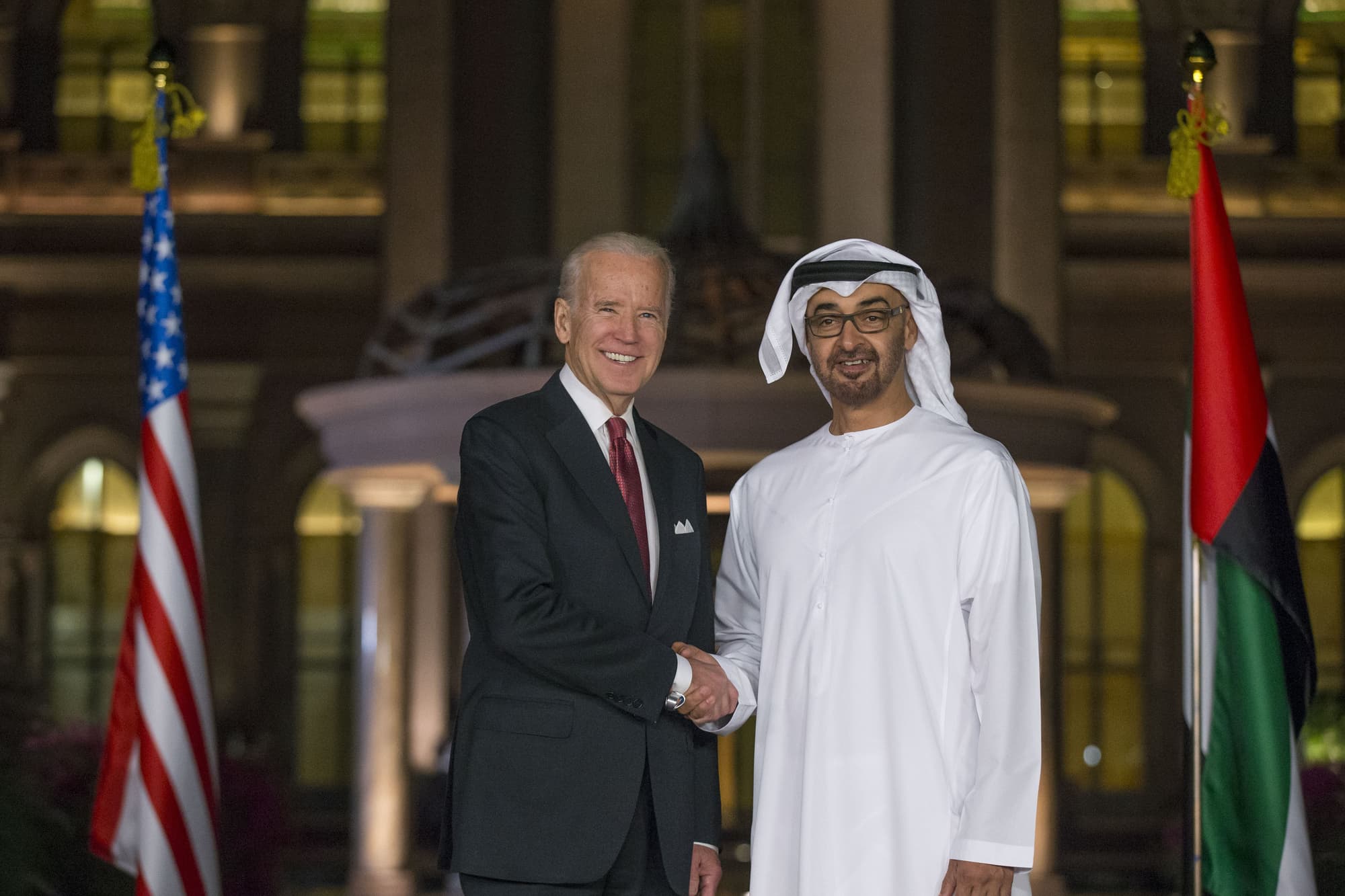
President Joe Biden has officially designated the United Arab Emirates as a major defense partner of the United States, solidifying the nation’s strategic role in the region. This move comes shortly after a similar designation was awarded to India, underscoring Washington’s efforts to build stronger alliances with Gulf and South Asian powers in the face of shifting global security dynamics. The announcement marks a significant step in US-UAE relations, enhancing defense cooperation and reaffirming the UAE’s importance in American military strategy.

The decision highlights the UAE’s evolving role as a critical player in regional security. With this designation, the UAE joins a select group of countries that enjoy preferential treatment when it comes to military cooperation with the United States. The relationship allows for greater access to advanced defense technology, streamlined military sales processes, and deeper intelligence collaboration. These developments come amid ongoing efforts by the US to recalibrate its security commitments in the Middle East, pivoting towards nations capable of contributing more significantly to their own defense.

Biden’s formal recognition of the UAE as a defense partner builds on decades of close military ties between the two nations. The UAE has long been a hub for US military operations in the region, hosting troops and serving as a staging ground for operations in neighboring conflict zones. The move is also seen as part of Washington’s broader strategy to reinforce its influence in the Gulf, where rising geopolitical tensions and the involvement of foreign powers like Russia and China continue to shape the security landscape.

For the UAE, this designation is not merely symbolic. It solidifies the nation’s status as a regional security leader and elevates its position on the global stage. It also provides the UAE with more direct access to sophisticated US defense systems, which will be critical in enhancing its defense capabilities amidst growing concerns over missile threats and other regional challenges. The UAE has long sought to upgrade its military arsenal, focusing on cutting-edge technology such as advanced fighter jets and missile defense systems. This new designation could accelerate these procurements, allowing for a faster, more seamless process.

The US government has been increasingly focused on forging deeper security ties with countries it sees as vital to countering both state and non-state actors. The UAE has been a crucial partner in US-led efforts to combat terrorism and ensure maritime security in the Gulf, particularly through its involvement in anti-piracy and anti-smuggling operations. The nation’s strategic location and military infrastructure have made it an indispensable ally in addressing threats posed by extremist groups and hostile states in the region.

Meanwhile, this development coincides with broader geopolitical shifts, as the US grapples with its role in a multipolar world. The Biden administration’s defense policy has focused on reducing its military footprint in some traditional hotspots while doubling down on partnerships that bolster regional security autonomously. The designation of both the UAE and India as major defense partners reflects a recalibrated approach to ensuring stability through cooperation, rather than direct military involvement.

The strategic importance of the UAE extends beyond the Middle East. Its influence in Africa, Central Asia, and the Indian Ocean region makes it a key player in a wider arc of geopolitical interests. With major global powers vying for influence in the Middle East, Washington’s decision to deepen its defense ties with Abu Dhabi also signals its intention to counter growing Russian and Chinese influence. China’s Belt and Road Initiative and increasing arms sales to Gulf countries, including the UAE, are clear indicators that the region is a key battleground for global influence.

The UAE’s defense relationship with the United States has grown in complexity in recent years. The two nations have regularly conducted joint military exercises, and the UAE has made substantial purchases of US-made defense equipment, including F-16 fighter jets, missile defense systems, and advanced drones. More recently, the UAE has expressed interest in acquiring next-generation US fighter jets, including the F-35, as part of its efforts to enhance its military edge. The partnership also extends to counterterrorism operations, where the two nations collaborate closely in intelligence sharing and tactical support to neutralize extremist threats.

The decision to elevate the UAE’s status comes against the backdrop of broader regional realignments. The Abraham Accords, which normalized diplomatic relations between the UAE and Israel, have reshaped the strategic landscape of the Middle East, offering new opportunities for cooperation between key US allies. This trilateral relationship between the US, UAE, and Israel is likely to deepen in the defense sphere, with potential collaborations in areas like missile defense and cybersecurity.

At the same time, the UAE faces growing security concerns closer to home. The conflict in Yemen, where the UAE has been heavily involved, continues to pose risks to regional stability. Iranian-backed Houthi rebels have launched missile and drone attacks against UAE infrastructure, raising the stakes for Abu Dhabi’s defense posture. The new designation from Washington could pave the way for more robust US support in addressing such threats, with the potential for more advanced defense systems aimed at countering missile and drone attacks.

US defense experts have praised the move, calling it a logical step in strengthening bilateral ties with a trusted partner in the Gulf. They argue that bolstering the UAE’s defense capabilities is not only in the interest of regional stability but also aligns with the US strategy of building self-reliant regional security partners. The UAE’s growing military spending and its focus on modernizing its armed forces further bolster the case for Washington’s decision.

Oman has joined the UNESCO Associated Schools Project Network (ASPnet), marking a significant step in enhancing its educational landscape and global collaboration. This initiative aims to foster a comprehensive educational approach that promotes peace, sustainability, and global citizenship among students worldwide. The participation underscores Oman’s commitment to enriching its educational framework through international cooperation and innovative pedagogical practices. The ASPnet, established in 1953, comprises schools worldwide that […]

World Bank’s commitment to addressing global climate challenges reached an all-time high, with $42.6 billion in climate finance delivered during fiscal 2024. This marks a $4 billion increase from the previous fiscal year and highlights the institution’s efforts to align a significant portion of its lending with climate objectives. Despite the progress, the sum remains a fraction of the trillions needed annually to combat climate change effectively, […]

Carousell makes it easier to sell old phones or trade in for the new iPhone 16, encouraging more to reduce e-waste. SINGAPORE – Media OutReach Newswire – 20 September 2024 – In the lead up to the highly-awaited iPhone 16 launch, leading multi-category classifieds marketplace Carousell has launched a new trade-in programme to offer customers a seamless way to trade in and give their old phones a […]

Bitcoin’s surge past $62,000 has rekindled interest in the cryptocurrency market, with growing attention from major financial institutions. As fears of a U.S. dollar crisis mount, BlackRock, one of the world’s largest asset management firms, has issued warnings about the potential fallout from America’s rising debt burden. The firm has indicated that this escalating debt, now towering over $35 trillion, could erode confidence in the U.S. dollar, pushing investors toward alternative assets like Bitcoin.

A sharp 0.5% interest rate cut by the U.S. Federal Reserve shocked the financial world, marking a significant policy shift. This surprise move has added momentum to Bitcoin’s rally, with many investors interpreting it as a sign that traditional financial systems may be under strain. The combination of surging inflation, monetary easing, and ballooning U.S. debt levels is seen by some as a perfect storm for institutional investors to seek refuge in digital assets. BlackRock’s growing focus on Bitcoin reflects this sentiment, as it positions itself ahead of potential macroeconomic upheavals.

The asset manager’s shift towards Bitcoin marks a noteworthy moment in the broader adoption of cryptocurrencies by institutional players. Bitcoin, long regarded as a fringe asset or speculative plaything, is increasingly being viewed as a credible alternative to traditional stores of value. The rise of digital currencies is not just a retail phenomenon anymore; institutional investors like BlackRock are finding it prudent to diversify their portfolios in the face of looming economic uncertainty.

Fears over the stability of the U.S. dollar are not unfounded. Analysts have pointed out that the Federal Reserve’s dovish stance, combined with government borrowing, is creating an environment where the dollar could weaken further. With interest rates low and inflation persisting, the purchasing power of the dollar faces increasing pressure. BlackRock has underscored the importance of preparing for such scenarios, highlighting Bitcoin’s distinct potential as a hedge against currency depreciation.

Bitcoin’s unique characteristics are drawing institutional attention. Unlike gold or other traditional safe-haven assets, Bitcoin offers a blend of scarcity, decentralization, and growing utility in global financial systems. As central banks worldwide grapple with inflation and currency fluctuations, Bitcoin’s role as a hedge has gained legitimacy among institutional investors. BlackRock’s analysts have stressed that Bitcoin’s fixed supply—capped at 21 million coins—makes it a robust alternative to fiat currencies, which can be devalued by excessive monetary policies.

The cryptocurrency’s surge past $62,000 has only strengthened the case for its adoption. A combination of factors, including institutional buying and a broader acceptance of Bitcoin as a financial asset, have contributed to its price rally. Analysts believe that Bitcoin’s newfound appeal as a long-term hedge could propel it further, especially as central banks continue to implement aggressive monetary easing measures.

One of the key drivers behind Bitcoin’s rise is the increasing participation of institutional investors. BlackRock’s move signals a broader trend where traditional financial players, who once viewed Bitcoin with skepticism, are now embracing it as part of their risk management strategies. The company’s endorsement of Bitcoin comes at a time when more hedge funds, pension funds, and asset managers are looking to incorporate digital assets into their portfolios. This growing interest marks a pivotal shift in the financial landscape, with Bitcoin no longer confined to niche markets or retail traders.

BlackRock’s leadership in asset management means its endorsement of Bitcoin is likely to resonate across the financial industry. As one of the largest and most influential firms, BlackRock’s insights often set the tone for broader market trends. Its acknowledgment of Bitcoin as a viable hedge against U.S. dollar risks may spur other institutions to reconsider their stance on digital currencies, further driving adoption in the months to come.

Despite the positive momentum surrounding Bitcoin, the cryptocurrency market remains volatile. Bitcoin’s price swings are still more pronounced compared to traditional assets, and some investors are cautious about jumping in. However, BlackRock has argued that Bitcoin’s volatility may be a risk worth taking in the current macroeconomic climate. The firm’s analysts suggest that as long as the U.S. government continues to accumulate debt and rely on monetary easing, Bitcoin’s role as a hedge will become more valuable.

Institutional investors are also looking beyond Bitcoin’s price movements. The underlying technology of blockchain, which supports Bitcoin and other cryptocurrencies, is increasingly being explored for its potential in financial systems. BlackRock has recognized the long-term value of blockchain technology, acknowledging its potential to revolutionize sectors beyond just finance. The company’s interest in Bitcoin can be seen as part of a broader strategy to position itself at the forefront of technological innovation in finance.

Bitcoin’s status as a “digital gold” is being cemented by its growing adoption. BlackRock’s focus on Bitcoin is a reflection of the wider belief that the world’s oldest cryptocurrency could play a significant role in future financial markets. As the U.S. dollar faces challenges from both domestic and international forces, institutional players like BlackRock are preparing for scenarios where traditional assets might underperform. By including Bitcoin in their portfolios, they are hedging against a potential loss of confidence in the world’s reserve currency.


AD Ports Group has successfully refinanced loans, taking advantage of favorable conditions following a recent reduction in interest rates by the Federal Reserve. This strategic move aims to bolster the company’s financial position and enhance its growth potential in the competitive logistics and port management sectors.

The refinancing encompasses a total of AED 1.1 billion ($300 million) in loans. These financial adjustments allow AD Ports to lower its cost of capital while extending the maturity period of its debt obligations. The revised terms reflect a significant shift in the financial landscape, influenced by the Fed’s decision to cut rates, which has eased borrowing conditions across global markets. This development is anticipated to support AD Ports’ expansion initiatives and operational efficiencies.

AD Ports Group operates a diverse portfolio that includes ports, logistics, and trade activities, playing a pivotal role in the UAE’s economic growth. The company has been at the forefront of enhancing the country’s status as a global logistics hub, strategically positioning itself to leverage emerging trends in trade and commerce. By securing more advantageous loan terms, AD Ports aims to sustain its momentum in capitalizing on opportunities within the region and beyond.

The decision to refinance aligns with broader trends in the industry, where companies are actively seeking to optimize their capital structures amid fluctuating interest rates. Analysts suggest that the refinancing is indicative of a proactive approach by AD Ports, enabling it to navigate economic uncertainties while pursuing growth strategies. The company’s management has expressed confidence that these improved financial conditions will facilitate investments in technology and infrastructure, further strengthening its operational capabilities.

Moreover, the impact of the Fed’s rate cut is being felt across various sectors, prompting businesses to reconsider their financial strategies. The logistics and transportation industries, in particular, are seeing a surge in refinancing activity as firms aim to enhance liquidity and reduce financing costs. This trend underscores the interconnectedness of global economic policies and local market dynamics, illustrating how international decisions can significantly influence domestic corporate strategies.

AD Ports Group’s commitment to sustainability and innovation has also played a vital role in its refinancing efforts. The company has been investing in green technologies and sustainable practices, aligning itself with global trends toward environmental responsibility. Such initiatives are not only crucial for meeting regulatory requirements but also resonate with investors who increasingly prioritize sustainable investment opportunities.

Key stakeholders within the logistics sector are closely monitoring AD Ports’ financial maneuvers, as they may set a precedent for similar companies in the region. The refinancing serves as a benchmark, demonstrating how organizations can leverage external economic shifts to enhance their financial health and competitive positioning. Industry experts predict that other logistics firms may follow suit, seeking to capitalize on the favorable lending environment.

As the global economy continues to grapple with challenges such as inflation and geopolitical tensions, companies like AD Ports are adapting their strategies to maintain resilience. The ability to refinance under improved terms not only reinforces AD Ports’ financial foundation but also positions it well for future investments that could yield substantial returns.

The logistics and shipping industry is evolving rapidly, with digital transformation and automation becoming central themes. AD Ports has made strides in integrating technology into its operations, enhancing efficiency and responsiveness to market demands. The refinancing initiative is expected to provide additional resources for further digital advancements, allowing the company to remain competitive in a fast-paced environment.

A potential reduction in the Federal Reserve’s interest rate might spell trouble for cryptocurrency markets and could signal the end of the era of central bank dominance. Arthur Hayes, a notable figure in the crypto space, has voiced concerns that such a move could trigger inflationary pressures and bolster the Japanese yen, leading to significant disruptions across financial markets.

Hayes, the co-founder of BitMEX, has recently shared his analysis on how a Fed rate cut could reverberate through global economies. According to Hayes, lowering interest rates could potentially stoke inflation, undermining the value of cryptocurrencies as investors might seek refuge in traditional fiat currencies. This shift could lead to a substantial decrease in the market value of digital assets, which have already been grappling with volatility.

The Fed’s stance on interest rates is crucial for various economic sectors, including cryptocurrencies. Typically, lower interest rates make borrowing cheaper and can stimulate investment in riskier assets. However, Hayes argues that the current economic climate, marked by uncertainties and geopolitical tensions, could make cryptocurrencies particularly vulnerable to these shifts. As traditional financial systems adapt to lower rates, cryptocurrencies might face increased selling pressure as investors shift their portfolios in search of stability.

Additionally, Hayes highlights the potential strengthening of the Japanese yen as a critical factor. A rate cut could lead to a depreciation of the U.S. dollar, making the yen a more attractive currency for investors seeking safety. This scenario could impact global trade and investment flows, further destabilizing markets already on edge.

Central banks have long held significant sway over global financial systems, using monetary policy tools to manage economic stability. However, Hayes suggests that the effectiveness of these institutions is waning. The increasing complexity of global financial markets and the rise of alternative investment vehicles, including cryptocurrencies, might be diminishing the traditional influence of central banks.

In his analysis, Hayes points to the broader implications of central banks’ policies on financial stability. As these institutions grapple with the effects of rate cuts and their unintended consequences, the resilience of alternative financial systems, such as decentralized cryptocurrencies, is being tested. The interplay between traditional financial mechanisms and emerging digital assets is becoming increasingly intricate, potentially reshaping how economic stability is managed in the future.

The discussion around central banks and interest rates is further complicated by the ongoing debates about inflation and economic growth. Hayes contends that while central banks attempt to address economic slowdowns with rate cuts, they may inadvertently contribute to inflationary pressures. This dynamic could undermine efforts to stabilize markets and preserve the value of currencies, including both traditional and digital assets.

Investors and market analysts are closely monitoring these developments, as the potential fallout from a Fed rate cut could have wide-ranging effects. The crypto market, known for its sensitivity to macroeconomic changes, might experience heightened volatility as traders react to shifting economic indicators and policy adjustments. Meanwhile, traditional financial markets could face adjustments as currencies like the yen gain prominence.

As the financial world navigates these complex dynamics, the role of central banks and their ability to influence economic outcomes is under scrutiny. Hayes’ perspective sheds light on the evolving landscape of global finance, emphasizing the need for investors and policymakers to stay attuned to the shifting tides of monetary policy and its impact on various asset classes.

Hong Kong is actively courting affluent investors from the Gulf region to rejuvenate its status as a leading wealth-management center. This strategic push comes as the city grapples with a decline in foreign investment, which has affected its position as a crucial gateway to China. Over the past two years, interest groups in Hong Kong have intensified their efforts to attract high-net-worth individuals and family-linked entities from the Middle East, marking a significant shift in their investment strategy.

According to several analysts and industry insiders, Hong Kong’s renewed focus on the Gulf region is driven by a need to counterbalance the diminished allure it has experienced in recent years. The city, once a bustling hub for international capital flowing into China, has faced challenges with its investment climate, partly due to political uncertainties and the pandemic’s economic impact. In response, local interest groups have ramped up their outreach efforts, inviting more prominent Gulf investors to explore opportunities in Hong Kong’s financial markets.

The Gulf’s ultra-wealthy families and investment groups have been drawn to Hong Kong’s appeal as a stable financial environment and a gateway to China’s vast market. This shift aligns with broader trends observed in global capital flows, where investors are increasingly looking for safe havens and diversified portfolios amid economic uncertainties. Hong Kong’s attractiveness lies in its sophisticated financial infrastructure, tax incentives, and a well-established regulatory framework that offers a favorable environment for wealth management.

The surge in Gulf investor interest is also reflective of a strategic reorientation by Hong Kong’s financial sector. Financial institutions and advisory firms in the city are tailoring their services to cater to the specific needs of Middle Eastern investors. This includes personalized investment strategies, bespoke financial products, and enhanced customer service aimed at building long-term relationships with Gulf clients.

Moreover, Hong Kong’s effort to attract Middle Eastern capital is part of a broader strategy to diversify its investor base and reduce dependency on traditional markets. The city’s financial services sector is working closely with local government bodies to create a more conducive environment for foreign investors, including those from the Gulf. Initiatives include hosting exclusive investment forums, organizing networking events, and providing tailored investment advice to address the unique requirements of Gulf investors.

The shift in focus also comes at a time when Gulf investors are looking to broaden their investment horizons. With increasing wealth in the region and a growing appetite for international investments, the Gulf’s high-net-worth individuals are seeking opportunities beyond their traditional markets. Hong Kong, with its robust financial sector and strategic location, presents an attractive option for these investors looking to expand their portfolios and access new markets.

Industry reports indicate that Gulf investors are particularly interested in sectors such as real estate, technology, and financial services. Hong Kong’s vibrant real estate market, coupled with its role as a technology and financial hub, provides ample opportunities for investment in these areas. The city’s strategic location and economic policies are seen as favorable factors for Gulf investors looking to tap into China’s economic growth and other regional markets.

A Toast to 160 Years of Wine Making Mastery SINGAPORE – Media Outreach Newswire – 17 September 2024 – Monopole, a leading purveyor of fine wines, welcomed some of the most esteemed names in Singapore’s food and beverage industry to The Mandala Club as it hosted an exclusive 160th anniversary dinner in honour of Vega Sicilia, one of the most revered and iconic wineries in the world. […]

A new feature introduced for Chromebook devices, known as ‘Sanitize’, is drawing attention for its promise to enhance security and privacy. The ‘Sanitize’ tool offers an additional layer of protection aimed at maintaining data integrity, a growing concern in the age of cyber threats. With Chromebooks already widely recognized for their secure infrastructure, this latest enhancement seems to underscore Google’s commitment to fortifying its devices against digital […]

SHENZHEN, CHINA – Media OutReach Newswire – 14 September 2024 – The fifth (2024) Private Entrepreneur Grand Conference (PEGC) convened on Sept 5 and 6 in Shenzhen, Guangdong province. Hosted by leading Chinese educational institution Bosum Institute of Management Science and the Bosum Association, this year’s conference brought together more than 8,000 private entrepreneurs from across China, with its livestream garnering over a million views. Under the […]

The International Digital Energy Expo 2024, held in Shenzhen, has become a key event spotlighting cutting-edge developments in smart and digital energy solutions. Drawing participants from across the globe, the expo showcases the latest in energy technology, with a strong focus on innovation, sustainability, and integration of digital solutions in the energy sector. This year’s expo has highlighted new products, partnerships, and initiatives that aim to revolutionize energy management and delivery in a world increasingly focused on carbon reduction and efficiency.

One of the primary themes of the 2024 expo has been the role of digitalization in creating more sustainable energy systems. The event features a variety of smart energy management tools, from next-generation solar panels and wind turbines to advanced AI-driven energy distribution networks. These innovations are designed to optimize the generation, storage, and consumption of energy, reducing waste and enhancing efficiency across the board. Attendees are particularly drawn to displays on smart grids, which integrate renewable energy sources with traditional power infrastructure, offering solutions to one of the biggest challenges in modern energy systems: reliability and scalability.

Digital energy innovation also extends into residential and commercial settings, with numerous companies presenting smart home and office energy systems that allow users to monitor and control their energy use through advanced apps and platforms. Devices powered by the Internet of Things (IoT) are key features at this year’s expo, enabling users to automate energy-saving strategies such as adjusting lighting and heating systems based on real-time data. This shift towards integrating smart devices in everyday energy use is being viewed as an important step toward achieving energy sustainability on a larger scale.

Another highlight of the event is the collaboration between energy companies and tech giants, particularly in the realm of artificial intelligence (AI) and big data. AI is increasingly being used to predict energy demand, optimize resource allocation, and even anticipate system failures before they occur, providing greater resilience in power grids. Leading companies are showcasing how big data analysis can streamline energy production and distribution, allowing utilities to adjust to fluctuating demands more efficiently and reduce overall operational costs.

As part of its forward-looking agenda, the expo is also hosting discussions on the intersection of energy and transport. With electric vehicles (EVs) on the rise globally, the challenge of creating infrastructure capable of supporting an all-electric future is a major focus. Exhibitors are unveiling new EV charging solutions designed to be more efficient and cost-effective, while several panel discussions address how cities can adapt to the anticipated surge in electric transportation. Some of the most notable innovations come from companies presenting wireless charging technology, which promises to further simplify the charging process for electric vehicle users.

Energy storage remains a critical issue in the push for cleaner energy. Several companies are presenting advanced battery technologies, particularly lithium-ion and solid-state batteries, which offer higher efficiency and longer life cycles compared to traditional storage solutions. Energy storage systems are seen as pivotal to balancing intermittent renewable energy sources such as wind and solar. Alongside this, hydrogen technology is gaining traction at the expo, with numerous firms showcasing hydrogen-based energy storage systems that could provide a cleaner alternative to traditional fossil fuels.

The expo isn’t solely about the technology. Experts from around the world are sharing insights into regulatory frameworks, government incentives, and public-private partnerships that can help accelerate the transition to a digital and smart energy future. Countries like China, already a global leader in renewable energy production, are seen as key players in this transition, and there is significant international interest in how policy and business are aligning to drive innovation forward. Keynote speakers emphasize the importance of global collaboration in building more resilient and sustainable energy systems, particularly as the world grapples with climate change and resource depletion.

KUALA LUMPUR, MALAYSIA – Media OutReach Newswire – 13 September 2024 – The Malaysian economy is growing faster than expected, and the local currency has appreciated quite noticeably. However, the central bank has maintained the interest rate at 3.00%, in accordance with the economists’ expectations. Still, Octa analysts expect that the BNM may soon lower the rates. Bank Negara Malaysia (BNM), Malaysia’s central bank, announced its policy […]

Tenable has unveiled “AI Aware,” a new security solution aimed at addressing the growing cybersecurity risks posed by artificial intelligence (AI) technologies and large language models (LLMs). The rapid adoption of AI has introduced unique vulnerabilities, and organizations are now scrambling to secure their environments. AI Aware is Tenable’s response to the critical challenges companies face when managing AI systems, offering proactive detection and risk management solutions. […]

Coinbase’s recent lobbying efforts have intensified, reflecting a broader strategy to sway U.S. regulatory landscapes in favor of the cryptocurrency sector. Over the past two years, the cryptocurrency exchange has channeled a significant portion of its lobbying budget, with 74% of its total spending during this period aimed at influencing policy and legislative outcomes. Despite these efforts, the exchange’s attempts to elevate cryptocurrency issues during high-profile political […]

Huawei has unveiled its latest innovation, the Mate XT, a tri-fold smartphone priced at $2,800, set to launch on September 20, the same day as Apple’s new iPhone 16 series. This announcement places Huawei in direct competition with Apple in its largest market, China, where Apple faces increasing challenges. The Mate XT introduces several cutting-edge features, including a 10.2-inch screen that expands into a tri-fold design and […]

VISHNU RAJA
RYO YAMADA
HITORI GOTOH
IKUYO KITA