News related to
Apple

By Saifur Rahman The International Monetary Fund (IMF) on Wednesday said, it will grant US$645 million to support Bangladeshi economy, about US$105 million less than the US$750 million sought by Bangladesh Government to overcome current economic challenges. Of this, around US$426 million will be provided under IMF’s Extended Credit Facility (ECF) and Extended Fund Facility (EFF), while US$219 million will be made available under the Resilience and […]

The highly anticipated “Far Cry 7” is facing significant delays, with its release window now pushed from Fall 2025 to an undetermined date in 2026. The news, although still unofficial, comes from credible sources within the gaming industry. This delay adds to the growing concerns surrounding Ubisoft’s ability to maintain a steady release schedule for its flagship franchises. Ubisoft, known for its popular series such as “Assassin’s […]

KUALA LUMPUR, MALAYSIA – Media OutReach Newswire – 18 December 2024 – 2024 has been a year of contradictory events, significant economic changes, and major political shifts. On a positive note, it was the year when global central banks finally managed to tackle inflation, partly induced by the negative and far-reaching effects of the COVID pandemic and partly by the more recent geopolitical events. After holding borrowing […]

SINGAPORE – Media OutReach Newswire – 17 December 2024 – FBS, a leading global broker, has just launched its promotional campaign Happy New Trade. The promo is designed to help traders turn their New Year’s resolutions into reality. Running until January 26, 2025, the campaign offers participants the chance to achieve more, with exclusive rewards and thrilling opportunities waiting at every level. The Happy New Trade promo […]

The UAE’s payment industry is on track for significant growth, projected to reach a value of $27.3 billion by 2028. This surge reflects the country’s increasing digital transformation, with innovative payment technologies gaining traction across multiple sectors. The shift toward a cashless economy and the growing demand for online and mobile payment solutions are key drivers behind this expansion. The shift to digital payments has been accelerated […]

HO CHI MINH CITY, VIETNAM – Media OutReach Newswire – 16 December 2024 – Visa, a global leader in digital payments, convened the Digital Future Forum 2024 in Hanoi, showcasing the latest payment trends and innovations shaping Vietnam’s digital landscape. This forum, part of Visa’s annual client appreciation event, underscored Visa’s commitment to driving Vietnam’s digital transformation, with a focus on AI’s role in enhancing security and […]

The consolidation trend among Islamic banks in the EMEA (Europe, Middle East, and Africa) region is poised to continue into 2025, according to Fitch Ratings. The consolidation, driven by the need for increased scale, enhanced profitability, and improved operational efficiency, is seen as a necessary response to the challenges posed by the ongoing economic and regulatory changes across the region. While the process has been gradual, experts predict that a more significant shift will take place in the coming year.

The Islamic banking sector, with its distinct set of regulations and operations, is under growing pressure to adapt to the evolving financial landscape. As regional economies grapple with uncertainty caused by factors such as geopolitical tensions, fluctuating oil prices, and the impact of digital disruption, banks are increasingly seeking mergers and acquisitions (M&A) as a means to strengthen their market position. The potential for cost synergies, coupled with the increasing importance of technology-driven innovation, has made consolidation an attractive option.

One of the primary factors driving this trend is the growing need for Islamic banks to enhance their capital bases. This is particularly critical in the face of stricter regulatory requirements and increased competition from both conventional and non-bank financial institutions. Many Islamic banks in the region have faced challenges in maintaining their profitability and meeting regulatory capital adequacy standards. A merger or acquisition often presents an effective way to increase the capital base and spread risks, which is crucial for long-term sustainability.

In addition to regulatory pressures, Islamic banks in EMEA are responding to shifts in consumer behavior. Increasingly tech-savvy customers are demanding more digital services, and Islamic banks are finding it challenging to match these expectations with traditional banking models. The need to invest in technology, digital banking infrastructure, and cybersecurity has created additional financial strain on smaller banks. Larger institutions, on the other hand, can leverage their scale to absorb such costs more efficiently. This has led many smaller Islamic banks to explore consolidation options as a way to remain competitive and relevant in the market.

The Middle East, in particular, has been at the forefront of this consolidation. Banks in the UAE, Saudi Arabia, and Qatar have already seen several high-profile mergers in the past few years. The consolidation trend is not only focused on strengthening local banks but is also a part of broader efforts to increase the global competitiveness of Islamic financial institutions. The rise of fintech in the Islamic finance sector has further accelerated the need for banks to collaborate or merge, aiming to modernize their services and better serve a younger, more tech-oriented clientele.

Fitch Ratings highlights that consolidation could be more pronounced among smaller institutions that are struggling to keep pace with the technological advancements and regulatory demands. These smaller banks, while historically focused on niche markets, will likely face increasing pressure to align with larger, more diversified institutions or explore mergers to survive. In many cases, the market is witnessing banks combining to pool their resources and expand their geographic footprint, a move that will allow them to offer a wider array of products and services while capitalizing on economies of scale.

Regional governments, too, are playing a role in facilitating this consolidation. Several governments in the EMEA region are actively encouraging M&A activities as part of their broader economic diversification plans. By creating a more robust and competitive Islamic finance sector, they aim to bolster their financial markets and attract more global investment. Additionally, regulatory changes, such as the implementation of Basel III standards, have made it more difficult for smaller institutions to operate independently. As such, the continued consolidation trend is seen as both an economic and regulatory necessity.

As the year 2025 approaches, experts predict that the landscape for Islamic banking in the EMEA region will become even more concentrated. Larger, more technologically advanced banks will increasingly dominate the market, while smaller players may find it difficult to compete without partnering with others or being absorbed into bigger institutions. This shift will have significant implications not only for the banks involved but also for consumers and investors alike, who may see a broader range of services and greater operational efficiencies emerge from these mergers.

Despite the potential challenges, there is optimism about the future of Islamic banking in the region. While consolidation will lead to fewer players in the market, the remaining institutions will be better positioned to meet the demands of a changing financial environment. As Islamic banks continue to focus on digital transformation, enhanced capital adequacy, and cross-border expansion, the sector is expected to become more resilient and globally competitive.

Advertisements

MicroStrategy, the business intelligence firm that has increasingly positioned itself as a major player in the Bitcoin space, is set to join the Nasdaq 100 index, a milestone that will further integrate Bitcoin-linked assets into mainstream financial markets. The decision underscores the growing intersection between traditional technology firms and cryptocurrency exposure, signaling to investors a new wave of passive investment flows.

This move places MicroStrategy among the 75 largest non-financial companies in the Nasdaq, a list traditionally populated by household names such as Apple, Microsoft, and Amazon. For the firm, it represents the culmination of a year marked by aggressive Bitcoin acquisitions, which have significantly boosted its market value. The firm’s stock has seen explosive growth as it has leaned heavily into Bitcoin, becoming one of the largest institutional holders of the digital asset.

Founded in 1989, MicroStrategy initially built its reputation as a provider of analytics software, helping companies harness data for decision-making. However, in recent years, under the leadership of CEO Michael Saylor, the company has transformed into a prominent Bitcoin advocate. MicroStrategy’s strategic pivot to Bitcoin began in 2020 when it made its first purchase of the cryptocurrency, and since then, it has continued to acquire more, amassing over 150,000 Bitcoin.

The company’s decision to enter the Nasdaq 100 has profound implications for investors. The inclusion not only boosts its visibility but also opens the door for passive investments from exchange-traded funds (ETFs) and mutual funds that track the Nasdaq 100. These funds, many of which are structured to automatically buy and sell stocks in the index, will now include MicroStrategy in their portfolios. As a result, Bitcoin-linked stocks could see billions of dollars in new investment inflows.

For passive investors who may have no direct interest in cryptocurrency but are focused on broad market exposure, MicroStrategy’s entry into the Nasdaq 100 offers a means to indirectly engage with Bitcoin’s price movements. While the firm’s stock has been volatile due to its dependence on the cryptocurrency market, this volatility may be tempered by its larger footprint in the tech sector, which has seen massive gains over the last decade.

MicroStrategy’s inclusion also reinforces the idea that Bitcoin is becoming entrenched in the financial ecosystem. Previously seen as an alternative investment for a select group of enthusiasts, the cryptocurrency is increasingly being integrated into corporate balance sheets and financial products. As traditional investors gain exposure to Bitcoin indirectly through stocks like MicroStrategy, it adds a layer of legitimacy to the cryptocurrency in the eyes of institutional investors and retirement funds.

While the move is seen as a victory for Bitcoin proponents, it has raised concerns among some analysts about the risks of such exposure. Bitcoin’s price fluctuations are well-known, and the cryptocurrency’s history of volatility could potentially affect MicroStrategy’s stock performance. For instance, as Bitcoin’s price rose, so too did MicroStrategy’s stock, but should Bitcoin experience a downturn, the company could face significant losses, which could then ripple through the broader Nasdaq 100 index.

Despite these risks, analysts view the inclusion of MicroStrategy in the Nasdaq 100 as a validation of the growing acceptance of Bitcoin by mainstream markets. The company’s transformation from a traditional business analytics firm to a Bitcoin-centric institution mirrors the broader trend of tech firms increasingly integrating digital assets into their business strategies. Companies like Tesla, Square, and Galaxy Digital have made similar moves, signaling a growing belief in Bitcoin as a store of value and hedge against inflation.

MicroStrategy’s financial standing has been propelled by Bitcoin’s rise. The firm’s market cap has swelled as its Bitcoin holdings have appreciated in value. Since its first purchase, Bitcoin’s price has experienced explosive growth, reaching over $60,000 per coin at its peak, although it has fluctuated significantly since then. Nevertheless, MicroStrategy’s heavy investment in Bitcoin continues to give it a major stake in the digital currency’s success.

One significant consequence of this shift is the potential impact on traditional investors who may not fully understand the cryptocurrency space. Many of these investors may now find themselves exposed to Bitcoin’s price swings through their broader equity holdings, even if they are not directly investing in cryptocurrency. This introduces a level of risk that was not present before, but also reflects the deepening ties between cryptocurrency and mainstream financial markets.

The inclusion of MicroStrategy in the Nasdaq 100 highlights a broader shift in how tech companies and institutional investors are incorporating cryptocurrency into their portfolios. The rise of Bitcoin-focused companies is part of a larger trend that is reshaping the landscape of global finance. As Bitcoin becomes more embedded in corporate strategies, its influence on traditional stock markets is likely to grow.


SINGAPORE – Media OutReach Newswire – 16 December 2024 – The Financial Independence, Retire Early (F.I.R.E.) movement continues to gain momentum worldwide, and Singapore is no exception. More and more Singaporeans are being drawn to the idea of achieving early retirement and financial independence. While the allure of escaping traditional work structures and enjoying life on one’s own terms is undeniable, experts caution that the pursuit of […]

A widespread outage has affected OpenAI’s ChatGPT service, leaving users unable to access certain features, including web browsing and file reading, across various platforms. The issue, which emerged at the end of November 2024, has affected both premium and regular users. While some have found workarounds, others are still grappling with limited access, particularly to premium features like internet searches and file processing. Reports of the outage […]

Oman remains steadfast in its commitment to becoming a global leader in green hydrogen production, despite facing a range of challenges in its pursuit of an energy transition. The Gulf nation is tapping into its vast renewable energy potential to position itself as a key player in the emerging green hydrogen market, which could play a pivotal role in global decarbonization efforts. The country’s green hydrogen strategy […]

Efforts to make PlayStation 3 games playable on diverse platforms have gained a breakthrough, with the successful integration of a cutting-edge emulator compatible with Raspberry Pi 5 and Apple Silicon. This development marks a significant stride in the emulation landscape, offering wider accessibility to the PS3’s expansive game library. The new capability stems from enhancements made to RPCS3, the renowned open-source PS3 emulator. Developers focused on optimizing […]

The UK stock market is experiencing a significant downturn in its standing as a preferred destination for initial public offerings (IPOs). As of 2024, it has fallen behind countries like Oman and Malaysia in IPO activity, facing structural challenges that have made it less attractive for new listings. Several factors contribute to the UK’s diminished role in the IPO market. The London Stock Exchange (LSE), traditionally a […]

Apple CEO Tim Cook’s visit to the UAE this week marked a significant moment for both the tech giant and the local creative community. In an event aimed at highlighting the intersection of technology and art, Cook attended an exhibition showcasing the talent of Emirati photographers, captured through the lens of the new iPhone 16 Pro. The visit, which included a trip to the iconic Qasr Al […]

HONG KONG SAR – Media OutReach Newswire – 5 December 2024 – The MIPIM Asia 2024 Awards, which honor excellence and innovation in Asia’s real estate industry, reveals this year’s winners during the Gala Dinner on December 4 at the Grand Hyatt in Hong Kong. The prestigious awards garnered numerous nominations from various countries, showcasing the remarkable diversity and growth within the sector. This wide array of […]

Apple is poised to expand its retail footprint in the UAE, announcing plans for a fifth store in the region. This development comes as the company’s cumulative investments in the UAE have surpassed $1.6 billion, underscoring the tech giant’s commitment to strengthening its presence in a key international market. The upcoming store, slated to open in Abu Dhabi’s Al Maryah Island, will be the second Apple location […]

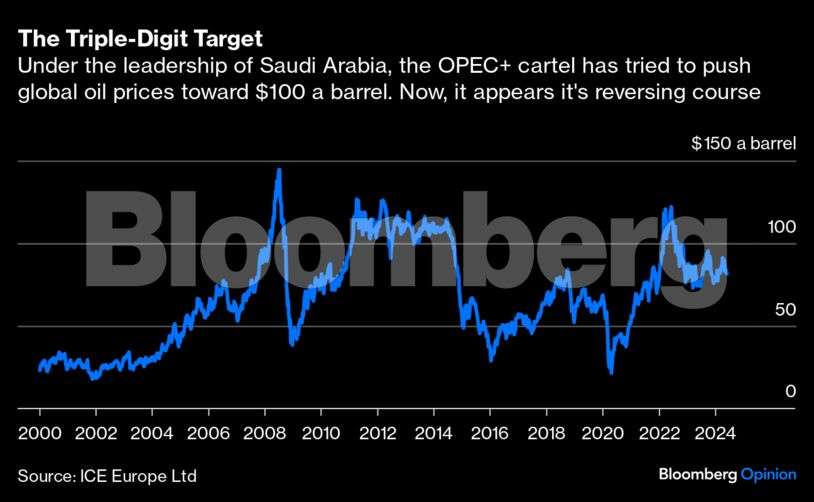
By K Raveendran OPEC+ has recalibrated its production strategy, extending voluntary output adjustments to stabilize oil markets in the face of uncertain global demand and geopolitical pressures. The alliance’s decision to prolong cuts until the first quarter of 2025 aims to counterbalance potential oversupply and demand fluctuations, particularly linked to Donald Trump’s policies and China’s […]

KUALA LUMPUR, MALAYSIA – Media OutReach Newswire – 7 December 2024 – Artificial intelligence is transforming trading, delivering unprecedented power in data analysis, pattern recognition, and decision-making. However, around 40% of traders hesitate to fully trust AI-driven decisions as they fear losing control over critical trading outcomes. Kar Yong Ang, financial markets analyst at Octa Broker, explores how traders can harness the power of AI while maintaining […]

KUALA LUMPUR, MALAYSIA – Media OutReach Newswire – 6 December 2024 – The “Korea Gyeong Buk Premium Food Promotion 2024” hosted by the Gyeongbuk Maeil Newspaper and sponsored by 14 local governments of GyeongSangbuk-do has successfully concluded 2 meaningful events highlighting its specialities and global potential of Gyeong Buk products. The events which feature 20 Korean F&B Companies was held from November 25th to 28th , which […]

HANOI, VIETNAM – Media OutReach Newswire – 5 December 2024 – Visa, a global leader in digital payments, and FPT Corporation, Vietnam’s leading technology company, have signed a Memorandum of Understanding (MOU) to drive digital transformation and financial inclusion in Vietnam’s government sector. The collaboration aims to modernize government services and empower businesses, particularly small and medium-sized businesses (SMEs). Building on previous successful engagements, both parties will […]

Consumer banking presents “Christmas Festival” to thank customers’ support HONG KONG SAR – Media OutReach Newswire – 5 December 2024 – OCBC Bank (Hong Kong) Limited (“OCBC Hong Kong”) is celebrating the festive season with customers and the community with the popular homegrown heritage pandan cake from Singapore as a special gift to thank customers and the community for their continued trust and support. In this “Christmas […]

Tesla’s long-anticipated Cybertruck production has been put on hold, marking a significant setback for Elon Musk and the electric vehicle giant. The delay follows a series of hurdles that have shaken investor confidence and raised concerns about the company’s ability to meet its ambitious targets. These setbacks compound the challenges Musk has faced this week, including a major drop in his stock valuation and continued issues related […]

Ripple has announced a delay in the launch of its RLUSD stablecoin, clarifying that it will not debut the product today as initially expected. The company, a leading blockchain-based payments firm, cited the need for final approval from the New York Department of Financial Services (NYDFS) before proceeding with the launch.

This postponement has added to the mounting attention surrounding the regulatory landscape for digital assets in the U.S., particularly in the wake of growing scrutiny by state and federal regulators. The RLUSD stablecoin, which is designed to function as a regulated digital dollar, is seen as a key component of Ripple’s strategy to expand its offerings in the cryptocurrency and payments market.

Ripple’s announcement of the delay comes as the company continues to navigate its ongoing legal battle with the U.S. Securities and Exchange Commission (SEC), which has raised questions about the classification of certain cryptocurrencies as securities. Despite this, Ripple remains confident that the stablecoin will eventually receive approval from the NYDFS, a crucial step for its broader plans to integrate stablecoin services within the existing financial ecosystem.

The NYDFS is one of the primary regulatory bodies overseeing cryptocurrency and blockchain-based financial products in New York, a state known for its strict regulations. Ripple’s delay highlights the growing regulatory complexities facing cryptocurrency firms as they seek approval for new products. Stablecoins, in particular, have become a focal point for regulators, due to concerns over their potential to affect the stability of traditional financial systems and facilitate illicit activities.

As the U.S. government tightens its oversight of cryptocurrencies, Ripple’s RLUSD stablecoin represents an attempt to align itself with regulatory expectations, especially as the company aims to create a transparent and fully compliant digital currency. The product is designed to offer greater stability and transparency compared to other digital currencies, with the backing of traditional assets such as the U.S. dollar, which would be held in reserves.

Ripple has emphasized that the RLUSD stablecoin is intended to address several key challenges within the cryptocurrency industry, including volatility and lack of regulatory clarity. By working closely with the NYDFS and other regulators, the company aims to ensure that its new product meets the highest standards of compliance and consumer protection.

This development is just the latest chapter in Ripple’s ongoing efforts to expand its influence within the digital currency space, where competition among firms is intensifying. Ripple’s existing services, including its flagship XRP token, are widely used for cross-border payments, and the addition of a stablecoin product would allow the company to further diversify its portfolio. However, the regulatory hurdles facing Ripple are significant, as the company must satisfy a variety of legal requirements to launch the RLUSD coin.

Stablecoins like RLUSD have gained increasing prominence as more people and businesses look for ways to transact with digital currencies without the extreme price fluctuations associated with assets like Bitcoin or Ethereum. In many ways, the rise of stablecoins has mirrored the growing demand for decentralized finance (DeFi) solutions, which aim to provide financial services without the need for traditional banks or financial institutions.

Despite the popularity of stablecoins, regulators have expressed concerns over the potential for these assets to be used in money laundering, terrorist financing, and other illicit activities. Some U.S. lawmakers have called for stricter oversight of stablecoin issuers, citing the risks posed by unregulated digital currencies. The delay in Ripple’s stablecoin launch underscores the challenges facing all cryptocurrency companies in balancing innovation with compliance in a rapidly evolving regulatory environment.

Ripple’s decision to delay the RLUSD launch also raises questions about the future of digital currencies and their integration into mainstream finance. While the cryptocurrency industry has seen significant advancements in recent years, including the rise of central bank digital currencies (CBDCs) and growing institutional interest, regulatory uncertainty continues to be a major obstacle.

As Ripple awaits approval from the NYDFS, the company is likely to face continued scrutiny from both U.S. regulators and international bodies, as governments around the world grapple with how to regulate cryptocurrencies. The outcome of this approval process could have significant implications not only for Ripple but for the broader stablecoin market, which has grown to become a multi-billion-dollar industry.

Ripple’s ongoing efforts to secure the necessary regulatory approvals for RLUSD reflect the broader trend within the cryptocurrency industry, as companies seek to operate within the bounds of national and international laws. While the company’s legal battle with the SEC may dominate headlines, the approval process for RLUSD could shape the future of Ripple’s product offerings and its relationship with regulators moving forward.

Cuba’s national power grid has collapsed, leaving millions of citizens without electricity and causing widespread disruption across the country. Late Wednesday, officials reported that the country was only generating enough electricity to meet one-sixth of its peak demand. This power failure comes as Cuba continues to grapple with energy infrastructure issues, highlighting the vulnerabilities in its aging electrical system.

The power outage, which began hours before the statement from the state-owned Electric Union of Cuba, resulted in a total blackout in several regions, including the capital Havana and major provincial cities. The grid collapse came as temperatures soared, exacerbating the already difficult living conditions for many Cubans. The government has faced mounting criticism over its inability to provide a consistent and reliable electricity supply, with the national grid experiencing periodic failures throughout the year.

Cuban officials blamed the national grid’s collapse on a combination of factors, including weather-related issues and aging infrastructure. While the authorities have taken steps to mitigate the crisis, such as shifting to emergency power generation and rationing electricity in some areas, the situation remains dire. Reports from residents describe long-lasting blackouts, with some parts of the country still waiting for power to be restored more than a day after the incident.

The impact of the blackout is severe, affecting daily life and businesses alike. Hospitals, schools, and other essential services have had to operate on backup generators, placing further strain on resources that were already stretched thin due to Cuba’s ongoing economic struggles. With the government focusing efforts on restoring power, many are also questioning the broader implications for the country’s energy policy and infrastructure development.

Power shortages have long been a concern in Cuba, with frequent blackouts and unreliable energy supplies being a part of daily life in many regions. The situation has worsened in recent months, as the country faces an economic crisis compounded by the ongoing effects of the COVID-19 pandemic and international sanctions. These challenges have placed significant pressure on the energy sector, which has been struggling to meet the needs of a population already facing considerable hardship.

Energy experts have pointed out that Cuba’s power grid is outdated and in need of significant investment and modernization. The country relies heavily on oil for electricity generation, but fuel shortages have been a common issue in recent years. The collapse of the power grid is seen by many as the latest sign of systemic failure within the country’s energy sector, which has failed to keep pace with the demands of a growing population and the complexities of modern energy production.

The government has said it is working to restore the grid and minimize further disruptions. However, some experts have warned that the root causes of the crisis will require long-term planning and investment to address. As part of its efforts, Cuba has turned to its allies in the region, seeking assistance with both emergency energy supplies and technical expertise to overhaul its electricity infrastructure.

In the meantime, the Cuban government has been forced to impose rolling blackouts, a move that has drawn widespread criticism from citizens who have endured long periods without power. Many have taken to social media to voice their frustration, accusing the government of failing to provide basic services despite the country’s vast natural resources. The government, for its part, has insisted that it is working diligently to restore full power, but has also acknowledged the difficulties in overcoming the challenges posed by the aging infrastructure.

The situation has prompted a broader debate over Cuba’s energy policy and its reliance on outdated systems and foreign aid. While the country is rich in renewable energy resources, such as solar and wind, it has been slow to transition to more sustainable energy solutions. Experts have long recommended that the government invest in renewable energy infrastructure, but progress has been slow. Critics argue that more aggressive steps should have been taken years ago to modernize the energy sector, reducing Cuba’s dependence on imported oil and providing more sustainable energy options for its citizens.

Cuban President Miguel Díaz-Canel, in a public address, acknowledged the severity of the power failure and promised to take immediate action to address the crisis. He reassured the public that the government would prioritize restoring power to the most affected areas and was working with international partners to bring in additional resources. However, the situation remains fluid, with many still uncertain about the long-term solutions to the country’s energy challenges.

This power outage is not the first of its kind in Cuba, and it is unlikely to be the last unless substantial investments are made to address the underlying issues. As the country continues to struggle with an outdated and overburdened grid, the question of how to modernize Cuba’s energy infrastructure and move towards more sustainable solutions is becoming increasingly urgent. The current crisis serves as a stark reminder of the challenges facing the Cuban government and its citizens in securing reliable access to electricity.

VISHNU RAJA
RYO YAMADA
HITORI GOTOH
IKUYO KITA