News related to
Arabian Post Special

A senior aide to Israeli Prime Minister Benjamin Netanyahu has been dispatched to the United Arab Emirates in a discreet diplomatic move aimed at resolving strains between the two nations. This development marks a critical step in addressing the ongoing challenges faced by the UAE-Israel relationship, particularly in the aftermath of regional shifts and political tensions.

The aide’s visit, which has been kept under wraps to avoid further complicating the delicate diplomatic situation, underscores Israel’s desire to reassert its relations with the UAE following some setbacks in the past year. While the specifics of the discussions remain largely confidential, sources suggest the key focus is on reaffirming the normalization of ties, which was first achieved through the Abraham Accords in 2020. These accords established full diplomatic relations between Israel and the UAE, a historic shift in the Middle East, and the Netanyahu administration has been under pressure to maintain the momentum of these agreements despite regional turbulence.

Diplomatic sources point to a combination of political disagreements, security concerns, and international pressures that have strained the UAE-Israel partnership. One of the main issues is the growing unease in the Gulf over Israel’s stance on Palestinian issues and its handling of tensions in Gaza. While the UAE has remained committed to the Abraham Accords, there has been mounting public and political disquiet over Israel’s domestic policies, especially in relation to its stance on Palestinian sovereignty and peace efforts.

Experts suggest that Netanyahu’s decision to send a trusted aide is a direct response to growing concerns in Abu Dhabi about Israel’s domestic trajectory and its regional posture. This diplomatic outreach is seen as a move to reassure the UAE that Israel remains committed to cooperation, particularly in areas such as trade, technology, and security, which have flourished since the signing of the Abraham Accords.

There is speculation that the UAE has been considering a recalibration of its foreign policy, especially with the changing dynamics in the broader Middle East. With the shifting alliances and new players emerging in the region, including the growing influence of China and Russia, the UAE finds itself needing to maintain a balance between its Western ties, particularly with the United States, and its more recent alignment with Israel.

The UAE-Israel relationship, though officially cordial, has been fraught with complexities. The leadership in Abu Dhabi has long prioritised stability and economic growth, factors which drove the decision to engage diplomatically with Israel. However, regional developments, including the ongoing situation in Gaza and the broader Israeli-Palestinian conflict, have put these relations to the test.

Israel’s efforts to build and sustain relationships with Gulf states have been a key feature of Netanyahu’s foreign policy. The normalization agreements brokered by the Trump administration in 2020 were seen as a major victory for Israel, but they have not been without their challenges. The UAE has been wary of the potential fallout from these ties, particularly in the Arab world, where public sentiment on Israel remains divided.

Despite these challenges, there is a shared interest in several areas. Both countries are looking to advance economic collaborations, particularly in the fields of technology, energy, and defence. Israeli businesses have already established a foothold in the UAE, with cooperation extending to key sectors such as cybersecurity and artificial intelligence. These partnerships are expected to grow further as both nations seek to capitalise on new opportunities.

Israel’s relationship with the UAE has also allowed for greater security cooperation, particularly in the context of regional threats posed by Iran. Both countries share concerns over Iran’s nuclear ambitions and its influence across the region. This shared security interest has provided a basis for increased intelligence-sharing and military coordination, despite the undercurrent of political tensions.

Binance has partnered with TRM Labs to unveil a groundbreaking initiative aimed at tackling cryptocurrency-related crime. The newly launched Beacon Network is designed to enhance the security and integrity of the digital assets market. This collaboration marks a significant step in addressing the increasing concerns surrounding illicit activities in the crypto space.

Beacon, powered by TRM Labs, will provide a comprehensive suite of tools to track and identify suspicious activities across the blockchain. The network’s capabilities extend beyond the identification of suspicious transactions; it will also monitor exchanges and wallet providers for potential risks associated with money laundering, fraud, and terrorist financing.

This partnership is timely, as the cryptocurrency sector continues to expand and evolve, with regulators and lawmakers increasingly focusing on how to prevent its use for illegal activities. Binance, a global leader in digital asset exchanges, has long faced scrutiny over its role in the market and its ability to ensure compliance with anti-money laundering and know-your-customer standards. By working with TRM Labs, the company seeks to bolster its efforts in this area and demonstrate its commitment to ensuring the safety and legitimacy of the platform.

TRM Labs, a firm specializing in blockchain forensics and compliance tools, brings a wealth of experience to the table. The company’s technology is already used by financial institutions, law enforcement agencies, and regulators worldwide to detect and investigate financial crimes in the cryptocurrency ecosystem. Its role in the Beacon Network will help provide real-time analysis and actionable insights that can prevent fraudulent activities before they escalate.

A key feature of the Beacon Network is its use of advanced artificial intelligence and machine learning algorithms to detect emerging patterns in financial transactions. This technology will continuously monitor the blockchain, adapting to new methods of crime as they emerge. The platform will also integrate data from numerous public and private blockchains, creating a unified view of the crypto landscape that will be accessible to stakeholders across the industry.

While the initial focus of the Beacon Network will be on detecting fraud and money laundering, the partnership with Binance also signals a broader ambition to enhance overall regulatory compliance within the crypto space. Binance’s decision to invest in this technology is part of its wider effort to improve transparency and strengthen its reputation among regulators, especially in markets like the United States and Europe, where scrutiny has been particularly intense.

The collaboration also highlights the growing recognition that the cryptocurrency industry must take a more proactive stance in preventing crime and enhancing security. As the industry continues to grow, so too does the scale and sophistication of the threats it faces. The launch of the Beacon Network is therefore seen as an important step in building trust with both regulators and users, addressing concerns over the potential for digital assets to be used for illicit purposes.

Despite these efforts, challenges remain. The decentralized and pseudonymous nature of cryptocurrencies makes it inherently difficult to track illicit transactions. However, by combining Binance’s vast resources with TRM Labs’ expertise in blockchain analytics, the Beacon Network aims to create a powerful tool that will help combat the dark side of the crypto revolution. This collaboration is expected to set a new standard for industry best practices and contribute to the broader goal of mainstream adoption of digital currencies.

The real estate sector is undergoing a transformation as digital tools take centre stage in property sales. Simplex 3D’s REALS platform has emerged as one of the most influential technologies in this space, revolutionising how properties are marketed and sold. By leveraging virtual and augmented reality, REALS offers an immersive experience that has captivated real estate professionals and buyers alike, providing a new way of engaging with properties in the digital age.

REALS stands out by enabling prospective buyers to experience properties remotely, using virtual tours and interactive 3D models. This technology is proving especially valuable in markets where travel restrictions or geographical distance have made traditional property viewings difficult. In addition, the platform’s ability to create highly detailed, lifelike representations of properties allows users to explore every inch of a property without ever stepping foot inside, which is an unprecedented advantage in today’s competitive real estate landscape.

Real estate companies are increasingly adopting virtual tools like REALS to offer more comprehensive property showcases. The platform’s flexibility allows potential buyers to customise their viewings, focusing on specific rooms, outdoor spaces, or architectural features, thus making it easier for them to evaluate the property in detail. This level of interactivity not only enhances buyer engagement but also reduces the time spent on physical tours, streamlining the entire process.

REALS is particularly popular in high-end real estate markets, where properties often have unique features that require detailed attention. For these types of properties, virtual tours provide a way to highlight the finer details, such as intricate designs, high-quality finishes, and expansive views, without the need for an in-person visit. This makes the buying process smoother, more efficient, and less time-consuming for both buyers and sellers.

The platform’s reach is not limited to just individual buyers. Real estate agents and developers are also finding value in the tool, using it to showcase multiple properties at once, and to cater to clients who may not be in the area. Through this advanced digital medium, agents can engage with a wider range of prospects, including international buyers, and ensure that properties are marketed to their full potential.

As the property industry continues to embrace digital transformation, platforms like REALS are seen as essential tools for increasing sales and boosting the effectiveness of marketing strategies. By enhancing the buyer experience, the platform addresses common pain points in traditional property marketing, such as limited access to viewing times, geographical limitations, and the inability to capture the full scope of a property’s design.

Experts suggest that REALS and similar technologies are not just a passing trend, but the future of property marketing. As advancements in VR and AR technology continue to evolve, it is expected that these tools will become even more sophisticated, offering increasingly realistic and engaging experiences. From virtual staging to interactive floor plans, the possibilities are endless. For developers, this presents an opportunity to gain a competitive edge by offering buyers a richer, more dynamic way to explore properties.

Another key benefit of virtual platforms like REALS is their ability to integrate with other technologies. For example, they can work in tandem with AI-driven analytics to provide real-time data on viewer engagement and interest levels, helping agents refine their sales strategies. Such integrations enable sellers to make data-driven decisions, optimising their marketing efforts for maximum impact.

ADVERTISEMENT

Abu Dhabi National Energy Company has secured a substantial AED 8.5 billion term loan to bolster its liquidity and support its long-term growth objectives. The financial facility, which spans a two-year period, is expected to enhance the company’s operational flexibility, enabling it to pursue strategic investments and strengthen its position in the energy sector. The move reflects TAQA’s commitment to enhancing its financial standing amidst an increasingly competitive market.

The loan, denominated in UAE dirhams, is structured as a floating-rate instrument, which ties the interest payments to a benchmark rate, typically the LIBOR or its successor. This structure offers flexibility to the company, aligning its financial obligations with market conditions over the loan’s tenure. This large-scale financing arrangement also provides the company with the necessary funds to continue its diverse projects, including those in renewable energy, which are central to TAQA’s strategic shift toward sustainability.

TAQA’s loan agreement underscores its focus on transforming its energy portfolio, including expanding its investments in cleaner energy solutions and enhancing its existing assets. Over the past few years, the company has undertaken several initiatives aimed at increasing its renewable energy capacity, with a notable emphasis on solar, wind, and water energy projects both within the UAE and internationally. This aligns with the broader UAE vision to transition towards more sustainable energy sources while diversifying the national economy away from reliance on oil revenues.

The loan will also assist TAQA in fulfilling its ambitious growth plans. Its focus on improving liquidity is seen as crucial in maintaining stability and ensuring the company’s ability to secure additional investments in future projects. The energy sector is experiencing significant changes, driven by the global push for sustainability and a growing demand for energy diversification. As such, firms like TAQA are positioning themselves to leverage opportunities arising from these shifts in energy consumption patterns.

With the funding, TAQA will have the flexibility to manage ongoing infrastructure upgrades and explore new ventures, including potential acquisitions and investments that align with its strategy to expand across international markets. The company’s portfolio includes a range of assets in energy distribution, generation, and water desalination, providing it with a diverse stream of revenue and contributing to the stability of its financial outlook.

The term loan also reflects the confidence that financial institutions have in TAQA’s future growth prospects, especially in a market that is becoming increasingly dependent on green technologies. The global energy transition, fuelled by the shift towards decarbonisation, presents both challenges and opportunities for energy companies. For TAQA, expanding into renewable energy markets offers significant potential for long-term profitability and operational diversification.

This loan also comes at a time when the UAE is intensifying its efforts to implement its Green Agenda, which includes significant investments in renewable energy projects and a commitment to achieving net-zero emissions by 2050. As a key player in the region’s energy sector, TAQA’s ongoing efforts to decarbonise its portfolio and adopt innovative solutions will be critical in meeting these ambitious national and global targets.

TAQA’s ability to access such large-scale financing reflects its strong financial fundamentals and market reputation. The company’s management has been proactive in securing capital for key growth areas, ensuring that it remains at the forefront of the region’s energy transformation. The long-term focus on sustainability and diversification is set to position TAQA as a leading energy provider in the MENA region, with significant reach beyond its home market of the UAE.

Dubai has unveiled a development that could reshape the future of global information security. At a closed event organized by Vektor T13 Technologies, researcher and developer Dmytro Momot, better known as Vektor T13 and as a creator of the Antidetect Project, presented a unique artificial intelligence system under the codename A_BotAlpha, capable of detecting fake digital identities with unprecedented accuracy and protecting infrastructure from cyber threats. A system […]

Advertisements
ADVERTISEMENT

Dubai’s evolution from a luxury stopover for the rich to a permanent global wealth capital is accelerating. The emirate is set to attract nearly 10,000 millionaires in 2025, underscoring its growing prominence in the global wealth landscape. Betterhomes, in a report titled Dubai: No Longer a Pit Stop, But the Finish Line for Global Wealth, suggests that Dubai’s appeal to high-net-worth individuals is rising faster than ever.

As of December 2024, Dubai is home to 81,200 resident millionaires. This number represents a significant contribution to the UAE’s total of 130,500 dollar millionaires, marking a remarkable 98% increase over the past decade. The data suggests a global shift in wealth migration, with Dubai becoming one of the top destinations for individuals seeking a stable and prosperous environment.

This migration is not just about wealth management; it reflects a broader trend of shifting global economic power. As 142,000 millionaires are expected to relocate globally in 2025, even if only 5% choose Dubai, it could result in 7,100 new millionaires moving to the emirate. This influx will bring an estimated $7.1 billion in new investment, further cementing Dubai’s status as a global wealth hub.

Dubai’s rapid growth can be attributed to several factors. The emirate’s strategic positioning as a gateway between the East and West, combined with a pro-business environment, makes it an attractive destination for HNWIs. The city’s tax-friendly policies, high-quality infrastructure, and investment opportunities have created an ecosystem where wealth can thrive. Dubai’s real estate market, in particular, has become a focal point for international investors, with luxurious residential developments attracting the world’s wealthiest individuals.

The UAE government has also played a crucial role in fostering this growth. Policies designed to attract and retain foreign investment, such as long-term residence visas and tax incentives, have positioned Dubai as a welcoming city for the global elite. These policies align with the broader goals of diversifying the UAE economy and reducing its reliance on oil exports.

A significant driver of this transformation is Dubai’s appeal as a global business hub. The emirate’s financial markets, world-class logistics infrastructure, and connectivity have attracted numerous multinational corporations, making it a key centre for finance, technology, and innovation. With the UAE’s commitment to sustainability and innovation, Dubai is increasingly seen as a place where wealth can not only be preserved but also expanded.

As Dubai’s appeal grows, it is not just millionaires from neighbouring regions who are flocking to the city. The attraction extends to global citizens, with individuals from the Americas, Europe, and Asia seeking to benefit from Dubai’s cosmopolitan lifestyle and tax advantages. According to experts, this influx of global talent will continue to fuel Dubai’s economy, bringing with it new ideas, technologies, and business ventures.

While Dubai’s rise as a global wealth centre is undeniable, the city faces challenges as it balances its rapid growth with sustainability goals. The demand for housing, for instance, is placing pressure on the real estate market. While demand is robust, especially for luxury properties, experts warn that an oversupply of high-end homes could lead to a correction in the market. However, this is a concern that city planners are addressing with strategic zoning and development projects designed to keep the market stable.

As the number of millionaires in Dubai grows, so does the competition for limited resources. While the city offers world-class amenities, there are concerns about rising costs of living, which could make it less accessible to middle-class families. These dynamics could shape how the city evolves in the coming years, with a focus on ensuring that growth is inclusive and that Dubai remains a livable city for all its residents.

Dubai is poised to see a substantial rise in its millionaire population, with projections indicating that up to 10,000 affluent individuals could relocate to the emirate by the end of 2024. This influx is expected to further solidify Dubai’s position as a premier destination for global wealth, driven by a combination of favourable tax policies, a booming property market, and a growing reputation as a business hub.

As of December 2024, Dubai’s population of resident millionaires is forecast to grow to 81,200, significantly contributing to the UAE’s total of 130,500 millionaires. The surge is linked to Dubai’s ongoing efforts to attract wealthy individuals and investors through various initiatives, such as long-term residency programmes and tax advantages, which have made it an increasingly attractive place to live and do business.

The growth of millionaires in the UAE is not just a result of Dubai’s policies but also the broader trends in the global economy, with high-net-worth individuals seeking stability and investment opportunities in the face of geopolitical uncertainty. Wealth management firms, real estate brokers, and investment advisors have all noted the heightened interest from international clients in securing properties in the emirate.

Dubai’s luxury property market is one of the key factors driving this influx. The demand for high-end residential units has been on a steady rise, with prime real estate in sought-after locations such as Palm Jumeirah, Downtown Dubai, and Dubai Marina witnessing increasing sales. This growth has been further fuelled by the city’s transformation into a financial and cultural hub, alongside its status as a global tourism hotspot.

The emirate’s real estate sector has been particularly attractive to millionaires looking to invest in luxurious homes that offer not only aesthetic appeal but also potential for high returns. Dubai’s strategic position as a gateway between the East and West makes it an ideal location for international investors, offering tax incentives and the possibility of high rental yields in a stable economic environment.

The UAE’s relaxed residency laws, particularly the Golden Visa programme, have made it easier for wealthy individuals to relocate and establish themselves in Dubai. The programme grants long-term residency permits to investors, entrepreneurs, and skilled professionals, thus encouraging a more permanent presence of the ultra-wealthy in the city. It is these factors that have contributed to Dubai’s appeal as a sanctuary for wealth and a hub for international business activity.

With its pro-business environment, ease of living, and world-class infrastructure, Dubai continues to attract entrepreneurs and executives looking to make the city their new home. Additionally, the city’s vast infrastructure, which includes state-of-the-art airports, world-class medical facilities, and a thriving arts and culture scene, only adds to its desirability for those with significant financial means.

The role of real estate developers has been critical in meeting the needs of this burgeoning millionaire class. Developers are increasingly focused on delivering bespoke, high-end properties that cater specifically to the tastes of the global elite. These residences offer everything from private pools and exclusive beach access to cutting-edge smart home technology and private helipads. The push for luxury is evident across all sectors, from private villas to penthouses that offer unparalleled views of the city’s skyline.

The local government has also been proactive in ensuring that the infrastructure keeps pace with this growing demand. New residential and commercial developments are being planned across Dubai, especially in emerging areas like Dubai Creek Harbour and Dubai South, which offer a mix of luxury living and connectivity to key business districts and international airports.

For many of these new residents, Dubai is not just a place to live but also a base from which to manage their global business interests. The city’s financial services sector is thriving, with an increasing number of wealth management firms and family offices establishing a presence in the emirate. These firms provide a full range of services, including estate planning, investment management, and tax consulting, ensuring that wealthy individuals can efficiently manage their wealth while residing in the UAE.

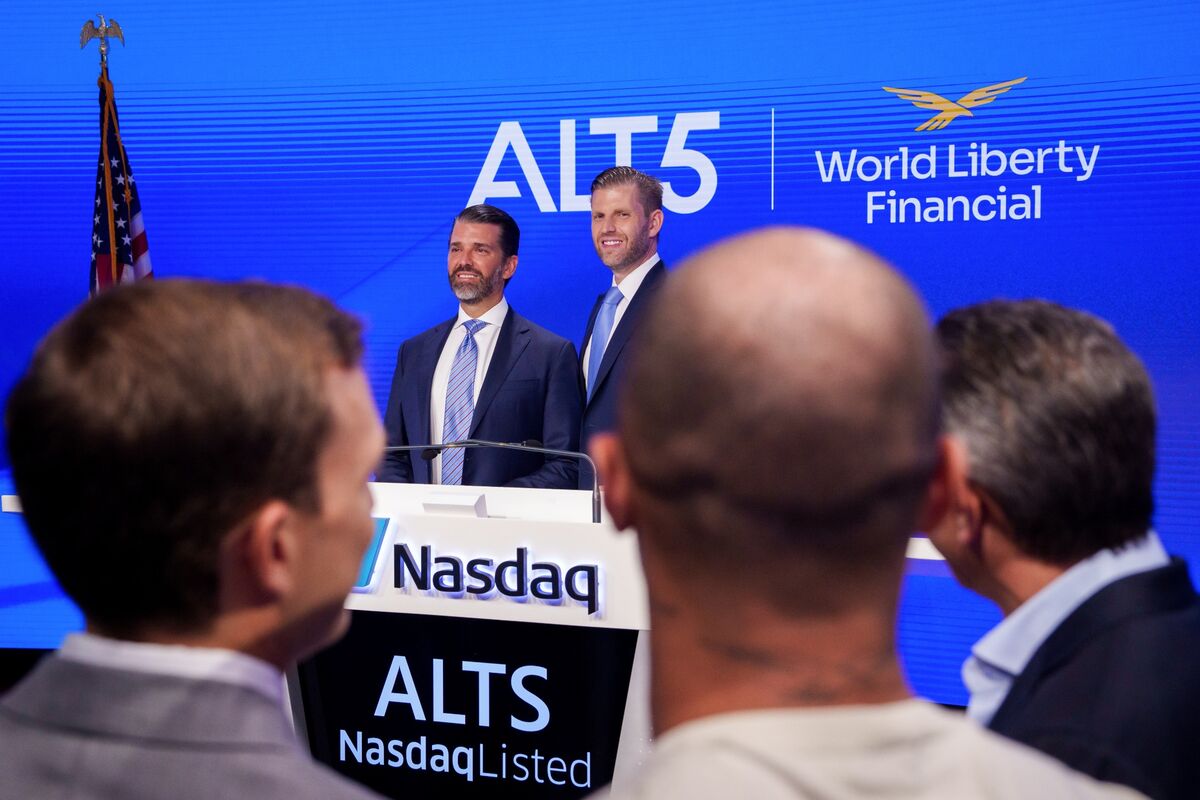
Eric Trump and Donald Trump Jr. marked a significant moment for the Trump family in the financial sector, ringing the Nasdaq opening bell as part of a high-profile $1.5 billion deal. The transaction involved the biotech-turned-crypto payments company Alt5 Sigma Corp. and the Trump-backed World Payment Network, a crypto firm under scrutiny due to its political affiliations. The deal has sparked interest among top financial firms, with Point72 Asset Management and ExodusPoint Capital Management both securing stakes in the venture.

Point72, a prominent hedge fund with a reputation for aggressive trading strategies, has previously invested in various tech-driven industries, but its entry into the crypto space marks a strategic pivot. The firm, led by billionaire Steve Cohen, has long been a major player in hedge funds, with a focus on alternative investments. ExodusPoint, a rising star in the hedge fund world, also moved to acquire a share, further solidifying its presence in the rapidly growing digital assets market.

Alt5 Sigma, originally founded as a biotech company, has undergone a dramatic transformation into a blockchain-powered payment network. With its backing from the Trump family’s business empire, the company has aimed to bridge the gap between cryptocurrency and traditional finance, particularly in the realm of payments processing. This shift has garnered attention from institutional investors and major financial players, eager to tap into the lucrative crypto market.

Both Point72 and ExodusPoint’s moves signal growing institutional interest in crypto-based financial products, which have garnered mixed reactions across the financial world. The cryptocurrency market, often volatile and speculative, remains a space that many traditional investors tread carefully within, though firms like Point72 and ExodusPoint see long-term growth potential.

The involvement of Trump-linked entities, particularly World Payment Network, has added a layer of political intrigue to the deal. World Payment Network, founded in connection with the Trump family’s business operations, has drawn attention for its ties to former President Donald Trump. Critics of the deal have raised concerns over potential conflicts of interest, pointing to the Trump family’s history of leveraging its brand for financial gain. Some worry that the high-profile nature of the Trump name could invite unwanted scrutiny from regulatory bodies, especially in a space already under heavy regulatory pressure.

Despite the controversy, the transaction illustrates the ongoing trend of high-profile figures and firms entering the crypto space, a market known for its innovation but also fraught with risks. In recent months, several hedge funds and institutional investors have increasingly allocated capital into digital assets as they look for high-return opportunities in the wake of traditional financial market fluctuations.

Point72’s foray into crypto comes as no surprise, as Cohen’s fund has long been known for diversifying into new and potentially high-reward areas. However, its involvement with a Trump-backed company adds an interesting layer of complexity, given the family’s polarizing influence on both the financial and political landscapes. ExodusPoint, on the other hand, is still a relatively new player in the hedge fund world, but its rapid growth and aggressive strategies have made it a name to watch. Its decision to back a Trump-linked crypto firm signals its willingness to embrace unconventional investment opportunities.

The crypto payments industry itself is growing rapidly, with companies such as Alt5 Sigma Corp. and World Payment Network at the forefront of bridging the gap between blockchain technology and traditional financial systems. The potential for global expansion and seamless cross-border payments has made blockchain an appealing solution for an industry looking for greater efficiency and security. However, the path forward remains uncertain. Regulatory challenges, particularly in the US, where authorities are seeking to increase oversight on crypto firms, could hamper the growth of companies like Alt5 Sigma.

At the same time, developments in blockchain technology continue to push the envelope for how financial transactions could be conducted in the future. If World Payment Network and its partners can navigate the regulatory hurdles and maintain a level of credibility amid political controversy, they may be well-positioned to capitalize on the growing demand for crypto-based financial services.

ADVERTISEMENT

Australia’s Santos revealed that a takeover proposal valued at US $18.7 billion, spearheaded by a consortium under the Abu Dhabi National Oil Company, will not be concluded by the extended 22 August deadline and now faces a delay of at least four weeks. The investment group, including ADNOC’s XRG arm, Abu Dhabi Development Holding Company and private equity firm Carlyle, cited the need to finalise regulatory and due diligence clearances across multiple jurisdictions—including Australia, Papua New Guinea and the United States—before completing a binding scheme implementation agreement.

Santos confirmed that negotiations remain “collaborative” yet incomplete, with both parties still to secure agreement on acceptable terms for a binding SIA. Given the outstanding conditions, signing before the end of the week appears unlikely.

The implications for Santos’ investors were swift: its shares slid up to 3.5 per cent, reaching A$7.68—a five-week low—marking it as one of the ASX 200’s most notable underperformers.

The bid, if executed, would become Australia’s largest-ever all-cash corporate takeover. Santos’ enterprise value, factoring in net debt, stands at approximately A$36.4 billion, signalling a major transaction in the energy sector.

Industry analysts emphasise that regulatory approvals remain the most significant obstacles. Australia’s Foreign Investment Review Board, in particular, presents a critical test given the strategic sensitivity of energy infrastructure. Papuan New Guinea and U. S. authorities also must grant clearance.

James Hood of Regal Funds Management expressed palpable market unease, observing that the share price response reflects “increased risk and uncertainty.” Kaushal Ramesh from Rystad Energy characterised the execution of a deal of this magnitude as “never going to be an easy transaction”, especially with national energy security and regulatory scrutiny in play. Another investor, Jamie Hannah of Van Eck, reiterated that the key challenge isn’t procedural but regulatory—from the FIRB in Australia.

As a result of the delay, Santos will release its interim earnings on 25 August, instead of the previously planned 20 August.

Interest in the Pikka oil project in Alaska—expected to commence production mid-2026—adds further strategic weight to Santos’ asset base and may influence regulatory and investor perspectives on the transaction.

By Nantoo Banerjee Come August 27, the picture of the Indo-US trade may show a considerable change. India’s merchandise exports to the US will be generally subjected to a 50 percent import tax from that date. A few categories, including drugs and pharmaceuticals, have been exempted. The reason advanced by US President Donald Trump for […]


The total Ethereum balance held across centralized exchanges has dropped to its lowest level in nine years, a trend that reflects broader shifts in the cryptocurrency ecosystem. According to data from blockchain analytics firm Glassnode, the decline is part of a wider move towards decentralised finance solutions and self-custody. The drop in ETH held on exchanges is viewed as a significant signal for the cryptocurrency market, highlighting a transformation in investor behaviour and the growing trust in blockchain-based alternatives.

The total amount of ETH on exchanges has seen a steady decline over the past few years. Figures from Glassnode show that as of late 2025, the figure stands at its lowest since 2016. This shift is attributed to multiple factors, ranging from the rise of Ethereum 2.0, a push for increased decentralisation, to increased concerns over the security and control of centralized platforms. Investors are increasingly opting to take control of their assets, preferring private wallets, staking services, and decentralised protocols over traditional exchanges.

Experts suggest the move could be indicative of a maturing market. “This trend shows a growing level of sophistication among investors,” said Dr. Linus Hoff, an economist at the Blockchain Research Institute. “Ethereum’s evolving infrastructure, such as the transition to proof-of-stake and increasing use of layer-2 scaling solutions, is leading to a more confident investor base.” The shift away from exchanges also speaks to broader concerns over centralised platforms following a series of high-profile exchange failures and regulatory scrutiny.

Ethereum’s shift to proof-of-stake, which completed its transition in 2022, has had a profound impact on the ETH market. The upgrade enables holders to stake their ETH, earning rewards for supporting the network’s security, rather than leaving their assets on exchanges. This has fostered a growing staking ecosystem where users are incentivised to lock their ETH into DeFi platforms or staking protocols, removing it from exchange balances.

The declining ETH supply on exchanges has consequences for market liquidity. Lower liquidity can sometimes lead to higher volatility, with fewer assets available for immediate sale or trade. However, it can also reduce downward pressure on ETH prices, as large sell-offs become more difficult due to a lower concentration of tokens on exchanges.

The movement of ETH away from exchanges coincides with growing concerns over security. Many investors, especially those who have witnessed the collapses of firms like FTX and Celsius, are moving their holdings to wallets and decentralized applications. As a result, decentralized finance protocols have witnessed rapid growth in adoption. According to data from DeFi Pulse, the total value locked in DeFi has increased by over 40% in the past 12 months, with Ethereum remaining the dominant blockchain.

The continued growth of Ethereum’s staking ecosystem has become a focal point of this shift. As Ethereum offers a higher annual percentage yield for staking ETH compared to other forms of investment, it presents an attractive option for long-term holders. Decentralized exchanges like Uniswap and Sushiswap have benefitted from the movement, with increasing volumes being traded on these platforms. Furthermore, institutional adoption of Ethereum as a staking asset is increasing, providing another layer of legitimacy to the DeFi ecosystem.

The broader implications of the trend also affect the governance of Ethereum itself. As more ETH moves off exchanges and into private wallets or staking protocols, the distribution of Ethereum across a wider range of holders could lead to more decentralised decision-making. This trend could reinforce Ethereum’s position as the go-to blockchain for decentralised applications and smart contracts, which are critical to its future development.

ADVERTISEMENT

Ethereum is once again challenging heavy resistance levels, sparking optimism among investors. The second-largest cryptocurrency by market capitalisation is showing signs of strength as it attempts to break through critical price points that have stalled its upward momentum in the past. This has caught the attention of analysts, who are predicting significant gains for the cryptocurrency in the final quarter of the year, driven by an anticipated surge in demand and institutional interest.

Ethereum’s price has been hovering in a narrow range, with investors closely watching for a decisive breakout. A clear move above its resistance level could signal a shift in market sentiment, potentially setting the stage for a new wave of bullish activity. Analysts have set their eyes on key technical indicators, suggesting that Ethereum may soon see a substantial increase in value, potentially surpassing previous highs and breaking new ground before the year’s end.

Meanwhile, Dogecoin, a long-standing favourite in the cryptocurrency space, continues to show resilience despite a fluctuating market. The meme-inspired coin is inching closer to its familiar ceiling, prompting speculation on whether it will finally break through and hit new highs. Dogecoin has experienced various cycles of growth and retracement, and many investors are now wondering if it can capitalise on Ethereum’s upward momentum and sustain a bullish rally of its own.

Dogecoin’s price action remains tied to broader market trends, but its reputation as a speculative asset with viral potential could play a pivotal role in driving future price movement. As the crypto community looks to Ethereum for cues, Dogecoin’s loyal following and established place in the market ensure it will continue to draw attention, particularly as some analysts see the potential for a significant rally in the latter half of the year.

On the other hand, Remittix, a newer entrant to the market, is steadily gaining traction. The cryptocurrency’s rapid rise can be attributed to an upcoming listing tied to a hard funding threshold, creating buzz in investor circles. Remittix has quickly become a focal point for those looking for high-growth opportunities in the crypto space. With its market debut on the horizon, analysts are forecasting a potential 500% gain in the short term as the market eagerly anticipates its full-scale launch.

The excitement surrounding Remittix is built on the expectations of a broader, global remittance network offering low-cost and instant cross-border payments. Its underlying technology and potential use case could position it as a viable player in the increasingly competitive financial services sector. As it prepares for its debut, Remittix is showing the type of explosive growth that crypto enthusiasts eagerly seek, especially when backed by a clear roadmap and strategic funding milestones.

The broader market conditions continue to show signs of improvement, with Ethereum, Dogecoin, and Remittix all benefitting from a renewed investor appetite for cryptocurrencies. As the final quarter approaches, analysts are bullish on the prospects for these assets, highlighting the crucial technical levels that could signal significant gains.

Ethereum’s position is especially important, given its role as a leader in the blockchain space. Any positive momentum in Ethereum could trigger a broader market rally, lifting altcoins like Dogecoin and Remittix along with it. As market conditions evolve and investor sentiment strengthens, these cryptocurrencies are poised to be among the key beneficiaries of what could be a dynamic finish to the year.

Terra/Luna founder Do Kwon has pleaded guilty to charges of misleading investors in the wake of the cryptocurrency platform’s dramatic collapse. The South Korean entrepreneur’s admission follows an extensive investigation into the catastrophic failure of his company, which resulted in billions of dollars in losses for global investors.

Kwon’s once-promising cryptocurrency project, Terra, alongside its native token Luna, was heralded as a revolutionary model in the digital finance space, promoting a stablecoin system backed by a complex algorithm. However, as Terra’s market value spiralled downward in May 2022, the system’s instability became glaringly apparent, triggering a collapse that sent shockwaves through the entire crypto industry.

At the heart of the scandal is the assertion that Kwon misled investors by downplaying the risks of the Terra/Luna ecosystem. During several public appearances and through communications with investors, Kwon had portrayed the Terra network as safe and resilient. His claims were underpinned by his ability to maintain a high market value for Luna and the purported stability of TerraUSD, a stablecoin tied to the project. The failure of the system, when TerraUSD’s peg to the US dollar faltered, led to an unprecedented crash in Luna’s value, rendering it almost worthless.

The legal proceedings against Kwon were initiated shortly after the collapse, with allegations of fraud, market manipulation, and a blatant disregard for investor protection laws. Following his arrest in Montenegro earlier this year, Kwon’s legal troubles intensified, with prosecutors alleging that his actions were tantamount to a Ponzi scheme, designed to artificially inflate the market for Luna and its associated assets.

Kwon’s defence team initially argued that he did not intentionally deceive investors and that the Terra/Luna collapse was the result of market conditions beyond his control. However, his guilty plea signals a change in approach. Experts suggest that Kwon may have opted for a guilty plea in order to avoid prolonged legal battles, especially as the mounting evidence pointed towards significant flaws in the way he operated the project.

The plea has drawn significant attention, not just from the cryptocurrency community, but also from regulators worldwide who have been closely monitoring the growing number of legal cases involving crypto fraud and market manipulation. The Terra/Luna crash is widely seen as one of the most significant incidents in the volatile history of cryptocurrency, highlighting the risks associated with algorithmic stablecoins and the lack of regulation in the sector.

Kwon’s case has also reignited discussions about the need for comprehensive regulation in the cryptocurrency space. Many in the industry believe that the failure of Terra/Luna could have been prevented or mitigated had there been clearer regulatory oversight governing the behaviour of blockchain-based projects. In the aftermath of the collapse, several global regulators have moved to draft stricter guidelines aimed at improving transparency and accountability for digital assets, particularly those promising stability through mechanisms like algorithmic stablecoins.

The consequences of Kwon’s actions extend beyond financial losses. The collapse of Terra/Luna resulted in a loss of trust in the cryptocurrency market, with many investors becoming wary of similar projects that promise high returns with little risk. While the crypto sector has made efforts to rebuild its reputation, the Terra/Luna scandal remains a cautionary tale for anyone entering the volatile world of digital finance.

For investors, the aftermath of the collapse has been bitter. Many are still seeking compensation, and several class action lawsuits have been filed against Kwon and his associates. However, the road to recovery for those affected may be long, as legal proceedings unfold and the extent of Kwon’s liability is determined.

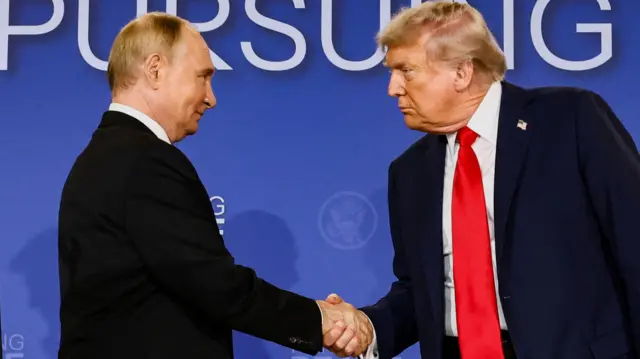
By Ashok Nilakantan Ayer ANCHORAGE, ALASKA: The much-anticipated summit between U.S. President Donald Trump and Russian President Vladimir Putin in Anchorage, Alaska, billed as a potential turning point in the grinding Ukraine war, ended without a ceasefire agreement, and without the celebratory luncheon that White House aides had originally pencilled into the schedule. After the […]
ADVERTISEMENT

Binance’s Chief Security Officer, Jimmy Su, has identified North Korean hacking groups as one of the most significant threats facing the cryptocurrency sector in 2025. As the world’s largest cryptocurrency exchange, Binance has been at the forefront of monitoring and responding to cyber threats. Su’s recent statements have highlighted the urgency of addressing the escalating risk posed by North Korean cyber actors targeting the crypto industry.

The North Korean government has long been linked to a series of cyberattacks aimed at funding its regime through illicit means, with cryptocurrency exchanges being prime targets. These attacks have become more sophisticated over time, with state-backed hackers employing advanced techniques to infiltrate systems and steal millions of dollars’ worth of digital assets. Experts argue that this is part of a broader strategy to bypass international sanctions imposed on North Korea.

Su’s comments, made during an industry event in early 2025, point to a clear rise in the volume and sophistication of these attacks. According to Binance’s internal threat intelligence, these cybercriminals are using increasingly advanced malware, social engineering tactics, and even direct network intrusions to steal sensitive data and crypto assets.

An ongoing investigation by Binance’s security team revealed that these hackers have been exploiting vulnerabilities in the infrastructure of crypto exchanges and DeFi platforms. In some cases, they have used phishing emails and fake job offers to target employees of key financial institutions, hoping to gain access to privileged systems. Such tactics are a clear indication of a well-coordinated operation with global ambitions.

One of the most concerning trends identified is the use of sophisticated ransomware attacks, which have forced some exchanges to pay hefty ransoms to prevent the loss of critical data. The high-profile hacks have raised questions about the resilience of the global financial ecosystem to such breaches, especially as more governments and institutions begin to integrate blockchain technology into their operations.

North Korean actors, according to cybersecurity experts, have also shown an increasing willingness to attack smaller and lesser-known exchanges. This shift in focus comes as these platforms often lack the robust security protocols that larger exchanges like Binance and Coinbase have implemented. As a result, they are seen as softer targets, vulnerable to exploitation.

The financial implications of these attacks are staggering. Since 2019, estimates suggest that North Korean hackers have stolen over $2 billion in cryptocurrency. This is in addition to the $250 million reportedly taken from a major South Korean exchange in 2023. The stolen funds are typically laundered through complex networks of wallets and mixers, making it challenging for authorities to track and recover the stolen assets.

Su’s remarks have sparked a broader discussion about the need for improved cybersecurity measures within the cryptocurrency sector. Many industry leaders have called for a more collaborative approach, involving private companies, governments, and international law enforcement agencies. A unified strategy could help create a more secure environment for the rapidly expanding digital asset market.

The North Korean government has long denied any involvement in cyberattacks. However, international cybersecurity firms have linked numerous incidents to Pyongyang’s operatives, underscoring the persistent threat posed by the country’s cyber espionage efforts. Furthermore, it is widely believed that these hacking groups are funded by the regime to help finance its nuclear weapons programme and other illicit activities.

Efforts to combat these threats have led to increased investment in security technology, including more advanced encryption methods, real-time monitoring tools, and fraud detection systems. In addition to these technological solutions, some exchanges are considering implementing stricter Know-Your-Customer regulations to combat money laundering and ensure compliance with international financial rules.

As the stakes continue to rise, both industry players and regulators face a significant challenge. The rapid growth of blockchain technologies, along with the increasing use of decentralised finance applications, has created a complex and evolving landscape where traditional security measures are often inadequate. As a result, companies must remain vigilant and proactive in defending against cyber threats from state-sponsored actors like North Korea.

While North Korea’s cyber campaign remains a major concern, it is not the only threat facing the cryptocurrency sector. Other nation-states, including Iran and Russia, have been linked to similar activities, further complicating efforts to secure the digital assets market. However, the ongoing attention on North Korean actors serves as a reminder of the global reach and scale of the problem.

Air Arabia Abu Dhabi has announced the commencement of seasonal flights connecting the UAE capital to Yekaterinburg, Russia, marking an important step in the airline’s expansion strategy. The new service, which will operate during the winter months, offers a direct, low-cost option for travellers between the two regions, catering to the rising demand for affordable travel during peak seasons.

The flights, operating non-stop, provide an efficient travel option for those seeking to connect between the UAE and Russia. Air Arabia’s Abu Dhabi-based operations have grown rapidly, with the airline seeking to solidify its position as a key player in the region’s budget airline sector. The new route to Yekaterinburg highlights the airline’s commitment to enhancing connectivity between the Middle East and Russia, particularly as demand for travel has surged.

Yekaterinburg, one of Russia’s major cultural and industrial hubs, has become a significant destination for business and leisure travel from the UAE. The city, which is located in the Ural region, is known for its rich history, thriving arts scene, and strategic importance as an economic centre. The direct flight to this city will make it easier for both tourists and business professionals to travel, bolstering the already strong ties between Russia and the UAE.

This launch also reflects a broader trend in the aviation industry, where low-cost carriers are rapidly expanding their international routes to cater to an increasing number of travellers looking for budget-friendly travel options. As competition intensifies among airlines, Air Arabia’s expansion is timely, offering more affordable alternatives to traditional, higher-priced carriers, and positioning the airline as a competitive force in the region.

The decision to introduce seasonal flights also underscores Air Arabia’s flexibility in adapting to seasonal travel demand. As the winter season typically sees an uptick in travel, the airline is poised to cater to holidaymakers and those travelling for business, aligning with the growing interest in international travel. By offering this seasonal route, Air Arabia aims to provide its customers with more options without compromising on affordability.

For the UAE market, this development is significant. As the country continues to strengthen its position as a global hub for travel and tourism, having direct air links to cities in Russia, such as Yekaterinburg, provides an added dimension to the UAE’s international appeal. The move comes as part of a wider strategy to enhance bilateral relations between the UAE and Russia, focusing on expanding both tourism and business opportunities.

Air Arabia’s service to Yekaterinburg is also expected to appeal to a broader demographic, especially Russian nationals residing in the UAE. The ease of direct travel will foster stronger connections between these communities and provide greater access to the cultural and economic opportunities of both countries. With Russia being a major trading partner of the UAE, the new flight route is expected to foster greater collaboration in both sectors.

The airline has also taken steps to ensure that its passengers are well catered for. In line with its low-cost offering, the airline continues to provide high-quality service at an affordable price, which includes modern aircraft with amenities that appeal to a wide range of customers.

The cryptocurrency market has suffered a significant blow, with over $500 million in liquidations across positions within just one hour. This sharp decline follows the release of the latest U. S. Producer Price Index report, which revealed unexpectedly high inflation figures. The data has dashed investor hopes for imminent interest rate cuts by the U. S. Federal Reserve, sparking widespread panic and a sell-off across multiple crypto assets.

The PPI report, which tracks the change in prices that producers receive for goods and services, showed an uptick in inflation that exceeded analysts’ expectations. The results were particularly alarming given the U. S. Federal Reserve’s ongoing battle to control inflation. As a result, the market now faces a more aggressive stance from the central bank, with investors bracing for potential rate hikes rather than cuts, at least in the short term.

This shift in sentiment has had a dramatic impact on risk assets, particularly in the volatile crypto market. Bitcoin, Ethereum, and several altcoins saw rapid declines in their valuations, with the overall market sentiment turning bearish. Liquidation volumes surged as traders, particularly those with leveraged positions, were forced to sell their assets to cover their margin calls.

Bitcoin, the largest cryptocurrency by market capitalisation, saw a drop of over 5% in just a few hours, while Ethereum and other major altcoins followed suit with steep losses. The sell-off was not confined to smaller coins either; large-cap cryptos that are usually seen as more stable also witnessed significant price drops. Some analysts have warned that the market could continue its downward trajectory if inflation remains persistent and the Fed keeps its hawkish policy stance in place.

The crypto market had previously been showing signs of optimism, especially after recent rallies that saw prices inch higher. Many market participants had hoped that the Federal Reserve, under pressure from slower economic growth, would begin to reduce interest rates in the latter half of 2023, which would typically support riskier assets like cryptocurrencies. However, the latest PPI figures dashed such expectations, leading to a sharp reversal in market sentiment.

The primary concern now is the potential for more stringent monetary tightening, which could further dampen investor appetite for high-risk assets. Rising interest rates often drive capital out of speculative markets, as higher borrowing costs make riskier assets less appealing compared to traditional investments like bonds or equities.

Some analysts are predicting that the current market instability could persist for some time, especially if inflationary pressures continue to be a concern. “Cryptocurrencies are still seen as speculative assets, and as long as inflation remains high and the Fed is tightening, there is little room for these assets to flourish,” said one senior strategist at a leading global investment bank.

The liquidations across the crypto market serve as a stark reminder of the inherent risks of trading in this volatile space. Traders leveraging their positions to maximise profits are particularly vulnerable in such an environment, as even small fluctuations in price can trigger substantial losses. The crypto market’s high leverage environment is often seen as a double-edged sword, where both potential rewards and risks are amplified.

Beyond the immediate price impact, there are broader concerns about how the crypto market might react to further tightening measures by the Fed. If inflation continues to exceed expectations, market participants may be forced to adjust their strategies, potentially driving further price declines.

This shake-up has led to heightened calls for regulation within the crypto space. Industry experts have long argued that greater oversight is needed to protect investors and reduce the risks associated with volatile market movements. The sudden surge in liquidations underscores the importance of establishing clearer guidelines for trading and risk management in cryptocurrencies.

US markets have been hitting record levels this week, and the catalyst of growing conviction that the Federal Reserve will cut rates in September. The Dow surged 463 points on Wednesday, the S&P 500 notched another all-time high, and the Nasdaq also finished at a record for the second straight day. The optimism is being driven by a tamer-than-expected inflation report that has traders assigning a near […]

Sentient has rolled out The GRID, an open-source network for artificial general intelligence enabling developers to build, share and monetise AI agents. The launch introduces a decentralised alternative to closed AI platforms such as OpenAI, offering token-based monetisation and interoperability across Web2, Web3 and multiple blockchain ecosystems. At launch, The GRID presents over 40 AI agents, 50 data sources and more than 10 distinct models. Developers gain […]

VISHNU RAJA
RYO YAMADA
HITORI GOTOH
IKUYO KITA
Social Media Auto Publish Powered By : XYZScripts.com