Cryptocurrencies continue to revolutionize the financial world, with stablecoins standing at the forefront of this evolution. The $205 billion market for stablecoins is now approaching a level of mainstream integration that could redefine how digital assets are utilized in daily transactions and financial services.
Stablecoins, digital currencies pegged to assets like the U.S. dollar or gold, have gained significant traction over the past few years, driven by their stability compared to volatile cryptocurrencies like Bitcoin or Ethereum. Unlike their counterparts, stablecoins aim to maintain a fixed value, making them more attractive to investors and consumers looking for reliability in the crypto space. The potential for mainstream adoption lies not just in their price stability but in their growing use cases across sectors ranging from decentralized finance (DeFi) to remittances and even digital identity verification.
Tether (USDT), USD Coin (USDC), and Binance USD (BUSD) dominate the stablecoin market, each playing a crucial role in driving the sector’s growth. As the overall cryptocurrency market reaches new milestones, these stablecoins continue to provide the foundation for many of the transactions and liquidity movements that are essential to the ecosystem’s functionality. In fact, stablecoins now account for over 10% of the entire cryptocurrency market capitalization, a trend that is only expected to grow as more institutional players enter the space.
The increasing use of stablecoins has caught the attention of both regulators and traditional financial institutions. Governments around the world are exploring ways to regulate stablecoins, driven by concerns over financial stability, anti-money laundering (AML), and countering the financing of terrorism (CFT). Despite this, the rise of stablecoins is seen as inevitable by many experts, as they offer an alternative to traditional fiat currencies, especially in regions with unstable economies or where access to banking services is limited.
One of the most compelling arguments for the mainstream integration of stablecoins is their utility in cross-border payments. Traditional remittance channels often carry hefty fees and take several days to process. Stablecoins offer a faster, cheaper, and more transparent alternative, allowing users to transfer funds across borders in real time at a fraction of the cost. This has made them particularly popular in emerging markets, where they have the potential to provide financial inclusion to the unbanked and underbanked populations.
Beyond payments, stablecoins have also become integral to decentralized finance (DeFi), a sector that has exploded in popularity over the past few years. DeFi platforms offer a wide range of financial services, such as lending, borrowing, and trading, without the need for intermediaries like banks or brokers. Stablecoins are often used as collateral for these services, providing a level of security for both borrowers and lenders. The appeal of DeFi is growing rapidly as more individuals look for alternatives to traditional financial systems, and stablecoins have proven to be a critical part of this shift.
Stablecoins are increasingly being explored as a solution to the volatility of cryptocurrencies in the world of digital assets. While the prices of Bitcoin, Ethereum, and other cryptocurrencies can fluctuate wildly, stablecoins provide a more predictable store of value. This makes them an attractive option for investors who are seeking to hedge against the market’s ups and downs, as well as for businesses looking for stability in their crypto transactions. The ability to maintain a stable value also positions stablecoins as a potential bridge between traditional finance and the cryptocurrency world.
Financial giants like JPMorgan and BlackRock are also positioning themselves to leverage stablecoins and blockchain technology to streamline their operations. JPMorgan’s recent experimentation with blockchain-based stablecoins in its payment systems is a testament to the growing mainstream interest in this sector. Similarly, BlackRock, the world’s largest asset manager, has expressed interest in stablecoin-backed investment products. These high-profile endorsements signal that stablecoins are not just a niche technology but could soon become a core component of global financial infrastructure.
The rise of central bank digital currencies (CBDCs) is expected to further accelerate the adoption of stablecoins. While CBDCs are government-backed digital currencies that function similarly to stablecoins, they could eventually coexist alongside private sector stablecoins, creating a hybrid ecosystem. Central banks are actively researching and piloting CBDCs, and the success of stablecoins in the private sector may provide a blueprint for the development of these digital currencies.
Despite the optimism surrounding stablecoins, several challenges remain. Regulatory uncertainty is one of the biggest hurdles facing the market. While stablecoins are seen as a way to democratize finance, they are also under scrutiny from regulators who worry about the potential for systemic risk. There is growing pressure for stablecoins to comply with traditional banking regulations, including Know Your Customer (KYC) and Anti-Money Laundering (AML) standards. This could result in more stringent requirements for stablecoin issuers, potentially stifling innovation in the space.
Concerns over the transparency and security of stablecoin reserves have been raised. In 2022, Tether, the largest stablecoin issuer, came under fire for allegedly misrepresenting the composition of its reserves, which raised questions about the stability of the entire market. Although Tether and other issuers have taken steps to improve transparency, the issue of trust remains a critical challenge for the long-term viability of stablecoins.
Another concern is the environmental impact of stablecoins, particularly those that rely on energy-intensive blockchain networks. While many stablecoins are built on the Ethereum network, which has faced criticism for its high energy consumption, newer stablecoin projects are increasingly turning to more energy-efficient blockchains like Solana and Avalanche.


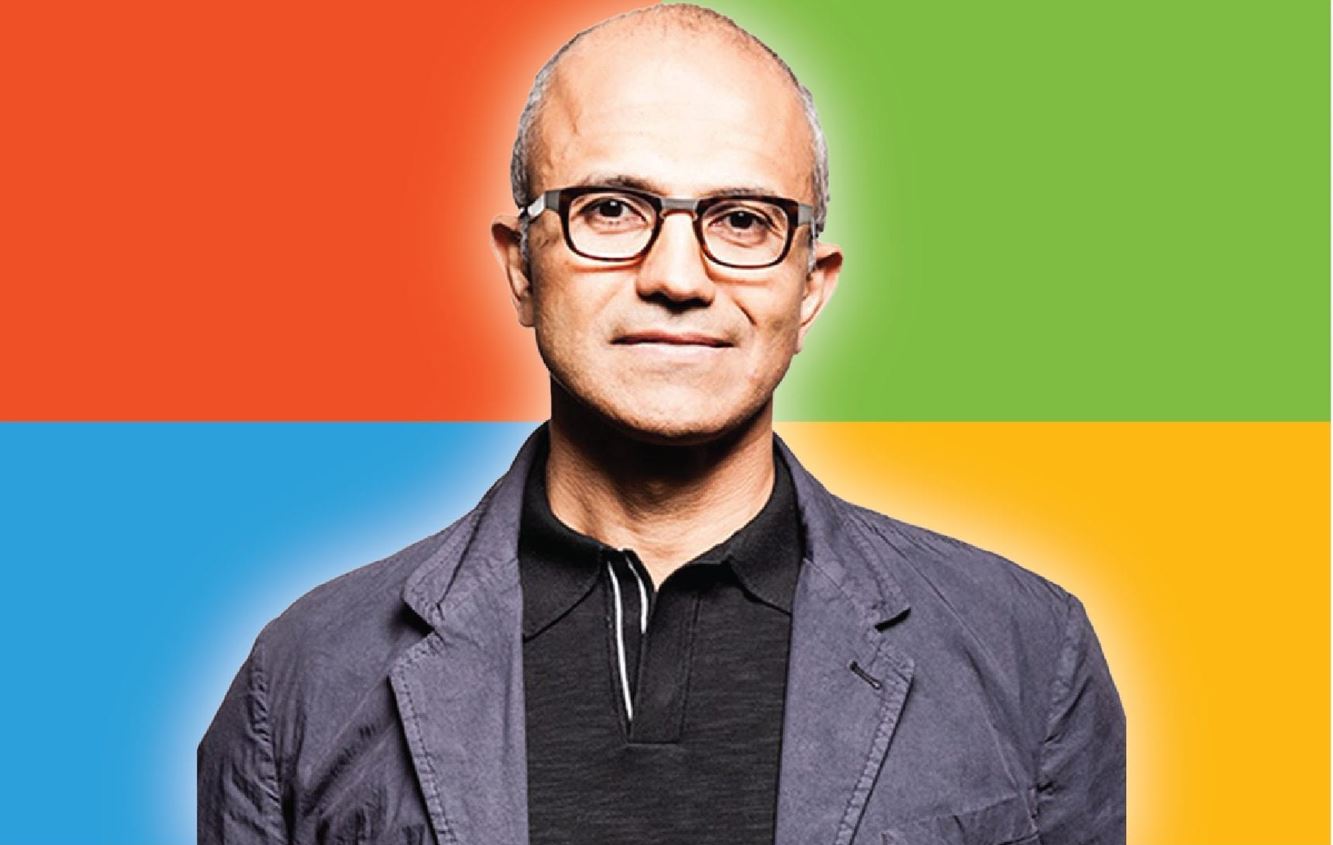
 By K Raveendran Microsoft’s deepening engagement with India is both a strategic imperative and a reflection of its renewed focus on emerging technologies under the leadership of Satya Nadella. Nadella’s connection to India goes beyond his heritage; his initiatives underscore a profound appreciation for the country’s pivotal role in shaping the future of technology. As […]

 By Dr. Gyan Pathak Delhi elections has clearly shown that the opposition INDIA bloc has now become a dilapidated house in which the walls and pillars are falling apart. Saying two of its allies – Congress and Aam Aadmi Party (AAP) has broken away, will be an understatement, since the Congress is not only trying […]

 By K Raveendran As we enter 2025, the accelerating proliferation of artificial intelligence (AI) is poised to reshape the global landscape in ways akin to the transformational impact the internet had in the late 20th century. Within the first few days of the year, AI-driven technology stocks have seen substantial surges, with shares of major […]
 By Sushil Kutty Voting is on February 5. Results will be declared on February 8. The BJP put out a poster within minutes of the announcement that Delhi will have a BJP Chief Minister by mid-February. But the BJP was beaten to the claim by AAP spokesperson Priyanka Kakkar who asserted, even before the Election […]
 By Nantoo Banerjee The slump in India’s GDP growth rate is understandable. Contrary to the government claims, the job market is down. The income growth, in general, is shrinking. A vast section of consumers are not spending enough, except for wage goods or daily dire necessities, as their real income is not growing. The FMCG […]

 By K. Raveendran The government has notified draft rules relating to the digital privacy protection law. Undoubtedly, this underscores a critical moment in the ongoing evolution of privacy legislation. The law, ostensibly designed to safeguard citizens, particularly children, from the darker corners of the digital realm, also raises profound concerns about the potential for governmental […]
 By Arun Srivastava Nobody except Narendra Modi knows Narendra Modi well, better than others. Leaders of almost all the political parties, even his BJP colleagues, are mythically in a state of confusion whether Modi would renounce Nitish Kumar and impose president’s rule in Bihar or Nitish would emerge on the political scenario as his conscience […]


 By P. Sudhir The year 2024, which has ended, has been a tumultuous one both nationally and internationally. In India, the year began with the State-sponsored installation of the idol at the newly-built but incomplete Ram temple at Ayodhya, a signal from the BJP rulers that the era of Hindutva raj has begun. This was […]

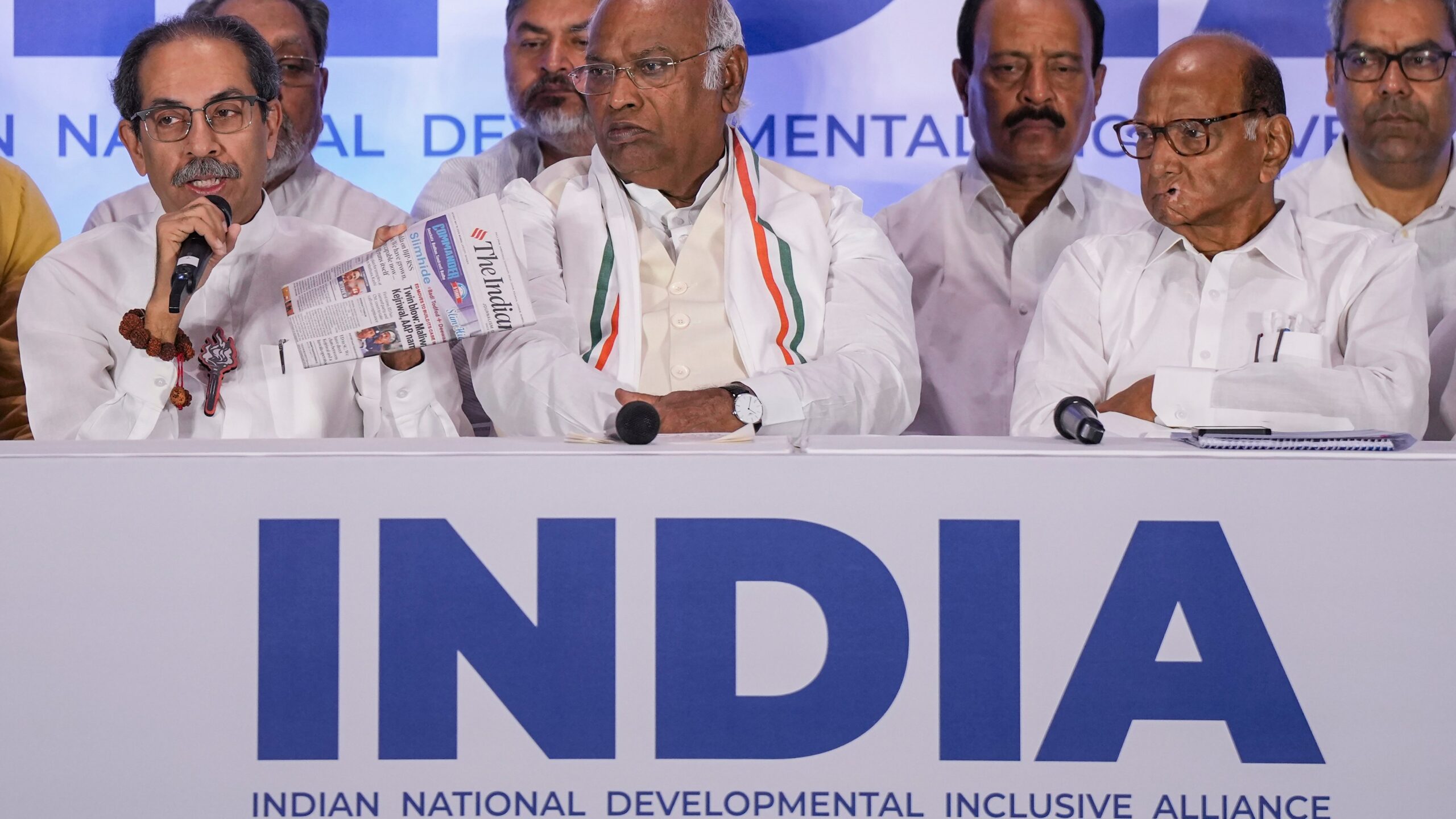
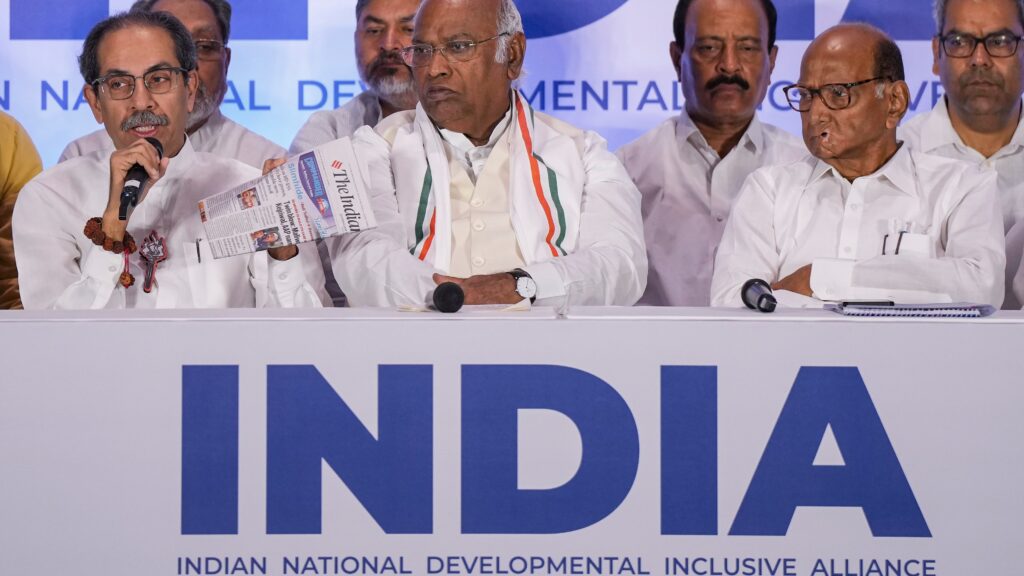 By Nitya Chakraborty The New Year 2025 has started in the backdrop of the restoration of the ruling party BJP’s confidence following its electoral successes in the state assembly elections in Maharashtra and Haryana and completely overshadowing the Samajwadi Party in the assembly by polls in Uttar Pradesh. The Party leadership of the BJP and […]

 By Nitya Chakraborty Year 2025 is going to witness a new era of global advance of far right led by the incoming U.S. President Donald Trump and his acolyte, the richest man of the world Elon Musk. It will be a unique combination fusing the brand of Trump with the big money and tech skills […]



 By K Raveendran The year 2024 marked a historic period for gold, perhaps fit to be called the ‘Year of Gold’ due to the yellow metal’s remarkable performance across various metrics. Total demand for God surpassed an unprecedented US $100 billion, underpinned by robust investment activity and a supportive macroeconomic backdrop. This astounding demand surge […]


 By Dr. Gyan Pathak A Joint Director of the Department of Woman and Child Development and the Special Secretary of the Health and Family Welfare Department of the National Capital Territory of Delhi placed public notices in newspapers on December 25, 2024, stating that two state government schemes of their respective departments were “fraudulent”. This […]