Just in:
Nvidia appoints Colette Kress interim chief after Huang departure // Fujairah highway pile-up leaves 14 dead and 30 injured // L’OCCITANE Celebrates 50 Years Of Provençal Craftsmanship With Holiday 2026 Collection // Hackers falsify NVIDIA GPU readings to mask cryptomining // Sun World Ba Den Mountain marks Vietnam Culture Day, welcoming Cambodian visitors over Bon Om Touk // Yicura BioMed Advances Dual Capital and Industrial Strategy: Completes First Closing of Series B Financing Led by Gobi Partners // OpenAI unveils ChatGPT Wallet for agent-led purchases // Messi affair SIT finds all-round violations // Salik posts Dhs1.045bn profit despite lower toll traffic // Microsoft restores services gradually but gives no recovery deadline // Lego restores BrickLink marketplace after security investigation // The Honey Trap Is The Headline, The Chip Pipeline Is The Story // Microsoft apologises as Outlook services recover after outage // 11 Boutique Xinjiang Wineries to Debut in Singapore // EBANX and Eneba strengthen partnership in Latin America with 138% YoY growth in payment volume // Crescent Enterprises venture arm funds Oyster Therapeutics development // TORRAS Launches Two New iPhone Duo Cases from Its Popular Ostand Series, Addressing Foldable Phone Users’ Concerns About Difficult Stand Positioning and Scratches // IEA forecasts fourth-quarter oil surplus as Gulf shipments rebound // October Food Price Shock Has Far Reaching Consequences // US resumes flights after nationwide air traffic shutdown //

News related to
Ceasefire

Oil prices stabilized on Tuesday after a period of declines, reflecting investor apprehension over escalating trade tensions and their potential impact on global economic growth. West Texas Intermediate crude hovered around $66 per barrel, while Brent crude traded near $69, following a 1.5% drop on Monday.

The recent market volatility stems from U.S. President Donald Trump’s enforcement of tariff measures, which has heightened fears of a slowdown in the world’s largest economy. Investors retreated from various risk assets on Monday, leading to significant sell-offs across global markets. Although the selloff moderated on Tuesday, concerns persist regarding the broader economic implications of the tariffs.

In addition to trade tensions, geopolitical developments have contributed to market unease. Notably, the potential for a ceasefire between Russia and Ukraine has raised the prospect of lifting sanctions on Russia’s energy sector, which could increase crude supply and exert downward pressure on prices. Such developments add complexity to an already uncertain market environment.

The Organization of the Petroleum Exporting Countries and its allies have also influenced market dynamics. The coalition signaled intentions to adjust production caps in response to changing market conditions, aiming to balance supply and demand. However, concerns about slowing global demand persist, particularly given the potential economic ramifications of ongoing trade disputes.

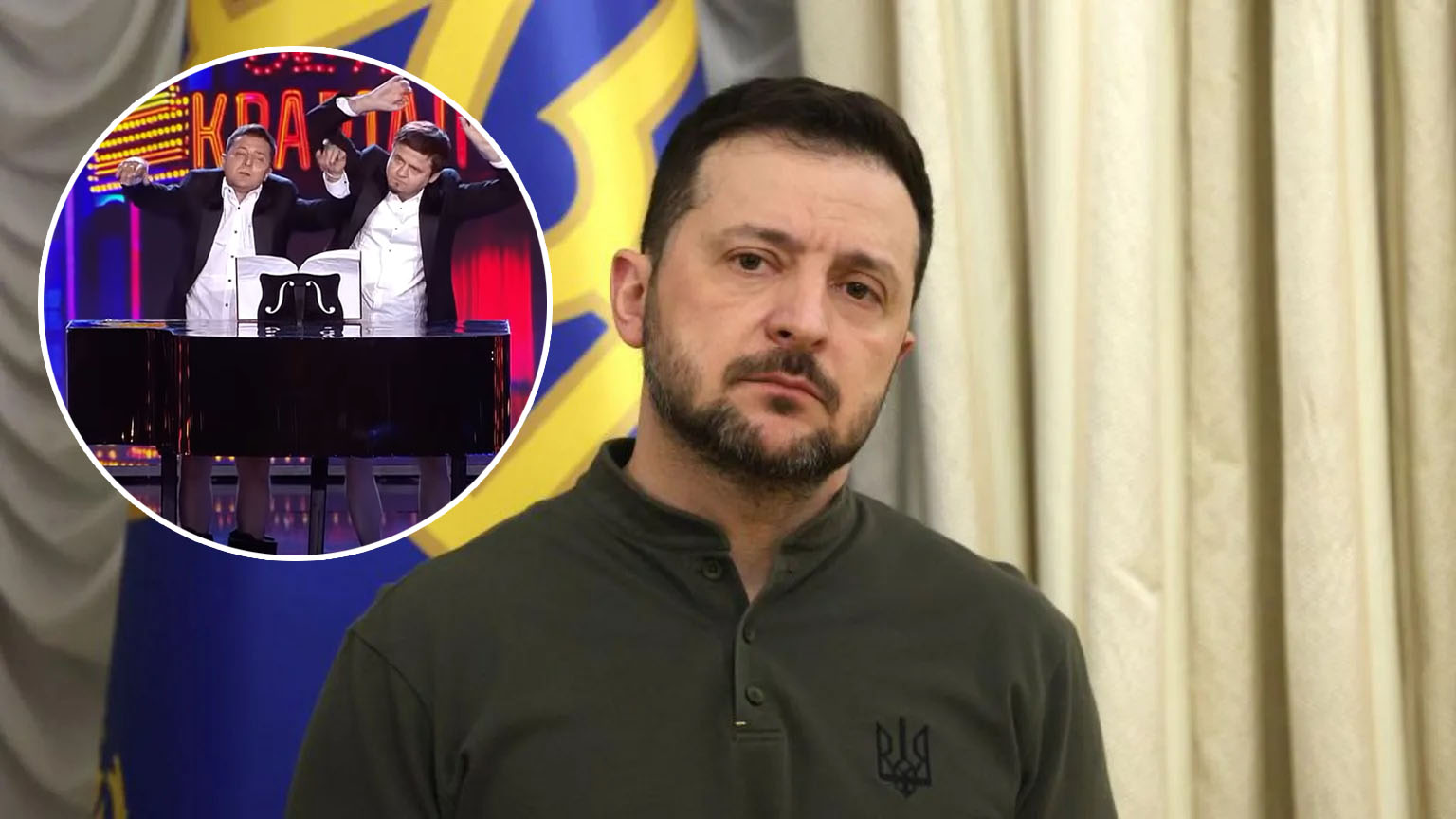
By Nantoo Banerjee Returning empty-handed and crestfallen from his meeting with United States President Donald Trump, popular satirical comedian turned Ukraine President Volodymyr Zelensky looks more like a totally confused person now. He doesn’t know whom to trust — highly peeved US President Donald Trump or the leaders of the EU-UK combine, the backstage instigators […]

President Donald Trump announced plans to visit Saudi Arabia within the next six weeks to finalize an agreement for the kingdom to invest $1 trillion in the U.S. economy over the next four years, including substantial purchases of military equipment. This development underscores the strengthening economic ties between Washington and Riyadh.

Speaking to reporters in the Oval Office, Trump highlighted that his first overseas trip during his initial term in 2017 was to Riyadh, where Saudi investments were then estimated at $350 billion. He noted that the kingdom’s financial capacity has grown since, stating, “They’ve gotten richer, we’ve all gotten older.” At Trump’s behest, the Saudis have agreed to significantly increase their investments in American companies, encompassing various sectors, notably defense. The President expressed his intention to visit Saudi Arabia to formalize this agreement, emphasizing his positive relationship with the kingdom’s leadership.

Saudi Arabia’s Crown Prince Mohammed bin Salman has been instrumental in advancing the kingdom’s Vision 2030 initiative, aiming to diversify the economy beyond oil dependence. The substantial investment in the U.S. aligns with this strategy, seeking to bolster the kingdom’s global economic footprint and strengthen bilateral relations with key allies.

The planned investment includes significant procurement of U.S. military equipment, reflecting Saudi Arabia’s ongoing efforts to modernize its armed forces amid regional security challenges. This move is expected to benefit American defense contractors and contribute to job creation within the United States.

In addition to defense, the investment is anticipated to span various sectors, potentially including technology, infrastructure, and energy. Such diversification aligns with both nations’ interests in fostering innovation and sustainable economic growth.

The announcement comes at a time when the global economy faces uncertainties, and substantial foreign investments are viewed as a positive indicator of confidence in the U.S. market. Analysts suggest that this agreement could stimulate economic activity and enhance the strategic partnership between the two countries.

However, this development is not without its critics. Some policymakers express concerns regarding the implications of deepening ties with Saudi Arabia, citing human rights issues and regional geopolitical tensions. They advocate for a balanced approach that considers both economic benefits and ethical considerations.

The forthcoming visit also holds geopolitical significance. Saudi Arabia has been taking a more prominent role in U.S. foreign policy, with plans to host a U.S.-Ukraine meeting to discuss a ceasefire in the ongoing conflict. This initiative positions Riyadh as a mediator in international affairs, potentially enhancing its diplomatic standing.

Trump’s engagement with Saudi Arabia extends to other domains. In February, he met with officials from the PGA Tour and the Saudi-owned LIV Golf to address a rift between the two organizations, indicating the breadth of U.S.-Saudi interactions beyond traditional sectors.

By Nitya Chakraborty How is China, the second largest economic and military power of the world after the United States is planning to confront the second term U.S. President Donald Trump’s resurgence disrupting the so long established global order to impose his total domination on international politics? Every political analyst is looking at the current […]

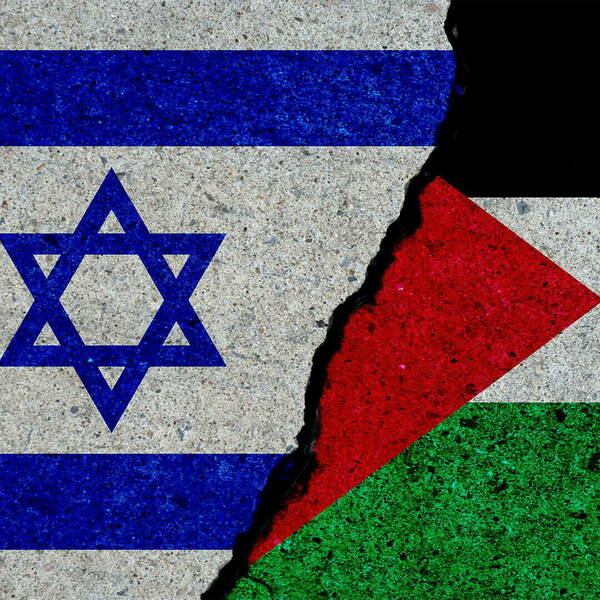
Thousands of Israelis converged on Tel Aviv’s Hostages Square on Saturday, demanding the immediate release of hostages held by Hamas as the initial phase of the Gaza ceasefire concluded without a clear path forward. The demonstrators, comprising families of captives and supporters, voiced frustration over the stalled negotiations and the uncertain fate of their loved ones. The 42-day truce, which began on January 19, halted 15 months […]

A series of explosions on three parked buses in Bat Yam, a suburb south of Tel Aviv, has prompted Israeli authorities to launch an intensive security operation in the West Bank. The blasts, which occurred on Thursday evening, resulted in no casualties but have raised significant concerns about a resurgence of coordinated militant attacks within the country. The incidents involved three empty buses that exploded almost simultaneously […]

Israeli Prime Minister Benjamin Netanyahu has directed the military to intensify operations in the occupied West Bank after explosions damaged three buses near Tel Aviv. The incidents, which authorities are treating as suspected terrorist attacks, occurred on Thursday evening in the suburbs of Bat Yam and Holon. Fortunately, no casualties were reported, as the buses were unoccupied at the time. The explosions took place while the buses […]

Advertisements
By Nitya Chakraborty February 2025 is not just the moment of truth for the European nations and NATO members but also time for reckoning for the Global Left and the peace movement which are still sizing up the dimension of the impact of U.S. President Donald Trump’s emergence as a peacenik to end the three […]
By Asad Mirza The way the US President Donald Trump literally got enforced his one-man plan for the Gaza Ceasefire and the manner in which he is now trying to organise Peace Talks to get the Russia-Ukraine war ended, are pointers to the future of the American foreign policy. By now the world should have […]
By Nitya Chakraborty Eighty years after the end of the Second World War in 1945, Europe, especially Western Europe is in disarray, as their transatlantic ally for eight decades, the United States, is refusing to guarantee the security of the European nations belonging to the NATO under the new Trump doctrine. Earlier, there were differences […]

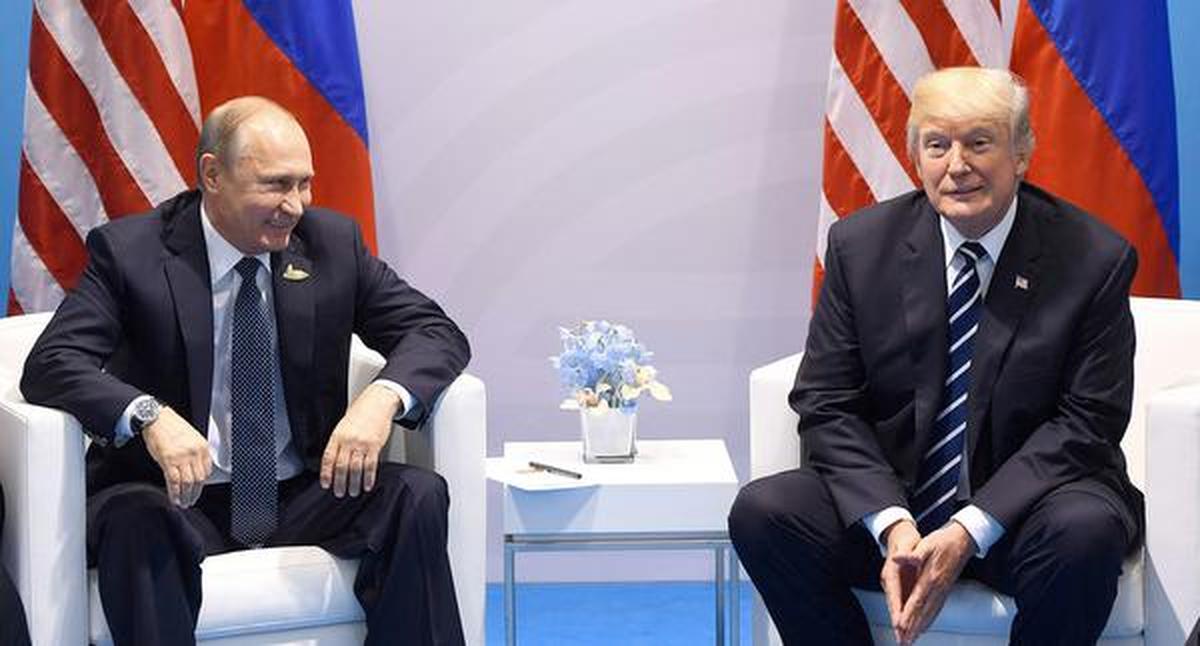
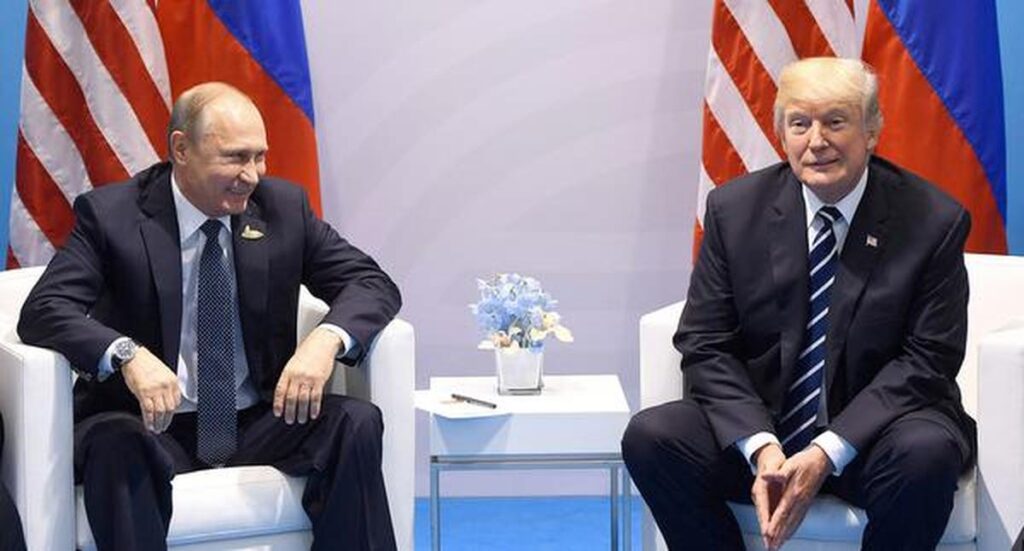
President Donald Trump has announced the commencement of ceasefire negotiations with Russian President Vladimir Putin, signaling a significant change in the United States’ approach to the ongoing conflict in Ukraine. Following a “lengthy and highly productive” phone call with Putin, Trump stated that both nations have agreed to initiate discussions aimed at ending hostilities.

This development comes as U.S. Defense Secretary Pete Hegseth declared that a return to Ukraine’s pre-2014 borders is “an unrealistic objective” in any prospective peace settlement. Hegseth emphasized that attempts to reclaim all lost territories would “only prolong the war and cause more suffering.” He further noted that the Trump administration does not support NATO membership for Ukraine as part of a peace agreement and expects European nations to assume greater financial and military responsibilities for Ukraine’s defense. The U.S., he added, will focus on its own security concerns and the strategic challenge posed by China, with no plans to deploy American troops to Ukraine.

In a separate conversation, Trump spoke with Ukrainian President Volodymyr Zelenskyy to discuss collaborative efforts to halt Russian aggression and establish a lasting peace. Zelenskyy expressed his commitment to working with the U.S. to determine the next steps toward achieving these goals. He is scheduled to meet with U.S. Vice President JD Vance and Secretary of State Marco Rubio at the upcoming Munich Security Conference to further these discussions.

The announcement of direct negotiations between the U.S. and Russia has elicited mixed reactions from European leaders. German Foreign Minister Annalena Baerbock, Latvian Foreign Minister Baiba Braže, Poland’s Foreign Minister Radosław Sikorski, and French Foreign Minister Jean-Noël Barrot have all emphasized the necessity of including Ukraine in any peace negotiations. Kaja Kallas, Vice-President of the European Commission for Foreign Affairs and Security Policy, stated, “In any negotiation, Europe must have a central role… Ukraine’s independence and territorial integrity are unconditional. Our priority must now be strengthening Ukraine and providing robust security guarantees.”

Critics argue that Trump’s approach, which includes acknowledging limitations to Ukraine’s territorial recoveries and ruling out NATO membership, risks undermining U.S. and Western strategic interests. They contend that offering concessions without securing concrete commitments from Russia could weaken Ukraine’s security and potentially lead to a resurgence of conflict.

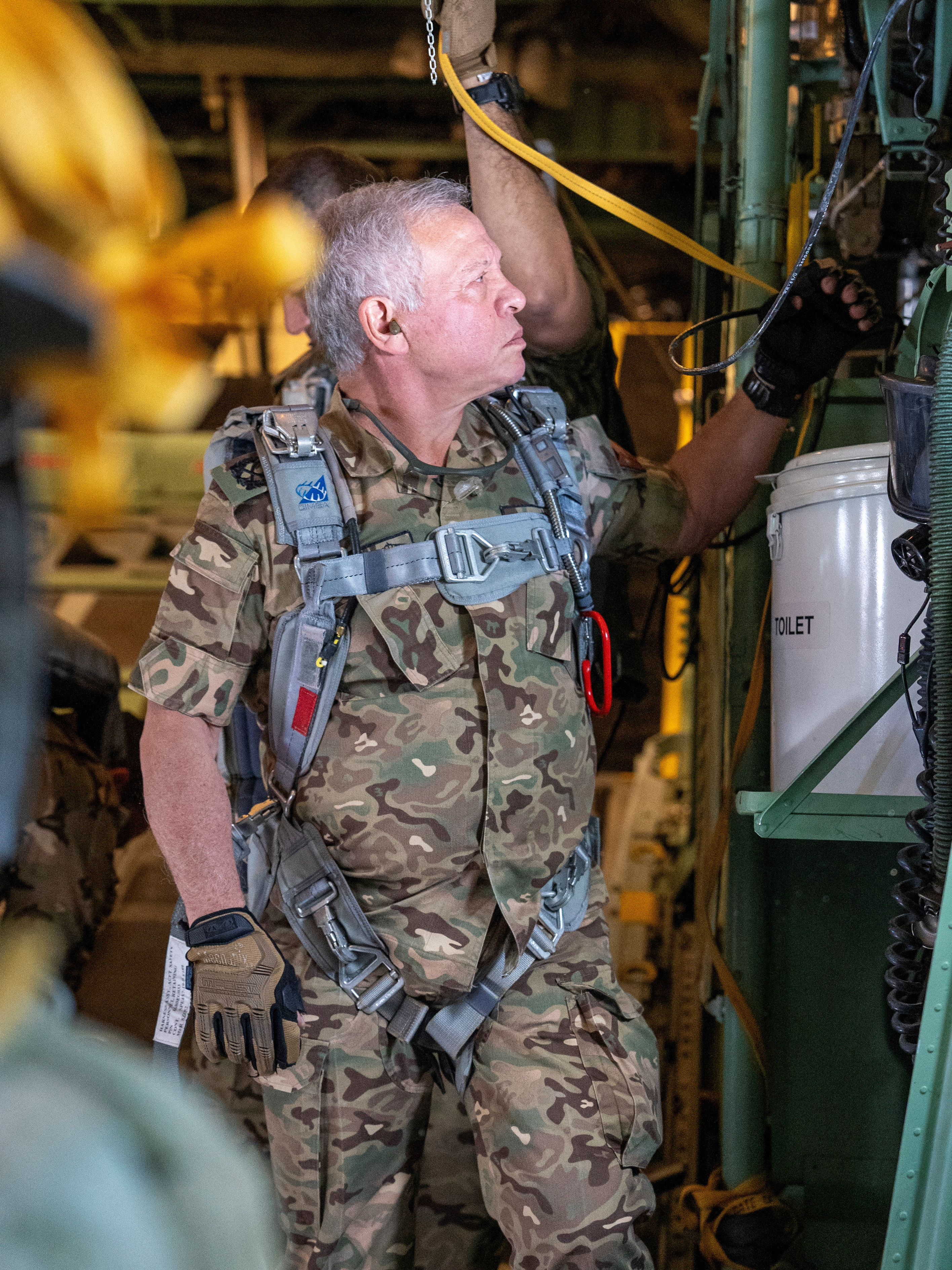
President Donald Trump is set to meet Jordan’s King Abdullah II at the White House today to deliberate on the U.S. administration’s contentious plan concerning the Gaza Strip. The proposal involves relocating Gaza’s Palestinian population to neighboring countries and redeveloping the territory under U.S. oversight—a strategy that has ignited widespread criticism across the Middle East.

Trump has advocated for the evacuation of Gaza’s 2.2 million residents, suggesting their resettlement in nations such as Jordan and Egypt. He envisions transforming the war-torn enclave into a prosperous area, referring to it as the potential “Riviera of the Middle East.” In a recent interview, Trump stated that Palestinians would not have the right to return to Gaza, proposing instead to provide them with better housing in neighboring countries.

This proposal has been met with firm opposition from key regional players. King Abdullah has unequivocally rejected the idea, emphasizing that Jordan will not accept any forced displacement of Palestinians from their homeland. He has labeled such proposals as a “red line,” underscoring the potential threat they pose to regional stability.

Egypt has also dismissed the plan, with officials reiterating their refusal to compromise on the Palestinian right to self-determination and return. The Egyptian government has emphasized that any attempts to annex land and displace Palestinians are unacceptable.

The Palestinian Authority and Hamas have condemned the proposal, viewing it as an attempt at ethnic cleansing. Hamas spokespersons have asserted that Gaza is not for sale and remains an integral part of Palestinian land.

Within the U.S., the plan has encountered skepticism from several Republican lawmakers. Critics argue that forcibly relocating an entire population could lead to further instability in the Middle East and damage America’s standing in the region.

Despite the backlash, Trump has indicated that he may leverage U.S. aid to encourage compliance with his plan. He has suggested the possibility of withholding financial assistance from countries that refuse to accept Palestinian refugees, a move that could significantly impact nations like Jordan and Egypt, which are among the largest recipients of U.S. aid in the region.

The meeting between Trump and King Abdullah comes at a critical juncture, as a fragile ceasefire between Israel and Hamas hangs in the balance. Trump has issued an ultimatum to Hamas, demanding the release of all hostages by midday Saturday, threatening to propose the cancellation of the ceasefire if his demands are not met. He has warned that failure to comply would result in severe consequences, stating that “all hell is going to break out” if the hostages are not freed.

Analysts suggest that King Abdullah’s visit to Washington is pivotal. As the first Arab leader to meet with Trump since his return to office, Abdullah is expected to present practical Arab perspectives on the Gaza situation. He aims to balance Jordan’s national security interests and domestic concerns while maintaining its crucial relationship with the United States.

During the Super Bowl LIX halftime performance at the Caesars Superdome in New Orleans, a protester brandishing a Palestinian flag disrupted Kendrick Lamar’s set. The individual, who was part of the 400-member field cast, ascended the stage and unfurled a flag that combined the Palestinian and Sudanese emblems, with the words “Gaza” and “Sudan” inscribed respectively. Security personnel swiftly intervened, apprehending the protester and escorting him off the field. The New Orleans Police Department is currently evaluating potential charges against the individual.

The National Football League confirmed that the protester had concealed the flag until the performance commenced, and that neither the production team nor the organizers were aware of his intentions. Roc Nation, the company responsible for producing the halftime show, stated that the act was neither planned nor part of the official production.

Kendrick Lamar continued his performance without interruption, delivering a set that included collaborations with artists such as SZA and Samuel L. Jackson. The halftime show was notable for Lamar’s position as the first solo hip-hop artist to headline the event.

The Super Bowl, attended by President Donald Trump, concluded with the Philadelphia Eagles defeating the Kansas City Chiefs 40-22. This victory served as redemption for the Eagles, who had previously lost to the Chiefs in an earlier Super Bowl matchup.

The incident occurred amidst a fragile ceasefire between Israel and Hamas, as well as ongoing civil unrest in Sudan since 2023. The protester’s actions have sparked discussions about the intersection of political expression and entertainment events, highlighting the challenges organizers face in maintaining security while respecting freedom of speech.

In the aftermath of the game, celebrations in Philadelphia escalated into chaos, with fans setting fires, climbing on police vehicles, and engaging in brawls. Law enforcement agencies are investigating the disturbances, aiming to identify and hold accountable those responsible for the disorderly conduct.

Israeli Prime Minister Benjamin Netanyahu met with U.S. President Donald Trump in Washington on Tuesday to discuss the fragile ceasefire between Israel and Hamas in the Gaza Strip. The leaders aimed to strategize on extending the truce and addressing broader Middle East concerns, including Iran’s regional influence and nuclear ambitions.

The ceasefire, brokered with U.S. involvement, has led to the release of several hostages and prisoners. However, President Trump cautioned that there are no guarantees the truce will hold, emphasizing the unpredictable nature of the situation. He also proposed the controversial idea of relocating Palestinians from Gaza to neighboring countries, a suggestion that has faced widespread rejection from Arab leaders.

Prime Minister Netanyahu faces internal political pressure, with right-wing coalition members urging a return to military action against Hamas unless all Israeli hostages are released. This internal divide complicates Israel’s position in the negotiations. Netanyahu announced plans to convene his security cabinet upon returning to Israel to deliberate on the next steps regarding the ceasefire.

In parallel, discussions have commenced on the second phase of the ceasefire agreement. A delegation from Israel is scheduled to travel to Doha to negotiate the release of additional hostages and address technical details of the truce. Hamas has indicated its willingness to engage in these talks, signaling a potential path forward.

Despite these diplomatic efforts, tensions remain high. Israeli military operations in the West Bank city of Jenin have resulted in significant casualties and displacement of residents, actions that have drawn international concern. The United Nations has expressed alarm over the escalating humanitarian crisis in the area.

Hamas has released three Israeli hostages, including 19-year-old soldier Agam Berger, as part of ongoing ceasefire negotiations. Berger, who was captured during the October 2023 attack, was handed over to the Red Cross in Gaza and is now undergoing medical assessment before reuniting with her family. The other released hostages are Arbel Yehud, 29, and 80-year-old Gadi Moses. Additionally, five Thai nationals were freed in this latest exchange.

The ceasefire agreement, brokered by U.S.-led mediators, aims to facilitate the release of hostages in exchange for Palestinian prisoners. Under the terms, Hamas is expected to release a total of 33 hostages, while Israel will free approximately 1,900 Palestinian prisoners. This truce seeks to halt the intense conflict that has resulted in significant casualties on both sides.

The release of Berger, the last female soldier held in Gaza, was met with celebrations in Tel Aviv. Footage showed her waving to the crowd upon her release, indicating she is alive and well. The emotional return has been a source of relief for her family and supporters.

The ceasefire has also allowed hundreds of thousands of Palestinians to return to northern Gaza, though they face significant devastation upon their return. Negotiations for further exchanges and a permanent end to the war are ongoing, with the next phase focusing on releasing remaining hostages and withdrawing Israeli troops from Gaza. The final phase will involve returning the bodies of deceased hostages and reconstructing Gaza.

The October 7, 2023, attack by Hamas resulted in over 1,200 deaths and 250 kidnappings, sparking the subsequent conflict. The recent releases are part of efforts to de-escalate tensions and work towards a more lasting peace in the region.

As part of the ceasefire deal, Israel has agreed to release 110 Palestinian prisoners. The truce, which paused the conflict earlier this month, is part of a larger deal aiming for a more extended halt in hostilities and the release of more captives. However, negotiations for a deeper, lasting peace remain complex and uncertain.

The release of hostages and prisoners is seen as a significant step towards de-escalation, but the path to a lasting peace remains fraught with challenges. Both sides have expressed a commitment to continuing negotiations, with the hope of achieving a more comprehensive resolution to the conflict.

The international community continues to monitor the situation closely, with many nations expressing support for the ceasefire and the ongoing negotiations. The hope is that these developments will lead to a sustainable peace and stability in the region.

As the situation evolves, the focus remains on the safe return of all hostages and the implementation of measures to prevent further escalation. The coming days and weeks will be critical in determining the future trajectory of the Israeli-Palestinian conflict.

The recent releases have provided a glimmer of hope in an otherwise tumultuous period, highlighting the potential for diplomacy and negotiation to yield positive outcomes even in the most challenging circumstances.

While significant hurdles remain, the progress made thus far underscores the importance of continued dialogue and the pursuit of peaceful solutions to longstanding conflicts.

The international community remains cautiously optimistic, recognizing that while the road ahead is uncertain, the recent developments represent a meaningful step towards a more peaceful and stable future for both Israelis and Palestinians.

The situation remains fluid, and stakeholders on all sides are urged to exercise restraint and continue working towards a comprehensive and lasting resolution to the conflict.

The hope is that through sustained efforts and mutual compromise, a durable peace can be achieved, bringing an end to the cycle of violence and suffering that has plagued the region for decades.

The recent hostage releases serve as a reminder of the human cost of the conflict and the urgent need for a resolution that ensures the safety and well-being of all individuals affected by the ongoing strife.

As negotiations continue, the focus remains on achieving tangible outcomes that pave the way for a peaceful coexistence between Israelis and Palestinians, fostering a future where both communities can thrive in harmony.

The international community stands ready to support these efforts, recognizing that a lasting peace in the Middle East is not only a regional imperative but also a global one, with far-reaching implications for international stability and security.

The path to peace is seldom straightforward, but the recent developments offer a beacon of hope, illustrating that even in the face of deep-seated animosities, progress is possible through dialogue, negotiation, and a shared commitment to a better future.

As the world watches, the actions taken in the coming days will be pivotal in shaping the course of the Israeli-Palestinian conflict and determining whether this moment of hope can be transformed into a lasting reality.

The release of hostages and the ongoing ceasefire negotiations represent a critical juncture, offering an opportunity to break the cycle of violence and lay the groundwork for a sustainable peace that benefits all parties involved.

The international community remains engaged, ready to assist in facilitating dialogue and providing support to ensure that the progress made is not only preserved but also built upon in the pursuit of a just and enduring resolution to the conflict.


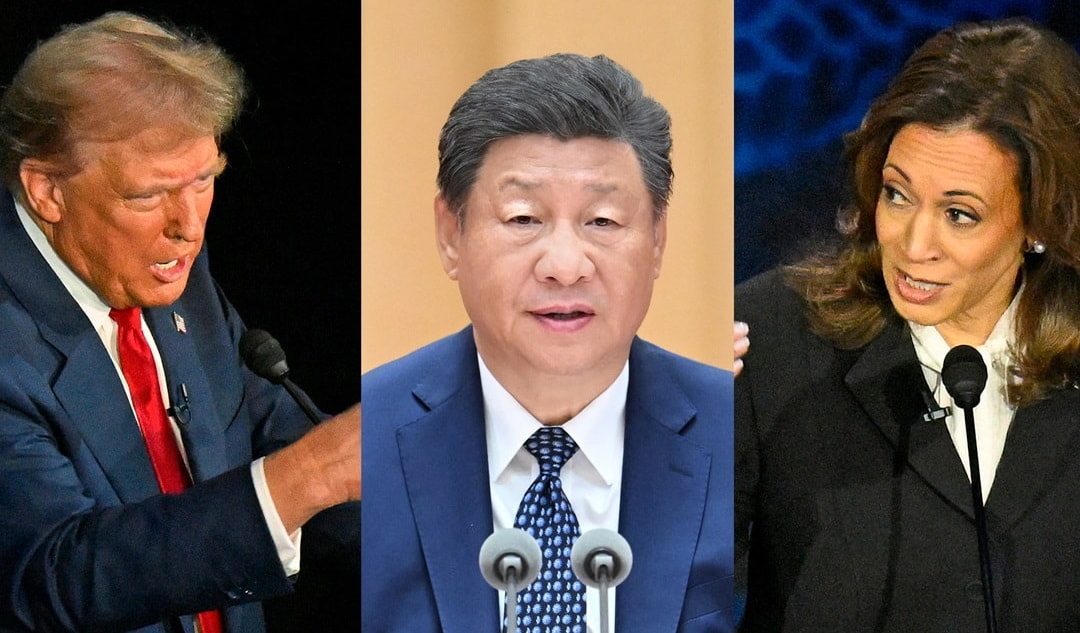
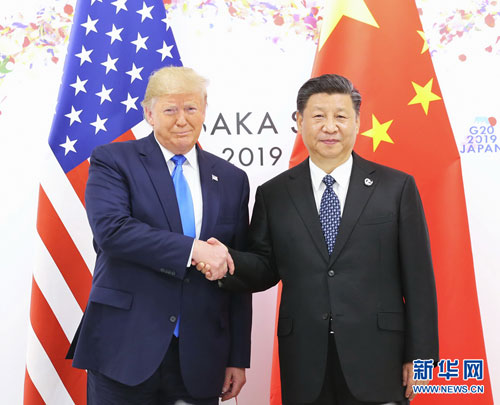
By Nitya Chakraborty Is the U.S. President Donald Trump looking for a big deal with the Chinese President Xi Jinping in his second term to reshape the global order favouring two super powers and marginalizing both Western Europe and Russia? The question gets all the relevance if one analyses the policy announcements by the second […]
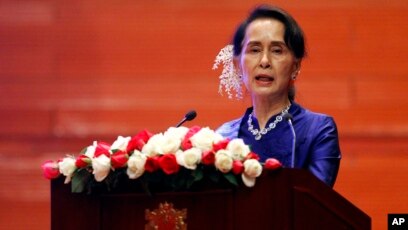
By Satyaki Chakraborty China has scored a major diplomatic victory in Myanmar by helping the conclusion of a truce between the ruling military junta and the Myanmar National Democratic Alliance Army (MNDAA) in the provinces bordering China. The MNDAA rebels took control of large areas around the border by driving out the junta troops last […]

Wizz Air Abu Dhabi is evaluating the potential to introduce flights to Syria, aiming to broaden its network and offer more travel options to passengers. This consideration aligns with the airline’s strategy to expand its presence in the Middle East and connect underserved destinations.

The airline has experienced significant growth, carrying over 3.5 million passengers in 2024, a 20% increase from the previous year. This expansion has been accompanied by the introduction of innovative travel products, such as the Wizz MultiPass and All You Can Fly memberships, which sold out within 48 hours of their launch. These initiatives cater to travelers seeking affordable and flexible options for exploring multiple destinations throughout the year.

In addition to exploring new routes, Wizz Air Abu Dhabi is increasing the number of flights between Abu Dhabi and Tel Aviv following the recent ceasefire agreement between Israel and Hamas. The airline had previously scaled back its Tel Aviv-Abu Dhabi service due to the conflict but is now working to restore services to meet growing demand.

By Nitya Chakraborty The announcement on Gaza between Israel and Hamas just five days before the inauguration of Donald Trump as the President of USA on January 20 has baffled many leaders of the peace movement as also left liberal political analysts as to how to properly assess the policies of this hard far right […]
Matein Khalid There is no geopolitical risk premium in Brent crude even though history just went fast forward and literally ballistic in the Middle East as the IDF bombed Hamas into the Stone Age, decapitated Hezbollah’s command/communications networks, killed Nasrallah, forced Iran’s most valuable proxy militia to sue for a ceasefire in Lebanon, destroyed Iran’s Russian S300 anti-missile defense systems and escalated its air assault on the […]

By Nitya Chakraborty The already war ravaged West Asian region has entered into a new phase of geo political turmoil with the ouster of the Syrian President Bashar-al Assad Government and the President fleeing from Damascus on Sunday to Moscow and granted asylum there by the Russian Government. The defeat of the Syrian Bath Party […]
By Nitya Chakraborty The Ukraine war entered its 1000th day on Tuesday, November 19 and on the same afternoon, President Zelensky used for the first time high tech AATCMS missiles for striking inside Russia after getting green signal from the outgoing President Joe Biden only two days before. Soon after, President Putin announced lowering the […]
By Nitya Chakraborty Finally, the U.S. election results are out. The Republican candidate Donald Trump has swept the polls by winning convincingly in the presidential contest as also leading the Republican Party to majority in both the Senate and the House of Representatives. There is no grey area. It is apparent that the majority of […]
By Nitya Chakraborty Monday October 7 2024 marks the completion of one year of the Israel-Palestine war which started with the brutal attack on the citizens of Israel by the militant Palestine group Hamas and the more severe retaliation by the Israel Defence Forces (IDF) and the complete annexation of the Gaza area along with […]
VISHNU RAJA
RYO YAMADA
HITORI GOTOH
IKUYO KITA
Just in:
Nvidia appoints Colette Kress interim chief after Huang departure // US authorities dismantle North Korean cryptocurrency deception infrastructure // US resumes flights after nationwide air traffic shutdown // Lego restores BrickLink marketplace after security investigation // UAE crews sustain coastal oil removal as beaches reopen // Inpex reaffirms Gulf oil strategy despite shipping constraints // China Reconciled To U.S. Curbs On Chips Exports, Woos South Korea For Supply // Microsoft outage leaves Outlook and Teams users disconnected // Woman found dead as bank moves to repossess home // L’OCCITANE Celebrates 50 Years Of Provençal Craftsmanship With Holiday 2026 Collection // The Honey Trap Is The Headline, The Chip Pipeline Is The Story // 11 Boutique Xinjiang Wineries to Debut in Singapore // Electoral register gains 2.17 lakh voters // TORRAS Launches Two New iPhone Duo Cases from Its Popular Ostand Series, Addressing Foldable Phone Users’ Concerns About Difficult Stand Positioning and Scratches // OpenAI unveils ChatGPT Wallet for agent-led purchases // Sun World Ba Den Mountain marks Vietnam Culture Day, welcoming Cambodian visitors over Bon Om Touk // Hackers falsify NVIDIA GPU readings to mask cryptomining // EBANX and Eneba strengthen partnership in Latin America with 138% YoY growth in payment volume // Yicura BioMed Advances Dual Capital and Industrial Strategy: Completes First Closing of Series B Financing Led by Gobi Partners // IEA forecasts fourth-quarter oil surplus as Gulf shipments rebound //