Just in:
EBANX and Eneba strengthen partnership in Latin America with 138% YoY growth in payment volume // Yicura BioMed Advances Dual Capital and Industrial Strategy: Completes First Closing of Series B Financing Led by Gobi Partners // OpenAI unveils ChatGPT Wallet for agent-led purchases // IEA forecasts fourth-quarter oil surplus as Gulf shipments rebound // Nvidia appoints Colette Kress interim chief after Huang departure // TORRAS Launches Two New iPhone Duo Cases from Its Popular Ostand Series, Addressing Foldable Phone Users’ Concerns About Difficult Stand Positioning and Scratches // The Honey Trap Is The Headline, The Chip Pipeline Is The Story // China Reconciled To U.S. Curbs On Chips Exports, Woos South Korea For Supply // Inpex reaffirms Gulf oil strategy despite shipping constraints // Microsoft apologises as Outlook services recover after outage // Crescent Enterprises venture arm funds Oyster Therapeutics development // Rooftop solar planning gaps behind power shortages // Microsoft outage leaves Outlook and Teams users disconnected // Woman found dead as bank moves to repossess home // 11 Boutique Xinjiang Wineries to Debut in Singapore // Saudi fund assets forecast to cross $400 billion // Messi affair SIT finds all-round violations // US authorities dismantle North Korean cryptocurrency deception infrastructure // Sun World Ba Den Mountain marks Vietnam Culture Day, welcoming Cambodian visitors over Bon Om Touk // October Food Price Shock Has Far Reaching Consequences //

News related to
Ceasefire

Israeli Defense Forces (IDF) have initiated a ground offensive into southern Lebanon, focusing on military targets associated with Hezbollah. This operation, named “Northern Arrows,” aims to dismantle the militant group’s capabilities along the border and follows two weeks of airstrikes against Hezbollah positions. The escalation is a direct response to perceived threats to Israeli civilians, particularly following a series of rocket attacks that have heightened tensions in […]

Two Canadians have lost their lives and three others have sustained injuries in Lebanon as violence escalates between Israel and Hezbollah. This development comes amid rising tensions in the region, prompting heightened international concern over the humanitarian situation.

Global Affairs Canada has confirmed the fatalities, stating that they are aware of the deaths and that officials are prepared to offer consular assistance to the affected families. The agency has refrained from disclosing additional details, citing privacy concerns regarding the individuals involved. Foreign Affairs Minister Melanie Joly expressed her condolences to the families of those impacted, indicating her intention to establish contact with them in the near future.

This tragic incident occurs as clashes between Israeli forces and Hezbollah militants have intensified significantly. Recent days have seen an increase in rocket fire from Lebanon into northern Israel, with the Israel Defense Forces (IDF) responding with airstrikes targeting Hezbollah positions. The ongoing conflict has raised alarm among local and international observers, who are concerned about the potential for a broader regional confrontation.

The situation is further complicated by the humanitarian crisis that has persisted in Lebanon for years, exacerbated by economic instability and the influx of Syrian refugees. The Lebanese government has struggled to maintain control over various armed factions, with Hezbollah, a powerful militant group backed by Iran, increasingly challenging state authority. The group’s involvement in the Syrian civil war and its role in regional conflicts has led to widespread calls for disarmament and a reassessment of its influence.

Reports indicate that the conflict has resulted in civilian casualties and widespread displacement in border areas. Hospitals in southern Lebanon are reportedly overwhelmed with injured civilians, as the ongoing hostilities make it difficult for aid organizations to deliver assistance. Human rights groups have raised concerns over the impact of airstrikes and ground assaults on civilian populations, urging both parties to adhere to international humanitarian law.

In response to the escalating violence, various nations have issued travel advisories urging their citizens to avoid Lebanon. The Canadian government has echoed these warnings, advising Canadians in the region to exercise caution and consider leaving if it is safe to do so. The increasing instability has led to a significant reduction in tourism and foreign investment, further complicating Lebanon’s economic recovery.

The international community has been monitoring the developments closely, with calls for de-escalation from various diplomatic channels. The United Nations has reiterated its commitment to supporting efforts aimed at achieving a ceasefire and facilitating humanitarian access. Nonetheless, achieving a sustainable resolution remains challenging, given the entrenched positions of both Israel and Hezbollah.

Amid these tensions, there have been discussions about the broader implications of the conflict for regional security. Analysts suggest that the hostilities could embolden other militant groups in the area, leading to an unpredictable escalation of violence across borders. There are concerns that Hezbollah’s actions may provoke a more extensive Israeli military response, further destabilizing the already fragile security landscape in the Levant.

In addition, the geopolitical ramifications of the conflict extend beyond Lebanon and Israel. Iran’s support for Hezbollah is viewed as a significant factor in the ongoing tensions, raising alarms among neighboring Gulf states and Israel. The potential for a wider regional conflict involving multiple actors underscores the importance of diplomatic efforts to mitigate hostilities and address underlying grievances.

Canadian officials have been urged to engage with their international counterparts to explore avenues for dialogue and de-escalation. The Canadian government has emphasized its commitment to a peaceful resolution and has called on all parties to exercise restraint. As the situation develops, the safety of citizens abroad remains a top priority, with ongoing assessments of risks and travel advisories being updated accordingly.


Two Canadians have lost their lives and three others have sustained injuries in Lebanon as violence escalates between Israel and Hezbollah. This development comes amid rising tensions in the region, prompting heightened international concern over the humanitarian situation. Global Affairs Canada has confirmed the fatalities, stating that they are aware of the deaths and that officials are prepared to offer consular assistance to the affected families. The […]

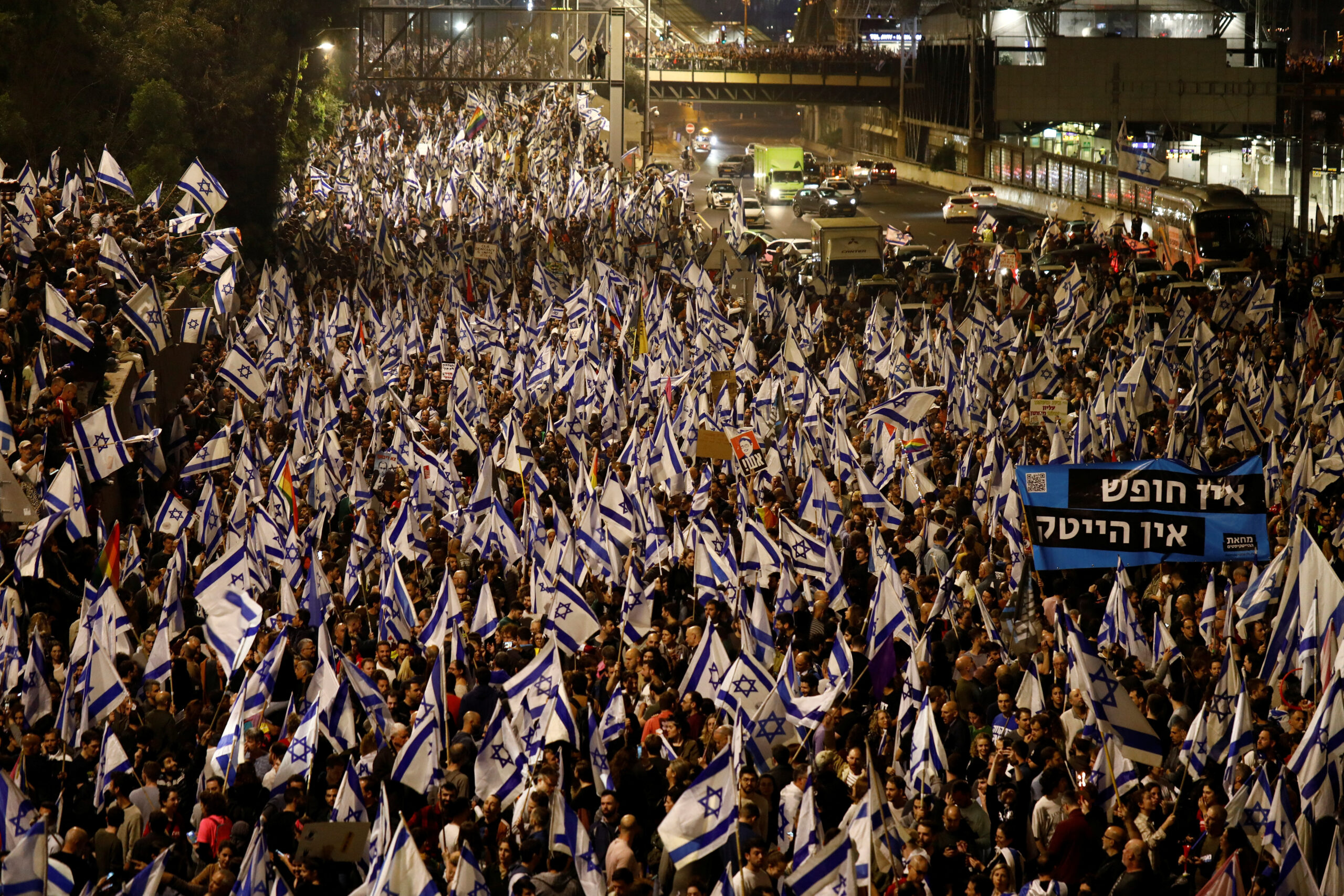
By Satyaki Chakraborty Massive global protests in the last four days of September in all the major cities of the world including New York, Washington, London, Paris, Berlin and finally Tel Aviv against Israel Prime Minister Benjamin Netanyahu’s rigid attitude to the ceasefire proposal to end the Gaza war, have led to some positive reaction […]
Libya’s National Oil Corporation (NOC) has declared force majeure on operations at the El Sharara oil field, a critical asset in the country’s oil production infrastructure. This decision comes as tensions escalate between various factions within the Libyan government, further complicating the nation’s already turbulent political landscape. El Sharara, one of Libya’s largest oil fields, has been a focal point in the ongoing struggle for control over […]

Saudi Arabia’s Foreign Minister, Prince Faisal bin Farhan, has embarked on a significant diplomatic mission to Iraq, engaging in discussions aimed at bolstering bilateral ties and addressing the volatile security situation in the region. His visit comes at a critical juncture, as tensions escalate between Iran-backed militias and U.S. forces in Iraq, further complicating the already fragile truce. Prince Faisal’s meetings with Iraqi officials, including Prime Minister […]

Arabian Post Staff U.S. Secretary of State Antony Blinken has emphasized that the current diplomatic initiative to secure a ceasefire between Israel and Hamas represents a critical juncture, possibly the last viable chance for peace. During his latest statement, Blinken underlined the urgency of finalizing a ceasefire agreement, reflecting Washington’s intensifying efforts to halt the ongoing conflict. Blinken’s remarks come as international pressure mounts on both sides […]

Advertisements

Efforts to establish a ceasefire in Gaza have hit a deadlock as both Hamas and Israel remain deeply divided on key terms. Despite initial hopes for a resolution, negotiations have faltered, leaving U.S. officials increasingly doubtful about achieving a swift end to the conflict.

The proposed ceasefire framework, which is intended to unfold in three phases, has encountered significant obstacles. Phase 1, involving a six-week pause in hostilities, the release of hostages, and the withdrawal of Israeli forces from populated areas in Gaza, initially appeared promising. However, disagreements over Phase 2—the negotiation of a comprehensive end to the conflict—have caused the talks to stall. Hamas demands a full Israeli withdrawal from Gaza, while Israel insists on continuing its military operations until Hamas is fully dismantled, a goal that could take months or even years to achieve.

The Biden administration, which has been actively mediating the talks, has expressed frustration over the impasse. U.S. officials have noted that without a ceasefire, humanitarian aid to Gaza remains severely limited, exacerbating the suffering of civilians caught in the crossfire. Humanitarian groups have echoed these concerns, stressing that a pause in fighting is crucial to providing consistent access to food and medical supplies.

As the stalemate drags on, there are growing concerns that the conflict could extend into the latter part of 2024. Despite ongoing diplomatic efforts, neither side shows signs of compromising, raising fears that the war will continue unabated.

The situation remains fluid, with U.S. officials continuing to push for both parties to reach an agreement, but the path to peace appears increasingly uncertain.

This report is based on information from multiple credible sources, including Politico and The National.

Israel’s northern border experienced heightened tension as approximately 55 rockets were fired from Lebanon on Saturday, resulting in fires near Ayelet HaShahar but no reported injuries. This escalation has added to the already volatile situation in the region, where Israel’s military operations in Gaza continue to provoke international concern.

U.S. Secretary of State Antony Blinken arrived in Tel Aviv, urging all parties to cease escalating actions and pushing for a ceasefire in Gaza. His visit comes at a critical time, as diplomatic efforts intensify to de-escalate the violence that has claimed numerous lives on both sides.

During his meetings with Israeli leaders, including Prime Minister Benjamin Netanyahu and President Isaac Herzog, Blinken emphasized the importance of halting hostilities to prevent further civilian casualties. He also reiterated the United States’ support for Israel’s right to defend itself while stressing the need for proportionality in military actions.

Meanwhile, the Israeli military continues to target Hamas infrastructure in Gaza, claiming to have struck key operational sites. However, the humanitarian crisis in Gaza has drawn international criticism, with many urging Israel to exercise restraint. Despite these calls, the Israeli government has shown little sign of scaling back its operations, insisting that its actions are necessary to neutralize the threat posed by Hamas.

Diplomatic sources indicate that efforts to broker a ceasefire are ongoing, with Egypt and Qatar playing key roles in the negotiations. However, the prospects for an immediate halt to the violence remain uncertain, as both sides appear entrenched in their positions.

As the situation unfolds, the international community watches closely, with many hoping that Blinken’s visit will lead to a breakthrough in the deadlock. The next few days are likely to be crucial in determining whether diplomacy can succeed in bringing an end to the bloodshed.

The conflict has already caused significant loss of life and widespread destruction, particularly in Gaza, where civilian infrastructure has been severely damaged. Humanitarian agencies warn of an impending disaster if the fighting continues, with thousands of families displaced and in urgent need of aid.

Blinken’s visit underscores the urgency of the situation and the delicate balance that must be struck between supporting Israel’s security and addressing the humanitarian needs of the Palestinian population. The path to a ceasefire remains fraught with challenges, but international pressure is mounting on all parties to find a resolution that prevents further escalation.

In the meantime, Israel’s northern border remains tense, with fears that the conflict could spread beyond Gaza, further destabilizing the region. The world waits to see whether diplomatic efforts will prevail or if the situation will deteriorate further.

Sudan’s military leader, General Abdel Fattah Al Burhan, has announced plans to dispatch a delegation to Cairo for high-stakes peace talks aimed at addressing the protracted conflict with the Rapid Support Forces (RSF), commanded by General Mohamed Dagalo. This move underscores a significant diplomatic effort to de-escalate the ongoing clashes that have devastated Sudan.

The conflict between the Sudanese Armed Forces (SAF) and the RSF, which erupted in April 2023, has severely affected the country, leading to a humanitarian crisis marked by widespread displacement and casualties. The intense fighting has displaced hundreds of thousands and resulted in severe disruptions to daily life, including shortages of essential goods and services.

Al Burhan’s decision to engage in dialogue comes after mounting pressure from both domestic and international communities for a peaceful resolution. The talks in Cairo are expected to focus on establishing a ceasefire and negotiating terms that could lead to a more comprehensive peace agreement. The discussions are set to involve representatives from various Sudanese factions, aiming to address the root causes of the conflict and explore pathways to long-term stability.

This diplomatic initiative follows several rounds of failed negotiations and intermittent ceasefires, which have not led to a lasting resolution. The international community, including the African Union and the United Nations, has been advocating for a negotiated settlement to end the hostilities and mitigate the humanitarian impact on the Sudanese population.

General Dagalo and his RSF forces have maintained a firm stance in the conflict, demanding significant political and military concessions. The RSF emerged from the Darfur conflict and has played a crucial role in Sudan’s political landscape since the 2019 ousting of former President Omar al-Bashir. Their involvement has further complicated the path to peace, given their substantial influence and control over various regions.

The delegation’s visit to Cairo is seen as a crucial step in rebuilding trust and finding common ground between the warring parties. The Egyptian government, with its strategic interests in Sudan and its historical ties to both the SAF and RSF, is expected to play a mediatory role in facilitating productive discussions. Cairo’s involvement highlights the broader regional implications of the Sudanese conflict, which has had repercussions on neighboring countries and regional stability.

Experts suggest that the outcome of the Cairo talks could significantly impact the dynamics of the conflict, depending on the willingness of both sides to make concessions and adhere to any agreements reached. The peace process will require addressing key issues such as the distribution of power, security arrangements, and the reintegration of RSF fighters into the national army.

As the delegation prepares for its diplomatic mission, there is cautious optimism among observers and humanitarian organizations that this latest effort could pave the way for a more stable and peaceful Sudan. The effectiveness of the talks will likely depend on the commitment of both Al Burhan and Dagalo to engage constructively and on the support from the international community in holding all parties accountable.

The situation remains fluid, and the coming weeks will be critical in determining whether the Cairo negotiations can lead to a meaningful and lasting resolution to Sudan’s ongoing conflict.

Tensions along the Israel-Lebanon border have sharply escalated after Hezbollah launched a barrage of rockets into northern Israel, following a deadly strike by Israeli forces. The exchange represents one of the most intense clashes between the two sides in over a decade, raising fears of a broader conflict. The rockets, targeting Israel’s Upper Galilee region, were fired shortly after the Israeli Defense Forces (IDF) carried out airstrikes […]

M A Hossain Recent peace talks in Doha, Qatar, in the ongoing tensions in the Middle East have reignited a glimmer of hope of a temporary respite. Led by mediators from the United States, Qatar, and Egypt, these negotiations aim to broker a long-awaited ceasefire in the Gaza Strip. However, scepticism surrounds the talks, particularly because Hamas, the organization governing Gaza, is notably absent from the table. […]

Negotiations for a ceasefire in Gaza are expected to restart soon as Israel orders another round of evacuations, escalating tensions in the region. The ceasefire discussions, which have already seen multiple delays, are aimed at halting the ongoing violence that has left thousands dead and many more injured. Diplomatic efforts, led by international mediators, are struggling to find common ground between the warring parties. Israel’s evacuation orders […]

Arabian Post Staff The United States has introduced a new ceasefire proposal aimed at narrowing the gaps between Israel and Hamas amid ongoing hostilities in Gaza. The proposal, delivered during diplomatic talks in Doha, seeks to bridge the remaining differences between the conflicting parties. While U.S. officials remain cautiously optimistic, both Israeli and Hamas representatives have expressed reservations about the deal. The plan includes provisions for humanitarian […]

Gaza ceasefire negotiations resumed in Doha, with key stakeholders converging to discuss a truce between Israel and Hamas. These talks come at a time of heightened tensions, particularly as Iran closely monitors the developments, with potential implications for the broader region. The discussions in Doha are seen as pivotal in potentially preventing further escalation in the ongoing conflict. The meeting includes representatives from Israel, Hamas, and several […]

Negotiations to address the ongoing conflict between Israel and Gaza are gaining momentum as high-level talks are scheduled to commence in Doha. The planned discussions, involving representatives from the United Nations, the United States, and Qatar, aim to broker a ceasefire agreement to halt the escalating violence in the region. The announcement comes amidst mounting international pressure for a resolution to the hostilities that have resulted in […]

Negotiations aimed at establishing a ceasefire in Gaza face significant challenges as a key Hamas official has declared the group’s reluctance to participate in the upcoming talks in Doha. The anticipated dialogue, scheduled for Thursday, now hangs in the balance due to this development.

President Joe Biden has acknowledged the growing difficulties in achieving a ceasefire in Gaza. The complexities of the negotiation process, combined with shifting political dynamics, have made the path to peace more uncertain. Biden’s comments reflect the escalating tension and the stalled progress in securing a resolution.

Hamas, which has been a central player in the ongoing conflict, has not officially confirmed its stance but internal sources indicate a strong likelihood of their non-participation. This move could further derail the efforts led by international mediators who have been striving to broker peace between the conflicting parties.

The situation remains fluid as both sides prepare for the Doha talks. The absence of Hamas from these discussions could hinder the negotiation process and potentially prolong the conflict. Analysts suggest that without Hamas’s involvement, any agreement reached might lack the necessary support from one of the principal stakeholders, undermining the potential for a lasting ceasefire.

International observers are closely monitoring the situation, emphasizing the importance of including all major parties in peace talks. The ongoing conflict has resulted in substantial casualties and widespread devastation in Gaza, underscoring the urgent need for a comprehensive ceasefire agreement.

The diplomatic community remains hopeful that the dialogue in Doha, despite the current setbacks, may still pave the way for renewed negotiations. However, the exclusion of key players like Hamas from these talks presents a significant obstacle, raising concerns about the feasibility of achieving a viable ceasefire in the near future.

The evolving dynamics of the situation highlight the complexity of the conflict and the challenges faced by mediators working to bring about a resolution. As the international community continues to engage in efforts to address the crisis, the focus remains on finding a path forward that includes all relevant parties and addresses the underlying issues driving the conflict.

As discussions unfold, the world watches closely, hoping for a breakthrough that could lead to a sustained and effective ceasefire. The outcome of the Doha talks will be crucial in determining the next steps in the ongoing efforts to bring peace to Gaza.

Evacuation orders have been issued for approximately 84% of the Gaza Strip as the conflict between Israeli forces and Palestinian groups intensifies, according to the United Nations. The situation in Gaza has deteriorated sharply with ongoing ground incursions and heavy fighting reported throughout the region. The Israeli military’s extensive evacuation directive impacts nearly all of Gaza’s densely populated areas. This move is part of a broader strategy […]

A significant diplomatic effort to address the humanitarian crisis in Gaza was undertaken by Jordan and Egypt. Leaders from both nations emphasized the urgent need to reduce tensions and avert further catastrophe. Egyptian President Abdel Fattah El-Sisi and Jordanian King Abdullah II engaged in a phone conversation to discuss the escalating violence in Gaza. Both leaders highlighted their nations’ efforts to mediate and ease the conflict, stressing […]

The United Arab Emirates (UAE) is reinforcing its diplomatic stance by balancing its aid efforts in Gaza with maintaining ties with Israel. This comes amid escalating tensions and concerns over the humanitarian situation in the Gaza Strip. The UAE has been actively involved in providing humanitarian assistance to Gaza. UAE’s Ambassador to the United Nations, Lana Nusseibeh, highlighted the country’s efforts, including the establishment of a field […]

Vice President Kamala Harris has secured critical backing from a prominent U.S. Muslim group as pro-Gaza delegates push for greater influence within the Democratic Party. This development comes at a time when the party grapples with internal divisions over the Israel-Gaza conflict.

Harris has been advocating for a more balanced U.S. stance on the conflict, emphasizing the need for humanitarian aid and protection for civilians in Gaza. Her recent calls for a ceasefire have resonated with progressive factions and Muslim communities, who have been vocal about the humanitarian crisis in the region.

The shift in support is significant given the historical alignment of Muslim voters with the Democratic Party. Harris’s stance represents a nuanced position that seeks to address the concerns of both pro-Israel and pro-Palestinian advocates within the party. Her approach includes condemning Islamophobia while also supporting Israel’s right to defend itself, a stance that has garnered both praise and criticism from different quarters.

The endorsement from the Muslim group is seen as a strategic move to strengthen Harris’s position within the party and appeal to a broader base of voters. This backing could prove crucial as the Democratic National Convention approaches, where delegates will play a pivotal role in shaping the party’s platform and candidate selection.

Harris’s proactive engagement on this issue highlights the ongoing struggle within the Democratic Party to balance its traditional support for Israel with the growing demand for Palestinian rights and humanitarian considerations. Her efforts to align with progressive constituencies reflect the evolving dynamics within the party and the broader political landscape.

This support from the Muslim group not only boosts Harris’s credentials but also underscores the increasing influence of diverse voter blocs in shaping U.S. political discourse. The outcome of these internal party dynamics will likely have significant implications for the Democratic Party’s future direction and its approach to foreign policy, particularly in the Middle East.

In sum, Harris’s recent actions and the endorsement from a key Muslim group indicate a strategic realignment within the Democratic Party, aiming to address the complex and often contentious issues surrounding the Israel-Gaza conflict. This move is poised to impact the party’s unity and electoral prospects as it navigates the intricate balance of supporting both Israeli security and Palestinian humanitarian needs.

President Sheikh Mohamed bin Zayed Al Nahyan of the UAE met with Egyptian President Abdel Fattah El Sisi in El Alamein, Egypt, to discuss strengthening bilateral ties and regional cooperation. The high-level talks focused on enhancing economic, developmental, and political collaboration within the strategic partnership that binds the two nations.

During their discussions, both leaders emphasized the importance of collective Arab action to promote peace, stability, and development in the region. They reaffirmed their commitment to ongoing consultation and coordination, aiming to ensure improved regional stability and security. The dialogue also highlighted opportunities for further collaboration in economic and investment areas, showcasing the depth of the UAE-Egypt relationship.

Prominent UAE officials, including Vice President and Deputy Prime Minister Sheikh Mansour bin Zayed and Minister of Industry and Advanced Technology Dr. Sultan Al Jaber, attended the talks. This meeting followed Sheikh Mohamed’s visit to Cairo in April and El Sisi’s participation in the World Government Summit in Dubai earlier in the year, reflecting the reciprocal nature of the diplomatic efforts between the two countries.

The leaders also addressed pressing regional issues, with Sheikh Mohamed reiterating his call for unimpeded aid delivery to Gaza. The discussions underscored the need for intensified efforts to achieve a lasting ceasefire and international action to support the political process based on a two-state solution.

El Sisi hosted an Iftar in honor of Sheikh Mohamed’s visit, and later, Sheikh Mohamed was seen engaging with the public, taking selfies, and exchanging smiles, demonstrating the personal rapport between the leaders and the people.

This meeting marks another step in the UAE and Egypt’s efforts to strengthen their partnership, focusing on mutual goals and addressing regional challenges collaboratively. The talks are part of a broader strategy to enhance relations and ensure peace and stability in the Middle East.

Sources:
– Dubai Eye
– Trends Mena

Israel has launched a series of targeted strikes, escalating tensions in the Middle East. The assassination of Ismail Haniyeh, a top Hamas leader, has particularly inflamed the conflict. Haniyeh, who was in exile, was killed in a missile strike in Tehran. This action is part of Israel’s broader campaign against militant leaders across the region.

The Israeli government has confirmed the strike, labeling it a critical blow to Hamas’ leadership. The attack has sparked significant international reactions, with Iran and its allies condemning the assassination. Iranian leaders have vowed retaliation, promising that Israel will regret this action.

The Israeli military is preparing for potential retaliatory strikes from Iran and its proxies. In addition to Haniyeh’s killing, Israel also conducted strikes in Beirut, targeting Hezbollah’s military chief. These operations mark a significant escalation, expanding the conflict beyond Gaza and into neighboring countries.

Palestinian Authority President Mahmoud Abbas has declared a day of mourning for Haniyeh, denouncing the killing as cowardly. Pro-Hamas marches have erupted in various cities, including a significant demonstration in Istanbul, where Turkish President Recep Tayyip Erdoğan condemned the assassination.

The strikes have also complicated ongoing hostage negotiations. Egypt and Qatar have criticized the timing of the attacks, suggesting they undermine efforts to secure the release of captives held by Hamas. U.S. Secretary of State Antony Blinken has emphasized the necessity of a ceasefire to facilitate these talks.

The United Nations Security Council held an emergency meeting to address the escalating tensions. Members of the Iran-backed axis, including Hezbollah, have harshly criticized Israel, calling the situation a dangerous escalation. Security experts predict that while Iran and its allies are likely to respond, they may not be able to reverse Israel’s strategic gains in Gaza.

This series of high-profile killings highlights Israel’s extended reach and intelligence capabilities. The assassination of Haniyeh in Tehran underscores the deep penetration of Israeli operations in Iran, a point acknowledged by various analysts. As the conflict enters a new phase, the potential for wider regional instability looms large.

The situation remains volatile, with both sides bracing for further developments. The international community continues to monitor the conflict closely, urging restraint and the pursuit of diplomatic solutions to prevent further escalation.

Diplomatic efforts to revive peace talks between Israel and Gaza have intensified following the death of Ismail Haniyeh, a key figure in the Hamas leadership. The US government is actively engaging with regional stakeholders to address the potential implications of Haniyeh’s death on the ongoing conflict and peace negotiations. Ismail Haniyeh, who served as the political leader of Hamas, passed away due to health complications. His death […]

VISHNU RAJA
RYO YAMADA
HITORI GOTOH
IKUYO KITA
Just in:
EBANX and Eneba strengthen partnership in Latin America with 138% YoY growth in payment volume // TORRAS Launches Two New iPhone Duo Cases from Its Popular Ostand Series, Addressing Foldable Phone Users’ Concerns About Difficult Stand Positioning and Scratches // UAE crews sustain coastal oil removal as beaches reopen // Rooftop solar planning gaps behind power shortages // Fujairah highway pile-up leaves 14 dead and 30 injured // Salik posts Dhs1.045bn profit despite lower toll traffic // Yicura BioMed Advances Dual Capital and Industrial Strategy: Completes First Closing of Series B Financing Led by Gobi Partners // Sun World Ba Den Mountain marks Vietnam Culture Day, welcoming Cambodian visitors over Bon Om Touk // IEA forecasts fourth-quarter oil surplus as Gulf shipments rebound // Microsoft restores services gradually but gives no recovery deadline // L’OCCITANE Celebrates 50 Years Of Provençal Craftsmanship With Holiday 2026 Collection // Nvidia appoints Colette Kress interim chief after Huang departure // 11 Boutique Xinjiang Wineries to Debut in Singapore // Lego restores BrickLink marketplace after security investigation // October Food Price Shock Has Far Reaching Consequences // US authorities dismantle North Korean cryptocurrency deception infrastructure // Hackers falsify NVIDIA GPU readings to mask cryptomining // The Honey Trap Is The Headline, The Chip Pipeline Is The Story // Messi affair SIT finds all-round violations // China Reconciled To U.S. Curbs On Chips Exports, Woos South Korea For Supply //