News related to
Fight

Dr Imran Khalid President Donald Trump’s declaration of April 2, 2025, as “Liberation Day” marked a seismic shift in U.S. trade policy, with the imposition of sweeping reciprocal tariffs that have sent shockwaves through the global economy. The new measures include a universal 10% tariff on all imports, with punitive rates as high as 54% for China, 46% for Vietnam, and 20% for the European Union, alongside […]

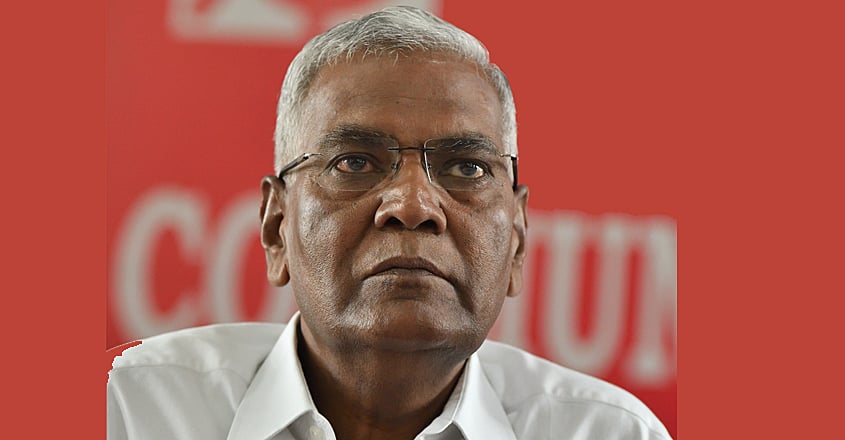
By Satyaki Chakraborty Communist Party of India (CPI) general secretary D. Raja gave a clarion call on Wednesday for the building of principled unity of all communists in India to act as the vanguard of the battle against the Narendra Modi government and the RSS-BJP led Sangh Parivar. Addressing the inaugural session of the 24th […]

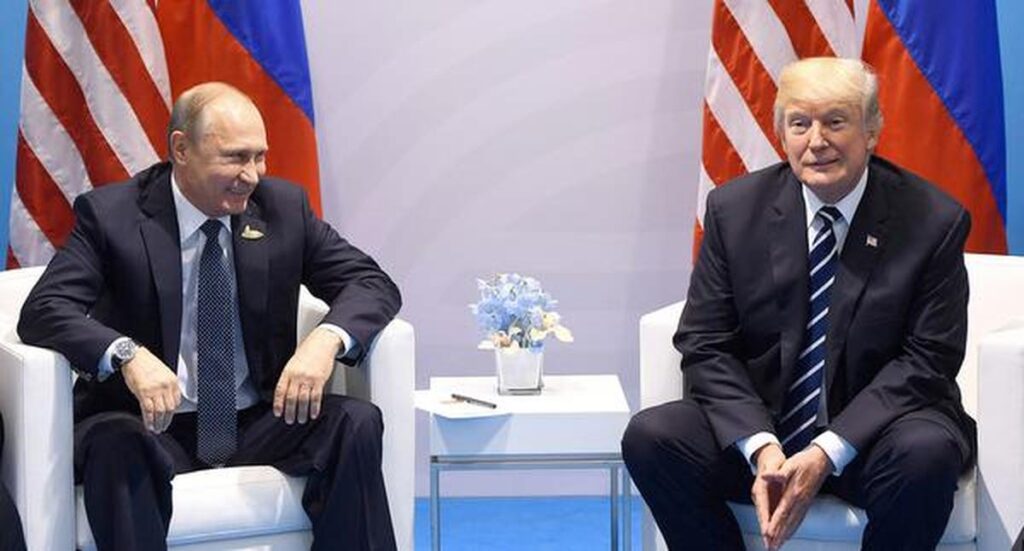
President Donald Trump has indicated that his first international trip in his second term will likely include visits to key countries in the Middle East, namely Saudi Arabia, the United Arab Emirates , and Qatar. While speaking to the press in the Oval Office, Trump suggested the visit could occur next month, though he noted it might be slightly delayed depending on diplomatic and scheduling considerations.

This trip is expected to be a crucial moment in Trump’s foreign policy, as it will focus on reinforcing the United States’ strategic relationships in the region, particularly in the wake of his administration’s efforts to reshape the dynamics of the Middle East through initiatives such as the Abraham Accords and military partnerships. The planned visit underscores the ongoing importance of these Gulf nations as key players in both regional and global geopolitical matters, including security, energy, and economic cooperation.

The president’s statement reflects the evolving nature of U.S. foreign policy in the Middle East, where traditional alliances have been reinforced while new partnerships, especially with the UAE and Bahrain, have emerged over the past few years. The Abraham Accords, signed in 2020, have opened new avenues for diplomatic engagement in the region, with several Arab countries normalising ties with Israel, a move that has significantly altered the political landscape.

Saudi Arabia, as a longstanding ally of the United States, remains at the heart of the Middle East’s geopolitics, particularly in relation to energy markets and security concerns regarding Iran’s growing influence. Trump’s administration was marked by its staunch support for the kingdom, including a controversial stance on the murder of journalist Jamal Khashoggi and its military cooperation in the region. A visit to Riyadh would likely reaffirm these strategic ties, especially as the U.S. continues to grapple with Iran’s nuclear ambitions and its role in regional instability.

The UAE has also become an increasingly influential partner, not only in terms of energy and security but also in fostering technological innovation and investment. In addition to hosting Israeli diplomatic missions following the Abraham Accords, the UAE has positioned itself as a hub for economic development, hosting major events like Expo 2020 Dubai and advancing its space exploration programme. Trump’s engagement with the UAE signals an ongoing commitment to strengthen ties with nations that have emerged as leaders in the Middle East’s economic diversification efforts.

Qatar, a key player in regional diplomacy and a host to the massive U.S. military base at Al Udeid, will also play a central role in Trump’s plans. As a small but influential country, Qatar has positioned itself as a mediator in various regional conflicts, often serving as an intermediary between conflicting parties in the region. Trump’s relationship with Qatar has been critical, particularly in relation to military cooperation and counter-terrorism efforts, and his visit would likely reaffirm the importance of these ongoing collaborations.

While the specifics of the trip remain unclear, the White House has made it known that the president’s travels will reflect the continued prioritisation of U.S. interests in the Middle East. Following years of tension over issues such as the U.S. withdrawal from Afghanistan and its approach to Iran, the Middle East remains a focal point of U.S. foreign policy. This visit could signal a shift towards a more engaged and active approach, particularly as the region faces new challenges ranging from economic instability to security threats from non-state actors.

Experts suggest that Trump’s trip will also serve as a signal to other global powers, particularly China and Russia, of the U.S.’s commitment to maintaining its influence in the Middle East. The region’s role in global energy production, combined with its strategic location at the crossroads of Europe, Africa, and Asia, makes it a critical area for U.S. interests. Trump’s visit is expected to focus on advancing energy partnerships, countering the growing influence of China in the region, and ensuring that U.S. military presence continues to be a stabilising factor in the face of Iranian provocations and broader geopolitical shifts.

Trump’s visit comes at a time when the Middle East is witnessing significant shifts in its diplomatic and economic alignments. Saudi Arabia, for example, has begun to recalibrate its foreign policy, striking deals with China and Russia, and there are signs that the kingdom is exploring new relationships outside its traditional Western alliances. Trump’s visit could also serve to counter these new trends, reinforcing U.S. leadership in the region.

The trip could be particularly significant for the future of U.S. relations with Israel. Although Israel’s peace agreements with several Arab states have altered the region’s political landscape, U.S. support for Israel remains a cornerstone of its Middle East policy. Trump’s visit will likely address how the U.S. plans to build on these agreements while navigating the evolving dynamics between Israel and its Arab neighbours.

As Trump prepares for his visit, discussions will also revolve around the broader implications of his foreign policy agenda. The Middle East is not only a region of military importance but also a key player in the global fight against terrorism, as well as in shaping energy markets and technological innovations. Trump’s emphasis on strengthening partnerships with countries like Saudi Arabia, the UAE, and Qatar will be crucial in setting the tone for the next phase of U.S. involvement in the region.


By Sushil Kutty Congress President Mallikarjun Kharge is adamant that nobody (does “nobody” include Congress?) can “change the Constitution drafted by Babasaheb Ambedkar” and that nobody “can finish reservation” either. The question then boils down to can anybody give Muslims reservation, i.e., reservation on the basis of religion? The Constitution says ‘no’. The Congress leaves […]

Wildfires have engulfed southeastern regions of South Korea, consuming over 14,694 hectares of woodland and prompting mass evacuations. The blazes, intensified by strong winds and dry conditions, have led to the deaths of at least four individuals, including firefighters, and injuries to 11 others. More than 5,400 residents have been displaced as the fires threaten homes and infrastructure.

The most severely affected areas include Sancheong County, Uiseong County, and the city of Ulsan. In Sancheong, two firefighters lost their lives while combating the flames, and another firefighter and a government worker remain missing. Despite the deployment of approximately 1,600 emergency workers, 35 helicopters, and numerous vehicles, containment efforts have been hampered by the region’s mountainous terrain and persistent winds.

In response to the escalating crisis, the South Korean government has designated the hardest-hit regions as special disaster zones to facilitate the concentration of resources and expedite recovery efforts. Acting President Han Duck-soo has prioritized swift disaster recovery and support measures, visiting affected areas to meet with residents and assess the situation firsthand.

The Korea Forest Service reports that the fires have consumed vast tracts of land, with the Sancheong wildfire alone burning over 500 hectares. Efforts to control the blazes are ongoing, with emergency workers striving to protect residential areas and critical infrastructure. The national government has mobilized additional resources, including firefighting personnel and equipment, to assist in containment operations.

Authorities have indicated that some fires may have been caused by human activities, such as grass clearing in tombs or welding sparks. Investigations are underway to determine the exact causes and to implement measures to prevent future occurrences. The government has urged the public to exercise caution, particularly given the prevailing dry conditions that heighten the risk of wildfires.

A major fire at an electrical substation in Hayes, west London, has led to the complete closure of Heathrow Airport, causing widespread disruption to global air travel. The blaze resulted in a significant power outage, prompting airport authorities to suspend all operations until midnight on 21 March. The incident began when a fire broke out at the North Hyde substation, approximately 1.5 miles from Heathrow. Emergency services, […]

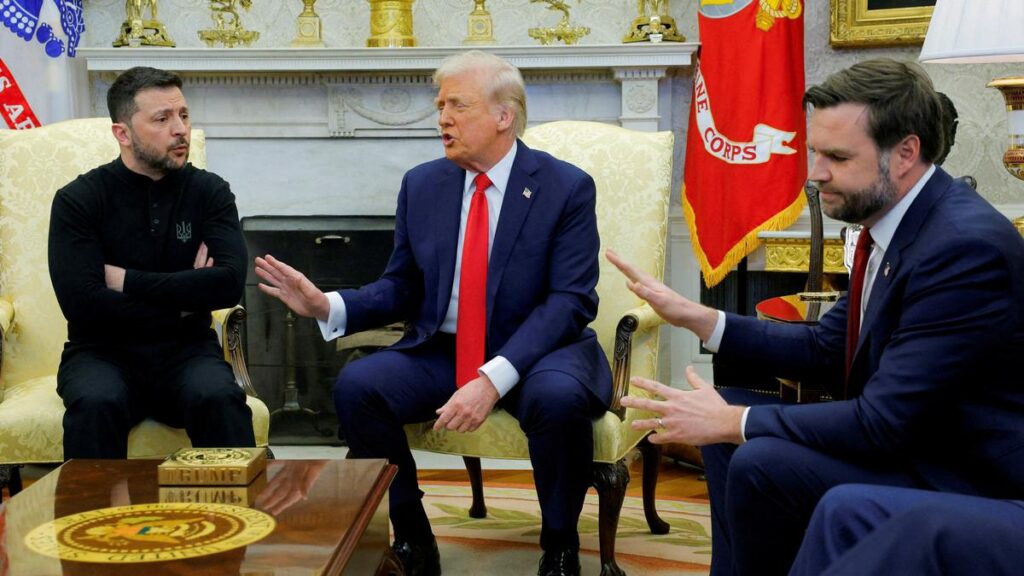
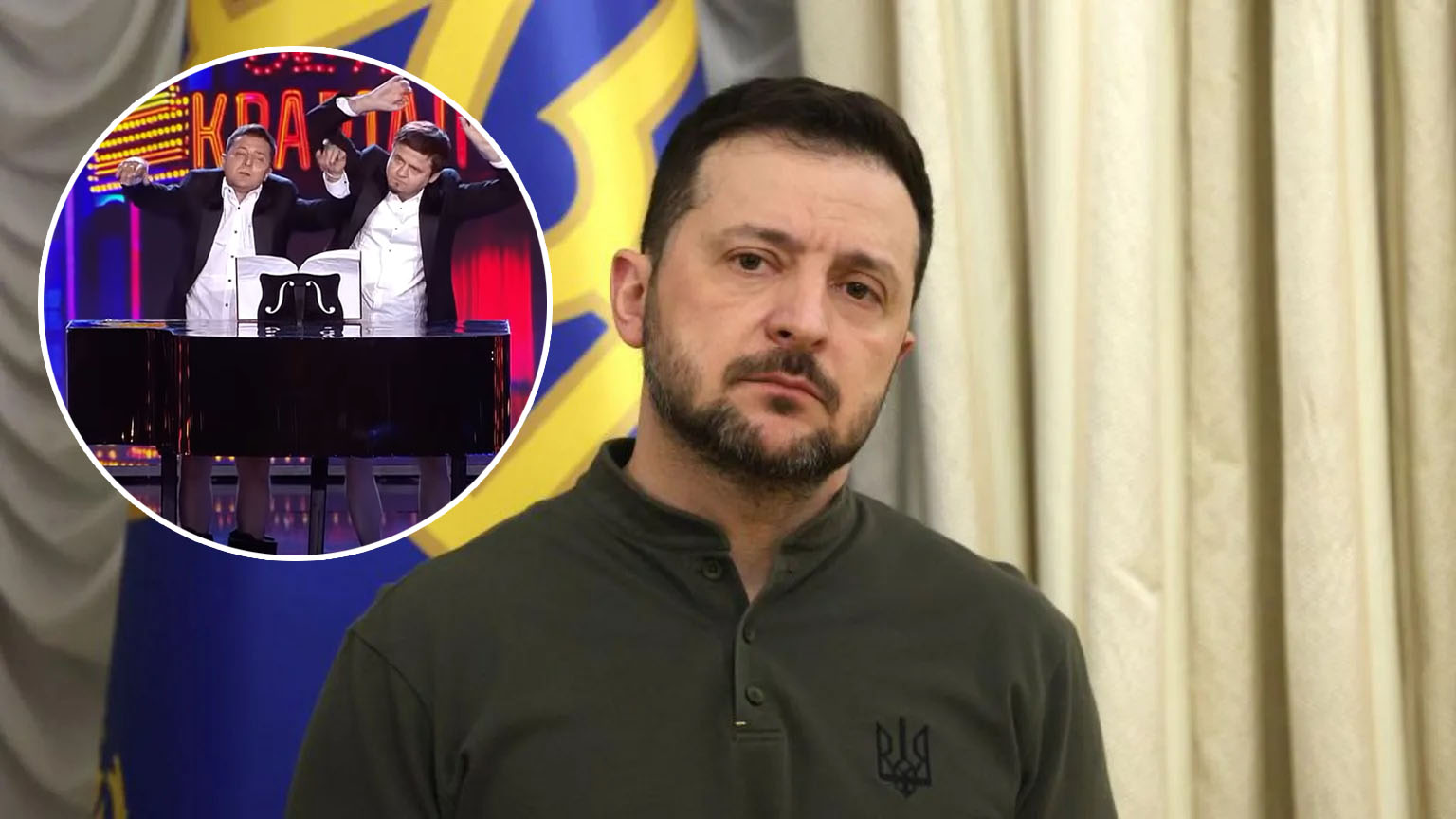
By Nantoo Banerjee Returning empty-handed and crestfallen from his meeting with United States President Donald Trump, popular satirical comedian turned Ukraine President Volodymyr Zelensky looks more like a totally confused person now. He doesn’t know whom to trust — highly peeved US President Donald Trump or the leaders of the EU-UK combine, the backstage instigators […]
Advertisements
By Dr. Sobhanlal Datta Gupta A controversy has erupted centring around CPI(M)’s position expressed in the Draft Political Resolution for the ensuing 24th Party Congress that the present Narendra Modi Government is not fascist, but marked by fascist tendencies. This stand has been subjected to criticisms by other Left parties on the ground that this […]
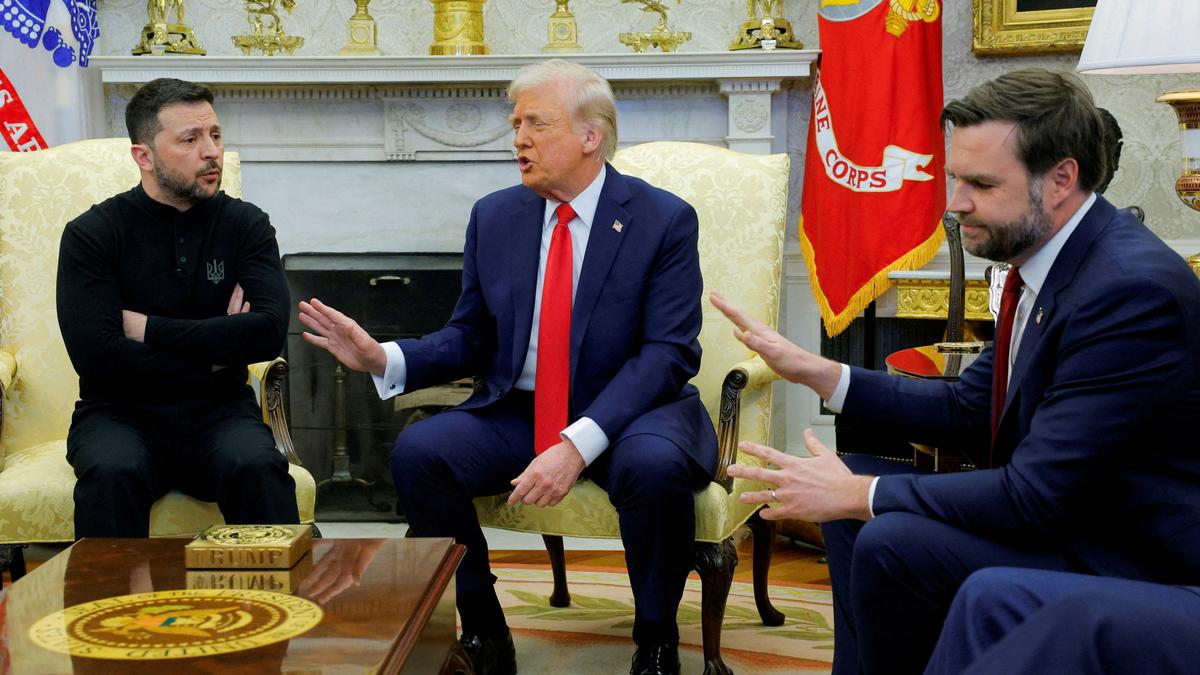
By Nitya Chakraborty Is the global geopolitics moving a full circle after 80 years since the end of the Second World War in 1945? The question is now extremely relevant after the world saw on Friday in TV channels the unprecedented spat between the United States president Donald Trump and the Ukrainian president Volodymyr Zelenskyy. […]
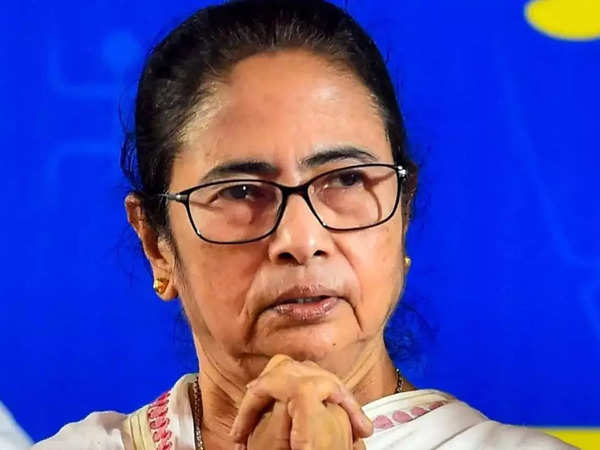
By Nitya Chakraborty Democratic rights activist Jagdeep S. Chhokar in his recent piece in the news portal The Wire mentions of his four conclusions on the state of Indian polity in the present stage after the BJP sweep in Delhi assembly polls. His four concluding points are- first, the BJP is almost achieving an opposition-free […]
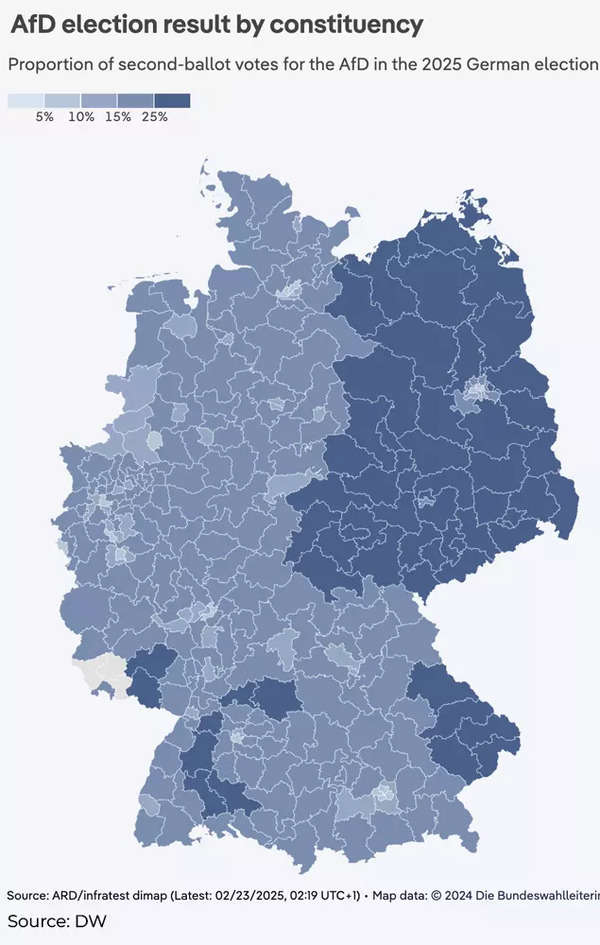
By Nitya Chakraborty The final results of Germany’s national elections held on February 23 are being debated intensively in the global media, especially in the European media about the upsurge of the far right party AFD which virtually doubled its voting percentage in the 2025 elections compared to the 2021 national elections. The ruling Social […]

Ukrainian soldiers, entrenched in a protracted battle against Russian forces, have expressed strong skepticism toward U.S. President Donald Trump’s assertions that he can swiftly broker peace with Russia. These remarks come as Trump initiates negotiations with Russian President Vladimir Putin, notably excluding Ukrainian representatives from the discussions. Captain Serhii Filimonov, a battalion commander who has been on the front lines since 2014, voiced his distrust of the […]

President Donald Trump has executed a significant overhaul of the U.S. military’s top leadership, dismissing Air Force General Charles Q. Brown Jr., the Chairman of the Joint Chiefs of Staff, along with five other senior military officials. This move, announced late Friday, marks an unparalleled shift within the Pentagon’s hierarchy. General Brown, who made history as the first African American to serve as the nation’s highest-ranking military […]

By Satyaki Chakraborty With just two days left for the national elections in Germany scheduled for next Sunday, February 23, all opinion polls suggest a near ten point lead by the conservative CDU/CSU combo as against the far right AFD which is threatening to take over power in European Union’s richest economy with the open […]

Over 350 side events transformed mega digital assets event to mega festivities HONG KONG SAR – Media OutReach Newswire – 21 February 2025 – Regarded as the “Super Bowl of Blockchain” and “the World Cup of Web3”, Consensus, the most influential and longest-running event of the crypto world, picked Hong Kong as a destination to expand beyond North America, with a record-setting debut of nearly 10,000 from […]

By Nitya Chakraborty February 2025 is not just the moment of truth for the European nations and NATO members but also time for reckoning for the Global Left and the peace movement which are still sizing up the dimension of the impact of U.S. President Donald Trump’s emergence as a peacenik to end the three […]
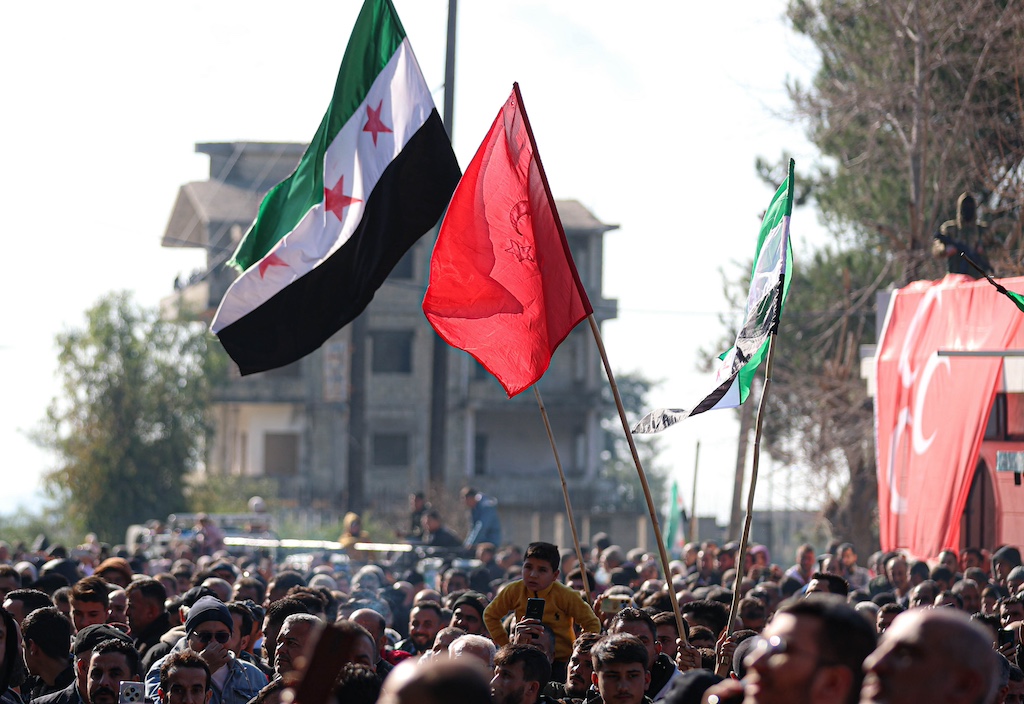
By Cihan Tuğal DAMASCUS: As the smoke settles on the fall of Bashar al-Assad’s regime in Syria and its replacement by Islamist leadership under Hayat Tahrir al-Sham (HTS), it is clear that Turkey’s far-right governing bloc has emerged from the tumult strong and emboldened. What is less clear is whether this will mean that Recep […]
By Ben Chacko LONDON: Donald Trump’s demand for a $500 billion “payback deal” forcing Ukraine to hand over control of its natural resources has been exposed by the Telegraph. As the newspaper’s columnist Ambrose Evans-Pritchard notes, proposed terms amount to a more punitive reparations package than was imposed on Germany after World War I. Not […]
By Anjan Roy Russian president, Vladimir Putin, has already achieved a very big objective of his diplomacy — isolating Europe from the United States. Now with the US President’s latest statement from his clubhouse, Donald Trump seems to have dumped the traditional diplomatic tie up between Western Europe and America. India must take lesson — […]
By Asad Mirza The way the US President Donald Trump literally got enforced his one-man plan for the Gaza Ceasefire and the manner in which he is now trying to organise Peace Talks to get the Russia-Ukraine war ended, are pointers to the future of the American foreign policy. By now the world should have […]

By Sushil Kutty In a special gesture Prime Minister Narendra Modi went to the Indira Gandhi International Airport on Monday and received the Amir of the State of Qatar, Sheikh Tamim Bin Hamad Al Thani. And in another special gesture, because the Amir is extraordinarily tall, security personnel assigned to stand at guard at the […]


Privacy advocates continue to challenge the widespread perception that personal data protection is futile in today’s digital age. A growing narrative posits that privacy is dead, suggesting there is little point in striving for data security amid the growing dominance of surveillance and data exploitation. However, this line of thinking has been fiercely contested by experts who argue that not only is privacy very much alive, but it is also more crucial than ever in safeguarding human rights and personal freedoms.

The claim that privacy is dead is rooted in a sense of resignation, often referred to as the “abdication mindset.” This philosophy, which believes that the battle to protect privacy is lost, has gained traction with the increasing prevalence of online data breaches, mass surveillance, and the power of tech giants. However, privacy advocates argue that such a defeatist perspective is self-fulfilling. The more individuals and institutions accept the idea of privacy’s demise, the more difficult it becomes to reverse the tide of data misuse and erosion of privacy rights.

Human rights, including privacy, have historically been preserved and advanced through determined efforts. As with any human right, protecting privacy is an ongoing fight. The struggle may seem overwhelming, but victories in this domain, such as the establishment of the European General Data Protection Regulation , show that change is possible. Privacy advocates contend that this perspective should inspire action rather than resignation. If privacy is allowed to wither away without resistance, it could indeed fade into obsolescence.

Another common misconception is that for privacy to hold any value, it must be 100% foolproof—secure to an absolute degree. This view, though well-intentioned, often hinders progress by setting unrealistic standards. While it is undeniable that privacy-enhancing tools and practices should continuously improve, expecting absolute perfection in data security is both impractical and counterproductive. In reality, privacy is a spectrum, and striving for incremental improvements rather than an unattainable ideal is essential for creating sustainable privacy frameworks.

Striving for flawless data security may lead to a situation where organisations or individuals feel that since perfect privacy is unachievable, there is little point in pursuing better security measures at all. This all-or-nothing mentality, much like the abdication mindset, undermines the very efforts that can make a tangible difference. Privacy, in this case, suffers from a lack of proactive development and is left vulnerable to exploitation.

Instead of waiting for a perfect solution, experts argue that ongoing improvements—though perhaps small—are essential in making meaningful progress. This attitude encourages the adoption of privacy practices and technologies that can address real concerns, rather than becoming paralysed by the notion that only a flawless system is worth building.

The battle for privacy is far from over, and those in the advocacy field continue to push for enhanced data protection laws, better consumer education, and more robust technological solutions. Additionally, many argue that privacy should not be seen solely through the lens of technology. It is also about broader societal and political movements. Efforts to push back against invasive surveillance practices and call for corporate transparency on data usage reflect a shift towards a deeper recognition of privacy as a fundamental right.

One of the key reasons privacy matters is its deep connection to individual freedom. In a world where personal data is continuously harvested and commodified, privacy becomes an essential tool for autonomy. Without privacy, individuals risk losing control over their personal information, opening the door to manipulation, surveillance, and exploitation by both state and corporate entities. This makes privacy not merely a technical issue, but a vital aspect of a democratic society.

Protecting privacy ensures that individuals retain control over their personal lives and decisions. It is not just about keeping sensitive data safe but about asserting one’s autonomy in an increasingly interconnected world. The right to privacy enables individuals to make personal decisions without fear of being watched or judged, empowering them to engage in free expression and democratic participation.

Privacy protection is essential in preserving the integrity of personal relationships and freedom of association. In the absence of privacy, individuals may hesitate to engage in sensitive or intimate conversations, avoid certain groups or causes, or make personal choices that they believe could expose them to risk. Such chilling effects on personal behaviour ultimately undermine the fabric of civil society.

A nuanced approach to privacy protection, therefore, should focus on striking a balance between securing data and preserving individual freedoms. It is important to understand that privacy is not an all-or-nothing proposition. As technology continues to evolve, so too should our approach to protecting privacy. Incremental steps in policy-making, consumer advocacy, and technological design can make a significant difference in improving privacy protections while accommodating the practical realities of the modern world.

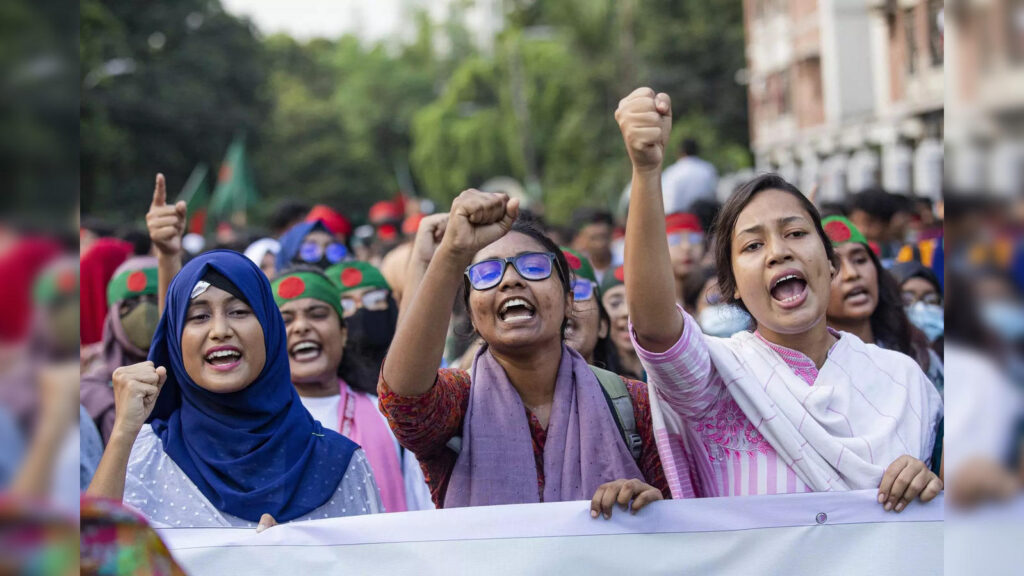
By Satyaki Chakraborty The anti-discrimination students body which pioneered the massive upsurge in Bangladesh last year leading to the fall of the Awami League government on August 5 and abdication of the then Prime Minister Sheikh Hasina to India, is set to float their new political party with specific programme and constitution by the end […]

The Pokémon Company International and Niantic, the developer behind the mobile game Pokémon Go, have pledged a $1 million donation to aid in the relief efforts following the devastating wildfires in Los Angeles. This generous commitment aims to support both immediate and long-term recovery initiatives for the communities affected by the fires, which have caused extensive damage and displacement in the region.

The decision to contribute to the wildfire relief effort comes after a surge in fires across Southern California, with Los Angeles being among the hardest-hit areas. The wildfires have not only destroyed homes and property but have also left thousands of residents in need of assistance. Emergency responders and local authorities have been working tirelessly to control the fires, but the scale of the disaster has required extensive support from various sectors, including private companies and charitable organisations.

As part of their donation, Niantic has committed to deploying resources to directly support firefighting efforts, while Pokémon Company International has partnered with local organisations to help provide emergency shelter and basic necessities to those displaced by the flames. The funding is also expected to assist with the restoration of communities once the fires have been contained, with a focus on rebuilding homes and infrastructure.

Niantic, which is known for its interactive games that encourage players to engage with their physical surroundings, has a long history of community involvement, especially in times of crisis. The company previously contributed to various disaster relief efforts worldwide, and this latest donation is in line with their ongoing commitment to supporting communities in need. The gaming giant has also pledged to match the donations raised by the Pokémon Go player community through in-game events and fundraising activities.

While the $1 million donation is a significant contribution, it represents only a small portion of the total funds required to address the immediate and long-term needs of those affected by the fires. However, the gesture from Pokémon and Niantic highlights the growing role that corporate entities play in disaster relief efforts. Their support provides not only much-needed financial resources but also demonstrates solidarity and compassion in the face of a crisis that has deeply impacted the lives of thousands.

The wildfires have exacerbated existing challenges faced by the city, which is still grappling with the effects of the COVID-19 pandemic. Many individuals who had already struggled with unemployment, housing insecurity, and other issues have now found themselves dealing with the added burden of displacement and property loss. For these residents, the contributions from organisations like Niantic and the Pokémon Company represent a critical lifeline.

Emergency teams continue to assess the full extent of the damage, with thousands of acres of land already scorched. Alongside the physical damage, the environmental impact has been profound, with air quality in the area deteriorating to hazardous levels. For many Los Angeles residents, the immediate concern is ensuring their safety while navigating the complexities of evacuation orders and the uncertainty of returning to their homes.

The role of corporate donations in addressing such crises is becoming increasingly significant. As public and private sector partnerships evolve, corporations like Niantic and Pokémon Company International are stepping up their efforts to make meaningful contributions. This trend reflects a growing awareness of the need for collective action, particularly in the face of climate-related disasters that continue to affect communities across the globe.

The relief efforts have also seen the mobilisation of various community-based organisations, local governments, and volunteers who have worked together to provide support to the displaced populations. While large-scale donations play a vital role, grassroots initiatives remain crucial in ensuring that aid reaches those who need it most, especially in the early stages of a disaster response. It is this collaboration between corporate entities, community groups, and governmental bodies that is expected to make a difference as Los Angeles continues to recover from the fires.

As recovery efforts ramp up, there is also a growing focus on resilience and preparedness for future wildfires. California has long been prone to wildfires due to its dry climate, and experts are urging residents and local authorities to take proactive measures in mitigating the impact of future disasters. The ongoing fire season serves as a stark reminder of the need for better infrastructure, enhanced firefighting capabilities, and a comprehensive approach to climate resilience.

For Pokémon and Niantic, their $1 million pledge marks a significant step in their continued commitment to supporting communities during times of need. While their contribution is one of many, it serves as a reminder of the power of corporate social responsibility and the importance of mobilising resources when disaster strikes. The funds raised will help provide essential support, but the real work will lie in the months ahead as the region works towards recovery and rebuilding.

VISHNU RAJA
RYO YAMADA
HITORI GOTOH
IKUYO KITA