News related to
Fight

Tottenham Hotspur have parted company with Igor Tudor after only 44 days and seven matches in charge, deepening a season that has already lurched through managerial upheaval, poor results and growing fear over the club’s Premier League status. The north London side confirmed on Sunday that Tudor had left by mutual consent, with goalkeeping coach Tomislav Rogic and physical coach Riccardo Ragnacci also departing. Tudor had been […]

Arabian Post Staff -Dubai US Vice President JD Vance has sought to reassure voters and markets that Washington does not intend to become locked into a prolonged military commitment in Iran, arguing that higher fuel costs are a temporary consequence of a campaign the administration expects to wrap up rather than harden into another open-ended Middle East war. His remarks come as the Trump administration faces a […]

Arabian Post Staff -Dubai US and Israeli strikes on Iranian nuclear-linked and industrial sites on Friday widened the Middle East war and triggered a fresh market sell-off, as Tehran answered with attacks across the Gulf and on regional targets, stoking fears that a longer conflict could deepen the hit to growth, trade and energy supplies. Oil climbed sharply, Wall Street fell again and investors moved into traditional […]

By Arun Srivastava The Naxalite movement, originating from a 1967 peasant uprising in Naxalbari, West Bengal, has witnessed numerous “twists and turns,” evolving from a localized armed insurrection into a fragmented insurgency and, in recent years, a shrinking threat experiencing mass surrenders and gruesome killings of cadres by the security forces. But one evolution is […]

The article Twists And Turns In Naxalite Movement In Last Six Decades After 1967 Uprising appeared first on Latest India news, analysis and reports on Newspack by India Press Agency).

By Nitya Chakraborty It is a history of twists and turns in India-China economic relations for decades. The same is being repeated now as India after taking special measures to make Chinese direct investment easier and agreeing to start border trade from three points in this country from June this year, is faced with the […]

The article Amidst India-China Bonhomie In Bilateral Ties, Both Sides To Fight Each Other At WTO Meet appeared first on Latest India news, analysis and reports on Newspack by India Press Agency).

France’s decision to withhold access to critical source codes for Rafale fighter systems has intensified concerns within New Delhi over long-term control of its air combat capabilities, exposing tensions between strategic partnership and technological dependence.

Officials and defence analysts indicate that the refusal centres on highly sensitive software governing the aircraft’s Active Electronically Scanned Array radar, mission computer architecture and the SPECTRA electronic warfare suite. These components underpin the Rafale’s operational edge, enabling advanced targeting, threat detection and real-time combat adaptability. Without access to underlying code, local engineers face restrictions in modifying or upgrading the systems independently.

The development comes at a time when the Air Force is seeking greater flexibility to integrate indigenous weapons, sensors and software into imported platforms. The Rafale fleet, inducted under an intergovernmental agreement signed in 2016, is widely regarded as one of the most capable multirole assets in service. However, the absence of deep software access limits the scope for customisation beyond manufacturer-approved pathways.

Defence planners have long sought to reduce reliance on foreign vendors for mission-critical technologies, particularly software-defined systems that determine how aircraft perform in evolving combat scenarios. The inability to access core programming frameworks means that even incremental upgrades—such as adapting radar modes or integrating new missile systems—must be routed through the original manufacturer, potentially adding time, cost and operational constraints.

French authorities have maintained that certain technologies embedded within the Rafale are protected by stringent export controls and intellectual property safeguards. Industry sources suggest that this position reflects a broader policy followed by advanced aerospace manufacturers, who rarely transfer full software control of high-end combat platforms. Such restrictions are often justified on grounds of security, technological advantage and contractual obligations tied to proprietary systems.

For New Delhi, the issue extends beyond a single aircraft programme. It underscores a structural challenge in defence procurement, where imported platforms may offer cutting-edge capabilities but limit sovereign control over upgrades and lifecycle management. Analysts argue that the balance between immediate capability acquisition and long-term autonomy has become increasingly complex as modern warfare shifts towards software-centric systems.

The Rafale’s SPECTRA suite, in particular, has drawn attention due to its role in electronic warfare and survivability. Designed to detect, identify and counter threats ranging from radar locks to missile engagements, the system operates through highly classified algorithms. Without access to these algorithms, domestic agencies are unable to independently adapt the suite to emerging threat environments or tailor it to specific operational theatres.

Similarly, the AESA radar’s performance is closely tied to software-defined modes that govern target tracking, electronic counter-countermeasures and situational awareness. Integrating locally developed weapons or sensors requires compatibility at the software level, which becomes challenging when access is restricted. Defence experts note that while some integration is possible through interface agreements, deeper optimisation remains dependent on the original equipment manufacturer.

The issue has also revived debate over the country’s broader push for self-reliance in defence production. Programmes aimed at developing indigenous fighter aircraft, avionics and electronic warfare systems have gained momentum, yet gaps remain in high-end technologies. The Rafale case is being cited by some policymakers as evidence of the need to accelerate domestic research and reduce dependence on external suppliers for core technologies.

At the same time, others caution against overstating the dispute, noting that limitations on source code access are common in international defence deals. They argue that operational effectiveness is not necessarily compromised, as manufacturers continue to provide upgrades and support under contractual arrangements. The Rafale fleet has demonstrated strong performance in exercises and deployments, reinforcing its value as a frontline asset.

Diplomatic considerations are also at play. France has been a key defence partner, with cooperation spanning submarines, helicopters and space technologies. The Rafale agreement itself was seen as a milestone in bilateral ties, reflecting a high degree of strategic trust. Any friction over technology transfer is therefore likely to be managed within the broader framework of long-standing cooperation.

Industry observers point out that negotiations over technology access often involve trade-offs between cost, capability and control. Full access to source codes would significantly alter the commercial and strategic dynamics of defence exports, potentially affecting pricing structures and intellectual property protections. As a result, such concessions are rarely granted, even to close partners.

The episode highlights a growing reality in modern military aviation, where software defines capability as much as hardware. Control over code translates into control over upgrades, interoperability and operational doctrine. For countries seeking to maintain strategic autonomy, this raises fundamental questions about how to structure future procurement and development strategies.

Kenya has moved to grant amnesty to its citizens who were recruited to fight for Russia in the war against Ukraine, signalling a shift towards rehabilitation over prosecution as authorities confront a growing trend of foreign recruitment tied to economic vulnerability. The announcement followed high-level diplomatic engagements led by Foreign Affairs Cabinet Secretary Musalia Mudavadi, who confirmed that Kenyans identified as having travelled to join Russian military […]

Advertisements

Californian researchers have demonstrated a new method to generate cancer-fighting immune cells directly inside the human body, potentially transforming one of the most complex and costly treatments for blood cancers. The approach, detailed in a peer-reviewed study, aims to bypass the elaborate laboratory process required for conventional CAR-T therapy, offering the prospect of faster, more accessible treatment. Chimeric antigen receptor T-cell therapy, widely known as CAR-T, has […]

Multiple explosions tore through parts of Maiduguri, the capital of Borno State, leaving more than twenty people dead and dozens injured, according to local authorities and security officials, in one of the most severe attacks on the city in months. The blasts struck crowded locations, including a busy market area and entry points to residential neighbourhoods, amplifying the scale of casualties and damage. Emergency services and military […]

Dubai Police reopened key airport-bound roads after a disruption linked to a fire incident near Dubai International Airport forced temporary closures and traffic diversions, easing congestion that had built up across surrounding districts and arterial routes. Authorities said precautionary measures were introduced early Monday after reports of a fire in the vicinity of Dubai International Airport, prompting swift action from emergency services and traffic management teams. Access […]

Britain’s counter-drone and air-defence units have shot down multiple Iranian drones across the Gulf theatre as London expands what it describes as a strictly defensive military posture, with ministers arguing the operations are aimed at protecting British personnel, allied states and vital regional infrastructure rather than joining any offensive campaign against Tehran. The latest intercepts come as tensions around the Gulf and the wider Middle East continue […]

SINGAPORE – Media OutReach Newswire – 16 March 2026 – Months before the current geopolitical crisis hit global markets, Asia Pacific (APAC) executives had begun shielding their businesses by shortening supply chains and focusing on regional trade. Forvis Mazars’ C-suite barometer 2026: Adapting in uncertainty shows this proactive approach, alongside with efficiency-driving AI investments, is now key to navigating today’s global challenges.
While the number of APAC leaders expecting revenue growth had dropped to 67% (down from 80% in 2025) ahead of this year, underlying business confidence had notably strengthened to 41% (up from 30% in 2025). This contrast, lower growth expectations yet stronger confidence, highlights a resilience paradox: leaders are separating financial outlook from global turmoil, actively reinventing their operations to endure anticipated shocks rather than waiting for conditions to improve.
Key findings for APAC:
  • Measured confidence amidst geopolitical volatility: Amidst ongoing geopolitical volatility, APAC leaders remain acutely aware of the shifting landscape. Notably, 29% cite geopolitical instability and social unrest as a top trend impacting their organisation over the next 12 months, outpacing the global average of 26% and tying with regulatory pressures. Consequently, growth expectations are tempered: while 83% still anticipate positive growth in 2026, this trails the global average of 92% and marks a decline from 84% in 2025.
  • Expansion turns inward: Driven by geopolitical and tariff risks, expansion plans have shifted to regional neighbours, with China (36%), Australia (29%) and Hong Kong (29%) as the top destinations.
  • AI is a net job creator: Defying global displacement fears, 43% of APAC leaders say AI has created new roles in their organisation, significantly outpacing the 28% who say it replaced them.
  • The sustainability gap: While 91% are confident in meeting reporting compliance, only 73% feel prepared to manage the actual physical impacts of climate change.
The APAC resilience paradox: Building structural resilience despite lower revenue expectations
The anticipated dip in revenue expectations was primarily driven by converging pressures that have only intensified: economic uncertainty, political instability and intensifying competition. Yet, this foresight did not dampen investment. In a clear sign that businesses are fortifying their foundations, investment in human capital remains strong across the region, with 63% of APAC respondents plan to increase spending on acquiring new talent and 68% intend to upskill their workforce.
APAC’s underlying optimism is supported by a high level of operational readiness. Even as geopolitical instability remains a top concern, 76% of executives express confidence in their organisation’s preparedness to manage it. This sentiment extends to navigating supply chain challenges (85%) and new regulatory requirements (91%), showing that leaders are turning global disruptors into manageable areas of control.

Rick Chan, Managing Partner Singapore, Head of Audit & Assurance APAC and Member of Group Governing Board, Forvis Mazars, observed, “Asia Pacific has always had to move fast. The region’s businesses are built on agility – on reading the market, adjusting quickly and staying close to customers. That DNA is proving invaluable right now. The data shows leaders are transitioning from short-term firefighting to building lasting resilience. By investing in localised supply chains and AI, they are taking highly practical steps to insulate their operations against escalating geopolitical risks and secure long-term growth.”
The strategic pivot: strengthening intra-regional trade
The barometer reveals a fundamental change in how APAC firms plan to grow. Rather than facing global trade barriers head-on, executives are pivoting to markets closer to home. The top three expansion destinationsareChina (36%), Australia (29%) and Hong Kong (29%).
This inward shift is a direct, data-driven response to rising global tensions. A striking 67% of APAC leaders who revised their expansion plans this year cited geopolitical instability as the primary driver, making it the top catalyst for changing global strategies. Furthermore, 42% cite costs and operational issues due to tariffs as their biggest challenge when entering new markets. Facing these dual threats, APAC businesses have pragmatically shortened their supply chains to secure growth in neighbouring markets where geopolitical and tariff risks are more manageable.

The growth engine: AI as a workforce catalyst
In an environment where operational margins are under pressure, AI has become a critical tool for efficiency. Notably, the data indicate that AI is a net job creator in the region. 43% of APAC C-suite leaders report that AI has already prompted the creation of new roles, compared to 28% who report job replacements.

While 47% of executives rank AI as their top technology priority, their approach is disciplined. APAC leaders are prioritising high-impact applications such as forecasting (65%), knowledge acquisition, banking and retrieval (61%), client services, recommendations, relationships (61%), and operational efficiency, including automation (60%). Interestingly, they are achieving these gains with leaner investment; 41% (versus 35% globally) allocate less than 10% of their budget to AI, suggesting a focus on cost-effective, high-return AI adoption.
The blind spot: the sustainability gap – compliance versus operational resilience
While the report highlights strategic maturity in technology and trade, it reveals a critical disconnect in sustainability. Although 91% of APAC executives express confidence in meeting sustainability reporting compliance, only 73% feel prepared to manage the actual physical and operational impacts of climate change. This disparity indicates that while they are confident in meeting regulatory expectations, the priority now is to bridge the gap between compliance and reality, specifically by strengthening supply chains and building physical resilience against tangible climate risks.
Chester Liew, Partner, Head of Risk Consulting & Sustainability, Forvis Mazars in Singapore, said, “High confidence in reporting compliance is an encouraging baseline, but paperwork does not protect operations. The foresight APAC leaders are demonstrating in navigating geopolitical risks must now be urgently applied to climate risks. With regulatory timelines providing some breathing room, the prudent next step is to pivot resources from disclosure to physical defence – ensuring that supply chains and physical assets can actually withstand extreme weather and emerging environmental shocks.”
Forvis Mazars’ 2026 C-suite barometer survey captures insights from 3,012 senior executives worldwide prior to the US-Israeli war with Iran in February 2026. This independent research was conducted in October and November 2025 and captures the views of C-suite leaders at for-profit organisations with annual revenues of over US$1 million across 40 countries, including 260 respondents from seven markets in the Asia-Pacific region: Australia, China, Hong Kong, India, Japan, Singapore and South Korea. Findings reflect executive sentiments at the time of fieldwork.

Hashtag: #ForvisMazars #ForvisMazarsSingapore #APACBusiness #BusinessOutlook2026 #ExecutiveInsights #LeadershipTrends #AIAdoption #DigitalTransformation #Sustainability #ClimateResilience


The issuer is solely responsible for the content of this announcement.

Forvis Mazars in Singapore

About Forvis Mazars in Singapore
Forvis Mazars Group SC is an independent member of Forvis Mazars Global, a leading professional services network. Operating as an internationally integrated partnership in over 100 countries and territories, Forvis Mazars Group specialises in audit, tax and advisory services. The partnership draws on the expertise and cultural understanding of over 40,000 professionals across the globe to assist clients of all sizes at every stage in their development. Forvis Mazars in Singapore is part of the Forvis Mazars Group. Our clientele benefits from the combined expertise of 400+ Singapore-based professionals and our international team.

About Forvis Mazars APAC
Present in Asia Pacific since 1997, Forvis Mazars operates in more than 15 countries and territories in the region and draws on the expertise of over 10,100 professionals in more than 60 offices. We work as one integrated team, leveraging expertise, scale and cultural understanding to deliver exceptional and tailored services in audit and accounting, as well as tax, financial advisory, outsourcing, consulting, sustainability and legal services.

| |

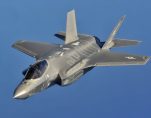
Stalled software development for the F-35 Lightning II has drawn scrutiny from Pentagon auditors, even as the stealth fighters continue to fly operational missions linked to tensions with Iran, underscoring a widening gap between battlefield deployment and technological modernisation. An annual assessment by the Pentagon’s weapons testing office found that efforts to introduce new software capabilities for the aircraft failed to produce additional combat functionality during the […]

Arabian Post Staff -Dubai Firefighters and emergency teams contained a blaze in the emirate of Fujairah after debris from an intercepted drone fell in the area on Saturday, authorities said, with no injuries reported. Officials confirmed that air-defence systems intercepted the unmanned aerial vehicle before it reached its intended target, but fragments from the interception landed on the ground and ignited a fire. Civil defence crews responded […]

Greenlogue/AP Thick clouds of smoke rising over fuel depots and refineries in Iran have triggered growing concern among scientists and public-health experts that the environmental impact of the ongoing US and Israeli military campaign could linger for decades. Fires sparked by strikes on energy infrastructure have released a complex mix of toxic pollutants into the atmosphere, raising fears of long-term contamination of air, soil and water across […]

Arabian Post Staff -Dubai Saudi Arabia has cut crude oil production by about two million barrels per day after shutting down major offshore fields as conflict around Iran disrupts shipping through the Strait of Hormuz, forcing the world’s largest exporter to scale back output and reroute supplies. Production has fallen to around eight million barrels per day, down from more than 10 million barrels per day earlier […]

By Nitya Chakraborty As the U.S. Israel war against Iran entered its fourteenth day on Friday March 13, in the diplomatic corridors in the UN headquarters in New York and in other major capitals including the EU headquarters in Brussels, speculation has started on what can be the likely stand of Iran’s two allies China […]

The article China, Russia Join Hands To Move Cautiously In Defending Their Ally Iran In War Against U.S. appeared first on Latest India news, analysis and reports on Newspack by India Press Agency).

Japan’s stock market volatility has surged to levels not seen since the global pandemic turmoil of 2020 as a sharp jump in crude oil prices shakes confidence in the country’s economic outlook and disrupts what had been a strong equity rally.

Measures of market anxiety tied to Japanese equities climbed sharply as investors reacted to the sudden rise in global energy prices and mounting geopolitical tensions affecting oil supply routes. The spike in volatility coincided with a steep sell-off in Tokyo’s equity market, where the Nikkei 225 index plunged more than 7 per cent during trading while the broader Topix index fell over 6 per cent, marking one of the most severe declines in several years.

Traders and analysts attribute the surge in market fear to an abrupt reversal of expectations that had supported Japan’s equity rally earlier in the year. A powerful jump in crude prices above the $100-a-barrel threshold has heightened concerns about rising import costs, inflationary pressure and potential disruption to the country’s fragile economic recovery.

Japan remains one of the world’s largest importers of energy resources, relying heavily on overseas supplies for oil and liquefied natural gas. The sharp rise in crude prices therefore carries immediate implications for corporate profitability, household spending and the nation’s trade balance. Higher fuel costs can quickly feed into transport, manufacturing and electricity prices, creating ripple effects across the broader economy.

Equity strategists say that markets had been pricing in a favourable scenario for Japan’s corporate sector, including stable energy costs, a weaker yen that supports exporters, and gradual improvement in domestic consumption. The oil shock has complicated that outlook, prompting investors to reassess earnings forecasts and risk exposure.

The volatility gauge for Japanese equities, often referred to as the market’s “fear index,” spiked to levels not seen since the early months of the Covid crisis. Such indicators measure the expected turbulence in stock prices based on options trading, and a sharp rise typically signals increased hedging activity by investors preparing for further market swings.

The abrupt shift in sentiment comes amid wider turbulence across global financial markets. Equity benchmarks across Asia fell sharply as investors reacted to the energy price shock and rising geopolitical tensions in the Middle East, a region responsible for a large share of global oil production. The surge in crude prices has revived worries that inflation could accelerate again just as many central banks were expected to ease monetary policy.

Market participants say the latest volatility reflects more than a temporary correction. Analysts note that the rally in Japanese equities had drawn significant foreign investment during the past year, encouraged by corporate governance reforms, share buybacks and improved shareholder returns. Strong gains in technology stocks and export-oriented companies had helped drive the Nikkei to multi-decade highs.

Rising energy costs now threaten to undermine some of those positive dynamics. Japan’s manufacturing sector, including carmakers and electronics producers, depends heavily on imported raw materials and fuel. A sustained rise in oil prices could increase production costs and squeeze margins, particularly for companies unable to pass higher expenses on to consumers.

Currency movements add another layer of complexity. The yen often weakens when oil prices surge because the country must spend more on energy imports. While a weaker currency can benefit exporters by boosting overseas earnings, it also increases the cost of imported fuel and food, intensifying inflationary pressure on households.

Economic policymakers are watching the developments closely. Officials at the Bank of Japan have maintained an accommodative monetary stance even as other major central banks tightened policy to fight inflation. The current surge in energy prices raises questions about how the central bank might respond if inflationary pressure accelerates further while economic growth slows.

Financial analysts emphasise that volatility indicators should not be interpreted as a prediction of sustained market decline. Instead, they reflect heightened uncertainty and the demand for protection against abrupt price swings. Still, such spikes often coincide with periods of intense market stress and rapid portfolio adjustments.

Energy-related stocks and commodity producers have been among the few segments to benefit from the oil surge, as higher crude prices can boost revenues for companies involved in exploration, refining and trading. Conversely, sectors sensitive to fuel costs, including airlines, shipping and heavy manufacturing, have faced selling pressure.

Global investors are also weighing broader geopolitical risks tied to the energy market. Disruptions to shipping routes in key waterways used for oil transport could tighten supply and prolong elevated prices. Analysts warn that if crude remains above the $100-a-barrel mark for an extended period, the impact could spread beyond equity markets into inflation expectations, bond yields and currency movements.

By T.N. Ashok NEW YORK: Let’s be blunt about what’s actually happening in the current no holds barred war between Iran and US-Israel combine. The United States and Israel have been bombing Iran for thirteen straight days. Cruise missiles, precision strikes, relentless sorties. The kind of firepower that flattened cities in Iraq within weeks and […]

The article After 13 Days Of Iran War, Trump And Netanyahu Are Learning Bitter Lesson appeared first on Latest India news, analysis and reports on Newspack by India Press Agency).

Arabian Post Staff -Dubai Commercial shipping across the Gulf and the Strait of Hormuz has come under direct attack after a series of coordinated strikes hit at least five vessels, leaving one crew member dead and several ships damaged or ablaze amid escalating regional conflict. Explosive-laden boats believed to be linked to Iran struck two fuel tankers in Iraqi waters near the port of Al-Faw, igniting fires […]

Scorching temperatures across Southeast Asia are expected to intensify electricity demand just as geopolitical turmoil in the Middle East disrupts global fuel supply, raising concern among policymakers and utilities about potential power shortages and higher costs across the region.

Meteorological agencies across several ASEAN countries warn that the coming early-summer period is likely to be warmer than the seasonal average, a pattern linked to persistent climate warming and regional weather anomalies. Rising temperatures typically trigger sharp increases in electricity use as households and businesses rely heavily on air-conditioning and cooling systems, placing additional strain on national power networks.

Energy markets are simultaneously grappling with the fallout from escalating conflict in the Persian Gulf. Fighting involving Iran has disrupted shipments of crude oil and liquefied natural gas through the Strait of Hormuz, a narrow maritime passage that handles a significant share of the world’s energy trade. Roughly one-fifth of global oil shipments and a substantial portion of LNG exports move through the corridor, making any disruption particularly significant for Asian import-dependent economies.

Oil prices surged above $100 a barrel as the conflict intensified, while supply interruptions and fears of a prolonged disruption triggered volatility across energy markets and financial exchanges. Governments across Asia have begun implementing emergency measures aimed at cushioning the economic shock and preventing shortages.

Countries in Southeast Asia are especially vulnerable because many rely heavily on imported fuels to power electricity generation. Natural gas and coal dominate power production across the region, with LNG imports playing a critical role in balancing demand during peak consumption periods. Any disruption to shipping routes or supply chains therefore has immediate implications for electricity prices and grid stability.

Power demand across the region has been rising steadily for years due to economic expansion, population growth and increasing use of cooling appliances. Analysts estimate electricity demand in Southeast Asia is growing by about 4 per cent annually, largely driven by air-conditioning use during hotter weather and expanding industrial activity.

Energy planners warn that the convergence of extreme heat and constrained fuel supply creates a difficult balancing act. Utilities must maintain adequate generation capacity while managing the rising cost of imported fuels, particularly LNG, which is often purchased on volatile spot markets.

Several governments have already moved to conserve energy. Bangladesh advanced the closure of universities during the Ramadan period as part of a plan to reduce electricity consumption, while authorities redirected natural gas supplies to power plants to maintain generation. The country depends heavily on imported fuel and has turned to expensive spot LNG cargoes to stabilise supply.

Other Asian economies have taken similar steps. South Korea has capped domestic fuel prices and warned against panic buying, while Japan is examining options including strategic reserve releases to offset the shock from rising crude prices.

Energy traders say the situation is already tightening fuel availability across the region. With several producers in the Gulf facing infrastructure disruptions or export constraints, cargoes are being diverted and prices for both crude and LNG have climbed sharply. Countries with weaker purchasing power risk being outbid by larger economies competing for limited supply.

Electricity demand is expected to climb even further in the coming years. Global consumption is forecast to keep expanding as economies electrify transport, digital infrastructure and industry. Data centres, artificial intelligence systems and urbanisation are adding new layers of demand across emerging markets.

Within Southeast Asia, the growth of digital infrastructure is becoming an additional pressure point. Rapid expansion of data-centre capacity is expected to multiply electricity requirements over the next decade, creating a new base load for national grids even before accounting for seasonal surges in cooling demand.

Energy experts say the current supply disruption illustrates the strategic vulnerability created by dependence on imported fossil fuels. A large share of oil and LNG used across Asia originates in the Gulf region, making the area’s geopolitical stability central to electricity security thousands of kilometres away.

The pressure has revived debate over the pace of renewable-energy deployment across ASEAN economies. Governments have pledged to expand solar, wind and hydropower capacity to cut carbon emissions and reduce fuel imports. Yet analysts warn that when supply shocks hit, authorities often prioritise short-term reliability over long-term climate targets, sometimes extending reliance on coal or other conventional fuels.

Utilities across the region are therefore preparing contingency plans for the peak summer period. Grid operators are examining reserve margins, arranging additional fuel cargoes where possible and urging consumers to moderate electricity use during peak hours.

Energy ministers across Asia have also intensified regional consultations on energy security, discussing coordinated responses such as shared fuel storage, joint procurement arrangements and accelerated development of cross-border power connections.

A drone attack struck fuel storage facilities at Kuwait International Airport late on Saturday, igniting a large fire and raising fresh security concerns across the Gulf as regional tensions escalate. Authorities said two fuel depots at the airport were hit, with one tank catching fire and sending thick smoke into the night sky while emergency crews rushed to contain the blaze. Kuwaiti officials described the incident as […]

Ugandan health campaigner Regina Mariam Namata Kamoga has been named among eight Global Female Trailblazers recognised for efforts to confront antimicrobial resistance, a growing public health challenge that threatens the effectiveness of modern medicine worldwide. Kamoga, a community health advocate and founder of the Centre for Antimicrobial Resistance Solutions, received the international recognition for her work promoting awareness of responsible antibiotic use and strengthening patient voices in […]

By Nitya Chakraborty The resounding victory of the Gen Z supported Rashtriya Swatantra Party (RSP) in the March 5 general elections in Nepal is a game changer not only in the political history of this tiny Himalayan nation but also in the evolving polity of South Asia. Nepal is now the second country in South […]

The article Gen Z Supported RSP’s Resounding Win In Nepal Elections Is A Gamechanger appeared first on Latest India news, analysis and reports on Newspack by India Press Agency).

VISHNU RAJA
RYO YAMADA
HITORI GOTOH
IKUYO KITA