Just in:
The “1st Greater Bay Area Health and Longevity Summit & Awards Ceremony” concludes successfully in Macao // OpenAI abandons secrecy agreements for future data centres // Democrats Gearing Up For 2028 Presidential Elections To Gain Full Power // Emaar approves Development buyout ahead of planned delisting // Ousted top Kochi cop gets IG post // Geely’s i-HEV Intelligent Hybrid Technology Offers a New Direction Vision for Gasoline-Powered Vehicles // Beyond the exhibition floor: How robots, AI and networks are moving into the real world // UK air traffic outage inflicted £33m financial losses // OpenAI introduces GPT-6 Cyber with restricted security access // Ningbo Consensus on Collaborative Development released at 2026 Global Mayors Dialogue · Ningbo // CR Longdation Aethereal Cybersecurity × Global Cybersecurity Alliance (GCSA) Join Hands to Establish the “AI and Cybersecurity Research Centre” // Elephant calf on death line airlifted for treatment in Gujarat // Technology shares plunge as Nasdaq enters correction // Dubai details five-year visa benefits for returning visitors // Miss Universe Hong Kong Jen Zhou Departs for Puerto Rico to Compete in the 75th Miss Universe World Final // Trump’s Iran War Has A Share Of Contribution To His Midterm Debacle // Geely’s i-HEV Intelligent Hybrid Technology Offers a New Direction for Gasoline-Powered Vehicles // Battle Uttar Pradesh Will Be Tougher For Yogi Than Expected // TVM –Mangaluru Vande Bharat claims top spot // Oil advances towards $100 as tanker attacks persist //

News related to
In California

Pony AI, the autonomous vehicle technology company backed by Saudi Arabia’s Public Investment Fund (PIF), is aiming for a valuation of $4.5 billion in its upcoming initial public offering (IPO) in the United States. This target marks a significant reduction from the company’s peak valuation of $8.5 billion in 2022, highlighting the challenges the self-driving vehicle industry faces amid broader market volatility and investor caution. The company’s […]

IonQ, a global leader in quantum computing, has announced the acquisition of nearly all operational assets of Qubitekk, a California-based firm specializing in quantum networking technology. The strategic purchase is designed to enhance IonQ’s position in the rapidly evolving quantum space, particularly in quantum networking, which has become a critical aspect of advancing quantum computing. The deal marks a significant step for IonQ as it looks to […]

Europe is preparing for the potential implications of a second Trump presidency, concerned about renewed trade tensions and significant shifts in the transatlantic security framework. European leaders recall the policies of Trump’s first term, marked by tariffs on European imports, withdrawal from the Paris Climate Accord, and a confrontational approach to NATO contributions. With 2024 U.S. elections looming, European officials are not only bracing for a resurgence of similar tactics but also assessing ways to assert greater autonomy in defense and trade.

European officials and diplomats have begun emphasizing readiness to avoid a repeat of the challenges that caught many off-guard in 2016. Some leaders, including former French President François Hollande, advocate for a proactive stance, urging the European Union to prepare for a United States that may distance itself from Europe. This contingency plan comes amid heightened anxieties that Trump, unbound by re-election concerns, might intensify his stance on Europe’s defense spending and reduce American military presence in the region.

A renewed Trump administration could increase pressure on Europe to adjust its strategic and defense priorities. With his past criticisms of NATO members’ defense spending, particularly Germany’s, Trump’s possible return to the White House has led to a revival of European conversations on strategic autonomy. During Trump’s initial tenure, he consistently advocated for NATO countries to boost their contributions, often singling out Germany, which at the time did not meet NATO’s 2% GDP defense expenditure target. While Germany has since increased its defense spending, concerns persist that Trump may push for even more significant European financial commitments or explore alternative alliances outside NATO.

In Germany, which has experienced some of the most direct effects of Trump’s policies, the federal government is intensifying its preparations. German Foreign Minister Annalena Baerbock’s outreach to U.S. Republican counterparts exemplifies a strategic approach to establish dialogue channels with influential American conservatives. However, many German policymakers, including influential parliamentarian Norbert Röttgen, question the depth of current preparation efforts, noting that Europe’s primary response to Trump’s 2016 election was inadequate and highlighting the importance of independent defense planning as a hedge against potential U.S. policy shifts.

Across the EU, there is a growing trend to diversify defense and trade partnerships beyond the U.S. European Commission officials have coordinated increased production of military supplies, such as ammunition, to bolster Ukraine’s defense—a move that reflects a broader commitment to strengthening the EU’s defense capabilities independently of the U.S. Former Estonian President Toomas Hendrik Ilves observed that Europe has substantially ramped up its weapons support for Ukraine, surpassing even U.S. assistance in some aspects, which has reinforced confidence in Europe’s evolving defense autonomy.

Another key area of concern is the potential impact on U.S.-EU trade relations. Trump’s previous term saw the imposition of tariffs on European steel and aluminum, sparking a transatlantic trade dispute. A new administration could see these tariffs reintroduced or new tariffs placed on high-value European exports, such as automobiles, which could disrupt key European industries. European economies, particularly Germany’s automotive sector, could experience significant repercussions from any new tariffs, given the close integration of global supply chains. In light of these risks, the EU has been ramping up its trade outreach to diversify markets and secure alternative trade agreements.

The strategic and political implications of a second Trump term also extend to the sensitive issue of European alliances. Poland, for instance, has maintained strong relations with the U.S. regardless of leadership, with initiatives like “Fort Trump”—a symbolic reference to enhanced U.S. troop presence in Poland. While Poland has benefited from U.S. support, including defense cooperation, Trump’s campaign rhetoric about achieving a “peace deal” with Russia within a day has stirred unease. Given Poland’s critical position in NATO’s eastern flank and its robust support for Ukraine, Polish officials are wary of any potential pivot by Washington that could undermine NATO’s collective stance against Russia.

In response to these uncertainties, several European countries have taken steps to build relationships with influential American Republicans, including House and Senate members. Efforts to enhance diplomatic engagement have been evident in the diplomatic visits of figures like former British Prime Minister Boris Johnson, who held talks with Texas Governor Greg Abbott to anticipate changes in U.S.-UK ties in a Trump-led America.

By Nantoo Banerjee Domestic issues often override international commitments in diplomacy. China’s preference of Kamala Harris to Donald Trump as the next US president may look unusual but not entirely illogical from the world’s second largest economy’s business point of view. China may not mind if such a possibility could enhance diplomatic discomfort to its […]

The new calcium sulfonate complex-based grease is designed for heavy-duty and extreme pressure applications. SINGAPORE – Media OutReach Newswire – 28 October 2024 – Chevron announces the availability of their newest grease product range in the Asia-Pacific region, following the introduction of Rykon greases last year in North America. Rykon addresses the critical need for a high-performance grease that increases uptime and enhances durability to maximise the […]

LOS ANGELES/DNA, UNITED STATES – Newsaktuell – 18 October 2024 – With less than three weeks to go until the November 5 presidential election, a new analysis warns that declining democratic accountability in the US means the power of American people’s voice will be diminished. Two candidates for the US presidency. A person stops to watch a screen displaying the US Presidential debate between Vice President and […]

Google has announced a pivotal partnership with Kairos Power to utilize small modular reactors (SMRs) to support its artificial intelligence (AI) operations. This marks a strategic move as the tech giant navigates the energy-intensive demands of AI. The decision to invest in nuclear energy comes as the company looks for more sustainable and reliable sources to power its vast data center operations. The announcement underscores the company’s […]

Advertisements

Dow Jones futures dipped early Friday, mirroring a slight pullback in the S&P 500 and Nasdaq futures following a mixed market response to key economic indicators. While the latest inflation data from the Consumer Price Index (CPI) hinted at potential adjustments in Federal Reserve interest rate policies, major tech players like Nvidia continued to demonstrate resilience in the face of market fluctuations. Notably, Tesla’s ambitious unveiling at its robotaxi event, led by CEO Elon Musk, did not meet the heightened anticipations of investors.

During the Thursday evening event, Musk presented two new models: the two-seat Cybercab and a larger Robovan. Both vehicles are designed to capitalize on Tesla’s foray into autonomous ride-hailing services, but the absence of detailed production timelines left many analysts and enthusiasts underwhelmed. Musk reiterated his vision for fully autonomous driving capabilities by next year in select states, including California and Texas. However, his previous predictions regarding self-driving timelines have often fallen short, leading to skepticism among stakeholders.

Tesla’s stock fell approximately 6% in premarket trading following the event, indicating investor disappointment. The company’s plans for an affordable electric vehicle (EV), expected to enter production by mid-2025, were notably absent from the showcase, further contributing to concerns about Tesla’s capacity to maintain market momentum. In contrast, ride-hailing rivals like Uber Technologies experienced a surge in their stock prices, capitalizing on Tesla’s perceived setbacks.

In the banking sector, JPMorgan Chase kickstarted the earnings season with a strong performance, buoyed by increased net interest income. The financial giant’s earnings report surpassed expectations, reflecting a robust investment banking landscape. JPMorgan added $1 billion to its net reserves for credit losses, suggesting a proactive approach to potential economic headwinds. The stock’s positive trajectory came even as concerns about broader market conditions lingered.

Amidst these developments, the stock market as a whole exhibited modest fluctuations, with the Dow Jones Industrial Average dipping 0.1%, and the S&P 500 and Nasdaq slightly lower. Investors are closely monitoring inflation indicators and Federal Reserve signals, particularly after Atlanta Fed President Raphael Bostic suggested a possible “pause” on interest rate cuts, which could impact market dynamics moving forward.

Crude oil prices also played a significant role in the market landscape, experiencing a decline of 1% amid mixed trading sentiments. This adjustment in oil futures reflects the ongoing volatility in energy markets, influenced by geopolitical developments and shifts in consumer demand.

The CPI report indicated hotter inflation than expected, igniting discussions about the potential for the Fed to maintain current interest rates in the near term. Market analysts are evaluating the implications of these economic signals, particularly as they relate to investment strategies and asset allocation.

On the technology front, Nvidia has reaffirmed its status as a market leader, with stocks rising 1.6% amid strong demand for its AI chips. Analysts noted that Nvidia’s production of next-generation Blackwell AI processors is in full swing, with sales reportedly sold out for the next year. This surge underscores the growing reliance on AI technologies across various sectors, positioning Nvidia favorably against competitors.

Advanced Micro Devices (AMD), on the other hand, unveiled its upcoming Blackwell rival at a recent event, but the stock faced a setback, dropping 4% amidst competitive pressures from Nvidia. AMD’s CEO expressed optimism regarding the future of AI accelerators, projecting a market worth $500 billion by 2028. However, immediate investor sentiment appears to favor Nvidia, which has firmly established itself in the AI landscape.

The mixed performance of small-cap stocks also drew attention, with the Russell 2000 index declining 0.55% as investors weigh growth prospects against economic uncertainties. Stocks in the AI and cybersecurity sectors, such as Palo Alto Networks and Fortinet, demonstrated positive movements, reflecting ongoing interest in technology-driven solutions.

Market analysts are advising caution amid the current environment, encouraging investors to stay engaged with their portfolios and to capitalize on incremental buying opportunities. Ongoing evaluations of leading stocks and sectors will be crucial for navigating the complexities of this financial landscape, particularly as inflationary pressures persist.


Masdar, a prominent clean energy company based in Abu Dhabi, has intensified its commitment to renewable energy in the United States by acquiring a 50% stake in Terra-Gen, a leading independent power producer (IPP). This strategic investment, valued at approximately $1 billion, aligns with Masdar’s broader objective to scale its operations in the North American renewable energy market and supports the global transition towards sustainable energy. The […]

TUNIS, TUNISIA & LOS ANGELES, UNITED STATES – Newsaktuell – 30 September 2024 – DNA – Tunisia’s political landscape is undergoing a perilous shift. Once celebrated as the Arab Spring’s democratic success story, the country now faces the grim possibility of sliding back into authoritarianism, a new study warns. Backing for the President: Supporters of Tunisian President Kais Saied hold his image during a rally in Tunis, […]

LOS ANGELES, US – Media OutReach Newswire – 26 September 2024 – Vingroup has officially signed a memorandum of understanding (MOU) with renowned entertainment industry leaders, Warner Music Group and Indochina Productions. This collaboration paves the way for Vietnam to host world-class music stars, while simultaneously elevating the country’s tourism and cultural image to a global audience of hundreds of millions. These strategic partnerships were formalized within […]

Ambitious plans are underway at SpaceX as the company gears up for a series of uncrewed Starship missions to Mars, targeting a timeline of two years for the initial launches. These missions are designed to test crucial technologies that will pave the way for eventual human exploration of the Red Planet. Elon Musk, the CEO of SpaceX, has long articulated a vision of making life multi-planetary, and this initiative marks a significant step toward realizing that goal.

The five planned missions will focus on various aspects of Mars exploration, including cargo delivery, landing technologies, and the establishment of a sustainable presence. SpaceX has already made substantial progress with its Starship prototype, which has undergone several test flights to refine its capabilities. Each mission will build on the successes and lessons learned from previous launches, allowing the company to incrementally improve its systems and processes.

Recent advancements in rocket technology have made these missions feasible. The Starship, designed for deep space travel, boasts powerful engines capable of producing the thrust needed for interplanetary travel. Its reusable design not only enhances efficiency but also significantly reduces costs, a critical factor for long-term space exploration.

SpaceX’s launch schedule aims to conduct the first mission by 2026, with subsequent missions following within a tight timeframe. This approach reflects the company’s commitment to rapid iteration and development, a hallmark of its operational strategy. The first mission is expected to carry cargo, including scientific instruments and supplies, to help prepare for future human landings. Subsequent missions may explore the potential for in-situ resource utilization, which is crucial for sustaining human life on Mars.

Collaboration with various scientific institutions is an integral part of this initiative. SpaceX has been engaging with space agencies and academic organizations to leverage expertise and share research findings. These partnerships will enhance the scientific value of the missions, ensuring that the data collected contributes meaningfully to our understanding of Mars and the potential for future habitation.

In addition to scientific goals, the missions will also focus on testing technologies for landing on Mars. SpaceX has been refining its landing systems to ensure safe and precise landings on the Martian surface. This technology is vital for future missions, especially those involving human crews who will require reliable and accurate landing capabilities.

The significance of these missions extends beyond scientific research. They represent a critical step in SpaceX’s broader vision of establishing a human presence on Mars. Musk has often emphasized the importance of making humanity a multi-planetary species, and these missions are pivotal in achieving that aspiration. The data gathered during these uncrewed flights will inform the development of technologies needed for crewed missions, which SpaceX envisions could occur within the next decade.

Public interest in Mars exploration has surged in recent years, fueled by missions from NASA and other space agencies. The successful landing of rovers and the continuous flow of data from Martian orbiters have ignited curiosity and excitement about the planet. SpaceX’s efforts to land humans on Mars are expected to further this interest, potentially inspiring a new generation of scientists and engineers.

As SpaceX prepares for these groundbreaking missions, industry experts highlight the importance of ensuring safety and reliability. The complexity of interplanetary travel demands rigorous testing and validation of all systems involved. SpaceX’s track record with the Falcon 9 and Dragon missions provides some reassurance, as the company has established a reputation for innovation and successful launches.

Regulatory considerations will play a significant role in the mission’s planning and execution. SpaceX must navigate a complex landscape of international space law and safety regulations as it prepares for these launches. Engaging with regulatory bodies early in the planning process will be crucial to ensuring that the missions proceed smoothly.

Silvergate Bank’s shutdown in March 2023 highlighted the vulnerability of financial institutions catering to the cryptocurrency industry under tightening regulatory oversight. Despite maintaining adequate capital reserves, the bank succumbed to external pressure from U.S. regulatory authorities, making it the first mid-size banking casualty of the year. Silvergate, which had positioned itself as a critical link between traditional finance and the burgeoning crypto sector, had shown signs of […]

Aruba has expanded its collaboration with NetApp, a leader in data infrastructure solutions, to bolster its capabilities in the rapidly growing digital services sector. The Italian web hosting firm, known for its extensive range of cloud services, domain registration, and email hosting solutions across Europe, is leaning heavily on NetApp’s technology to enhance its data center operations and improve the efficiency of its services. This partnership marks […]

Dubai is gearing up to transform urban transportation with the introduction of fully electric flying taxis, expected to be operational by the first quarter of 2026. Khaled Al Awadhi, Director of the Transportation Systems Department at Dubai’s Roads and Transport Authority (RTA), announced the ambitious plan during the World Congress and Exhibition on Intelligent Transport Systems (ITS World Congress), which is currently being hosted at the Dubai World Trade Centre.

The flying taxi initiative is part of Dubai’s broader Advanced Air Mobility (AAM) strategy. Al Awadhi emphasized that Joby Aviation, a California-based aerospace company, will be supplying the electric air taxis. The first operational vertiport is projected to be in service by early 2026, positioning Dubai as a global leader in next-generation transport solutions.

The AAM project aims to address the challenges of urban congestion by offering a sustainable, fast, and technologically advanced mode of transportation. The development of vertiports—specially designed airports for vertical take-off and landing (VTOL) aircraft—is a key component of this initiative. Four vertiports are currently planned across Dubai, strategically located to integrate seamlessly with existing public transport networks. Al Awadhi stated that the inaugural vertiport will be situated near Dubai International Airport, ensuring connectivity between the air taxi system and traditional aviation services.

The announcement was made on the sidelines of the ITS World Congress, a prestigious event bringing together global thought leaders in mobility innovation. The congress, running from September 16th to 20th, has provided a platform for Dubai to showcase its cutting-edge advancements in transport technology and its commitment to sustainability. The flying taxi service will be a cornerstone of this vision, contributing significantly to reducing carbon emissions and improving traffic flow in the city.

Joby Aviation has been at the forefront of electric VTOL technology, and its selection as Dubai’s partner for the air taxi project underscores the city’s focus on leveraging innovative and environmentally friendly technologies. Joby’s aircraft, known for their quiet operation, have the capability to carry passengers over urban areas at speeds exceeding 200 kilometers per hour. This makes them an ideal solution for reducing travel time between key locations across the city.

The flying taxi system is expected to offer a premium transport experience, initially targeting business travelers and high-income individuals seeking faster commutes across Dubai’s busiest areas. Over time, as the technology matures and production scales up, the service could become accessible to a broader segment of the population, contributing to the city’s vision of becoming a global smart mobility hub.

The launch of electric air taxis in Dubai aligns with the emirate’s long-standing reputation as a pioneer in futuristic transport solutions. Dubai has consistently been at the forefront of introducing advanced mobility technologies, such as autonomous vehicles and hyperloop systems, with the flying taxis marking another major milestone. The city’s authorities have placed a strong emphasis on ensuring that the new air mobility service will be fully integrated with existing transport systems, providing a smooth transition for commuters and tourists alike.

RTA’s collaboration with Joby Aviation marks a significant step in the global race to bring electric air taxis into commercial use. Other cities around the world, including Paris and Los Angeles, have announced similar plans, but Dubai’s established infrastructure and commitment to innovation provide a distinct advantage in bringing this technology to life.

Al Awadhi also highlighted that the development of regulations and safety standards for the flying taxi service is already underway. The Dubai Civil Aviation Authority (DCAA) is closely coordinating with international aviation bodies to ensure that the air taxi service complies with global safety standards. As the launch date approaches, RTA will also conduct public awareness campaigns to familiarize residents with the new service and address any concerns related to safety and affordability.

As Dubai looks to the future of urban transportation, the city is positioning itself as a global leader in sustainable mobility. The electric air taxi service is expected to significantly reduce the city’s carbon footprint, contributing to Dubai’s broader environmental goals under its Green Mobility Strategy. This strategy, which prioritizes the use of clean energy in transportation, has already seen the city introduce electric buses, hybrid taxis, and a growing number of electric vehicle charging stations.

The flying taxi project will also support Dubai’s ongoing efforts to enhance its tourism appeal. As one of the world’s most visited cities, Dubai continues to invest in innovative solutions that enhance the visitor experience. The air taxis, with their futuristic appeal and time-saving advantages, are likely to become a unique attraction for tourists, offering a novel way to view the city’s iconic skyline while cutting down travel time between major landmarks.

Astera Labs, a leading provider of semiconductor-based connectivity solutions for AI and cloud infrastructure, has opened a new research and development center in Bengaluru, further strengthening its global presence. This strategic expansion marks a critical step in the company’s mission to accelerate the deployment of AI at cloud-scale. Dr. Shivananda Koteshwar, a renowned figure in the semiconductor industry, has been appointed Managing Director of the India operations, bringing over three decades of expertise to guide the company’s growth in the region.

The announcement comes as Astera Labs, headquartered in Santa Clara, California, is riding the momentum of a successful initial public offering (IPO) earlier this year. The company’s AI-driven Intelligent Connectivity Platform has been pivotal in advancing cloud-scale technologies, and the opening of the new R&D hub in Bengaluru aligns with the company’s trajectory towards becoming a key player in the global AI ecosystem. The Bengaluru facility is set to play a vital role in expanding product development operations and establishing a world-class engineering team.

Astera Labs has positioned itself as a significant player in the semiconductor industry, particularly in creating solutions that enable AI applications to function seamlessly across cloud infrastructures. The new office in Bengaluru is part of the company’s broader strategy to meet the growing global demand for AI solutions that require robust, high-speed data connectivity.

Dr. Shivananda Koteshwar, a native of Bengaluru, brings a wealth of experience to his new role. With an extensive career spanning leadership roles at major tech companies like Synopsys and MediaTek, Dr. Koteshwar is well-equipped to lead Astera Labs’ efforts in India. His deep understanding of the semiconductor industry and his expertise in building innovative teams make him a valuable addition to Astera Labs’ leadership team.

Before joining Astera Labs, Dr. Koteshwar was the Vice President of the EDA (Electronic Design Automation) Group in South Asia at Synopsys, a global leader in electronic design automation software. During his tenure at Synopsys, he led the company’s operations in the region, creating a highly efficient organizational structure and spearheading revenue growth initiatives. His leadership was instrumental in fostering partnerships and driving thought leadership within the semiconductor ecosystem.

At MediaTek, another major player in the semiconductor space, Dr. Koteshwar was responsible for setting up the Bengaluru site as Site Head and General Manager. His work at MediaTek involved defining growth strategies, fostering innovation capabilities, and building ecosystems that supported the company’s expansion into new markets. His successful track record in establishing and scaling operations at these tech giants has positioned him as the ideal leader to oversee Astera Labs’ R&D initiatives in Bengaluru.

The Bengaluru R&D hub is expected to drive the development of innovative connectivity solutions that will further Astera Labs’ mission of enabling AI at cloud-scale. The company’s Intelligent Connectivity Platform, which has garnered widespread attention for its role in unleashing the full potential of AI applications, will be a focal point of research and development at the new facility. By leveraging Bengaluru’s status as a global technology hub, Astera Labs is poised to tap into the region’s vast talent pool of engineers and innovators.

Astera Labs’ President and Chief Operating Officer, Sanjay Gajendra, expressed his confidence in Dr. Koteshwar’s leadership and the company’s growth prospects in India. “We are in a tremendous growth phase, and the company’s trajectory is accelerating since the successful IPO earlier this year. Our Intelligent Connectivity Platform has proven essential to unleashing AI at cloud-scale. I’m thrilled to welcome Dr. Koteshwar at this critical time as he brings vast operational leadership and semiconductor expertise to the company, which will be extremely valuable as we execute on our expansion in India,” Gajendra said.

The decision to establish a research and development center in Bengaluru reflects Astera Labs’ commitment to expanding its global footprint and responding to the growing demand for advanced AI and cloud infrastructure solutions. Bengaluru, often referred to as India’s “Silicon Valley,” has become a hotspot for tech innovation, particularly in the fields of AI, cloud computing, and semiconductor technologies. The city offers access to a highly skilled workforce, a well-established tech ecosystem, and a thriving innovation culture—key factors that influenced Astera Labs’ decision to invest in the region.

Astera Labs is also positioning itself to address the increasing complexity of AI workloads that require seamless data transfer and low-latency connections across cloud infrastructures. As AI applications continue to evolve, the demand for faster, more efficient data processing capabilities is growing. Astera Labs’ solutions, including its flagship AI-driven Intelligent Connectivity Platform, are designed to address these challenges, ensuring that AI applications can scale effectively in cloud environments.

The opening of the Bengaluru R&D hub signifies the company’s commitment to innovation and its confidence in the Indian market as a key contributor to its global growth. By establishing a strong presence in one of the world’s leading technology centers, Astera Labs is well-positioned to continue its leadership in the semiconductor industry, particularly in the realm of AI and cloud infrastructure.

Vishnu Mohandas, the developer behind the open-source photo management application ‘Ente,’ is positioning his creation as a compelling alternative to mainstream services like Google Photos. Ente promises to offer users enhanced privacy protections, addressing growing concerns over data security in the digital age.

Ente, launched in early 2024, aims to fill a niche in the market for privacy-conscious photo management. Unlike established platforms that often monetize user data, Ente operates on a different ethos, prioritizing user control and data protection. The app’s open-source nature means that its code is publicly available for review and improvement, fostering a transparent environment and mitigating potential privacy issues.

The surge in data breaches and privacy violations by major tech companies has fueled interest in alternative solutions like Ente. Mohandas, who has a background in software development and cybersecurity, has designed Ente to be a robust tool for managing personal photos without compromising privacy. The app integrates advanced encryption methods to ensure that user data remains secure from unauthorized access.

Ente’s features include secure cloud storage, where users can upload and access their photos without the fear of data being exploited for targeted advertising. The platform also supports end-to-end encryption, making it difficult for even the service provider to access users’ images. These features are a direct response to the growing backlash against the data practices of tech giants.

Mohandas’s vision extends beyond merely providing a secure alternative. He emphasizes the importance of user autonomy, allowing individuals to control their data without relinquishing their privacy. This approach resonates with a segment of users who are increasingly wary of how their personal information is handled by corporate entities.

The app’s development has been met with a positive reception from privacy advocates and tech enthusiasts. The open-source model has not only contributed to the app’s credibility but also encouraged community contributions, enhancing its security and functionality. Users appreciate the ability to review and customize the app’s features, ensuring that it meets their privacy standards.

Ente’s user interface is designed to be intuitive, catering to both tech-savvy individuals and those who are less familiar with complex software. This accessibility is crucial for attracting a broad user base, particularly those who are seeking an easy transition from more established services.

The launch of Ente comes at a time when discussions around digital privacy are becoming more prominent. Data privacy regulations worldwide, such as the General Data Protection Regulation (GDPR) in Europe and the California Consumer Privacy Act (CCPA) in the United States, reflect growing concerns about how companies manage personal information. Ente aligns with these regulatory trends by offering a solution that prioritizes user privacy and transparency.

As the market for privacy-focused technology continues to expand, Ente represents a significant step towards redefining how personal data is handled. Mohandas’s commitment to creating a more secure and transparent photo management solution underscores a broader movement towards greater digital privacy and user empowerment.

Boeing and the International Association of Machinists and Aerospace Workers (IAM), the union representing 33,000 employees, have reached a tentative agreement to avoid a looming strike that was set to begin this week. The deal, which was reached after intense negotiations, will be put to a vote by union members over the coming days. This agreement marks a crucial step in resolving a potential labor dispute that could have disrupted Boeing’s operations on the West Coast, particularly at its facilities in Washington, Oregon, and California.

The impending strike was driven by the union’s demand for better wages, benefits, and job security for its members. The original labor contract between Boeing and IAM had expired, leaving thousands of workers with the prospect of walking off the job. Boeing, already grappling with supply chain challenges and increased production demands, sought to prevent a work stoppage that could severely impact its aircraft production schedules.

The tentative deal includes a framework that addresses some of the union’s key concerns. According to union officials, the agreement offers enhanced wage increases, improved health benefits, and stronger job protections. The union’s leadership expressed cautious optimism about the terms, noting that while the deal may not meet all expectations, it represents significant progress compared to the company’s earlier proposals. Both sides had been under mounting pressure to avoid a strike, given Boeing’s critical role in global aerospace production and the potential ripple effects on the broader supply chain.

Boeing, one of the largest aerospace companies in the world, has been working to ramp up production of its 737 MAX and 787 Dreamliner models amid rising demand for commercial aircraft. A strike at this stage would have disrupted operations and exacerbated the challenges Boeing faces as it seeks to recover from the dual impacts of the pandemic and the 737 MAX grounding. Additionally, Boeing is under pressure from its airline customers to meet delivery deadlines, which have already been delayed by various logistical and technical issues.

Union members had been preparing for a strike after rejecting Boeing’s previous offers, which they deemed insufficient in addressing concerns over inflation and rising healthcare costs. The union had argued that the workers, many of whom are highly skilled machinists, deserve a greater share of Boeing’s profits, especially as the company has resumed strong financial performance following years of setbacks. Boeing had initially pushed back, citing its need to maintain cost controls to stay competitive in the global aerospace market.

The negotiations have been watched closely by other unions and industries, as the outcome could set a precedent for labor relations in sectors that rely on skilled manufacturing workers. Labor experts note that the broader economic context, marked by inflation and a tight labor market, has strengthened the bargaining position of unions across the U.S. Workforce shortages in critical industries, including aerospace, have further complicated negotiations, as companies are increasingly concerned about retaining experienced workers while managing operational costs.

Boeing’s leadership expressed relief that a tentative deal had been reached, but emphasized that it is only a step toward securing labor peace. “We are committed to providing competitive compensation packages for our employees while ensuring the long-term success of our company,” a Boeing spokesperson said in a statement. “This agreement reflects our shared commitment to meeting the needs of our workforce and delivering on our commitments to customers.”

For union members, the next few days will be pivotal as they review the details of the agreement and prepare to vote on whether to accept the terms. Union leaders have acknowledged that there may be some hesitation among members, particularly those who had hoped for more substantial gains in areas such as pensions and job security. However, they have urged workers to consider the broader context and the improvements that have been achieved compared to earlier proposals.

The possibility of a strike had sent ripples through the aerospace industry, with analysts warning that any disruption to Boeing’s production lines could have far-reaching consequences for both domestic and international markets. Airlines, already facing delays in aircraft deliveries, had expressed concerns that a strike could lead to further setbacks, complicating fleet expansion plans and route scheduling. Suppliers, too, were bracing for potential disruptions, as Boeing’s manufacturing operations rely on a complex network of parts and materials sourced from around the world.

The tentative agreement provides a temporary reprieve, but labor relations at Boeing remain a delicate issue. The company has faced criticism from workers and union representatives in the past for not doing enough to address job security concerns amid shifting industry dynamics. Boeing’s strategic decisions, including outsourcing some manufacturing operations and increasing automation in its factories, have sparked tensions with labor groups who fear these moves could lead to job losses or reductions in wages.

Arabian Post Staff Elon Musk’s engagement with AI-generated deepfakes has intensified, with a new focus on Vice President Kamala Harris since she launched her presidential campaign in July. Musk’s recent posts on X (formerly Twitter) have featured increasingly elaborate and doctored content portraying Harris in a misleading light, a tactic that mirrors some of the controversial strategies used by former President Donald Trump. The campaign against Harris […]

Geolocation technology, harnessing the power of IP addresses and GPS signals, has transformed digital interactions by providing highly tailored experiences. This technology allows applications and websites to determine a user’s location with remarkable accuracy, thereby offering customized content, targeted advertisements, and localized services. However, the use of geolocation also raises significant privacy concerns, necessitating a balanced approach to harness its benefits while protecting personal data. Modern geolocation […]

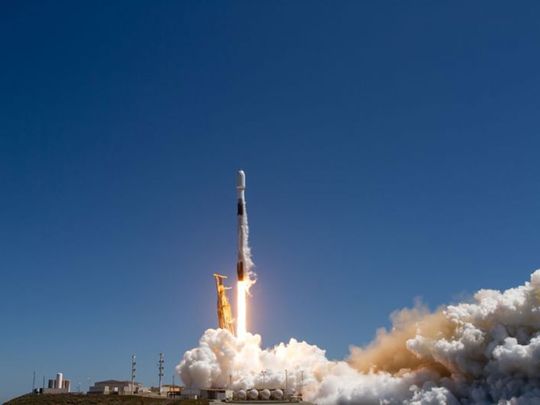
Bayanat AI PLC and Yahsat have successfully launched the UAE’s inaugural Synthetic Aperture Radar (SAR) satellite into orbit, marking a significant milestone in the nation’s space endeavors. The launch, which occurred on August 16, 2024, from Vandenberg Space Force Base in California, was conducted in partnership with ICEYE, a leader in SAR satellite technology. This satellite, part of a broader Earth Observation Space Program, aims to enhance the UAE’s capabilities in earth observation, offering high-resolution images regardless of weather or light conditions.

The satellite was launched aboard SpaceX’s Transporter 11 mission, with Exolaunch serving as the integrator. The successful deployment of the satellite is the first in a series of SAR satellites planned under Bayanat and Yahsat’s ambitious program. The SAR technology used allows for detailed monitoring of the Earth’s surface, crucial for various applications, including disaster management and maritime surveillance.

This project is a testament to the UAE’s commitment to advancing its space sector, with the satellite’s capabilities set to play a pivotal role in the region’s geospatial intelligence and analytics. The collaboration between Bayanat and Yahsat is expected to further develop as they continue to build out a SAR satellite constellation over the next three years, strengthening their position in the global space industry. This development also aligns with the UAE’s National Space Strategy 2030, aimed at positioning the nation as a leader in space exploration and technology.

The SAR satellite is designed to provide near real-time data for various applications, enhancing the UAE’s ability to respond to natural disasters and monitor environmental changes. The partnership with ICEYE, which brings advanced radar technology to the project, ensures that the satellite can deliver high-definition images over large geographical areas, offering significant value to both commercial and governmental users.

Hasan Al Hosani, Managing Director of Bayanat, emphasized the importance of this milestone for the UAE and the company’s future, noting that the SAR satellite constellation will be a cornerstone of their space capabilities. Ali Al Hashemi, Group CEO of Yahsat, highlighted the strategic significance of this launch in solidifying Yahsat’s position as a major player in the space industry, particularly as they expand into multi-orbit satellite operations.

The successful launch and ongoing development of the SAR satellite constellation underscore the UAE’s growing influence in the global space technology sector, paving the way for future advancements and contributions to space exploration and geospatial intelligence.

HONG KONG SAR – Media OutReach Newswire – 16 August 2024 – The Future Science Prize committee announces the winners of 2024 on August 16th. Prof. Hongkui Deng receives the Future Science Prize in life sciences for his pioneering work on using small molecules to change cell fate and state, in particular to reprogram somatic cells into pluripotent stem cells. Prof. Tao Zhang and Prof. Yadong Li […]

Amidst a slowdown in the electric vehicle (EV) market, automakers like VinFast are doubling down on after-sales services to instill confidence and win over hesitant consumers. HANOI, VIETNAM – Media OutReach Newswire – 15 August 2024 – The EV market is facing challenges, and sales are slowing. Multiple reports and analyses have attempted to offer an explanation for this, but one thing is clear: To win over […]

One of Hawaii’s Favorite Fast-Food Franchises Introduces a Beloved Sauce to Its Menu LOS ANGELES, US – Media OutReach Newswire – 9 August 2024 – Lee Kum Kee, a global producer of authentic Asian sauces and condiments, today announced an exciting new brand partnership with Uncle Sharkii Poke Bar, a popular quick-service restaurant chain offering fresh and flavorful Hawaiian-inspired poke bowls. Lee Kum Kee Teriyaki Glaze takes […]

VISHNU RAJA
RYO YAMADA
HITORI GOTOH
IKUYO KITA