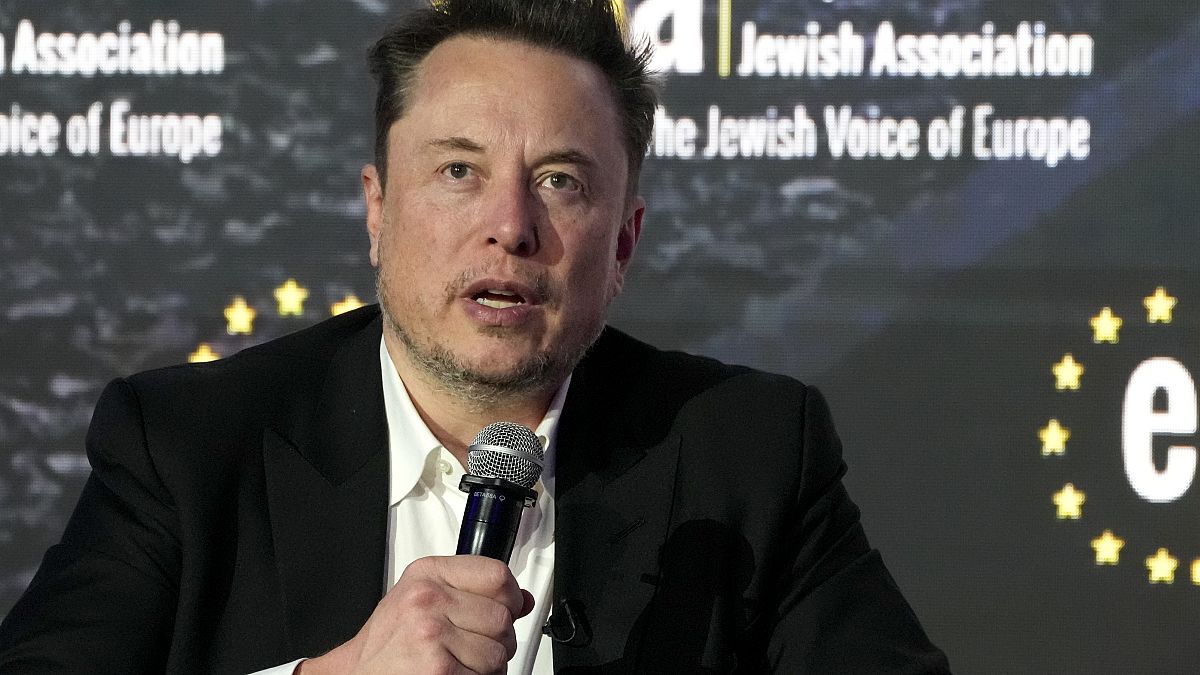
Elon Musk’s engagement with AI-generated deepfakes has intensified, with a new focus on Vice President Kamala Harris since she launched her presidential campaign in July. Musk’s recent posts on X (formerly Twitter) have featured increasingly elaborate and doctored content portraying Harris in a misleading light, a tactic that mirrors some of the controversial strategies used by former President Donald Trump.
The campaign against Harris began with a notable incident in July. Musk shared a doctored campaign video, enhanced with an AI-generated voiceover, in which Harris was depicted as calling herself “the ultimate diversity hire” and a “deep state puppet.” This video, presented as satire by Musk, sparked an immediate backlash from Democratic leaders, including California Governor Gavin Newsom. Newsom’s response included a proposal to ban AI-generated voice ads, highlighting the growing concern over misinformation and digital manipulation in political discourse.
Since then, the situation has escalated. Musk has continued to disseminate altered images, videos, and audio clips featuring Harris. These posts, which Musk describes as satirical, have been criticized for blurring the lines between satire and misinformation. The use of AI to create convincing but false content raises significant concerns about the potential impact on public perception and the integrity of political campaigns.
Musk’s strategy of leveraging deepfakes as a form of political commentary has been viewed as part of a broader trend of using technology to shape political narratives. Critics argue that these tactics contribute to the erosion of trust in media and political figures. By presenting manipulated content as satire or commentary, there is a risk that audiences might accept these distortions as truth, further polarizing public opinion and undermining democratic processes.
The implications of Musk’s deepfake campaign extend beyond individual political figures. This situation underscores the challenges of regulating and managing AI-generated content in the digital age. The ability of AI technologies to produce highly realistic and deceptive media poses significant risks to political stability and public trust. As deepfake technology becomes more sophisticated, it becomes increasingly difficult to distinguish between authentic and manipulated content, complicating efforts to maintain the integrity of political discourse.
Regulatory responses to the proliferation of deepfakes have been varied. In addition to Newsom’s proposal, there have been calls for stricter regulations on AI-generated content and greater transparency from social media platforms regarding the dissemination of such material. However, implementing effective measures has proven challenging due to the rapid pace of technological advancements and the global nature of digital media.
Musk’s use of deepfakes has also sparked debates about the ethical responsibilities of high-profile tech figures and their influence on public discourse. As a prominent figure in the tech industry, Musk’s actions are scrutinized not only for their immediate impact but also for their broader implications for how technology is used to influence political and social narratives.
Follow Arabian Post
Select Arabian Post as your preferred source on Google and MSN News for trusted business news and Arab politics and updates.