News related to
Live

13 international master chefs and mixologists brought culinary perfection to sold-out sessions at the Galaxy Macau Cabanas, vibrantly bringing the themes of Ocean, Sky and Land to life against a glittering al fresco backdrop of live music and DJ sounds. MACAU SAR – Media OutReach Newswire – 17 November 2025 – Signalling the third year in its standout gastronomic event series, Galaxy Macau Presents Tatler Off Menu […]

Michael Saylor, the prominent Bitcoin advocate and co-founder of MicroStrategy, has made another significant move in his aggressive Bitcoin acquisition strategy. His company, which has been steadily amassing the cryptocurrency for years, has purchased 8,178 Bitcoin, valued at approximately $835 million. This new purchase further strengthens MicroStrategy’s position as one of the largest corporate holders of Bitcoin globally, a move that aligns with Saylor’s vision of Bitcoin as a store of value and a hedge against inflation.

The acquisition comes amid a backdrop of fluctuating Bitcoin prices, with the cryptocurrency demonstrating resilience despite market volatility. Bitcoin, which had experienced a substantial dip earlier in the year, has since shown signs of recovery. The latest move by MicroStrategy reinforces the long-term bullish outlook that Saylor has consistently expressed. For Saylor, Bitcoin represents more than just a speculative investment; it’s a cornerstone of his financial strategy. The acquisition is part of a broader trend in which institutional investors are increasingly viewing Bitcoin not merely as a speculative asset but as a vital element in their portfolios.

MicroStrategy’s ongoing purchases have led to the company’s Bitcoin holdings reaching well over 100,000 Bitcoin, which is valued at billions of dollars at current prices. This vast accumulation is not just a financial decision for Saylor but also a public statement about his belief in the future of Bitcoin. The company’s strategy has come under scrutiny at times, with critics questioning the wisdom of holding such a significant portion of corporate assets in a volatile cryptocurrency. However, Saylor has remained steadfast in his commitment, arguing that the potential upside of Bitcoin outweighs any risks associated with short-term market fluctuations.

Saylor’s position as one of the most vocal supporters of Bitcoin is well-established, and his company’s strategy of acquiring Bitcoin has become a benchmark for other institutional investors looking to follow suit. MicroStrategy’s aggressive buying strategy began in 2020, and since then, Saylor has made headlines for his unabashed enthusiasm towards the digital currency. For him, Bitcoin offers a unique opportunity to protect wealth from inflationary pressures that are exacerbated by traditional fiat currency policies.

Bitcoin’s journey over the past few years has been marked by significant institutional interest, with companies like Tesla and Square also making notable investments in the cryptocurrency. These moves have highlighted Bitcoin’s potential not just as a speculative asset but as an alternative form of money, challenging traditional financial paradigms. However, the path has not been without its challenges. Bitcoin has faced scrutiny from governments and regulators, particularly in terms of its environmental impact due to the energy-intensive mining process. This has sparked debates about the sustainability of the cryptocurrency in the long run.

Despite these concerns, Bitcoin’s role as a store of value continues to gain traction, especially among corporate players who see the cryptocurrency as a hedge against the potential devaluation of fiat currencies. The continued accumulation by MicroStrategy, with Saylor at the helm, underscores a broader trend of institutional adoption. MicroStrategy’s large Bitcoin holdings have made it a major player in the crypto space, and its moves are closely watched by analysts and investors alike.

Saylor’s strategy of leveraging Bitcoin as a treasury reserve asset has prompted discussions about the broader implications for corporate balance sheets. His bet on Bitcoin is a departure from conventional corporate finance practices, where cash and other liquid assets are typically held as reserves. Instead, Saylor has opted for a strategy that involves converting the company’s cash reserves into Bitcoin, believing that the cryptocurrency will outperform traditional assets over time.

Dubai’s ambitious urban landscape is set to evolve with the debut of Palm Jebel Ali, a new palm-shaped island poised to transform the city’s skyline and luxury real estate market. Located just off the coast of Dubai, Palm Jebel Ali is part of the broader expansion of the city’s coastline, reinforcing its reputation as a global hub for innovation in both architecture and tourism. The first beachfront […]

Kubernetes maintainers have confirmed that Ingress NGINX, a cornerstone of many cloud-native infrastructures, will be retired by March 2026. This decision marks a significant change for developers and organisations relying on the popular ingress controller for managing internal and external traffic in Kubernetes clusters. Ingress controllers are essential components in cloud-native environments, facilitating the routing of traffic between external users and Kubernetes-based applications. Ingress NGINX, specifically, has […]

An in‑depth probe by the International Consortium of Investigative Journalists has unveiled a sprawling network of criminal finance powered by cryptocurrencies, highlighting how digital asset platforms, cash‑to‑crypto storefronts and unregulated exchange desks have become central to laundering money for human‑trafficking rings, drug cartels and Russian organised crime groups. The investigation, under the title “The Coin Laundry”, involved more than 100 journalists across 38 news outlets and casts a harsh light on how the crypto‑space has evolved into a parallel shadow financial system.

The core finding of the ICIJ project is that thousands of transactions—ranging from hundreds of millions of dollars—have flowed through crypto platforms that either lacked robust anti‑money‑laundering safeguards or deliberately facilitated anonymity. Some of the biggest cryptocurrency exchanges are shown to have moved hundreds of millions in funds tied to illicit actors even after criminal pleas and enforcement actions. The scale and the reach of the systems uncovered suggest that the digital‑asset industry has matured from niche speculation into a global conduit for organised illicit flows.

The architecture of this criminal system reveals several layers. First, cash‑to‑crypto storefronts operating in places like Dubai, Toronto and other jurisdictions emerge as physical bridges where cash is converted into crypto away from traditional banking rails. These outlets, according to the investigation, serve entities that “have lots of cash they want to offload without using a bank”. Secondly, certain crypto exchanges and wallets have been used to take funds from traffickers, drug networks or Russian criminal gangs, convert them into digital assets, transfer those across borders, then convert back into fiat currencies—often in jurisdictions with weak enforcement. Thirdly, mixers, anonymised cryptocurrencies and opaque wallet‑chains have enabled the origin and destination of funds to be obscured, making law‑enforcement tracking significantly harder.

Criminal networks profiting from these systems include people‑trafficking racks, where victims are moved across borders and payment flows routed via crypto; drug cartels that convert illicit cash into digital tokens to hide funds and move value swiftly; and Russian organised crime groups that make use of sanctions‑evading platforms to transfer funds internationally. The investigation points out how several Russian‑linked exchanges came under scrutiny after moving billions in assets on behalf of sanctioned individuals.

For regulators and law‑enforcement agencies, the ICIJ findings pose a serious challenge. Cryptocurrency was once hailed for its transparency because of blockchain traceability, yet the system has matured into one where anonymisation tools, cross‑jurisdictional flows and cash‑on‑ramps erode that promise. One analysis notes how the boundaryless nature of crypto and cash conversions has “erased national borders” in laundering schemes. The combination of weak regulatory oversight, technological complexity and global jurisdictional gaps means that the crypto sector now offers potentials previously reserved for traditional offshore banking and shell‑company networks.

From a regulatory‑policy perspective the report surfaces key faultlines. Many exchanges either operate in regulatory grey zones or rely on lax “know your customer” checks, enabling high‑risk actors to open accounts and move funds. The ICIJ investigation underscores how crypto to cash workflows are particularly acute in jurisdictions where enforcement is weak or cash‑based storefronts operate with minimal oversight. In India for example, investigators found that 144 cases over three years involved crypto routes used to funnel stolen or illicit cyber‑crime proceeds into global syndicates. That observation underscores how burgeoning crypto markets in emerging economies may be especially vulnerable to exploitation.

Industries beyond crypto feel the fallout. Traditional banking institutions face reputational risk when their clients or connected transactions use crypto intermediaries. Law‑enforcement agencies face mounting costs tracing and investigating these flows when the end‑destination is hidden behind layers of wallets or front businesses. Victims of people‑trafficking or drug networks often find no effective path to recovery, as the digital funds vanish into complex webs. One ICIJ commentary notes that while crypto platforms have profited from these illicit flows, those harmed are “left with little hope of justice”.

The ecosystem enabling this laundering structure demonstrates a careful interplay of legitimate and illegitimate actors. On one side are mainstream crypto exchanges, sometimes guilty of compliance failures or negligent oversight; on the other are fringe services—mixers that convert one token to another to obfuscate origins, anonymous coins such as Monero, and cash‑to‑crypto kiosks possibly operating in jurisdictions with lax enforcement. In the French legal reform context, a law recognising funds passing through anonymisation tools as part of money‑laundering was introduced, acknowledging how tools once fringe are now central to criminal flows.

From the enforcement standpoint the challenge is two‑fold: tracing funds and prosecuting high‑level actors. Blockchain analytics can trace token flows, but when the end‑recipient wallet is converted into cash via shadow exchanges or laundromats, it becomes a near‑impossible task. This is compounded when jurisdictions refuse to cooperate or when the conversion happens in physical storefronts beyond bank controls. One academic note highlights that conventional AML practices struggle to detect “subgraph” laundering patterns that exploit layered wallet behaviour and network effects.

The global regulatory environment currently appears mismatched to the scale of the problem. While policy makers have begun to act—such as the French law targeting anonymisation tools—many jurisdictions lack the statutory frameworks or enforcement resources to address crypto‑laundering at scale. Regulatory gaps are further compounded when major jurisdictions focus only on tokens traded on exchanges rather than on emerging narratives involving cash‑to‑crypto desks, unregulated decentralized platforms or off‑ramp services. One commentator described the flow from cash into crypto as “after tax‑havens, dirty money finds a new home: cryptocurrency”.

From a financial‑crime perspective, the finding that major exchanges still processed illicit funds even after criminal prosecutions signifies systemic weakness. This suggests that bad‑actor networks can rely on deep pockets, jurisdiction shifting and complex intermediaries to keep funds moving. The ICIJ investigation lists two of the world’s largest exchanges moving hundreds of millions in illicit funds after pleading guilty to crimes related to money laundering. These revelations raise questions about whether enough internal controls exist in the high‑volume crypto market and whether enforcement action has produced meaningful change.

The implications for victims of organised crime and for global governance are stark. For people trafficking survivors the money flows support networks that exploit human lives yet vanish into anonymous wallets across jurisdictions, making asset recovery and restitution extremely difficult. For drug‑trafficking networks, the agility and cross‑border speed of crypto conversion process provide large scale advantage. For states dealing with sanctions enforcement, the ability of crypto platforms to host cross‑border flows undermines the effectiveness of sanctions regimes.

While the ICIJ investigation sets out a clearer map of how these systems function, it also signals that the public and private sectors face an urgent need for stronger deterrence. Some proposals include mandatory global standards for exchange KYC/AML, registration of cash‑to‑crypto on‑ramp services, enhanced international cooperation for wallet tracing, seizure frameworks for anonymised funds and real‑time monitoring of conversion windows. A related academic analysis recommends adopting subgraph‑based network detection systems to identify laundering patterns earlier.

Industry players replying to the revelations argue that the bulk of legitimate crypto transactions are untainted and that enhancements to compliance are underway. Exchanges emphasise that transparency is improving with on‑chain traceability and that many illicit flows represent a small fraction of total volume. Some operators point out that regulators themselves are still developing the controls needed for a digital‑asset environment and that over‑regulation risks stifling innovation.

In parallel, a cultural shift is emerging where law‑enforcement bodies increasingly view crypto not just as a speculative market but as a core part of the financial‑crime ecosystem. Tasks once reserved for tracking offshore shell companies or cash couriers now must include tracing smart‑contracts, wallet clusters and token flows across borders. That evolution places a premium on technological capacity, inter‑agency cooperation and jurisdiction‑bridging legal tools.


Arada Developments, a prominent real estate firm co-owned by the son of Saudi Arabian Prince Alwaleed bin Talal and a member of Sharjah’s royal family, has secured a significant stake in a major London property project. The company has acquired 80% of a prestigious waterfront development, marking a key expansion into the UK market.

The project, located in the heart of London’s dynamic property sector, aims to deliver around 5,000 new homes, alongside a mix of retail and leisure spaces. This ambitious development is expected to transform a prime section of the city’s waterfront, contributing to the capital’s long-term housing and regeneration goals.

The deal highlights growing interest from Gulf-based investors in the UK property market, which has become an increasingly attractive destination for global capital. Despite the challenges of the broader economic environment, demand for prime real estate in London remains resilient, with institutional investors and developers keen to capitalise on its stable returns and strategic location.

Arada’s involvement in this project underscores its strategy of expanding beyond the Middle East, a move that reflects the company’s broader ambitions to diversify its portfolio and build a global presence. The firm, which has a significant footprint in the UAE, is no stranger to large-scale developments. It has a history of high-profile projects across the region, particularly in Dubai and Sharjah, where it has focused on residential and mixed-use developments.

The acquisition also speaks to the growing ties between Gulf investors and the UK property market. Over the years, London has attracted significant Gulf investment, particularly from sovereign wealth funds, family offices, and high-net-worth individuals seeking to diversify their holdings. This trend has only intensified in the wake of global uncertainties, with many investors seeking to hedge against risks in their home markets.

London’s residential property sector has seen substantial growth over the past decade, driven by both domestic and international demand. However, the sector has not been without its challenges. Economic factors such as Brexit and the COVID-19 pandemic have created uncertainty, but the long-term prospects for the capital’s real estate market remain strong. For Arada, the acquisition provides an opportunity to tap into this lucrative market while simultaneously benefiting from the UK’s stable legal framework and favourable regulatory environment.

The London waterfront site is expected to undergo extensive redevelopment, with construction set to commence shortly. The project will focus on creating a sustainable and vibrant community, featuring a mix of affordable and market-rate housing, along with green spaces and amenities that cater to modern urban living. The development is poised to be a key player in London’s ongoing efforts to address its housing shortage and meet the growing demand for residential properties in the city.

The impact of this project on the local economy is also expected to be significant. The development will generate thousands of jobs during the construction phase, contributing to the UK’s broader economic recovery. Furthermore, the influx of new residents and businesses to the area is likely to drive further regeneration and investment, benefiting the surrounding neighbourhoods.

HONG KONG SAR – Media OutReach Newswire – 17 November 2025 – iRad Hospital, the pioneering resort medical facility located at Studio City, today announced the signing of a cooperation agreement with Hong Kong Sanatorium & Hospital. This partnership launches comprehensive cross-border medical concierge services, reinforcing the Macau government’s “1+4” moderate economic diversification framework and supporting Macau’s emergence as a medical tourism destination. This strategic alliance enables […]

Advertisements

Fueling Enterprises Cross‑Border Expansion SINGAPORE – Media OutReach Newswire – 17 November 2025 – XTransfer, World’s Leading B2B Cross-Border Trade Payment Platform and Siam Commercial Bank (SCB), Thailand’s first indigenous bank, announced the signing of a memorandum of understanding (MoU) at Singapore FinTech Festival 2025. The collaboration will focus on delivering efficient, secure, and cost-effective foreign exchange (FX) services in Thailand for enterprises engaging in international trade. […]

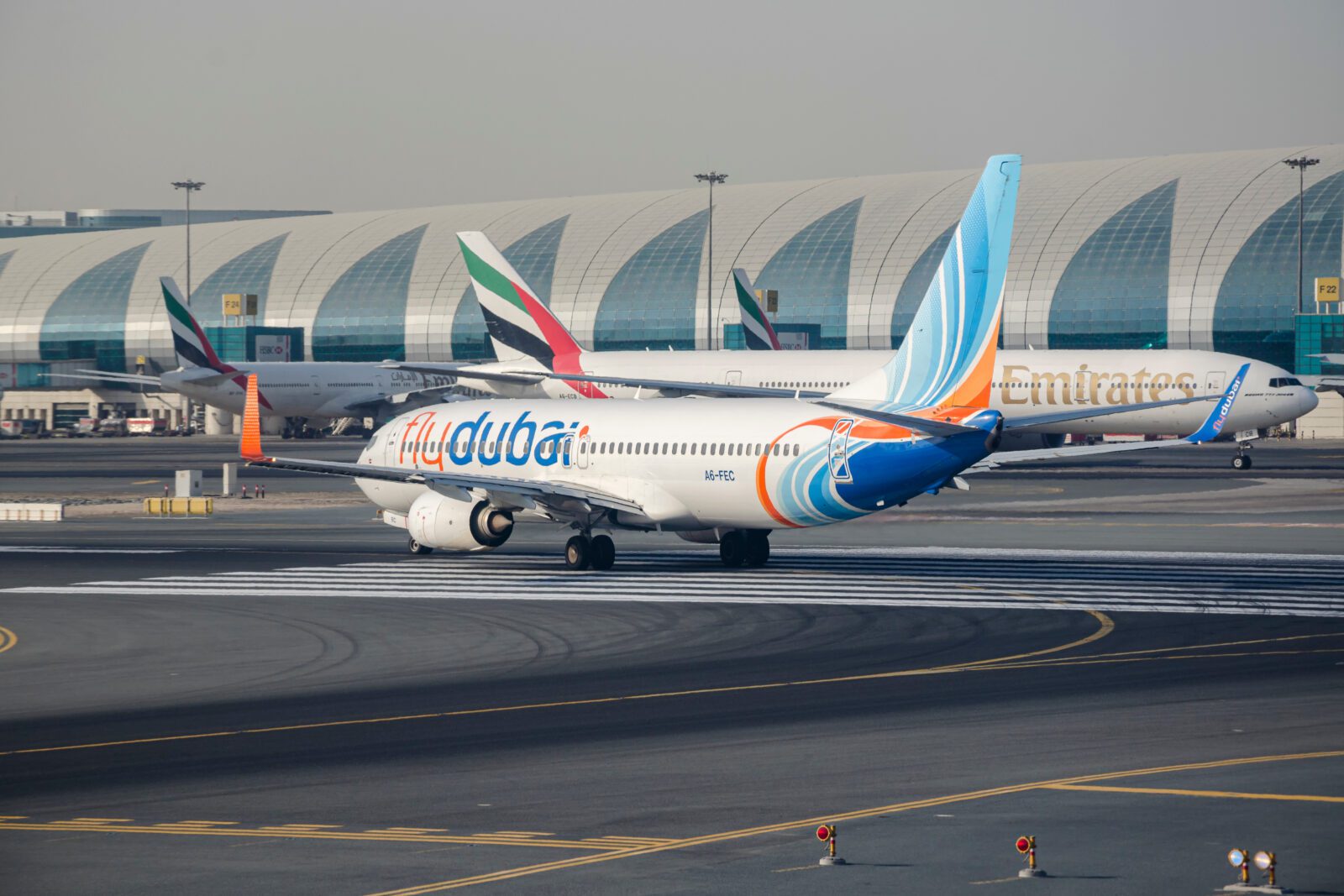
Airbus is on the brink of securing a landmark deal with flydubai for the delivery of approximately 100 A321neo jets, marking a significant shift in the competitive dynamics of the Middle East’s rapidly expanding budget airline sector. The deal, expected to be finalised at the Dubai Airshow, would see Airbus surpass its US rival Boeing, which has traditionally been the dominant supplier to flydubai.

The discussions, which have been ongoing for several months, signal a potential turning point in the airline’s long-standing relationship with Boeing. Flydubai, a key player in the region’s low-cost carrier market, has been an exclusive Boeing customer for a significant portion of its fleet, operating predominantly 737 models. However, with demand for air travel surging across the Middle East and beyond, flydubai has been seeking to expand and modernise its fleet, considering a shift towards a more diversified aircraft portfolio.

Industry experts suggest that the A321neo, a more fuel-efficient version of Airbus’s popular A320, offers several advantages in terms of cost efficiency and operational flexibility. With its ability to serve both short-haul and medium-haul routes, the A321neo is well-suited to flydubai’s route network, which spans key destinations across Europe, Asia, and Africa. The aircraft’s larger seating capacity, improved fuel economy, and quieter engines also make it an attractive option for budget airlines looking to maximise profitability while meeting increasing passenger demand.

This potential order would represent a significant victory for Airbus, especially considering Boeing’s dominant presence at flydubai for over a decade. Flydubai has been a staunch supporter of Boeing’s 737, having placed orders for more than 200 of the aircraft in the past. The shift to Airbus jets, if confirmed, would be a blow to Boeing, which has faced various challenges in recent years, including the fallout from the grounding of the 737 MAX in 2019 following two fatal crashes. Despite regaining its footing with the 737 MAX’s return to service, the aircraft manufacturer has struggled to secure major deals in the region, especially with emerging budget carriers such as flydubai.

The deal, which would be one of the largest in Airbus’s history for a single customer in the region, is expected to strengthen the European planemaker’s foothold in the Middle East, a region that has traditionally been a battleground between Boeing and Airbus for dominance. The A321neo’s suitability for the region’s expanding budget carrier market, alongside its competitive pricing and operational efficiencies, has positioned it as a key player in the ongoing competition between the two aerospace giants.

Flydubai, for its part, has been exploring a range of options to modernise its fleet. While the A321neo deal with Airbus is likely to be the primary focus, the airline is also in advanced talks to secure a smaller order of Boeing 737 MAX jets, sources suggest. This mixed approach, opting for both Airbus and Boeing aircraft, would provide flydubai with increased operational flexibility and allow it to diversify its fleet to meet different market demands.

Flydubai’s decision to expand its fleet is driven by the rapid recovery of air travel in the Middle East following the pandemic. As the region’s tourism and business sectors continue to rebound, low-cost carriers such as flydubai are seeing increasing passenger numbers, making fleet expansion an urgent priority. The A321neo’s capabilities in terms of range and capacity are expected to help the airline capitalise on the growing demand for both domestic and international flights.

Greenlogue/AP The 30th Conference of the Parties to the UN Framework Convention on Climate Change is shaping up to be a critical turning point in the global fight against climate change. As the international community gathers in Brazil for this year’s talks, experts agree that the conference represents an unparalleled opportunity to turn the growing momentum for climate action into substantive, real-world policies that can lead to […]

Abu Dhabi has taken a significant leap in transport innovation with the launch of a new category for modular smart vehicles. This category, developed by the Integrated Transport Centre, an affiliate of the Department of Municipalities and Transport, marks a global first. These vehicles are capable of reconfiguration, allowing their individual modules to connect or separate based on specific operational requirements. This development was revealed during the […]

Between 1991 and 2023, catastrophic events have left an indelible mark on global agriculture, causing losses exceeding $3.26 trillion, a report from the Food and Agriculture Organization reveals. These disasters have not only disrupted food systems but also devastated the livelihoods of farmers and communities dependent on agricultural output. The FAO’s findings highlight that over the past three decades, agriculture has borne the brunt of a changing […]

Airbus has forecasted a significant expansion in the Middle East’s aviation sector, predicting the need for 4,080 new passenger aircraft deliveries over the next two decades. This growth is expected to bring the region’s in-service fleet from 1,480 aircraft in 2024 to 3,700 by 2044, reflecting the region’s expanding demand for air travel. The Middle East has long been a key player in global aviation, and this […]

EDGE, the UAE’s leading advanced technology group, has revealed an impressive array of 42 new products and innovations at the Dubai Airshow, underscoring its growing influence in the global defence and aerospace sectors. This year’s unveiling focuses on a diverse portfolio of next-generation solutions across several key domains, including autonomous systems, propulsion technology, radar systems, and secure communication networks. These advancements are a testament to EDGE’s commitment to developing state-of-the-art capabilities aimed at transforming military and aerospace operations worldwide.

The 42 new products introduced by EDGE span a wide spectrum of technological domains, with notable attention given to autonomous and semi-autonomous systems. These technologies are designed to enhance operational efficiency and effectiveness in both military and commercial applications. The development of such systems is seen as a pivotal step in the UAE’s strategy to strengthen its defence capabilities while positioning EDGE as a key player in the autonomous warfare landscape.

One of the key highlights at the Dubai Airshow was the showcase of EDGE’s smart weapons portfolio. The company unveiled cutting-edge precision strike systems that promise to deliver more accurate, cost-effective, and lethal strikes, crucial for modern military operations. These weapons are equipped with the latest guidance and targeting technologies, enabling them to operate autonomously or with minimal human intervention.

Further expanding EDGE’s footprint in the defence sector, the company presented new propulsion systems designed to provide enhanced performance for various unmanned aerial vehicles and aircraft. These systems focus on improving fuel efficiency, reliability, and operational range, ensuring that EDGE’s unmanned platforms can operate in more challenging and complex environments, from the battlefield to the frontiers of space exploration.

In addition to autonomous systems and propulsion technologies, EDGE made significant strides in the field of radar and communications. The company revealed advanced radar systems capable of detecting and tracking airborne threats with unparalleled accuracy. These systems are designed to provide real-time situational awareness, offering a strategic advantage for defence forces in identifying and neutralising potential threats.

In the realm of secure communications, EDGE introduced a new suite of encrypted communication systems, ensuring that military and government agencies can maintain secure, uninterrupted communications in any environment. The focus on security aligns with global efforts to protect sensitive information and ensure operational success, particularly in conflict zones where cybersecurity threats are prevalent.

Another exciting development showcased at the Dubai Airshow was EDGE’s advancements in space capabilities. The company highlighted new satellite technologies that promise to revolutionise both communications and reconnaissance capabilities for military and civilian use. These satellites are designed to provide high-resolution imagery, real-time data transmission, and global coverage, marking a significant leap forward in the UAE’s ambitions to expand its presence in space exploration.

EDGE’s new line-up reflects the UAE’s growing position as a global leader in cutting-edge technology, as well as its desire to create an indigenous defence and aerospace industry that can compete on the world stage. This drive is exemplified by the company’s commitment to advancing defence capabilities while ensuring the UAE’s military forces remain at the forefront of technological innovation.

Elon Musk has shared his bold vision for the future of Tesla’s humanoid robot, Optimus, claiming it has the potential to revolutionise the global economy by eradicating poverty and providing universal high incomes. Speaking at a recent event, Musk presented an ambitious outlook for the robot, which is being developed by Tesla to perform a variety of tasks, ranging from mundane chores to complex industrial processes. Optimus, […]

JAKARTA, INDONESIA – Media OutReach Newswire – 16 November 2025 – VinFast has signed a series of Memoranda of Understanding (MOUs) with Indonesia’s leading financial institutions to strengthen cooperation in promoting the country’s green mobility transition. The signings mark a significant milestone in VinFast’s market expansion strategy in Indonesia and reaffirm the Company’s strong commitment to enabling Southeast Asian consumers to switch to electric vehicles with ease […]

The rapid rise in demand for Pop Mart’s Labubu collectibles has raised concerns about the sustainability of their market value, with some analysts drawing comparisons to the infamous Beanie Baby craze that imploded in the 1990s. Labubu, one of the leading characters in Pop Mart’s line of designer toys, has become a highly sought-after collector’s item, but there are growing fears that the market for these toys […]

IBM has committed to enhancing AI-powered search and retrieval capabilities by becoming a premier member of the OpenSearch Software Foundation. The tech giant’s involvement marks a significant step forward in its mission to improve open-source search technology and enrich data-driven decision-making for businesses across industries. This collaboration aligns with IBM’s broader strategy to integrate artificial intelligence more deeply into enterprise systems. OpenSearch, an open-source search and analytics […]

Tech companies are poised to take on massive debt as they accelerate investments in artificial intelligence, a trend that is raising concerns among lenders and investors alike. As the race to develop AI capabilities intensifies, firms are preparing to borrow vast sums, potentially stretching into the hundreds of billions of dollars. The scale of this borrowing is prompting traders to seek ways to safeguard themselves from the […]

Saudi Arabia’s Ministry of Communications and Information Technology’s Center of Digital Entrepreneurship has successfully concluded the Multiverse Summit 2025, which was held in Silicon Valley, United States. This landmark event highlighted the Kingdom’s ongoing commitment to advancing digital innovation and fostering a global digital ecosystem. The summit, which brought together industry leaders, innovators, and government officials, served as a platform to explore the convergence of cutting-edge technologies, […]

Matein Khalid Amazon (AMZN) shares were a doggy of the Mag-7 for most of 2025, falling as low as 161 in late April during the post Liberation Day temper tantrum by Mr. Market and trading in a narrow 200-225 range since late summer on concerns that AWS was losing ground to Microsoft’s Azure and Google Cloud in the cloud computing league tables. Even now, at 244 it […]

Vaibhav Suryavanshi, the rising star of Indian cricket, etched his name in the record books with a blistering 144 runs off just 42 balls in a T20 match against the UAE in Doha. This stunning performance not only cemented his place as one of the most exciting young talents in the game but also shattered existing records for the fastest and highest score in T20 cricket.

Suryavanshi, who has been making waves in domestic and international circuits, showed remarkable power-hitting prowess from the first ball. His innings was a display of controlled aggression, as he smashed 14 sixes and 10 fours, leaving the UAE bowlers helpless. The 144 runs came at an astonishing strike rate, and he achieved this feat in just 42 balls, surpassing the previous T20 record for the fastest century.

The young cricketer’s knock began with a rapid-fire start, and his confidence grew with each boundary. His ability to rotate strike while also finding the boundary at will left the crowd in awe. The UAE’s bowling attack, which had been formidable in previous matches, had no answers to his aggressive batting. Despite the best efforts of UAE’s bowlers, Suryavanshi dominated every over, quickly putting pressure on the opposition.

This performance comes as a significant milestone in Suryavanshi’s already impressive career, which includes several standout performances in domestic leagues and international competitions. His rise to fame has been meteoric, with scouts and former players alike taking note of his immense potential. His record-breaking knock in Doha has not only garnered attention but also raised expectations for his future in the international cricket scene.

The 18-year-old’s batting style is often compared to some of the game’s biggest hitters, but it is his temperament under pressure that sets him apart. In addition to his aggressive strokes, Suryavanshi has shown maturity in constructing innings, often shifting gears depending on the situation. His ability to accelerate at crucial moments makes him a player to watch in the coming years.

Cricket experts have already begun to discuss his potential role in the Indian national team, with some even speculating about his inclusion in upcoming international fixtures. With the Indian cricket team always on the lookout for dynamic and explosive players, Suryavanshi’s breakthrough performance in Doha only adds to the conversation about his possible call-up.

Actively Promote the “Bringing in and Going Global” Strategy to Empower I&T Companies to Expand into the GBA and Overseas Markets HKSTP leads 13 park companies to CHTF 2025, “China’s No. 1 Technology Exhibition”, presenting breakthroughs across AI, robotics, new energy, semiconductors, smart manufacturing, biotech, fintech, and more The Hong Kong Pavilion features end-to-end innovation from R&D to application, with live demos and business matching for global […]

Etihad Airways has marked a historic achievement in its financial performance, posting the highest profit after tax in its history for the first nine months of 2025. The airline reported a 26 per cent increase in profit, amounting to AED 1.7 billion, solidifying its position as a leader in the aviation industry. This growth reflects not only a significant rise in profitability but also a continued upward trajectory in key operational areas.

The substantial improvement in profit is indicative of the airline’s successful efforts in managing costs and boosting operational efficiency. Etihad Airways has consistently focused on refining its processes to deliver better service, and these strategies have evidently paid off. The airline’s profit margin rose to 8 per cent, up from 7 per cent for the same period last year, further highlighting the impact of its streamlined operations.

Growth across multiple business segments has been a cornerstone of the airline’s performance. Passenger services saw a notable increase in demand, with higher load factors on flights. The airline has also made strides in its cargo division, benefiting from rising global trade volumes. This diversified growth has provided Etihad Airways with a stable foundation, as it continues to weather any challenges posed by the dynamic nature of the global aviation market.

Customer satisfaction has also been a major contributor to Etihad’s success. The airline’s emphasis on delivering premium services and its commitment to ensuring a seamless travel experience have resonated well with passengers. As a result, Etihad has seen increasing loyalty from its customer base, driving repeat business and enhancing its reputation in a competitive market.

The airline’s commitment to sustainability remains central to its business strategy. By focusing on improving its environmental footprint, Etihad Airways has actively worked towards integrating sustainable practices across its operations. From fuel-efficient aircraft to innovative waste-reduction initiatives, the company has positioned itself as a forward-thinking airline that not only aims for financial success but also strives for responsible growth.

Technological advancements have played a pivotal role in driving Etihad’s operational efficiency. The airline has integrated cutting-edge digital tools to enhance customer service and streamline its backend processes. By implementing smarter ticketing systems, improving flight scheduling, and increasing the digital accessibility of its services, Etihad has been able to stay ahead of customer expectations while also improving internal productivity.

Despite the challenges that the global airline industry has faced, including fluctuating fuel prices and ongoing geopolitical uncertainties, Etihad Airways has managed to sustain its growth trajectory. This continued success can be attributed to the airline’s adaptable business model, which has allowed it to remain flexible in the face of economic and external pressures.

VISHNU RAJA
RYO YAMADA
HITORI GOTOH
IKUYO KITA