Just in:
Google identifies autonomous AI systems conducting vulnerability attacks // Mangroves Documentary Premieres, Exploring How Cities and Wetlands Coexist // Bora Group 3Q26: Revenue and Net Income Expansion Continues U.S. Manufacturing and Biologics Footprint Complete; Margin Expansion to Follow as Utilization Improves // Ratio cut mooted to end teachers stir // UK privacy regulator flags GTA 6 phishing threats // Fraudsters register brand lookalikes within a day // Over 360 electricity distribution professionals meet in Seoul for CIRED’s first major event in the Asia-Pacific region // JPMorgan restores transactions after banking payments disruption // Trilateral Summit On Nov 19 Will Be A Dialogue Between Trump And Xi With Putin Observing // Mangroves Documentary Premieres, Exploring How Cities and Wetlands Coexist // Regulator demands answers on controversial power deal // Row over Sabarimala toilet disruption // Microsoft restores cloud services after gateway software failure // Ramayana triggers high tourist traffic to Jatayu rock centre // Broermann Medical Innovation Award 2026: Three Pioneers of Modern Obesity and Diabetes Therapies Honored // First Abu Dhabi Bank proposes AED15 billion share sale // Kodiyeri in-law attacks Vijayan, Govindan over leadership style // Galaxy Resort Presents: “Plácido Domingo & José Carreras: The Legends United Opera Gala” // Kochi police arrest man over pitbull attack on wife after quarrel // Ayara Kamala Reveals a Refreshed Vision for Wellness in Phuket //

News related to
Live

Apple’s Wallet app is set to embrace a new era of digital identity with the introduction of a “Digital Passport” capability that will allow holders of United States passports to store their credential securely on an iPhone or Apple Watch. The innovation is expected to ship with iOS 26 and brings transformative implications for travel and identity verification, although its roll-out and functionality remain subject to constraints. […]

South Korean industry and government have secured a major hardware boost as Nvidia will deliver more than 260,000 of its flagship “Blackwell” AI chips to the Republic of Korea in a partnership spanning the public sector and major corporations. The deal, announced during the Asia‑Pacific Economic Cooperation Summit in Gyeongju on 31 October, positions South Korea as a rising artificial-intelligence hub and reflects Nvidia’s pivot amid shifting global semiconductor geopolitics.

The agreement covers deployments across multiple sectors: the government will obtain roughly 50,000 of Nvidia’s GPUs for its National AI Computing Centre; top chip-maker Samsung Electronics and conglomerate SK Group are each set to install about 50,000 units; automaker Hyundai Motor Group another 50,000; and internet-giant Naver Corporation around 60,000.

Nvidia’s chief executive, Jensen Huang, described the arrangement as an opportunity to “produce intelligence as a new export” for South Korea—drawing on its track record in electronics, ships and cars. He met President Lee Jae Myung and leading industrial executives during APEC’s leader-week, underpinning the deal’s strategic importance.

For South Korea the timing is critical. The country’s ambition to become one of the world’s top three AI powerhouses is tied to this surge in computing capacity. Officials estimate that the new GPU stock will raise South Korea’s installed AI-chip inventory from roughly 65,000 to over 300,000 units—more than a four-fold increase.

The motive spans multiple strands. Domestically, the government has signalled its intent through a budget push to triple AI-related spending to 10.1 trillion won in the 2026 fiscal year, with AI infrastructure now a key focus alongside semiconductors, autos and ship-building. Meanwhile, on the global stage, the transaction reflects Nvidia’s response to US export restrictions targeting China: by deepening partnerships with allied economies, Nvidia hedges market access and secures demand beyond geopolitical risk zones.

Industry commentators note the strategic value for South Korea’s private sector. Samsung’s aim to build an AI-factory on the back of these chips and Hyundai’s plan to apply them in autonomous driving and smart factories indicate a broad industrial integration of AI hardware. SK Group’s creation of an industrial-AI cloud, together with Naver’s scaling of its model-training infrastructure, further illustrate the ecosystem approach.

However, risks remain. The logistics of deploying such volumes of high-performance chips across multiple sectors present challenges in cooling, power supply and skilled workforce capabilities. Moreover, the influx of foreign hardware raises questions about long-term sovereignty of critical AI infrastructure—South Korea may become reliant on external chip providers even as it strives to build home-grown strength. Some analysts caution that building capacity alone does not always translate into global leadership in AI.

Another layer of uncertainty stems from the export environment. US policy is tightening its grip on shipments of Nvidia’s most advanced chips to China and other countries. While the South Korean deal has been approved, shifts in global regulation or export licences could affect timelines or chip-variants supplied.

For the key players in South Korea the stakes are substantial. Samsung and SK are leveraging this infusion to advance semiconductor development and edge-computing systems. Hyundai is tackling next-generation vehicle autonomy. Naver and Kakao increasingly rely on large-scale model training—now anchored to the new hardware. At a national level, the government aims to unlock innovation, jobs and exports through “sovereign AI” infrastructure under domestic control.

In global context, South Korea’s move places it firmly within the push by middle powers to stake out a significant role in the AI value chain, not merely as chip supplier but as a platform developer and services export economy. For Nvidia it reinforces its global reach and market dominance at a time when alternatives seek to challenge its position. The magnitude of the chip deployment and its industrial-strategic alignment make this one of the most consequential AI-hardware partnerships of the year.


The XRP Ledger delivered a marked performance in the third quarter of 2025, with significant growth across transaction volume, wallet activity and real-world asset tokenisation. A latest report from Messari shows average daily transactions rose from 1.6 million to 1.8 million — an 8.9 per cent uptick. Meanwhile, the number of active sender addresses grew 15.4 per cent, climbing from 21,900 to 25,300, and new wallet addresses surged 46.3 per cent to 447,200. Overall address count reached 6.9 million, up 6.1 per cent.

Growing interest from institutional players is manifest in XRPL’s RWA market capitalisation, which moved from around $115.5 million to $364.2 million, representing a 215 per cent increase during the quarter. Such tokenisation efforts featured funds of tokenised U. S. Treasuries, tokenised short-term debt instruments and real-estate assets being issued via XRPL.

NFT-related activity on XRPL also accelerated. Average daily NFT transactions increased 51.1 per cent — from 50,400 to 76,100 — while NFT minting alone rose 70.8 per cent, climbing from 37,800 to 64,600. The report noted that for the fifth quarter running, the number of active receiver addresses exceeded active sender addresses — a pattern often associated with airdrop and distribution events, as many wallets receive assets from a smaller cohort of senders.

Analysts say this trajectory suggests XRPL is maturing into an ecosystem that is bridging traditional finance and tokenisation, beyond its earlier reputation as primarily a payments-focused ledger. The built-in decentralised exchange, token-issuance features and escrow mechanisms support a broad set of use-cases.

However, the evolving narrative carries risks. One reservation is the heightened concentration of receiver addresses which may indicate that a disproportionate volume of activity stems from token-drops rather than organic usage. The sharp rise in new addresses and sender addresses does not necessarily translate into consistent value transfers unless sustained engagement follows. The decline of average daily receiver addresses by 30.1 per cent in the quarter further underscores the skew towards distribution-type events.

From a market perspective, the native token XRP closed the quarter at $2.85 — up 27.2 per cent — with a circulating market capitalisation of $170.3 billion, outperforming combined gains of the top competitors. That said, macro-factors remain relevant: broader risk sentiment turned negative in October as central-bank rate policy tightened, and XRP slipped to around $2.50 amid heavier selling pressure.

Institutional engagement is underlined by reported allocations of digital-asset treasury exposure: companies such as Trident Digital Tech Holdings, Webus International and others are said to hold sizeable XRP-based exposures in their portfolios. Meanwhile, seven spot XRP ETF applications to the U. S. Securities and Exchange Commission are pending, with expectations mounting around possible approvals and increased institutional inflows.

While enthusiasm builds, critics caution that XRPL’s broader utility remains under scrutiny. Analysts such as Scott Melker have questioned whether XRP’s role in payments can compete against entrenched networks such as SWIFT and other cross-border settlement platforms. The ledger’s capability to sustain and scale tokenisation beyond initial bursts — and to convert new wallet creation into ongoing transaction activity — will be key to its next stage of evolution.

From a technical vantage, XRPL’s architecture offers advantages: fast settlement times, comparatively low fees and in-built token issuance capabilities. The ledger’s use of enforced compliance tools and identity frameworks adds appeal to enterprise and institutional actors exploring tokenised real-world assets. Early adoption signals from tokenised treasuries and short-term debt suggest some firms are viewing XRPL as a settlement infrastructure alternative.

Greenlogue/AP Coastal communities and seafood industries face mounting pressure as a body of research shows that pathogenic bacteria of the genus Vibrio—long confined largely to warmer waters—are advancing into higher-latitude regions, creating new public-health risks associated with shellfish consumption and marine recreation. A 2023 study found that Vibrio vulnificus infections in the eastern United States increased eightfold between 1988 and 2018 and that the northern edge of […]

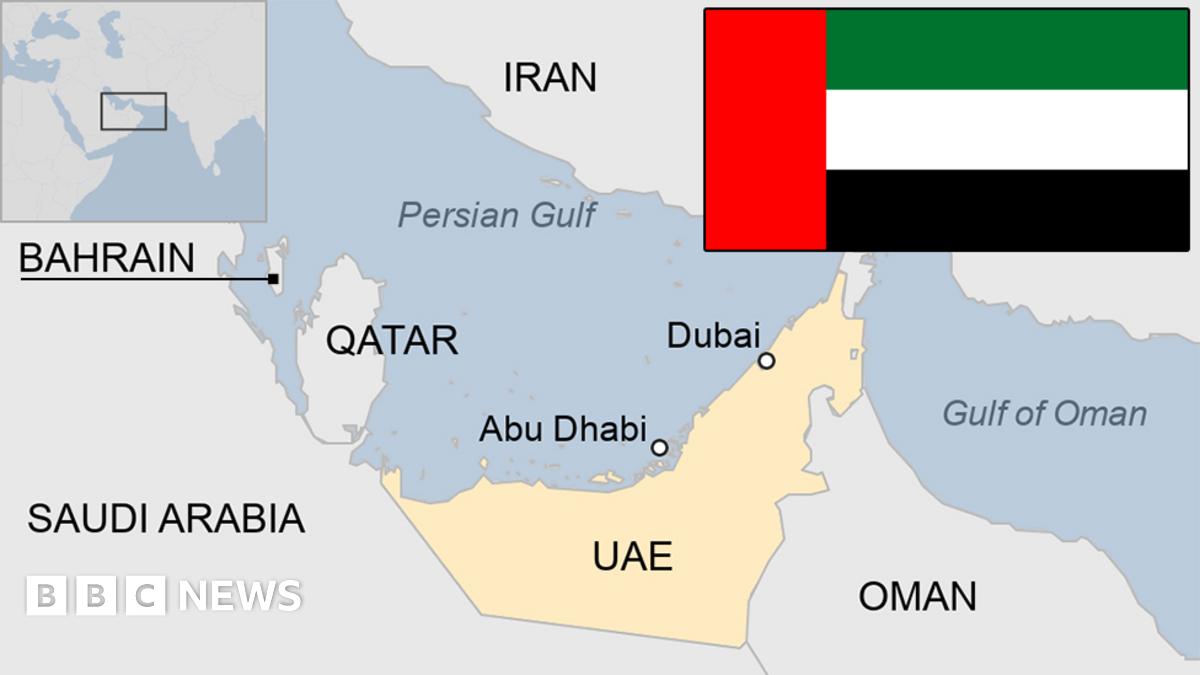
Microsoft has announced a commitment to invest approximately $15.2 billion in the United Arab Emirates by the end of 2029, while securing U. S. export licences to ship advanced AI chips to the Gulf state. The investment is centred on building and expanding cloud infrastructure, artificial-intelligence data centres and talent development in partnership with local entities.

The majority of this sum will flow into the construction and operation of AI-enabled data-centre campuses, with Microsoft Vice-Chair and President Brad Smith describing the growth of those facilities as “by far” the largest element of the investment. The U. S. export licences permit shipment of tens of thousands of the latest-generation Nvidia GB300 Grace Blackwell GPUs to the UAE, enabling Microsoft to deploy higher-end compute capacity in its regional centres.

The investment timeline outlines that Microsoft had invested just over $7.3 billion between 2023 and the end of the present year and plans to spend more than $7.9 billion from 2026 to 2029. Of the latter, over $5.5 billion is earmarked for capital expenditure on data-centres and cloud systems, with the remainder directed at local operating expenses and workforce development. The export licence approvals follow a strategic arrangement between Washington and Abu Dhabi, reflecting shifting U. S. policy on high-end chip exports and technology partnerships with Gulf states.

By leveraging the licences, Microsoft gains the ability to scale AI infrastructure in the UAE under its own operation and in concert with regional firms. The firm emphasizes talent and ecosystem-building alongside infrastructure, noting its launch of a Global Engineering Development Centre in Abu Dhabi, and targeting wide-scale skilling of AI talent across the region. Local partner G42-based in Abu Dhabi plays a key role, with Microsoft having invested $1.5 billion for a minority stake and a board seat for Smith. G42’s board participation and Microsoft’s alignment reinforce the strategy of blending global tech capability with regional execution.

Beyond the financials, the deeper strategic purpose illuminates broader geopolitical dynamics. The U. S. decision to grant chip-export licences to the UAE signals a recalibration of export controls in favour of trusted partners, even as Washington manoeuvres to counter Chinese influence in the global AI supply-chain. The UAE’s ambition to become a global AI hub, and to host one of the world’s largest data-centre complexes in Abu Dhabi, aligns with Microsoft’s drive to diffuse AI at scale. The chip-export approvals are bound by stringent cyber-security and physical-security conditions; Smith emphasised that Microsoft became “the first company” under this administration to obtain such licences for the Gulf region.

Concerns remain, however. Some U. S. lawmakers have flagged that the UAE’s past technology ties with China raise questions about enforcement of export-control safeguards and potential technology diversion. The export licences carry conditional compliance obligations; any lapses may provoke regulatory scrutiny. For Microsoft and the UAE, execution risk spans multiple fronts: timely deployment of infrastructure, talent acquisition and retention, regulatory alignment, and ensuring that capital investment yields operational returns in a cloud and AI market set to intensify.

For the UAE, the benefits are manifold: access to cutting-edge AI hardware, alignment with global technology leaders, and bolstered credentials as a regional innovation hub. For Microsoft, the Gulf expansion offers a new growth frontier outside its traditional markets, delivering cloud-services scale and AI-model hosting in a region keen to adopt generative-AI applications at high per-capita levels. According to Microsoft’s own AI diffusion data, the UAE leads global per-capita use of generative AI, with 59.4 per cent of its population reported to be active users, ahead of second-placed Singapore at 58.6 per cent.

TAIPEI, TAIWAN – Media OutReach Newswire – 4 November 2025 – In Hong Kong, a city celebrated for its vibrant culinary diversity, beef noodles have long been a local favorite. But a new flavor is capturing both hearts and palates: a deeply rich and aromatic Taiwanese-style braised beef noodle soup. Amid the city’s bustling food scene, Duan Chun Zhen, a brand under KINGZA International Co., Ltd., has […]

Matein Khalid Jay Powell has put cold water on a December FOMC rate cut as inflation risk triggers dissent at the Fed. Yet Uncle Jay is now a lame duck and the world awaits his first MAGA Fed Chairman. My bet is on Kevin H as I doubt if even a supine Senate will confirm yes man – Stephen Miran. Why even bother to hold the FOMC […]

Advertisements

The United Arab Emirates has established itself as a leading hub for innovation and the deployment of advanced technology in the energy sector, according to George Bou Mitri, President of Honeywell for the Middle East, Türkiye and Central Asia. Speaking at the sidelines of the Abu Dhabi International Petroleum Exhibition & Conference 2025, he highlighted how the country’s digital transformation initiatives are serving as a global model for sustainable, technology-driven energy systems.

Bou Mitri said the UAE presents a distinctive example of openness, collaboration and synergy between public and private sectors in driving innovations that are making a tangible global impact in the energy industry. “The solutions created here in the UAE extend their influence far beyond its borders,” he commented. He noted that the country is actively integrating advanced technologies across its energy ecosystem, including expanding the use of LNG, hydrogen, solar and developing sustainable aviation fuel and bio-fuel as part of its emissions-reduction drive.

Honeywell is playing a significant role in this transformation. Bou Mitri pointed to the company’s participation in a landmark project with Abu Dhabi National Oil Company for the Ruwais LNG facility, expected to produce about 9.6 million tonnes annually. He also revealed that Honeywell is developing the region’s first fully autonomous control room powered by agent-based artificial intelligence in partnership with Borouge, aimed at managing petrochemical operations without direct human intervention.

Bou Mitri stressed that digital transformation forms the backbone of the sector’s future. He noted that global energy demand is projected to increase by 32 percent by 2050, while electricity demand is expected to grow by more than 75 percent in the same period, necessitating comprehensive tech solutions to balance growth with emission reduction and operational efficiency. He added that the UAE is clearly adopting that approach, emphasising that the country’s facilities are becoming important development grounds for technologies related to emissions management, artificial intelligence applications and workforce productivity improvements through digitalisation.

The autonomous control-room initiative with Borouge stands out as a practical demonstration of this strategy. According to Borouge, the project will deliver the petrochemical industry’s first AI-driven control room at its UAE plant operations and forms part of its “AIDT” programme with a targeted value generation of US$575 million. The collaboration is intended to optimise production, reduce energy use and enhance safety while lowering costs at what is set to be the world’s largest petrochemical site.

The UAE’s positioning as an innovation frontier for energy technologies comes at a time when the industry is under growing pressure to adapt. Emerging themes include the convergence of artificial intelligence, digital twins, autonomous operations, and clean-energy integration. The broader Middle East region is witnessing major energy investment momentum, with expectations of exceeding US$130 billion this year in oil and gas alone, and simultaneous major expansion in clean-energy investments including hydrogen, LNG and carbon capture projects.

For Honeywell, the UAE’s energy ecosystem is a fertile environment for deploying its digital and automation technologies, but challenges remain. Among these are workforce skills deficits — Bou Mitri pointed out that more than 50 percent of the global energy workforce is aged over 45 — and the need to transfer accumulated expertise to a younger generation. In a sector where downtime, operational safety and emissions control have high stakes, the technology must deliver in real-world conditions, not just in controlled test environments.

Critics might point to the scale of investment required, potential cybersecurity and data governance risks as operations become more connected and autonomous, and the difficulty of scaling pilot programmes into full-scale operations across multiple sites. Nonetheless, the UAE’s strategic posture — combining government backing, private-sector capability and a willingness to test and deploy cutting-edge systems — presents a compelling case study for the global energy community.

There is a good deal of worry about AI. While some feel it’s a godsend, others think it might take away their career options. These are legitimate concerns. Let’s talk about some careers that AI is not likely to take away anytime soon.  Travel Agent If you’re a travel agent, and you set up a business with great payment processing for travel industry expenses and a highly […]

The dominance of the Magnificent 7 now defines the shape of global markets. Apple, Microsoft, Alphabet, Amazon, Meta, Nvidia, and Tesla account for more than a third of the S&P 500’s total value, up from about 12% a decade ago. Their performance has lifted the index even as most of the remaining companies have moved sideways. The question for investors is whether these firms are overvalued or […]

The rupee edged towards a sharp low as the central bank escalated its defence of the currency amid growing external headwinds. The domestic currency traded around 88.80 to the U. S. dollar, nearing its record low despite official efforts to stem the slide.

The Reserve Bank of India expanded its short-dollar forward positions by about US$6 billion in September, bringing the total to roughly US$59.4 billion, signalling increased dollar sales to defend the rupee.
The rupee had already recorded five straight months of decline before stabilising briefly in October, only to come under renewed pressure. Analysts point to surging gold imports, foreign-portfolio investor withdrawals and uncertainty around U. S. tariffs as key drivers of dollar outflows.

Market participants note that the rupee’s ability to hold above the 88.80 mark depends heavily on the central bank’s resolve. One currency strategist at the Australia and New Zealand Banking Group remarked that the central bank may not allow a significant breach of the 89-per-dollar level unless India’s economic fundamentals deteriorate further.

The rupee’s slide contrasts with other emerging-Asian peers, most of which posted gains of over 3 per cent this year while India’s currency was down about 3.6 per cent. Importer demand for dollars and robust non-deliverable-forward flows remain persistent drags. The central bank made small daily interventions via state-run banks, but these were smaller in scale than the large dollar sales seen in the prior month.

In one high-impact intervention, the Reserve Bank of India sold between US$3 billion to US$5 billion across spot and offshore markets, according to trade-desk estimates. That move pushed the rupee up by nearly 1 per cent on the day, its largest single-day gain in four months. The central bank has declined to comment publicly on the precise quantum of intervention.

The central bank is also placing a premium on managing volatility. Despite the dollar’s global strength and broader weakness in Asian currencies, the rupee has been constrained to a narrow trading band around the 88.80 level. Its ten-day realised volatility has fallen beneath 2 per cent and implied volatilities through one month are near their yearly lows. Some market participants caution that this subdued volatility could undermine hedging activity and leave firms vulnerable if a shock hits.

The rupee’s vulnerability arises in part because the U. S. dollar remains elevated, and the Federal Reserve has signalled that it does not expect to cut interest rates as soon as markets hoped, strengthening the greenback and reducing relief for the rupee. At the same time, India’s trade position remains under pressure as high gold-import volumes and elevated oil prices increase dollar demand.

Against this backdrop, India’s sovereign-bond market is showing signs of life. Foreign investors have ramped up purchases of long-dated government debt following the central bank’s display of defensive resolve. Some analysts suggest that migration back into Indian bonds reflects renewed confidence in rupee-denominated assets. Yet this hope is tempered by the possibility that tighter liquidity—stemming in part from currency-market interventions—could weigh on bond markets and corporate funding costs.

Istanbul flagged-carrier Turkish Airlines has completed a five-year financing agreement worth 2.9 billion yuan with Bank of China, under the coordination of its Türkiye unit and Macau branch. The deal positions the airline to accelerate fleet expansion, enhance infrastructure at Istanbul Airport and diversify its funding strategy.

The financing aligns with Turkish Airlines’ strategic ambition to raise its fleet to more than 800 aircraft by 2033. The carrier currently operates some 512 aircraft, including 26 freighters, and serves 353 destinations across 131 countries, making it the airline with the broadest country-reach globally.

Chief Financial Officer and board member Murat Şeker described the transaction as a strengthening of the airline’s financial structure and noted it would contribute to deeper economic and cultural collaboration between Türkiye and China. The lender, Bank of China Türkiye, collaborated with its Macau branch to deliver this cross-regional funding solution.

Analysts view the move as a sign of increasing Chinese willingness to facilitate offshore financing in yuan for non-Chinese corporates. Xinhua reports that the loan will also support cargo-business growth and the construction of a new simulator training centre within Istanbul Airport’s ecosystem.

For Turkish Airlines, the financing serves as a milestone in its drive to broaden funding channels beyond traditional Western banking and leasing markets. It arrives after the airline announced major aircraft purchase agreements, including 150 of the Boeing 737 Max family and up to 75 Boeing 787 wide-bodied jets, although final engine supply details remain subject to negotiation.

The infrastructure element stands out: part of the funding is earmarked for new facilities at Istanbul Airport, underscoring Turkish Airlines’ ambition to solidify Istanbul as a global aviation hub. The airline notes that the deal supports “core development initiatives including fleet expansion, business growth, new facility investments and infrastructure projects”.

In a broader context, Türkiye’s aviation sector faces rising costs—fuel, labour and regulatory compliance among them—so locking in a yuan-denominated facility may serve as a hedging mechanism against currency volatility and reliance on US-dollar debt. For Chinese finance, this deal further reinforces the Belt and Road Initiative’s financial architecture and the internationalisation of the yuan.

Despite the positives, risks remain. While Turkish Airlines has grown rapidly—its fleet jumped from about 100 aircraft in 2006 to 500 by 2025—the aggressive expansion strategy faces pressure from global economic uncertainties, competition in the MEA region, and potential over-capacity. Analysts caution that long-term debt commitments must be matched by sustained profitability and disciplined cost control.

Aircraft-financing environments have grown more complex since the pandemic, with lessor appetite curtailed and interest rates trending higher. By turning to a Chinese state-bank facility, Turkish Airlines is signalling both innovation and urgency in addressing its funding needs—but the source and terms of this financing will remain closely watched by investors and market participants.

For Bank of China, the arrangement opens the door to further cross-border deals with regional air-carriers and strengthens the bank’s credentials in aviation market financing outside its traditional geography. Observers say it may trigger similar deals as airlines seek diversified sources of capital and navigate constrained global leasing markets.

From November 4-30, guests can scoop exclusive giveaways to celebrate Galaxy Macau’s hosting of the table tennis events for the 15th National Games of China. MACAU SAR – Media OutReach Newswire – 3 November 2025 – Galaxy Macau™ Integrated Resort (hereinafter “Galaxy Macau”) today announced its ‘Gold, Glory and Galaxy’ lucky draw, through which guests can win a sparkling selection of unique prizes when they visit during […]

Where beauty met the forbidden, and the night remembered every name. The Night That Redefined Halloween MACAU SAR – Media OutReach Newswire – 3 November 2025 – Halloween in Asia had never looked this extraordinary. On October 30, 2025, BXG (Beauty Express Group), the creative powerhouse behind leading beauty brands including Telosin, A80 Paris, The Mineral Boutique, Apeiro, and 24 Auro, unveiled “Beautiful Nightmare”, an electrifying Halloween […]

CAN GIO, VIETNAM – Media OutReach Newswire – 3 November 2025 – The Can Gio Urban Area Project – Vinhomes Green Paradise – has officially applied to become a Participant in the global “7 Wonders of Future Cities” campaign, launched by the world-renowned New7Wonders organization. By firmly embracing this global initiative, Vinhomes reaffirms its forward-looking vision, positioning Vinhomes Green Paradise not merely as a real estate development […]

Tech entrepreneur Elon Musk said his social media platform X has rebuilt its messaging system and will launch a standalone app, branded as “X Chat”, which uses peer-to-peer encryption architecture “similar to Bitcoin”. He stated that the system will eschew advertising hooks and treat security not as a binary but in “degrees of insecurity”, aiming to make X Chat the “least insecure” messaging system. According to Musk, […]

Fintech firm Afriex has announced a strategic collaboration with payments giant Visa to deliver real-time cross-border transfers to over 160 markets, marking a significant expansion of its global payments network. The platform will integrate with Visa’s “Visa Direct” service through Afriex’s financial institution partner, enabling eligible Visa endpoints to receive funds instantaneously, according to the announcement. Afriex’s chief executive, Tope Alabi, emphasised that “for the millions of […]

A new initiative unveiled by the Dubai Future Foundation in collaboration with the MIT Senseable City Lab presents a data-intensive approach to urban greenery by applying artificial intelligence to evaluate the cooling effect of trees in multiple global cities. The project, named “Re-Leaf”, harnesses satellite imagery, street-level visuals and thermal data across locations such as Dubai, Amsterdam, Los Angeles and Rome to measure how trees can function as natural cooling infrastructure.

Re-Leaf reveals that shade and evapotranspiration from trees can reduce local surface temperatures by up to 15 °C compared with surrounding paved or built areas. One key finding is that drought-resistant species such as neem trees outperform more commonly planted palms in arid urban environments. DFF described the work as a shift in treating urban vegetation “as essential infrastructure for the cities of tomorrow”.

The initiative emerges under the banner of the 19th International Architecture Exhibition in Venice, curated by Carlo Ratti, in which Re-Leaf features as a special project. The exhibit presents city-scale “skyscraper-like” visualisations that depict greenery levels across the participating cities, with taller towers indicating higher vegetation cover.

Dubai’s establishment of the first Middle East-based Senseable City Lab via DFF provides a focal point for this research. The lab, working in partnership with MIT, developed the algorithms and datasets behind the project. From a strategic perspective, the work aligns with Dubai’s ambition to be an innovation hub and to address the demands of climate-resilient urban planning.

Beyond the headline figure of 15 °C cooling, the dataset comprises more than 2,000 trees across the four cities, allowing comparative analysis of species performance in different climates and urban morphologies. The research team emphasises that while the act of planting trees is well-known, the novelty lies in quantifying their impact using high-resolution AI tools and translating the results into actionable urban design decisions. “In a hotter world, trees must be seen as essential infrastructure, not just decoration,” Ratti said.

Urban planners and environmental scientists are responding to the project by pointing out its potential to shift policy focus from reactive mitigations—such as heavy air-conditioning—to proactive green infrastructure deployment. According to one expert, tree shading and transpiration “are vital for climate-responsive urban design”. For cities in arid or semi-arid zones—where energy use for cooling is high and water scarcity is acute—the findings are particularly relevant. The identification of species that deliver stronger cooling while requiring less water offers practical guidance for future planting strategies.

However, the project also faces scepticism around questions of scalability and implementation cost. Critics ask whether data-rich analyses can translate into large-scale urban forestry programmes in dense built environments, and note that factors such as soil depth, maintenance regimes and tree lifespan require further study. One architecture-critique article raised a broader question: “Do we need AI to confirm that trees cool cities?” highlighting the risk of attending to measurement rather than action.

The choice of cities for analysis – Dubai, Los Angeles, Amsterdam and Rome – reflects a mix of climatic zones and urban typologies, offering the chance to test how vegetation behaves across contexts. Amsterdam, with a temperate maritime climate, provides contrast to Dubai’s arid conditions, while Rome offers a dense historical fabric and Los Angeles a sprawling low-rise geography. Re-Leaf’s catalogue of thousands of tree species and urban cooling maps explicitly aims to support urban designers and policymakers.

For DFF and its partners, integrating tree-cooling metrics into master-planning holds promise beyond aesthetics. The project’s immersive display at Venice functions not only to showcase technology but to prompt debate on how cities invest in nature-based solutions. DFF Director of Dubai Future Labs, Khalifa Al Qama, described the work as generating insights with global value.

Dubai is preparing to host one of the region’s largest music festivals when the event runs from 6–9 November at the sprawling Dubai Parks and Resorts complex. Organisers expect over 250,000 attendees and plan more than 100 global artists performing across five stages designed to cover genres from EDM and techno to hip-hop and world music. The move to Dubai Parks and Resorts marks a major expansion […]

US retail giant Walmart has chosen the upper-level of Clearwater Mall in the Strubens Valley area of Roodepoort, Johannesburg, as the site for its first branded store on the African continent. The cornerstone agreement was confirmed by mall owner Hyprop Investments and partner retailer Massmart, signalling a strategic push by Walmart into the broader Africa market. The move brings the hallmark “Every Day Low Prices” shopping model […]

Bengaluru is set to become a linchpin in global chip manufacturing as the India Cellular and Electronics Association and the Global Semiconductor Alliance formally announced a strategic alliance aimed at deepening the country’s role in global semiconductor value chains. The agreement, unveiled at a joint press conference co-organised with the India Semiconductor Leadership Roundtable, marks a significant push to integrate local design, manufacturing and packaging capabilities with global technology networks.

ICEA chairman Pankaj Mohindroo described the industry as standing at “an inflection point” and said the partnership with the GSA represented “a strategic step towards positioning India as a vital node in global semiconductor value chains, where design, manufacturing and innovation converge.” Meanwhile, GSA chief executive Jodi Shelton noted the collaboration with ICEA and the India Semiconductor Mission reflected “a shared commitment to connect India’s dynamic innovation with the global semiconductor ecosystem.” Under the terms of the alliance, the two bodies will co-host the India Semiconductor Leadership Summit in 2026, providing a forum where global fabless firms, design innovators and equipment suppliers will engage with emerging Indian fab and OSAT capacity.

The partnership is underpinned by India’s policy drive under the ISM. The government has approved an outlay of ₹76,000 crore to build semiconductor and display manufacturing ecosystems, and around ten projects with investment commitments of nearly ₹1.6 lakh crore have already been sanctioned. The alliance signals a concerted push not only to attract foreign capital but also to nurture domestic design champions and bridge the gap between India’s expanding electronics ecosystem and global supply chains.

Industry analysts highlight India’s strengths: a growing engineering talent pool, improving infrastructure and a policy regime increasingly supportive of semiconductor manufacturing. ICEA points to electronics output in India having reached USD 150 billion, with exports expected to surpass USD 50 billion. The doubling of the Electronic Component Manufacturing Scheme budget underscores the emphasis on scaling manufacturing capacity.

Nevertheless, challenges remain. Global semiconductor value chains remain highly concentrated, especially in fabrication and advanced node manufacturing. To catch up, India will need to address constraints including high capital intensity, access to specialised equipment, materials, technology transfer regimes and workforce readiness for advanced manufacturing operations. There is also the task of aligning timelines: large-scale chip fabrication plants typically take multiple years to commission and ramp. The broader global context matters too — recent supply-chain disruptions, geostrategic tensions and export controls complicate efforts for any aspiring hub.

Despite these hurdles, the ICEA-GSA partnership reflects a strategic recognition that design capabilities, ecosystem linkages, and global connectivity will matter as much as fabrication. By positioning India as a design-to-manufacturing platform and emphasising cross-border collaboration, the alliance aims to raise the country’s profile in the semiconductor supply chain beyond simply being a site for assembly. Industry figures emphasise this direction: Dr Randhir Thakur, chair of ICEA’s Semiconductor Leadership Forum and managing director & chief executive of Tata Electronics, described the partnership as poised to bring “the global and Indian semiconductor ecosystems closer, delivering unique value to customers, design companies, manufacturers and suppliers.”

On the global front, the GSA brings nearly three decades of experience connecting semiconductor leaders worldwide; its network includes chip-design firms, fabs, equipment vendors and global platforms like Google, Amazon and Tesla. Shelton remarked that the aim is for India to become a site where global design houses can work, test and scale—and thereby feed into the broader manufacturing and packaging ecosystem. GSA’s commitment to including India in its annual global executive events underscores the intent to shine a spotlight on India’s semiconductor ambitions.

By K Raveendran The narrative circulating among professionals in high-performing technology firms is increasingly marked by anxiety. Reports of employees receiving lay-off notifications at 3 a.m. are emblematic of a culture in which even top-paid staff feel tethered to the abyss of “you may not be here tomorrow”. The juxtaposition of lucrative compensation and precarious […]


The article Big Tech’s Brutal Culture Pushes Employees Down An Abyss Of Anxiety appeared first on Latest India news, analysis and reports on Newspack by India Press Agency).

Amazon has activated a sweeping measure across its Fire TV Stick and Fire TV device lineup to block applications that provide unauthorised access to premium films, television and live sport. The initiative is anchored in a collaboration with the anti-piracy coalition Alliance for Creativity and Entertainment. According to Amazon, apps known to offer infringing streams — including those sideloaded from outside the official App Store — will […]

On the morning of November 1, 2025, Sun PhuQuoc Airways officially takes off with its first flights to Phu Quoc, marking the beginning of Vietnam’s first leisure airline. PHU QUOC, VIETNAM – Media OutReach Newswire – 1 November 2025 – The sky over Vietnam welcomes a new pair of wings today as Sun PhuQuoc Airways (SPA), a member of Sun Group, officially begins commercial operations. From November […]

VISHNU RAJA
RYO YAMADA
HITORI GOTOH
IKUYO KITA