News related to
Missile

Matein Khalid Operation Midnight Hammer was a spectacular military success though it will take 60 years more for the top secret CIA files on Trump’s rendezvous with history at Fordo to be declassified even though I hope Centcom and the Pentagon generals will release their BDA (Battle Damage Assessments) in the next two weeks to reinforce their claim that the Islamic Republic’s nuclear assets beneath the mountain […]

U.S. President Donald Trump has announced a “complete and total” ceasefire between Israel and Iran, set to begin within hours, marking what he described as the end of a 12‑day war. The plan envisages Iran initiating a 12‑hour ceasefire, followed by a reciprocal Israeli hiatus, concluding with a full cessation of hostilities.

Trump’s statement on his social media platform outlined a phased process: Iran will commence the ceasefire after winding down its final missions, followed by Israel 12 hours later, and after 24 hours the war will be declared over. He praised both nations for their “stamina, courage, and intelligence” and characterised the agreement as a significant step towards lasting peace.

The announcement follows a dramatic escalation in regional tensions. Israel launched military strikes on Iranian nuclear facilities in response to Iran’s uranium enrichment activities. Tehran retaliated by firing up to 14 missiles at the U.S.-operated Al Udeid Air Base in Qatar. While 13 were intercepted and one deviated off course, no U.S. personnel were harmed—a fact President Trump described as a “very weak response.”

Despite global concerns over escalation, including warnings from France and other Western capitals, market responses have remained muted. Oil prices dropped approximately 7% in anticipation of de‑escalation, while equity markets posted modest gains.

Though the ceasefire announcement has generated optimism, it remains unverified by Israeli or Iranian leaders. As of now, neither government has publicly confirmed their commitment to the arrangement. Al Jazeera noted the absence of official statements from both sides.

The U.S. role in brokering this agreement highlights Trump’s assertive posture. He denied prior suggestions that France’s Emmanuel Macron had brokered such a deal, countering that the ceasefire plan was “much bigger than that.” Analysts warn that trust between Israel and Iran remains fragile, requiring robust verification mechanisms and potentially third-party monitoring to sustain the fragile peace.

European diplomats, including those from France, Germany and the UK, have previously urged for de‑escalation after U.S. strikes, facilitating a clash of diplomacy and military brinkmanship. Trump has also floated the prospect of regime change in Iran under the slogan “Make Iran Great Again,” sparking concerns about the endgame and durability of U.S. involvement.

In Washington, debate has emerged regarding U.S. aims. Trump’s advisors say the administration does not seek regime change, yet the use of the slogan and his rhetoric suggests otherwise. Critics warn that pushing Iran into further isolation could spark domestic instability in Tehran.

Regions across the Gulf remained on high alert during the conflict. Airspace closures in Qatar, Bahrain, and Kuwait affected international travel. Qatar has since reopened its skies following coordination with regional authorities. Countries in the region—Saudi Arabia, the UAE, and France included—expressed deep concern and reinforced calls for dialogue and restraint.

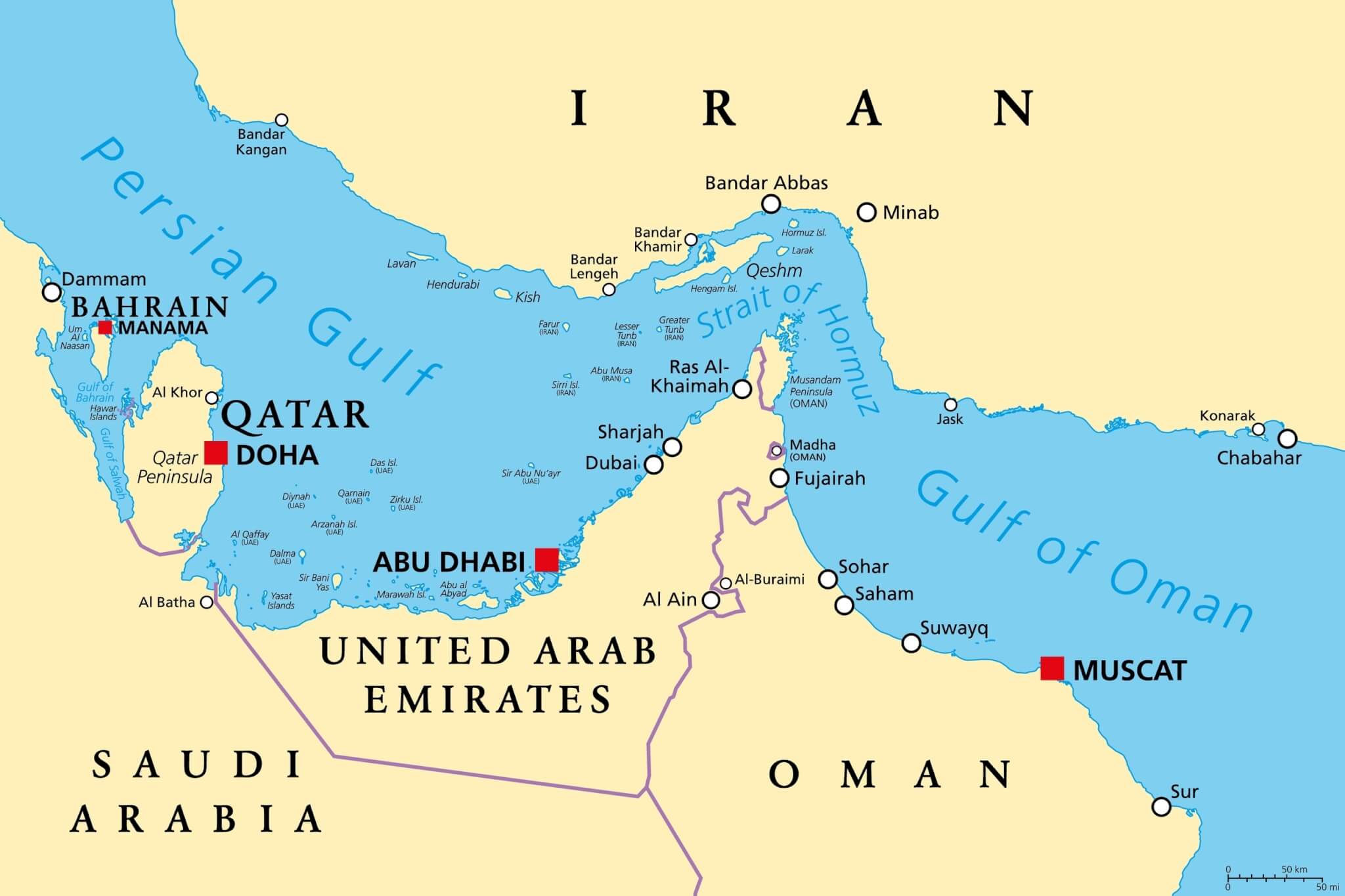
Security analysts note that the potential for a broader conflagration, particularly in the Strait of Hormuz, persisted until the ceasefire announcement. Iran’s parliamentary body had discussed strategic deterrents, including the possibility of closing the strait, a move that could severely disrupt global oil supplies. The upcoming hours will be decisive in determining whether the ceasefire is respected or if underlying tensions reignite.

The absence of casualties on either the U.S. or Israeli side contrasts with reported losses in Iran and Israel. Israeli strikes reportedly killed several hundred Iranians, including Revolutionary Guard members, while Iran was testing its limited retaliatory capabilities.

Infrastructure damage in both nations has been notable though not crippling. On the Iranian side, Tehran’s Evin prison and Revolutionary Guard sites bore the brunt of Israeli air raids; on the Israeli side, civilian infrastructure has remained largely intact, shielded by missile defence systems such as Iron Dome.

Stock markets and global commodity prices will closely monitor the ceasefire’s implementation. Should it hold, analysts suggest stability may regain foothold and prices may further retreat. However, any violation could push markets back into turmoil.

Diplomatically, Europe appears keen to reaffirm diplomatic channels. The EU and UN are reportedly preparing statements urging verification and offering mediation. Russia and China have also urged parties to uphold the ceasefire and avoid widening the conflict.

The next 24 hours are critical. The phased ceasefire hinges on mutual restraint and credible enforcement measures. U.N. observers or allied forces may be deployed to Tehran and Tel Aviv to verify compliance. Confirmation of Iran’s opening of its airspace and Israel’s military stand‑down orders will be key signals.


Al Udeid Air Base in Qatar, hosting around 10,000 U.S. and allied personnel, was struck on 23 June 2025 by a volley of short- and medium-range ballistic missiles launched by Iran in apparent retaliation for American airstrikes on its nuclear facilities. Qatar’s air defences intercepted the incoming salvo, reported as six missiles by Iran and fourteen by U.S. sources, with no casualties or significant damage recorded.

Tehran described the strike as a calibrated response, matching the number of missiles to bombs used in the U.S. assault on Natanz, Fordow and Esfahan, suggesting a bid to avoid civilian harm. Iranian state media dubbed the action “Operation Glad Tidings of Victory” and stressed it was carried out away from populated areas. U.S. President Donald Trump, characterising the barrage as “very weak,” acknowledged that Iran provided advance notice, enabling effective interception and preventing casualties.

Qatar issued a forceful denunciation, condemning the barrage as a “flagrant violation” of its sovereignty and international law. Dr Majed bin Mohammed Al Ansari, spokesperson for Qatar’s Foreign Ministry, warned that the country reserves the right to respond proportionally and reiterated calls for a return to genuine diplomacy. Qatar Airways temporarily suspended flights amid the airspace closure, and India’s embassy in Doha advised nationals to remain cautious amid the unfolding tensions.

The United Arab Emirates and Saudi Arabia also condemned the violence. The UAE described the missiles as a breach of Qatari sovereignty and called for an immediate halt to military escalation. Riyadh echoed this stance, expressing full support for Qatar and branding the strike “unjustifiable,” warning of broader destabilisation. The Arab League, Jordan, Bahrain and Oman joined the chorus, denouncing the attack and urging restraint.

Western capitals emphasised caution. France and Germany condemned the missile salvo but underscored the necessity of diplomacy. The United Nations and European Union called for urgent de-escalatory measures and a return to negotiations, with António Guterres warning of the risk of “regional conflagration”. Beijing and Moscow echoed appeals for a diplomatic resolution.

Iran’s Supreme Leader Ayatollah Ali Khamenei stated that Iran would not succumb to aggression and that its missile barrage equalled the U.S. assault. Tehran also hinted at further measures if U.S. actions persist. Meanwhile, Israel unleashed its most extensive air campaign yet on Tehran, striking sites including Evin Prison and Fordow enrichment facility.

The strikes on Qatar and also U.S. bases in Iraq—though unconfirmed beyond Qatar—have prompted airspace closures over Gulf nations including Kuwait, Bahrain and the UAE. Commercial carriers like IndiGo and Air India Express issued advisories or rerouted flights, contributing to widening disruptions in travel.

Global financial markets reacted nervously, with oil prices briefly spiking over fears of disruption in the Strait of Hormuz, a critical passage for global energy shipments. The International Atomic Energy Agency, meanwhile, voiced anxiety about the security of Iran’s nuclear sites following the U.S. bombardment.

Analysts suggest Iran’s approach was designed to recalibrate the balance of deterrence without provoking full-scale war. The matched missile count, pre-warning, and focus on a remote military target indicate a calculated effort to signal strength while avoiding mass casualties.

Diplomats across Europe, the U.N. and the Gulf pressed for an immediate halt to further strikes and for major powers to step up mediation. Qatar, a longstanding facilitator of regional talks, is uniquely positioned to spearhead efforts. Both Iran and the U.S. have acknowledged potential for dialogue: Trump spoke of the prospect of “peace and harmony,” echoing Tehran’s assertions that the strike completed its “symbolic” objectives.

But with tensions now inflamed between Iran, Israel and the U.S., and Gulf states on alert, diplomatic channels face a critical juncture. Any miscalculation could unleash renewed conflict across the region.

Iran has launched a new wave of missile and drone strikes against Israel, following U.S. airstrikes that obliterated key Iranian nuclear facilities under Operation Midnight Hammer. The ripple effects are already being felt in global oil markets, while diplomatic channels strain under mounting pressure. The bombardment hit Israeli cities including Tel Aviv and Ashdod, with satellite monitoring confirming sirens and intercepted projectiles. Iran disclosed the deployment of […]

By Nantoo Banerjee It may be wrong to believe that Israel and the United States of America are the only two countries strongly against Iran’s bid to become a nuclear-armed country. The entire world is concerned about nuclear proliferation and nuclear smuggling and its falling into the wrong hands. The nature of the Iranian regime […]

Commercial carriers are suspending flights across Middle‑Eastern airspace following the US strike on Iranian nuclear facilities, with empty skies appearing over Iran, Iraq, Syria and Israel as airlines divert or cancel services. Singapore Airlines described the situation as “fluid”, cancelling its Singapore–Dubai service after a security review, while British Airways and Air France‑KLM also halted flights involving Dubai, Doha, Riyadh and Riyadh, indicating growing caution among global […]

U.S. military jets attacked three uranium-enrichment facilities in Iran—Fordow, Natanz and Isfahan—after President Trump authorised a precision bombing campaign targeting underground shafts, marking a significant escalation in efforts to curb Tehran’s atomic ambitions. Trump asserted that the installations were “totally obliterated” following deployment of B‑2 stealth bombers armed with GBU‑57 bunker‑buster munitions. Pentagon officials confirmed this was the first operational use of Massive Ordnance Penetrators.

Satellite imagery shows craters at Fordow and Natanz, alongside signs of collapsed tunnel entrances and surface damage. Yet analysts caution that subterranean caverns may remain intact. One crater at Natanz measured approximately 5.5 metres across, and a large support structure at Fordow appeared untouched. The International Atomic Energy Agency has reported no detectable increase in off‑site radiation but acknowledges an inability to evaluate underground facility damage.

Destruction of declared nuclear infrastructure may impair Iran’s enrichment capabilities temporarily, but it adds complexity to monitoring efforts. The strikes have disrupted IAEA inspectors’ routine inspections and scattered environmental samples, weakening the agency’s ability to conduct forensic analysis. Former IAEA official Robert Kelley warned that bomb‑strewn sites render isotopic sampling nearly impossible, complicating accurate uranium accounting.

On diplomatic and military fronts, the strikes have triggered serious concern. Russia’s Deputy Foreign Minister characterised global tensions as “millimetres” from the brink of nuclear confrontation. Iran’s leadership, including foreign minister Abbas Araghchi, condemned the attacks as “lawless aggression,” and pledged proportionate retaliation. Iranian state media reported missile defence operations over Tehran and Karaj, while the Islamic Revolutionary Guard Corps warned U.S. bases in the region may face “regrettable responses”.

Allies have issued mixed reactions. Australian foreign minister Penny Wong backed the action as a move to prevent weaponisation, though she also called for a halt to hostilities and a return to diplomacy. In Washington, lawmakers are divided: some Republicans applaud the airstrikes, while Democratic leaders criticise the unilateral decision absent congressional authorisation.

Despite military claims of success, experts caution that bombing cannot permanently dismantle Iran’s nuclear infrastructure. A 2025 Reuters analysis noted that even well-targeted airstrikes would likely result in only temporary delay, with underground facilities concealing critical components and technical expertise intact. The IAEA’s upcoming board meeting in Vienna is expected to address both the fissile-material disruption and the challenge of rebuilding effective verification.

Iran had responded to earlier IAEA censure by announcing a new enrichment site and upgrading centrifuges at Fordow, deepening concerns over progress toward weaponisation. By mid‑June, the agency confirmed that Iran held approximately 409 kg of 60 percent enriched uranium—enough for several warheads if further refined.

Military strategists believe that while Israel’s campaigns damaged above‑ground infrastructure, only the U.S. possessed the capability to strike buried facilities effectively. But even with advanced bunker‑busters, Fordow remains a tough target; Israel earlier claimed it could strike the site independently, though many experts doubted that it had the means to deliver sufficient penetration.

Operation “Midnight Hammer,” as it is reportedly codenamed, has bolstered military deterrence, yet it may harden Iran’s resolve. Observers warn that Tehran is likely to deepen its program underground, reduce transparency, and accelerate its nuclear pursuits outside of IAEA oversight.

Amid rising hostilities, diplomatic overtures remain faint. Iranian and U.S. envoys were scheduled to meet in Oman, while Araghchi was set to confer with Russian counterparts in Moscow. The IAEA board’s deliberations in Vienna may prove a critical venue for negotiating how to restore inspections, assess nuclear inventory, and potentially revive diplomacy.

Analysts stress that without sustained oversight, military strikes risk igniting an arms race. Uranium shields buried deeper, veiled by bomb damage, could reemerge in new sites—potentially accelerating forceful advances outside the scrutiny of Western intelligence.

Advertisements

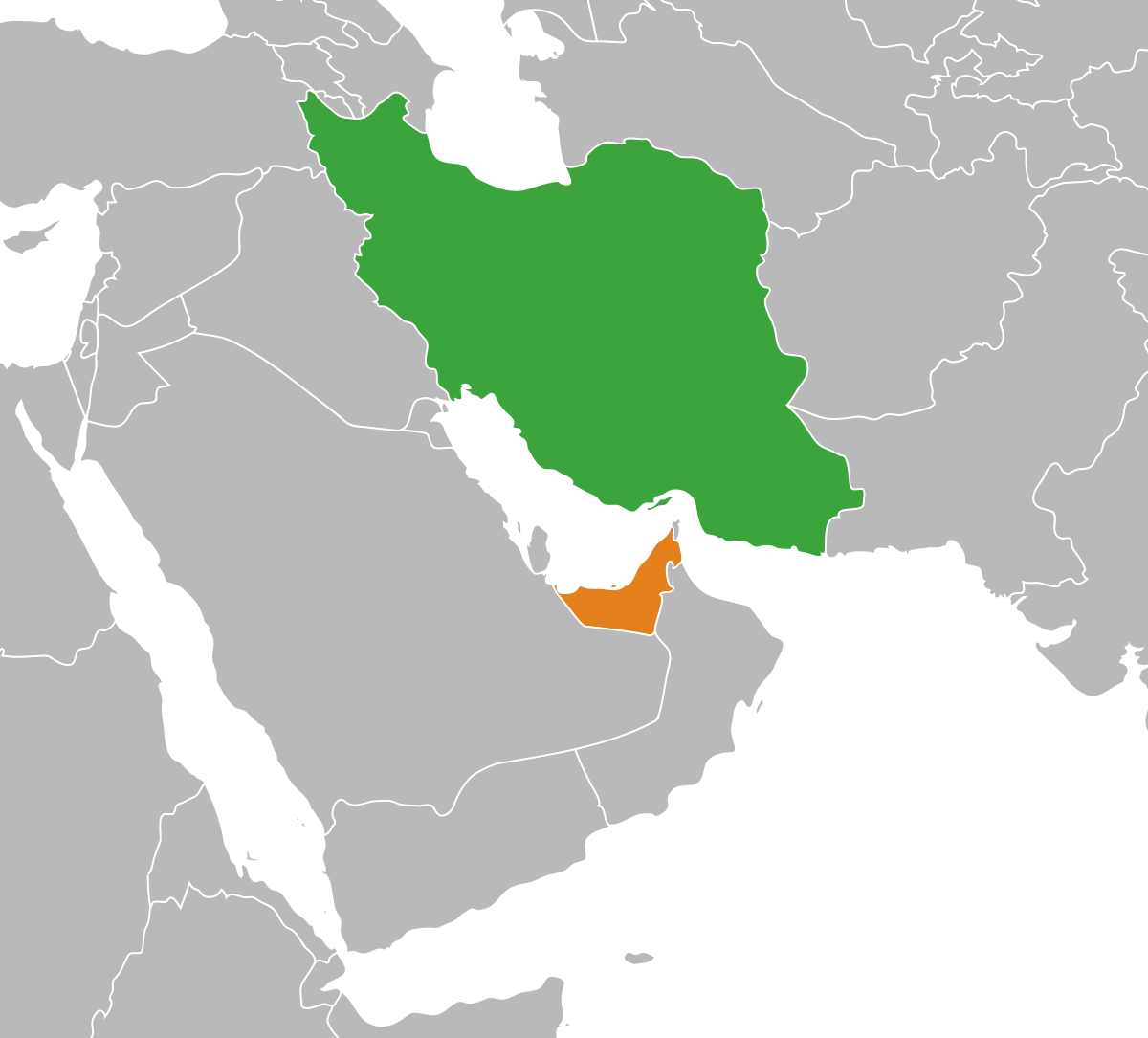
UAE authorities have successfully airlifted both citizens and expatriate residents from Iran amid mounting regional tensions stemming from the ongoing Israel–Iran conflict. These evacuation flights were carried out in full coordination with Iranian officials, who provided necessary transit clearances and logistical assistance, according to the UAE’s Ministry of Foreign Affairs and International Cooperation.

Passengers greeted on arrival in Abu Dhabi included Emirati nationals and resident visa holders. Some were visibly emotional—footage released by WAM showed arrivals embracing airport staff, while others knelt in gratitude upon disembarking. UAE officials confirmed that all evacuees underwent health screening and security checks; no medical emergencies were reported during the operation.

The decision to evacuate was prompted by intensifying hostilities between Iran and Israel, which have resulted in reciprocal missile and drone strikes targeting Iran’s nuclear and military infrastructure. Since 13 June, airspace closures across Iran and neighbouring countries have disrupted commercial flights, leaving many foreign nationals stranded.

While Tehran’s nuclear sites have been under attack, Tehran’s government issued public messages minimising panic, yet civilians promptly fled towards northern provinces, leading to fuel shortages, transport gridlocks, and relief operations along highways. Over 100,000 people are believed to have relocated internally by 15 June, while a few hundred foreign evacuees have used authorised border crossings to exit Iran.

UAE’s timely action reflects an expansion of its foreign crisis response capabilities, built through previous evacuations from conflict zones such as Ukraine, Sudan, and Afghanistan. Evacuating via a mix of chartered aircraft and government-operated flights, the UAE used carefully planned air routes to skirt high-risk regions.

Parallel efforts by Gulf neighbours highlight broader regional coordination. Bahrain, Oman and others secured safe passage for their own nationals via land and air corridors; Oman alone registered over 150 evacuees through Bandar Abbas and Iraq logistics networks. Countries including India, China, the US, Germany and Poland activated repatriation schemes—India’s “Operation Sindhu” successfully repatriated 110 nationals through Armenia by 18 June.

While evacuation pipelines opened, Dubai and Abu Dhabi remain operational, and companies across the Gulf are updating contingency plans amid concerns over possible spill‑over and disruptions to critical infrastructure. Risk advisory firms are reporting heightened demand for intelligence services, crisis preparedness, and staff security measures.

The UAE Ministry of Foreign Affairs has reiterated its call for diplomacy as the sole pathway to stability. Its continuous diplomatic outreach has involved deep engagement with international partners and a strong appeal to the UN Security Council to broker de‑escalation amid what it describes as “exceptional circumstances”.

The evacuation marks a rare cooperative moment between the UAE and Iran, whose bilateral relations have at times been strained. Yet Iranian authorities’ facilitation of access to airports and transit permissions demonstrated a mutual willingness to protect civilians from broader geopolitical fallout.

With all Gulf evacuations through this phase concluded, attention now turns to whether diplomatic avenues will succeed in preventing further civilian displacement. Businesses and governments remain on alert, reinforcing emergency protocols and intelligence monitoring systems to safeguard personnel and operations in the face of uncertainty.

Matein Khalid The India-Pakistan war in May and the Iran-Iraq war that rages as I write only reinforces my conviction that wars will be won or lost via a access to the latest missile air defense, stealth fighter jet platforms, ballistic hypersonic missile, power projection capabilities and state of the art ISR (intelligence surveillance reconnaissance) defense technologies. A nation without these capabilities is akin to a Stone […]

Arabian Post Staff -Dubai Major U.S. and European carriers have halted flights to key Gulf destinations amid escalating hostilities between Israel and Iran, while international regulators warn of heightened risk as far-flung air routes face rerouting challenges. American Airlines has paused its Philadelphia–Doha service until at least 22 June, citing growing security concerns, with a spokesperson affirming the decision would be reviewed “as needed”. United Airlines has similarly […]

Tel Aviv’s Ben Gurion Airport remains closed with no clear reopening date, while Iran, Iraq and Jordan have shut their airspace and forced rerouting, cancellations and suspensions across the region. Abu Dhabi-based Etihad has cancelled its Tel Aviv flights until 30 June, with several Beirut and Amman services rerouted. Emirates has suspended routes to Tehran, Baghdad and Basra until at least 30 June, and flights to Amman and Beirut through 22 June. Flydubai has halted operations to Iran, Iraq, Israel and Syria until 30 June. Air Arabia and Wizz Air Abu Dhabi have also imposed temporary bans or schedule alterations for various Middle‑East destinations.

A UAE Ministry of Foreign Affairs advisory urges citizens and residents to closely monitor airline updates and remain in touch with Twajudi, the national consular registration system for managing potential evacuations.

Regional airports are adapting under pressure. Dubai, Abu Dhabi and Sharjah have filed emergency plans to minimise disruption, deploying field teams and enhanced passenger support to handle thousands of affected travellers. Europe-bound flights are now navigating narrow air corridors via Turkey and Egypt, adding hours to journey times, increasing fuel consumption and driving up operational costs amid rising Brent crude prices.

Why airspace closures are widening disruption

Closure of airspace over Israel, Iran, Iraq, Jordan and Syria forces airlines to detail-call costly detours. Regional carriers like Emirates, Etihad and flydubai are most affected, but even Western carriers—Lufthansa, Air France-KLM, Ryanair, Wizz Air—have suspended affected routes through summer.

The cascading effect on schedules includes over 1,800 Europe-bound flight disruptions, approximately 650 cancellations, and delays across transatlantic routes. Airlines have expanded rerouting through Central Asia and the Mediterranean — and passengers are incurring higher ticket prices and longer travel times.

Passenger assistance measures

Major UAE carriers are offering rebookings, refunds or credits. Etihad and Emirates are assisting passengers with alternate routing, and flydubai has pledged support for stranded individuals. Wizz Air Abu Dhabi has suspended flights to Tel Aviv through 15 September, offering full refunds or rebooking.

Safety remains top priority amid military skirmishes. EASA flagged high risks over conflict zones following missile exchanges between Israel and Iran, aligning with airspace closures through October in Syria and ongoing risks in Lebanon and Jordan.

Wider implications for aviation and tourism

Analysts warn disruptions may prolong as long-range military assets remain in play—fueling concerns about further airspace restrictions. Already, the Middle-East tourism boom has stalled, with summer travel projections for 2025 downgraded across the UAE, Saudi Arabia and Qatar. Airlines are adjusting summer schedules and revising revenue forecasts amid cascading delays and costlier operations.

Governments and aviation bodies are in emergency sessions. The UAE’s aviation regulator is coordinating with international counterparts, while civil aviation agencies across Europe are recalibrating route permissions and contingency plans—potentially impacting global air connectivity for weeks.

Passengers are urged to monitor developments, confirm flight statuses directly with airlines or travel agents and consider flexible booking options as markets remain volatile.

By Nitya Chakraborty The Israel-Iran war which entered its eighth day on Friday June 20 witnessed some major developments in the last 24 hours frustrating Tel Aviv’s desperate bid to speedily finish off its task of destroying Iran, especially Teheran. Chinese President Xi Jinping talked to Russian President Vladimir Putin late Thursday on the joint […]

A ballistic missile launched by Iran struck the Tel Aviv Stock Exchange building in Ramat Gan on 19 June 2025, inflicting substantial structural damage in the heart of Israel’s financial district. This incident occurred amid a coordinated barrage that also hit key civilian infrastructure elsewhere, including Soroka Medical Centre in Be’er Sheva, intensifying already volatile regional tensions.

Sirens wailed across central and southern Israel as air defence systems engaged waves of inbound missiles. Between 20 and 30 ballistic projectiles were reported, an escalation surpassing previous exchanges earlier this monthꟷnotably those on 15 and 16 June, which injured dozens and damaged residences in Tel Aviv, Bat Yam and Haifa. This latest salvo targeted multiple urban areas, with at least 32 civilians confirmed wounded by Magen David Adom teams, some in serious condition.

The stock exchange structure, known as Birsa, sustained extensive facade damage and shattered windows, with parts of surrounding offices impacted. Video footage circulated online showing debris falling from upper floors into streets below. Emergency crews were deployed immediately to evacuate employees and assess structural integrity, though no fatalities were reported at the site.

In parallel, Soroka Medical Centre at Be’er Sheva—Israel’s principal hospital serving around one million residents with more than 1,000 beds—was also struck. Footage and eyewitness reports confirmed significant damage: roof collapse in some wards, shattered glass across corridors and injuries among both patients and medical staff. Hospital officials imposed strict access controls, advising the public to avoid the area as emergency protocols were activated.

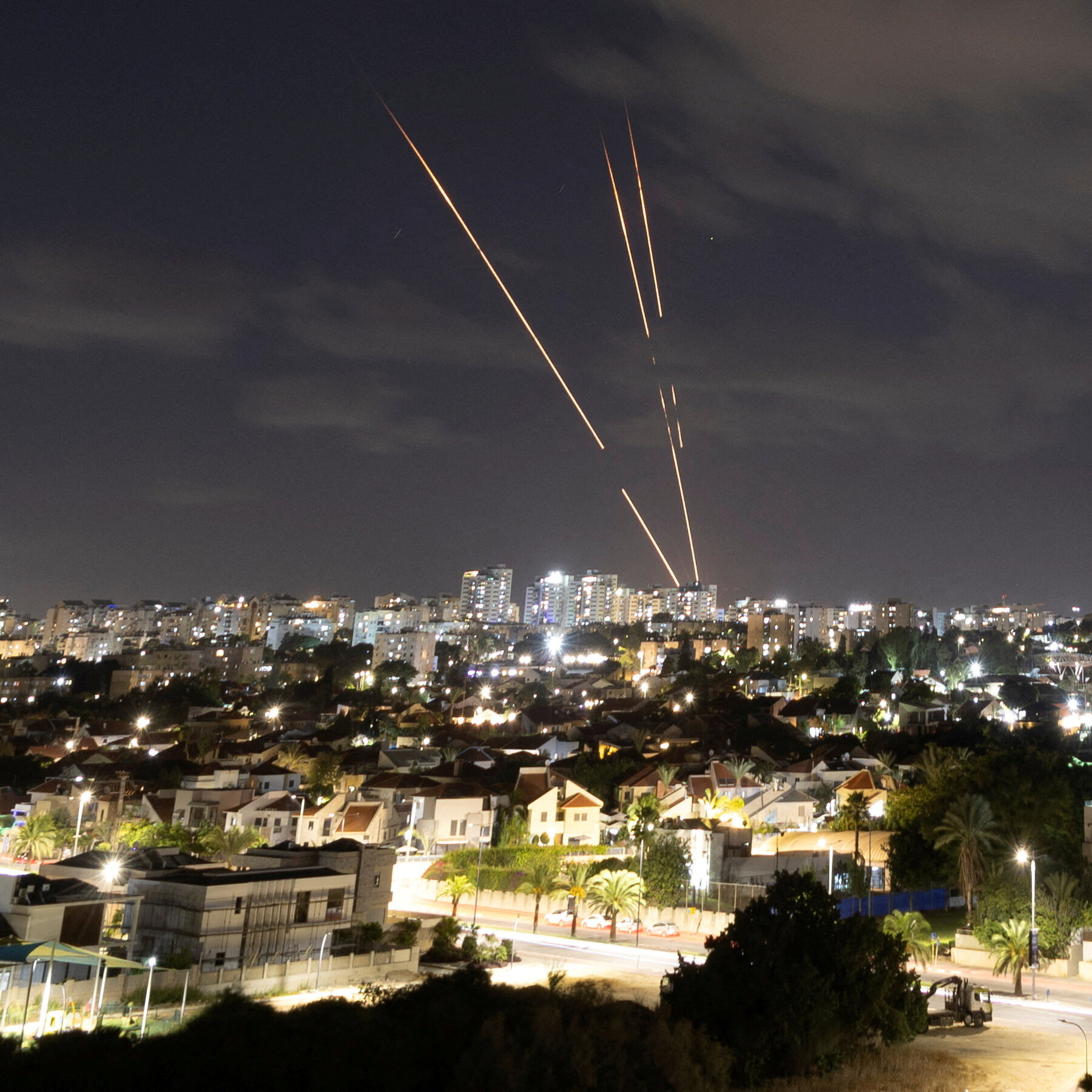
Israel’s air-defence systems, including Iron Dome and Arrow batteries, intercepted many of the missiles but failed to prevent all impacts. Some missiles penetrated defences and struck densely populated neighbourhoods, damaging residential high-rises and injuring civilians. This pattern marks a troubling shift. Previous intercepts had been more successful, but the latest strikes have underscored vulnerabilities in urban protection.

The missile offensive came as retaliation for Israel’s strikes on Iranian nuclear facilities. Earlier on 19 June, Israeli aircraft reportedly struck the heavy-water reactor at Arak and a related plutonium-production component, in what the Israeli government called efforts to disrupt Tehran’s nuclear capabilities. Iran’s state media countered that the reactor had been evacuated in advance and there was no radiation leak.

Prime Minister Benjamin Netanyahu publicly condemned the missile strikes on Israel’s financial hub and its hospital network, accusing Iran’s leadership of targeting civilians and vowing that Tehran “will pay the full price”. Defence officials say that Iran deployed over 25 missiles targeting Israeli urban centres during this wave.

Humanitarian services are stretched thin. Magen David Adom paramedics reported at least 32 people with injuries ranging from shock and minor shrapnel wounds to serious trauma in Be’er Sheva and Tel Aviv. Hospitals near strike zones have diverted critically ill patients and limited admissions to emergencies, raising concerns over the continuity of essential health services.

Economically, the assault on the stock exchange reverberated across markets. While share trading has continued, operational disruptions occurred as staff evacuated and investigations into building safety commenced. Analysts note that the financial centre embodies Israel’s economic resilience, but warn that repeated infrastructure targeting injects uncertainty into investor sentiment.

As missiles fly in both directions, global powers are watching warily. US President Donald Trump indicated possible military support for Israel pending internal approval, while European leaders called for restraint and emphasised the potential for diplomatic channels. The International Atomic Energy Agency has voiced alarm over Iran’s uranium enrichment practices, now exacerbated by military confrontations sparked by retaliatory airstrikes.

Israeli authorities warn that this may be Iran’s most sustained attack yet, burning through long-range arsenal previously reserved for strategic military targets. Intelligence assessments suggest Iran is deploying missiles intensively—over 400 since the conflict’s escalation—though only a fraction have struck urban centres.

With civilian infrastructure clearly in the crosshairs, the stakes are escalating dangerously. Analysts warn that further strikes on hospitals, markets or cultural institutions may invite stronger Israeli countermeasures, potentially widening the conflict. For now, cities remain on high alert as missiles continue to disrupt daily life and rattle the foundations of an already tense Middle East.

Oil markets surged on Tuesday and Wednesday as escalating military exchanges between Iran and Israel sparked investor anxiety. Brent crude futures climbed approximately 2.1 per cent to $74.79 a barrel by 12:02 GMT, while US West Texas Intermediate settled near $73.19—following intraday swings exceeding 2 per cent gains and drops. The gains were driven by soaring geopolitical concerns after Israel bombed Iran’s South Pars gas field—shared with Qatar—igniting a fire that prompted Iran […]

Senior officials in Washington have quietly activated contingency plans for military strikes against Iranian nuclear facilities, marking a dramatic shift in US posture amid escalating Israeli–Iranian hostilities. According to multiple reports, including Bloomberg and Reuters, the White House and Defence Department are preparing the operational infrastructure needed to engage Tehran directly.

President Donald Trump, speaking on 18 June outside the White House, offered only ambiguity: “I may do it. I may not do it… nobody knows what I’m going to do.” Meanwhile, senior US generals, defence secretaries and intelligence chiefs are said to be readying federal agencies for a possible weekend strike. Forces in the Middle East have been repositioned; aircraft and ships have been moved from bases such as Al‑Udeid in Qatar and Bahrain’s Fifth Fleet port to reduce vulnerabilities.

Sources indicate that the primary target could be Iran’s underground Fordow uranium enrichment plant — a hardened bunker facility situated within a mountain and long deemed beyond Israel’s military reach without US bunker‑busting capacity. With Israel continuing airstrikes on Iran as part of ‘Operation Rising Lion’, analysts assess that a US strike would dramatically escalate the conflict.

Within the White House, debate is intensifying. The New York Times and Washington Post report that Trump, influenced by hawkish advisors such as Senator Lindsey Graham and defence chiefs, has signed off on strike plans but is awaiting final approval. His delay aims to allow Iran a final diplomatic window — offering a chance to curb uranium enrichment before force is used.

Opposition persists even within Trump’s own camp. A divide between hawks, advocating for decisive action, and MAGA-aligned isolationists, including Vice President Vance and media figure Tucker Carlson, highlights the internal tug-of-war shaping presidential decision‑making. Trump has underscored this dynamic: advisors like Gen. Dan Caine and CIA Director John Ratcliffe have pressed for a more aggressive stance, while isolationists urge restraint.

Politically, the administration faces calls for a formal congressional mandate. Critics argue the Constitution requires authorisation for military action beyond self‑defence; proponents counter the urgency of neutralising Iran’s perceived nuclear threat demands swift action.

Diplomacy continues in parallel. The UK, France and Germany are convening in Geneva to press Iran on de-escalation — a track the US has distanced itself from. Tehran has responded with warnings to Washington, promising strong retaliation if US forces become involved.

Markets have reacted with caution. Observers note fears of a broader Middle East conflict, amplified oil price volatility, and rising inflationary risks tied to increased military spending. Central banks, notably the Federal Reserve and Bank of England, must weigh geopolitical shocks alongside inflation outlooks.

On the ground, Israeli airstrikes have continued across Iran, targeting nuclear infrastructure including Arak and Natanz, with over 1,100 sites reportedly struck since mid‑June. Iran has launched multiple missile barrages at Israeli territory; civilian casualties are said to be in the hundreds on both sides.

The timing of any US strike remains uncertain. Sources cite a possible weekend window, with final orders likely to be issued at the last moment. Pentagon leadership, including SecDef Hegseth and Gen. Caine, are expected to have operational control, while the president retains final authority.

As conflicting pressures swirl — military readiness, strategic diplomacy, domestic political debates — all eyes are on whether President Trump will strike at Iran’s underground sites or continue hedging amid rising global risk.

Matein Khalid The deployment of 30 US air-fueling tankers to the Middle East strongly suggests that Trump has decided to escalate the war with Iran with an American led strike on the underground nuclear site at Fordo. Since the B-2 Spirit super bombers would need tankers to refuel their fighter escort. Ali Khamenei’s tweet threatening America was precisely the wrong message to send to Trump at a […]

By K Raveendran With the likelihood of a diplomatic solution appearing increasingly distant, West Asia is now clearly veering toward a longer and more intense confrontation, one that may significantly reshape economic, geopolitical, and energy dynamics not only in the Middle East but globally. What was initially perceived as a retaliatory exchange following months of […]
The United Arab Emirates has cautioned against a dangerous spiral between Israel and Iran, as its foreign minister strongly warned that “uncalculated and reckless steps” might spread beyond the conflict zones. Sheikh Abdullah bin Zayed Al Nahyan expressed deep concern over escalating military actions that risk drawing in neighbouring states and aggravating regional instability, the UAE Foreign Ministry said on Tuesday. Abu Dhabi’s heightened alarm follows a sharp intensification of hostilities. […]

Matein Khalid There is precious little good news to emerge from the Middle East since the IDF launched its spectacular blitzkrieg and leadership decapitation strike against Iran’s nuclear asset and military/intelligence elite last Friday. This weekend was grim with Iran’s ballistic missile strike on Haifa and Tel Aviv with even a real miss on the IDF command and control complex in Kirya. Netanyahu’s boast that he would […]

Qatar has instructed LNG carriers to remain outside the Strait of Hormuz until one day prior to loading operations as regional security risks heighten, with officials emphasising that this measure is precautionary and unlikely to disrupt overall supply volumes.

The directive from QatarEnergy affects vessels bound for the Ras Laffan terminal, one of the world’s largest liquefied natural gas export facilities. Around a dozen carriers are idling in ballast outside the terminal, awaiting final instructions before undertaking brief, tightly scheduled transits through the strait.

Market indicators reacted swiftly: European gas prices surged as much as 4.8%, while Asian benchmarks inched upward amid growing concern over potential delivery delays. Despite this, analysts and industry insiders maintain that the streamlined entry process—coupled with Qatar’s steady production—should keep cargo volumes within normal parameters.

This move aligns with contingency efforts by the world’s third-largest LNG exporter. Industry sources confirm that the carriers will execute “quick entry and speedy exits” across the Hormuz passage, necessitating precise scheduling and coordination with maritime authorities.

Analysts acknowledge that about 20–25% of global LNG traffic transits the Strait, underscoring its significance as a logistical chokepoint. Instructing vessels to loiter offshore aims to reduce their vulnerable exposure time in the strait.

Strategic analysts warn that escalating tensions—particularly after recent military exchanges involving Israel and Iran—increase risks for all Gulf shipping. Tehran has threatened to seal off the strait, which could strain Qatar’s export pipelines and ripple through global energy markets.

Despite geopolitical headwinds, Qatar’s production at the South Pars/North Field complex remains steady. The foreign ministry emphasised that LNG output and shipments continue to follow their usual course, even as the country takes enhanced security measures.

Operational insights from shipping analysts describe a familiar summer idling pattern, but note slight increases in loitering time and cautious routing. Vessels such as the tanker HLAITAN are reportedly waiting outside the strait in anticipation of load orders.

Market response has been modest. European gas hubs such as TTF recorded price rises of around 4–5%, while the Asia‑Pacific’s JKM benchmark reached nearly $14 per mmBtu, marking a $1.20 uptick since mid‑June. CNBC‑style commentary points out that the precautionary shift is “unlikely to cause major disruption,” although insurers are adjusting premiums to reflect the heightened transit risks.

For global exporters and importers, Qatar’s stance underscores a renewed emphasis on maritime risk management. Shipping firms are increasingly factoring geopolitical volatility into their routing and scheduling protocols. International insurers have begun revising coverage for LNG carriers traversing the Gulf, citing increased premiums tied to potential missile or drone threats in the region.

Qatar’s approach enables more controlled maritime planning: by delaying vessel entry until close to the loading window, the country limits their exposure to strategic bottlenecks and regional flare‑ups. This calculated move underscores Doha’s dual priorities of maintaining export reliability and protecting vital shipping assets.

By Nitya Chakraborty Israeli missile strikes against Teheran and Iran’s counter offensive entered its fifth day on June 17 Tuesday with U.S. President Donald Trump dramatically cutting short his stay in Canada for G-7 meeting for Washington indicating that he would be busy in peace moves in the next few hours for organizing a ceasefire […]

Markets across the Middle East are bracing for heightened turbulence as Israel and Iran exchange strikes, triggering volatility in equity capital markets and clouding the outlook for initial public offerings this year. Global equities have undergone vacillations following the escalation. Oil prices spiked more than 10% at one stage, driven by fears of supply disruptions through the Strait of Hormuz, before retreating as hopes of de‑escalation emerged. Despite […]

President Donald Trump has called for the immediate evacuation of Tehran, warning that Iran “cannot have a nuclear weapon” after a series of escalating military exchanges with Israel. He issued the statement via Truth Social while attending the G7 summit in Canada, then departed early to convene his national security team. The growing hostilities, now entering a fifth day, have provoked market turbulence, prompted military deployments, and […]

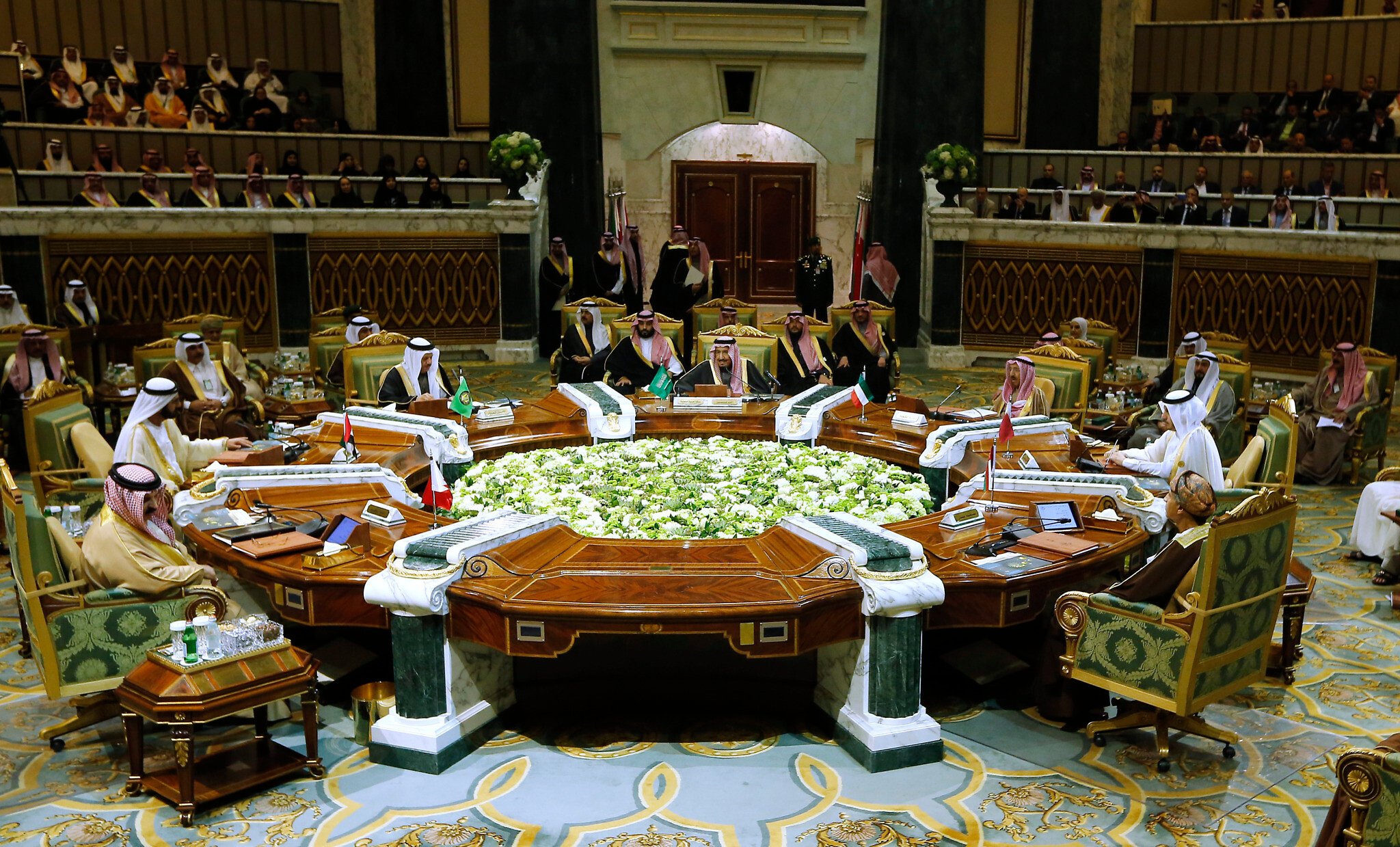
Gulf states have entered a heightened state of alert amid intensifying hostilities between Israel and Iran, as regional leaders warn the confrontation risks dragging the Gulf into a wider, destabilising war.

Leaders of the Gulf Cooperation Council convened an emergency ministers’ meeting chaired by Kuwaiti Foreign Minister Abdullah Al‑Yahya, with Secretary‑General Jassim Al‑Budaiwi declaring the situation had deteriorated into “extremely dangerous and unprecedented escalation,” and entering “full alert” mode to monitor environmental and radiological conditions across member states. He emphasised that continued military strikes, particularly near nuclear sites, would threaten regional infrastructure, health and economies.

Gulf diplomats have condemned the Israeli bombardment of Iranian territory and called on all parties to halt operations and return to dialogue. The council’s Emergency Management Centre is implementing precautionary measures across environmental and radiological sectors, reflecting concern over inbound radiological fallout.

Analysts from the Gulf warn that the strategic vulnerability of Gulf waterways such as the Strait of Hormuz and Bab al‑Mandab makes the region highly exposed to spill‑over from the Iran‑Israel clash. S&P Global Ratings has revised its assessment of regional sovereign risk higher, citing threats to oil exports, transport routes, tourism, capital flows and banking sector resilience in Gulf countries.

Commentators such as Abdulaziz Sager of the Gulf Research Center caution Gulf states are risking sovereignty, infrastructure and public trust unless the conflict is diplomatically defused. He urged activation of regional mediation channels to prevent Gulf countries from being drawn into military exchanges.

Gulf economists emphasise the economic ramifications: disruptions to global supply chains, escalated insurance costs, rising oil prices and capital flight could erode financial stability. While banks have adequate buffers, prolonged conflict could dent business confidence and growth across Gulf economies.

Diplomatic efforts are also underway within the Gulf. Oman and Qatar are spearheading ceasefire talks between Tehran and Washington as a pathway to stabilisation, with Iran open to rejoining nuclear discussions should Israeli strikes cease. Gulf leaders are leveraging their neutrality and communication channels with both Israel and Iran to broker a pause in hostilities.

Within Gulf societies, governments are working to reassure citizens. Public communications in Qatar confirm that radiation levels remain within safe thresholds, while Kuwait’s military affirms that missile trajectories affecting Iran and Israel pose no risk to its airspace.

The reaction within Iran’s sphere of influence appears measured. Unlike prior incidents, allied non‑state actors such as Hezbollah and Yemen’s Houthis have yet to launch retaliatory strikes, suggesting Iran is tempering its response amid Gulf diplomatic pressure.

US diplomacy remains a complex factor. Washington has escalated military readiness by dispatching aerial refuelling assets and an aircraft carrier strike group to the region, yet has stopped short of intervening directly. President Trump has verbalised support for diplomatic channels and warned against Iran acquiring nuclear arms, while signalling that Iran had expressed willingness to end hostilities.

Gulf monarchies are striving to balance neutrality and economic stability. They maintain diplomatic ties with both Iran and Israel while amplifying calls for restraint. Experts caution that escalatory miscalculations could shatter this delicate equilibrium, potentially sparking wider engagement and drawing Gulf states into direct confrontation.

VISHNU RAJA
RYO YAMADA
HITORI GOTOH
IKUYO KITA