News related to
Missile

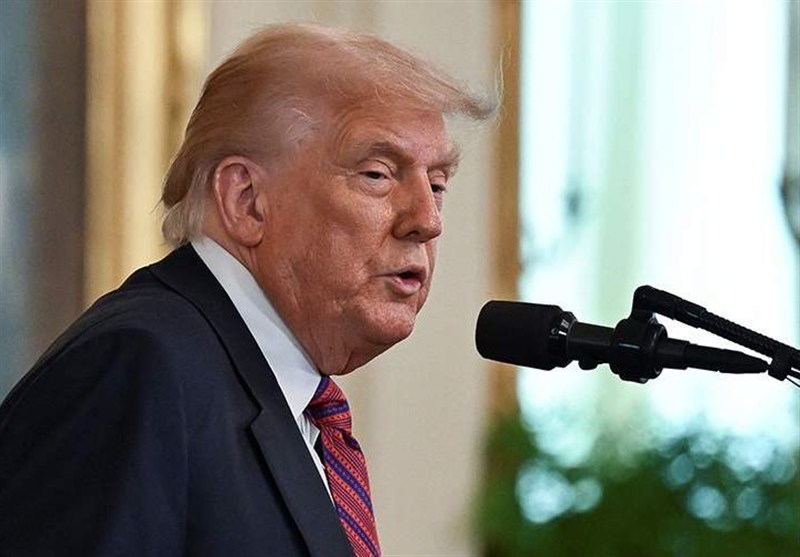
By Dr. Arun Mitra On October 29, U.S. President Donald Trump announced that ‘Because of other countries testing programs, I have instructed the Department of War [the Pentagon] to start testing our nuclear weapons on an equal basis. That process will begin immediately. This statement is not only disturbing but also extremely dangerous’. The last […]

The article US Cannot Be Allowed To Push The World To The Nuclear Precipice appeared first on Latest India news, analysis and reports on Newspack by India Press Agency).

Seoul and Beijing accelerated bilateral engagement on Saturday when their leaders met on the sidelines of the Asia-Pacific Economic Cooperation summit in Gyeongju. President Lee Jae Myung of South Korea and President Xi Jinping of China signed a new five-year currency swap worth about 70 trillion won between their central banks, and agreed six memorandums of understanding covering economic cooperation, agriculture and services trade. This financial pact mirrors one that expired last month and signals a stronger push by both Seoul and Beijing for deeper economic synchronisation.

At the same time, the two administrations flagged potential restoration of cultural exchange channels that were effectively shut down more than a decade ago. China’s informal ban on South Korean entertainment—spanning K-pop, television dramas and film—was imposed following Seoul’s deployment of a U. S. missile defences system, which Beijing viewed as a strategic threat. At the summit, Lee and Xi agreed on the need to expand cultural cooperation, though Lee’s office cautioned that the dialogue reflected “courtesy comments” rather than final decisions.

Analysts describe the summit as a signal of warming relations after years of tactical distancing around security issues. Lee pressed for China’s constructive involvement in facilitating dialogue with North Korea, emphasising that high-level exchanges between Pyongyang and Beijing had ramped up. Xi reaffirmed China’s policy of strategic consistency and pledged deeper communication with Seoul. In parallel, the Korean and Chinese law-enforcement authorities signed an MOU to combat transnational voice-phishing and online scam crimes. Other MOUs addressed cooperation in the silver industry, innovative start-ups and agricultural exports from South Korea to China, reinforcing the emphasis on citizen-facing and practical cooperation.

Still, important caveats remain. While the swap agreement and MOUs represent tangible results, they come against a backdrop of prominent domestic dissent in South Korea. Thousands of protesters rallied in Seoul ahead of the summit, chanting anti-China slogans and highlighting a rising climate of nationalist sentiment. The South Korean government has acknowledged that such unrest risks undermining its diplomatic efforts and international standing. On the cultural front, though the possibility of lifting the ban on Korean content in China was raised, officials stressed that legal and procedural constraints remain in place and the matter is “premature” to reinterpret as a full reopening.

Commercially, the new swap line aims to bolster market stability for both nations amid global economic uncertainty and an intensifying U. S.–China rivalry. For cultural industries in South Korea—home to major firms such as Hybe, SM Entertainment and CJ ENM—the prospect of access to China’s vast audience is tantalising but still uncertain. For Beijing, deeper cultural ties with Seoul could ease past tensions and bolster the role of cultural-and-creative industries in economic growth, as alluded to in the summit’s wider Asia-Pacific framework which emphasises the importance of such sectors alongside digital transformation and artificial intelligence.

Matein Khalid Critical minerals have become a national security priority for GCC states as China has weaponised its dominance over supply chains, refining capacity and magnet production. These materials, including lithium, nickel, cobalt, tin, tungsten, vanadium and germanium, are essential for defence systems such as Lockheed’s F-35 stealth fighters, Raytheon’s hypersonic missiles and General Dynamics’ Virginia-class submarines, as well as civilian applications in advanced semiconductors, electric vehicles, […]

Matein Khalid Stock exchange folklore in pre-1929 Jazz Age New York has one priceless insight for me – “you be buying when they are crying, you be selling when they are yelling”. So as I scan the markets, I realized that the mother of all yelling is taking place in the AI arena and its decibel count is loudest where the ignorance about its nuances is the […]

Matein Khalid Gold is in its most spectacular bull run since 1976-1980, when prices rocketed from $91 to over $800 an ounce. The current cycle found its floor near $1,800 in late 2022, as the Powell Fed’s rate-hike campaign peaked and Washington froze $300 billion in Russian reserves in response to the invasion of Ukraine. “Dr Auric” now trades at just over $4,000 an ounce – a perfect vindication of […]

Air raid sirens blared across Ukraine before dawn on 28 September as waves of Russian drones and missiles struck Kyiv and multiple regions, leaving fatalities and dozens of injuries while the assault continued into the morning, according to officials. Authorities in the capital reported deaths and widespread damage across more than 20 sites, including homes, a medical facility and a kindergarten; emergency services worked through debris as […]

Defence stocks will rally and global investors will be paying attention, I believe. The reason the bullish analysis is a catalyst came the moment President Donald Trump, after meeting Ukraine’s President Volodymyr Zelenskyy at the UN General Assembly, declared that Kyiv can reclaim all territory seized by Russia, an abrupt and market-moving pivot from his earlier calls for compromise. In a single statement, the world’s largest economy […]

Advertisements

Poland activated air defences and scrambled fighter jets after drones from Russia crossed into its airspace during overnight strikes on Ukraine, with the military confirming it used weapons to neutralise targets. The Operational Command said Polish airspace was “repeatedly violated by drone-type objects” and described an ongoing operation to identify and destroy them. Authorities placed ground-based systems and radar on maximum alert while Polish and allied aircraft […]

By Nantoo Banerjee One’s pain could be another’s gain. The phrase aptly describes those big business gainers across the world out of the three-and-a-half-year-old Russia-Ukraine war, killing thousands of soldiers and civilians on both sides. The list of such gainers may be short but very impressive. They include some of the giant US defence manufacturers […]

North Korea has established a covert long-range missile base near its border with China, reportedly housing some of the regime’s most advanced strategic weapons. The existence of this facility was uncovered through a combination of satellite imagery and intelligence reports, marking another step in the regime’s ambitious missile development programme. The base, located in a remote area of North Korea’s northeast, is believed to be operational and […]

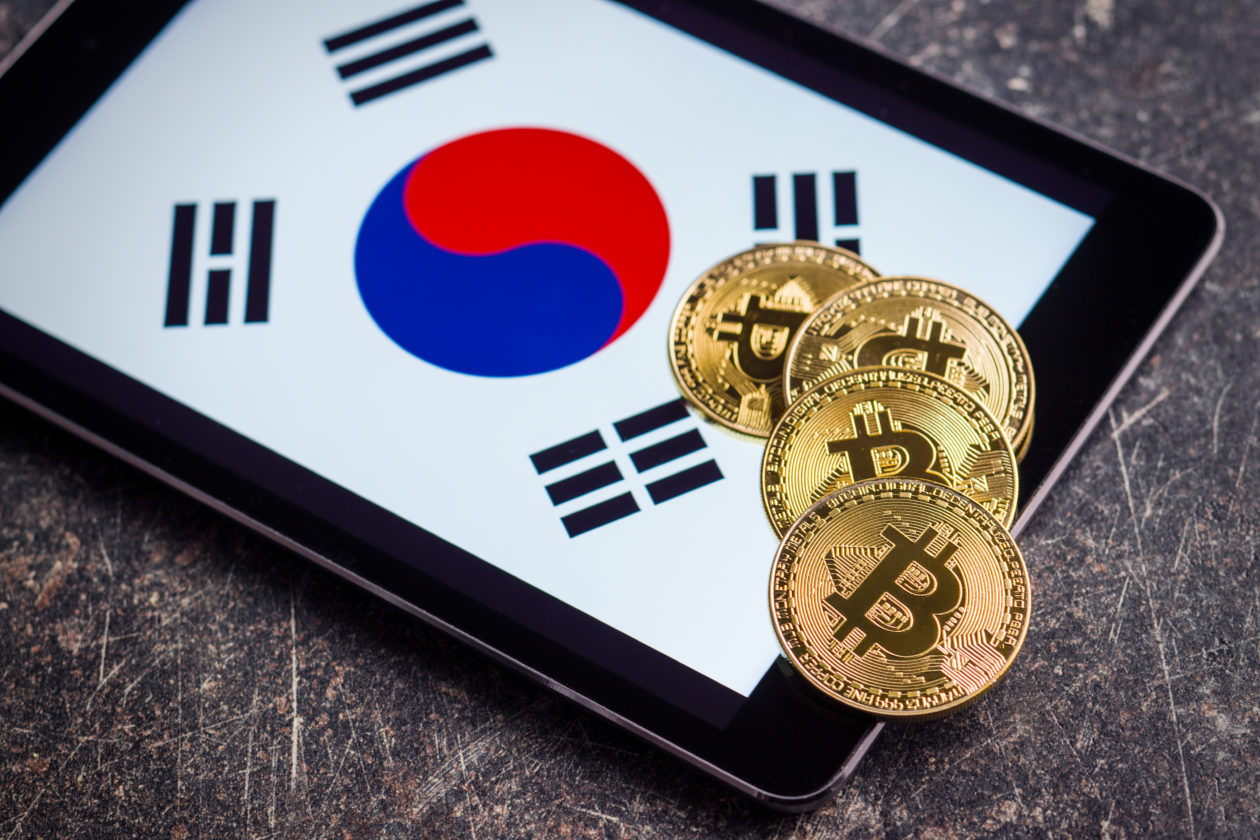
North Korea’s illicit cryptocurrency operations are set to increase dramatically as the country continues to exploit weak regulatory environments and strengthen ties with financially motivated entities across the globe. These operations are increasingly seen as a source of revenue for the regime, particularly as international sanctions continue to cripple the nation’s economy.

Recent investigations have uncovered evidence suggesting that North Korea is employing sophisticated hacking groups to siphon off cryptocurrency from exchanges worldwide. These operations, often carried out through malware and phishing schemes, have become a primary tool for funding the state’s missile and nuclear programmes. The role of cryptocurrency in North Korea’s criminal operations is expected to grow significantly as global demand for digital currencies rises and regulatory frameworks remain fragmented.

The actions of North Korean hackers are not isolated incidents but part of a systematic effort to launder stolen funds through a network of virtual currency exchanges. Many of these exchanges, particularly those based in countries with lax regulations, either knowingly or unknowingly facilitate these criminal activities. Some of the exchanges have been linked to regions in Russia and other parts of Eastern Europe, where crypto regulations are either weak or non-existent. These exchanges have financial incentives to turn a blind eye to illicit transactions, benefiting from the substantial fees charged on cryptocurrency trades.

Even though North Korea’s cyberattack capabilities are well-documented, there is growing concern among cybersecurity experts that cryptocurrency exchanges in developing countries lack the resources and governance structures needed to prevent exploitation. Without sufficient regulatory oversight, these exchanges become prime targets for criminal actors seeking to launder or move stolen cryptocurrency across borders.

The rise of decentralized finance platforms has made this task even easier. DeFi operates on blockchain technology, allowing users to trade cryptocurrencies without the need for traditional intermediaries, such as banks or financial institutions. While this has many legitimate uses, it also opens a pathway for cybercriminals to move stolen funds anonymously. This environment of financial opacity has become a crucial part of North Korea’s ability to evade international scrutiny.

As North Korea adapts to this new financial reality, reports indicate that the country’s leaders are fostering closer relationships with other rogue states and criminal syndicates that are equally interested in using digital currencies to bypass international sanctions. In some cases, these connections are said to involve joint ventures in mining or the laundering of illicit cryptocurrency.

It is not just exchanges that are under scrutiny. Many nations continue to struggle with implementing effective anti-money laundering and know-your-customer regulations, which would require crypto platforms to identify their users and track large transactions. Some countries have made strides in tightening their regulations, but enforcement remains patchy, and criminals continue to exploit these regulatory loopholes.

Even nations with more robust cryptocurrency regulations have found it difficult to keep up with the speed of innovation in the sector. A significant challenge is the fast-evolving nature of blockchain technology, which has given rise to a myriad of platforms and exchanges that operate outside the scope of traditional financial systems. Some experts argue that the global financial system is not adequately prepared to deal with these challenges, particularly when it comes to cybercrime linked to North Korea.

In response to these growing concerns, international coalitions are increasing efforts to combat cryptocurrency crime. This has included greater cooperation among cybersecurity agencies, such as the FBI and Interpol, to track the movements of illicit cryptocurrency. Despite these efforts, the decentralized nature of digital currencies makes it difficult for authorities to trace and seize assets linked to North Korea’s operations.

The U. S. Treasury has placed sweeping sanctions on a sprawling oil‑trading and shipping network linked to Mohammad Hossein Shamkhani, whose father, Ali Shamkhani, serves as adviser to Iran’s Supreme Leader Ayatollah Ali Khamenei. The action, imposed on 30 July 2025, marks the most extensive Iran‑related sanctions package since 2018, covering more than 115 individuals, entities and vessels.

At the heart of the measures is Shamkhani’s maritime empire, comprising 15 shipping firms, 52 vessels and 53 entities operating across 17 countries from Panama to Hong Kong. Officials contend the network funnels tens of billions of dollars in revenue from Iranian and Russian oil sales, largely to buyers in China, using aliases, front companies and falsified documentation to conceal ownership and origin.

Treasury Secretary Scott Bessent described the network as a prime example of elite Iranian circles using state influence for private gain while empowering Tehran’s destabilising agenda, asserting that this is “the largest to‑date since the Trump Administration implemented our campaign of maximum pressure on Iran”.

Hossein—known in industry as “H”, “Hector” or, in travel documents, “Hugo Hayek”—is said to travel internationally using foreign passports and operate from the UAE and beyond. The Treasury report underscores his use of a web of shell enterprises and shipping registries in jurisdictions such as Hong Kong, Singapore, the UAE, Italy and Switzerland to obscure true control of assets.

The network’s operations align with broader patterns observed in Iran’s so‑called “ghost fleet.” Surveillance reports have documented vessels switching flags, deactivating AIS transponders, engaging in ship‑to‑ship oil transfers, blending cargoes mid‑voyage and falsifying bills of lading to evade detection. Such tactics enable covert deliveries to Chinese “teapot” refineries and other end‑users despite global sanctions.

The sanctions also extend to six firms based in India, accused of transacting petroleum and petrochemical goods with Iran worth approximately $220 million. U. S. officials warned these sanctions could strain trade relations and signal serious repercussions for firms ignoring sanctions diplomacy ][5]).

While the sanctions are intended to sever the flow of funds financing Iran’s nuclear, ballistic missile and proxy capabilities, U. S. officials stopped short of declaring they will destabilise global oil markets. Still, they emphasised that the network’s disruption would make it “much more difficult” for Tehran to covertly maintain oil sales via front companies and intermediaries.

Ali Shamkhani, previously sanctioned by the U. S. in 2020, remains a key figure in Iran’s security establishment. Serving as a naval officer, former defence minister and head of the Supreme National Security Council until May 2023, he assumed the role of adviser to the supreme leader thereafter. His son’s oil empire is widely seen as an extension of those elite institutional networks.

Industry observers say the sanctions package highlights the increasing difficulty in enforcing international measures against Iran’s evolving evasion networks. The complexity, scale and global reach of Shamkhani’s operations underscore the challenge of identifying and intercepting entities that operate invisibly across jurisdictional lines.

M A Hossain Donald Trump once campaigned on ending the war in Ukraine within 24 hours. He promised to bring an end to the proxy war with Russia, leveraging his self-proclaimed ‘Dealmaking’ skills. Yet, halfway into July, what we see instead is a new escalation dressed up as diplomacy. In a carefully choreographed appearance with NATO Secretary Mark Rutte at the White House, Trump offered Moscow a […]

President Donald Trump has revealed plans to provide Ukraine with additional Patriot air-defense systems, a move aimed at bolstering Kyiv’s efforts to defend itself against Russian aerial assaults. The announcement, made during a public address, highlights the growing US commitment to supporting Ukraine’s military capabilities amidst ongoing tensions in the region. The decision to send more advanced missile defence systems comes at a critical juncture in the […]

Iran has reopened its airspace and most airports to domestic and international flights after a total shutdown that began on 13 June amid escalating hostilities with Israel. Transit operations over central and western regions are permitted between 05:00 and 18:00 local time, though services from Isfahan and Tabriz remain on hold until essential safety measures are reinstated.

Authorities confirmed that both Mehrabad and Imam Khomeini airports in Tehran, alongside facilities in the north, east, west and south, are now operational during daylight hours. Western and central corridors are open solely to international transit flights, while eastern airspace had already been accessible continuously. Domestic flights to and from Tehran and regional airports will resume once infrastructure is fully restored in line with civil aviation guidelines.

The closure followed a series of Israeli airstrikes on Iran—targeting nuclear sites, missile production facilities and senior military figures—which prompted a robust Iranian response and prompted precautionary airspace closures across neighbouring nations, including Iraq, Jordan and the Gulf states. Airlines rerouted or cancelled flights as a prelude to the region-wide suspension of air travel.

A ceasefire that took effect on 24 June gradually paved the way for these reopenings. Initial access was granted to the eastern region on 25 June, subsequently extended to central and western sectors by 28 June. However, intermittent military alerts and infrastructure disruptions have delayed full normalisation, particularly in Isfahan and Tabriz, where further runway and navigation enhancements are ongoing.

The staggered reopening reflects Tehran’s cautious approach. Majid Akhavan, a spokesman for the Ministry of Roads and Urban Development, made it clear that air traffic remains under stringent review. He urged travellers to monitor official announcements and refrain from heading to airports until confirmed schedules are issued, citing lingering security concerns.

Flight carriers are cautiously recalibrating their routes. Dubai-based Emirates, while slated to resume flights to Tehran on 5 July, continues to suspend services citing regional instability. Air Arabia, flydubai and other Gulf-based airlines are restoring routes to Iran incrementally, yet remain poised to implement rapid reroutes if tensions escalate. India’s airlines, affected by reroutes over Pakistan earlier this year, are closely tracking developments as Iran reopens key air corridors.

The restoration also supports humanitarian efforts, as demonstrated in June when Iran temporarily opened its airspace for Operation Sindhu, aiding the evacuation of around 1,000 students via charter flights. That exception underscored a willingness to prioritise civilian movement despite the turbulent context.

Analysts indicate that Iran’s role as a major air transit hub linking Europe and Asia makes its airspace a strategic asset for global aviation. The closure had already prompted prolonged flight schedules, increased operational costs and forced carriers into longer routes over Central Asia or Gulf nations. Renewed access is expected to alleviate congestion, reduce costs and enhance connectivity—provided the ceasefire endures.

Security remains the overriding determinant. The aftermath of Israeli strikes revealed Iranian air defences were significantly degraded, prompting internal crackdowns, arrests and increased surveillance across Tehran. This atmosphere continues to inform aviation authorities and airlines evaluating the risks of resuming services fully.

As daylight flight operations proceed, aviation experts caution that any flare-up could trigger speedier closures than in June. The Ministry has signalled readiness to reinstate restrictions at short notice. Safety advisories emphasise real-time assessments of missile threats, missile defence readiness and diplomatic ties.

Arabian Post Staff -Dubai French defence and technology group Thales is deepening its strategic footprint across the Gulf by advancing plans to build a radar production facility in Saudi Arabia and an AI research centre in the UAE. At the Paris Airshow, Pascale Sourisse, senior executive vice‑president of international development at Thales, confirmed discussions on expanding a joint venture with Saudi Arabian Military Industries beyond radar systems […]

By Nantoo Banerjee The techniques of traditional warfare seem to be fast changing. Attack drones are increasingly playing a significant role in military aggression alongside missiles. The 12-day Israel-Iran war and the ongoing Russia-Ukraine battle showed how devastating the role of drones in modern wars is. In one of the most daring attacks, Ukraine said […]

Emirates has reinstated its complete flight schedule following brief airspace shutdowns over Gulf states on 23 June. The Dubai‑based carrier reported that all its regular services resumed within hours, with just a handful of cancellations and no forced diversions. Route adjustments took place to avoid congested airspace, as part of the airline’s emergency protocols. The carrier clarified that its contingency systems were promptly deployed. A statement published […]

Air India and IndiGo have recommenced services to the UAE after a suspension triggered by airspace closures amid the Israel–Iran conflict. Airlines halted operations on Monday following triggered restrictions from missile strikes on the U.S. Al Udeid Air Base in Qatar. With Gulf skies now reopening, the carriers have initiated phased resumption of flights, prioritising passenger safety and adjusted routing measures.

Reinstatement efforts began on Tuesday, with most Air India flights to and from the Middle East set to resume by 25 June. The airline confirmed European routes would also come back online, and services to the U.S. East Coast and Canada are slated to recommence “at the earliest opportunity”. IndiGo echoed this approach, stating operations through Gulf countries had “stabilised”, albeit with some flights rerouting around closed Iranian airspace, which may cause extended journey times. Air India Express has similarly resumed select West Asian routes, including those from Delhi and Mumbai to Muscat, Riyadh, Jeddah and key UAE destinations.

The sudden airspace closure followed Iran’s missile assault on Qatar’s Al Udeid base in retaliation to U.S. bombings of Iranian nuclear sites. Multiple states, including the UAE, Kuwait, Bahrain, Iraq and Qatar, sealed their skies, incurring over 160 flight diversions. Airlines including Air India, IndiGo, Gulf carriers, and major European operators were forced into rerouting, cancellations and prolonged airborne holds.

In Bengaluru, Kempegowda International Airport experienced significant disruption on Monday, as 21 international flights were either cancelled or diverted. Six incoming flights and ten departures were scrapped, while five services arriving from the Middle East were rerouted to Bengaluru. The affected flights included services from IndiGo, Air India, Akasa Air, Kuwait Airways and Gulf Air, connecting destinations such as Doha, Abu Dhabi, Jeddah, Kuwait, London, Dubai, Dammam and Bahrain. IndiGo has since issued advisories encouraging passengers to verify their itineraries via the airline’s app or website.

Airspace closures prompted widespread disruptions across India. At Delhi’s Indira Gandhi International Airport, 48 flights were cancelled. The closures also affected routes beyond the Gulf, with Air India suspending services to Europe, the East Coast of North America and Canada. Such decisions followed safety concerns reminiscent of past incidents involving civilian aircraft in conflict zones.

Air India’s messaging emphasised the phased nature of the restoration plan. The airline noted that most flights to the Middle East would resume by 25 June and affirmed regular updates to passengers via official channels. Delays and reroutings may continue temporarily as the network stabilises. The airline pledged to avoid airspace deemed unsafe by international aviation authorities. IndiGo’s CEO framed the resumption as “prudent and progressive”, committed to using the safest routes amid ongoing monitoring.

Industry experts highlight the additional burden on airlines due to these disruptions. Longer flight paths translate to higher fuel consumption and operational costs. Rival carriers in Europe and the Middle East have already adopted detours to bypass Israeli, Iraqi and Jordanian airspace, citing financial impacts and tighter margins. Brent crude oil briefly climbed to around $70.80 per barrel following the regional skirmishes, adding strain on airline fuel budgets.

Passenger advocacy groups have urged transparency from carriers during this phase. With unforeseen diversions and cancellations, travellers seek clarity on compensation, rerouting options and timely notifications. Airline platforms are now investing in real-time advisory systems to minimise frustration and smooth operational turbulence.

The current easing of tensions appears tied to a ceasefire agreement brokered by the United States, accepted by both Israel and Iran. Although hostilities continue in limited form, the reopening of Gulf airspace indicates improved conditions for aviation. Travel experts caution, however, that volatility may persist if diplomatic progress stalls or military exchanges recur.

For Indian travellers, the resumption of Middle East routes is particularly timely. The Gulf region is a major employment and transit hub, hosting millions of Indian nationals. Restored connectivity affects not only personal travel but also supply chains, cargo links and business routes vital to India’s economic relations with Gulf partners.

Looking ahead, most Indian airlines face a dual challenge: restoring pre-conflict schedules while preparing contingency plans for renewed tensions. Many are exploring additional over-water routes, flexible flight planning and enhanced coordination with aviation regulators. These efforts aim to ensure that in the event of future disruptions, passenger inconvenience is minimised and safety remains paramount.


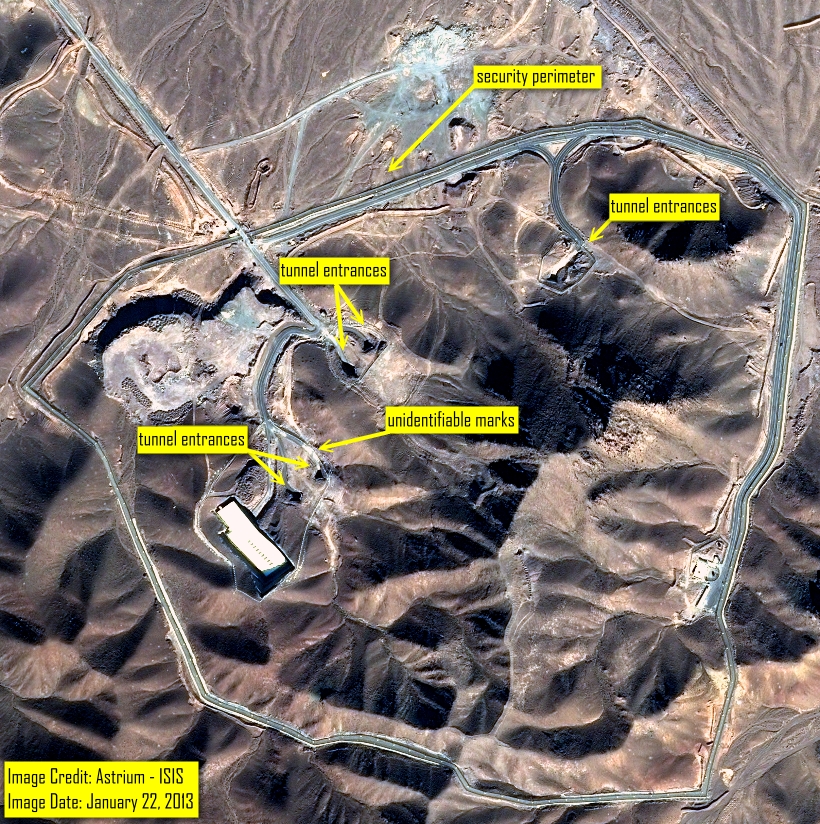
A U.S. intelligence assessment indicates that the air strikes on Iran’s nuclear facilities, including Fordow, Natanz and Isfahan, have damaged above-ground structures and access points but left underground enrichment infrastructure and uranium stockpiles largely undisturbed. The report by the Defence Intelligence Agency projects only a temporary setback—measured in months—to Iran’s nuclear programme, challenging assertions by the White House that the sites were “totally obliterated”.

Satellite imagery released after the strikes on 22 June shows craters and blocked entrances at Fordow, where bunker-busting Massive Ordnance Penetrators reportedly hit ventilation shafts, yet analysts emphasise that the subterranean halls housing centrifuges lie too deep to evaluate via overhead visuals. WMD experts note that centrifuges are “extremely vibration-sensitive”, suggesting potential internal damage, but absent on-site inspection, the extent remains uncertain.

The United Nations nuclear watchdog, the International Atomic Energy Agency, has urged renewed inspections at the sites. Director-General Rafael Grossi told an emergency Board of Governors session that significant underground damage was plausible, yet only rigorous inspections can confirm impact and assess stockpiles of enriched uranium, including the 400 kg of material enriched to 60 percent purity.

The DIA report also confirms that Iranian authorities pre-positioned crucial nuclear materials and equipment prior to the air campaign. High-resolution satellite images captured extensive vehicle activity—bulldozers, trucks and sealed tunnel exits—on 19–21 June, indicating a deliberate evacuation of enriched uranium and centrifuges. Analysts speculate this operation undercut the campaign’s intended impact, preserving Iran’s capacity to resume enrichment and reconstitution of its nuclear programme with comparative ease.

The White House disputes the DIA’s findings. Press Secretary Karoline Leavitt described the intelligence leak as “flat‑out wrong”, citing the precision of the bombing campaign and reiterating President Trump’s declaration of a “perfectly executed mission” and “total obliteration” of Iran’s nuclear infrastructure. Similarly, the Pentagon backs the President, contending that USAF and Navy strikes, featuring B‑2 stealth bombers flying 37‑hour missions deploying MOPs, decisively hit their targets.

Despite official optimism, several non-proliferation experts question whether the attacks achieved strategic success. David Albright, president of the Institute for Science and International Security, asserted that while imagery suggests severe impact at Fordow, conclusive assessment requires internal access. Jeffrey Lewis and other analysts emphasise that intact uranium stockpiles, even if held at other sites, provide Iran with a largely intact nuclear baseline.

The conflict has escalated beyond the nuclear dimension. Intermittent Iranian missile and drone fire has targeted U.S. and allied bases in the wider Middle East, prompting a U.S.-brokered ceasefire between Iran and Israel, while global oil prices fluctuated amid tensions.

IAEA technical teams have not yet been able to return to the sites. Grossi reminded parties that uninterrupted oversight is essential for both verifying the damage and ensuring no material has been diverted for weapons purposes. Iran has not formally objected to future inspections, although parliamentary figures have suggested curbs on IAEA activity if international hostility continues.

Assessment of long‑term outcomes remains contested. Pro‑strike voices argue that disrupting operations, even temporarily, imposes significant costs on Iran’s programme architecture. Critics warn that such tactics could drive Tehran’s nuclear scientific talent further underground or accelerate development of redundant facilities.

Meanwhile, intelligence officials and non‑proliferation authorities emphasise that blunts, quarterly backtracking cannot substitute for diplomacy. Restoring negotiations with Iran, potentially via intermediaries including the IAEA, remains the keystone for ensuring non‑weaponisation and preventing recurrence.

The DIA characterises damage as limited to “core components and stockpiles”—an interpretation not aligned with politically driven portrayals of mission success. As conflict fatigue weighs on global observers, the effectiveness of military action in halting nuclear proliferation faces renewed scrutiny.

Matein Khalid It is ironic that Brent crude collapsed from its $78 high on the New York Merc to as low as 66.80 in early Singapore trading even though Iran’s Revolutionary Guards launched a missile strike on America’s largest military base in the Gulf in Qatar. This retaliatory strike was polite, measured and apologetic with advance notice given to Centcom to avoid any US military casualties. Trump […]

Israeli defence minister Israel Katz declared late on 24 June that he had ordered the Israel Defence Forces to resume “high‑intensity operations” against regime targets in central Tehran. The announcement followed allegations that Iran had launched missiles into Israeli territory, in what Tel Aviv described as a blatant breach of a United States‑mediated ceasefire unveiled just hours earlier by President Donald Trump.

Trump had proclaimed a “complete and total ceasefire” on Truth Social, explaining that Iran would halt strikes first, followed by Israel, in a phased arrangement ending after 24 hours. Within three hours of that declaration, Israel alleged that Iran launched missiles toward its southern regions, prompting Katz’s directive to strike key Iranian infrastructure.

Contradicting Israel’s account, Tehran’s ISNA student news agency denied firing any missiles post‑ceasefire. Iranian foreign minister Abbas Araghchi had earlier stated that Tehran would cease retaliatory actions—conditional on Israel halting operations by 04:00 Tehran time, a condition that purportedly lapsed minutes before hostilities were to pause.

President Trump, addressing the situation on social media, urged both nations to honour the agreement and warned against any violations, offering his oversight as guarantor of the pledge. His announcement followed the deployment of U.S. B‑2 bombers striking three Iranian nuclear sites, and a symbolic retaliatory missile strike from Iran against a U.S. base in Qatar—strikes reportedly calibrated to minimise escalation.

Despite conflicting claims, available evidence indicates a spike in missile exchanges. According to Reuters, Israel’s southern city of Beersheba was hit, resulting in at least four fatalities, while various townships experienced temporary power outages after sirens sounded across the region as Iranian missiles streaked overhead.

Tehran mourned significant civilian losses, with over 10 Israelis killed and more than 250 injured during Iran’s earlier onslaught, which included bombardments on central and southern Israeli regions. Meanwhile, Israel took credit for eliminating senior Iranian military personnel and striking strategic nuclear and missile infrastructure; Benjamin Netanyahu celebrated Israel’s success in degrading what he described as a dual existential threat posed by Iran’s capabilities.

Regionally, Qatar responded strongly, summoning Iran’s ambassador and condemning the attack on U.S. forces at Al Udeid Air Base as a violation of its sovereignty and international law. Saudi Arabia expressed hope that all parties would uphold the ceasefire and de‑escalate.

International markets reacted positively to the ceasefire’s initial announcement. Oil prices dropped, and equities rallied on optimism that the conflict in the Strait of Hormuz might ease—although the renewed strikes quickly revived fears of a wider conflagration.

Experts scrutinise the long‑term viability of the truce. Some analysts suggest installation damage to Iran’s nuclear programme may be reversible, with Iran’s leadership determined to rebuild. Others view the U.S. use of bunker‑buster bombs and Israel’s strategic targeting of Iranian deterrents as potential deterrents that may delay a rapid resurgence.

On the political front, Trump is leveraging the declared ceasefire as a foreign‑policy milestone ahead of an imminent NATO summit. Netanyahu affirmed Israel would respond forcefully to any violations. Tehran warned that its military exercise would persist unless the bombing ended, contending that it acted to “punish Israel for its aggression until the very last minute”.

As global attention turns to negotiations, Qatar’s mediation role and U.S. involvement loom large. The deal remains tentative, with both Israel and Iran accusing each other of breaking terms, and uncertainty surrounding whether Trump’s phased ceasefire timeline will endure.

Gulf states have reopened their airspace and resumed operations at major airports following swift precautionary closures in response to Iran’s missile assault on the US-operated Al Udeid Air Base near Doha. The suspension affected vital hubs such as Hamad International Airport, Dubai International, Bahrain and Kuwait, forcing dozens of flight reroutes and cancellations. Iran launched a barrage of short- and medium-range ballistic missiles targeting Al Udeid, home […]

Donald Trump proclaimed a full ceasefire between Israel and Iran on Monday, marking what he described as the end of a “12‑day war” that forced millions from Tehran and sparked grave fears of escalation. He posted on Truth Social that Iran would halt its operations at midnight ET, followed by Israel twelve hours later, culminating in a 24‑hour cessation of hostilities.

Trump touted the move as a diplomatic breakthrough, congratulating “both Countries, Israel and Iran, on having the Stamina, Courage, and Intelligence to end” the conflict. He asserted that the agreement was brokered in discussions with Prime Minister Netanyahu and through U.S. envoys in dialogue with Tehran, with Qatar playing a key intermediary role.

Iran’s foreign minister, Abbas Araghchi, echoed that Tehran’s forces stood down at 4 a.m. Tehran time if Israel ceased its attacks by then, though he clarified that a final decision on halting military operations was pending. Israel’s military has yet to formally acknowledge the ceasefire, and missile alerts and strikes were still reported over Tel Aviv, Beersheba and the Golan Heights in the hours following the announcement.

The conflict began on 13 June when Israel launched airstrikes on Iran’s nuclear and military infrastructure, including sites near Natanz, Isfahan and Tehran. That response, which Israeli authorities described as necessary to counter an alleged Iranian march towards nuclear weapons capability, included the destruction of centrifuge material and the deaths of senior Iranian military figures and nuclear scientists. Iran retaliated with waves of missiles and drones aimed at Israeli territory; Israel intercepted many of them, but civilian casualties were reported in Beersheba and Tel Aviv.

The conflict widened when the United States joined with bunker‑buster strikes on Iranian underground nuclear facilities over the weekend, prompting Iran to retaliate by targeting the U.S. air base at Al Udeid in Qatar. The attack caused no casualties, and Trump later thanked Iran for the “early notice,” calling it a “very weak response”.

Though Trump dismissed European diplomatic efforts as ineffective, he warned that U.S. involvement remained a distinct possibility if Iran escalated further, positioning American strikes solely against nuclear targets. Internal Israeli pressure also rose; Prime Minister Netanyahu reportedly instructed ministers to refrain from public commentary as military activity approached a pause.

Humanitarian fallout during this period has been acute. Over 650 Iranians have died, according to Iranian health data, including civilians, and over 200 Israeli military and civilian fatalities have been reported. Tehran saw large-scale evacuations as power and internet access faltered.

International bodies raised alarms over the bombardment of nuclear facilities. The International Atomic Energy Agency cautioned against striking enrichment sites due to risks of radiological contamination. Legal experts also voiced concerns that the strikes on civilian infrastructure—including hospitals and residential neighborhoods—could constitute violations under international humanitarian law.

Despite the ceasefire declaration, uncertainty remains. Iran’s foreign minister warned that if Israeli attacks persisted past 4 a.m. Tehran time, hostilities could resume. Similarly, Israeli officials reported continued launcher of missiles from Iran, demonstrating that the ceasefire may be fragile.

Regional and global reactions have been varied. Qatar’s prime minister was credited with facilitating Iran’s acceptance of the U.S.-proposed ceasefire. European negotiators, meanwhile, expressed frustration that efforts in Geneva had produced little movement before hostilities intensified. Both Russia and China urged restraint and urged full de‑escalation.

Markets responded positively to the ceasefire announcement, reflecting investor hopes for regional stability, yet the humanitarian toll and legal implications—the destruction of nuclear infrastructure, civilian casualties, and potential violations of international law—leave an ambiguous legacy for a war that surged in intensity over just under two weeks. The path ahead now hinges on whether both nations uphold the phased withdrawal and open room for diplomatic resolution amid deep mistrust.

VISHNU RAJA
RYO YAMADA
HITORI GOTOH
IKUYO KITA