News related to
Missile

A prominent investment fund has made a significant wager on Brent crude oil prices surging toward $100 per barrel, reflecting growing concerns over escalating geopolitical tensions in the Middle East. On Monday, options contracts equivalent to 20 million barrels were traded, poised to profit if Brent’s June futures approach the $100 mark. This substantial position underscores the fund’s anticipation of a potential price spike amid mounting regional […]

North Korea has emerged as the third-largest government holder of Bitcoin, amassing approximately 13,562 BTC, currently valued at around $1.12 billion. This significant accumulation is primarily attributed to the state-sponsored hacking collective known as the Lazarus Group, which orchestrated a series of high-profile cryptocurrency thefts, including the unprecedented $1.5 billion hack of the Dubai-based exchange, Bybit, in February 2025.

The Federal Bureau of Investigation has officially attributed the Bybit hack to North Korean cyber actors associated with the Lazarus Group, also referred to as “TraderTraitor.” The breach involved the theft of approximately 400,000 Ethereum tokens, marking it as the largest cryptocurrency exchange hack to date. The stolen assets were subsequently laundered through various blockchain networks and converted into Bitcoin, significantly bolstering North Korea’s cryptocurrency reserves.

The Lazarus Group, active since at least 2007, has been implicated in numerous cyberattacks targeting financial institutions and cryptocurrency platforms worldwide. Their operations have evolved in sophistication, employing advanced techniques such as phishing, malware deployment, and exploiting vulnerabilities in decentralized finance platforms. Notably, in March 2022, the group was responsible for stealing $620 million from the Ronin Network, a blockchain platform associated with the online game Axie Infinity.

In the Bybit incident, the hackers exploited a vulnerability in the exchange’s system, enabling them to transfer the substantial sum to addresses under their control. Despite efforts by international authorities and cybersecurity experts to trace and recover the stolen funds, the hackers have successfully laundered a significant portion, complicating recovery efforts. Bybit has acknowledged the breach and is cooperating with global law enforcement agencies to mitigate the impact and enhance security measures.

North Korea’s strategic focus on cryptocurrency theft serves multiple purposes. The regime utilizes these illicit gains to circumvent international sanctions, fund its nuclear and ballistic missile programs, and bolster its struggling economy. The decentralized and pseudonymous nature of cryptocurrencies presents challenges for traditional financial oversight, providing the regime with a means to acquire substantial resources without direct detection.

The international community has expressed growing concern over North Korea’s cyber capabilities and their implications for global financial security. The United Nations has reported that these cyber activities have become a crucial revenue stream for the regime, with estimates suggesting that North Korea has stolen over $2 billion through cyberattacks targeting financial institutions and cryptocurrency exchanges. In response, several countries have imposed sanctions aimed at curbing these illicit activities and are collaborating to enhance cybersecurity measures across critical financial infrastructures.

European nations are accelerating defense initiatives in response to concerns over the United States’ commitment to NATO under President Donald Trump. French President Emmanuel Macron has urged European Union members to increase defense spending to between 3% and 3.5% of GDP, citing the necessity for Europe to assume greater responsibility for its security. The European Commission, led by Ursula von der Leyen, has proposed an €800 billion […]

By Nitya Chakraborty The U.S. President Donald Trump has fired his missile on Europe, especially, France, UK and Germany by suspending arms aid to Ukraine after categorically making it clear that President Zelensky has to agree to the peace and security deal proposed by Trump on Friday in the White House meeting. The deal is […]

A massive security breach at Dubai-based cryptocurrency exchange Bybit has resulted in the theft of approximately $1.5 billion in Ethereum , marking one of the largest heists in the digital currency sector. The attack, attributed to North Korean hacking groups Lazarus and TraderTraitor, has raised significant concerns about cybersecurity within the cryptocurrency industry.

The Federal Bureau of Investigation has linked the theft to these North Korean-affiliated hackers, who reportedly utilized malware-infected cryptocurrency trading applications to infiltrate Bybit’s systems. This method allowed them to drain substantial amounts of Ethereum from the exchange’s reserves. The stolen funds are believed to be funneled into North Korea’s nuclear and missile programs, highlighting the geopolitical implications of such cybercrimes.

In response to the breach, Bybit’s CEO, Ben Zhou, announced that the exchange has fully restored its Ethereum reserves. The company secured approximately 446,870 ETH through strategic acquisitions and loans, ensuring that all client assets remain backed on a one-to-one basis. This swift action aims to maintain customer trust and stabilize the platform following the unprecedented hack.

The impact of the theft extended beyond Bybit, affecting the broader cryptocurrency market. Funding rates across various platforms experienced a decline, reflecting heightened uncertainty among investors. Ethereum’s price volatility increased as traders reacted to the news, with some large holders, or “whales,” expressing caution amid the fluctuating market conditions.

Despite the initial shock, there are signs of recovery within the market. Bybit’s replenishment of its Ethereum reserves has contributed to a gradual restoration of confidence among users and investors. Additionally, the exchange has launched a $140 million bounty program to incentivize information leading to the recovery of the stolen assets and the identification of the perpetrators.

The hackers have reportedly laundered approximately $335 million of the stolen funds, leaving around $900 million unaccounted for. This ongoing movement of assets poses challenges for authorities attempting to trace and recover the stolen cryptocurrency. The laundering process involves complex techniques, including transferring funds across multiple blockchains and utilizing mixing services to obscure the transaction trail.

Bybit has pledged to enhance its security protocols to prevent future breaches. The exchange is collaborating with international law enforcement agencies and cybersecurity firms to investigate the hack and mitigate potential risks. This incident underscores the critical need for robust security measures within the cryptocurrency industry, as exchanges remain prime targets for sophisticated cyberattacks.

The broader implications of the Bybit hack have prompted discussions about regulatory oversight and the responsibility of exchanges to protect user assets. As the digital currency market continues to evolve, ensuring the security of platforms and the integrity of transactions remains a paramount concern for both industry participants and regulators.

In the aftermath of the hack, Bybit conducted a comprehensive audit to verify the restoration of its reserves. The exchange plans to release an updated proof-of-reserves report, utilizing a Merkle tree structure to provide transparency and reassure clients of the platform’s solvency. This move aims to rebuild trust and demonstrate Bybit’s commitment to safeguarding user assets.

The cryptocurrency community has rallied in support of Bybit, with industry leaders emphasizing the importance of collective efforts to combat cyber threats. Collaborative initiatives are being explored to share threat intelligence and develop standardized security practices across exchanges. These efforts aim to fortify the industry’s defenses against increasingly sophisticated hacking groups.

While the Bybit hack serves as a stark reminder of the vulnerabilities within the cryptocurrency ecosystem, it also highlights the resilience of platforms and their ability to respond to crises. By swiftly restoring its reserves and implementing enhanced security measures, Bybit aims to turn this challenging episode into an opportunity to strengthen its operations and contribute to the overall security of the digital asset landscape.

Matein Khalid Who would have thought that an elegiac hillbilly like J.D. Vance would articulate the requiem for the Western Alliance and NATO at Munich even as Donald Trump prepares for his alpha male sword dance in the Saudi desert, though I really hope POTUS-47 does not try to take on Putin in judo because the little guy is a certified black belt, who can pulverize DonnyT […]

By Ben Chacko LONDON: The geopolitics of Europe are moving. The least we should demand of our elected representatives in Parliament is a frank discussion of that. We have been denied one. When Russia launched its illegal invasion of Ukraine in February 2022, Labour MPs who signed a Stop the War Coalition statement condemning that […]
Advertisements
By T N Ashok WASHINGTON: Indian Prime Minister Narendra Modi’s visit the United States is more significant than ever at a time when the geo-political situation is fast changing, and new leaders take over in many countries. Modi’s scheduled meeting with US President Donald Trump on Thursday in White House offered positive results for the […]

India is poised to enhance its naval capabilities through a significant acquisition of 26 Rafale Marine jets from France. The French government has submitted its final price proposal to New Delhi, marking a pivotal step in the procurement process. This development coincides with National Security Advisor Ajit Doval’s scheduled visit to Paris, where the deal is expected to feature prominently in strategic discussions.

The Rafale Marine jets are intended for deployment on the INS Vikrant, India’s indigenous aircraft carrier, as well as at various naval bases. The inclusion of these advanced fighters is anticipated to significantly bolster the Indian Navy’s maritime strike capabilities. Defence sources indicate that the French side has offered a substantial price reduction following rigorous negotiations, underscoring the deepening defence collaboration between the two nations.

A French delegation recently visited New Delhi to finalise the terms of the agreement. The deal’s progression is expected to be a focal point during the India-France Strategic Dialogue, where NSA Doval will engage with his French counterparts. This dialogue aims to further solidify bilateral ties and address mutual security concerns.

India has approved specific modifications in the letter of request for the Rafale Marine jets, including the integration of the indigenous Uttam radar system. While this integration is projected to take approximately eight years and entails additional costs, it represents a significant step towards self-reliance in defence technology. Furthermore, India has requested the incorporation of homegrown weaponry, such as the Astra beyond-visual-range missiles and Rudram anti-radiation missiles, into the aircraft’s arsenal.

The pricing structure of the deal is informed by previous agreements, notably the procurement of 36 Rafale fighter jets for the Indian Air Force. Considerations include factors like inflation rates and the inclusion of specific requirements from the Indian Air Force, such as the provision of approximately 40 drop tanks and a limited number of workstations for the aircraft.

In addition to the Rafale Marine jets, India and France are finalising a deal for three additional Scorpene-class submarines. These submarines are slated to be constructed with French collaboration, further enhancing India’s underwater warfare capabilities. Both deals, collectively valued at nearly Rs 1 lakh crore, are anticipated to be concluded by the end of the current fiscal year, reflecting the robust and growing defence partnership between the two nations.

The acquisition of the Rafale Marine jets and Scorpene submarines aligns with India’s broader strategy to modernise its military assets and strengthen its defence posture in the Indo-Pacific region. As geopolitical dynamics evolve, such strategic partnerships and procurements are crucial for maintaining regional stability and safeguarding national interests.

The Rafale Marine, a naval variant of the Dassault Rafale, is renowned for its versatility and advanced combat capabilities. Equipped with state-of-the-art avionics and weapon systems, it is capable of carrying out a wide range of missions, including air superiority, ground attack, and reconnaissance. Its integration into the Indian Navy is expected to significantly enhance operational readiness and combat effectiveness.

The Scorpene-class submarines, developed by France’s Naval Group, are diesel-electric attack submarines known for their stealth and advanced sonar capabilities. The addition of three more Scorpene submarines will augment the Indian Navy’s underwater warfare strength, providing a strategic advantage in maritime operations.

Matein Khalid There is no geopolitical risk premium in Brent crude even though history just went fast forward and literally ballistic in the Middle East as the IDF bombed Hamas into the Stone Age, decapitated Hezbollah’s command/communications networks, killed Nasrallah, forced Iran’s most valuable proxy militia to sue for a ceasefire in Lebanon, destroyed Iran’s Russian S300 anti-missile defense systems and escalated its air assault on the […]

By Manish Rai While on my recent visit to Iraqi Kurdistan, I visited several frontline positions of the Peshmerga forces, where they are facing the Iraqi Army and active ISIS cells. Firstly, I visited Brigade 14 headquarters near Dibak, approximately 60 km from the Kurdistan capital, Erbil. There, I met with Brigadier General Almi Mzuri; he is a seasoned soldier who worked in the Iraqi Army for […]

North Korean troops deployed in Russia’s Kursk region are experiencing significant casualties and logistical challenges due to Ukrainian military actions, according to Ukraine’s military intelligence agency, GUR. Ukrainian strikes near Novoivanovka have inflicted substantial losses on these units, which are also contending with supply shortages, including a lack of drinking water. Ukrainian President Volodymyr Zelenskyy reported that over 3,000 North Korean soldiers have been killed or wounded […]

By Nitya Chakraborty Leftwing Democratic senator Bernie Sanders is a veteran self proclaimed socialist who has been consistently fighting for drastic cut in the budget of the U.S. military since his election as a young senator from Vermont decades ago. In the November elections, he won his seat for the fourth time for another six […]

From wars in Eastern Europe and the Middle East to rising tensions in the Taiwan Strait, geopolitical instability has become the defining characteristic of our time. There are now more active armed conflicts than at any point since World War II. Simultaneously, the digital realm has become a battleground, with cyberattacks escalating in frequency and sophistication, targeting both national infrastructures and private enterprises. While these developments are […]

Russia has announced the deployment of a hypersonic ballistic missile in the ongoing conflict with Ukraine, a move that Moscow claims is a direct response to Western military aid, including U.S. and British weaponry. President Vladimir Putin stated that this advanced missile system was launched during intensified fighting, marking a significant escalation in the conflict. This development comes against the backdrop of continued Russian missile strikes across […]

By Nitya Chakraborty The Ukraine war entered its 1000th day on Tuesday, November 19 and on the same afternoon, President Zelensky used for the first time high tech AATCMS missiles for striking inside Russia after getting green signal from the outgoing President Joe Biden only two days before. Soon after, President Putin announced lowering the […]
By Nantoo Banerjee With geopolitical tensions rising in Europe and Asia and central banks across the world buying gold like never before are mainly behind the near continuous rise in gold prices since last year. The surging gold price trend may continue through the coming months unless peace and economic stability soon return to the […]

Divya Malhotra Middle East has turned into a ticking time bomb as Iran and Israel stand on the verge of a full-blown war. A lot has transpired between the two countries since the October 2023 Hamas attack on Israel and the ensuing Gaza war. Israel is more than a thousand miles away from Iran. They do not share any border and there are no significant bilateral claims […]

As tensions escalate between Israel and Iran, the world is watching with bated breath, and financial markets are bracing for a potential economic shock. The deployment of additional US troops and advanced anti-missile systems to Israel highlights how serious the situation has become. Recent unprecedented attacks from Iran and Israel’s potential countermeasures, particularly targeting Iran’s vital oil or nuclear facilities, could set the stage for a global […]

The Pentagon has announced the deployment of the Terminal High Altitude Area Defense (THAAD) missile defense system to Israel, reinforcing the nation’s defense capabilities against potential missile threats, particularly from Iran. This strategic move includes sending US military personnel to operate the system and comes amid escalating tensions in the region, notably due to Iran’s ongoing missile development and regional activities.

The deployment of the THAAD system, which is designed to intercept short- to intermediate-range ballistic missiles, marks a significant step in US-Israel defense cooperation. The system will enhance Israel’s already robust missile defense architecture, which includes the Iron Dome and David’s Sling systems. US Secretary of Defense Lloyd Austin emphasized the importance of this deployment, stating that it demonstrates the United States’ unwavering commitment to Israel’s security. He reiterated that the United States will continue to work closely with its allies to address shared security challenges.

Analysts suggest that this deployment is not merely a precautionary measure; it serves as a signal to both allies and adversaries that the US stands firmly with Israel in the face of rising threats. Iran’s missile program has expanded rapidly in recent years, with officials claiming capabilities to strike targets across the Middle East. Reports indicate that Iran is developing long-range missiles capable of reaching Europe and beyond, raising alarms not only in Israel but also among European nations and the Gulf states.

The THAAD system, operational since 2008, has been deployed in several locations worldwide, including South Korea and the United Arab Emirates, highlighting its role in US military strategy. This particular deployment is part of a broader framework of military support provided by the United States to Israel, which receives approximately $3.8 billion annually in military aid, as outlined in a 10-year memorandum of understanding signed in 2016.

Tensions have intensified in the region due to a range of factors, including Iran’s nuclear program and its support for militant groups like Hezbollah and Hamas. The Biden administration’s approach to Iran, characterized by attempts to re-engage diplomatically while maintaining a stance of deterrence, reflects the complexities of regional geopolitics. In the wake of stalled negotiations over the Iran nuclear deal, the deployment of THAAD serves as a tangible measure of deterrence.

Experts also note that Israel has been strengthening its own military capabilities, including advancements in aerial defense systems and cyber warfare. The Israeli military has been conducting various exercises to prepare for potential confrontations, ensuring that its forces are ready to respond to threats on multiple fronts. The addition of THAAD will complement these efforts, particularly in countering long-range missile threats.

The timing of this deployment coincides with heightened tensions between Israel and Palestinian factions in Gaza. Following a series of rocket attacks from Gaza, the Israeli military has intensified airstrikes, prompting fears of an escalation into broader conflict. The THAAD system is expected to provide an additional layer of defense against potential retaliatory missile strikes that could emerge from such clashes.

US officials have reiterated that the deployment does not signify an intention to escalate military involvement in the region but rather aims to bolster Israel’s defensive posture. This move reflects a strategic shift toward enhancing missile defense capabilities in an era marked by technological advancements in missile systems worldwide.

As the situation unfolds, the implications of this deployment will likely resonate beyond Israel, influencing the broader dynamics of Middle Eastern security. Regional actors, including Iran, will be closely monitoring the developments, assessing the implications for their own defense strategies and military posturing.

International reactions to the THAAD deployment have been mixed. While Israeli officials have welcomed the additional security assurances, some regional nations view the move with skepticism. There are concerns that increased US military presence could exacerbate existing tensions in an already volatile region.

As the Pentagon mobilizes resources to support Israel, the focus will also shift to diplomatic efforts aimed at addressing the underlying issues driving regional instability. Engaging Iran in constructive dialogue remains a challenge, with trust deficits complicating the prospects for meaningful negotiations.

Over 80 flights have been diverted following a missile attack by Iran on Israeli territory, marking a significant escalation in tensions in the region. The attack, which occurred on a busy travel day, has triggered widespread disruptions in air travel, affecting routes across Europe, the Middle East, and beyond. As airlines scramble to adapt to the situation, travelers are facing delays and uncertainty as air traffic controllers adjust flight paths to ensure safety.

The missile assault targeted multiple locations in Israel, reportedly hitting near Tel Aviv and other key areas, prompting immediate responses from Israeli defense forces. In retaliation, Israel launched airstrikes against what it described as military installations in Iran, intensifying fears of a larger conflict. The situation has heightened anxieties among airlines and travelers, with many countries issuing travel advisories.

Air traffic management systems in various regions have been strained as the diversion of flights has created congestion in alternative airports. Affected airlines, including major carriers like Emirates, Lufthansa, and British Airways, have altered their flight schedules and routes to avoid the conflict zone. Passengers are being informed about changes, with many facing rebooking challenges due to the high volume of travelers displaced by the diversions.

Israeli officials have condemned the missile attack, describing it as a direct threat to civilian safety. The country’s Prime Minister stated that the government would respond with appropriate measures to safeguard its citizens. Analysts suggest that this incident could represent a turning point in the ongoing tensions between Iran and Israel, as well as potentially destabilizing the broader geopolitical landscape in the Middle East.

The impact of the attack extends beyond immediate safety concerns. Economists warn that prolonged instability in the region could affect global oil prices and trade routes. The fear of escalation might lead to increased insurance premiums for flights operating in and around the area, further complicating the situation for airlines and passengers alike.

Travelers currently in transit or scheduled to fly to Israel are advised to stay updated on their flight statuses and consult with airlines for the latest information. Some travelers have reported being rerouted to airports in nearby countries such as Cyprus and Greece, where they can continue their journeys after the situation stabilizes. However, the longer-term implications of this event may lead to broader shifts in airline operations, particularly for those serving the Middle East.

As airlines navigate these complex challenges, industry experts are analyzing how this incident might reshape air travel in the region. While the immediate focus is on safety and logistical adjustments, the incident raises questions about the resilience of global air travel amid geopolitical tensions. Airlines may need to reassess their risk management strategies, particularly for routes that are vulnerable to similar threats in the future.

International responses to the missile attack have also been varied, with some nations condemning the violence and calling for calm. The United Nations has expressed concern over the escalation of hostilities and the potential humanitarian consequences for civilians in the region. Diplomatic efforts are being initiated to de-escalate tensions and encourage dialogue between the conflicting parties, though success remains uncertain amid the heightened atmosphere of distrust.

In the broader context, this missile attack illustrates the fragility of peace in the region. Analysts note that the cycle of retaliation between Iran and Israel has persisted for years, and incidents like this may trigger further actions on both sides. The potential for regional instability to escalate into a wider conflict remains a concern for many observers.

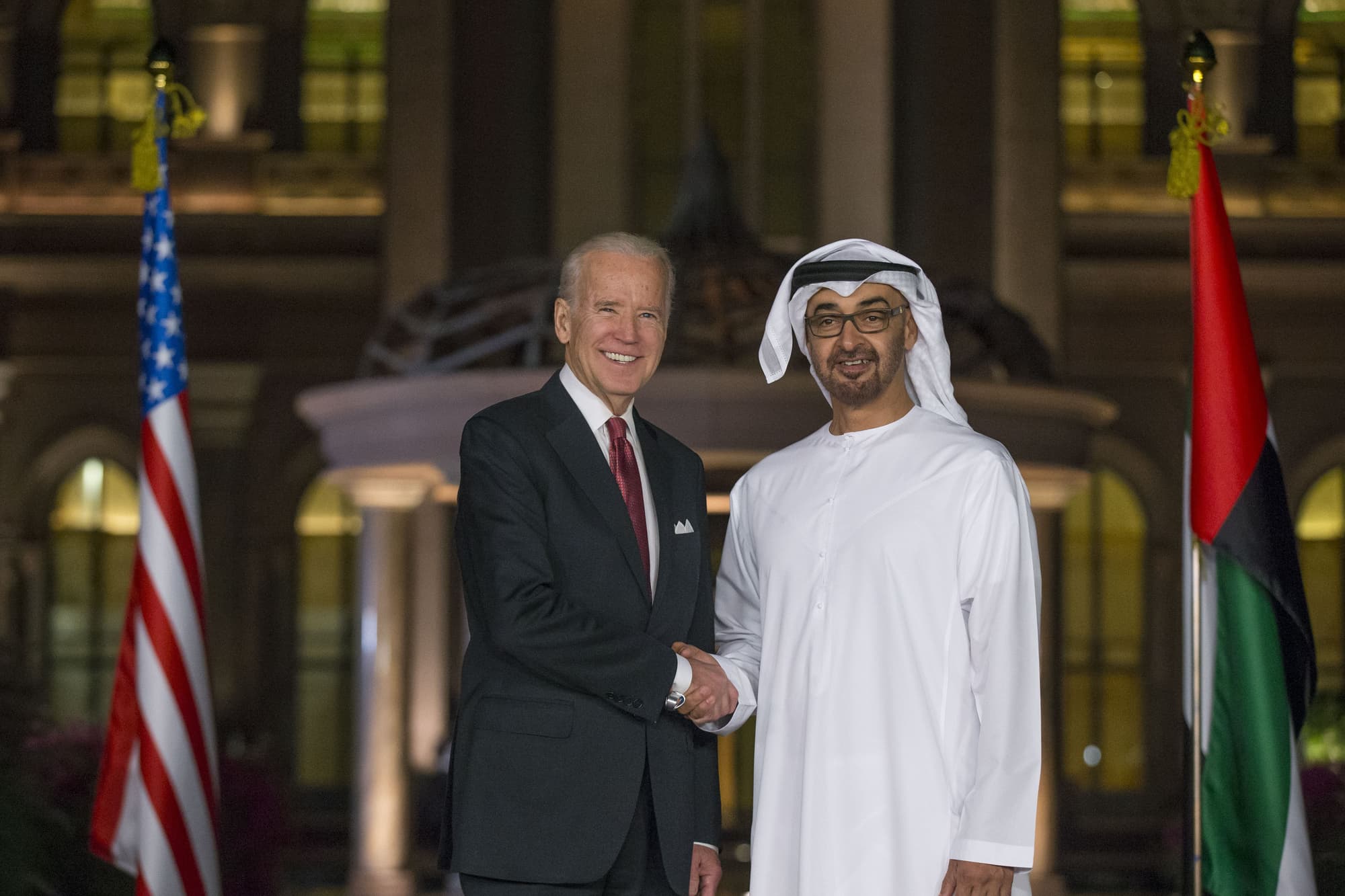
President Joe Biden has officially designated the United Arab Emirates as a major defense partner of the United States, solidifying the nation’s strategic role in the region. This move comes shortly after a similar designation was awarded to India, underscoring Washington’s efforts to build stronger alliances with Gulf and South Asian powers in the face of shifting global security dynamics. The announcement marks a significant step in US-UAE relations, enhancing defense cooperation and reaffirming the UAE’s importance in American military strategy.

The decision highlights the UAE’s evolving role as a critical player in regional security. With this designation, the UAE joins a select group of countries that enjoy preferential treatment when it comes to military cooperation with the United States. The relationship allows for greater access to advanced defense technology, streamlined military sales processes, and deeper intelligence collaboration. These developments come amid ongoing efforts by the US to recalibrate its security commitments in the Middle East, pivoting towards nations capable of contributing more significantly to their own defense.

Biden’s formal recognition of the UAE as a defense partner builds on decades of close military ties between the two nations. The UAE has long been a hub for US military operations in the region, hosting troops and serving as a staging ground for operations in neighboring conflict zones. The move is also seen as part of Washington’s broader strategy to reinforce its influence in the Gulf, where rising geopolitical tensions and the involvement of foreign powers like Russia and China continue to shape the security landscape.

For the UAE, this designation is not merely symbolic. It solidifies the nation’s status as a regional security leader and elevates its position on the global stage. It also provides the UAE with more direct access to sophisticated US defense systems, which will be critical in enhancing its defense capabilities amidst growing concerns over missile threats and other regional challenges. The UAE has long sought to upgrade its military arsenal, focusing on cutting-edge technology such as advanced fighter jets and missile defense systems. This new designation could accelerate these procurements, allowing for a faster, more seamless process.

The US government has been increasingly focused on forging deeper security ties with countries it sees as vital to countering both state and non-state actors. The UAE has been a crucial partner in US-led efforts to combat terrorism and ensure maritime security in the Gulf, particularly through its involvement in anti-piracy and anti-smuggling operations. The nation’s strategic location and military infrastructure have made it an indispensable ally in addressing threats posed by extremist groups and hostile states in the region.

Meanwhile, this development coincides with broader geopolitical shifts, as the US grapples with its role in a multipolar world. The Biden administration’s defense policy has focused on reducing its military footprint in some traditional hotspots while doubling down on partnerships that bolster regional security autonomously. The designation of both the UAE and India as major defense partners reflects a recalibrated approach to ensuring stability through cooperation, rather than direct military involvement.

The strategic importance of the UAE extends beyond the Middle East. Its influence in Africa, Central Asia, and the Indian Ocean region makes it a key player in a wider arc of geopolitical interests. With major global powers vying for influence in the Middle East, Washington’s decision to deepen its defense ties with Abu Dhabi also signals its intention to counter growing Russian and Chinese influence. China’s Belt and Road Initiative and increasing arms sales to Gulf countries, including the UAE, are clear indicators that the region is a key battleground for global influence.

The UAE’s defense relationship with the United States has grown in complexity in recent years. The two nations have regularly conducted joint military exercises, and the UAE has made substantial purchases of US-made defense equipment, including F-16 fighter jets, missile defense systems, and advanced drones. More recently, the UAE has expressed interest in acquiring next-generation US fighter jets, including the F-35, as part of its efforts to enhance its military edge. The partnership also extends to counterterrorism operations, where the two nations collaborate closely in intelligence sharing and tactical support to neutralize extremist threats.

The decision to elevate the UAE’s status comes against the backdrop of broader regional realignments. The Abraham Accords, which normalized diplomatic relations between the UAE and Israel, have reshaped the strategic landscape of the Middle East, offering new opportunities for cooperation between key US allies. This trilateral relationship between the US, UAE, and Israel is likely to deepen in the defense sphere, with potential collaborations in areas like missile defense and cybersecurity.

At the same time, the UAE faces growing security concerns closer to home. The conflict in Yemen, where the UAE has been heavily involved, continues to pose risks to regional stability. Iranian-backed Houthi rebels have launched missile and drone attacks against UAE infrastructure, raising the stakes for Abu Dhabi’s defense posture. The new designation from Washington could pave the way for more robust US support in addressing such threats, with the potential for more advanced defense systems aimed at countering missile and drone attacks.

US defense experts have praised the move, calling it a logical step in strengthening bilateral ties with a trusted partner in the Gulf. They argue that bolstering the UAE’s defense capabilities is not only in the interest of regional stability but also aligns with the US strategy of building self-reliant regional security partners. The UAE’s growing military spending and its focus on modernizing its armed forces further bolster the case for Washington’s decision.


Tensions between major global powers are escalating as intelligence reports reveal a concerning deepening of military ties between Iran and Russia. Central Intelligence Agency (CIA) Director William Burns has highlighted that Iran is poised to significantly increase its support for Russia by potentially supplying ballistic missiles to aid Moscow’s ongoing conflict in Ukraine. This move, according to Burns, could represent a “dramatic escalation” in the level of […]

One of Ukraine’s F-16 fighter jets was downed while attempting to repel a large-scale Russian missile and drone attack earlier this week, marking the first loss of the U.S.-supplied aircraft since its introduction into the Ukrainian arsenal. The incident has sparked significant concern within Kyiv’s military leadership and resulted in the dismissal of the country’s air force commander, Lt. Gen. Mykola Oleshchuk.

The crash occurred amid an intensifying wave of Russian assaults across various regions of Ukraine. Although the exact cause of the crash remains under investigation, there have been unverified claims that the F-16 may have been mistakenly hit by a Patriot air-defense system. Ukrainian authorities have not confirmed this scenario, but the allegation has already led to heightened tensions within the Ukrainian government and military.

In a swift response, President Volodymyr Zelenskyy removed Oleshchuk from his position, citing the need to enhance the protection of military personnel and ensure stronger command-level decisions. Lt. Gen. Anatolii Kryvonozhko was appointed as the acting air force commander, with immediate tasks focused on reviewing the incident and maintaining operational effectiveness amidst the ongoing conflict.

The crash highlights the fragile balance in Ukraine’s efforts to counter Russia’s aerial superiority. While the introduction of F-16s from European allies has been hailed as a significant boost to Ukraine’s air capabilities, military analysts caution that these aircraft alone cannot drastically alter the course of the war. The Russian air force, backed by sophisticated defense systems, remains a formidable challenge, as evidenced by this latest loss.

On the ground, Russian forces have continued their offensive in eastern Ukraine, while Ukrainian troops strive to hold strategic positions. The F-16 crash underscores the broader difficulties faced by Kyiv in its efforts to sustain a robust defense against a well-equipped adversary.

Meanwhile, Russia’s attacks have also led to significant civilian casualties. A bombing raid on the northeastern city of Kharkiv resulted in the deaths of six people, including a 14-year-old girl, and left dozens wounded. Ukrainian officials argue that such attacks could be mitigated if Western partners further relaxed restrictions on the use of donated weapons, allowing Ukrainian forces to target Russian military assets more effectively.

As investigations into the F-16 crash continue, the incident serves as a stark reminder of the risks inherent in modern warfare and the complexities of coordinating an international coalition in support of Ukraine’s defense efforts. The outcome of this investigation could influence future military strategies and the deployment of critical air assets as Ukraine navigates its path through the ongoing conflict.

The downing of the F-16 and the subsequent shake-up in military leadership represent a critical moment in the war, highlighting both the challenges of integrating new technology into a warzone and the ongoing determination of Ukraine to adapt and respond to evolving threats.

VISHNU RAJA
RYO YAMADA
HITORI GOTOH
IKUYO KITA