News related to
Mubadala

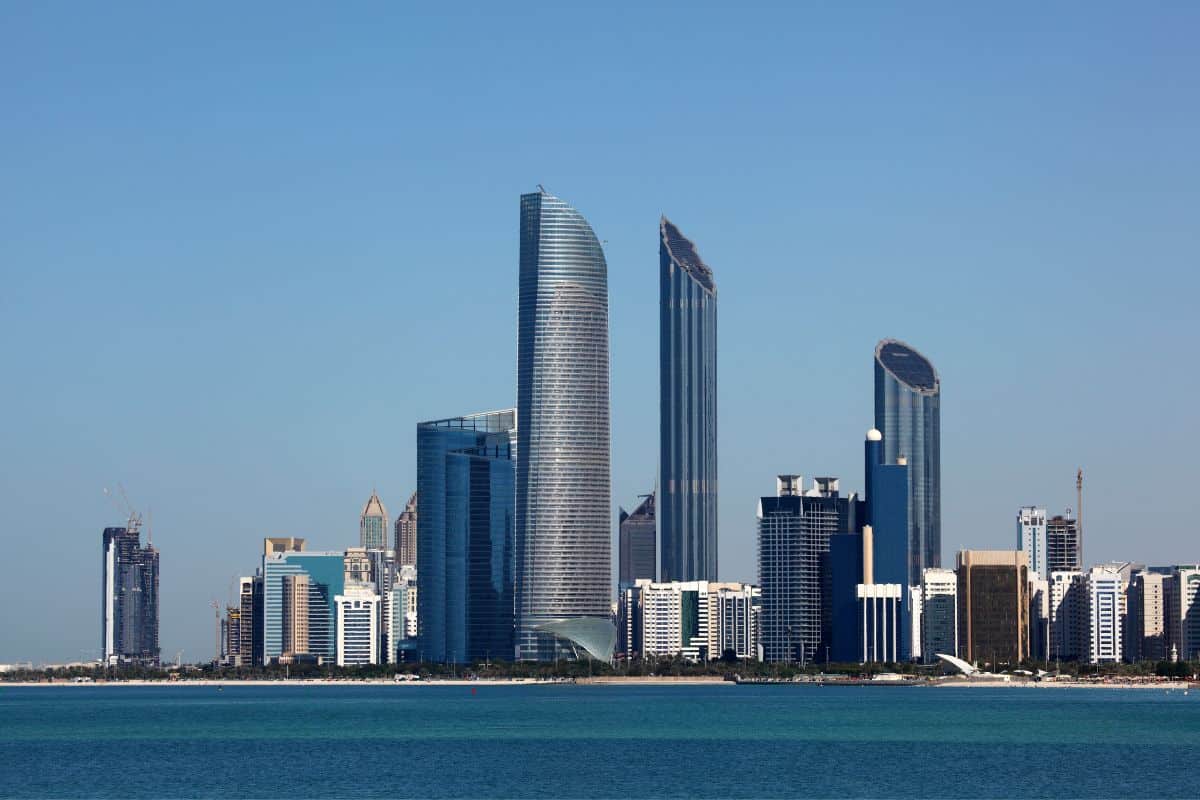
Abu Dhabi has emerged as the wealthiest city globally, boasting sovereign wealth funds (SWFs) that collectively manage assets worth $1.7 trillion. This ranking highlights the city’s financial significance and positions it as a critical player on the world stage.

The analysis, conducted by various financial institutions, underscores Abu Dhabi’s SWFs, including the Abu Dhabi Investment Authority (ADIA) and Mubadala Investment Company. These entities have strategically diversified their investments across sectors such as technology, infrastructure, healthcare, and renewable energy, driving substantial returns. As of this year, the ADIA alone manages assets estimated at over $700 billion, positioning it as one of the largest SWFs globally.

A crucial aspect of Abu Dhabi’s financial success stems from its oil and gas revenues, which have historically fueled the growth of these funds. The emirate has effectively transformed its natural resource wealth into a broad-based investment strategy, allowing it to capitalize on opportunities beyond hydrocarbons. Investments in international markets and partnerships with global firms have further diversified its portfolio and reduced dependency on oil revenues.

The financial environment in Abu Dhabi benefits from robust government support and a commitment to enhancing the investment climate. Initiatives to attract foreign direct investment (FDI) have played a vital role in expanding the emirate’s economic landscape. The introduction of new laws and reforms aimed at easing business operations, coupled with free trade zones, has made Abu Dhabi an appealing destination for global investors.

Recent developments indicate that the UAE, led by Abu Dhabi, is keen on positioning itself as a center for financial technology (fintech). The government has launched various initiatives to promote innovation in the financial sector, attracting startups and established companies to the region. These initiatives are expected to create a vibrant ecosystem that enhances the emirate’s economic resilience.

While Abu Dhabi’s wealth continues to grow, it faces challenges common to cities reliant on large-scale investments. The ongoing global shift towards sustainable investments and green energy poses both risks and opportunities. Abu Dhabi is already taking proactive measures to address these changes, with investments in renewable energy projects such as the Mohammed bin Rashid Al Maktoum Solar Park and the Barakah Nuclear Energy Plant.

Another key player in Abu Dhabi’s economic landscape is the Abu Dhabi Global Market (ADGM), an international financial center that has garnered attention for its regulatory framework and ease of doing business. ADGM has attracted numerous global financial institutions and fintech firms, enhancing the emirate’s reputation as a financial hub. This growth is evidenced by a significant increase in the number of registered entities within ADGM, reflecting the appeal of Abu Dhabi as a business destination.

The global economic climate, characterized by inflationary pressures and geopolitical uncertainties, also influences investment strategies in Abu Dhabi. Financial analysts note that the emirate’s diversified approach mitigates risks associated with market volatility. Its emphasis on long-term investments and sustainable growth positions Abu Dhabi favorably compared to cities that may rely heavily on cyclical industries.

Abu Dhabi’s wealth is not just confined to financial markets. The emirate has invested heavily in cultural and social projects aimed at enhancing quality of life and promoting tourism. Initiatives such as the Louvre Abu Dhabi and the Guggenheim Museum project exemplify the city’s commitment to fostering a rich cultural scene, making it an attractive destination for visitors and expatriates alike.

As global economies navigate the complexities of post-pandemic recovery, Abu Dhabi’s status as the world’s richest city reinforces its position as a resilient and adaptive financial center. The emirate’s strategic investments and commitment to innovation and sustainability ensure that it remains a focal point for wealth generation and investment opportunities.

The ranking of Abu Dhabi as the wealthiest city underscores not only its financial prowess but also the broader trends shaping global wealth distribution. As sovereign wealth funds gain prominence in the investment landscape, cities like Abu Dhabi exemplify how strategic asset management can lead to sustainable economic growth.
Abu Dhabi’s Mubadala Investment Company has made a significant move by writing off its 9.9% stake in Thames Water, marking a pivotal moment for both the investment firm and the struggling utility company. This decision comes in the wake of ongoing financial challenges faced by Thames Water, which has been grappling with a mountain of debt and regulatory scrutiny. The write-off not only reflects the declining confidence in Thames Water’s ability to stabilize but also signals broader implications for the UK water sector and foreign investments in troubled utilities.

Thames Water has been under immense pressure due to its high debt levels, currently estimated at £14 billion. The company has faced criticism from regulators and consumers alike over service delivery and environmental concerns, particularly regarding wastewater management and pollution incidents. Its challenges have been exacerbated by rising operational costs and inflationary pressures, prompting calls for urgent reform within the water sector.

Mubadala’s decision to write down its investment follows a series of operational setbacks and a regulatory inquiry that scrutinized Thames Water’s financial practices. This scrutiny intensified after the utility failed to adequately address issues related to infrastructure maintenance and environmental compliance. In light of these pressures, Thames Water’s management has sought to reassure stakeholders by promising improved governance and financial management practices. However, the effectiveness of these measures remains uncertain.

The ramifications of Mubadala’s exit extend beyond Thames Water. This move raises questions about the attractiveness of the UK water sector to foreign investors, particularly in light of the challenges facing utilities across the country. Investors may now be more cautious, weighing the risks associated with high debt and regulatory compliance against the potential for returns. The shift may lead to a reassessment of investment strategies and expectations within the sector.

In response to mounting criticism, Thames Water has initiated a restructuring plan aimed at stabilizing its operations and restoring investor confidence. The company announced a strategy focused on enhancing service delivery, reducing costs, and addressing long-standing infrastructure issues. However, the effectiveness of this plan will largely depend on its execution and the company’s ability to adapt to the shifting regulatory landscape.

The broader UK water industry is facing calls for reform, with numerous stakeholders advocating for increased government oversight and accountability. The government has been urged to explore options for restructuring utilities to ensure long-term sustainability and protect consumer interests. In this context, Thames Water’s struggles may serve as a case study for how not to navigate the complexities of the utility market.

Thames Water’s plight has also attracted the attention of environmental advocacy groups, which have long criticized the utility for its track record on pollution and environmental stewardship. These groups argue that significant reform is necessary to ensure that water companies prioritize sustainable practices and invest in modern infrastructure. The scrutiny faced by Thames Water could prompt regulators to take a harder stance on compliance and accountability, potentially leading to more stringent regulations for all water companies.

The ongoing dialogue about water quality and supply in the UK has been brought to the forefront by the challenges facing Thames Water. As climate change continues to exert pressure on water resources, the need for sustainable management practices has never been more urgent. The intersection of financial stability and environmental responsibility is likely to be a key focus area for regulators and investors alike.

Despite these challenges, there is potential for positive change within the sector. The UK government has recognized the importance of maintaining a resilient water infrastructure, and discussions around investment in green technology and sustainable practices are gaining traction. If successfully implemented, these initiatives could provide a pathway for utilities to recover and adapt to emerging challenges, transforming the landscape of the water sector.

Mubadala’s decision to exit its stake in Thames Water serves as a stark reminder of the vulnerabilities present within the utility sector. As stakeholders assess the implications of this write-off, the focus will inevitably shift toward the future of Thames Water and the broader water industry. The need for transparency, accountability, and sustainable practices will remain at the forefront of discussions as regulators and investors seek to navigate an increasingly complex environment.

Abu Dhabi National Energy Company (TAQA) has successfully priced its $1.75 billion dual-tranche bond offering, continuing its strategy of leveraging debt to support both its business objectives and environmental commitments. The issuance consists of two portions: a seven-year tranche worth $900 million, maturing in 2031, and a 12-year tranche of $850 million, maturing in 2037. The longer-term bonds come with a coupon rate of 4.75%, while the […]

Masdar, the renewable energy subsidiary of Abu Dhabi’s Mubadala Investment Company, is experiencing accelerated growth in the United States, reflecting the country’s increasing commitment to clean energy. The company’s expansion strategy in the US has been underscored by its recent projects, significant investments, and partnerships aimed at enhancing its renewable energy capacity, particularly in solar and wind energy sectors. This momentum coincides with the US government’s focus […]

Gulf sovereign wealth funds are on track to collectively manage an unprecedented $7.3 trillion in assets by 2030, driven by significant global investments and domestic diversification efforts. Buoyed by surging oil revenues, these funds have evolved from passive actors into proactive players reshaping both local economies and global markets. The rise of these funds, especially over the last decade, has been fueled by sharp increases in oil […]

Masdar, the renewable energy subsidiary of Abu Dhabi’s Mubadala Investment Company, is gearing up to launch a new green bond as part of its strategic financing efforts aimed at expanding its renewable energy portfolio. Chief Financial Officer, Mohamed Jameel Al Ramahi, confirmed this initiative, emphasizing Masdar’s commitment to sustainable financing and clean energy investment. The anticipated issuance is part of the company’s broader strategy to attract investment […]

The UAE is pushing forward its ambitious agenda to transform its infrastructure and lead in climate action, leveraging public-private partnerships and significant capital mobilization efforts. The country’s leadership has emphasized that mobilizing private capital for green infrastructure projects is essential for advancing sustainable development, particularly as global climate challenges intensify. As part of its commitment to address climate change, the UAE, in collaboration with the Asian Infrastructure […]

Advertisements

Citi has joined forces with Apollo Global Management and Mubadala Investment Company to establish a $25 billion private credit program aimed at seizing opportunities in the rapidly growing direct lending market. This collaboration underscores the increasing significance of private credit in the current financial landscape, as institutional investors look for alternative ways to deploy capital while banks face stricter regulatory constraints on traditional lending.

The initiative is designed to target mid-to-large scale borrowers, focusing on private equity-backed companies that require non-bank financing solutions. As bank lending becomes more restrictive, particularly for higher-risk borrowers, private credit is becoming a preferred route for companies seeking more flexible funding options. The partners are expected to capitalize on this shifting environment, particularly in sectors such as healthcare, technology, and infrastructure, which are increasingly in need of substantial financial backing.

Apollo Global Management, known for its robust expertise in alternative assets, will manage the program, leveraging its well-established private credit platform. Citi, one of the largest financial institutions globally, will act as a strategic partner, providing financing and other related services. Mubadala, a sovereign wealth fund from Abu Dhabi, brings significant capital and a track record of successful global investments, making it a key player in the collaboration.

The trio’s strategic partnership highlights how private markets are becoming more prominent in financing both large-scale deals and middle-market companies. With Citi and Mubadala’s backing, Apollo expects to drive further growth in its private credit business, which has already gained considerable traction in recent years. This deal also reflects how sovereign wealth funds like Mubadala are increasingly turning toward alternative asset classes, including private debt, to diversify their portfolios and achieve higher returns.

Market experts anticipate that the $25 billion program will play a critical role in the direct lending space, helping fill the void left by banks that have scaled back lending due to tighter regulations and capital requirements. The alliance is likely to pave the way for other large institutional investors to consider similar moves, further expanding the private credit market, which has already grown to over $1.5 trillion globally.

Analysts point out that this development reflects broader trends within the financial industry, where the traditional boundaries between banks and asset managers are becoming blurred. By teaming up with Apollo and Mubadala, Citi is effectively expanding its footprint in the private credit space, positioning itself to serve clients who increasingly prefer direct lending to traditional loans.

For Apollo, this partnership is another milestone in its strategy to build out a comprehensive private credit platform. With a combination of Mubadala’s capital strength and Citi’s global reach, Apollo’s credit arm will be better positioned to capture opportunities across multiple geographies and sectors, offering tailored financing solutions that meet the evolving needs of borrowers.

Mubadala, on the other hand, will benefit from the high returns and relatively lower volatility associated with private credit. By entering into this partnership, Mubadala continues to diversify its portfolio, reinforcing its commitment to long-term investments that deliver stable cash flows.

This program also represents a growing trend where large financial institutions and sovereign wealth funds are teaming up with specialized asset managers to tap into high-growth sectors. While the primary focus is on direct lending, it is likely that this partnership will evolve to encompass other forms of private credit over time, including mezzanine financing and asset-based lending.

By aligning their goals, Citi, Apollo, and Mubadala are setting the stage for a new era in private credit. The size and scope of the program suggest that the three partners are prepared to take on large-scale transactions that could reshape the private credit landscape, attracting more investors to this asset class.

Investment flows from the Middle East into China have surged to unprecedented levels, reflecting an evolving economic partnership driven by substantial cash reserves and a shared interest in diversification and innovation. As the global economy continues to grapple with geopolitical tensions and supply chain disruptions, companies from the Gulf region are increasingly looking to capitalize on China’s robust market potential.

Several factors have contributed to this notable increase in investment. The post-pandemic recovery in China, coupled with the Belt and Road Initiative, has created fertile ground for collaboration. This initiative aims to enhance global trade routes, and Middle Eastern firms see significant opportunities in infrastructure, technology, and renewable energy sectors. Recent data indicates that investments from Gulf Cooperation Council (GCC) countries reached a record high, with a noticeable increase in transactions related to technology and logistics.

A pivotal player in this investment wave is Saudi Arabia, which has been actively seeking to diversify its economy under the Vision 2030 plan. The Kingdom’s Public Investment Fund (PIF) is increasingly channeling resources into Chinese technology firms, particularly in artificial intelligence and e-commerce. This aligns with the Saudi strategy to leverage advancements in technology to bolster local industries and foster economic growth. The PIF has made substantial investments in Alibaba and other tech giants, marking a significant shift in its investment portfolio.

UAE firms are also playing a critical role in this trend. Abu Dhabi’s Mubadala Investment Company has expanded its footprint in China, investing heavily in sectors such as healthcare, renewable energy, and telecommunications. The strategic focus on technology and innovation mirrors the UAE’s own economic diversification goals, emphasizing a move away from oil dependency. Additionally, Dubai’s position as a global trading hub enables UAE companies to act as a conduit for investments flowing into China, facilitating partnerships and joint ventures.

Emerging sectors are at the forefront of this investment boom, particularly in technology and renewable energy. Middle Eastern firms are increasingly recognizing the importance of digital transformation, leading to significant investments in Chinese tech startups. The push for innovation aligns with global trends in artificial intelligence, fintech, and e-commerce. Companies from the Middle East are particularly interested in leveraging China’s advanced technological infrastructure to enhance their own capabilities.

The renewable energy sector is another focal point for investment. As part of their commitment to sustainability, many GCC countries are investing in clean energy projects. China’s leadership in solar and wind technology presents attractive opportunities for collaboration. Recent joint ventures between Chinese and Middle Eastern firms in solar energy projects highlight a growing trend towards sustainability in their investment strategies. This synergy not only addresses the energy needs of the region but also contributes to global efforts in combating climate change.

China’s growing consumer market also attracts substantial interest from Middle Eastern companies. With a burgeoning middle class, demand for high-quality products and services is on the rise. Companies from sectors such as food and beverage, luxury goods, and health products are looking to tap into this lucrative market. The expanding trade relationship is expected to yield significant benefits for both parties, as Middle Eastern firms introduce their products and services to Chinese consumers.

The geopolitical landscape plays a crucial role in shaping these investment dynamics. As tensions between the U.S. and China escalate, Middle Eastern nations are finding themselves in a unique position to act as intermediaries. The desire for strategic partnerships allows Gulf countries to leverage their relationships with both Western and Eastern powers. This balancing act is critical for maintaining economic stability and fostering trade relationships that benefit all parties involved.

Despite the promising outlook, challenges remain. Regulatory barriers and varying business practices can complicate cross-border investments. However, many companies are finding ways to navigate these obstacles through strategic alliances and local partnerships. Building relationships with Chinese firms is essential for understanding market dynamics and ensuring successful investment outcomes.

As Middle Eastern firms continue to increase their presence in China, the implications for global trade are profound. The growing interdependence between these regions highlights a shift in the traditional investment landscape. Analysts predict that this trend will not only bolster economic ties but also create new avenues for collaboration across various sectors.

Brookfield Asset Management has successfully raised $2.4 billion for its inaugural climate-focused fund, with backing from Abu Dhabi’s Mubadala Investment Company. This marks a pivotal step in Brookfield’s efforts to support global decarbonization projects. The first phase of fundraising, which is part of a larger initiative to reach a $15 billion goal, underscores the growing international commitment to addressing climate change through substantial private investment. Brookfield’s new […]

General Atlantic, a leading global growth equity firm, is planning to establish an office in Abu Dhabi by the end of this year as part of its expanding focus on the Middle East. The move highlights the firm’s strategy to deepen its engagement with regional markets, leveraging Abu Dhabi’s status as a growing financial hub. This decision reflects the firm’s increasing interest in capturing investment opportunities within the Middle East and North Africa (MENA) region, which has seen a surge in economic activity across various sectors, including technology, fintech, and healthcare.

Abu Dhabi’s emergence as a key financial center has attracted several global firms, and General Atlantic is the latest to set its sights on the city. This expansion is aligned with the firm’s broader plans to scale its investments in high-growth markets across the globe. Over the years, the Middle East has grown in prominence for international investors, and General Atlantic has been a notable player, investing approximately $400 million in the region since 2015, with prominent investments including Property Finder and Network International.

Samir Assaf, Chairman of MENA at General Atlantic, is spearheading this initiative. His leadership is expected to strengthen the firm’s regional network and assist in identifying further investment opportunities. Assaf, who joined General Atlantic as a Senior Advisor in 2021 and later took on this expanded role, brings decades of experience in the financial sector, including senior roles at HSBC. He is tasked with building relationships with key stakeholders and supporting the firm’s portfolio companies as they grow in the MENA region. His extensive experience in the region is a critical asset to General Atlantic’s ambition to support entrepreneurial ventures and drive growth across the Middle East.

The firm’s decision to establish an office in Abu Dhabi comes at a time when regional governments are prioritizing the diversification of their economies. This diversification, particularly in the UAE, is marked by increased investment in non-oil sectors, which aligns with General Atlantic’s focus on technology-driven businesses and its broader growth equity strategy. The firm has been actively scouting for opportunities in industries that are critical to the region’s economic transformation, including e-commerce, digital infrastructure, and financial services.

The UAE’s regulatory environment and strategic location have positioned it as a favorable base for international firms looking to expand in the Middle East. General Atlantic’s plans for Abu Dhabi are expected to provide the firm with closer access to regional markets, especially as Gulf nations push forward with ambitious economic reforms. The city is also home to sovereign wealth funds such as Mubadala, which are increasingly involved in global investments, and General Atlantic’s presence could lead to closer collaborations with such entities.

While General Atlantic’s interest in the Middle East is not new, its decision to open an office in Abu Dhabi signals a more concerted effort to establish a permanent presence and tap into the region’s growing economic potential. This follows the firm’s long-term investment approach, which focuses on partnering with entrepreneurs and companies in emerging markets. By the end of the year, the firm is expected to make a formal announcement regarding the opening of the office, which will be staffed by regional experts and senior executives from its global offices.

This strategic shift is part of a larger trend of global investment firms establishing a presence in the UAE and wider Gulf region. In the past few years, other equity firms and financial institutions have similarly expanded their operations, drawn by the region’s rapid economic growth and investment potential. For General Atlantic, which manages over $70 billion in assets globally, the move signals its continued confidence in the Middle East as a key area of growth, particularly as the firm looks to invest in innovation-driven sectors.

As the firm increases its footprint in the region, its leadership has expressed optimism about the region’s future, noting the vibrant entrepreneurial ecosystem and supportive regulatory frameworks. General Atlantic’s global expertise and strategic capital deployment model position it well to help regional companies scale and succeed in an increasingly competitive global market.

Abu Dhabi-based MGX, a state-backed technology investment firm, is reportedly exploring an investment in OpenAI. This potential move follows OpenAI’s current efforts to raise $6.5 billion in funding, aiming to reach a valuation of $150 billion. OpenAI, the company behind the widely used AI language model ChatGPT, is looking to accelerate its AI initiatives amid heightened global interest in artificial intelligence technologies.

MGX, which was founded in 2024 with the backing of the UAE’s sovereign wealth fund Mubadala and AI company G42, has emerged as a significant player in the AI investment landscape. Created with the goal of advancing the UAE’s position as a global hub for technology innovation, MGX focuses on AI infrastructure, core AI technologies, and AI applications. It is also part of the UAE’s broader strategy to reduce reliance on oil and expand its footprint in technology sectors like artificial intelligence.

The potential MGX investment is part of OpenAI’s larger funding initiative, which includes major global technology companies such as Microsoft and Nvidia. Microsoft has already committed significant investments in OpenAI, totaling over $13 billion since 2019, underscoring its belief in the future of AI. MGX’s participation in this funding round would further position the UAE as a pivotal player in AI-driven technologies.

OpenAI’s CEO, Sam Altman, has been actively engaging with investors, highlighting the company’s annual recurring revenues of $4 billion as a signal of its growing market dominance. Additionally, Altman has reportedly held discussions with MGX leadership, including Sheikh Tahnoun bin Zayed Al Nahyan, on future initiatives, including a potentially trillion-dollar investment aimed at expanding global semiconductor capacity. This strategic partnership could be a critical component of OpenAI’s long-term growth, particularly as the demand for advanced computing power continues to rise.

MGX’s entry into AI investments aligns with the UAE’s ongoing efforts to position itself at the forefront of technological innovation. In addition to its collaboration with OpenAI, MGX’s partner, G42, secured a $1.5 billion investment from Microsoft earlier this year, reflecting the UAE’s strategic vision to be a leader in AI and digital transformation globally.

As the world witnesses a surge in AI development and its integration into various industries, investments like these underscore the geopolitical and economic shifts taking place. For OpenAI, securing funds from MGX would provide crucial support for expanding its product offerings and meeting the growing global demand for artificial intelligence solutions.

MGX’s move also signals Abu Dhabi’s ambitions to establish itself as a technology leader not just within the region but globally. With approximately $2 trillion in sovereign wealth, the UAE has the financial firepower to support these ambitions. The partnership between MGX and OpenAI could serve as a blueprint for future collaborations between state-backed investment funds and AI firms, reshaping the landscape of global technological advancements.

Hong Kong is seeking to deepen its financial and trade ties with the Gulf, focusing on attracting investment from sovereign wealth funds in Saudi Arabia and the UAE. This push comes as Hong Kong strengthens its role as a financial bridge between China and the Middle East, particularly through initiatives like the Belt and Road Initiative, which has seen significant interest from Gulf nations.

Officials in Hong Kong, including the city’s chief executive John Lee, have been actively courting Gulf investment. His visit to the UAE and Saudi Arabia earlier this year marked a significant step towards securing deeper partnerships. During his meetings, Lee emphasized Hong Kong’s potential as a gateway for Gulf capital into broader Asian markets, particularly in sectors such as technology, infrastructure, and finance.

Hong Kong’s outreach to Gulf sovereign wealth funds coincides with broader shifts in global economic alignments. As ties between China and Western economies face challenges, Hong Kong’s strategy appears focused on positioning itself as a “super-connector” linking the growing economic powerhouses of the Gulf with China’s vast market. This connection is further bolstered by the existing Belt and Road partnerships, which have laid the groundwork for increased collaboration between China and the GCC.

Both the UAE and Saudi Arabia have demonstrated keen interest in leveraging Hong Kong’s financial infrastructure to diversify their investment portfolios, particularly as part of their long-term economic visions. The Saudi Vision 2030 and the UAE’s economic diversification plans align well with Hong Kong’s offerings in sectors like fintech, biotechnology, and artificial intelligence. Sovereign wealth funds from the region, including Saudi Arabia’s Public Investment Fund and Abu Dhabi’s Mubadala Investment Company, are seen as key players in this expanded relationship.

Trade between the UAE and Hong Kong has been growing steadily, with non-oil trade reaching $11.7 billion in 2022, a 40 percent increase over the past five years. This surge in trade is part of a larger trend that sees Hong Kong acting as a vital conduit for Gulf goods flowing into China. UAE exports to Hong Kong, for instance, now exceed those to mainland China, highlighting the city’s re-export role.

The strategic importance of these partnerships is further evidenced by ongoing discussions around free trade agreements. Both Hong Kong and the UAE have expressed interest in formalizing their economic ties through a bilateral free trade agreement, which analysts believe could serve as a model for similar agreements between Hong Kong and other Gulf states. Such a deal would facilitate smoother trade and investment flows, especially in sectors like technology and infrastructure, where Gulf nations are looking to invest heavily.

As part of its efforts to strengthen ties with the Gulf, Hong Kong is also offering incentives to Gulf companies. This includes government-backed investment funds and policies aimed at making Hong Kong a more attractive destination for Gulf capital. The city’s $4 billion technology fund is a particular draw, with officials hoping to attract innovation and technological collaboration from the Middle East.

Hong Kong’s outreach to the Gulf is part of a broader effort to realign its global economic strategy. With tensions rising between China and its traditional trade partners, particularly the U.S. and Japan, Hong Kong has increasingly looked to the Middle East for new opportunities. The growth in trade and investment between China and the Gulf provides a promising alternative, and Hong Kong’s unique position as an intermediary is seen as a crucial asset.

Analysts are optimistic about the future of Hong Kong-Gulf relations, noting that the city’s role as a global financial hub aligns well with the ambitions of Gulf sovereign wealth funds. The Belt and Road Initiative, in particular, has been a key factor in strengthening these ties, offering Gulf nations a way to tap into China’s expansive infrastructure and development projects.

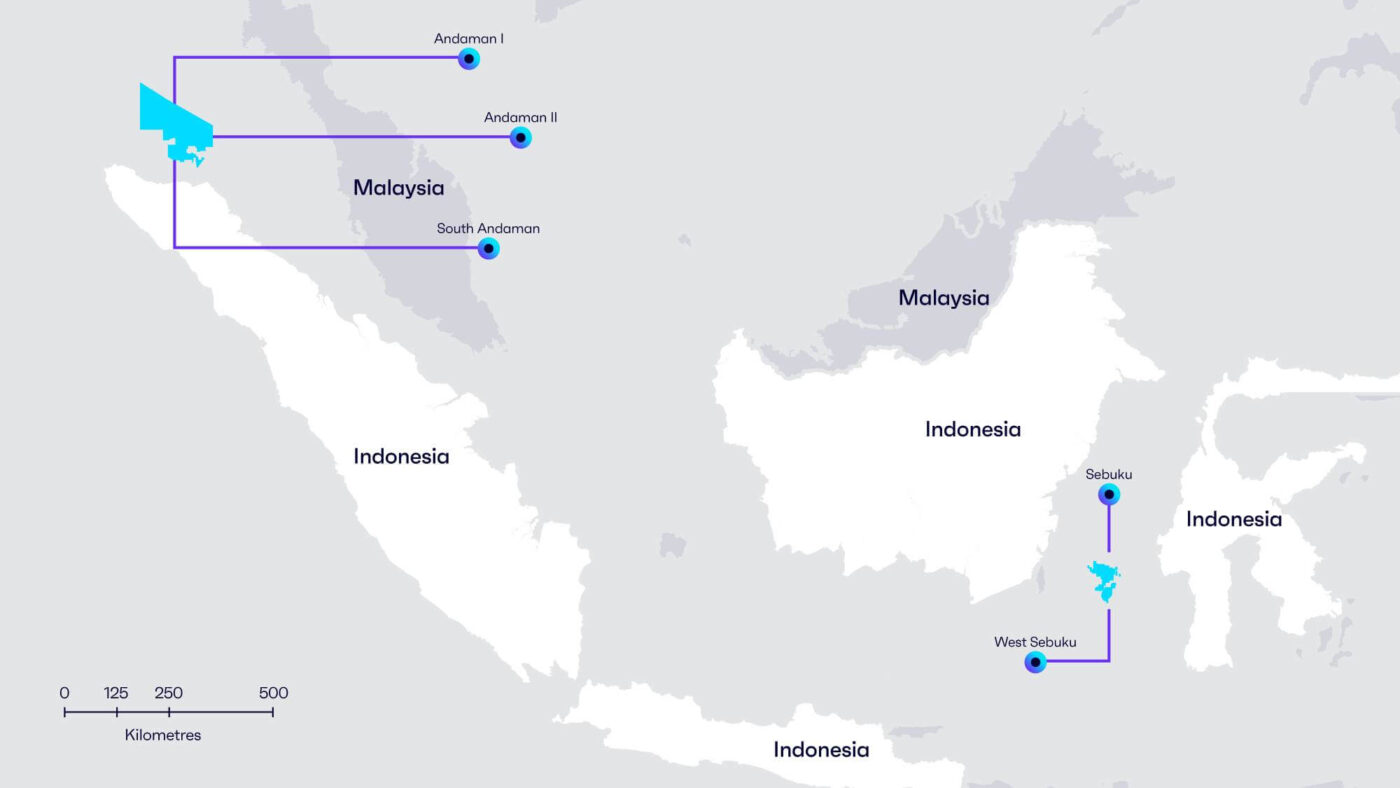
Mubadala Energy has secured a major step forward in its Andaman exploration endeavors by obtaining the Central Andaman block exploration license. This milestone, achieved in collaboration with Harbour Energy, marks a significant development in the company’s expansion within the Southeast Asian energy sector.

The Central Andaman license, granted by MIGAS, Indonesia’s oil and gas regulatory authority, assigns Harbour Energy a 60 percent operated interest while Mubadala Energy holds a 40 percent stake. This acquisition underscores Mubadala’s strategic push into promising new territories and enhances its portfolio in the region.

The Central Andaman block, located in the Andaman Sea, is viewed as a highly prospective area due to its potential for hydrocarbon resources. The license award follows a competitive bidding process and is part of Indonesia’s broader efforts to attract foreign investment into its oil and gas sector. The block’s exploration will be pivotal in evaluating its commercial viability, with significant implications for the regional energy market.

Mubadala Energy’s entry into the Central Andaman block aligns with its broader strategy to diversify its energy assets and increase its footprint in high-growth regions. The company has been actively expanding its operations across various geographies, focusing on regions with substantial untapped potential. The Andaman Sea’s geology and exploration data suggest promising opportunities, making it an attractive investment for Mubadala and its partners.

The collaboration between Mubadala Energy and Harbour Energy is expected to leverage both companies’ expertise and resources. Harbour Energy, known for its operational experience and technical capabilities, will lead the exploration activities, while Mubadala Energy will contribute its financial strength and strategic oversight. This partnership is set to optimize the exploration process and enhance the chances of discovering commercially viable hydrocarbon reserves.

Indonesia’s oil and gas sector has been increasingly open to foreign partnerships as it seeks to boost its exploration and production capabilities. The Central Andaman license is one of several new exploration opportunities being offered to international investors, reflecting Indonesia’s commitment to developing its energy resources and attracting global investment.

This development comes at a time when the global energy market is undergoing significant transformations. As countries and companies pivot towards more sustainable energy sources, traditional oil and gas exploration continues to play a critical role in meeting global energy demands. For Mubadala Energy, the Central Andaman block represents not just an expansion of its portfolio but also a strategic investment in a region with promising prospects for future growth.

The award of the Central Andaman exploration license is a testament to Mubadala Energy’s proactive approach in identifying and capitalizing on new opportunities in the energy sector. The company’s focus on strategic partnerships and investments in emerging markets reflects its broader vision of becoming a leading player in the global energy landscape.

As exploration activities commence, the focus will be on assessing the block’s potential through detailed geological surveys and drilling programs. The results of these activities will be crucial in determining the block’s commercial viability and in shaping future investment decisions. The outcomes will likely have broader implications for Mubadala Energy’s strategic direction and its role in the Southeast Asian energy market.

This license award highlights Indonesia’s ongoing efforts to foster a favorable environment for foreign investment in its oil and gas sector. By attracting reputable international companies like Mubadala Energy and Harbour Energy, Indonesia aims to enhance its exploration and production capabilities while boosting economic growth through increased foreign investment.

Mubadala Energy, the Abu Dhabi-based international oil and gas firm, has expanded its activities in the Andaman Sea, securing a significant foothold in Indonesia’s energy landscape. The company, alongside its partner Harbour Energy, was awarded the Central Andaman licence by Indonesia’s oil and gas regulator, MIGAS. This move marks a strategic boost for Mubadala, as it increases its influence in one of Southeast Asia’s most promising offshore basins.

Mubadala now holds a 40% stake in the Central Andaman block, with Harbour Energy leading operations with a 60% interest. The award followed the Indonesian government’s recent licensing round, where international energy firms competed for access to the region’s untapped potential. The Andaman Sea, known for its deep-water prospects, has attracted increased interest due to its significant reserves of hydrocarbons.

Building on this momentum, Mubadala has also completed an extensive drilling campaign in the South Andaman area. The campaign appraised multiple wells, including the successful Layaran and Tangkulo discoveries. These results highlight the Andaman Sea’s potential, with estimates suggesting multi-trillion cubic feet (TCF) of gas in place. The appraisal, which involved advanced deep-water drilling technologies, was seen as a major win for the company, further strengthening its long-term energy strategy in Southeast Asia.

Adnan Bu Fateem, Mubadala Energy’s Chief Operating Officer, emphasized the significance of the Central Andaman block, noting that the successful bid will open further opportunities in the region. Bu Fateem underscored the company’s operational expertise and familiarity with the basin as key factors that will enable Mubadala to maximize the area’s energy potential. As Indonesia continues to focus on energy security and the transition to cleaner energy sources, this development could play a vital role in meeting the country’s growing energy demands.

In addition to resource extraction, Mubadala Energy is poised to contribute to Indonesia’s broader energy strategy, which includes a push for gas as a transitional fuel. Gas, seen as a cleaner alternative to coal, remains central to Indonesia’s energy mix, and developments in the Andaman Sea could become crucial to maintaining supply.

Abdulla Bu Ali, President Director for Indonesia at Mubadala Energy, highlighted the success of the South Andaman drilling campaign, stressing that the safe and efficient completion of the operation was an important milestone. He reiterated that Mubadala’s findings would play a pivotal role in supporting both Indonesia’s energy needs and its transition to cleaner sources. Bu Ali added that the resources discovered during the campaign could become a cornerstone of Southeast Asia’s gas supply.

Looking forward, Mubadala is already planning its next steps in turning the South and Central Andaman blocks into production hubs. The company is formulating strategies to expedite the development of these fields, with a focus on delivering gas to regional markets. If fully developed, these assets could significantly alter the energy map of Southeast Asia, with implications for both domestic consumption and export to neighboring countries.

Brookfield Renewable Partners is on the brink of finalizing a major transaction involving Saeta Yield, a leading Spanish renewable energy firm. The deal, valued at approximately $1.1 billion, will see Saeta Yield acquired by Masdar, an Abu Dhabi-based renewable energy powerhouse. This move underscores a significant shift in the global renewable energy landscape and highlights the growing influence of Middle Eastern investors in the European green energy […]

The UAE’s financial landscape is experiencing a significant boost, as portfolio management companies and investment funds across the region report an impressive surge in assets under management (AUM), totaling an increase of $9.5 billion. This growth reflects the country’s strategic position as a leading financial hub and the successful efforts of its key players to attract and manage substantial global investments. The surge is largely driven by […]

Abu Dhabi’s Mubadala Investment Company, in partnership with Singapore-based CBC Group, has finalized a $680 million acquisition of the Chinese neurology and allergy business of Belgian pharmaceutical giant UCB. This strategic move strengthens Mubadala’s presence in the Chinese healthcare sector, a market with significant growth potential.

The deal encompasses UCB’s neurology products, including Keppra, Vimpat, and Neupro, along with its allergy medications, Zyrtec and Xyzal, in mainland China. Additionally, it includes UCB’s manufacturing facility in Zhuhai, a key asset for local production. Together, these products generated approximately €131 million ($146.5 million) in sales within China in 2023.

Mubadala’s head of China, Mohamed Albadr, emphasized that this acquisition aligns with the company’s long-term strategy to expand its healthcare investments in Asia, particularly in sectors with robust growth potential. The investment is expected to enhance UCB’s capacity to deliver innovative treatments in the region, benefiting from Mubadala’s financial backing and strategic expertise.

The transaction, currently awaiting regulatory approvals, is anticipated to be finalized by the fourth quarter of 2024. PJT Partners served as the financial advisor to Mubadala and CBC Group, while Clifford Chance provided legal counsel.

This move is part of Mubadala’s broader strategy to diversify its portfolio, particularly in the biotechnology and pharmaceutical sectors, where it has been increasingly active. The company has shown a strong commitment to expanding its influence in global healthcare, with recent investments spanning biotechnology firms and other healthcare-related ventures. The collaboration with CBC Group underscores the strategic importance of the Chinese market and highlights Mubadala’s continued focus on sectors poised for substantial growth.

As the deal progresses, it will likely influence the dynamics of the Chinese pharmaceutical industry, particularly in neurology and allergy treatments, where UCB’s products have already established a strong foothold. The integration of these assets into Mubadala’s portfolio could pave the way for future expansions and partnerships in the region, further solidifying its position as a key player in the global healthcare market.

Mubadala Investment Company, alongside CBC Group, has finalized its acquisition of UCB Pharma’s business in China. This strategic maneuver sees Mubadala gaining complete ownership of UCB’s established pharmaceutical operations within the country, focusing primarily on neurology and immunology.

The acquisition, valued at several billion dollars, marks a significant expansion for Mubadala in the global pharmaceutical market. The deal, finalized after months of negotiation, transfers control of UCB’s mature portfolio in China, including its neurology and immunology segments. This portfolio is notable for its well-established products and strong market presence.

UCB Pharma’s Chinese business has been a significant player in the pharmaceutical sector, providing a range of treatments in neurology and immunology. The company’s portfolio in China includes key products that have garnered substantial market share and patient trust over the years. The acquisition allows Mubadala to leverage these existing assets and integrate them into its broader healthcare investment strategy.

The deal reflects Mubadala’s ongoing commitment to enhancing its global footprint in the healthcare sector. By acquiring UCB’s China operations, Mubadala gains access to a robust distribution network and an established base of healthcare professionals. This positions Mubadala to further expand its influence in the Asian pharmaceutical market.

For UCB, the sale represents a strategic realignment of its global operations. The company has been focusing on its core markets and key therapeutic areas, and this divestment aligns with its broader strategic goals. UCB’s decision to sell its China business allows it to concentrate resources and efforts on its primary markets and innovative research areas.

The completion of this transaction underscores the growing trend of consolidation and strategic partnerships in the global pharmaceutical industry. Investors and analysts have noted that such moves are becoming increasingly common as companies seek to optimize their portfolios and strengthen their market positions.

Mubadala’s acquisition aligns with its broader investment strategy, which includes a focus on high-growth sectors and emerging markets. The integration of UCB’s China operations is expected to enhance Mubadala’s position in the healthcare sector and drive further growth in its global portfolio.

The deal also highlights the dynamic nature of the global pharmaceutical market, where strategic acquisitions are key to gaining competitive advantage and expanding market presence. As Mubadala and CBC Group take control of UCB’s established operations in China, they are poised to capitalize on the growing demand for advanced medical treatments and therapies in the region.

With the transaction now complete, attention will turn to the integration process and how Mubadala plans to leverage UCB’s existing assets and capabilities. The successful management of this integration will be crucial in realizing the full potential of the acquisition and achieving the strategic objectives set out by Mubadala and its partners.

Mubadala Investment Company, in collaboration with CBC Group, has taken full control of UCB Pharma’s mature business in China. This strategic move involves the acquisition of UCB’s neurology and allergy portfolios, including the Zhuhai manufacturing facility. UCB, a Belgium-based biopharma leader, continues to focus on expanding its presence in China, especially in neurology and immunology. The deal aligns with Mubadala’s broader strategy to grow its healthcare investments across Asia, particularly in high-growth sectors like pharmaceuticals. The transaction is set to close by Q4 2024, pending regulatory approvals.

Mubadala Investment Company, the sovereign wealth fund of Abu Dhabi, has finalized a significant investment in UCB Pharma’s assets in China. This strategic move underscores Mubadala’s growing commitment to the global healthcare sector and its expanding presence in the Chinese market. The deal involves Mubadala acquiring a substantial stake in UCB Pharma’s business operations in China, which encompasses a range of pharmaceuticals and biotechnological products. The transaction […]

Mubadala Investment Company, the sovereign wealth fund of Abu Dhabi, has made a strategic investment in Yondr Group, a prominent UK-based data centre developer. This move is part of Mubadala’s broader strategy to expand its digital infrastructure portfolio, which has seen significant growth over the past few years. Yondr Group, known for its innovative approach to building scalable and sustainable data centres, operates across Europe, the Americas, […]

Abu Dhabi’s sovereign wealth fund Mubadala is initiating strategic shifts within its European startup portfolio to enhance returns amidst a downturn in valuations. The fund is collaborating with international investment firms to revitalize these startups and integrate them into Abu Dhabi’s burgeoning tech ecosystem.

Mubadala, with assets worth $284 billion, is focusing on fostering innovation and growth in European startups by leveraging its substantial capital and expertise. The initiative aims to attract global investors to Abu Dhabi, creating a vibrant startup ecosystem centered around Hub71, the emirate’s tech hub.

Amidst declining valuations, Mubadala is not merely a passive investor but an active partner. Ibrahim Ajami, head of ventures at Mubadala Capital, emphasizes that the fund seeks startups with strong business models and visionary leadership. Mubadala’s approach includes providing more than just financial support; it extends to offering strategic guidance, operational support, and market access.

The fund is particularly interested in sectors such as technology and healthcare, where it sees potential for substantial impact and returns. Mubadala’s investment strategy is designed to create long-term value, balancing financial returns with contributions to the UAE’s development goals. This dual focus ensures that investments are not only profitable but also aligned with Abu Dhabi’s vision of becoming a global innovation hub.

Partnerships with other major funds from the US and Europe are key to Mubadala’s strategy. These collaborations are expected to bring additional capital and expertise to Abu Dhabi, further solidifying its position as a leading destination for startups. This influx of international resources is intended to help startups scale effectively, access new markets, and innovate at a faster pace.

To attract investors and enhance startup readiness, Mubadala stresses the importance of solid business plans and financial metrics. Startups are encouraged to focus on detailed growth projections and sustainability. Ajami notes that beyond capital, Mubadala offers startups the critical support needed to navigate early growth stages, including corporate governance and financial management.

The Abu Dhabi Global Market (ADGM), with its robust regulatory framework, plays a crucial role in this strategy. As one of the region’s top financial centers, ADGM provides a secure and attractive environment for foreign investors. Mubadala’s alignment with ADGM ensures that startups benefit from a well-regulated ecosystem conducive to innovation and growth.

Mubadala’s proactive stance in reshaping its European startup portfolio underscores its commitment to creating a dynamic, innovation-driven economy in Abu Dhabi. By aligning financial returns with developmental goals, Mubadala is setting a benchmark for strategic investment in the global startup landscape.

Mubadala Capital, the investment arm of Abu Dhabi’s sovereign wealth fund, has secured a majority stake in the high-profile baby buggy manufacturer Bugaboo. This strategic acquisition underscores Mubadala’s continued expansion into consumer goods and lifestyle brands, positioning the firm to leverage Bugaboo’s strong market presence and innovative product line. Bugaboo, known for its premium strollers and accessories, has seen a robust market performance, driven by its reputation […]

VISHNU RAJA
RYO YAMADA
HITORI GOTOH
IKUYO KITA