News related to
Mubadala

US-based data-centre specialist Crusoe Energy Systems LLC has secured approximately $1.38 billion in a Series E funding round, raising its valuation to more than $10 billion underlining the intensity of demand for artificial-intelligence infrastructure. The equity fundraising was co-led by Mubadala Capital and Valor Equity Partners, and attracted backing from major investors including Nvidia Corporation, Fidelity Management & Research Company and Founders Fund. Crusoe, founded in 2018, […]

Abu Dhabi’s MDGH GMTN priced a one-billion dirham Reg S five-year bond at par, carrying a coupon of 4.20 per cent. The issuer tightened guidance from an initial 4.45 per cent, and book orders surpassed AED 4.7 billion, not counting joint lead manager interest, signalling strong investor demand.

The unsecured bond is guaranteed by Mamoura Diversified Global Holding, with settlement set for 23 October and a planned listing on the London Stock Exchange Main Market. Fitch is expected to assign an “AA” rating in line with Mamoura’s sovereign backing. The issuance was led by a syndicate including Abu Dhabi Commercial Bank, Bank of China, Citi, Emirates NBD Capital, First Abu Dhabi Bank, Goldman Sachs International, HSBC, Industrial and Commercial Bank of China, National Bank of Kuwait and Standard Chartered.

This city-currency issue follows a $750 million ten-year dollar bond issued less than ten days earlier by MDGH, priced at about 55 basis points over U. S. Treasuries under the same guarantee structure. That transaction underlined the group’s growing presence in global markets.

MDGH is wholly owned by Mubadala Investment Company and plays a central role in Abu Dhabi’s strategy to diversify its economic base. In its 2024 financials, the company reported revenues of AED 39,528 million and a net profit attributable to owners of AED 37,376 million, with total assets reaching AED 596,168 million.

Credit agencies currently align Mamoura’s rating with the sovereign, with Fitch affirming an “AA” rating and stable outlook in late 2023. Moody’s and S&P assign comparable ratings of Aa2 and AA respectively.

Analysts note that the new issue shows how Abu Dhabi-linked issuers are able to tap demand for high-grade Gulf debt amid tighter global credit markets. The bond’s tight pricing and oversubscription point to strong appetite among fixed-income investors for Gulf credits backed by sovereign guarantees.

Greenlogue/AP Mubadala Energy achieved a 36.5 per cent drop in its Scope 1 and 2 greenhouse gas emissions in 2024, the company’s newly published Sustainability Report reveals, underscoring the firm’s accelerating role in the energy transition. The decline was complemented by a sharp 55 per cent fall in emissions intensity, from 15.57 to 6.95 tonnes CO₂e per kilo barrel of oil equivalent. Emissions from flared gas fell […]

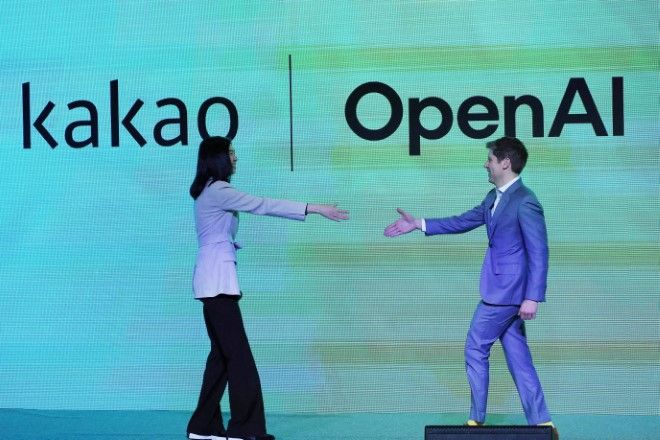
OpenAI chief executive Sam Altman is leading a high-stakes campaign across East Asia and the Middle East to secure investment and bolster chip supply for the company’s AI infrastructure push. He has held talks since late September in Taiwan, South Korea and Japan with leading hardware suppliers to prioritise OpenAI’s orders and expand capacity.

Altman has met with Taiwan Semiconductor Manufacturing Company and Foxconn, as well as Samsung and SK Hynix, pressing them to accelerate production and give OpenAI preferential access. In South Korea, Samsung and SK Hynix have signed letters of intent to supply memory chips for OpenAI’s data centres. Meanwhile, OpenAI plans further fundraising discussions in the United Arab Emirates.

The urgency of Altman’s mission reflects the intensifying global competition for advanced computing resources. OpenAI projects it will spend around US$16 billion this year on renting computing servers, with long-term forecasts stretching to US$400 billion by 2029 as AI models grow ever more complex.

Industry analysts note that the semiconductor supply chain remains highly constrained. TSMC dominates GPU chip production, and memory manufacturing is largely concentrated in East Asia, creating significant strategic leverage for the manufacturers approached by Altman.

As part of his tour, Altman is also pressing Japanese firms to contribute to infrastructure support. Hitachi has entered discussions to provide power transmission and distribution systems for OpenAI’s data centres, while sharing technical resources under joint development agreements.

Sources familiar with the process say Altman pushed for direct prioritisation in chip delivery schedules, asking that OpenAI receive top-tier production slots. In some cases, he proposed co-investment or co-development of next-generation AI hardware to bind partner incentives more closely.

In South Korea, early architecture proposals include planned data centres of 20 megawatts in collaboration with Samsung and SK Hynix. Altman is reportedly exploring “floating” data centre designs to manage land constraints and cooling demands.

The UAE leg of his mission is expected to involve negotiations with sovereign investment firms such as MGX and Mubadala, with the aim of funding both OpenAI’s expansion and joint infrastructure ventures in the region. In past rounds, UAE investors have already taken part in funding OpenAI operations.

Challenges remain significant. The sheer scale of chips and memory required for stacked AI model training is pushing the boundaries of global wafer fabrication capacity. Market watchers point to the high capital expenditure and long lead times in the semiconductor industry as obstacles to rapid scaling. Some of Altman’s proposals—for example, co-development of bespoke ASICs—are still in preliminary stages and face technical risk.

OpenAI’s valuation and investor backing give the company leverage. Earlier this year, it closed deals that valued it at about US$500 billion, with new capital injections from investors including SoftBank and UAE entities. Those moves have fortified its position in negotiating upstream deals with manufacturers.

Hub71, Abu Dhabi’s global technology ecosystem, has inked its first partnership in the US with the New Jersey Economic Development Authority, opening pathways for startups to scale across continents. The memorandum of understanding was signed at the Abu Dhabi Investment Forum in New York, signalling the start of reciprocal support between the two innovation hubs. The agreement enables joint programming, market visits and curated introductions to investors, […]

Etihad Rail has confirmed that passenger services will begin operations in 2026, ushering in a new era of high-speed connectivity across the UAE. At the Global Rail 2025 exhibition in Abu Dhabi, the company revealed the first public visuals of its passenger rolling stock and detailed plans for its network, integration efforts, and operating partnerships. Azza Al Suwaidi, deputy CEO of Etihad Rail Passenger Services, stated that […]

A surge of new initiatives is underway across the UAE ahead of the upcoming global heart-health campaign, as health authorities intensify efforts to curb cardiovascular risks among residents. The Ministry of Health and Prevention is urging citizens to monitor blood pressure and cholesterol levels, adopt healthier diets and exercise regimens, and steer clear of tobacco, underscoring that cardiovascular disease remains the leading cause of death globally. Officials […]

Advertisements

Abu Dhabi sovereign wealth fund Mubadala is exploring a full exit from its Turkish operations with Getir, which would include its delivery, financing and car-rental units, say people familiar with the matter. It is in advanced negotiations to offload Getir Arac, the car-rental arm, to Turkish firm Tiktak. Other units, including Getir Finans and the main delivery business, are also under consideration for sale.

Mubadala is Getir’s largest shareholder and obtained controlling interests across Getir’s Turkish subsidiaries in 2021 and 2024. The fund’s deliberations follow an ongoing dispute with the founders of Getir over how the company should be restructured. The founders resisted Mubadala’s plans, describing some actions by the fund as an “illegal coup”, and launched legal challenges in the Netherlands and elsewhere. The courts have, in some instances, sided with Mubadala.

Talks on Getir Arac are said to be well-advanced, although Tiktak has declined to comment. Meanwhile, in the delivery business, U. S.-based DoorDash has been identified as one of the potential buyers, among others. The details of ownership stakes in each Getir unit—delivery, financing, car rental—remain unclear. Mubadala has not offered public comment on these possible divestments.

Getir’s financial trajectory has weakened since its peak valuation of approximately $12 billion in 2022. The company expanded rapidly during the pandemic across several Western European markets and into North America, only to withdraw from those operations as demand waned and operational costs rose. As part of restructuring, non-core businesses were intended to be separated from profitable local grocery delivery operations.

Space42, listed in Abu Dhabi, and Viasat, a US communications company on Nasdaq, have joined forces to launch a new entity called Equatys to deliver Direct-to-Device and mobile satellite services worldwide leveraging 5G standards.

Equatys will combine satellite and terrestrial networks under a 3GPP Non-Terrestrial Network architecture so that standard smartphones and IoT devices can connect even where ground-based networks cannot reach. It will use over 100 MHz of harmonized Mobile Satellite Services spectrum across more than 160 markets. The venture aims to begin commercial service within three years.

The “space tower” model at Equatys is built on shared multi-tenant infrastructure covering both space and ground components. This setup is designed to cut redundant investment, improve spectrum utilisation, and reduce overall capital costs for operators. Licensed terrestrial and satellite operators will be able to tap into this infrastructure for D2D and next-generation MSS offerings.

Space42 was formed in 2024 through a merger combining the operations of Bayanat and Yahsat. Its business units include upstream satellite operations and geospatial analytics/AI-powered smart solutions. Major shareholders include G42, Mubadala, and IHC. Viasat, having acquired Inmarsat in 2023, operates globally in secure satellite communications, for government, enterprise, and consumer markets.

While financial terms of the venture were not disclosed, Equatys is expected to issue equity in phases, opening opportunities for strategic and financial partners as the system scales. The model is pitched as infrastructure-grade, aiming to offer returns tied to long-term deployment and spectrum utilisation rather than short-term hardware sales.

The project is subject to regulatory and customary conditions. It follows a Memorandum of Understanding signed in March 2025 between Space42 and Viasat which moved from exploratory technical and commercial studies to forming a jointly owned infrastructure company.

Experts are watching closely how spectrum harmonisation will be maintained across the many markets Equatys aims to cover. Nation-level telecom regulators often impose latency, licensing or usage constraints on MSS and NTN services, which can complicate global rollout. Also, implementing a shared infrastructure model across multiple orbits of satellites presents technical and operational challenges, from latency and hand-off between orbits, to ground station coordination, spectrum interference and service reliability.

Abu Dhabi has initiated a landmark pilot for self-driving delivery vehicles in Masdar City, with the Integrated Transport Centre collaborating with K2 and EMX under oversight from the Smart and Autonomous Systems Council. The operation includes the issuance of the emirate’s first licence plate for an autonomous delivery vehicle.

The vehicles, developed by K2’s Autogo subsidiary, are designed to travel urban routes and deliver orders without direct human control, using artificial intelligence and smart mobility systems. Officials say the trial is a stepping-stone toward broader commercial deployment across the emirate.

This pilot follows approved Level 4 autonomous vehicle trials in Masdar City, overseen by the Integrated Transport Centre in partnership with the smart mobility provider Solutions+, a Mubadala firm. Under these trials, vehicles are operating over a 2.4-kilometre geofenced route linking landmarks such as the Siemens building, Central Park, My City Centre Masdar mall, and others. Initially safety officers are onboard; remote control from a central operations hub is planned as trust and performance increase.

Regulators emphasise that safety, compliance, and adaptability are core to the initiative. Dr Abdulla Hamad AlGhfeli, Acting Director-General of the ITC, stated that the project marks a significant milestone in Abu Dhabi’s strategy to support innovation while ensuring legal and operational frameworks protect public welfare. Ahmed Baghoum, Chief Executive Officer of Masdar City, described the undertaking as a leap forward in autonomous mobility capabilities and aligned with the emirate’s vision of sustainable, technological integration.

Tariq Al Wahedi, Group CEO of 7X, said that through its logistics arm EMX, the company views this pilot as part of a broader last-mile delivery ecosystem. He indicated plans to expand coverage beyond Masdar City to areas such as Khalifa City and Dubai, with full commercial rollout expected within the next twelve months.

The moves align with Abu Dhabi’s goals under its smart mobility strategy, including the target that a quarter of all trips in the emirate use smart transport solutions by 2040. The ambitions also dovetail with the UAE’s broader sustainability framework, including its Net Zero by 2050 initiative.

Wynn Resorts and its partners have earmarked land for a potential second integrated resort in Ras Al Khaimah, signaling long-term ambitions for expanding its gambling and hospitality footprint in the UAE. Under a shareholders’ agreement signed on 21 June 2024, Wynn, RAK Hospitality Holding and Al Marjan Island LLC designated multiple development plots on Al Marjan Island beyond their main Wynn Al Marjan Island project. The “Second […]

du is offering up to 342 million shares—equating to 7.55 per cent of its share capital and roughly three-quarters of Mamoura’s holding—to the public under a secondary offering that boosts liquidity and investor access. The shares are priced between AED 9.00 and AED 9.90, with the final offer price announced via a book-building process set for 15 September. This sale, orchestrated entirely by Mamoura Diversified Global Holding, […]

Abu Dhabi Global Market recorded more than 11,000 active licences and a striking 42 per cent rise in assets under management in the first half of 2025, underpinning its emergence as the Middle East and North Africa region’s leading international financial centre. ADGM Exceeds 11,000 Licences, AUM Surges 42 %.

The expansion sees ADGM surpass AED 500 billion in market capitalisation of its listed entities on the Abu Dhabi Securities Exchange, reflecting its pivotal role in strengthening the emirate’s non-oil economy, which grew to 9.1 per cent in the first quarter of 2025.

More than 2,970 firms—comprising 308 financial and 2,664 non-financial entities—are now operating from ADGM, marking a 42 per cent year-on-year increase. The centre issued 1,869 new licences during the period, the highest ever in a half-year span, up by 47 per cent from the previous year.

Asset management continued to thrive: ADGM is now home to 154 fund and asset managers overseeing 209 funds, driving AUM up by 42 per cent over the year to June 2025.

Powerful global partnerships fuelled the centre’s momentum. Fortress Investment Group set up an office in ADGM and joined a US$1 billion co-investment venture with Mubadala. Kimmeridge opened its ADGM branch and inked an MoU with Mubadala Energy to develop natural gas and LNG projects. Meanwhile, IHC, BlackRock and ADGM-based Lunate launched an AI-native reinsurance platform worth over US$1 billion. A private credit joint venture between Mubadala and Alpha Dhabi scaled to US$2.5 billion—all anchored at ADGM.

ADGM’s increasing workforce reflects its expanding influence: by end-June 2025, nearly 36,000 professionals were working across Al Maryah and Al Reem Islands.

ADGM’s achievements are underpinned by enhanced regulatory frameworks. The Financial Services Regulatory Authority issued 52 In-Principle Approvals and 45 new Financial Services Permissions. The Registration Authority implemented improvements such as the AccessRP digital platform for property interest verification, Commercial Permit Regulations to support non-financial businesses, and revised fees to simplify market entry. Mutual recognition of digital platforms with Astana International Financial Centre and a 223 per cent increase in supervision assessments further underscore ADGM’s commitment to governance and global alignment.

International engagement has also grown: ADGM participated in CityWeek 2025 in London, held roadshows in China and Japan, and concluded MoUs with regulators in Azerbaijan, Bhutan, Hong Kong and Sweden. These moves have promoted cross-border regulatory collaboration, innovation in capital markets, and sustainable finance initiatives.

Paragraf has clinched a $55 million Series C financing round, anchored by a $35 million injection from Mubadala Investment Company—the sovereign wealth fund of Abu Dhabi—earning Mubadala a 12.8 per cent equity stake in the UK-based firm. The deal, formally approved under the National Security and Investment Act, will underpin Paragraf’s bid to scale up production of graphene-based semiconductors and pursue global expansion plans. Leading the company’s development, co‑founder […]

The United Arab Emirates registered some US$25.4 billion in mergers and acquisitions through the first six months of 2025, making up approximately 43 per cent of all M&A transactions across the Middle East and North Africa—which totalled US$58.7 billion during the period, according to data from EY’s latest MENA M&A Insights report.

MENA deal-making demonstrated robust momentum in the first half of 2025, with 425 transactions reflecting a 31 per cent increase in volume and a 19 per cent rise in overall value compared with the same period in 2024, as EY’s analysis shows.

Cross-border activity surged, accounting for 55 per cent of all deals by number and 78 per cent by value—marking the highest cross-border level in the past five years. Key sectors driving these overseas transactions included chemicals and technology, which together represented two-thirds of cross-border deal value. Among the most significant was the US$16.5 billion deal in which Borealis AG and OMV AG acquired a 64 per cent stake in Borouge plc.

Domestic deal-making remained energetic too. Homegrown transactions constituted 45 per cent of all deals by volume and 22 per cent of the total value, amounting to 192 deals worth US$12.8 billion—an impressive 94 per cent year-on-year rise in value. The technology and diversified industrial products sectors were prominent in this category. A standout deal was AI and cloud services firm Group 42’s acquisition of a 40 per cent stake in Khazna Data Centres for US$2.2 billion.

EY’s MENA EY-Parthenon Leader, Brad Watson, emphasised that the mid-year results underline how resilient and dynamic the region’s M&A market is. He pointed to sustained appeal for investors, underpinned by stable oil prices, infrastructure expansion and a strategic emphasis on growth industries such as technology, chemicals, and industry. I n particular, he noted that the UAE continues to attract significant global capital, thanks to its strong regulatory environment and push for economic diversification, alongside growing collaborative ties with Europe, Asia, and North America.

When compared with mid-2024 performance, the jump is clear. In the first half of last year, the MENA region recorded 321 deals valued at US$49.2 billion. That represented only a modest 1 per cent increase in volume and 12 per cent growth in value over the prior year. Deal values in the UAE and the Kingdom of Saudi Arabia accounted for US$9.8 billion out of that total.

Looking at the broader picture, 2024 closed with 701 MENA M&A deals worth US$92.3 billion, reflecting a 3 per cent rise in deal volume and 7 per cent gain in value compared with 2023. Cross-border transactions were the primary engine, making up 52 per cent of deal volume and 74 per cent of value.

The UAE’s growing prominence in M&A stems from both deliberate policy reforms and strategic positioning. Domestic investors, notably sovereign wealth funds and government-related entities such as ADIA and Mubadala, have been highly active across both home-market and international transactions. At the same time, global investors have responded favourably to the region’s economic diversification efforts, regulatory clarity, and infrastructural thrust.

CI Financial has been officially taken private by Mubadala Capital following the completion of all necessary approvals, effective 12 August 2025. The deal, structured under a statutory plan of arrangement governed by Ontario’s Business Corporations Act, sees Mubadala Capital purchasing all outstanding common shares of CI Financial for C$32 per share, valuing the company’s equity at approximately C$4.7 billion and implying an enterprise value near C$12.1 billion. […]

Emirates Global Aluminium, the largest aluminium producer in the UAE, is moving forward with plans to launch an initial public offering after years of speculation surrounding the potential listing. The company has begun engaging with banks to gather proposals for the offering, which could raise billions of dollars, according to industry sources. Rothschild & Co. has been selected to advise on the deal, although the listing venue […]

Abu Dhabi’s Mubadala Energy has acquired a 24.1% equity stake in Caturus, a rebranded platform for natural gas and liquefied natural gas exports, following the successful closure of its investment in partnership with alternative asset manager Kimmeridge. This move marks a significant step in Mubadala’s strategy to strengthen its foothold in the US energy market, specifically within the integrated natural gas and LNG sectors.

Mubadala Energy’s involvement in the US market reflects its broader strategy to diversify its portfolio, tapping into high-growth energy markets outside its core base. The company’s new stake in Caturus aligns with its goal to expand its presence in global energy infrastructure, particularly in areas that promise long-term stability and returns.

The deal, valued at an undisclosed sum, solidifies Mubadala Energy’s growing influence in the North American energy sector, which has been experiencing a surge in LNG exports. The US has become a crucial player in the global LNG market, with rising production levels and the establishment of new infrastructure facilitating an increasing flow of exports, particularly to Europe and Asia.

Kimmeridge, a US-based alternative asset manager, has also made substantial strides with its role in Caturus, cementing its position as a key player in energy investments. The collaboration between Mubadala and Kimmeridge is part of a wider effort to create a more integrated and efficient LNG export system, as the two firms look to leverage their combined expertise to drive future growth and development in the sector.

This partnership highlights the growing trend of international energy companies and investment firms looking to the US as a prime location for natural gas and LNG infrastructure. The US energy landscape has seen significant transformation in recent years, with abundant shale gas reserves and increased technological advancements enabling greater extraction and export capabilities.

Caturus itself is designed to optimise the export of LNG, focusing on enhancing infrastructure, improving logistics, and ensuring the delivery of natural gas to international markets with efficiency and minimal environmental impact. The platform’s focus on sustainability aligns with Mubadala’s wider goals of promoting cleaner energy solutions and reducing carbon emissions within its portfolio.

By securing a stake in this critical infrastructure, Mubadala Energy not only diversifies its holdings but also strengthens its role in the ongoing global shift towards cleaner energy sources. The company has committed to transitioning its investments towards more sustainable energy solutions, with a particular focus on natural gas, which is seen as a cleaner alternative to coal and oil in power generation.

Caturus’s strategic location within the US allows it to access key markets, positioning it as a vital part of the LNG export network. With LNG demand increasing globally, particularly in Asia, the platform is well-placed to capitalize on the growing need for cleaner and more sustainable energy options. Mubadala’s participation in this project is expected to enhance its capacity to meet the increasing energy demands of international markets while positioning itself as a responsible player in global energy transitions.

The shift towards LNG and natural gas aligns with broader global energy policies that are looking to reduce carbon emissions and transition away from coal. As countries around the world pursue cleaner alternatives to traditional energy sources, LNG has become an attractive option due to its lower emissions profile compared to coal and oil. The increased export of LNG from the US is particularly important as it helps to meet the energy needs of European and Asian markets, which have increasingly turned to LNG for their energy security needs.

Mubadala Energy’s commitment to sustainability and the environment also underpins this investment. The company has set ambitious goals to reduce its carbon footprint and increase its investments in renewable and low-carbon energy technologies. This aligns with the UAE’s broader energy strategy, which has placed a strong emphasis on cleaner energy, and further reinforces Mubadala’s role in contributing to these global efforts.

Arabian Post Staff -Dubai US-based artificial intelligence company Anaconda, Inc. has raised $150 million in a Series C funding round, marking a significant milestone in its expansion plans. Mubadala Capital, the asset management arm of Abu Dhabi’s Mubadala Investment Company, is among the key investors. This round, led by US software investor Insight Partners, aims to accelerate Anaconda’s growth, focusing on new AI capabilities, strategic acquisitions, and […]

Etihad Airways is re-evaluating its timeline for launching its long-awaited initial public offering, with reports suggesting a deferral to the first quarter of 2026. The decision could mark a significant shift for the UAE-based airline, which had initially aimed to list within the next two years.

The move comes as Etihad seeks to maximise the impact of its evolving partnerships and strengthen its financial position in the face of a dynamic global aviation market. According to sources close to the matter, the airline intends to capitalise on a series of strategic alliances it has forged in recent months, which could increase its market appeal ahead of the IPO.

Etihad’s parent company, the Mubadala Investment Company, has yet to officially confirm the updated timeline, but it is understood that the decision to delay is driven by the desire to enhance Etihad’s valuation. The airline’s partnerships, particularly with global carriers and emerging markets, have been viewed as critical to its future success.

This re-evaluation comes at a time when the aviation sector is seeing a rapid recovery from the pandemic-induced slump. While many airlines worldwide have witnessed a surge in demand, Etihad is aiming to position itself for sustainable growth by leveraging its network and partnerships.

Etihad’s recent agreements with international carriers such as Air India and Lufthansa have bolstered its route network and strengthened its competitive position. These partnerships have also facilitated joint ventures and codeshare agreements, creating synergies that could prove beneficial as the airline looks to attract investor interest in its IPO. Analysts believe that these moves could help improve Etihad’s long-term profitability, making the company a more appealing prospect for potential investors.

Despite these efforts, the airline remains mindful of the market’s volatility. Experts suggest that the delay is also a response to ongoing economic uncertainties that could impact investor sentiment, particularly in a sector still grappling with post-pandemic challenges. The global airline industry is also facing heightened competition, fluctuations in fuel prices, and geopolitical instability, all of which make it crucial for Etihad to position itself strategically.

Etihad’s plans for the IPO are seen as a significant development in the UAE’s broader push to diversify its economy. The listing would not only serve as a major milestone for the airline but also align with the nation’s ambitions to bolster its financial markets. A successful IPO could provide a much-needed boost to the UAE’s efforts to attract global investment and further solidify its status as a key player in the Middle Eastern aviation sector.

However, the deferral also reflects a cautious approach. Rather than rushing to list, Etihad appears to be taking time to ensure that the offering meets the expectations of investors. Sources suggest that the airline is exploring various options, including potential mergers and acquisitions, to enhance its value proposition in the lead-up to the IPO. This may involve a careful assessment of its operations, investments in fleet expansion, and the optimisation of its business model to address the changing dynamics of the aviation industry.

Fintech firm Qlub has raised $30 million in a funding round aimed at accelerating its global expansion and deepening its technological capabilities. The Dubai-based startup, known for digitising the dining experience, has drawn strong investor interest as it scales operations across Asia, the Middle East, and other international markets. The funding round was co-led by UAE-headquartered Shorooq Partners and Berlin-based Cherry Ventures, marking a cross-border vote of […]

dnata has introduced six autonomous electric baggage tractors at Dubai World Central – Al Maktoum International Airport, marking a pioneering shift in airport ground operations. The EZTow tractors, designed by TractEasy, tow up to four baggage containers at speeds near 15 km/h, operating at Level 3 autonomy under limited human oversight. By early 2026 the system is set to upgrade to Level 4 self-driving capability. The AED 6 million rollout seeks to enhance […]

ADNOC will shift its 24.9 per cent holding in Austrian oil‑and‑gas group OMV AG into XRG P. J. S. C, the UAE state oil giant’s $80 billion lower‑carbon energy and chemicals investment vehicle launched last November. The move aligns with ADNOC’s intent to centralise its international growth assets within XRG’s structure.

The shareholding transfer, subject to regulatory approval, follows ADNOC’s acquisition of the OMV stake from Mubadala in December 2022. In tandem, upon the completion of the proposed merger forming Borouge Group International —a polyolefins powerhouse valued at $60 billion—ADNOC’s resulting 46.94 per cent BGI stake will also be held by XRG.

The BGI framework merges OMV’s 75 per cent‑owned Borealis with ADNOC’s 54 per cent Borouge, and incorporates Nova Chemicals, securing the group’s position among the world’s top four polyolefins producers. OMV and ADNOC each will control approximately 46.94 per cent, with the remaining 6 per cent free‑float pending UAE Securities and Commodities Authority consent.

Khaled Salmeen, ADNOC’s downstream chief, described the move as a logical next step following the $60 billion chemicals merger, reinforcing the energy transition and investment diversification strategy. ADNOC’s transfer of both its OMV holding and BGI stake into XRG reflects its ambition to streamline governance and position XRG at the core of its international chemicals and low‑carbon energy agenda.

XRG, backed by global figures including former BP chief Bernard Looney and Blackstone’s Jon Gray, aims to build a top‑five global chemicals platform, while expanding gas, LNG, and low‑carbon energy capacity to 20–25 million tonnes annually by 2035. The unit is also said to be exploring an international listing in London or New York within the next five years.

Investors are watching for regulatory clearances across multiple jurisdictions—Austria, the UAE, and EU competition authorities—before finalising both the OMV share transfer and the formation of BGI. The new polyolefins entity is projected to deliver $500 million of annual cost synergies within three years post-merger.

Abu Dhabi investment giant IHC has finalised the acquisition of eFunder, the digital invoice-financing platform, marking a decisive move into fintech for small and medium enterprises. The platform has been renamed Zelo and is targeting a $250 billion shortfall in SME credit across the Middle East and North Africa. It converts outstanding invoices into cash within 24–48 hours, and has already processed more than 9,000 transactions, deploying over $200 million in funding.

The deal enhances IHC’s strategy to diversify its portfolio into high-growth financial technologies. Zelo will now operate under IHC’s fintech and future-economy division, reinforcing Abu Dhabi’s ambitions as a leading regional hub for digital finance. According to the Abu Dhabi Global Market’s Financial Services Regulatory Authority, Zelo holds a full operating licence, enabling rapid scale across construction, logistics, healthcare, industrial services, and oil and gas industries.

Zelo’s founders, Deepak Sekar and Dhanush Arjun, launched the platform in August 2020 with a mandate to improve access to working capital for SMEs. It gained full FSRA regulatory approval after obtaining in-principle licence in early 2021. The platform achieved more than $100 million in financing across 6,000 transactions during its initial phase, before surpassing $200 million through 9,000-plus deals.

IHC chief executive Syed Basar Shueb emphasised the strategic importance of the acquisition: “SMEs are the backbone of a diversified and future‑ready economy. Through our strategic acquisition of Zelo, we are proud to support a platform that solves one of the most fundamental barriers facing SMEs, access to timely working capital.” He added the rebrand signals “a confident new chapter… aligned with IHC’s long‑term vision of building smart, scalable solutions and dynamic value networks that deliver real and lasting economic impact”.

Dhanush Arjun, CEO of Zelo, reinforced this message, stating: “Zelo exists to eliminate the wait. The wait for payments, the wait for growth, the wait for opportunity. … With IHC’s strategic backing, we’re accelerating that future.” He stressed that converting approved invoices into liquidity within 24–48 hours allows SMEs to avoid the cash flow bottlenecks that often hamper growth.

A study by the World Bank indicates that SMEs in emerging markets often wait between 60 and 120 days to receive invoice payments, inhibiting their capacity to expand or invest in new ventures. IHC’s acquisition directly addresses this challenge by offering digital-first funding with underwriting powered by AI-driven risk scoring and performance analysis.

Regional analysts observe that IHC’s move comes amid intensifying competition in the MENA fintech landscape. State-backed investors and sovereign wealth funds have been increasingly backing financial‑technology startups to accelerate digital transformation. The acquisition strengthens IHC’s position alongside peers in Abu Dhabi and Dubai, including Mubadala’s fintech interests and ADQ-backed projects.

IHC’s publicly listed status on the Abu Dhabi Securities Exchange and its recent earnings report highlighted a strategic pivot towards non‑oil sectors—spanning fintech, AI platforms, decarbonisation, and reinsurance. Zelo’s integration underscores this shift, offering synergies with IHC’s digital economy ambitions.

Within its ADGM base, Zelo plans to roll out new revenue‑based finance products, addressing future receivables in addition to existing invoice financing. The platform aims to expand its geographic footprint beyond the UAE, eyeing expansion into other MENA markets with acute SME credit gaps.

Zelo’s backers include both institutional and private-sector investors. Prior to acquisition, it closed a US$16.5 million Series A round led by IHC in September 2024, secured a multi‑year credit commitment, and earned recognition as a “Future 100 Startup” by the Ministry of Economy and a Deloitte Rising Star.

Market commentators describe this phase as a potential inflection point for fintech in the region. “Invoice finance is one of the fastest routes to unlocking SME potential, and Zelo is well‑positioned,” said a senior analyst. “With IHC’s capital and ecosystem support, rapid scaling is likely.”

Zelo’s existing performance traces a compelling upward curve—it started by funding e-commerce merchants and delivery‑aggregator vendors, then expanded to broader commercial invoices. Its AI‑based underwriting and automated platform enable pre‑approval decisions within 10 minutes and deployment in under 48 hours.

Other regional platforms, such as Dubai’s Beehive and Finvolve, have adopted peer‑to‑peer and supply‑chain financing models. Zelo’s integration through a major listed conglomerate differentiates it through access to IHC’s expansive corporate network and potential for cross‑sector collaboration across its portfolio.

IHC’s LinkedIn statement confirmed completion of the acquisition and rebrand, affirming the company’s commitment to “fintech innovation and SME enablement across the UAE”. The platform’s regulatory credentials, track record and ambition illustrate why it emerged as the firm’s fintech flagship.

Analysts expect Zelo to deepen its product scope in the coming months, potentially introducing dynamic funding and revenue finance solutions. They anticipate that further geographical rollout across GCC and North African markets could begin in early 2026, leveraging ADGM’s regulatory passporting as the platform scales beyond domestic boundaries.


VISHNU RAJA
RYO YAMADA
HITORI GOTOH
IKUYO KITA