News related to
Mubadala

Abu Dhabi’s Mubadala Investment Company, Partners Group, GIC and TPG Rise Climate have agreed a €6.7 billion deal to acquire Techem, the Frankfurt-based energy‑efficiency firm, in a strategic move poised to reinforce digital-first submetering and sustainability in European real estate.

The transaction—set to conclude in the second half of 2025, pending regulatory approvals—will see Partners Group’s infrastructure arm retain a controlling stake, while Mubadala, GIC and TPG Rise Climate take minority positions alongside, marking a rotation in ownership strategy. The sale ends the tenure of the prior consortium including La Caisse and Ontario Teachers’ Pension Plan, which supported Techem since 2018.

Techem, founded in 1952 and based in Eschborn, operates in 18 countries and serves more than 440,000 customers with over 13 million dwellings under its care. Approximately 62 million devices are currently installed across its footprint.

Under Partners Group’s 2018 private equity-led acquisition, Techem grew its sales beyond €1 billion and increased EBITDA by nearly 50%. This expansion solidified its role as a leading provider of submetering services—a crucial component in the decarbonisation of real estate, a sector responsible for around 40% of global CO₂ emissions.

The new ownership strategy aims to deepen digital integration, expand offerings to include smart meters, and capitalise on evolving regulations, rising energy prices and corporate net-zero commitments. “Techem is at the forefront of energy services and is uniquely positioned to drive energy efficiency within the real estate sector,” noted Boon Chin Hau, CIO of GIC Infrastructure, underscoring the group’s confidence in Techem’s strategic outlook.

Abdulla Mohamed Shadid, Head of Energy and Sustainability at Mubadala’s private equity platform, emphasised the importance of helping find solutions to global challenges, reflecting the company’s ongoing shift toward purpose-driven capital deployment. Implementation will include further digitalisation of operations and service expansions tailored to improve building efficiency.

This deal, valued at €6.7 billion, ranks among the year’s largest private‑market transactions globally.

Techem’s technology deploys submetering for heating and water, enabling accurate billing and encouraging lower consumption. Their low‑investment, non‑invasive approach aligns well with landlords and property owners seeking cost-effective energy solutions. Trends in European regulation and growing pressure on emissions reduction give the firm a favourable market tailwind—a factor the new consortium appears ready to exploit.

Despite an earlier attempt by TPG to buy out Techem independently in October 2024, that bid fell through after EU antitrust scrutiny. The current agreement reflects a more collaborative structure that shares risk and maintains continuity under infrastructure stewardship.

Commenting on continuity, Techem’s CEO Matthias Hartmann stated that the company’s strategic direction would remain unchanged, emphasising a steady course under the incoming partners.

The transaction parallels broader investment patterns in smart‑energy firms. Over the past year, GIC has partnered with investors such as EQT to acquire UK smart‑meter provider Calisen—a sign of growing interest in climate‑aligned infrastructure.

With assets under management spanning global private markets, Partners Group leads the infrastructure side with over US$27 billion, while Mubadala and GIC bring sovereign-backed financial clout, and TPG Rise Climate adds dedicated impact‑investment expertise; together they form a powerful alliance geared towards scaling energy efficiency across European real estate.

Masdar City has initiated real‑world testing of Level 4 autonomous vehicles, partnering with smart mobility firm Solutions+, a Mubadala venture. Overseen by Abu Dhabi’s Integrated Transport Centre, the pilot marks a deliberate move in the emirate’s drive to establish itself as a leading smart and sustainable transport hub. The programme involves the registration, safety certification and operational approval of fully autonomous vehicles for deployment across a 2.4 km […]

Primrose Capital Management has obtained in‑principle approval from the Financial Services Regulatory Authority of Abu Dhabi Global Market, positioning itself for full licencing and regional expansion. The firm plans to recruit portfolio‑engineering and client‑coverage specialists in Abu Dhabi and aims to launch MENA‑domiciled feeder funds in the latter part of 2025. With the Gulf family office sector estimated at approximately $500 billion, Primrose’s data‑driven, machine‑learning strategies in global […]

Mubadala Investment Company is set to acquire a 30 per cent stake in Loscam International, a move that significantly strengthens its foothold in Asia‑Pacific’s logistics and packaging sector. The agreement positions Mubadala alongside existing shareholders Trustar Capital, FountainVest and Sinotrans Limited, aligning sovereign wealth capital with a proven regional operator. The deal revolves around a share purchase agreement dated 26 June 2025, under which Mubadala, via its wholly owned Abu Dhabi […]

By Saifur Rahman A number of UAE developers are entering the lucrative US$110.83 trillion real estate market in the United States, after their success in the UAE, which saw real estate transactions exceeded Dh893 billion last year. Americans are also one of the top ten nationalities to invest in the UAE’s real estate market where rental yield ranges between 7 to 9 percent. “Emirati investments in the […]

Etihad Rail and Abu Dhabi authorities have formalised a strategic partnership aimed at aligning rail infrastructure planning with the emirate’s broader development goals. The initiative centres on coordinated knowledge exchange around studies, designs, engineering, and strategic development, supporting the integration of Etihad Rail’s projects into Abu Dhabi’s urban and economic landscape.

The agreement, endorsed by Sheikh Theyab bin Mohamed bin Zayed Al Nahyan, Chairman of Etihad Rail, underscores the importance of a fully integrated transport ecosystem. Shadi Malak, CEO of Etihad Rail, confirmed that the collaboration spans infrastructure studies, engineering tender layouts and development planning to ensure rail projects dovetail seamlessly with Abu Dhabi’s urban expansion.

This forms part of a broader wave of recent MoUs signed by Etihad Rail during the Global Rail 2024 conference. Memorandums were inked with a range of international entities—from transport‑focused to tech innovators—to enrich its projects. These include partnerships with Presight AI for AI-driven operational insights; RITES Ltd and South Korea’s KNR/KORAIL on engineering and construction expertise; Austria’s WKÖ for planning cooperation; L&T Technology Services for establishing a national mobility innovation centre; as well as technical alliances with IronLev, Nevomo, Hitachi and Singapore’s SBS Transit.

One high‑profile partnership saw Etihad Rail team up with COSCO’s CSP Abu Dhabi CFS—a key freight terminal operator—under an MoU to bolster multimodal connectivity, enhance logistics flows via rail, and reduce CO₂ emissions, aligning with Abu Dhabi’s Net Zero by 2050 target.

The newly reinforced Abu Dhabi alignment focuses on future passenger services and urban sprawl. While Etihad Rail Stage One and Stage Two freight operations stretch more than 900 km across the UAE, passenger services are under preparation. The Abu Dhabi–Dubai high‑speed link, capable of up to 350 km/h journeys in as little as 30 minutes, has moved through tendering and design finalisation phases. Six passenger stations—including Reem, Saadiyat and Yas Islands plus two in Dubai—are to be integrated with metro and bus networks.

Experts highlight the economic uplift from such rail integration. Mohammed Al Shehhi, Chief Projects Officer, noted that the Abu Dhabi–Dubai high‑speed route could add AED 145 billion to GDP over fifty years, enhancing social cohesion and sustainable mobility.

The collaboration also intersects with major sustainability initiatives. The Ghuweifat freight terminal, which handles cargo from the Saudi border, has been solarised in partnership with Masdar and EDF’s Emerge JV—a project designed to cover 85 % of its power needs, saving over 8 500 tons of CO₂. Rail freight services aim to cut emissions in road transport by 21 % annually by 2050—roughly 8.2 million tonnes of CO₂ per year.

On the regional integration front, Etihad Rail, Oman Rail and Mubadala launched Hafeet Rail—a 300 km link through Al Ain to the port of Sohar. With a US $3 billion contract signed in April 2024, trains are expected to run at 200 km/h and connect Abu Dhabi to Omani ports in just over 100 minutes.

Etihad Rail’s development timeline follows a phased rollout. Stage One became fully operational for freight in January 2016. Stage Two launched freight services in February 2023, completing a 900 km network. Passenger services are yet to be scheduled publicly, though station planning and tendering details are advancing rapidly.

Engineer analysts suggest this partnership framework marks a pivotal shift. By embedding knowledge exchange—covering everything from preliminary studies and engineering specifications to strategic transit modelling—Etihad Rail looks to avoid siloed project delivery. Instead, it positions rail development as core to Abu Dhabi’s urban vision, supported by a holistic transport network and sustainable infrastructure policy.

Public sector observers note the involvement of ADQ, through Etihad Rail, aligns with Emirate-level economic strategies such as Abu Dhabi Economic Vision 2030 and broader UAE Vision 2021. The rail strategy supports logistics, tourism growth, environmental goals, and inter-emirate connectivity. It is built to support freight services now and evolve into passenger transport, high-speed travel, and international rail links.

An Abu Dhabi infrastructure planner stated: “This marks a meaningful move from planning rail as a standalone corridor to delivering integrated mobility that ties directly into the emirate’s urban, economic and environmental objectives.”

Rail specialists emphasise digital and technical partnerships as vital. Collaborations with AI, mobility-as-a-service, maglev and autonomous rail firms reflect Etihad Rail’s push toward a technology-driven, future-ready rail network.

Greenlogue/AP Mubadala Investment Company and the Abu Dhabi Projects and Infrastructure Centre have formalised a partnership designed to accelerate the emirate’s infrastructure agenda. The agreement, inked during the opening of the Abu Dhabi Infrastructure Summit 2025, establishes a broad cooperation blueprint aimed at advancing key development projects. The accord commits both entities to conduct thorough feasibility studies and share knowledge to assess the viability of proposed ventures. It also […]

Advertisements

Abu Dhabi hosted the culminating round of the Grand Prix Grappling World Tour at Mubadala Arena, Zayed Sports City, drawing hundreds of athletes from over 50 nations yesterday. The UAE secured top position in the overall standings, with 31,000 points, narrowly surpassing Brazil’s 30,600 and Russia’s 19,000, highlighting Emirati athletic rise in combat sports.

Leading the charge was Khaled Al Shehhi, who seized gold in the professional division after a series of commanding performances. Demonstrating exceptional physical strength and technical finesse, Al Shehhi attributed his victory to years of rigorous training and unwavering institutional backing from national leadership. He praised the diversity of grappling styles present and affirmed that the title represents a “significant milestone” in his career.

In the heavyweight division, Pouya Rahmani also took home gold. He commended the tournament’s professionalism, citing world‑class refereeing and flawless logistical arrangements, which, he added, elevated his performance amid a passionate crowd.

Organised by the Abu Dhabi Jiu‑Jitsu Pro Federation, the event underlined Abu Dhabi’s growing stature as a global combat‑sports hub. Its presence on the AJP calendar consistently attracts elite talent and contributes to the city’s international sporting profile.

Analysts note that this iteration—held on 14 June 2025—reflects a wider trend of rising investment and performance in grappling disciplines across the Gulf. With significant prize money and global ranking points at stake, UK‑based grappling commentator James Carter remarked: “This tournament is fast evolving into a key international stage for pro grapplers—it draws tactical competitors from Europe, South America, and Asia alike.”

Data from AJP shows this year’s event awarded 2,000 global ranking points to each champion—an incentive that has increased both participation and competitive intensity.

At the closing ceremony, Tareq Al Bahri, general manager of AJP, lauded the standard of competition and Emirati athletes’ achievements. He emphasised that national development programmes have been instrumental in nurturing home‑grown talent, with jiu‑jitsu federations investing in grassroots camps and international coaching exchanges.

Veteran coach Maria Fernandez, who oversees female grappling teams across the region, observed that the UAE’s multi‑tiered strategy—combining youth training, scholarships, and elite events at Mubadala Arena—has yielded visible results. “What we’ve seen here isn’t just isolated wins; it’s structural change. The UAE is visibly closing the gap with traditionally dominant nations like Brazil and Russia,” she said.

Looking ahead, organisers confirm that the Abu Dhabi stop is set to remain a keystone of the 2025‑26 AJP Grappling World Tour. Future events, including youth and professional categories, will continue at Mubadala Arena and additional venues across the emirate, reinforcing Abu Dhabi’s role in hosting elite martial‑arts competition.

For Khaled Al Shehhi and Pouya Rahmani, the gold medals on home soil represent both personal triumph and national pride. Their performances, supported by a robust governance and funding framework, signal a shifting landscape in global grappling—a sport now gaining serious ground in the Middle East.

Abu Dhabi Global Market has recorded a substantial leap in its development as a financial hub, marking a more than 30 per cent increase in registered firms last year and a remarkable 245 per cent surge in assets under management. Such gains stem from the emirate’s strategic mobilisation of its nearly US $2 trillion in sovereign wealth, aimed at diversifying its economy beyond its dominant oil sector. This year’s first quarter performance continued […]

Harrison Street, a US-headquartered real assets investment firm with over $56 billion in assets under management, has formally expanded into the Middle East by establishing an office within the Abu Dhabi Global Market, after receiving regulatory approval from the Financial Services Regulatory Authority. The move is being viewed as a strategic step to tap into the region’s institutional capital base and aligns with Abu Dhabi’s ambitions to attract global investment managers.

The firm’s new office, located at ADGM’s Al Sila Tower, is expected to anchor its regional operations and serve as a platform for growth across the Gulf and wider MENA region. Harrison Street becomes the latest in a line of global asset managers to choose Abu Dhabi as a regional headquarters, following similar moves by BlackRock, Brevan Howard, and Apollo Global Management. The announcement underscores the appeal of ADGM as a regulated environment that offers tax benefits, legal certainty, and direct access to sovereign wealth and pension funds.

Christopher Merrill, co-founder and CEO of Harrison Street, described the expansion as a natural extension of the firm’s long-term growth strategy. He emphasised that the company is aiming to offer institutional investors across the Middle East access to thematic investment opportunities in alternative real assets, including student housing, senior living, healthcare infrastructure, and digital assets. Merrill said the firm sees “substantial appetite among Gulf-based investors for exposure to long-duration, inflation-protected assets with stable yield profiles.”

While Harrison Street has traditionally focused on North America and Europe, its new ADGM base signals an intention to deepen partnerships with investors in the Gulf region. The decision is also part of a broader effort to diversify funding sources and tailor strategies that align with regional priorities such as healthcare expansion, demographic shifts, and digital infrastructure.

The ADGM licence will enable Harrison Street to carry out regulated investment activities and offer tailored asset management services to qualified investors in the UAE and beyond. According to the firm’s regional head, who is set to be announced in the coming weeks, the Abu Dhabi office will focus on both capital raising and direct investment origination, particularly in sectors aligned with government-backed development goals across the Gulf.

Industry observers say Abu Dhabi’s financial centre has matured into a viable launchpad for international firms targeting sovereign and institutional capital. With assets under management in ADGM growing to over $1 trillion this year, the financial centre is increasingly positioning itself as a global hub for private equity, venture capital, and asset management. Harrison Street’s entry follows a regulatory trend where ADGM has been accelerating approvals for asset managers, family offices, and hedge funds in a bid to rival more established global centres.

Global interest in Middle East capital pools has surged, with firms across Europe and the US actively seeking to establish an on-the-ground presence. Harrison Street’s thematic investment strategy, focused on secular trends such as ageing populations and technological adoption, is seen to resonate well with Gulf investors pursuing diversification beyond traditional energy-linked assets.

Merrill indicated that the firm will look to build co-investment partnerships and joint ventures with local institutions, leveraging its experience in structuring real estate and infrastructure funds across developed markets. He also hinted at the possibility of localised strategies that may include greenfield development and operating partnerships in sectors like education and senior care, particularly in markets undergoing demographic transition such as Saudi Arabia and the UAE.

ADGM authorities welcomed the firm’s entry as further validation of Abu Dhabi’s rising influence in the global investment ecosystem. The financial centre has actively courted global asset managers through a mixture of regulatory reforms, dual licensing frameworks, and strategic partnerships with Abu Dhabi Investment Office and Mubadala.

Vietnam’s Vingroup and Gulf states are both rewriting their growth playbooks through state-led sustainability drives, forging a parallel transformation from legacy empires into green innovation hubs. HANOI, VIETNAM – Media OutReach Newswire – 6 June 2025 – Vietnam’s Vingroup and Gulf nations share parallel journeys of strategic reinvention, as the old playbooks that delivered decades of growth are showing their limits. While Gulf countries built wealth on […]

First Abu Dhabi Bank , the largest lender in the United Arab Emirates by assets, is set to raise approximately $480 million through a secondary share offering. The transaction involves the sale of around 113 million shares at a fixed price of 15.5 dirhams per share, representing a 3.7% discount to the bank’s closing price of 16.1 dirhams on the Abu Dhabi Securities Exchange. Citi, acting as the bookrunner, confirmed that the offering was fully subscribed, with demand surpassing the number of shares available.

The identity of the selling shareholder remains undisclosed. FAB’s largest stakeholder is Mubadala Investment Company, Abu Dhabi’s sovereign wealth fund, which manages assets exceeding $330 billion. As of the end of March, FAB reported total assets of 1.31 trillion dirhams, underscoring its dominant position in the region’s banking sector.

The oversubscription of the share sale indicates robust investor confidence in FAB’s financial health and strategic direction. The bank has been actively pursuing growth opportunities beyond the Gulf region. Two years ago, FAB explored a potential acquisition of London-listed Standard Chartered, signaling its ambition to expand its international footprint.

Under the leadership of Group CEO Hana Al Rostamani since 2021, FAB has undergone significant restructuring to enhance operational efficiency and shareholder returns. The bank reorganized its operations into four new divisions and appointed Linos Lekkas, a veteran from Citi, as the head of its investment banking division. This strategic realignment aims to strengthen FAB’s position in the Gulf and support its expansion plans.

FAB’s strong financial performance further bolsters investor sentiment. In the first quarter, the bank reported a 23% increase in net profit, driven by growth in non-interest income from fees and commissions. This performance exceeded analysts’ expectations and reflects the bank’s diversified revenue streams and effective cost management.

Greenlogue/AP Abu Dhabi’s sovereign investor Mubadala and the Abu Dhabi National Energy Company have finalised the acquisition of an 875-megawatt combined-cycle gas-fired power plant at the Talimarjan Power Complex in Uzbekistan, marking a significant step in the ongoing privatisation of the Central Asian country’s energy sector. Each entity now holds a 40 per cent stake in the TPP1 gas-fired plant through a newly created project company, Talimarjan […]

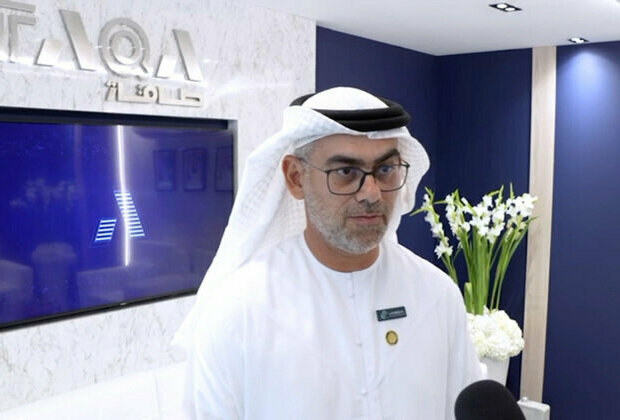
Abu Dhabi National Energy Company has unveiled plans to invest more than AED37 billion to meet the escalating power demands of the emirate’s expanding data centre and artificial intelligence infrastructure. The announcement was made by Group CEO and Managing Director Jasim Husain Thabet during the World Utilities Congress 2025.

This substantial investment is integral to TAQA’s strategy to deliver clean, certified, and reliable energy to critical infrastructure. The company aims to support Abu Dhabi’s ambition to become a global hub for digital innovation and AI development.

TAQA’s market capitalisation stands at approximately AED360 billion, positioning it among the top five companies in electricity generation, transmission, and water desalination across Europe, Africa, and the Middle East. Operating in 25 countries, TAQA has doubled its electricity production capacity to 56 gigawatts over the past four years, surpassing the total electricity consumption of the United Kingdom.

The company’s growth strategy includes significant international acquisitions. TAQA recently partnered with Mubadala to acquire an 875-megawatt gas-powered electricity station in Uzbekistan, aiding the country’s energy transition and opening new markets in Central Asia. Additionally, TAQA has acquired Transmission Investment, a leading UK-based energy and utility investment platform, enhancing its capabilities in offshore transmission services and infrastructure development.

In collaboration with Masdar, where TAQA holds a major stake, the company is developing 5 gigawatts of solar energy supported by 19 gigawatt-hours of battery storage. This integrated solar and battery system is designed to deliver a continuous supply of 1 gigawatt for 24 hours, marking it as the largest project of its kind globally.

TAQA plans to invest AED75 billion by 2030 to triple its electricity generation capacity to 150 gigawatts. Part of this strategy includes developing water desalination plants with a combined capacity of 1.3 billion gallons per day, with two-thirds utilising highly efficient reverse osmosis technology.

The company is also exploring acquisition opportunities in the United States, identifying it as a key market for expansion. TAQA aims to spend around $20 billion between 2023 and 2030 on organic and inorganic growth, targeting 150 gigawatts of capacity by the end of that period, up from around 56 gigawatts currently.

Messaging platform Telegram has successfully raised $1.7 billion through a convertible bond issuance, aiming to refinance existing debt and bolster its financial position. The five-year notes offer a 9% annual coupon and include a provision allowing bondholders to convert their holdings into equity at a 20% discount if Telegram proceeds with an initial public offering before maturity.

A significant portion of the proceeds, approximately $955 million, is earmarked to repurchase outstanding bonds from a 2021 issuance set to mature in March 2026. Telegram had previously repurchased around $400 million of this debt using internal funds. The remaining funds from the new bond sale will support the company’s operational expansion and strategic initiatives.

The bond offering attracted substantial interest from institutional investors. Existing backers like BlackRock and Abu Dhabi’s Mubadala Investment Company participated, alongside new entrants such as hedge fund Citadel. The high yield and potential for equity conversion made the bonds particularly appealing to investors seeking both income and growth opportunities.

Telegram’s financial performance has shown marked improvement. In 2024, the company reported a profit of $540 million on revenues of $1.4 billion, a significant turnaround from a loss of $173 million on $342 million in revenue the previous year. Projections for 2025 indicate a profit exceeding $700 million on revenues of $2 billion, driven by diversified income streams including advertising, in-app purchases, and premium subscriptions.

A notable contributor to Telegram’s revenue growth is a $300 million partnership with Elon Musk’s artificial intelligence firm, xAI. Under this agreement, Telegram will distribute xAI’s chatbot, Grok, within its platform, receiving compensation in both cash and equity. This collaboration signifies Telegram’s foray into integrating advanced AI technologies to enhance user engagement and service offerings.

Despite these financial strides, Telegram faces legal challenges. CEO Pavel Durov is currently under investigation in France for allegedly failing to cooperate with authorities probing illegal activities on the platform. Durov, who has been released on bail, is restricted from leaving France without official permission. His request to travel to the United States for investor meetings was denied by French prosecutors, citing insufficient justification. Durov maintains that Telegram has complied with all legal obligations and expresses uncertainty over the basis of the charges.

These legal issues have not deterred investor confidence. The successful bond issuance reflects a strong belief in Telegram’s growth trajectory and financial stability. The company’s user base continues to expand, with over 1 billion monthly active users and a doubling of paid subscribers to more than 15 million in the past year.

Abu Dhabi’s sovereign wealth fund Mubadala Investment Company has raised $1 billion through a 10-year U.S. dollar-denominated Islamic bond, or sukuk, marking its first debt issuance of the year. The bonds, issued via its financing arm Mamoura Diversified Global Holding, were priced at 60 basis points over U.S. Treasuries, tightening from initial guidance of 95 basis points, following robust investor demand.

The offering attracted orders exceeding $4.75 billion, leading to a fivefold oversubscription, underscoring strong investor confidence in Mubadala’s creditworthiness and the appeal of Islamic finance instruments. This issuance follows Mubadala’s previous sukuk sale in October, where it raised 1 billion dirhams through a five-year bond.

The sukuk employs a wakalah structure, utilizing a portfolio of publicly listed shares as underlying assets, a first for a UAE-origin sukuk. This innovative approach reflects a shift towards more flexible and equity-based structures in Islamic finance, potentially setting a precedent for future issuances in the region.

Mubadala’s latest financial results indicate a 9.1% increase in assets under management, reaching 1.2 trillion dirhams, driven by strategic investments in sectors such as technology, manufacturing, and private credit. As the second-largest state investment fund in Abu Dhabi, following the Abu Dhabi Investment Authority, Mubadala plays a pivotal role in the emirate’s economic diversification efforts.

Telegram has successfully raised at least $1.5 billion through a bond issuance, attracting investments from prominent entities including BlackRock, Mubadala Investment Company, and Citadel. This financial manoeuvre underscores investor confidence in the messaging platform, even as its founder and CEO, Pavel Durov, faces legal challenges in France.

The five-year bonds, offering a 9% yield, are structured with a conversion option, allowing investors to convert debt into equity should Telegram pursue an initial public offering . While an IPO is not imminent, this feature provides potential upside for investors. Proceeds from the bond sale are earmarked to retire approximately $1 billion in debt from bonds issued in 2021, with Telegram having already repurchased around $400 million of those bonds using cash reserves.

Durov’s legal predicament stems from preliminary charges in France, accusing him of non-cooperation with investigations into illegal activities on Telegram, including child exploitation content. Both Durov and Telegram contest these allegations, asserting compliance with all binding legal requests. Despite being released on bail, Durov is restricted from leaving France without permission, a situation that has not deterred investor interest.

Telegram’s financial performance has shown remarkable improvement. In 2024, the company reported a profit of approximately $540 million on revenues of $1.4 billion, a significant turnaround from a $173 million loss on $342 million in revenue the previous year. This growth is attributed to an increase in paid subscribers, now exceeding 15 million, and revenue streams from advertising, in-app purchases, and partnerships with developers building on Telegram’s platform.

Looking ahead, Telegram projects revenues of $2 billion and profits surpassing $700 million for 2025. The company continues to expand its user base, recently surpassing one billion monthly active users, and is exploring opportunities in artificial intelligence, including a collaboration with Elon Musk’s xAI to integrate the Grok chatbot.

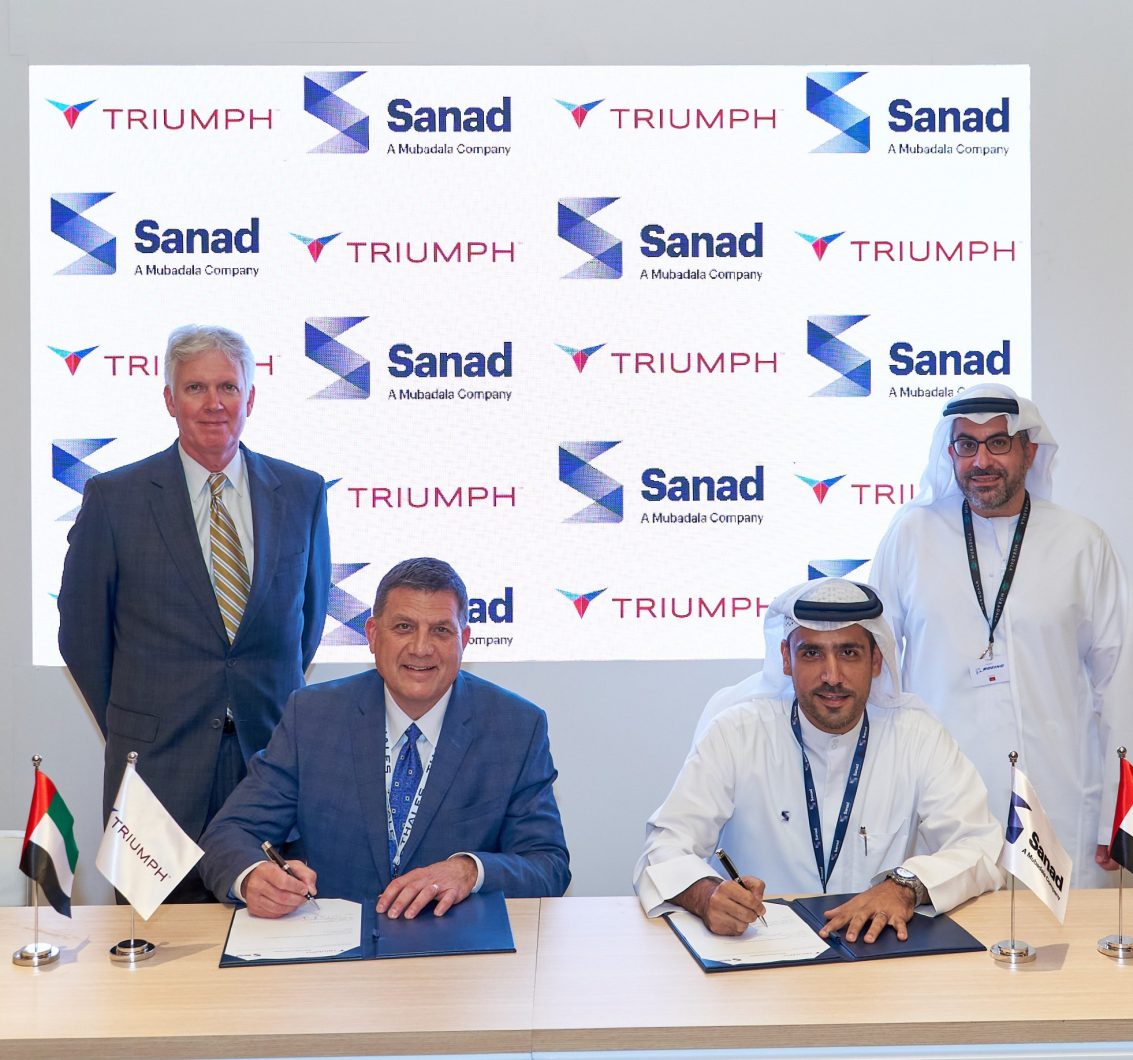
Sanad, a global aerospace engineering and leasing solutions provider wholly owned by Abu Dhabi’s Mubadala Investment Company, has partnered with GE Aerospace to bolster the UAE’s aerospace talent pool. This collaboration aims to address the projected surge in global demand for Maintenance, Repair, and Overhaul professionals, with the sector expected to reach $169 billion by 2037.

The partnership has led to the inauguration of the LEAP Engine MRO Center in Abu Dhabi, the first certified facility of its kind in the South Asia, Middle East, and North Africa region. This center is set to support over 450 LEAP-1A and LEAP-1B engines over an 11-year period, enhancing the UAE’s capabilities in servicing next-generation aircraft engines.

Sanad has invested over AED 100 million into its Abu Dhabi facility, expanding its state-of-the-art engine MRO capabilities. The center spans 5,000 square meters, contributing to a total of 30,000 square meters in Sanad’s Abu Dhabi campus. This expansion not only augments the company’s technical capabilities but also reinforces Abu Dhabi’s position as a leading global aviation hub.

The collaboration with GE Aerospace and Safran Aircraft Engines, formalized during the Paris Air Show in June 2023, has significantly expanded Sanad’s MRO services to include the new-generation CFM International LEAP-1A and -1B engines. These engines, powering Airbus A320neo and Boeing 737 MAX family aircraft, are recognized for their exceptional reliability and fuel efficiency.

Sanad’s LEAP Engine MRO Center began operations within a month of signing the agreement and successfully completed the MRO process on the first LEAP engine from flydubai just four months later. This rapid operationalization underscores Sanad’s commitment to excellence and speed in establishing state-of-the-art MRO capabilities.

The center is operated by a dedicated team of technical and engineering experts, utilizing cutting-edge MRO technologies. Sanad’s engineers and technicians have undergone intensive training programs with GE Aerospace, equipping them with the skills required for tasks such as Rotor Drive System and Inlet Gear Box quick turnaround, borescope inspection, and general familiarization.

This initiative not only ensures the operational efficiency of LEAP engines but also contributes to reducing the carbon footprint associated with transporting engines outside the region for maintenance. By providing in-country solutions, the partnership aligns with the UAE’s commitment to sustainability and operational efficiency.

The LEAP engine’s popularity has surged, with a backlog exceeding 10,000 engines, primarily due to its innovative design aimed at reducing carbon emissions in air transport. Sanad’s enhanced capabilities position it to meet the growing demand for MRO services for the LEAP engine, reinforcing Abu Dhabi’s status as a global aviation hub.

In addition to the LEAP Engine MRO Center, Sanad has expanded its global partnerships, including a strategic agreement with Airbus to provide MRO services for engines powering Airbus single-aisle and wide-body aircraft. This collaboration further solidifies Sanad’s position as a global partner of choice and a key player in the aerospace industry.

Sanad’s commitment to workforce development is evident in its focus on training and upskilling local talent. The company has established multi-tiered training programs to nurture local expertise, combining classroom training in aviation principles with hands-on experience in its facilities. This approach supports the UAE’s broader goals of economic diversification and the development of a knowledge-based economy.

Gulf nations are intensifying their investments in global sports, strategically deploying sovereign wealth funds to diversify economies and enhance international standing. Saudi Arabia, the United Arab Emirates , and Qatar are at the forefront of this movement, each utilising sports as a vehicle for economic diversification and soft power projection. Saudi Arabia’s Public Investment Fund , managing assets exceeding $700 billion, has acquired significant stakes in domestic […]

Blackstone has initiated its entry into the cryptocurrency market by acquiring a stake in BlackRock’s iShares Bitcoin Trust , marking its first foray into digital assets. This move aligns with a broader trend of institutional investors embracing cryptocurrency through regulated investment vehicles.

The exact size of Blackstone’s investment has not been publicly disclosed, but filings with the U.S. Securities and Exchange Commission indicate a modest position. This strategic investment underscores a growing institutional interest in Bitcoin, particularly through spot exchange-traded funds , which offer regulated exposure to the cryptocurrency without the complexities of direct ownership.

BlackRock’s IBIT has emerged as a leading product in the spot Bitcoin ETF market, surpassing Grayscale’s Bitcoin Trust in assets under management. As of late May 2024, IBIT held nearly $20 billion in Bitcoin, reflecting significant investor confidence and inflows.

The approval of spot Bitcoin ETFs by the SEC in January 2024 marked a pivotal moment for cryptocurrency adoption among institutional investors. These ETFs provide a regulated avenue for exposure to Bitcoin, mitigating some of the risks associated with direct cryptocurrency investments. Since their approval, spot Bitcoin ETFs have attracted substantial capital, with inflows exceeding $40 billion, signaling robust demand from institutional players.

Blackstone’s investment follows similar moves by other major financial institutions. Barclays disclosed a $131 million stake in IBIT, while Morgan Stanley reported holdings worth $188 million. Additionally, sovereign wealth funds, such as Abu Dhabi’s Mubadala Investments, have made significant investments, with Mubadala holding a $437 million stake in IBIT as of December 2024.

The increasing institutional adoption of Bitcoin ETFs is contributing to the convergence of traditional finance and the cryptocurrency market. BlackRock executives have noted that the introduction of Bitcoin ETFs is facilitating this integration, as traditional financial institutions seek exposure to digital assets through familiar investment vehicles.

Mubadala Investment Company has launched Mubadala Bio, a life sciences enterprise aimed at bolstering the United Arab Emirates’ pharmaceutical sector, enhancing health outcomes, and propelling economic diversification. The announcement precedes the company’s participation in the Make it in the Emirates 2025 initiative. Mubadala Bio is set to concentrate on national drug security, expanding access to essential therapeutics and medical devices, and fostering a knowledge-based economy. This move […]

Mubadala Investment Company has unveiled Mubadala Bio, a new life sciences entity designed to bolster the United Arab Emirates’ pharmaceutical manufacturing capabilities and enhance healthcare resilience. The initiative aligns with the country’s Centennial 2071 vision, aiming to position Abu Dhabi as a regional hub for biopharmaceutical innovation.

Mubadala Bio’s infrastructure encompasses ten facilities across Asia, Africa, and Europe, with six situated within the UAE. Collectively, these sites span 110,000 square metres and possess an annual production capacity exceeding 2.5 billion tablets and capsules, along with 120 million intravenous and injectable units. The company’s extensive portfolio includes over 10,000 medical products, serving more than 100 countries worldwide.

The company’s focus extends across the entire continuum of care, from prevention and diagnostics to treatment and supportive therapies. This comprehensive approach aims to address pressing global health challenges and improve patient outcomes.

Dr. Bakheet Al Katheeri, CEO of Mubadala’s UAE Investments Platform, stated that the launch of Mubadala Bio represents a transformative step toward strengthening national drug security and fostering innovation in life sciences. He emphasized that this positions Mubadala at the forefront of the industry, enabling long-term economic growth and the development of a resilient life sciences ecosystem.

Ismail Ali Abdulla, Executive Director of UAE Clusters at Mubadala, highlighted the company’s commitment to supporting the UAE’s ambition to become a global leader in the life sciences industry. By focusing on local manufacturing and enhancing distribution and logistics capabilities, Mubadala Bio aims to build a self-sustaining sector prepared for future challenges.

Mubadala Bio plans to establish strategic partnerships with global life sciences firms and academic institutions to accelerate biopharmaceutical innovation and nurture world-class talent within the UAE. These collaborations are intended to drive advancements in healthcare and support the country’s transition to a knowledge-based economy.

The company’s launch will be formally introduced at the upcoming Make it in the Emirates 2025 event, showcasing the UAE’s success in building a competitive life sciences industry. This event serves as a national industrial showcase, reinforcing the country’s position as a hub for innovation and local manufacturing.

Mubadala Bio is designated as one of Mubadala’s “National Champions,” entities established to support strategic sectors aligned with the UAE’s long-term development goals. Through its initiatives, the company aims to accelerate the UAE’s economic diversification, particularly in healthcare and biotechnology.

Abu Dhabi’s Mubadala Investment Company reported a 33.7% surge in capital deployment in 2024, reaching AED 119 billion , positioning it as the most active sovereign wealth fund globally, according to data from Global SWF. This uptick coincided with a 9% year-on-year increase in assets under management , now totaling AED 1.2 trillion , and a five-year annualised return of 10.1%.

The fund’s intensified investment activity was largely driven by strategic allocations in artificial intelligence , semiconductors, and private equity sectors. Notably, Mubadala’s investments in North America nearly doubled, underscoring its confidence in the U.S. market despite prevailing economic uncertainties. In a significant move, Mubadala acquired a 50% stake in MGX, an AI-focused entity that collaborated with BlackRock and Microsoft in a $30 billion AI infrastructure fund.

Mubadala’s portfolio composition remained relatively stable, with 40% allocated to private equity, 23% to public markets, and 17% to infrastructure and real estate. This allocation reflects a strategic emphasis on sectors poised for long-term growth. The fund also expanded its private credit holdings to $20 billion, aligning with its broader investment strategy.

In the healthcare sector, Mubadala finalized the acquisition of an 80% stake in Global Medical Supply Chain and Al Ittihad Drug Store, enhancing its presence in healthcare logistics and pharmaceutical distribution. Additionally, the fund invested in Zelis, a U.S.-based healthcare technology firm, alongside Norwest and HarbourVest.

Mubadala’s commitment to clean energy was evident through Masdar’s acquisition of a 50% stake in the Big Beau combined solar and battery storage project in California. Furthermore, Mubadala Capital announced a $13.5 billion investment in a biofuels project in Brazil, marking a significant step in sustainable energy initiatives.

The fund’s strategic partnerships extended to the financial sector, with the acquisition of Fortress Investment Group from SoftBank, following regulatory approval from the Committee on Foreign Investment in the United States . This acquisition bolsters Mubadala’s position in global credit markets.

Mubadala’s CEO, Khaldoon Al Mubarak, emphasized the fund’s focus on future-oriented sectors, stating that the portfolio is constructed to navigate market cycles and scale sectors such as AI, clean energy, life sciences, semiconductors, and advanced manufacturing, aligning with national priorities.

The fund’s strategic initiatives also include the establishment of Space42, a space and satellite technology entity formed through the merger of Yahsat and Bayanat, and M42, a tech-enabled healthcare company, both in collaboration with Abu Dhabi’s tech group G42.

Mubadala’s approach to sustainable finance was highlighted by the issuance of its inaugural green bond, aligning with the UAE’s commitment to Net Zero by 2050. The fund maintains a conservative gearing ratio of 10.3% and a strong liquidity position, ensuring resilience amid global economic fluctuations.

In the realm of private equity, Mubadala Capital raised $3.1 billion for its latest fund, surpassing the initial target of $2 billion. The fund aims to invest between $150 million and $500 million per deal, focusing on acquiring large holdings in private equity markets.

Abu Dhabi’s Mubadala Capital is set to lead a $10 billion syndicated investment into TWG Global, marking a significant move into the global sports and entertainment sector. This partnership not only positions Mubadala at the forefront of high-value sports investments but also reflects a broader trend among Gulf sovereign wealth funds diversifying their portfolios beyond traditional assets.

TWG Global, co-chaired by Mark Walter and Thomas Tull, manages a diverse portfolio that includes stakes in prominent sports franchises such as the Los Angeles Dodgers, Los Angeles Lakers, and Chelsea FC. The conglomerate, valued at approximately $40 billion, also invests in sectors like artificial intelligence, biotechnology, and media. Walter, known for his role in Guggenheim Partners, and Tull, former owner of Legendary Entertainment, bring extensive experience in both finance and entertainment to the venture.

The investment deal includes TWG Global acquiring a minority stake in Mubadala’s asset management platform for $2.5 billion. This strategic move aims to increase commitments to an additional $20 billion of investment capital, signaling a deepening collaboration between private investment firms and sovereign wealth funds.

Global SWF, a sovereign fund tracker, described the partnership as “a new chapter in global finance,” highlighting the innovative nature of a private firm acquiring a stake in a sovereign wealth fund’s asset management arm. This arrangement provides Mubadala with indirect ownership exposure to iconic Western sports franchises, aligning with the rising valuations of global sports assets and the convergence of content, fan engagement, and streaming monetisation.

Mubadala’s move mirrors strategies employed by other Gulf sovereign wealth funds, such as Saudi Arabia’s Public Investment Fund , which has been actively building its sports and leisure portfolio. However, through this partnership with TWG Global, Mubadala gains immediate access to established sports entities, bypassing the need to build its portfolio from scratch.

In 2024, Mubadala emerged as the world’s largest sovereign wealth fund spender, deploying $29.2 billion across 52 transactions—a 67% increase from the previous year. This surge in investment activity underscores the fund’s commitment to diversifying its holdings and capitalising on emerging market opportunities.

VISHNU RAJA
RYO YAMADA
HITORI GOTOH
IKUYO KITA