News related to
OpenAI

Runner H, Surfer H and Tester H, three autonomous AI agents developed by Paris-based H Company, make web-native task automation available across consumer and enterprise settings. The framework integrates advanced vision–language models that perceive browser interfaces and predict actions like clicking buttons or filling text fields, executing them via a headless browser. Runner H acts as the orchestrator. It receives natural‑language instructions, composes workflows using specialised sub‑agents and interacts with platforms […]

OpenAI is holding discussions with a range of international investors—including Saudi Arabia’s Public Investment Fund, Reliance Industries of India, and Abu Dhabi’s MGX—to raise around $40 billion in fresh equity. The move marks a pivotal effort to underwrite its ambitious next-generation AI models and the expansive Stargate infrastructure initiative. The round is being led by Japan’s SoftBank, which aims to shepherd significant capital into artificial intelligence advancements. At […]

Abu Dhabi Global Market has recorded a substantial leap in its development as a financial hub, marking a more than 30 per cent increase in registered firms last year and a remarkable 245 per cent surge in assets under management. Such gains stem from the emirate’s strategic mobilisation of its nearly US $2 trillion in sovereign wealth, aimed at diversifying its economy beyond its dominant oil sector. This year’s first quarter performance continued […]

OpenAI has reported a substantial increase in annual recurring revenue, rising to $10 billion as of June 2025—nearly double the $5.5 billion recorded in December 2024. This leap underscores the robust commercial appetite for its offerings, driven by consumer subscriptions, enterprise usage, and API sales. The fuel behind this surge is ChatGPT, which now boasts over 500 million weekly active users and around 3 million paying business and education customers. Its […]

OpenAI acknowledged an unexpected outage affecting ChatGPT and related services, leaving users across multiple regions unable to access the platform or receive responses. The disruption, which emerged late on 10 June 2025, triggered a surge in user complaints and widespread concern over the reliability of the generative‑AI tool. Disruption began unfolding as error messages such as “Hmm… something seems to have gone wrong” and “A network error […]

Miral is set to launch an interactive Ferrari-themed workshop on 21 June at Cinema Maranello in Ferrari World, Yas Island, offering young learners an immersive glimpse into automotive engineering and innovation. Open to participants aged 10 and above, the two-hour session will feature hands-on demonstrations, a quiz, and an exploration of Ferrari’s technical journey—all crafted to ignite curiosity and build skillsets in a dynamic setting.

Leading the workshop, Miral positions it as a continuation of their education and skill‑development pillar, part of the group’s broader corporate social responsibility initiatives aimed at nurturing future generations across Abu Dhabi. The session begins with an engaging overview of Ferrari’s storied past and technological breakthroughs. Participants will then transition to practical segments where they can engage with scaled-down engineering modules, deepen their understanding through interactive quizzes, and test their abilities in dynamic challenges designed to simulate real vehicle systems.

The venue, Cinema Maranello, is nestled within Ferrari World—the world’s first Ferrari-branded theme park, home to record‑breaking attractions including Formula Rossa, Flying Aces, and Mission Ferrari. Spanning over 40 rides in a climate‑controlled environment, the park is a flagship asset in Miral’s immersive entertainment portfolio.

Miral emphasises community engagement and knowledge transfer through this workshop. Registration is mandatory and limited; family attendance is encouraged, broadening the event’s appeal beyond just the learning participants. The event will run from noon to 2 pm, ensuring ample time for both instruction and hands-on involvement.

This Ferrari-themed educational initiative aligns with broader patterns in youth development programming across Yas Island. Over the last year, Miral has hosted a variety of skill‑based events, from eco‑conscious upcycling workshops to digital storytelling and STEM camps. These have targeted children aged from as young as eight through their teens, integrating creativity with sustainability and technical learning.

Ferrari World has steadily expanded its appeal as a learning hub. Family‑friendly attractions like the Junior Grand Prix, Junior Training Camp, and Made in Maranello tour blend entertainment with educational value, providing toddlers and teens alike with engaging, instructive experiences.

Miral’s broader strategy emphasises diversification of cultural, recreational, and educational offerings across Yas Island and Saadiyat Island. It continues development of projects such as the Natural History Museum Abu Dhabi, a dedicated Harry Potter land in partnership with Warner Bros. World, and integration of digital innovation through alliances like those with Microsoft and Azure OpenAI Service. Marta Zaabi, CEO of Miral, described the Yas Island learning ecosystem as “a continuously evolving platform where curiosity meets creativity,” demonstrating a focus on nurturing curiosity in diverse ways across the island.

The upcoming Ferrari workshop exemplifies Miral’s intent to merge hands-on education with its entertainment credentials. By leveraging brand prestige and technical cachet, the event speaks to a growing trend in learning-by-doing experiences, targeting youth engagement outside traditional classroom settings. The event’s orientation toward engineering aligns with regional priorities to bolster STEM education and practical skill development in alignment with the UAE’s broader educational agenda.

Although the workshop is free, spaces are limited to ensure both safety and quality of engagement. Miral has stressed the value of early registration, noting the family-friendly nature of the workshop and the likelihood of high demand given Ferrari’s iconic status and the interactivity of the experience.

India has emerged as the largest user base for ChatGPT, accounting for 13.5% of global monthly active users, surpassing the United States at 8.9% and Indonesia at 5.7%, according to the latest AI Trends Report by Mary Meeker. This milestone underscores India’s rapid adoption of AI technologies and its growing prominence in the global AI landscape.

OpenAI CEO Sam Altman has acknowledged this trend, stating that “India is outpacing the world” in AI engagement. He highlighted the country’s enthusiasm and creativity in leveraging AI tools like ChatGPT for various applications, including education and professional development.

A recent survey revealed that 60% of Indian professionals are utilizing generative AI tools such as ChatGPT and Microsoft Copilot. However, only 31% feel adequately prepared by their organizations to use these tools effectively, indicating a need for clearer policies and structured training programs to fully harness AI’s potential.

The educational sector in India has also seen significant integration of ChatGPT. Studies indicate that students and educators are increasingly adopting AI tools to enhance learning and teaching methodologies. While these technologies offer remarkable opportunities for educational innovation, they also bring forth challenges related to academic integrity and ethical use.

Despite the surge in AI adoption, Altman previously expressed skepticism about India’s ability to develop AI models comparable to ChatGPT, citing resource constraints. Nonetheless, the country’s growing engagement with AI tools suggests a strong potential for innovation and development in this field.

Advertisements

Warnings from within the artificial intelligence industry are growing louder, as former insiders and leading researchers express deep concern over the rapid development of superintelligent systems without adequate safety measures. Daniel Kokotajlo, a former researcher at OpenAI and now executive director of the AI Futures Project, has become a prominent voice cautioning against the current trajectory. In a recent interview on GZERO World with Ian Bremmer, Kokotajlo […]

Vibe coding—a term popularised by former Tesla and OpenAI engineer Andrej Karpathy—has emerged as a transformative approach in software development. By leveraging large language models , developers can generate code through natural language prompts, effectively shifting the role of programmers from manual coding to guiding AI-generated outputs. This method has gained traction among experienced developers and hobbyists, offering a more intuitive and creative coding experience. However, for […]

Telegram has entered into a one-year agreement with Elon Musk’s artificial intelligence company, xAI, to integrate the Grok chatbot into its messaging platform, which boasts over one billion users globally. Under the terms of the deal, Telegram will receive $300 million in a combination of cash and equity, along with 50% of the revenue generated from xAI subscriptions sold through the app.

This partnership marks a significant expansion for Grok, which was previously available exclusively to premium subscribers of X . By integrating Grok into Telegram, xAI aims to broaden its user base and compete more directly with established AI chatbots like OpenAI’s ChatGPT and Google’s Gemini.

Telegram CEO Pavel Durov announced the collaboration on X, highlighting the strategic move to enhance user engagement through advanced AI capabilities. The integration of Grok into Telegram is expected to provide users with a more interactive and intelligent messaging experience, leveraging Grok’s ability to generate text, understand images, and summarise conversations.

The financial structure of the deal underscores the growing value of AI integration in messaging platforms. The $300 million investment from xAI not only provides Telegram with substantial capital but also aligns both companies’ interests through the shared revenue model. This approach reflects a broader trend in the tech industry, where companies seek to monetise AI tools by embedding them into widely used applications.

Grok’s integration into Telegram comes amid a competitive landscape for AI chatbots. xAI, founded by Elon Musk in 2023, has rapidly developed Grok to offer features such as web search results, PDF uploads, and image understanding. The chatbot is designed to provide responses with a touch of wit and humour, distinguishing it from more conventional AI assistants.

The rollout of Grok on Telegram also raises questions about content moderation and user data privacy. Telegram has faced scrutiny in the past for its approach to content oversight, and the addition of an AI chatbot with unfiltered responses could attract further attention from regulators and watchdogs. xAI has previously faced criticism for Grok’s use of user data from X, leading to investigations by European privacy regulators.

OpenAI has announced the establishment of a legal entity in South Korea and plans to inaugurate an office in Seoul, marking its third operational base in Asia following Tokyo and Singapore. This strategic move underscores the company’s commitment to expanding its footprint in regions exhibiting significant growth in artificial intelligence adoption.

South Korea ranks second globally, after the United States, in the number of paying subscribers to ChatGPT. The nation’s robust technological infrastructure and a populace highly receptive to AI innovations have positioned it as a pivotal market for OpenAI’s expansion efforts.

Jason Kwon, OpenAI’s Chief Strategy Officer, emphasised South Korea’s comprehensive AI ecosystem, highlighting its strengths in hardware, software, and a diverse user demographic spanning various age groups. He noted that the country’s integrated approach to AI development makes it an ideal environment for meaningful AI impact.

In alignment with its expansion strategy, OpenAI has initiated recruitment processes to build a local team in Seoul. The company aims to foster collaborations with South Korean enterprises and governmental bodies to tailor AI solutions that resonate with local needs and regulatory frameworks.

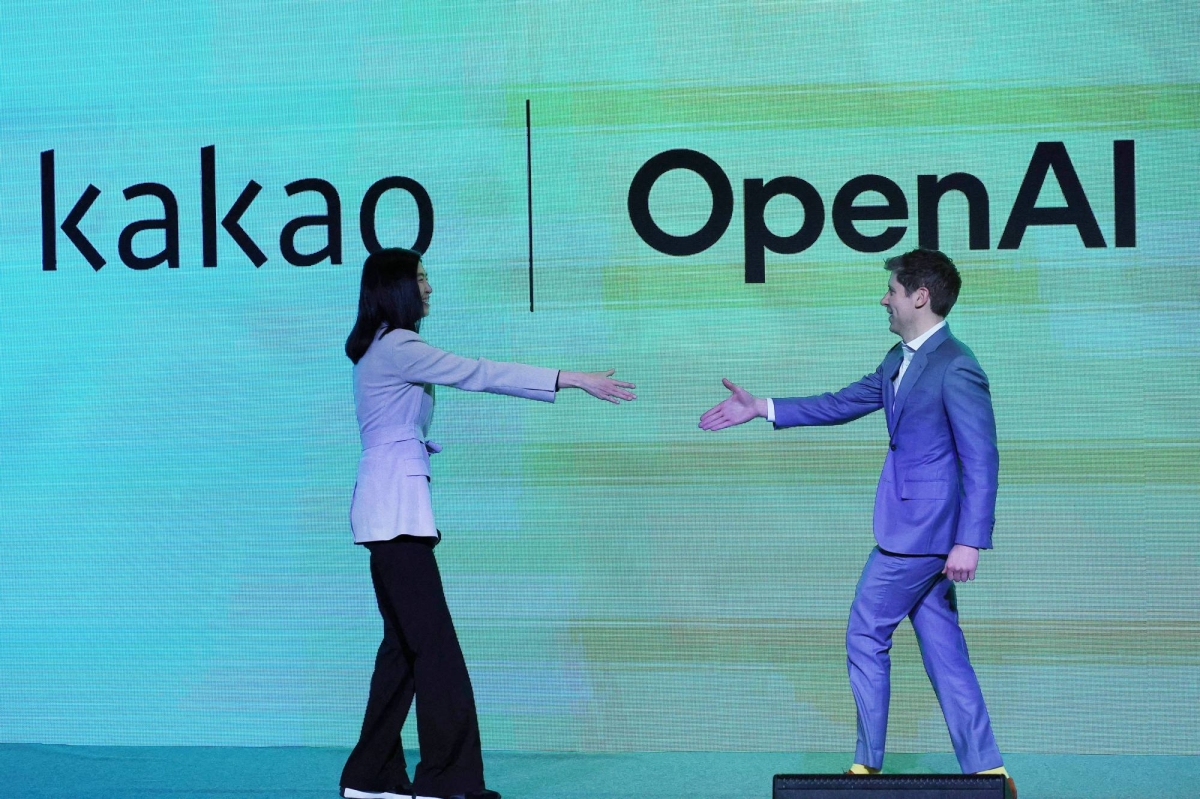
Earlier this year, OpenAI entered into a partnership with Kakao, a leading South Korean internet company, to develop AI products customised for the Korean market. This collaboration is indicative of OpenAI’s approach to localising its offerings and integrating them seamlessly into existing digital ecosystems.

The establishment of a Seoul office also aligns with OpenAI’s broader initiative to implement data residency solutions across key Asian markets, including South Korea. By enabling local data storage, OpenAI addresses regional data sovereignty concerns and ensures compliance with local data protection regulations, thereby enhancing trust among enterprise clients and users.

OpenAI’s expansion into South Korea is part of a concerted effort to strengthen its presence in Asia. The company’s Tokyo office, opened in April 2024, serves as a hub for developing Japanese-language AI models and collaborating with local businesses and government entities. Similarly, the Singapore office, announced in October 2024, functions as the Asia-Pacific headquarters, focusing on regional partnerships and AI research initiatives.

Abu Dhabi is set to host the world’s largest artificial intelligence data centre outside the United States, following a landmark agreement between OpenAI, G42, Oracle, NVIDIA, SoftBank, and Cisco. The project, named Stargate UAE, will be situated at the newly established UAE–US AI Campus in the capital. The Stargate UAE initiative is part of OpenAI’s broader “OpenAI for Countries” programme and represents a significant AI investment by […]

OpenAI has agreed to acquire artificial intelligence device startup io in a $6.5 billion all-stock transaction, bringing onboard Apple’s iconic designer Jony Ive and his team as part of a bold expansion into hardware development. The deal, which is OpenAI’s largest to date, aims to reshape the future of consumer electronics by embedding artificial intelligence deeply into everyday devices. The acquisition values io based on a $5 […]

Artificial Intelligence is expected to contribute around US$320 billion to the Middle East’s Gross Domestic Product (GDP) by 2030, with the Gulf Cooperation Council countries accounting for nearly 80 percent of that impact, translating to approximately US$260 billion, according to a latest report by global accounting firm PriceWaterhouseCoopers (PwC). The Gulf Cooperation Council (GCC) countries—Bahrain, Kuwait, Oman, Qatar, Saudi Arabia, and the United Arab Emirates—are at a […]

GitHub has unveiled a significant upgrade to its Copilot platform: an AI-powered coding agent capable of autonomously writing code, fixing bugs, and managing pull requests. This development, announced during Microsoft’s Build 2025 conference in Seattle, marks a pivotal shift in software development, positioning AI as an active participant in coding tasks. The new Copilot coding agent operates by initiating a secure, customizable development environment through GitHub Actions. […]

A group of prominent Senate Democrats, led by Elizabeth Warren and Minority Leader Chuck Schumer, has urged the Trump administration to reconsider newly announced artificial intelligence chip agreements with Saudi Arabia and the United Arab Emirates . The lawmakers argue that these deals could compromise U.S. national security by potentially exposing advanced technology to adversaries like China and Russia, while also limiting the availability of critical components for American companies.

The agreements, unveiled during President Donald Trump’s recent trip to the Middle East, involve major U.S. tech firms such as Nvidia Corp. and Advanced Micro Devices Inc. selling tens of thousands of advanced semiconductors to the Gulf nations. These deals could pave the way for the sale of over a million more chips, coinciding with the administration’s plans to rescind and rewrite Biden-era rules that had capped the access of these countries to such technology.

Critics within the Senate express concern that these moves could inadvertently aid China’s technological advancement, given the close ties between the Gulf states and Beijing. They also warn that the agreements might strain the domestic supply of AI chips, potentially hindering the growth of U.S. companies reliant on these components.

OpenAI CEO Sam Altman has defended the administration’s decisions, dismissing critics as “naïve” and emphasizing the strategic benefits of the deals. Altman, along with White House AI advisor David Sacks, argues that the agreements shift the technological balance in favor of the U.S. against China. Despite these assurances, concerns persist among lawmakers and national security experts about the potential risks associated with the export of sensitive technology to the Gulf region.

The deals have also sparked debate within the tech industry, with some companies eager to pursue opportunities in the Gulf, while others express apprehension regarding security and geopolitical implications. The collaborations highlight a divide in the industry and raise broader questions about the global strategic direction of emerging technologies.

Cryptocurrency mining companies have registered a notable surge following the announcement of a strategic partnership between OpenAI and CoreWeave, a leading cloud computing provider. This alliance signals a growing intersection between artificial intelligence infrastructure and blockchain technology, propelling mining stocks higher and generating renewed investor interest in the sector.

CoreWeave, known for its specialised GPU-powered cloud services tailored to AI workloads, has struck a deal to supply critical computational capacity for OpenAI’s expanding suite of applications. This development positions CoreWeave as a vital player in supporting the back-end infrastructure of AI innovation. The company’s move has rippled through the crypto mining ecosystem, where hardware capable of efficiently processing complex algorithms is central to mining operations.

Investors responded positively to CoreWeave’s enhanced profile, with shares of prominent crypto mining firms climbing on various exchanges. The broader cryptocurrency market, however, displayed a more cautious stance, maintaining a consolidation phase despite escalating inflation expectations that often trigger volatility. This divergence highlights the nuanced market dynamics where infrastructure providers linked to AI growth are gaining momentum independent of general crypto price trends.

The launch of Galaxy Digital on the Nasdaq exchange further accentuated market activity around crypto-related firms. Galaxy Digital, a diversified financial services and investment management firm focusing on digital assets and blockchain technology, made a striking debut with its share price surging significantly on the first day of trading. The successful Nasdaq listing underscores growing institutional interest in the crypto and blockchain sectors, affirming confidence in their long-term viability despite fluctuating asset prices.

Market analysts note that the OpenAI-CoreWeave partnership exemplifies the convergence of artificial intelligence and blockchain technology, two sectors undergoing rapid expansion. This synergy offers mining companies an avenue to diversify and stabilise revenues by capitalising on increased demand for computational power beyond traditional cryptocurrency mining. As AI applications become more sophisticated and resource-intensive, providers like CoreWeave stand to benefit from expanded contracts and elevated valuations.

The partnership also sheds light on evolving mining operations, which now encompass hybrid models combining cryptocurrency validation with AI data processing tasks. This integration potentially improves profitability and operational resilience amid regulatory uncertainties and market fluctuations in the crypto domain. Mining firms that embrace such technological advancements may position themselves ahead of competitors relying solely on conventional blockchain mining.

Despite these promising developments, the crypto market continues to face challenges from macroeconomic factors, notably inflation expectations that often influence investor behaviour. Although asset prices across major markets, including cryptocurrencies, largely shrugged off these concerns, some volatility is expected as central banks adjust monetary policies. Cryptocurrency’s inherent volatility remains a consideration for both retail and institutional investors, who must weigh technological advancements against broader economic risks.

CoreWeave’s strategic positioning within this ecosystem is particularly significant given the rising demand for GPU-intensive workloads. The company’s infrastructure supports not only OpenAI’s needs but also a wide array of AI-driven enterprises, creating a robust client base and diversified revenue streams. This diversification contrasts with many mining firms whose fortunes are tightly correlated to cryptocurrency price cycles, adding an element of stability that appeals to investors.

Galaxy Digital’s Nasdaq listing is emblematic of the maturing crypto investment landscape. Founded by industry veteran Michael Novogratz, the firm has established itself as a critical bridge between traditional financial markets and the digital asset space. Its successful public offering reflects growing acceptance and integration of digital assets within mainstream finance, an important milestone for the sector.

Market watchers observe that while the immediate reaction favours companies linked to AI and cloud computing, the broader cryptocurrency market is navigating a complex environment marked by geopolitical tensions, regulatory scrutiny, and shifting monetary policies. These factors contribute to a cautious sentiment among traders, with prices consolidating rather than surging dramatically.

Nonetheless, the interplay between AI infrastructure providers and crypto mining firms represents a promising frontier. This convergence may drive innovation in both fields, fostering new business models and operational efficiencies. Companies that adapt to this trend could harness the dual momentum of AI growth and blockchain technology to sustain competitive advantages.


OpenAI is engaged in high-stakes negotiations with Microsoft to restructure their multibillion-dollar partnership, aiming to secure new funding and lay the groundwork for a potential initial public offering . The discussions focus on revising equity arrangements and long-term access to OpenAI’s advanced artificial intelligence technologies.

Microsoft, having invested over $13 billion in OpenAI since 2019, is reportedly willing to adjust its equity stake in exchange for extended access to OpenAI’s AI models beyond the current 2030 agreement. This move reflects Microsoft’s strategic interest in maintaining a competitive edge in AI integration across its products and services.

The renegotiation also involves updating broader contractual terms established during Microsoft’s initial $1 billion investment in 2019. These revisions are crucial as OpenAI transitions into a public benefit corporation , a structure that balances profit motives with its mission to develop AI for the public good.

OpenAI’s shift to a PBC comes after abandoning plans to become a for-profit entity, following criticism from stakeholders concerned about deviating from its nonprofit origins. The new structure allows for conventional equity holdings by investors and employees while ensuring that the nonprofit entity retains significant control over the company’s direction.

The company’s recent fundraising efforts underscore its ambitions, with $6.6 billion raised in October 2024 and an additional $40 billion in March 2025, elevating its valuation to approximately $300 billion. These funds are intended to support OpenAI’s pursuit of artificial general intelligence and the development of AI technologies that can be broadly beneficial.

However, the partnership’s evolution has not been without tension. OpenAI’s engagements with other tech giants like SoftBank and Oracle have reportedly caused friction with Microsoft. Despite these challenges, both companies recognize their mutual dependence, particularly as Microsoft continues to integrate OpenAI’s technologies into its offerings.

Critics, including co-founder Elon Musk, have expressed concerns that OpenAI’s restructuring could compromise its nonprofit mission. Legal scrutiny from authorities in California and Delaware adds another layer of complexity to the company’s transformation. OpenAI must navigate these regulatory landscapes carefully to maintain its mission-driven approach while accommodating investor interests.

Apple’s senior vice president of services, Eddy Cue, disclosed during the U.S. Department of Justice’s antitrust trial against Google that searches conducted via Safari have declined for the first time in over two decades, attributing the drop to users increasingly turning to AI tools like ChatGPT. This revelation contributed to an 8% decline in Google’s stock, reflecting investor concerns about the potential erosion of Google’s search dominance. […]

Netflix is undertaking a significant overhaul of its user interface, introducing an AI-driven search feature and a vertical video feed reminiscent of TikTok, aiming to streamline content discovery and enhance user engagement. The updates are part of the company’s strategy to address decision fatigue among its over 300 million global subscribers and to maintain a competitive edge in the streaming industry. The revamped TV app interface will […]

Coinbase has officially added Worldcoin to its asset listing roadmap, marking a significant step toward integrating the controversial biometric-based cryptocurrency into one of the world’s most prominent digital asset exchanges. While the inclusion does not guarantee immediate trading, it signals Coinbase’s intent to support the token, pending liquidity and compliance reviews.

Worldcoin, spearheaded by OpenAI CEO Sam Altman, aims to establish a global digital identity system through iris-scanning devices known as “Orbs.” These devices verify users’ identities, granting them a unique World ID and distributing WLD tokens as part of an initiative to promote universal basic income in an AI-driven economy. The project, developed by Tools for Humanity, has already verified over 12 million users across more than 100 countries, despite facing scrutiny over privacy concerns.

The recent U.S. launch of Worldcoin has expanded its reach, with over 7,000 Orbs deployed in cities including Atlanta, Austin, Los Angeles, Miami, Nashville, and San Francisco. New users receive 16 WLD upon iris verification, while early adopters are granted 150 WLD, incentivizing participation in the burgeoning digital identity ecosystem.

Coinbase’s support for WLD extends to the Optimism network, an Ethereum Layer 2 scaling solution, enhancing transaction efficiency and reducing costs for users. This integration is expected to bolster liquidity and market volume for Worldcoin, potentially increasing its adoption and utility within the broader cryptocurrency landscape.

The listing aligns with Coinbase’s strategy to diversify its asset offerings and support innovative projects that address real-world challenges. However, Worldcoin’s approach has not been without controversy. Regulatory bodies in countries like Spain have raised concerns over the collection and storage of biometric data, leading to temporary suspensions and calls for stricter oversight.

Despite these challenges, Worldcoin’s proponents argue that the project offers a viable solution to the growing issue of online identity verification, particularly in distinguishing humans from AI-generated entities. The integration with Coinbase could serve as a catalyst for broader acceptance and implementation of biometric-based digital identities.

As the cryptocurrency market continues to evolve, the inclusion of Worldcoin on Coinbase’s roadmap underscores the exchange’s commitment to embracing novel technologies while navigating the complex regulatory landscape. The move also reflects a growing interest in leveraging blockchain solutions to address societal issues, such as income inequality and digital identity verification.

Worldcoin’s current market performance indicates a trading price of approximately $0.93, with a market capitalization of around $1.3 billion. The token has experienced fluctuations, reflecting investor sentiment and broader market trends. Its all-time high reached $11.80 in March 2024, highlighting the volatility inherent in emerging digital assets.

OpenAI is advancing towards acquiring Windsurf, an AI-powered coding assistant formerly known as Codeium, in a transaction valued at approximately $3 billion. If finalized, this acquisition would represent OpenAI’s largest to date, underscoring its commitment to enhancing its capabilities in AI-driven software development. Windsurf, founded in 2021 by MIT alumni Varun Mohan and Douglas Chen, has rapidly gained prominence in the developer tools sector. The company offers […]

Microsoft’s fiscal third-quarter earnings surpassed Wall Street expectations, propelled by a 33% year-over-year surge in Azure cloud revenue and robust enterprise demand for AI-driven services. The company’s stock climbed over 7% in after-hours trading, reflecting investor confidence in its cloud and AI strategy. Total revenue for the quarter reached $70.1 billion, marking a 13% increase from the same period last year. Net income rose to $25.8 billion, […]

Microsoft CEO Satya Nadella has confirmed that between 20% and 30% of the company’s code is now written by artificial intelligence , underlining a significant shift in how software is being developed. Speaking at Meta’s LlamaCon conference, Nadella explained that AI’s growing role in coding reflects broader trends in the tech industry, where machine learning models and advanced algorithms are streamlining development processes and augmenting human programmers’ […]

VISHNU RAJA
RYO YAMADA
HITORI GOTOH
IKUYO KITA