Scientists have demonstrated a dependable method to generate large numbers of helper T cells from stem cells, removing a long-standing obstacle that has limited immune-based cancer treatments. The advance centres on mastering a developmental signal that decides which subtype of T cell emerges, allowing researchers to consistently produce the immune system’s key coordinators rather than a mixed and unpredictable population. Helper T cells do not usually kill […]
Tourists flock to open factories offering facility tours and hands-on craft experiences
NIIGATA PREFECTURE, JAPAN – Media OutReach Newswire – 21 January 2026 – Located close to the heart of Niigata Prefecture, the Tsubame-Sanjo area is a traditional Japanese mecca of craftsmanship with a 600-year history dating back to the Muromachi period, when metal casting first flourished here. It is about two hours from Tokyo by bullet train. Many products beloved both in Japan and around the world are born here, from kitchen knives and Western-style cutlery to tools and outdoor gear. To preserve the techniques behind these diverse products, the central region situated around Tsubame-Sanjo has established initiatives that include certifying highly skilled artisans as Niigata Ken-O Meisters.
But Tsubame-Sanjo’s appeal extends far beyond technical excellence. Here, a distinctly Japanese philosophy thrives among craftspeople who finish each product with the end user in mind, infusing their work with warmth and care. Take the knives from Hinoura Hamono Koubou, for example. This blacksmith workshop uses proprietary methods grounded in scientific research, achieving both exceptional edge retention and ease of use. Blades that fuse over a century of forging expertise with innovative thinking have earned acclaim both at home and abroad. Meanwhile, Gyokusendo, a copperware house with over 200 years of history, continues to practice tsuiki doki, the traditional art of hand-hammering copper plates into elegant vessels. These pieces, which marry the beauty of handcraft with functional design, have won admirers from around the world.
From Nails to Knives: The History and Evolution of Craftsmanship Tsubame-Sanjo’s metalworking tradition traces its origins to Japanese nail-making some 400 years ago. Frequent flooding from the Shinano and Igarashi rivers created strong demand for nails to rebuild structures in this region. These nails found use not only in homes, but also in shrines, temples, and ships. As they circulated widely, nail-making became one of the foundations of local metalworking. Over time, production expanded to farming implements such as hoes and shears, then to kitchen knives, Western-style tableware, and other everyday tools, the industry evolving with each era’s needs. After the Meiji period, stainless steel cutlery and tool manufacturing took off. Today, the region boasts such a diverse concentration of metalworking expertise that locals say there’s nothing that cannot be made. Tsubame City and Sanjo City are home to thousands of small- and medium-sized enterprises, each bringing its own distinctive techniques and designs to global markets. In these communities, a guiding philosophy endures: don’t simply inherit tradition; move forward by improving it. While honoring time-tested techniques, local manufacturers embrace new materials and contemporary design, ensuring constant evolution.
Where to Experience Factory Tours and Hands-On Craftsmanship Tsubame-Sanjo has seen a growing number of open factories, manufacturing facilities that welcome the public for tours, hands-on experiences, and product sales. Small workshops once overlooked as tourism assets are now celebrated as experiential destinations, serving as venues where artisans pass their skills and philosophy on to the next generation. Here are some of the most popular spots and events.
Tsubame-Sanjo KOUBA no SAITEN This major annual event takes place every autumn. Factories normally closed to the public open their doors, with craftspeople personally guiding visitors through production floors. Beyond factory tours, the festival features workshops and product sales, creating a region-wide celebration of open manufacturing.
Tsubame Industrial Museum A facility offering hands-on experiences with Tsubame’s diverse crafts. The museum houses a workshop where visitors can try oxidation coloring on spoons, crafting tin sake cups, and hammering decorative patterns into pure copper thermoses.
Tsubamesanjo Regional Industries Promotion Center A hub for regional industry information and tourism services. The center features meeting rooms, a restaurant, and a large hall. Its retail shop, Bussankan, displays and sells approximately 10,000 items from local manufacturers. Designated as a roadside station (Roadside Station Tsubamesanjo Regional Products Center), the facility also offers tax-free shopping for international visitors.
Gyokusendo Co., Ltd. Founded in 1816. Renowned for its tsuiki doki (hand-hammered copperware) workshop. Visitors can watch up close as artisans hammer copper plates into finely crafted vessels. The workshop welcomes 7,000 visitors annually, roughly one-quarter of whom come from overseas.
Hinoura Hamono Koubou A blacksmith workshop with a century of history in Sanjo City, Niigata Prefecture. Master craftspeople work with fire and steel, upholding tradition while pursuing new challenges. Visitors who book in advance can receive a guided tour from Tsukasa Hinoura, named a Contemporary Master Craftsman this year.
FACTORY FRONT A curated shop in the factory district of Tsubame-Sanjo, Niigata, where visitors can see, touch, and experience local craftsmanship firsthand.
France has moved to convene a meeting of Group of Seven finance ministers this week as tensions escalate with the United States over proposed tariffs linked to a high-profile dispute about Greenland. Paris is spearheading coordinated Western efforts to address what it and other European capitals describe as coercive trade threats from Washington, and to explore collective avenues for diplomatic and economic response amidst deepening strain in […]
Text prompts that turn into working mobile software are no longer confined to research labs. Replit’s move to bring what it calls “vibe coding” into mainstream iOS app development has placed artificial intelligence at the centre of how mobile products are conceived, built and shipped, with the company positioning its 2026 Mobile Apps feature as a decisive break from traditional coding workflows. The San Francisco-based platform, Replit, […]
Although Dubai’s property market is highly appealing to expats, its purchasing process has unique legal and financial differences compared to Europe, the UK, or North America. It’s important to find a RERA-certified agent and secure mortgage pre-approval, but it is even more essential not to overlook critical aspects of the documents you sign, which can lead to costly mistakes. This new property buying guide offers a step-by-step […]
Accelerated overseas strategy as an integral part of brand transformation
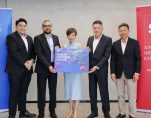
HONG KONG/BANGKOK – EQS Newswire – 16 January 2026 – Chow Tai Fook Jewellery Group Limited (“Chow Tai Fook Jewellery Group”, the “Group” or the “Company”; SEHK stock code: 1929), the global Chinese luxury group built on a nearly-century old legacy of trust and innovation, announces the opening of a key strategic store in Bangkok, Thailand, within the iconic Siam Paragon, as well as the appointment of acclaimed Chinese actor Yang Yang as its Global Brand Ambassador. These initiatives mark significant milestones in the Group’s brand transformation journey as it redefines global luxury through Chinese craftmanship and artistry.
The Group, which operates over 5,000 stores globally with a market capitalisation of approximately HK$122 billion, equivalent to US$16 billion, (as of 31 December 2025), is strengthening its presence in luxury destinations across international markets as part of its brand transformation. The new store at a Southeast Asian luxury retail landmark showcases Chow Tai Fook Jewellery’s blend of modern sophistication with the richness imbued by cultural heritage.
In addition, the appointment of Global Brand Ambassador Yang Yang reflects the commitment to engaging new audiences and deepening emotional resonance with overseas consumers. Yang Yang, a renowned globally recognised Chinese actor, is set to strengthen the brand’s presence in key international markets, positioning it as a modern, elegant embodiment of Chinese luxury on the world stage.
A New Expression of Heritage and Modern Luxury
The new Siam Paragon store features the brand’s iconic “Chow Tai Fook Timeless Red” throughout. The space celebrates the beauty of Chinese craftsmanship and artistry with the use of refined materials and thoughtful lighting that create a warm, gallery-like ambience. To build connections and emotional resonance, the Group is introducing a selection of Thai-exclusive pieces that honour local culture.
“As we advance our dynamic brand transformation journey, curating exceptional retail experiences in international markets is pivotal in Chow Tai Fook Jewellery’s overseas expansion strategy. This expansion is part of our ambition to establish Chow Tai Fook Jewellery as a leading force in global luxury, while reinforcing our legacy of innovation, excellence, and cultural resonance,” said Ms Sonia Cheng, Vice-chairman of Chow Tai Fook Jewellery Group.
She further remarked: “Another key aspect of our strategic vision is the appointment of Yang Yang as our Global Brand Ambassador. Through this alliance, we will cultivate a refined and contemporary identity for a Chinese luxury brand on the world stage.”
Accelerating Global Reach to Redefine Luxury Across Borders
Chow Tai Fook Jewellery’s international business expansion is guided by a two-pronged approach: revitalising key existing markets and expanding into high-potential new territories for sustainable growth. With around 60 points of sales across international markets in 1HFY2026 (April to September 2025), the Group’s retail sales in Other Markets segment (including China duty-free) grew nearly 17% year-on-year.
The opening of the Siam Paragon store follows the debut of the Group’s first newly designed store in Southeast Asia, which opened at Singapore Changi Airport in November 2025. Building on this momentum, Chow Tai Fook Jewellery is set to further expand its international retail network, with plans to open its first store in Australia and an additional store in Canada by the end of June 2026. The Group also intends to expand into the Middle East market within two years.
Redefining Global Luxury Through Chinese Artistry
In celebration of its 95th anniversary, the Group embarked on a brand transformation journey in 2024 to redefine global luxury. By blending heritage with contemporary iconic designs, the Group showcases the beauty of China to the world through exquisite jewellery that honours tradition while embracing modern elegance.
Chow Tai Fook Jewellery is the first Chinese jewellery brand to appoint a Creative Director with international perspectives and exposure, underscoring its commitment to innovative design and narrative-driven branding. Led by Creative Director of High Jewellery, Nicholas Lieou, the Group introduced its signature collections, including the CTF Rouge and CTF Joie Collections.
Hashtag: #ChowTaiFook
The issuer is solely responsible for the content of this announcement.
HONG KONG SAR – Media OutReach Newswire – 15 January 2026 – HKU Business School unveiled the “Hong Kong Economic Policy Green Paper 2026” (“Green Paper”). This comprehensive document delves into various facets of Hong Kong’s economic domain, covering everything from trade finance and Hong Kong’s role in the Greater Bay Area (GBA) startup ecosystem to green finance, the IP economy, social and shareholder value for Hong Kong-listed companies, and pressing social issues such as housing affordability and overcrowding in emergency departments. Moreover, with the emergence of AI, the Green Paper examines the impact of AI on the labour market, cybersecurity, and the development of a Web 3.0 ecosystem.
This is the fifth edition of the Hong Kong Economic Policy Green Paper, released by HKU Business School, with the aim of providing recommendations on how Hong Kong can effectively tackle these challenges.
HKU Business School today unveils the Hong Kong Economic Policy Green Paper 2026. From left: Prof. Huiyin Ouyang, Associate Professor in Innovation and Information Management of HKU Business School, Prof. Dragon Tang, Professor in Finance in HKU Business School, Professor Hongbin CAI, Dean and Chair of Economics of HKU Business School, Prof. Richard Wong, Provost and Deputy Vice-Chancellor of The University of Hong Kong and Director, Hong Kong Institute of Economics and Business Strategy, Prof. Heiwai Tang, Associate Vice-President of The University of Hong Kong and Associate Dean of HKU Business School, and Dr. Tingting Fan, Principal Lecturer in Marketing of HKU Business School.
Prof. Richard Wong, Provost and Deputy Vice-Chancellor of The University of Hong Kong and Director, Hong Kong Institute of Economics and Business Strategy said, “This Green Paper was released after months of rigorous research by the scholars from HKU Business School. Grounded in an academic perspective and guided by a pragmatic, problem-solving approach, we have conducted objective analyses and in-depth investigations into core issues and real-world challenges currently facing Hong Kong’s development in political and economic operations, people’s livelihood, and industrial upgrading. Our aim is to provide the Government and relevant authorities with valuable insights and actionable policy recommendations.”
Professor Hongbin Cai, Dean and Chair of Economics of HKU Business School, said, “As a ‘super-connector’ bridging China and the world, Hong Kong’s unique role remains indispensable. Looking ahead, Hong Kong must deeply integrate into China’s national development plans, and also take a more prominent role on the international stage, with an in-depth understanding of the global market and active engagement with its international collaborators.
With campuses in Beijing, Shanghai, and Shenzhen, and an expanding presence in Vietnam and Europe, HKU Business School embodies our unique proposition: deeply rooted in Hong Kong, fully engaged with the Chinese Mainland, and truly international. This year’s Green Paper reflects our dedication to inspiring solutions based on rigorous research. As a world-class institute of higher education, we are committed to enabling Hong Kong to further unleash its core values and usher in a new era of high-quality development.”
Prof. Heiwai Tang, Associate Vice-President of The University of Hong Kong and Associate Dean of HKU Business School, added, “This Green Paper features research papers from ten teams of scholars with diverse backgrounds and varied expertise. Based on profound insights into Hong Kong’s development, they offer unique and targeted policy recommendations, building a rich and multifaceted framework of issues for the Green Paper. At the same time, behind these research achievements lies the scholars’ deep affection for and sense of responsibility toward Hong Kong.”
Regarding how digital technology can boost Hong Kong’s trade finance, he emphasised: “Both data and industry feedback clearly demonstrate the core value of trade finance. However, we need more synergy in the trade finance ecosystem and to catch up in digitisation. To address this, we must strengthen the governance and standard promotion of digital trade platforms and tools, deepen the cross-border interoperability of trade data, expand the functions of the Hong Kong Export Credit Insurance Corporation, focus on high-value-added trade enterprises, extend the coverage of Free Trade and Double Taxation Avoidance agreements, and promote responsible stablecoin adoption and Renminbi internationalisation.”
Prof. Dragon Tang, Professor in Finance at HKU Business School, stated, “Hong Kong is uniquely positioned to lead in the integration of blockchain technology within green finance, exemplified by our pioneering issuance of the world’s first tokenised green bonds, totalling HKD 6 billion in February 2024. With green finance representing a critical avenue for sustainable development, the global market is projected to grow significantly, emphasising the importance of transparency and trust. To capitalise on this opportunity, we must enhance our blockchain infrastructure, establish clear regulatory standards, and promote cross-border integration with initiatives like Core Climate. By leveraging blockchain’s capabilities, we can significantly reduce costs, improve transparency, and engage a broader investor base, ultimately driving our transition to a sustainable finance future.”
Prof. Huiyin Ouyang, Associate Professor in Innovation and Information Management, HKU Business School, commented on her study, saying, “Two weeks post-implementation of the hospital fee reform, the media reported no significant change in emergency department crowding, which aligns with what our analysis predicted. Overcrowding isn’t simply about patient behaviour – it’s a structural issue. Demographics are shifting, capacity is constrained, and alternative treatment options remain limited. What we now need is a careful, systematic evaluation of the fee changes. Where are vulnerable patients going for care? Are some patients delaying treatment? What unintended effects are emerging? Effective reform requires pairing fee adjustments with expanded primary care access. We can’t solve a capacity problem with pricing alone.”
Dr. Tingting Fan, Principal Lecturer in Marketing at HKU Business School, presented as well, spoke on her study and asked, “Why did Pop Mart go public in Hong Kong but register IP in Singapore? Or why was Molly ‘born’ in Hong Kong but did not go viral from Hong Kong? Why have local companies not managed to turn these homegrown IPs into major business triumphs? Learning from the past and looking forward, Hong Kong can leverage its financial market, legal system, as well as talents to build a comprehensive IP industry infrastructure and become an IP hub.”
The Green Paper includes ten articles; the key points are as follows:
Empowering Merchandise Trade Finance with Digital Technology in Hong Kong Author: Prof. Heiwai Tang, Associate Vice-President (Global), The University of Hong Kong; Associate Dean (External Relations), HKU Business School; Associate Director, Hong Kong Institute of Economics and Business Strategy; Victor and William Fung Professor in Economics
Trade is an essential lifeline for Hong Kong; its total merchandise trade was three times the city’s HKD3.2 trillion GDP in 2024. Trade finance is thus equally important, yet research shows that the total loans extended for trade finance have been declining.
As geopolitical and technological shifts reshape trade, Hong Kong must upgrade its trade finance services. With consumer-goods trade shifting to smaller, more frequent orders and shorter cycles, financial institutions need to streamline approvals and develop flexible products for e-commerce and logistics-driven cash cycles. Banks also need to digitise core processes in fund settlement. The article cautions that platforms directly connecting mainland manufacturers with overseas buyers disintermediate Hong Kong’s traditional hub-and-spoke role.
To address this, the article suggests the government leverage digital technologies to elevate the adoption of Hong Kong’s digital trade platforms through unifying core digital trade functions. Moreover, speeding up interoperability of trade data platforms with the Chinese Mainland and other economies will enable seamless data exchange.
Rebuilding Hong Kong as the Catalyst to the Greater Bay Area (GBA) Startup Ecosystem Prof. Alberto Moel, Professor of Practice in Finance, HKU Business School Prof. Joseph Chan, Associate Professor of Practice in Management and Strategy, HKU Business School; Associate Director, Centre for Innovation and Entrepreneurship
Offering a quantitative analysis of the evolution of Hong Kong’s startup landscape, the article found that post-2019 activity has slowed, mirroring global venture capital trends, with most failing to grow beyond 50 employees due to scarce late-stage capital despite early-stage availability. While fintech and logistics dominate and AI/blockchain grow quickly, deep tech lags—authors view this as temporary and highlight Hong Kong’s alignment in financial innovation, regtech, and GBA supply chains to attract investment and support corporate transformation.
To strengthen Hong Kong as the GBA’s premier startup hub and international financial centre, the article recommends nine policies—including fixing funding gaps, closing academia-market divides through industry-focused research for tech transfer, attracting/retaining talent, integrating Northern Metropolis with GBA supply chains, pivoting to high-value services, and drawing large tech platforms to incubate local startups.
The Applications of Blockchain in Green Finance: Hong Kong’s Experience and Opportunities Author: Prof. Dragon Tang, Professor in Finance, HKU Business School; Associate Director, Centre for Financial Innovation and Development
The green finance market has entered an important new phase. Hong Kong became the world’s first issuer of sovereign tokenised green bond when it priced an HKD800 million one-year note in February 2023. Despite this, Hong Kong faces several challenges in the practical implementation of using blockchain to advance green finance. This is due to the limited interoperability between blockchain platforms and existing financial infrastructure, which hinders cross-market transactions. Real-time settlement for tokenised assets is also difficult because of scalability constraints.
The article argues that the future success of blockchain development in green finance will depend on progress in three areas: standardisation, scalability, and security. Clear regulatory frameworks and common technical protocols are needed to provide legal certainty and interoperability across platforms. While collaboration among regulators, technology providers, and energy-market participants can align rules for tokenisation. Blockchain can also connect Hong Kong’s Core Climate platform with overseas counterparts, as cross-border integration is crucial to the inherently international nature of climate finance.
Can Hong Kong be an IP hub for Future Labubu? An Overview of Hong Kong’s IP Industry Dr. Tingting Fan, Principal Lecturer in Marketing, HKU Business School Prof. Heiwai Tang, Associate Vice-President (Global), The University of Hong Kong; Associate Dean (External Relations), HKU Business School; Associate Director, Hong Kong Institute of Economics and Business Strategy; Victor and William Fung Professor in Economics
As Labubu’s success turns the spotlight on the growing importance of the IP industry, the authors propose that this can inspire more creators and businesses to invest in branding, licensing, and cross-border collaborations. This can also attract policymakers’ attention to the emerging IP sector as a key driver of innovation and economic growth.
To position Hong Kong as a leading regional IP trading centre, the authors recommend that stakeholders—including IP developers, entrepreneurs, and government agencies—coordinate efforts across key areas. These include building a robust IP financing ecosystem, such as through government-issued IP bonds replicating the green finance model; enhancing infrastructure and platforms to support IP development; developing specialised talent and professional services in the IP sector; promoting IP initiatives throughout the Greater Bay Area; and strengthening IP protection alongside a solid legal framework.
Thematic Research: Maximisation of Social Value and Shareholder Value – Insights from Hong Kong-listed Companies Across Sectors Author: Prof. Sean Chang, Associate Professor of Practice in Finance, HKU Business School
Through a triangulation research approach, the article examines how social policies, international frameworks, and corporate social responsibility influence a company’s valuation and capital budgeting decisions. Using insights from major Hong Kong-listed companies across nine sectors—spanning transport, utilities, financials, banking, conglomerates, technology, real estate, consumer, and hotel servicing—the research highlights CSR’s role in enhancing long-term firm performance.
Key findings show that corporate risk assessment, company valuation, and stock performance are significantly influenced by CSR-linked socially responsible investing (SRI) factors. Hong Kong-specific social values, such as equality and sustainability, shape investor preferences, guiding finance managers to tailor solutions and adapt regulatory standards. While conventional metrics remain dominant, incorporating social value boosts long-term firm value by building shareholder trust and mitigating risks; companies can pursue CSR projects financed via SRI bonds to create dual economic and societal benefits.
The study recommends embedding core values like equality and sustainability into corporate strategies, aligning budgeting processes with social objectives to pinpoint investments yielding both returns and positive impacts, and urging Hong Kong-listed firms to sustain capital budgeting aligned with enduring societal values.
Housing Affordability and Homeownership in Hong Kong, 1985-2023 Mr. Allen W. Huang, Student Researcher, Hong Kong Future Economy Institute Mr. Alex Ngau, Research Associate, Hong Kong Future Economy Institute Prof. Michael B. Wong, Assistant Professor in Economics, Management and Strategy, HKU Business School
Hong Kong’s housing market has grown increasingly unaffordable, hindering upward mobility for younger generations. Main findings from the research reveal that since the 2002 suspension of the Home Ownership Scheme (HOS), homeownership has declined sharply, rendering private housing “impossibly unaffordable” for median-income households. A wide public-private rent gap drives young people to accept lower-paying or part-time jobs to qualify for public rental housing (PRH), distorting labour supply, stifling human capital investment, and fuelling a surge in adult co-living with parents; younger cohorts (born 1980-1999) face far lower access to public housing and ownership than prior generations at the same age.
Taking Hong Kong Island as an example, between 2003 and 2024, the rent-to-income ratio for a typical 400-sq-ft private unit jumped from 35% to 60% of median household income, peaking at 65% in 2015 and 2019—far exceeding the UN-Habitat and World Bank’s 30% affordability threshold. Public housing rents stayed dramatically lower at just 7%–11% of median household income from 1985 to 2024. For home purchases, it now takes 18.2 years of median income to buy a 500-sq-ft private unit (up from 7.4 years in 2003), placing it in the “impossibly unaffordable” zone per the Demographia International Housing Affordability report, where ≤3.0 years is considered affordable and 9.0+ years is impossibly unaffordable. After the 2002 Home Ownership Scheme suspension, even subsidised HOS units now require 15.8 years of income on Hong Kong Island (up from 7.4 years in 2007), shifting them from moderately unaffordable to severely or impossibly unaffordable in urban cores.
To reverse these trends, the authors recommend ramping up production of high-quality ownership units, easing resale and leasing restrictions on existing subsidised sale flats to boost residential mobility and enable “trading up” the housing ladder, setting housing price and affordability targets over mere supply goals, and adopting responsive mechanisms to balance demand and supply.
Beyond Crisis Management: Structural Reform for the Overcrowding in Hong Kong’s Emergency Departments Prof. Huiyin Ouyang, Associate Professor in Innovation and Information Management, HKU Business School Ms. Yiran Zhang, PhD student, HKU Business School
Hong Kong’s public emergency departments (EDs) handle over 2.14 million annual attendances. This crisis, exacerbated by an ageing population, results from a structural mismatch: the majority of the attendances are for non-emergency conditions, leading to staff burnout and compromised care.
The article proposes three comprehensive structural reforms. First, improving operational efficiency with accurate wait time information systems is crucial. Second, increasing the ED fee (categories III–V) aims to divert non-critical patients. Success for this hinges on assumptions about patient responses, particularly how varied population segments will react to the price signal. International evidence raises concerns, showing that higher ED fees can reduce overall utilisation, but with the decrease primarily occurring among price-sensitive groups who may risk delays in receiving serious care. Therefore, for this reform to succeed, the public must have genuine access to alternative care pathways that can accommodate acute but non-emergency needs outside regular business hours, with pricing acceptable to price-sensitive populations. Third, AI can augment the workforce and manage demand (e.g., through telemedicine).
Ultimately, sustainable reform demands robust evaluation, political courage, and a commitment to address root causes, not just symptoms.
Initial Efforts to Empirically Measure AI Activity and Its Impacts on Hong Kong’s Labour Market Prof. Alan Kwan, Associate Professor in Finance, HKU Business School Prof. Mingzhu Tai, Associate Professor in Finance, HKU Business School; Associate Director, Institute of Behavioural and Decision Science Mr. Zihan Wang, Master student, HKU Business School
In an effort to empirically measure the impact of AI on Hong Kong’s labour force, the researchers observe that firms with a higher adoption of AI experience lower headcount growth. However, the scale of impact appears small in the city, which could be due to several potential reasons. One of these is the different composition of Hong Kong’s labour force compared with other countries. For instance, Hong Kong has a high proportion of finance or managerial talent, which is harder to displace; the city also features older or more elite workers. On the other hand, much of the impact of AI, particularly generative AI, is on the less elite and younger populations.
As such, the authors recommend policymakers produce more labour market statistics that track the impact of AI, particularly by occupation. On the rate of AI adoption in Hong Kong through innovation, the authors find that the city is heavily skewed towards research, but not commercialisation. This means that the quality and quantity of academic research is not translating to commercial use. To address this decoupling, the authors propose that the government tweak its existing early-stage startup funding platforms to encourage streamlining and higher utilisation of existing government resources.
The Impact of Generative Artificial Intelligence on Cybersecurity in Hong Kong Author: Prof. Michael Chau, Professor in Innovation and Information Management, HKU Business School
As GenAI can produce human-like text, code, images, and audio, cybersecurity crimes have become easier and faster to perpetrate. Not only have data leaks and hacks into security systems led to significant financial losses in Hong Kong, but they also hurt confidence in the city’s digital infrastructure.
The article recommends using AI to fortify Hong Kong’s cyber defence, such as using biometric verification and deepfake detection technologies, especially in areas involving critical infrastructure and high financial stakes. It is also important to prevent data leakage and other threats in using GenAI.
Hong Kong’s Next Growth: Pioneering the Web 3.0 Ecosystem Prof. Yulin Fang, Professor in Innovation and Information Management, HKU Business School; Director, Institute of Digital Economy and Innovation Mr. Yangchen Mou, PhD student, HKU Business School
Given the inherent risks in Web 3.0 operational models—most notably within Decentralised Finance (DeFi) systems—striking a balance between fostering the development of the Web 3.0 ecosystem and implementing appropriate regulation to maintain financial stability is and should be a key priority for Hong Kong authorities. To support this, the article categorises the industry into three distinct systems—Centralised Finance (CeFi), the integration of Traditional Finance and Centralised Finance (TradFi-CeFi), and Decentralised Finance (DeFi)—and put forward targeted policy recommendations for each.
For the CeFi system, the authors recommend creating a more conducive environment for development by refining specialised auditing frameworks, promoting a local Web 3.0 talent certification system, and introducing global leading CeFi institutions to the local market. For the TradFi-CeFi system, they suggest upgrading audit standards for traditional firms holding digital assets and upskilling traditional finance professionals with Web 3.0 expertise. In contrast, for the DeFi system, which carries higher inherent risks and poses greater regulatory challenges, the authors advise authorities to adopt a prudent stance while keeping monitoring its latest technological developments.
The full version of the Green Paper can be accessed here. Hi-res photos are available here.
Hashtag: #HKUBS
The issuer is solely responsible for the content of this announcement.
About HKU Business School
Established in 2001, HKU Business School is one of the youngest and most dynamic members of The University of Hong Kong (HKU). The School strives to nurture first-class business leaders and foster academic and relevant research that serves the needs of Hong Kong, China and the rest of the world in the new Asia-led economy. As a top international business school, the School has established its place as a globally impactful institution that leads the way through timely thought leadership, pioneering research, and educational excellence. Deeply rooted in Hong Kong and fully engaged with China, the School’s world-class faculty equip students with global knowledge and perspectives.
HKU Business School offers business education across a full range of disciplines, while achieving remarkable growth in faculty strength and research capabilities. The School ranks Asia’s No.1 in Financial Times’ Aggregated Research Ranking for two consecutive years, 2024 and 2025, while the University of Hong Kong ranked 11th in the world and No. 1 in Asia according to the QS World University Rankings 2026. The School has strategic partnerships with world-renowned universities and corporate partners, providing market-oriented content, superior learning, and instrumental resources.
To better serve our students and alumni in various cities and regions, and to facilitate collaboration opportunities with business communities around the globe, HKU Business School has established a unique international network that extends to Beijing, Shanghai, Shenzhen and Ho Chi Minh City.
HKU Business School is fully accredited by the European Quality Improvement Systems (EQUIS) and the Association to Advance Collegiate Schools of Business (AACSB).
MoU signing and Malaysia Book of Records recognition underscore sustained consumer trust for ELDON, at a time when Malaysians are paying closer attention to sleep, stress and lifestyle balance
KUALA LUMPUR, MALAYSIA – Media OutReach Newswire – 14 January 2026 – Malaysian media personality Chan Fong and singer-actor Henley Hii have been appointed brand ambassadors for Malaysian health and wellness brand Eldon Healthcare, also known as ELDON, reflecting the brand’s mission to provide relatable, real-life health advocacy for modern Malaysians.
Eldon formalises brand ambassador partnership with Malaysian media personalities Chan Fong and Henley Hii
The appointment comes at a meaningful milestone for ELDON, a consumer health and wellness brand of thePharm-D Health Sciencegroup, following Malaysia Book of Records’ recognition for one of its flagship products, ELDON DX MAGELAX, as the most magnesium glycinate capsules sold in Malaysia.
Introduced to the Malaysian market in 2020,ELDON DX MAGELAXwas among the earliest magnesium glycinate supplements registered with the National Pharmaceutical Regulatory Agency (NPRA). At a time when awareness of magnesium was still limited, ELDON played an early role in familiarising consumers with magnesium glycinate, now widely recognised for its absorption profile and gentle tolerability, and and known for supporting muscle relaxation, migraines and sleep-related concerns such as insomnia. This Malaysia Book of Records recognition reflects not only strong sales performance, but also growing accessibility and consumer trust.
According to Wong Chin Cheang, Group Managing Director of Pharm-D Health Science, the appointment of the brand ambassadors, alongside the Malaysia Book of Records recognition for ELDON DX Magelax, reflects a broader milestone in the group’s long-term journey.
“ELDON’s growth reflects what we stand for as a group: building Malaysian health brands that are grounded in science, scaled responsibly, and trusted by the public over time,” he said. “Achievements like these are not only about the scale or numbers alone, but also consistency, credibility, and serving real needs in the community.”
Brand Ambassadors grounded in the real Malaysian health and lifestyle
Malaysian media personalities Chan Fong and Henley Hii are well-known Malaysian public figures with strong audience connections across lifestyle and entertainment circles. Grounded, busy and active in ways many Malaysians relate to, they were chosen for their strong alignment with ELDON’s brand philosophy, which inspires practical wellness habits, including prioritising better rest, sleep quality and a balanced lifestyle.
This partnership taps into post-COVID trends where three in four Malaysians prioritise holistic health, as national conversations continue to encourage prevention and healthier routines.
“This partnership feels personal because it is based on real routines,” said Chan Fong. “Whether you are working late, juggling responsibilities, or simply trying to keep up with life, your daily habits matter. I appreciate that ELDON’s approach is practical and grounded.”
Henley Hii added, “A lot of people think wellness has to look perfect, but most of us are just trying to be consistent. I am excited that this is a long-term partnership because real habits take time, and it is about showing up repeatedly.”
ELDON: a Malaysian consumer health brand shaped by purpose and scale
Fully homegrown in Malaysia, Eldon Healthcare is a wholly owned subsidiary of Pharm-D Health Science, an integrated Malaysian pharmaceutical and consumer health group of companies committed to advancing evidence-based health solutions across different life stages. ELDON represents the group’s consumer health pillar, which focuses on translating scientific expertise into accessible, everyday health and wellness solutions.
For ELDON, the focus has always been on building credibility steadily through quality formulation, transparent sourcing, and wide accessibility through pharmacies, clinics, and healthcare partners across Malaysia and Singapore.
“ELDON was never built to chase hype,” said Kenn Siaw, Chief Executive Officer of Eldon Healthcare. “Our responsibility is to create sustainable health solutions that people can rely on. The Malaysia Book of Records recognition is meaningful to ELDON because it reflects a strong trust from consumers, pharmacists, and healthcare partners.”
He added that the appointment of Chan Fong and Henley Hii represents the next phase of the brand’s journey: “They represent the realities of modern Malaysian life, demanding schedules, family responsibilities, and the need to stay healthy without overcomplicating things. That’s exactly who ELDON exists for.”
Looking ahead
With its growing footprint and renewed focus on public engagement, ELDON aims to continue supporting Malaysians who see health not as a luxury but as an essential foundation for everyday living.
Together, the appointment of brand ambassadors and Malaysia Book of Records recognition mark not just a celebration but a stronger commitment from both the company and the brand to continue delivering consistent, trustworthy health solutions.
This milestone adds to Pharm-D Health Science’s growing track record of national recognitions, as its probiotic brand Lang Bragman, was recently also being recognised by the Malaysia Book of Records as the Largest Range of Homegrown Probiotic Products in Malaysia. Hashtag: #EldonHealthcare #Eldon #EldonMagelax #MalaysiaBookofRecord #MostMagnesiumGlycinateCapsulesSoldInMalaysia #MagnesiumGlycinate #Migrane #Insomia #magnesium #albion #BetterRest #BetterSleepQuality #glycinate #activelifestyle #Ambassador #ChanFong #HenleyHii #PharmDHealthScience
The issuer is solely responsible for the content of this announcement.
About ELDON
ELDON is a Pharm-D Health Science consumer health and wellness brand offering a wide range of science-based health solutions across nutritional supplements, functional food, skincare, personal care, and medical-adjacent products.
With partnerships and distribution spanning 2,000+ retail pharmacies and 100+ clinics across Malaysia and Singapore including digital health platform Pharm-Dx, ELDON is committed to quality, relevance, and accessible care for everyday health and wellness needs.
Founded in 2001, Pharm-D Health Science (PDHS) is an integrated Malaysian pharmaceutical and consumer health group of companies specialising in pharmaceuticals and consumer health products. Its portfolio includes trusted, high-quality brands such as ELDON, VALENS, CMD, Lang Bragman, Reflux-G, Retane, and more.
Guided by its mission to make health and wellbeing accessible through science, the Group operates across research, development, manufacturing, and commercialisation to deliver science-based health solutions spanning across rare diseases, pharmaceuticals, medical nutrition, nutraceuticals, skincare and microbiome research.
Arabian Post Staff -Dubai Shares of Larsen & Toubro fell sharply in early trading on January 13, extending losses after reports indicated that Kuwait is weighing the cancellation of oil and gas project tenders with an estimated value of $8.7 billion, a development that unsettled investors exposed to the company’s hydrocarbons order book. The stock dropped close to 3 per cent during morning deals, touching a one-month […]
Colombo, Sri Lanka – Media OutReach Newswire – 12 January 2026 – From January 7 to 9, Gem Sri Lanka 2026 was successfully held at the Shangri-La Hotel in the heart of Colombo, the capital of Sri Lanka. Her Excellency Dr. Harini Amarasuriya, Prime Minister of Sri Lanka, attended the official opening ceremony as the distinguished guest. From its beginnings as a specialized industry exhibition, GEM SRILANKA has grown into a landmark international event.
Gem Sri Lanka 2026 Concludes Successfully: Platinum Sponsor GUILD Propels Industry Growth
GEM SRILANKA is organized by the Ceylon Gem and Jewellery Traders Association (CGJTA).It has over 2,000 members covering key gem-producing regions in Sri Lanka, including Beruwala, Ratnapura, and Galle, providing a professional platform for gemstone industry professionals worldwide to network, collaborate, and explore the world of gemstones in depth.
The exhibition set new records in both scale and attendance
This edition of the exhibition featured a total of 150 booths, attracting a large number of local and international buyers. Mr. Sunil Handunnetti, Minister of Industry and Enterprise Development of Sri Lanka; Rizwan Naeem, Vice Chairman of CGJTA,Mr. Andrew Lucas, President of GUILD Gemology Education and active field gemologist, Ms Ruby Liu, President of GUILD Gem Laboratories, and other distinguished guests attended the event.
At the Gem Sri Lanka 2026 gemstone exhibition, exhibitors comprehensively showcased their professional expertise across all stages of the gemstone industry value chain. Covering key areas such as mining, cutting, polishing, and heat treatment, the exhibition was guided by the core values of integrity and transparency, ensuring consistently high professional standards throughout. At the same time, this edition presented an immersive experience showcasing the long and diverse history of Sri Lanka’s gemstone industry, with detailed introductions to the country’s renowned sapphires and star sapphires. A dedicated premium exhibition zone was also curated to highlight exceptional sapphires and high-end colored gemstone collections.
According to data from GUILD Gem Laboratories, the number of gemstone samples submitted during the exhibition reached a new record high, directly reflecting the strong activity of the Sri Lanka trading market and further indicating a recovery trend in the global gemstone market at the beginning of the year.”The colored gemstone market in 2025 continues to evolve in terms of supply chains and color preferences. Although the market faced numerous supply-side challenges in 2024, against the backdrop of current conditions in the diamond market and rising gold prices, colored gemstones still demonstrate strong potential to gain increased market share.”Andrew Lucas noted in the opening of the GUILD 2025 Colored Gemstone Market Report.
Sri Lanka — a world-renowned gemstone trading hub
Sri Lanka has a thriving and highly valuable trade in precious and semi-precious gemstones, earning international recognition for its high-quality gemstones as well as its exceptional cutting and finishing craftsmanship. The gemstones produced in Sri Lanka consistently meet—and often exceed—the highest industry standards.
The country has long occupied a pivotal position in the global gemstone industry, serving as an integrated global hub encompassing mining, cutting, treatment, and trade. Buyers from major markets such as Japan, India, and China continue to travel to Sri Lanka, where they can observe the entire colored gemstone supply chain. Supported by a deep-rooted gemstone culture, extensive expertise, and an innovative mindset, Sri Lanka has developed a keen understanding of global market dynamics.
In recent years, by combining rough gemstone sourcing from Africa, Madagascar, and Southeast Asia with its renowned local cutting craftsmanship, Sri Lanka has further strengthened its position in the global gemstone industry.
GUILD Made a Dual-Booth Appearance at Gem Sri Lanka
As an internationally recognized gemstone testing authority, GUILD has long been committed to the study of field gemology, collecting A-type reference samples from major mining regions around the world to provide global industry professionals with accurate, authoritative, and efficient testing services. Since the inception of the exhibition, GUILD has served as a Platinum Sponsor of Gem Sri Lanka for three consecutive editions. At this year’s event, GUILD made its first-ever dual-booth appearance, featuring both GUILD Gem Laboratories and GUILD Gemology Education.
At the GUILD Gem Laboratories booth, a team of senior gemologists from GUILD Beruwala offered 24–48 hour rapid testing services to exhibitors and buyers, covering gemstone identification, treatment detection, and related services, providing reliable support for global gemstone trading and procurement. During the exhibition, the 2025 GUILD Colored Gemstone Market Report was also launched in limited quantities, serving as an important reference for industry trends and market direction.
Making its debut, the GUILD Gemology Education booth focused on the knowledge needs of professionals from both domestic and international markets, comprehensively presenting GUILD’s education and training programs as well as its overseas study tours. The booth showcased the English editions of Journey of Gems, professional color charts, and the combined volume of Microscopic Wonders: A Gemstone Inclusion Atlas, all of which were warmly received by industry professionals from around the world.
Focusing on a global perspective, driving the advancement of industry development
GUILD will continue to deepen its presence in the international gemstone market, leveraging its professional expertise to support the transparency and standardization of the global gemstone industry. Working together with industry peers, GUILD aims to explore new possibilities in source-origin trade and looks forward to even more highlights at the next edition of Gem Sri Lanka.
The issuer is solely responsible for the content of this announcement.
By Nantoo Banerjee The theatres of state-sponsored piracy are expanding, from the traditional Red Sea, Gulf of Oman, Somali Basin to the Black Sea and now the Atlantic. The recent US seizure of Russian-flagged oil tanker, Marinera, originally known as the Bella-1, after pursuing the vessel for weeks across the Atlantic, may be considered as […]
Bengaluru | Banking-as-a-Platform is moving from concept to commercial backbone across the country’s financial system, as lenders open their digital rails to fintech partners and reposition themselves as infrastructure providers rather than closed institutions. The model allows banks to expose core capabilities—accounts, payments, lending, compliance and data—through secure application programming interfaces, enabling third parties to build, distribute and monetise financial products at speed.
This shift has gathered momentum as regulatory digital public infrastructure, rising smartphone penetration and instant payments have converged. Unified Payments Interface volumes continue to expand across peer-to-peer and merchant transactions, while account aggregation frameworks allow consent-based data sharing that reduces onboarding friction and credit assessment time. Against this backdrop, platform-led banking is emerging as a scalable engine for fintech growth, changing how products are designed, priced and distributed.
Large lenders and new-age banks have invested heavily in API layers that sit atop legacy cores, separating product logic from distribution. This architectural change allows fintechs to “plug” into regulated balance sheets without becoming banks themselves, “play” by composing features such as KYC, payments or credit scoring, and “scale” nationally without building costly compliance stacks. For banks, the appeal lies in fee income, wider distribution and better utilisation of capital through co-lending and embedded finance.
Executives across the sector say the platform approach has shortened product launch cycles from months to weeks. Consumer lending, merchant credit, wealth distribution and cross-border remittances have been early beneficiaries, with embedded finance extending to ride-hailing, e-commerce, logistics and software-as-a-service platforms. Small enterprises, long constrained by paperwork and collateral requirements, are gaining access to working capital through cash-flow based underwriting that draws on real-time transaction data.
The commercial logic is reinforced by economics. API monetisation—charging per call, per transaction or via revenue sharing—creates annuity-like income streams for banks. Fintechs gain variable cost structures that align expenses with growth. Analysts note that platforms with high uptime, predictable latency and robust documentation are attracting repeat developers, creating network effects similar to cloud marketplaces.
Regulatory guardrails remain central to the model’s credibility. Data localisation rules, customer consent standards and outsourcing guidelines shape how banks expose systems and how partners handle information. Supervisors have emphasised accountability, making licensed entities responsible for customer outcomes even when services are delivered through partners. This has pushed banks to strengthen vendor risk management, audit trails and incident response, while fintechs have had to mature governance and security practices.
Competition among banks has intensified around developer experience. Dedicated sandbox environments, self-serve onboarding and standardised APIs are becoming differentiators. Some lenders have carved out platform subsidiaries to attract talent and ring-fence technology risk, while others have partnered with specialist middleware firms to accelerate rollout. Public sector banks, once seen as slow movers, are also modernising stacks to participate in ecosystem distribution rather than cede ground.
The platformisation trend is reshaping balance-sheet strategies. Co-lending arrangements allow banks and non-bank financiers to share risk, with fintechs originating and servicing loans using data-driven models. In payments, banks are focusing on high-volume, low-cost rails while fintechs compete on user experience and value-added services. Wealth platforms are distributing mutual funds, bonds and insurance through APIs that streamline compliance and reporting.
Challenges persist. Legacy core systems can constrain throughput, requiring phased migrations that test execution discipline. Cybersecurity threats rise with greater connectivity, demanding continuous monitoring and zero-trust architectures. Pricing APIs too aggressively risks discouraging innovation, while underpricing leaves money on the table. There is also the question of differentiation: as APIs commoditise, banks must decide where to invest for unique value, whether in data analytics, sector-specific products or risk pricing.
Talent remains a pressure point. Demand for engineers fluent in financial protocols, security and scalable systems outstrips supply, pushing up costs. Cultural change inside banks—shifting from project delivery to product thinking—has proven as important as technology. Successful platforms tend to empower cross-functional teams, publish clear roadmaps and treat external developers as customers.
Publisher Hooded Horse has imposed a blanket ban on the use of AI-generated assets across all games it releases, marking one of the clearest industry rejections of generative art tools at a time when many studios are experimenting with them. The policy applies to every stage of development and is written directly into publishing contracts, making compliance a legal as well as creative requirement. The stance was […]
Indonesia has moved to block access to Grok, the artificial intelligence chatbot developed by xAI, marking one of the first national-level actions taken specifically against a generative AI system over deepfake and synthetic sexual content risks. The decision places Southeast Asia’s largest economy at the centre of a growing global debate over how far governments should go in regulating AI tools that blur the line between expression […]
Arabian Post Staff -Dubai Sharjah Public Libraries has drawn its centennial programme to a close after a year of events that traced a century of public access to knowledge in the emirate, ending with a children’s puppet theatre performance at the Heart of Sharjah and creative workshops at Kshisha Park. The finale brought together families, educators and cultural practitioners, reflecting the institution’s long-standing focus on literacy, learning […]
Produced in collaboration with Flagship Advisory Partners, the guide shares the essential steps to design and scale debit, credit and prepaid card programmes, from pilot to launch.
MANILA, PHILIPPINES – Media OutReach Newswire – 9 January 2026 –Paymentology, the leading global issuer processor, has shared a new ‘Quick Start Guide’ that gives fintechs, banks and brands a clear route to launching card programmes in the Philippines. Created with consulting firm Flagship Advisory Partners, the guide turns market structure, operating models, regulatory roles and delivery steps into a practical path from idea to go-live.
Card adoption in the Philippines is accelerating at pace. New virtual banks are launching, and rural banks are expanding their models with modern payment methods, all to meet the needs of hundreds of millions of transactions and a rapidly digitising population. In 2025, Filipinos used 283 million cards to move PHP 11.3 trillion, with debit driving five billion annual transactions, prepaid topping 100 million cards and commercial cards surging at 21% growth a year. That mix creates prime conditions for new programmes, provided issuers set clear responsibilities, choose a model that fits and plug into local rails like BancNet.
Minh Ha Truong, Head of Growth Asia Pacific at Paymentology, said: “Launching cards in the Philippines isn’t just about speed to market, it’s about building a sustainable model that can scale within a highly localised ecosystem. This guide distils the practical decisions issuers need to make around operating models, compliance and local rails like BancNet, so they can focus on delivering differentiated products and sustainable growth.”
Paymentology’s Quick Start Guide for New Card Programmes in the Philippines shows issuers how to pick the right operating model – whether technical processing, programme management or co‑branded – and how to define responsibilities across the ecosystem. It also explains how licence sponsors and programme managers can reduce compliance burden while maintaining control of the customer experience. What’s inside the Quick Start Guide for New Card Programmes in the Philippines:
Erik Howell, Partner at Flagship Advisory Partners, also commented: “Launching a card product here involves a specific mix of licensing, scheme requirements, operating decisions and the use of local rails. Working with Paymentology, we’ve brought these elements together in a way that helps issuers approach the market with clarity and confidence.”
Cocos, the long-running developer of cross-platform game technology, has moved its Cocos 4 game engine from a proprietary model to full open source, a step that reshapes its relationship with developers and signals a strategic shift in the competitive middleware market. The company confirmed that the entire Cocos 4 engine codebase is now available under an open-source licence, allowing studios and independent developers to inspect, modify and […]
HCMC, VIETNAM – Media OutReach Newswire – 8 January 2026 – For years, ESG occupied an ambiguous position in the global discourse. It was widely acknowledged, frequently discussed, yet often postponed, something to be integrated gradually, when conditions allowed. Today, that ambiguity has vanished. ESG has become a hard requirement for cities, assets, and investments that aim to survive in a rapidly changing world.
According to research by Knight Frank, demand for sustainable real estate is being led decisively by younger generations. A significant majority of respondents in its Next Generation Survey indicated they are willing to pay up to 20 percent more for environmentally friendly products. More importantly, this preference is already translating into action: 63 percent of Millennials have invested in sustainable portfolios, compared with just 35 percent of Baby Boomers.
At the very top of the wealth pyramid, ultra-high-net-worth individuals are setting explicit targets to reduce their personal carbon emissions. Real estate, among the most carbon-intensive and capital-heavy asset classes, is therefore under direct pressure to evolve. At the same time, institutional investors are placing growing emphasis on social outcomes, from workplace wellbeing to broader community health. Assets that fail to meet these expectations increasingly face liquidity risk.
In this context, ESG is now widely understood as a form of future-proofing. Like a massive ship altering course in open waters, the global real estate industry may take time to visibly change direction. But once the new trajectory is set, those that fail to adapt will inevitably be left behind.
The Limits of Retrofitted Sustainability
Yet most cities were never designed for this moment. Built for speed, density, and economic efficiency, they now struggle to reconcile legacy structures with contemporary ESG demands. The prevailing response has been retrofitting, adding green technologies, improving energy efficiency, or introducing pockets of open space where possible.
These measures are necessary, but they reveal a fundamental limitation. ESG, when layered onto an outdated urban model, can only go so far. There is a ceiling to how sustainable a city can become if its foundations were never meant to support that vision.
This raises a more radical question: What if ESG were not an upgrade, but the starting point? What if a city were conceived entirely around environmental balance, social wellbeing, and long-term governance from its very first blueprint?
An answer to that question is emerging, not from Europe or North America, but from Vietnam.
Vinhomes Green Paradise and the Idea of “ESG++ from the Ground Up”
On the southern edge of Ho Chi Minh City, where land meets sea, Vingroup is developing what many observers consider one of the world’s rare examples of a truly next-generation urban model, Vinhomes Green Paradise.
This is not a conventional large-scale real estate project with sustainability features added along the way. It is a city built entirely on the logic of ESG, what some experts have begun to describe as “ESG++ from the ground up”.
The location itself tells the first chapter of that story. Vinhomes Green Paradise is framed by the East Sea and a vast mangrove ecosystem recognized by UNESCO as a World Biosphere Reserve. Spanning more than 75,000 hectares, the Can Gio mangrove forest is one of Southeast Asia’s most important natural assets, functioning as a carbon sink, a biodiversity haven, and a natural coastal defense system.
Rather than pushing against this environment, the project is shaped by it.
Covering 2,870 hectares, Vinhomes Green Paradise maintains a construction density of just 16 percent. The overwhelming majority of land is dedicated to green space and water. A 121-kilometer coastline defines the city’s interface with the sea, while at its heart lies an 800-hectare natural seawater lagoon, an ecological and civic centerpiece rarely seen even among the world’s most ambitious coastal cities.
Here, nature is not an amenity. It is infrastructure.
A Global Contender for the Cities of the Future
Because of this foundational approach, Vinhomes Green Paradise is increasingly viewed as a strong Asian contender, often described as a “hidden gem”, in global initiatives recognizing future-ready urban developments.
Environmental integration alone, however, does not define the project. Its aspiration extends equally to technology, governance, and human experience.
Designed as a fully integrated smart city, Vinhomes Green Paradise applies IoT, big data, and artificial intelligence across urban management, operations, and environmental monitoring. The objective is not technological spectacle, but a city that operates intelligently, efficiently, and transparently, one that adapts in real time to how people live, move, and interact.
If the environment forms the foundation and technology provides the nervous system, people are unmistakably at the center of Vinhomes Green Paradise.
The project’s social infrastructure is planned as a cohesive ecosystem rather than a collection of isolated amenities. Healthcare is anchored by Vinmec, in collaboration with Cleveland Clinic, bringing international clinical standards into everyday urban life. Education is delivered through Vinschool alongside Brighton College, ensuring continuity from early education to globally benchmarked schooling.
The city’s vision extends across generations. Purpose-built senior living, cultural venues, and public spaces are seamlessly integrated. A seven-hectare waterfront theater establishes a cultural anchor, while sports and recreation are elevated through two championship 18-hole golf courses designed by firms founded by Tiger Woods and Robert Trent Jones. Large-scale entertainment and lifestyle destinations further contribute to a city that is not only sustainable, but vibrant.
According to Arnaud Ginolin, Managing Director of Boston Consulting Group in Vietnam, Vinhomes Green Paradise brings together all the elements required to establish a new global benchmark, one that balances sustainability with dynamism and ESG principles with holistic human experience.
Vietnam’s Statement to the World
In the first nine months of 2025, Vietnam recorded more than 58,000 successful real estate transactions, doubling year on year. In Hanoi and Ho Chi Minh City, primary residential prices have reached historic highs, compressing opportunities and pushing investors toward new frontiers.
Can Gio has emerged as one of those frontiers. Once viewed as a geographic dead end, the district is now being repositioned as Ho Chi Minh City’s strategic gateway to the sea. Search interest has surged, and capital flows from northern Vietnam are increasingly directed southward.
Infrastructure is the catalyst behind this transformation. Planned high-speed rail will connect central Ho Chi Minh City to Can Gio in just minutes. The long-awaited Can Gio Bridge is set to remove persistent bottlenecks. New interregional road links, port developments, and proximity to Long Thanh International Airport are integrating the area into regional and global trade networks.
What was once peripheral is becoming strategic.
In an era when many of the world’s great cities are struggling to reinvent themselves, Vietnam is offering a different answer: Build differently from the start. Use ESG not as a corrective tool, but as a foundation.
Vinhomes Green Paradise is therefore a statement, about where the next ideas in urban living may come from, and how sustainability, human wellbeing, and long-term value can be aligned rather than traded off.
While the ESG conversation has long been dominated by Western capitals, one of its most ambitious realizations is taking shape in Southeast Asia, guided by willingness to rethink the fundamentals of urban life.
The latest addition to Kenanga Investors’ flagship series follows the same proven investment objective and philosophy to meet the evolving needs of today’s investors.
KUALA LUMPUR, MALAYSIA – Media OutReach Newswire – 8 January 2026 – Kenanga Investors Berhad (“Kenanga Investors“) has announced the launch of the Kenanga Growth Fund Series 3 (“KGFS3” or “the Fund“), its third fund in its flagship conventional fund series.
Datuk Wira Ismitz Matthew De Alwis, Executive Director and Chief Executive Officer of Kenanga Investors Berhad.
KGFS3 utilises the asset manager’s proven investment objective and philosophy whilst driven by a differentiated strategy to meet the evolving needs of investors. The Fund seeks to provide capital growth over a medium to long term investment horizon. It will be managed with an active investment strategy depending on the market conditions and outlook, combining a top-down asset and sector allocation process with a bottom-up stock selection methodology.
Lee Sook Yee, Chief Investment Officer of Kenanga Investors Berhad.
“Kenanga Growth Fund Series 3 continues our commitment to disciplined growth and investor-focused solutions. Instead of reinventing the wheel, we believe in refining our methods. As a result, the Fund builds on a proven philosophy that has delivered consistent value to our investors, while adapting to today’s market realities. We prefer to stay practical and to apply what works to continue earning the trust of our investors. Simultaneously, the Fund provides investors flexibility and accessibility while benefiting from a professionally managed, mandate-style investment strategy”, said Datuk Wira Ismitz Matthew De Alwis, Executive Director and Chief Executive Officer of Kenanga Investors.
Since the inception of the Kenanga Growth Fund on 17 January 2000, followed by Series 2 in 2018, both funds have displayed consistent performance. As of November 2025, both funds have surpassed RM1 billion in assets under management*, a testament to the fund house’s disciplined investment approach and commitment to long-term value creation.
While equities remain the central focus for KGFS3, the investment team will strategically allocate the remaining net asset value into other permitted asset classes, guided by market conditions and potential growth prospects, ensuring a well-balanced and opportunistic portfolio.
“Our asset allocation decisions are driven by a comprehensive review of macroeconomic trends across global economies. Particularly, we look at key indicators such as GDP growth direction, interest rate movements, inflation patterns and government policies. We believe these factors are critical to determine corporate earnings, allowing us to identify predictable trends that inform our sector selection. This structured approach helps keep us nimble, responsive and grounded in fundamentals”, explained Lee Sook Yee, Chief Investment Officer of Kenanga Investors Berhad.
The minimum initial investment amount is RM10,000 while subsequent investments are at a minimum of RM5,000. The Fund will be measured against a benchmark of 8% growth per annum. It is suitable for Sophisticated Investors who have a high-risk tolerance, have a medium to long term investment horizon; and are looking to achieve high returns through investments in multi-assets.
Kenanga Investors is known for its investment offerings and expertise within the equities space, making this latest launch a strategic addition for its product expansion efforts. The Hong Kong-based Asia Asset Management’s 2025 Best of the Best Awards recognised Kenanga Investors under the following categories, Malaysia Best Retail Asset Management Company and Malaysia Best Equity Manager. The FSMOne Recommended Unit Trusts Awards 2025/2026 awarded the Kenanga Growth Fund Series 2 with the “Sector Equity — Malaysia Focused” award for the fourth consecutive year since 2022.
The issuer is solely responsible for the content of this announcement.
Kenanga Investors Berhad 199501024358 (353563-P)
We provide investment solutions ranging from collective investment schemes, portfolio management services, alternative investments, as well as wills and trusts for retail, corporate, institutional, and high net worth clients via a multi-distribution network.
The Morningstar Awards 2025 has recognised the Kenanga Blue Chip Fund as Best Malaysia Large-Cap Equity Fund. The Bursa Excellence Awards 2024 awarded KIB’s exchange-traded funds’ arm, Eq8 Capital Sdn Bhd with the Special Award – Thought Leadership for launching Eq8WAQF, the world’s first Waqf-featured Exchange Traded Fund. Introduced under a newly established category, the award highlights innovations that are reshaping the investment landscape.
At the LSEG Lipper Fund Awards Malaysia 2025, KIB received awards for the Kenanga DividendEXTRA Fund (“KDEF”) under the Best Equity Malaysia Diversified – Malaysia Funds over 3 years, Kenanga Malaysian Inc Fund (“KMIF”) under the Best Equity Malaysia Diversified – Malaysia Provident Funds over 10 years, Kenanga Balanced Fund (“KBF”) under the Best Mixed Asset MYR Balanced – Malaysia Provident Funds over 10 years, Kenanga Managed Growth Fund (“KMGF”) under Best Mixed Asset MYR Flexible – Malaysia Provident Funds over 10 years, and Kenanga SyariahEXTRA Fund (“KSEF”) under the Best Mixed Asset MYR Balanced – Malaysia Islamic Funds Awards over 10 years.
The Hong Kong-based Asia Asset Management’s 2025 Best of the Best Awards awarded KIG under the following categories, Malaysia Best Impact Investing Manager, Best Impact Investing Manager in ASEAN, Malaysia Best Equity Manager, Malaysia CEO of the Year (Co-Winner), Malaysia CIO of the Year, Malaysia Best House for Alternatives, Malaysia Best ESG Engagement Initiative, Malaysia Fund Launch of the Year, and Malaysia Best Retail Asset Management Company.
The FSMOne Recommended Unit Trusts Awards 2025/2026 has awarded the Kenanga Growth Fund Series 2 with the “Sector Equity – Malaysia Focused” award for the fourth consecutive year since 2022. We were also recognised at The BrandLaureate BestBrands Awards 2024 – Brand of the Year under the category Wealth Management & Investment Solutions. For the ninth consecutive year, KIB was affirmed an investment manager rating of IMR-2 by Malaysian Rating Corporation Berhad, since first rated in 2017.
This Press Release was issued by Kenanga Group’s Marketing, Communications & Sustainability department.
By K Raveendran The sharp criticism mounted by Opposition leaders against the Supreme Court’s refusal to grant bail to Umar Khalid and Sharjeel Imam in the 2020 Delhi riots conspiracy case has been foregrounded as a defence of constitutional liberty. Yet, when examined closely, the argument appears driven more by political optics than by a […]
US schools are increasingly replacing full-length novels with short excerpts in literature classes, a shift driven by falling reading proficiency, shorter attention spans and the pull of digital media, according to educators and curriculum specialists. The change has stirred debate over whether students are being denied the sustained engagement needed to build critical thinking, cultural literacy and empathy. Data from national assessments show that reading scores among […]
Tackle rising business costs and trade barriers with a unified digital platform for Free Trade Agreements as well as build stronger economic partnerships.
Bridge AI adoption gaps by co-funding shared data pools and introducing a regional “Trusted AI” mark to drive innovation and governance.
Future-proof the workforce with targeted work visas for global experts, job transformation roadmaps, and advanced leadership programmes.
SINGAPORE – Media OutReach Newswire – 7 January 2026 – KPMG in Singapore and the Singapore Institute of Directors (SID) are pleased to announce the release of a joint Budget 2026 Proposal, titled “Prospering in a New Global Landscape”.
From Left to Right: Yong Jiahao, Partner, Infrastructure, Government & Healthcare (IGH) & Industrial Manufacturing, Tax, KPMG; Ajay Kumar Sanganeria, Partner and Head of Tax, KPMG; Lee Sze Yeng, Managing Partner, KPMG; Max Loh Khum Whai, Vice-Chair, Singapore Institute of Directors; Edwin Lee, Deputy CEO, Singapore Institute of Directors
By fostering resilient economic linkages, embedding digital trust, and cultivating world-class talent and leadership with cross-domain expertise, Singapore can ensure its businesses and economy remain secure, innovative, and competitive in an uncertain global landscape.
This Proposal outlines strategies to position Singapore as a critical hub for global flows, covering three crucial areas:
A new global order: Resilience as a pivotal growth strategy
The Intelligent Age: Smart solutions for an innovative era
The recommendations in the proposal are also supported by data-driven insights from a survey recently conducted by KPMG and SID. More than 1,000 professionals, managers, executives and technicians (PMETs) and business owners were surveyed on the challenges they face and the kinds of Budget 2026 support they hoped to see. [For more information, please refer to the deck with the full survey results: https://kpmg.com/sg/en/campaigns/kpmg-singapore-budget.html ]
Empowering businesses to leverage Singapore’s trusted role as a global connector
Global commerce is rapidly transforming amid rising protectionism, shifting trade rules, evolving tax regimes, and geopolitical tensions. Singapore’s long-term prosperity in the new global order depends on its ability to lead as a trusted connector and aggregator of the flows of goods, capital, data, and talent.
Singapore must strengthen its economic linkages, build secure and interoperable digital platforms, cultivate a workforce equipped with cross-domain expertise, and equip boards with essential skills to navigate emerging risks and opportunities. Trusted and resilient economic linkages will ensure the seamless movement of goods, services, and investments, while interoperable digital platforms will play a critical facilitation role in enabling cross-verification of information, streamlining compliance, and fostering trust across borders. These efforts are especially important in helping businesses cope with shifting regulations. KPMG and SID’s survey found that 51 percent of respondents identified increased business costs as the main challenge to cross-border expansion, followed by higher tariffs (26 percent) and supply chain difficulties (25 percent). To address these challenges, 43 percent of respondents want stronger economic and trade partnerships to overcome trade barriers.
KPMG and SID recommend:
a) Developing a unified digital platform for Free Trade Agreement (FTA) management (page 7) to help businesses navigate complex procedures and unlock the full benefits of FTAs. This would be seamlessly integrated with government systems, making it more seamless and cost-effective for businesses to comply with FTA requirements. This would enable firms to leverage Singapore’s extensive FTA network to gain footholds in new markets, further enhancing Singapore’s regional and global competitiveness.
b) Increasing access to working capital to accelerate local enterprises’ strategic transformation and implementing industry-specific governance frameworks (page 7). With geopolitical shifts driving a more complex regulatory landscape, increased and dedicated funding would enable businesses to transform for the future while responding effectively to evolving governance standards. Such funding should be complemented by industry-specific governance playbooks to equip boards with essential tools to strengthen agility and resilience.
c) Enhancing Singapore’s government-backed trade platform with blockchain and AI (page 6). The global economy has seen an increase in supply chain disruptions amid geopolitical and trade uncertainties. An enhanced Government-backed trade platform would enable Singapore to further facilitate the flow of trusted payments, making it even easier for businesses to validate transactions and act on smart recommendations to elevate supply chain efficiency. Amid a more fragmented world, the enhanced platform would also reinforce Singapore’s position as a reliable hub for global commerce, by promoting increased supply chain transparency for critical industries like semiconductors, pharmaceuticals, and advanced manufacturing.
d) Introducing progressive carbon taxes to reward decarbonisation and establish performance-based pathways for large emitters (page 9). Singapore’s carbon taxes must evolve to consider unique business needs and companies’ decarbonisation plans. Progressive carbon tax rates post-2030 – based on facility emissions volume, emissions per unit of output, and sectoral abatement potential – could be accompanied by permanent conditional tax rebates for energy-intensive, trade-exposed sectors. These rebates could be based on set criteria such as verified year-on-year reductions in carbon intensity and investments in low-carbon technology. To strengthen these efforts, Singapore could also establish an ASEAN Environmental Data Exchange to facilitate the sharing of standardised and interoperable environmental data between Singapore and its regional trade partners (page 8). The exchange would improve the flows of green trade and green capital, enabling Singapore to be a regional hub for environmental data harmonisation. Organisations like the Singapore Institute of Directors could play a catalytic role by building board-level capability, aligning disclosure expectations and promoting best practices through director education, guidance frameworks and peer learning on a regional scale, helping boards to lead initiatives like progressive carbon taxation.
Fostering an ecosystem of Trusted AI in the Agentic Era
The rise of artificial intelligence (AI) is reshaping global competitiveness, with agentic AI—capable of autonomous decision-making—introducing both transformative opportunities and significant challenges. While agentic AI can drive innovation, optimise operations, and unlock new efficiencies, it also raises critical concerns around accountability, ethical deployment, and governance.
A critical enabler of AI’s potential is data sharing, yet this often proves difficult due to competition, concerns over intellectual property, and a lack of trust between organisations. Businesses—particularly smaller enterprises—also face cost constraints in accessing high-quality data, and many also lack the strategic clarity and workforce competencies to identify where AI can augment their operations.
KPMG and SID’s poll found that 54 percent of respondents cited talent and skills gaps as the top challenge for adopting AI, followed by high costs of technology adoption (52 percent) and a lack of clear AI adoption strategies (48 percent). By addressing these concerns, Singapore will be able to fully leverage the vast potential of AI and data to reinforce its status as a hub across various sectors.
KPMG and SID recommend:
a) Co-funding sector-specific shared data pools in partnership with trade associations and industry stakeholders (page 15). These shared, anonymised data pools would enable businesses to access high-quality datasets without incurring prohibitive costs. Tailored to specific sectors such as logistics and retail, these pools would facilitate benchmarking, model training, and experimentation under a trusted framework that safeguards data privacy and protects intellectual property. Shared data initiatives should be paired with guided AI adoption support to help businesses understand how AI can enhance specific parts of their value chain. For example, targeted support could help logistics firms optimise supply chains or assist retailers in leveraging AI to personalise customer experiences. This dual approach would enable broader AI adoption and accelerate innovation across industries.
b) Enhancing the public-private partnership (PPP) framework to accelerate AI adoption (page 15). As firms navigate high costs and limited guidance around AI adoption, there is an opportunity for the Government to provide greater access to infrastructure to lower barriers for AI experimentation and deployment. The enhanced framework would create positive spillover effects from existing AI initiatives, as government agencies, academia and industry stakeholders collaborate to strategically integrate AI solutions into business strategies. The framework could also promote cross-sector collaboration in key industries, fostering a culture of open innovation in AI. To bolster digital trust, Singapore could also establish a regional “Trusted AI” mark to drive harmonisation and innovation (page 12). Although Singapore’s Model AI Governance Framework provides a strong foundation for responsible AI deployment, there is still a largely untapped opportunity for Singapore to champion an assurance label that shows firms have AI controls aligned with recognised AI governance standards. By pushing regionalrecognition of this mark, Singapore could accelerate cross-border innovation and trade. The mark would build on initiatives like AI Verify and Project Moonshot, which have helped to promote Trusted AI in Singapore.
c) Supporting hands-on AI governance training for board members and executives (page 13) through a dedicated fund. This would complement existing SkillsFuture programmes which focus primarily on AI awareness, by expanding the emphasis to address strategic and operational gaps at the leadership level – covering ethical deployment, change management and cross-domain applications.
Building globally relevant leaders with cross-domain skills
To fulfil its role as a hub for global flows, Singapore must enable its businesses to navigate a complex web of governance requirements, trade rules, tax policies, and tariffs. While compliance with governance standards will bring higher upfront costs, it also provides a foundation for businesses to lead in innovation and competitiveness. For instance, businesses that embrace sustainability compliance can innovate in areas like green finance, carbon accounting, and environmental data exchange.
Yet, none of this is possible without specialised talent and leadership. Singapore needs professionals and board leaders with expertise in areas such as supply chain management, AI governance, and sustainability strategy. These individuals must be able to connect the dots across domains, such as linking data governance with trade compliance or integrating sustainability goals into business operations. The need for enhanced talent development also emerged from KPMG and SID’s survey findings. Forty-nine percent of respondents want more skills development and upskilling courses. Meanwhile, 42 percent hope for more support for workforce transformation and job redesign, such as higher grants. In addition, 37 percent of respondents want more leadership and management development initiatives, especially in the areas of mentorship and coaching for emerging leaders and advanced leadership programmes.
KPMG and SID recommend:
a) Creating a dedicated work-pass category for “master trainers” and mentors (page 18). The work-pass would encourage international professionals to join local companies, public agencies and training institutions to lead structured upskilling or leadership development programmes. This would accelerate skills transfer, expose workers to global best practices, and build a robust pipeline of talent capable of driving strategic transformation and competitiveness in a rapidly evolving global landscape. Structured leadership development programmes could also include peer-sharing platforms (page 21) aimed at promoting transformation training among C-suite leaders. Backed by the public sector and industry stakeholders, such platforms could foster the exchange of best practices, promote collective learning on key sustainability capabilities and empower leaders to proactively redesign roles and workflows ahead of market shifts.
b) Setting up job transformation roadmaps with co-funded training and certification initiatives (page 19) tied closely to sector-specific needs. As rapid technological developments shape industry demand for skills, job transformation roadmaps would be beneficial in outlining sector-specific disruptions, challenges and opportunities. These roadmaps could be accompanied by industry-recognised certification, and programmes backed by both the public and private sectors. Tailored to sectoral needs, certifications could help to assess whether workers have acquired the necessary skills to perform in transformed roles, especially in fast-evolving sectors where traditional qualifications may no longer suffice.
c) Establishing a $100 million fund to advance social impact reporting (page 9). As Singapore pursues long-term resilience, it must also ensure that economic growth is sustainable and inclusive. The fund could be used to train professionals and board directors in the reporting of social metrics, support academic modules in social sustainability and certify social auditors and advisers. It could also be complemented by broader efforts to enhance environmental, social and governance (ESG) competencies among businesses’ top leadership. Singapore could establish a national registry of certified sustainability committee members (page 20) who can be matched to boards and committees across sectors. This would help to expand access to qualified board resources, especially for local enterprises.
Lee Sze Yeng, Managing Partner, KPMG in Singapore, said:
“Leadership today isn’t just about mastering AI or acquiring specialised skills—it’s about navigating the intersections of cross-border trade, technology, and sustainability. To remain competitive, leaders must move beyond the basics, using AI and data to drive real business outcomes while building governance frameworks that inspire trust. At the same time, they need the courage to take calculated risks and collaborate across ecosystems to unlock new opportunities. Initiatives like co-funding sector-specific shared data pools and guided AI adoption support are critical to overcoming barriers and equipping leaders with the tools to thrive. As disruptions grow increasingly cross-border and cross-domain, Singapore’s ability to cultivate leaders who can turn complexity into opportunity will define its success as a global flows hub.”
Ajay Kumar Sanganeria, Partner, Head of Tax, KPMG in Singapore, said:
“Singapore’s position as a global hub—connecting trade, data, and capital—offers businesses significant opportunities to grow and compete globally. Grants and platforms are vital enablers, but they must be part of a broader solution that simplifies complexities and empowers businesses to focus on innovation. Future-ready approaches, such as managing governance and compliance in a more consolidated or ‘as-a-service’ mode, can reduce burdens on enterprises. A unified digital platform for Free Trade Agreement (FTA) management, enhanced with blockchain and AI, could streamline compliance and unlock the full benefits of Singapore’s FTA network. Co-funded training programmes and shared governance frameworks can further help businesses pool resources and build capabilities. By combining grants, platforms, and smarter ways of working, Singapore strengthens its role as a trusted global connector and equips businesses to lead with confidence in an evolving world.”
Yeoh Oon Jin, Chair, Singapore Institute of Directors, said:
“Singapore’s future as a global hub for connectivity and commerce will be shaped by how boards of directors evolve to lead with resilience and trust. Budget 2026 is an opportunity to strengthen governance frameworks that embed sustainability, cyber trust and accountability into every organisation’s agenda. By empowering directors to champion innovation, sustainability and digital assurance, organisations can grow with confidence while reinforcing Singapore’s position as a secure and trusted connector for goods, capital, data and talent in an increasingly complex global landscape.” Hashtag: #KPMG #SID
The issuer is solely responsible for the content of this announcement.
About KPMG in Singapore
KPMG in Singapore is part of a global organization of independent professional services firms providing Audit, Tax and Advisory services. We operate in 142 countries and territories with more than 275,000 partners and employees working in member firms around the world. Each KPMG firm is a legally distinct and separate entity and describes itself as such. KPMG International Limited is a private English company limited by guarantee. KPMG International Limited and its related entities do not provide services to clients.
About SID
The Singapore Institute of Directors (SID) is Singapore’s national association for company directors. Established in 1998, our mission is to transform boards and empower board directors to be champions of good governance. SID works with regulators and partners to serve as the voice for directors and facilitates consultations and feedback sessions on regulatory matters. In advocating for good governance, SID advances thought leadership and benchmarking research and indices on corporate governance and directorship issues.
SID builds competencies and capabilities to enhance boardroom skills of directors for informed decision-making. An accreditation programme serves to set standards for and showcase best practices of good governance. The organisation supports members on their directorship journey with courses, workshops, advanced masterclasses, forum discussions and pit-stops. SID connects and strengthens the ecosystem with initiatives such as mentoring and networking. The Governance for Good Alliance is an initiative by SID to bring together key stakeholders who help advance our vision for every board director to be a champion of good governance.
Enhancing Efficiency Through Technology, Safeguarding Every Match with Professional Oversight
AI Improves Information Efficiency, Allowing Matching to Focus on Interaction
HONG KONG SAR – Media OutReach Newswire – 6 January 2026 –In the domestic helper matching process, employers face their biggest challenge not at the point of decision, but earlier—when they spend hours comparing one profile after another. In Hong Kong’s fast-paced environment, limited time and an overload of information often make the first step of matching particularly demanding.
Recognising this challenge, Daniel Wong, Managing Director of My Sweet Home Employment Agency, led his team to develop and launch Hong Kong’s first AI-powered domestic helper comparison tool. Designed to reduce the time spent searching and comparing information, the system consolidates multiple helper profiles into a single view and provides preliminary analysis based on household background and job requirements—allowing employers to move more quickly to the most important step: meeting and interacting with the helper in person.
My Sweet Home’s AI-powered domestic helper comparison tool is built on the agency’s own long-established database. The system draws on years of actual matching cases, together with the frontline experience and industry knowledge accumulated by its consultant team. These real-world insights form the foundation of the AI’s training, ensuring that its analysis is informed by practical matching experience rather than abstract data alone.
Daniel emphasises that whether a domestic helper is truly suitable for a family must ultimately be assessed through direct interaction.”AI helps organise information more clearly, but the core of matching still lies in face-to-face interaction,” he said. “That interaction allows both sides to assess whether it’s the right match.”
Technology Improves Efficiency, While Interaction Reveals the Details
While AI streamlines the overall process, technology cannot replace what consultants observe through direct interaction with employers and domestic helpers. Every household differs in background, communication style, and daily routines, just as every helper brings a distinct personality, attitude, and set of values that cannot be captured through a resume alone.Through direct interaction with both sides, consultants gain a clearer sense of whether a match is likely to remain stable over time.
For this reason, even as information technology continues to advance and video interviews become increasingly common, My Sweet Home sends Hong Kong–based consultants to the Philippines each week to conduct in-person interviews. Face-to-face interaction allows consultants to observe a helper’s attitude, behaviour, responsiveness, and emotional stability with greater accuracy. Resumes reflect skills, and videos demonstrate language ability, but qualities such as attitude, patience, responsibility, commitment to family life, and sincerity emerge only through direct human interaction.
Maintaining Balance Between Technology and Professional Matching Standards
As the first employment agency in Hong Kong to introduce an AI-powered domestic helper comparison tool, My Sweet Home leads the industry in technology while maintaining a consistent matching philosophy. This innovation brings together years of matching experience and industry insight from the consultant team, using AI to organise and structure professional knowledge. The training data comes from real frontline matching cases and is applied to internal training, improving knowledge transfer while maintaining consistent professional standards and service quality across the team.
The domestic helper industry will continue to digitalise, but effective matching relies on trust and communication. In an era of rapid technological advancement, Daniel has chosen to lead My Sweet Home along a path that is both modern and rooted in direct human interaction. He believes that while technology can accelerate processes, successful matching depends on professional care and attention.
For employers seeking a more structured way to begin matching, My Sweet Home’s AI-powered domestic helper comparison tool provides a clearer and more efficient starting point.
The issuer is solely responsible for the content of this announcement.
My Sweet Home Employment Agency
Established in 2012, My Sweet Home Employment Agency is dedicated to fostering long-term, trustworthy relationships among employers, domestic helpers, and consultants. Guided by our core values of “building lasting client relationships through innovation and service excellence,” we are committed to provide exceptional support throughout the entire application process to ensure that each client receives personalized, attentive, and high-quality service.
With a strong presence across Hong Kong Island, Kowloon, and the New Territories, My Sweet Home Employment Agency has grown into one of the leading employment agency groups in Hong Kong. Our continuous pursuit of innovation and service refinement reflects our unwavering goal: to exceed client expectations through efficiency, accuracy, sincerity, attentiveness, and professionalism.
Web Awesome has entered the front ranks of open-source front-end projects with an explicit ambition: to make modern, high-quality user interface components available without locking developers into any single framework or tooling stack. Positioned as the largest open-source library of web-standards-based UI components, the project arrives at a moment when many developers are reassessing heavy framework dependencies and long-term maintainability in their front-end architectures. Launched as a […]









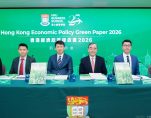

 https://www.hkubs.hku.hk/

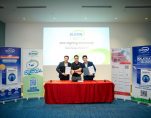

 https://www.facebook.com/EldonHealthcareMalaysia
 https://www.instagram.com/eldonhealthcare/


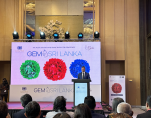


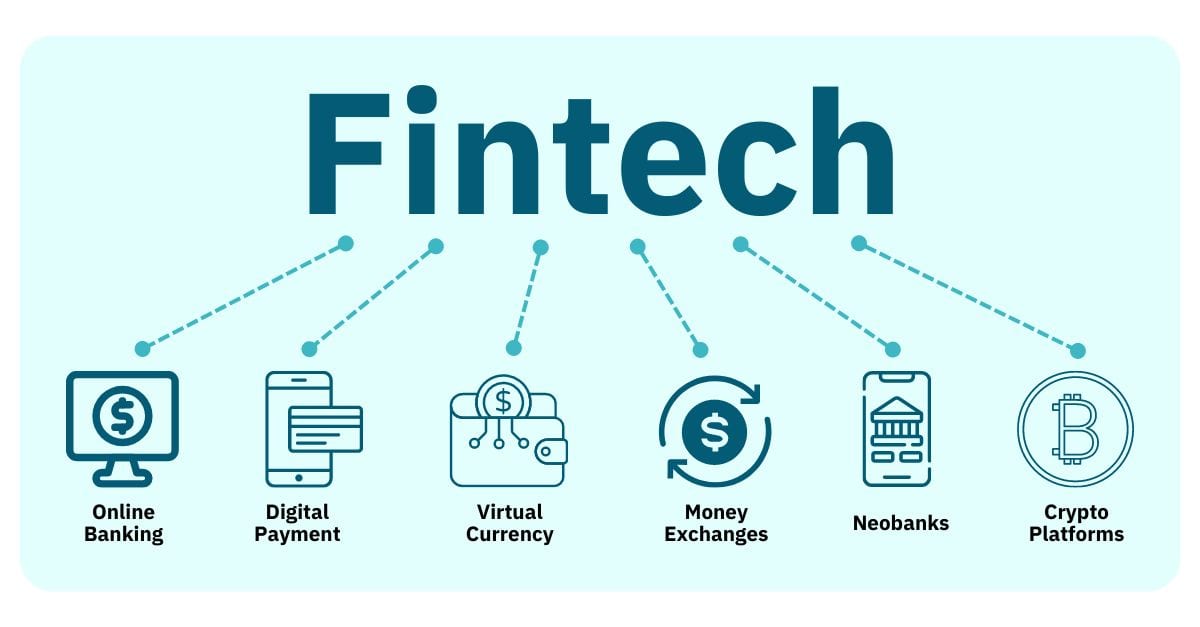 Bengaluru | Banking-as-a-Platform is moving from concept to commercial backbone across the country’s financial system, as lenders open their digital rails to fintech partners and reposition themselves as infrastructure providers rather than closed institutions. The model allows banks to expose core capabilities—accounts, payments, lending, compliance and data—through secure application programming interfaces, enabling third parties to build, distribute and monetise financial products at speed.


 https://www.linkedin.com/company/paymentology/
 https://x.com/Paymentology







 By K Raveendran The sharp criticism mounted by Opposition leaders against the Supreme Court’s refusal to grant bail to Umar Khalid and Sharjeel Imam in the 2020 Delhi riots conspiracy case has been foregrounded as a defence of constitutional liberty. Yet, when examined closely, the argument appears driven more by political optics than by a […]