News related to
Rough Guide

  • The full 2027 MICHELIN Guide Thailand Selection reaches record-high numbers with 507 entries, including 53 MICHELIN-Starred establishments. Marking both the Guide’s 10th edition in Thailand and the centenary of the MICHELIN Star, the 2027 edition reflects the evolution, resilience, and extraordinary potential of the country’s culinary industry.
  • The newly released Guide features 2 Three MICHELIN Stars, 10 Two MICHELIN Stars, 41 One MICHELIN Star, 151 MICHELIN Bib Gourmand, and 303 MICHELIN-Selected dining venues.
  • This edition highlights the decentralization of Thailand’s food scene and the unprecedented strength of regional markets, with the first-ever MICHELIN-Starred restaurant in Chiang Mai and the first-ever Two-MICHELIN-Starred restaurant in Phuket.

BANGKOK, THAILAND – Media OutReach Newswire – 10 November 2025 – Michelin today unveiled the MICHELIN Guide Thailand 2027 at the MICHELIN Guide Restaurant Ceremony Thailand, marking two significant milestones: the Guide’s landmark 10th edition in the country and the centenary of the MICHELIN Star. Reflecting a decade of evolution in Thailand’s vibrant culinary landscape, the latest selection features a record-high total of 507 dining establishments − including 2 Three MICHELIN Stars (both retaining their status), 10 Two MICHELIN Stars (3 promotions), 41 One MICHELIN Star (5 newcomers and 5 promotions), 151 MICHELIN Bib Gourmand (26 newcomers), and 303 MICHELIN-Selected entries (40 newcomers).

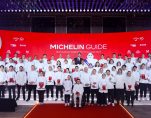
Photo The MICHELIN Guide Thailand 2027

Gwendal Poullennec, International Director of the MICHELIN Guide commented: “With more than 500 establishments featured in the selection − including over 50 MICHELIN-Starred restaurants, the 2027 edition marks a significant milestone in the MICHELIN Guide Thailand’s journey. Celebrating the Guide’s 10th edition in Thailand and the centenary of the MICHELIN Star, first introduced in 1926, the selection reflects the remarkable evolution of Thailand’s culinary industry, driven by the passion, creativity, and resilience of its culinary professionals, as well as the country’s extraordinary gastronomic potential.”

Insights into Thailand’s Evolving Gastronomic Landscape

According to Mr. Poullennec, Thailand’s gastronomic scene has evolved from a trend-driven market into a mature and diverse culinary ecosystem. Excellence now extends far beyond the capital, with star-rated restaurants flourishing across the country and showcasing the strength of regional dining destinations.

Chefs are demonstrating greater confidence and individuality, while international restaurant groups continue to establish roots in Thailand and embrace local ingredients. This year’s selection introduces new cuisine types to the star-rated roster, while Thai chefs are increasingly exploring regional traditions, indigenous ingredients, and closer ties with local producers.

Techniques such as fermentation, aging, and natural umami extraction have become common tools for building flavor, while more thoughtful ingredient use reflects growing resourcefulness. Beyond fine dining, chefs are also finding success through more accessible formats and increasingly sophisticated beverage programs.

Guided by both experienced chefs and emerging talent, Thailand continues to strengthen its culinary identity while embracing global influences, reinforcing its position as one of the world’s most compelling gastronomic destinations.

Sorn and Sühring Reaffirm Their Excellence with Three MICHELIN Stars

In the 2027 MICHELIN Guide Thailand edition, the prestigious Three-MICHELIN-Star category remains unchanged with 2 entries: Sorn, where Chef Supaksorn “Ice” Jongsiri showcases the depth and diversity of Southern Thai cuisine through meticulously researched recipes and exceptional local ingredients, and Sühring, where twin chefs Thomas and Mathias Sühring continue to impress with their refined interpretation of modern German cuisine rooted in family traditions.

3 Restaurants Promoted to Two MICHELIN Stars, Including a Historic First for Phuket and Thailand’s Regional Dining Scene

The Two-MICHELIN-Star category welcomes 3 new additions, all promoted from the One-MICHELIN-Star status. A milestone achievement comes from PRU, which becomes the first restaurant in Phuket and the first outside Bangkok & Surrounding Provinces to earn Two MICHELIN Stars.

▪ Bangkok & Surrounding Provinces:

  • Blue by Alain Ducasse, a restaurant that stays true to the spirit of French fine dining, interweaving Southeast Asian ingredients with Mediterranean flair and a fresh, lighter, international perspective, complemented by the seasonal “Delight Collection” of creative small desserts.
  • Mia, a restaurant offering storytelling-driven modern European cuisine with Asian influences, where dishes such as the hybrid sourdough brioche carry personal significance beyond their culinary craft.

▪ Phuket

  • PRU, a restaurant crafting modern Thai cuisine with a strong sense of place, championing mindfulness through farm-grown ingredients, trusted Thai suppliers, and a commitment to fermentation, preservation and responsible practices, exemplified by its signature “King of the Fruits” pairing durian with caviar and sea grapes.

10 Restaurants Join the One-MICHELIN-Star Selection, Including Chiang Mai’s First-Ever MICHELIN-Starred Restaurant

Among the 10 new One-MICHELIN-Star entries, 5 are newcomers joining the Guide for the first time, while the other 5 are promoted from the MICHELIN-Selected category.

Promoted from MICHELIN-Selected to One MICHELIN Star, Belén by Paulo Airaudo becomes the first-ever MICHELIN-Starred restaurant in Chiang Mai. Meanwhile, Phuket records its strongest MICHELIN Star showing to date, with one newcomer, Omemo, and one promoted restaurant, Jaras, joining the One-MICHELIN-Star selection.

▪ Bangkok & Surrounding Provinces

  • Liana, a restaurant where dishes are inspired by European seasons, combining local produce, a lighter take on French techniques, and neatly layered flavors and textures, with desserts among the highlights.
  • MACHRI, a restaurant where chef reinterprets a royal Thai menu inspired by King Rama V’s 1897 European food diary, combining deep historical research and French technique while preserving authentically Thai flavors, highlighted by mackerel with roasted chili paste and sticky rice, and pigeon red curry samrap.
  • THARN, a concept-led restaurant presenting a refined tasting menu inspired by Thai cuisine from Sukhothai to Rattanakosin, juxtaposing cultural references with authentic flavors, carefully sourced ingredients, and Thai GI products.
  • The China House by Chef Fei, a refined Cantonese restaurant offering thoughtfully creative dishes marked by precise seasoning, clean flavors and assured technique, highlighted by roasted chicken with flax seeds that lend a subtle nuttiness to the crisp skin and juicy flesh.

▪ Phuket

  • Omemo, a restaurant offering a contemporary take on classic Swiss cuisine through balanced, well-structured Alpine dishes, featuring house-made sausages, potato rösti and fondue-inspired specialties, with meat and cheese at the heart of the menu and the full experience menu offering the best insight into its culinary narrative.

The other 5 One-MICHELIN-Star recipients promoted from the MICHELIN-Selected category are:

▪ Bangkok & Surrounding Provinces

  • Duet by David Toutain, a restaurant presenting a creative, delicate, and distinctly plant-forward seasonal tasting menu that balances land and sea, complemented by a carefully curated zero-proof drink pairing.
  • I-SANG, a modern Korean restaurant that fuses Korean roots with Thai produce through a concise tasting menu, featuring Eo-Mandu crafted from local catfish, perilla oil Guksu, and crispy crab, a playful riff on Korean fried chicken.
  • Sartoria by Paulo Airaudo, a restaurant presenting a modern Tuscan menu centered on fresh pasta and seasonal produce, blending Italian staples with Thai ingredients, highlighted by Duck Cappelletti filled with local duck confit and Basilico built around black-pepper ganache.

▪ Chiang Mai

  • Belén by Paulo Airaudo, a restaurant bringing refined energy to Chiang Mai’s dining scene, elevating local ingredients through sharp European technique, with a smooth and effortlessly moreish Goat’s Cheese Flan paired with seasonal fruits among the highlights.

▪ Phuket

  • Jaras, a restaurant offering a seasonal tasting menu shaped by home-grown produce, regional ingredients, and a zero-waste approach, highlighted by the Jorang featuring prawn and Thai curry sauce with crispy textures and aromatic herbs.

Five MICHELIN Special Awards Recognize Exceptional Professionals

Alongside its restaurant selection, the MICHELIN Guide presents its Special Awards to honor the exceptional talent, passion and craft behind dining experiences that stay with guests long after the final course. These awards recognize outstanding professionals at MICHELIN-recommended restaurants who elevate the gastronomic experience, while celebrating the diversity and appeal of careers across the hospitality industry.

  • MICHELIN Service Award

The MICHELIN Service Award aims to recognize and celebrate skilled and talented professionals who significantly enhance the guest experience. This year’s award, presented by the Tourism Authority of Thailand, honors Chanyawi Mukmaneerattanapon of hom, a MICHELIN-Selected restaurant in Phuket.

An essential pillar of her team in Phuket since its earliest days, Ms. Mukmaneerattanapon is celebrated for her remarkable consistency, steadfast commitment, and genuinely attentive approach to service. Even when managing multiple tables, she remains proactive, fluid, and intuitive, making every guest feel effortlessly cared for. Her longevity, unwavering professional standards, and deeply personal touch exemplify the true essence of hospitality; while her grace, poise, and dedication set a high benchmark for the industry.

  • MICHELIN Opening of the Year Award

The MICHELIN Opening of the Year Award recognizes an individual or team behind a dining venue that has opened within the past 12 months and made a notable impact on the local gastronomic scene through a creative degustation concept and distinctive culinary approach. This year’s award, presented by UOB, is bestowed upon Kongwuth Chaiwongkachon of Taang, a MICHELIN-Selected restaurant in Bangkok.

Since opening in June, Taang has made an immediate impression on Bangkok’s dining landscape. Led by Chef Kongwuth, a native of Chiang Rai, this intimate counter experience explores the historical caravan trade routes of northern Thailand and its neighboring regions, tracing how ingredients, people, and food cultures have influenced one another over centuries. Combining brilliant storytelling with exceptional cooking, the restaurant offers a remarkably nuanced exploration of northern Thai cuisine and has quickly become one of the city’s most exciting and talked-about new openings.

  • MICHELIN Mentor Chef Award

Honoring chefs whose unwavering dedication to nurturing the next generation has made a lasting impact on the culinary industry, the 2027 MICHELIN Mentor Chef Award, presented by WP Energy, is bestowed upon Arnaud Dunand-Sauthier of Maison Dunand, a One-MICHELIN-Star restaurant in Bangkok.

Originally from Chambéry in the Savoie region of France, Chef Arnaud brought a wealth of French culinary expertise to Thailand over a decade ago. Beyond his culinary achievements, he has played a profound role as a mentor to both Thai and international talent, nurturing young professionals from commis to sous chef and fostering long-term growth within his teams. Today, his former protégés lead MICHELIN-Starred kitchens in Europe, run acclaimed establishments in France, and head major restaurant concepts across Thailand − reflecting his unwavering commitment to developing people, empowering the next generation, and building a lasting culinary legacy.

  • MICHELIN Young Chef Award

Recognizing a young chef who has demonstrated a unique personality and distinctive identity through their culinary creations over the past 12 months, this year’s MICHELIN Young Chef Award is bestowed upon Natdanai Kitkorsup of lob-baan, a MICHELIN Bib Gourmand restaurant in Phuket.

Born and raised in Phuket, Chef Natdanai returned to his home region after honing his craft in leading kitchens across Bangkok – including a Two-Michelin-Star restaurant – before continuing his journey at acclaimed establishments in Phuket. His cooking reflects a profound respect for native ingredients, rich traditions, and authentic flavor profiles, blending regional heritage with refined contemporary technique. Showing impressive maturity and a style firmly rooted in his home region, Chef Natdanai stands out as a young talent helping to bring Phuket’s local cuisine forward.

  • MICHELIN Sommelier Award

Highlighting the skills, knowledge, and passion of talented sommeliers within the industry, this year’s MICHELIN Sommelier Award is bestowed upon Charles Elie-Rodenstein of Cannubi by Umberto Bombana, a One-MICHELIN-Star restaurant in Bangkok.

Originally from Alsace in France, Mr. Elie-Rodenstein is a multilingual sommelier whose exceptional international journey across France, Monaco, Japan, and Thailand has shaped a deep global perspective. Knowledgeable and confident, he curates inspiring wine selections and offers thoughtful recommendations. What sets him apart is his warm, approachable manner, making the world of wine engaging and accessible; while his natural enthusiasm, professionalism, and personal touch elevate the entire dining experience.

Discover the full 2027 MICHELIN Guide Thailand Selection:
MICHELIN Guide Website

CLICK HERE to download images of the from the
MICHELIN Guide Restaurant Ceremony Thailand 2027.

The MICHELIN Guide Thailand 2027 at a Glance:

2 Three MICHELIN Stars
10 Two MICHELIN Stars (3 promoted from One MICHELIN Star)
41 One MICHELIN Star (5 new, 5 promoted from MICHELIN-Selected)
151 MICHELIN Bib Gourmand (26 new)
303 MICHELIN-Selected (40 new)

Mindful Voices

Mindful Voices is a new MICHELIN Guide platform that brings together inspirational figures from across the hospitality industry. Designed as an editorial space, it gives chefs, hoteliers and winemakers the opportunity to share their stories and pioneering practices with their peers and with audiences around the world.

Gwendal Poullennec, International Director of the MICHELIN Guide, says, “Mindful Voices will give a platform to all those who are rewriting the rules in their respective fields. This new framework draws directly from what our inspection teams witness firsthand: encounters and experiences that are transforming how things are done and that deserve to be shared. Staying true to its identity and values, the MICHELIN Guide will amplify and give full resonance to these voices from the worlds of gastronomy, hospitality and wine so that they can be heard, wherever they may be.”

The chef invited on stage as a Mindful Voice at the MICHELIN Guide Restaurant Ceremony Thailand 2027 is Chef Chudaree ‘Tam’ Debhakam ofBaan Tepa, a Two-MICHELIN-Star restaurant in Bangkok. At Baan Tepa, Chef Tam elevates her farm-to-table ethos through a polished seven-course Thai tasting menu. The experience begins in the kitchen, immediately immersing guests in the restaurant’s thoughtful sense of place. For each course, the team presents trays of featured ingredients, from seasonal fruits to vegetables and herbs, offering a vivid glimpse into the produce that shapes the menu. Traditional curries, flavors and techniques are reimagined with deft precision, creativity and harmony throughout. She remains committed to mindful gastronomy, from thoughtful local sourcing to minimizing kitchen waste.

Learn more about the new Mindful Voices initiative here.


The issuer is solely responsible for the content of this announcement.

About Michelin:

Michelin is building a world-leading manufacturer of life-changing composites and experiences. Pioneering engineered materials for more than 130 years, Michelin is uniquely positioned to make decisive contributions to human progress and to a more sustainable world. Drawing on its deep know-how in polymer composites, Michelin is constantly innovating to manufacture high-quality tires and components for critical applications in demanding fields as varied as mobility, construction, aeronautics, low-carbon energies, and healthcare. The care placed in its products and deep customer knowledge inspire Michelin to offer the finest experiences. This spans from providing data- and AI-based connected solutions for professional fleets to recommending outstanding restaurants and hotels curated by the MICHELIN Guide. Headquartered in Clermont-Ferrand, France, Michelin is present in 175 countries and employs 122,600 people. ().

Google faces growing opposition from parents, teachers and US lawmakers over a policy that leaves schools unable to provide students with its search engine while excluding all generative artificial intelligence features. Senator Edward Markey on Monday demanded that the company reverse the arrangement, warning that schools should not have to choose between protecting children from AI chatbots and retaining a widely used educational research tool. Markey, a […]

BANGKOK, THAILAND – Media OutReach Newswire – 9 November 2026 – The Ministry of Higher Education, Science, Research and Innovation (MHESI), through the National Innovation Agency (Public Organization) (NIA), hosted the annual National Innovation Day 2026 awards ceremony. The event honors and commemorates the extraordinary innovation visionary, His Majesty King Bhumibol Adulyadej The Great (Rama IX)—revered as the “Father of Thai Innovation”—whose royal initiative, the Klaeng Din (soil aggravation) project, demonstrated pioneering resource management. During the ceremony, the NIA announced the winners of the prestigious National Innovation Awards, celebrating outstanding Thai innovators and forward-thinking organizations across the public, private, and academic sectors whose contributions generate tangible value for institutions, society, and the nation. Concurrently, the ceremony featured the presentation of the Innovation Thailand Awards and the Thai Rice Innovation Awards, both longstanding collaborative initiatives spearheaded by the NIA.

NIA Highlights Three Exemplary Breakthroughs from National Innovation Awards

Dr. Krithpaka Boonfueng, Executive Director of the National Innovation Agency (NIA), said that National Innovation Day remains an essential annual forum dedicated to commemorating the royal grace, genius, and enduring innovation legacy of King Bhumibol Adulyadej The Great. The Ministry of Higher Education, Science, Research and Innovation strongly believes that human capital is the cornerstone of building an innovation-driven society. Consequently, the NIA prioritizes workforce upskilling across all generations alongside deploying technology and innovation to mitigate inequality, expand economic opportunities, enhance quality of life, and sharpen national competitiveness. This mission accelerates Thailand’s transition from a mere consumer of technology into a prolific creator of high-value innovation. The event serves not only as a platform to recognize trailblazers, but also as a catalyst to foster widespread awareness, stimulate active technology adoption, showcase Thai ingenuity on the world stage, and collectively advance Thailand toward becoming a sustainable “Innovation Nation.”

“The National Innovation Awards represent the highest distinction in Thailand’s innovation landscape. They celebrate Thai innovators whose pioneering work delivers clear, measurable value to the country, sparking pride and creative momentum across all sectors while elevating our national image as an emerging Innovation Nation,” stated Dr. Krithpaka. “Now in its 22nd year, the competition reflects a rapid leap forward in domestic innovation capability, keeping pace with an evolving global landscape. Historically, more than 6,736 submissions have entered the awards, with over 370 projects recognized, collectively generating an economic, social, and environmental impact valued at over 138 billion baht.”

Dr. Krithpaka highlighted three winning innovations from the 2026 National Innovation Awards that exemplify success across economic, social, and environmental dimensions, underscoring Thai entrepreneurs’ capacity to combine deep technology with commercial viability:

1. BUZZEBEES: Elevating CRM through AI to Boost Marketing Efficiency and Business Growth Developed by Buzzebees Co., Ltd., this end-to-end customer relationship management (CRM) and online engagement platform secured first prize in the Economic category (Large and Medium Enterprise division). Powered by advanced AI algorithms, the platform streamlines customer data management, consumer behavior analytics, and precision-targeted marketing campaigns. It empowers enterprises to connect with target demographics accurately, retain customer bases, and unlock new revenue streams.

The comprehensive suite encompasses loyalty and points-redemption programs, payment and order management workflows tailored for SMEs and restaurants, and e-commerce channel operations, alongside targeted digital media and affiliate marketing powered by a vast influencer and Key Opinion Leader (KOL) network. By leveraging real-time business diagnostics and automated campaign personalization, the platform can deploy fully functional solutions within just five business days—a 20-fold reduction in turnaround time compared to traditional development cycles that often require up to 100 days.

Currently, BUZZEBEES supports over 500 enterprise platforms, more than 1,500 SME and merchant networks, and an aggregate user base exceeding 200 million consumer and distributor accounts. Notable deployments include Tops’ personalized loyalty platform, which serves over 210,000 active users and has processed more than 40 million reward redemptions. In 2025, the company generated over 2 billion baht annually in gross merchandise value (GMV) through international affiliate channels, saved domestic corporations over 600 million baht annually by replacing reliance on foreign enterprise software, posted 2.964 billion baht in total revenue, and created an average of 260 local tech jobs annually.

2. INSPECTRA MMG: Deep-Learning AI for Mammography Analysis Enhancing Breast Cancer Screening Developed by Perceptra Co., Ltd., INSPECTRA MMG captured first prize in the Social category (Large and Medium Enterprise division). The diagnostic-support AI system assists radiologists in interpreting screening mammograms, specifically targeting the diagnostic complexities posed by dense breast tissue—a characteristic prevalent among Asian women that frequently obscures underlying lesions in standard screenings.

Trained on a proprietary dataset of more than 400,000 mammographic images from Thai cohorts, INSPECTRA MMG detects subtle indicators of malignancy to assist clinical decision-making. Deployed in Thai clinical settings for over three years across more than 220,000 processed patient cases, the tool reduces radiologists’ workloads, optimizes diagnostic throughput, and democratizes access to early cancer detection in medically underserved provinces. Validation data submitted by the company demonstrates an impressive Cancer Detection Rate of 97%, validating AI’s efficacy as a clinical decision-support asset while maintaining physician oversight as the ultimate diagnostic authority. Looking ahead, Perceptra plans to expand outreach via mobile mammography screening units for remote communities, implement an annual software-as-a-service (SaaS) subscription model to fund continued R&D, and scale operations into broader Southeast Asian healthcare markets.

3. MyraShell Aroma: Upcycling Marine Shell Waste into Sustainable Luxury Bio-Materials Developed by Manee Mongkol Gems Factory Co., Ltd., “MyraShell Aroma – Sea of Love” won top honors in the Environmental category (Micro & Small Enterprise, and Social Enterprise division). The initiative upcycles discarded green mussel shells sourced from coastal fishing communities into high-value decorative bio-materials under circular economy principles, effectively curbing coastal waste while establishing sustainable secondary income streams for local artisanal fishers.

The innovation isolates nacre (mother-of-pearl) and calcium carbonate fractions from marine shells, formulating them with bio-based binding polymers and precision engineering techniques into durable, aesthetically sophisticated materials suitable for fine jewelry and luxury decor. MyraShell Aroma features a calibrated micro-porous surface that absorbs and disperses fragrances ambiently without electricity, designed for repeated aromatic refills.

The company has expanded its portfolio under the MyraShell and MyraGem brands to supply interior panels, lighting fixtures, and architectural finishes to luxury five-star hospitality brands. Manee Mongkol Gems collaborates with the Chonburi Fisheries Association and the Sawang Pratheep Community Enterprise for ethical raw material sourcing, complete with origin-traceability protocols, and partners with Kasetsart University on material validation with research grant backing from the NIA. The breakthrough gained international acclaim at Milan Design Week at Superstudio Events in Milan, Italy, where the team exhibited a 3×3-meter “Sea of Love” feature wall. Capitalizing on sustainable luxury storytelling, the company is actively expanding its direct export channels across Italy, Germany, France, and Hong Kong.

Supporting Broader Innovation Ecosystems Alongside the flagship honors, the ceremony presented accolades across complementary specialized initiatives:

  • The 22nd National Innovation Awards: Organized directly by the NIA to honor impact across five dedicated pillars: Economy, Society, Environment, Innovation Communicator, and Innovative Organization. The 2026 edition drew 437 competitive submissions.
  • The 26th Innovation Thailand Awards: Co-organized with the Science Society of Thailand under the Patronage of His Majesty the King, this initiative fosters youth-led innovation and guides intellectual property toward viable commercialization across two academic tiers: Higher Vocational/Undergraduate and Vocational/Secondary levels (attracting 494 entries).
  • The 18th Thai Rice Innovation Awards: Co-hosted with the Thai Rice Foundation under Royal Patronage to incentivize high-value product transformation and process innovation across the rice value chain. Awards were conferred across Industrial and Community Enterprise categories, drawing 82 submissions.

Serving as the nation’s “Focal Conductor,” the NIA continues to align with domestic and international partners through its core Groom – Grant – Growth – Global framework. This integrated strategy aims to expand Thailand’s cohort of market-ready innovation-driven enterprises (IDEs), catalyze economic value creation, and fortify national competitiveness to firmly cement Thailand’s standing as an internationally recognized Innovation Nation.

Hashtag: #NIA

The issuer is solely responsible for the content of this announcement.

An Asia digital transformation programme for founders and SMEs, starting in Malaysia, with a full refund if the delivery date is missed

KUALA LUMPUR, MALAYSIA – Media OutReach Newswire – 9 November 2026 – Fully customised business software and AI solutions, built by engineers and backed by a full refund if the agreed delivery date is missed. Starting in Malaysia and rolling out across Asia, made possible by more than 100 partners.

Nexawork AI Founders

Nexawork AI is an Asia focused technology company building the AI Business Operating System. It was co-founded by Allen Tan Chee Hoe, its Chief Executive Officer, and Sky Wee, its Chief Business Development Officer.

Today Allen Tan Chee Hoe announced the launch of Nexawork AI’s Asia digital transformation programme, which helps founders, project owners and small and medium enterprises (SMEs) build their first digital product. It offers custom software development, including AI solutions and AI agents, starting with a Starter Pack at RM19,900.00, with a full refund of the development fee if Nexawork AI misses the delivery date in the contract.

The programme starts in Malaysia, its first market in Southeast Asia, before extending across Asia. Applications are open now at nexawork.ai. Its pricing is made possible by more than 100 partners, who share the work and bring businesses to the programme.

Why Asia’s SMEs hold back on AI and digital transformation
Asia runs on small businesses. Across 26 economies tracked by the Asian Development Bank (ADB), micro, small and medium enterprises make up 99.8% of all enterprises, employ 67.6% of the workforce and produce 38.7% of national output. Yet many still run on paper and spreadsheets, SME digitalisation lags, and AI is widening the gap. In South Korea, a 2024 Korea Federation of SMEs survey of 300 SMEs found only 5.3% using AI, and the obstacle cited most was the lack of AI services built for their needs.

Cost and risk add to the hesitation. In Malaysia, 2026 industry estimates put even a basic first version of mobile software at RM30,000 to RM60,000, and most SME projects at RM60,000 or more. For a first time founder, that is a large bet on one vendor. Owners are avoiding risk, not technology.

“Transformation fails on the first invoice, not on the technology,” said Allen Tan Chee Hoe, Co-Founder and Chief Executive Officer of Nexawork AI. “We are not trying to reprice the market. We want to give many SMEs the confidence to take their first step into digitisation, together with more than 100 partners, so a founder anywhere in Asia can build a first digital product without betting the year on it. And we are not here to replace anyone’s workforce. Our AI brings productivity to business owners and their teams, so that adoption actually happens.”

A full refund if the delivery date is missed
If Nexawork AI misses the delivery date in the contract, the business receives a full refund of the development fee. The clock starts when the business provides complete information and access, and the scope is fixed in writing before work begins.

Custom software development and AI solutions built around the business
Every system is shaped around the individual business. Professional engineers write, review and test every build, and the owner needs no technical knowledge. Projects can include a native mobile platform for ordering, payment through the business’s own provider, delivery tracking and referrals, an admin console, connections to existing software, and AI built for the business, from AI solutions on its own data to AI agents that answer enquiries or follow up on orders.

RM19,900.00 is the Starter Pack, the entry point to the programme: a focused first system built around one core workflow, such as taking orders or bookings, with an admin console for the owner. Builds with more features, AI, payments or integrations are scoped and priced above the Starter Pack.

Why the programme price is possible: more than 100 partners
The programme is designed to grow the market, not to undercut it. The price is not set to compete with the market: most SMEs would not commission development at RM100,000 or more, so the programme reaches businesses that would otherwise not digitise at all, rather than taking work from established developers. The Starter Pack can start at RM19,900.00 because more than 100 partners share the work and bring businesses to the programme, so less of each project’s price goes on sales and marketing.

Nexawork AI’s team shapes each founder’s first product before any code is written. Lavie System Solutions brings almost two decades of development experience, so proven building blocks are not reinvented for every project. Healing Mind Group, led by Lee Hong Rui, a trainer accredited by HRD Corp, Malaysia’s Human Resource Development Corporation, joins as Business Process and SME Transformation Partner to map workflows and prepare teams. Dova Space looks after the people side of change, Eco Bee Biotech and Eco Bee Shop introduce the programme to their network, and Jayv Chang Yoon Voon, marketing partner for Southeast Asia, reaches businesses through partner and community channels.

How the programme works
Each custom software development project starts with a written scope, after which the price and the delivery date go into the contract. The build runs in about twelve sprints over about three months. Every project includes three months of free maintenance; hosting, domain and infrastructure are paid by the business to its own providers, from about US$100 a month. Every system is built to connect directly to the Nexawork AI platform, which is expected to launch by the second quarter of 2027.

The founders behind Nexawork AI
Allen Tan Chee Hoe is a serial founder and product architect with 15 years of experience in technology and product development. According to internal operating records, he previously built a startup to more than 4 million users and 60,000 business owners, and his teams have supported more than 180 projects globally for companies that together raised more than US$200 million. Sky Wee, who leads global business development and partnerships, is a Singapore based serial entrepreneur and venture investor.

The Nexawork AI Partner App
Nexawork AI will also launch the Nexawork AI Partner App, expected in the first quarter of 2027, so referral partners can refer businesses to the platform and handle enquiries and introductions in one place. Partners can register their interest at nexawork.ai.

Larger digital transformation projects
Alongside the programme, Nexawork AI is helping established companies digitise through larger projects, each scoped and priced on its own and separate from the RM19,900.00 Starter Pack. They include Vorahome, a home services platform founded by Alan Foong, Vincent Wong and Ivan Hiew Chin Woon; and Big Ben Dining Group, a food, entertainment and technology dining concept founded by Bengemen Tan Boon Yong.

How to apply
To claim the programme, a business needs an official Programme Code from the Nexawork AI sales team. Founders, project owners and businesses can apply at nexawork.ai or approach any Nexawork AI Sales Manager across Southeast Asia. A salesperson will contact them to confirm the fit and issue the code, which opens the scoping session; the sales team verifies each business through its code and uses it to track every approved project. The programme is open while it lasts, until Nexawork AI announces its close, and codes, like places, are limited each month.
Hashtag: #NexaworkAI #WorkLessWinMore #DigitalTransformation #CustomSoftware #AIforBusiness #AIAgents #SMEMalaysia #SMEDigitalisation #SoftwareDevelopment


The issuer is solely responsible for the content of this announcement.

About Nexawork AI

Nexawork AI is building the AI Business Operating System for solo entrepreneurs, small teams and established businesses in Asia: one platform to run your work and your business. Money and legal commitments always wait for a human. The platform is in beta with design partners and is expected to launch by the second quarter of 2027. Nexawork AI was co-founded by , its Chief Executive Officer, and , its Chief Business Development Officer. Work Less. Win More. AI Does the Rest.

About Eco Bee Biotech and Eco Bee Shop

Eco Bee Biotech and Eco Bee Shop is a Malaysian bee biotechnology, conservation and wellness enterprise founded by Cathie Tan in 2002. It develops Kelulut (stingless bee) honey, propolis and other wellness products, and in 2026 was recognised by ASIA Records and ASEAN Records for its alcohol free halal Kelulut propolis extract. Bee conservation is at the heart of its mission, including its planned Eco Bee Nature Exchange, guided by its philosophy: Save Bees, Empowering People, Pure Quality.

About Lavie System Solutions

Lavie System Solutions, led by Lai Yu Long, is a Johor based development company founded in 2008 that builds custom software, enterprise and point of sale systems and online stores.

About Healing Mind Group

Healing Mind Group is a training provider led by Lee Hong Rui, who brings experience in finance and corporate management, a background in process transformation and trainer accreditation with HRD Corp. It helps SMEs map their business workflows, identify operational gaps and prepare their teams to adopt systems that improve productivity.

About Dova Space

Dova Space, led by Debbie Hew Sio Yee and Hew Khai Rin, is a holistic health and wellness centre offering personalised, data driven care. It brings Traditional Chinese Medicine, modern medical expertise, natural healing and advanced medical devices under one roof, with a strong focus on sleep health: sleep care consultations, sleep quality and autonomic nervous system assessments, home use medical devices and long term sleep management programmes. Better Sleep. Better Health. Better Living.

Brazilian President Luiz Inácio Lula da Silva pledged to safeguard public finances while maintaining social programmes in his first televised address since securing a fourth term, but offered no specific measures to contain rising government debt. Speaking on Sunday, Lula acknowledged concerns over borrowing costs and promised to respect the country’s fiscal rules as his administration prepares for another four years in office. His remarks followed market […]

NINGBO, CHINA – Media OutReach Newswire – 6 November 2026 – The Ningbo Consensus on Collaborative Development was jointly released by representatives from 15 countries at the main event of the 2026 Global Mayors Dialogue · Ningbo held in Ningbo, east China’s Zhejiang Province, on November 3.

Photo shows the thematic dialogue session at the main event of the 2026 Global Mayors Dialogue· Ningbo.

Held from Nov. 2 to 5 in Ningbo, the 2026 Global Mayors Dialogue · Ningbo, themed “Openness and Connectivity for Shared Opportunities”, has brought together more than 260 participants, including mayors and their representatives from 20 cities of 15 countries, such as France, Italy and New Zealand, as well as representatives of international organizations such as the United Nations Global Compact, business representatives and media professionals.

After in-depth discussions, the representatives agreed on three points of consensus covering deepening industrial cooperation, upholding trade openness and promoting people-to-people exchanges.

They agreed that advancing industrial development through cooperation, creating opportunities through openness, and fostering closer people-to-people ties are important ways to keep pace with economic globalization and promote urban prosperity and people’s well-being.

Participants will build on their respective strengths and resource endowments, identify their comparative advantages and pursue distinctive paths of open development. They will promote complementarity and resource sharing, expand two-way investment, and foster an open, inclusive and mutually beneficial environment for innovation, enabling the sharing of innovation outcomes.

On trade and openness, participants have pledged to firmly uphold the multilateral trading system, strengthen connectivity, facilitate the orderly flow and efficient allocation of production factors, safeguard stable and smooth supply chains, and resolve differences through dialogue.

They have also agreed to deepen exchanges and cooperation in culture, education, healthcare and other fields, improve mechanisms for interaction and expand people-to-people exchanges to foster mutual understanding and closer ties. They called for promoting exchanges and mutual learning among civilizations to overcome estrangement and prevent conflicts.

Looking ahead, participants will continue to promote openness and connectivity and share development opportunities, build new mechanisms for city-to-city cooperation, and strengthen mutual understanding and trust, contributing to the sustainable development of cities worldwide.

Guided by the State Council Information Office, the 2026 Global Mayors Dialogue · Ningbo is co-hosted by the People’s Government of Ningbo Municipality, the Information Office of the People’s Government of Zhejiang Province, and Xinhua News Agency Zhejiang Bureau.

The issuer is solely responsible for the content of this announcement.

By Ashok Nilakantan Ayers WASHINGTON: America enters Election Day on Tuesday, November 3, with its political temperature rising and its institutional balance of power hanging in the balance. The midterm elections, ordinarily a referendum on the party occupying the White House, have become something more consequential: a test of Donald Trump’s political authority, the Republican […]

The article America On Edge: November 3 Mid Term Polls Outcome May Weaken Trump appeared first on Latest India news, analysis and reports on Newspack by India Press Agency).

Advertisements

Amari Pattaya, OZO North Pattaya and Amari Bangsaen recognised for integrating responsible operations, local engagement and measurable sustainability outcomes

BANGKOK, THAILAND – Media OutReach Newswire – 1 November 2026 – ONYX Hospitality Group, a leading hospitality management company in the Asia-Pacific region specialising in hotels, resorts, serviced apartments and luxury residences, has received three awards at the Ultimate Thailand Green Tourism Showcase 2026, organised by Thailand’s Department of Tourism as part of the Chonburi Smart Green Tourism initiative.

OZO Green awards.jpg

Amari Pattaya and OZO North Pattaya were recognised in the Creativity & Innovation category, while Amari Bangsaen received the Unique WOW Experience award.

The three awards demonstrate how ONYX Hospitality Group is translating sustainability into practical, locally relevant action across its properties in Chonburi. Together, they reflect a holistic approach to sustainability management, covering energy and water efficiency, waste management, carbon reduction, community and stakeholder engagement, recognised environmental standards and measurable results.

These achievements bring ONYX for Planet to life at property level. ONYX for Planet is the Group’s sustainability framework, integrating environmental, social and governance (ESG) principles across its business operations and hotel management.

Guided by its Sustainably Crafted Hospitality philosophy, ONYX treats sustainability not as a separate programme, but as part of how it operates, makes decisions, manages resources and creates experiences. This approach includes responsible resource management and procurement, support for local communities and producers, talent development, and guest experiences that connect travellers more meaningfully with the destinations they visit.

Sukamal Mondal, VP – Operations and Sustainability & Community Engagement at ONYX Hospitality Group, said:

“For ONYX Hospitality Group, sustainability creates real value when our principles are translated into meaningful, locally relevant action. Every hotel operates within its own community and environment, so our approach must respond to that context while remaining aligned with ONYX for Planet.

“These awards recognise the work our teams are doing to make responsible practices part of everyday operations and guest experiences. As our approach matures, we are moving beyond individual initiatives to demonstrate impact: what has changed, what value has been created and, wherever possible, how progress can be measured. This is how we strengthen transparency and accountability as we grow.”

Beyond these property-level initiatives, ONYX Hospitality (Thailand) Co., Ltd. has achieved GSTC Hotel Multi-site Certification, demonstrating its alignment with internationally recognised standards for sustainable tourism. The certification was issued by Control Union Singapore Pte. Ltd., a GSTC-accredited Certification Body.

ONYX Hospitality Group has also partnered with CarbonWize to develop its ESG data management system and greenhouse gas emissions monitoring framework, strengthening the Group’s focus on measurement, transparency and accountability.

Through its partnership with SP Group, ONYX is exploring energy efficiency and renewable energy solutions across suitable properties in Thailand. At Amari Don Muang Airport Bangkok Hotel, SP Group’s Cooling-as-a-Service solution has been operational since April 2026 and is expected to reduce energy consumption by more than 40%, save approximately 900,000 kWh of electricity and reduce carbon emissions by around 449 tonnes annually.

Together, the awards and Group-level initiatives demonstrate how ONYX for Planet connects locally relevant action with recognised standards, stronger measurement and operational outcomes. As ONYX Hospitality Group expands across the Asia-Pacific region, this integrated approach will remain part of its long-term business strategy, supporting responsible growth and meaningful value for guests, people, communities and destinations.

Hashtag: #ONYXHospitalityGroup #ONYXforPlanet #GreenTourism


The issuer is solely responsible for the content of this announcement.

About ONYX Hospitality Group:

ONYX Hospitality Group, a reputable force in the Asia-Pacific hospitality industry, operates a collection of comprehensive yet complementary brands – Amari, OZO, Shama and Oriental Residence – catering to the distinctive needs of discerning business and leisure travellers across the region where it has deep expertise. In addition to its brand portfolio, ONYX Hospitality Group also operates additional hospitality services across spa and food & beverage. With six decades of management experience, the company extends its innovative solutions throughout the region, upholding internationally recognised standards and ensuring optimal operational manoeuvrability. By fostering enduring relationships with like-minded business partners, ONYX Hospitality Group delivers unparalleled experiences in a dynamic and competitive market, meeting the ever-evolving demands of travellers.

More information:

Find us on social media:
Follow us on Instagram:
Follow us on LinkedIn:
Follow us on Facebook:

The United Democratic Front government is considering extending its vigilance investigation into the Kerala Infrastructure Investment Fund Board (KIIFB) to projects worth nearly ₹6,000 crore awarded to the Uralungal Labour Contract Co-operative Society (ULCCS) under the previous Left Democratic Front administration. T…
Kerala’s government has decided to establish a special investigation team headed by Deputy Inspector General Thomson Jose to examine alleged irregularities involving the Kerala Infrastructure Investment Fund Board (KIIFB), with land acquisition in Kannur forming the initial focus. The team will include officers from t…

Ridger Delivers MUX Private AI Deployment to Shum Wong & Co., Solicitors in Hong Kong

SINGAPORE – Media OutReach Newswire – 30 October 2026 – Ridger, an AI infrastructure company, today announced the official delivery of its MUX private AI solution to Shum Wong & Co., Solicitors in Hong Kong. The solution features MIMO, the world’s first AI-native storage system, making Shum Wong & Co., Solicitors the first law firm in Hong Kong Northern Metropolis to deploy it.

Representatives from Ridger, Shum Wong & Co., Solicitors, xFusion, and Richee at the delivery ceremony for the first MUX private AI deployment in Hong Kong Northern Metropolis.

Representatives from Ridger, Shum Wong & Co., Solicitors, xFusion, and Fadada’s RicheeAI team attended the delivery ceremony. During the event, Ridger presented the firm with the “Global AI Pioneer Law Firm” certificate in recognition of its forward-looking investment in private AI infrastructure.

The solution brings together AI-native storage and compute infrastructure, a dedicated large language model (LLM) environment, and AI applications tailored to legal workflows. Operating entirely within the firm’s own security perimeter, it marks a significant step toward enabling Hong Kong’s legal profession to harness the productivity of generative AI while safeguarding client data and meeting compliance requirements.

About the Deployment

In space-constrained Hong Kong, Ms. Careen H.Y. Wong, Founding Partner of Shum Wong & Co., Solicitors and Vice President of The Law Society of Hong Kong, set aside room in the Firm’s latest office in the Northern Metropolis for a standard equipment rack, ready for on-premise AI. It is more than a space decision: it reflects her view of the future of legal services—that while harnessing AI to improve efficiency, a firm must retain control of its data and technology boundaries, so that sensitive materials are always properly protected.

Under the engagement, Ridger built a privately owned, independently operable AI foundation for Shum Wong & Co., Solicitors, comprising high-performance storage and data infrastructure optimized for AI workloads, together with a dedicated LLM platform over which the client retains full control of model weights and the inference environment. The platform supports use cases including contract review and risk flagging, legal research and case-law retrieval, large-scale document review in due diligence, drafting and multilingual translation of legal documents, and internal Knowledge Base question answering. It also provides role-based access control, tiered permissions, comprehensive audit trails and content provenance to meet enterprise-grade governance requirements.

Called MUX, the private solution lets the firm begin with no barrier and without capital-intensive build-out or a dedicated server room, scaling on demand; it natively supports Hong Kong’s common law system and integrates seamlessly with existing systems such as email, document management and calendar, embedding AI into lawyers’ daily work. MUX can be ordered directly through Ridger’s website (https://ridger.tech), out of the box.

The delivery reflects the collaboration of legal expertise, AI infrastructure, compute platforms and industry applications: Shum Wong & Co., Solicitors defined the requirements for data confidentiality and on-premise deployment from its actual practice; Ridger provided the end-to-end MUX solution and led its design and integration; xFusion supplied the FusionXpark local AI compute platform and technical support; and Fadada provided the Richee Legal AI Agent Platform, leveraging specialized AI agents and skills to support lawyers in their daily work and improve workflow efficiency. Ridger notes that while an AI model determines capability for a moment, AI infrastructure determines long-term competitiveness.

Why Private AI Matters for the Legal Sector

1. Safeguarding client confidentiality and legal professional privilege

Client materials, transaction documents and dispute information handled by law firms are protected by legal professional privilege (LPP) and strict professional duties of confidentiality. Disclosure to third parties—including public cloud services—may be treated as a waiver of privilege, causing it to be lost and the materials to become disclosable in subsequent proceedings. Private deployment keeps storage, processing and inference entirely within the firm’s own environment, with no disclosure to external providers, preserving privilege and confidentiality at source.

2. Embedding data sovereignty and regulatory compliance

The solution aligns with Hong Kong’s Personal Data (Privacy) Ordinance (Cap. 486) and is designed with reference to the Privacy Commissioner’s “Checklist on Guidelines for the Use of Generative AI by Employees” and the “Model Framework on AI: Personal Data Protection,” as well as The Law Society of Hong Kong’s 2024 position paper on the impact of AI on the legal profession and the Manifesto on “Legal Ethical Code of Conduct Regarding the Deployment of AI.” It embeds the principles of lawfulness, transparency, traceability, interpretability, security and appropriate human oversight into a unified AI governance framework.

For a firm handling cross-border work, the same private environment also addresses the requirements of the major jurisdictions: for Mainland China, it aligns with the Personal Information Protection Law, the Data Security Law and data-export mechanisms such as security assessments and standard contracts; for Europe, it maps to the EU General Data Protection Regulation (GDPR) and standard contractual clauses; for the United States, it meets the confidentiality and competence duties under the ABA Model Rules of Professional Conduct and Formal Opinion 512 on generative AI. Because data always remains within the firm’s own perimeter, the firm can confidently meet local data-confidentiality and regulatory expectations wherever its clients are based.

3. Eliminating the hidden risk of “shadow AI”

Where a firm offers no convenient, approved AI tool, individual lawyers may turn to consumer-grade public chatbots for work, creating “shadow AI” that sits outside IT and compliance visibility—unapproved, unlogged and unaudited, with unknown data flows and no clear accountability. MUX channels that demand into a single, visible, auditable controlled environment, giving lawyers the efficiency they want while bringing every use under the institution’s governance and oversight.

4. Keeping institutional knowledge within the firm

The case law, templates and practical know-how accumulated by a firm are core competitive assets. A private platform continuously refined on the firm’s own corpus keeps these assets within the institution and compounds their value over time, rather than depositing them with an external vendor.

5. Ensuring control and business continuity

Private deployment insulates the firm from external API changes, model versioning, service outages or shifts in vendor strategy, giving it full control over capabilities, upgrade timing, cost and availability — a foundation for durable, long-term AI adoption.

Executive Quotes

“For industries built on trust and confidentiality, such as the law, the value of AI should never come at the price of data sovereignty,” said Ray Hu, General Manager Asia-Pacific Region of Ridger. “Private deployment lets a firm turn generative AI into auditable, governable and sustainable productivity without crossing confidentiality lines. We are proud to set this benchmark with Shum Wong & Co., Solicitors”

Ray Hu, General Manager Asia-Pacific Region, Ridger

“In Hong Kong, office space is scarce and precious, but data sovereignty is worth setting aside a place for. Building our own AI infrastructure lets us embrace AI while always safeguarding our clients’ trust and the boundaries of our profession.”

Careen H.Y. Wong, Founding Partner, Shum Wong & Co., Solicitors, Solicitors

Hashtag: #Ridger #MIMO #MUX #PrivateAI #LegalAI #AIInfrastructure #HongKong


The issuer is solely responsible for the content of this announcement.

Ridger Company Limited

Ridger is a technology company focused on data and storage infrastructure for the AI era. The company provides private, high-performance AI infrastructure and solutions that enable enterprises to deploy and run large models and AI applications within their own security perimeter. Through its proprietary storage and data management technologies, Ridger helps clients safeguard data sovereignty, security and compliance while fully realizing the business value of artificial intelligence.

The Kerala High Court on Thursday barred police from arresting an Additional District Judge whose 17-year-old son allegedly caused a fatal road accident at Cheranalloor in Kochi, granting interim protection until further orders. Justice Kauser Edappagath issued the direction while considering the judicial officer’s an…

Arabian Post Staff -Dubai Nothing’s CMF Watch 3 Pro smartwatch is being offered for $59 in the United States, a $20 reduction from its $79 selling price, as retailers extend discounts across the device’s four colour options. The offer, equivalent to approximately 25% off the $79 reference price, has appeared on Amazon, with listings also identifying discounted units at Walmart and Nothing’s own store. Availability and delivery […]

India is considering sweeping changes to investment rules governing its $180 billion National Pension System, potentially allowing fund managers greater exposure to lower-rated corporate debt, alternative assets and other financial instruments as authorities seek to deepen domestic capital markets.

The proposed overhaul would expand investment opportunities for pension funds while maintaining safeguards for retirement savings. The Pension Fund Regulatory and Development Authority (PFRDA) is examining changes to the framework that determines how contributions are allocated across government securities, corporate bonds, equities and alternative investments.

The exercise comes as the regulator reassesses investment restrictions that have traditionally favoured highly rated debt and relatively conservative portfolios. Greater flexibility could channel additional institutional capital towards companies, infrastructure projects and investment vehicles that currently face restrictions on accessing pension money.

No final decision has been announced on the proposed changes, and the precise investment limits, eligibility requirements and implementation timetable remain subject to regulatory consideration.

The authority established a Strategic Asset Allocation and Risk Governance committee in January to undertake a comprehensive examination of investment guidelines. Its mandate includes reviewing permissible asset classes, portfolio diversification, valuation practices, liquidity management and safeguards against excessive risk concentration.

The committee has also been tasked with comparing the pension system’s investment architecture with international practices and recommending adjustments that reflect changing domestic financial markets.

One area under examination concerns the credit quality of debt securities eligible for pension investment. Existing regulations impose rating requirements designed to protect subscribers against defaults and deterioration in the financial condition of borrowers.

Relaxing some restrictions could expand demand for corporate bonds beyond the highest-rated issuers, potentially improving financing opportunities for companies that struggle to attract long-term institutional investors.

Such changes would nevertheless expose pension portfolios to additional credit risks. Lower-rated securities generally offer higher yields to compensate investors for greater uncertainty over repayment, making effective credit assessment and portfolio supervision particularly important.

Alternative investments represent another area of potential expansion. These can include infrastructure investment trusts, real estate investment trusts, securitised instruments and regulated alternative investment funds, subject to the applicable scheme guidelines.

The existing framework already permits limited exposure to several such instruments. For certain subscriber investment choices, alternative assets are restricted to 5% of the portfolio, illustrating the cautious approach adopted towards less conventional investments.

An expansion would require careful consideration of liquidity, valuation transparency and the ability of pension managers to exit investments when necessary.

The regulator’s review specifically addresses valuation standards for alternative investment funds and strategies for managing assets that cannot readily be sold. These questions are significant because retirement funds must balance long investment horizons against subscribers’ withdrawal requirements.

The possible changes could also affect the corporate bond market, where greater participation by pension funds would provide an additional source of long-term financing.

However, the eventual market impact would depend on the permitted allocations, the credit standards adopted and investment decisions made by individual fund managers. Regulatory permission would not necessarily translate into immediate purchases of newly eligible securities.

The pension system has accumulated substantial assets as contributions from government employees, corporate workers and individual subscribers have increased.

Government figures put National Pension System assets under management at approximately ₹15.95 lakh crore at the end of March 2026. The separately administered Atal Pension Yojana held approximately ₹51,400 crore.

The scale of these savings makes investment policy an important consideration for both financial market development and retirement security.

Existing guidelines distinguish between government and non-government subscribers, with different investment patterns and restrictions applying to particular schemes.

Non-government subscribers can exercise greater control over their portfolios through available investment choices, while default arrangements for government employees operate under prescribed allocation rules.

The authority has already demonstrated its willingness to broaden eligible investments within established safeguards.

A regulatory circular issued in May permitted pension funds to purchase rupee-denominated bonds issued by the New Development Bank, adding the institution to an existing list of eligible multilateral lenders.

That amendment retained the applicable minimum AA credit rating requirement and maturity conditions, underscoring the distinction between expanding eligible securities and lowering credit standards.

The regulator’s broader review also covers performance benchmarks, accountability mechanisms and asset-liability management practices. These determine how investment results are assessed and whether portfolio risks remain compatible with long-term pension obligations.

The committee’s mandate further includes examining concentration limits, operational risks and sustainability considerations within pension investment decisions, alongside measures intended to strengthen oversight of participating fund managers.

By Kalyani Shankar In India, festivals are more than just celebrations; they are significant traditions. Families often spend a considerable amount on new clothes, sweets, decorations, and gifts during these times. However, rising prices and inflation are forcing consumers to adjust their budgets and shopping habits. Many families are choosing to celebrate on a smaller […]

The article Rising Prices Of Essential Commodities Restrict Family Budgets In Festival Season appeared first on Latest India news, analysis and reports on Newspack by India Press Agency).

By K Raveendran Escalating tensions between the United States and Iran are threatening to push global oil markets into another period of turbulence, but India has found an unexpected measure of protection in President Donald Trump’s decision to ease sanctions on Russian energy. The policy reversal, driven partly by Washington’s own need for Russian diesel, […]

The article India Gains Crucial Oil Lifeline Amid Iran Tensions And Crude Oil Spikes appeared first on Latest India news, analysis and reports on Newspack by India Press Agency).

Alibaba Group Holding Ltd shares plunged nearly 6% in Hong Kong on Thursday, leading a technology sector selloff after China’s market regulator demanded stronger product quality controls and consumer protection measures across major ecommerce platforms.

The company’s stock fell to HK$97.55 during morning trading, marking its steepest intraday decline in two months. Investors reacted to indications that Beijing could intensify scrutiny of online marketplaces, potentially increasing compliance costs for Alibaba and its competitors.

China’s State Administration for Market Regulation disclosed on Wednesday that it had convened a meeting in Beijing with representatives of leading digital commerce businesses to discuss improving product standards, strengthening consumer safeguards and addressing shortcomings in platform governance.

Shares of JD. com dropped approximately 4.7%, while Kuaishou declined more than 4%. Other technology companies, including Tencent, Meituan, Xiaomi and NetEase, also suffered losses as selling spread across the sector.

Hong Kong’s Hang Seng Index declined nearly 3%, touching a three-month low, while the Hang Seng Tech Index dropped more than 4%, reaching its weakest level since September 2024. The technology benchmark has lost more than 30% this year.

The regulatory announcement focused on persistent problems involving counterfeit merchandise, misleading advertising and products failing to match descriptions provided by online sellers. Authorities identified livestream shopping, instant retail services and social commerce as areas where product safety risks have become increasingly complex.

The regulator said platforms must strengthen their responsibilities as gatekeepers, establish comprehensive quality management systems and improve supervision throughout commercial supply chains. Companies were instructed to align their practices with existing regulatory guidance and the government’s 2026 quality improvement priorities.

Officials also emphasised greater transparency, improved aftersales services and more effective mechanisms for resolving consumer complaints. The measures seek to strengthen accountability among platform operators without necessarily introducing an entirely new regulatory framework.

Representatives from Alibaba’s Taobao and Tmall businesses attended the meeting alongside JD. com, Pinduoduo, Xiaohongshu, Kuaishou, Douyin, Vipshop and other online trading platforms.

The gathering followed guidance issued last year by ten government departments, including the market regulator, the Cyberspace Administration of China and the Ministry of Industry and Information Technology, concerning product and service standards across digital marketplaces.

Authorities acknowledged that companies had implemented improvements under those guidelines but said substantial challenges remained. Emerging business models were creating additional difficulties for regulators attempting to identify unsafe products, deceptive marketing and inadequate consumer safeguards.

For Alibaba, the renewed regulatory emphasis directly affects its domestic commerce operations, particularly Taobao and Tmall, which connect merchants with consumers across China’s vast online retail market.

Stricter monitoring requirements could oblige marketplace operators to devote additional resources to merchant verification, product inspections, complaint handling and supply chain oversight. The financial implications will depend on how existing requirements are implemented and enforced.

The announcement did not disclose fresh financial penalties against Alibaba or establish a timetable for additional enforcement measures. The market reaction therefore reflected concerns about possible regulatory consequences rather than confirmation of sanctions against the company.

Broader investor caution compounded the selling pressure. Mainland investors had reduced their exposure to Hong Kong equities during the preceding trading session, while technology valuations remained under pressure amid questions surrounding substantial expenditure on artificial intelligence infrastructure.

Alibaba has committed significant capital to expanding its computing capacity and artificial intelligence operations, making investor assessments of profitability and spending particularly important alongside regulatory developments.

The company completed an HK$80 billion share placement in August, allocating approximately 60% of net proceeds towards expanding global computing infrastructure and the remainder towards hyperscale artificial intelligence data centres and upgrades to cloud systems.

That financing underlined Alibaba’s commitment to technological investment even as its established ecommerce businesses face heightened expectations concerning operational standards and consumer safeguards.

The regulator also encouraged companies to use commercial data to improve product quality among suppliers, linking information gathered through online transactions with manufacturing improvements and better supply chain coordination.

Another proposal involved developing and publishing platform quality governance indices, intended to provide consumers with clearer information about standards maintained by different marketplaces.

Officials urged participating companies to strengthen cooperation with regulators and other stakeholders while making information about products and services more transparent.

The meeting included discussions of the ISO 9001 quality management framework and methods for businesses to assess their own governance arrangements. Platform representatives exchanged views on implementing quality improvements and addressing weaknesses identified by the authorities across online trading activities.

BANGKOK, THAILAND – Media OutReach Newswire – 21 October 2026 – BDMS Wellness Clinic and Sri panwa Phuket have launched “The Holistic Wellness Retreat”, combining Scientific Wellness with Phuket’s tropical beauty and serenity to turn a luxury holiday into meaningful progress towards better health. Through personalized assessments and physician-guided care, guests gain a clearer understanding of their health and a practical plan to carry that progress into everyday life beyond their time away.

BDMS Wellness Clinic Sri anwa Scientific Wellness Retreat

Set on Cape Panwa overlooking the Andaman Sea, the retreat brings preventive medicine into the privacy of Sri panwa’s pool villas. Four-day, three-night and seven-day, six-night programs focus on stress management, sleep optimization and hormone balance, connecting the restorative experience of a tropical escape with an individual approach to health.

Each journey begins with an in-depth health assessment and consultation with a preventive medicine specialist. Physicians interpret the findings alongside each guest’s lifestyle, concerns and goals to develop a personalized plan covering nutrition, movement, recovery and appropriate supplementation. A personal health report gives guests a documented picture of their health, with recommendations they can put into practice after returning home.

“A holiday is therefore no longer simply a change of scenery; it should also offer a meaningful opportunity to restore the body and mind and support lasting wellbeing,” said Songkran Issara, CEO, Charn Issara Development.

“Scientific Wellness begins with understanding each individual’s health through scientific data,” said Dr. Kiettipoom Saithai, Assistant Director of Prevention & Wellness Clinic, BDMS Wellness Clinic. “The objective is not simply to understand test results, but to translate health information into practical guidance that can be applied in everyday life.”

Throughout the stay, personalized dining, mindfulness sessions and spa experiences are tailored to each guest’s blood test results and physician recommendations. Surrounded by sea views and tropical greenery, guests have time to engage with their health, supported by medical expertise and Sri panwa’s distinctive hospitality.

As the Official Thailand Country Partner of the Global Wellness Institute for the fourth consecutive year, BDMS Wellness Clinic continues to advance Thailand as a global wellness destination. The retreat will feature among the Immersive Experiences at the Global Wellness Summit in Phuket on 10–13 November 2026, with exclusive benefits for delegates, connecting the conversation on longevity with personalized preventive care.

Visit us at www.bdmswellness.com for more information.

Hashtag: #BDMSWellnessClinic #SriPanwa #HolisticWellnessRetreat

The issuer is solely responsible for the content of this announcement.

KUALA LUMPUR, MALAYSIA – Media OutReach Newswire – 21 October 2026 – UEM Edgenta Berhad (“UEM Edgenta” or “the Company”), a leading Asset Management and Infrastructure Solutions company, today announced the launch of its inaugural Young Entrepreneurship Programme (YEP), a new initiative developed to identify, train and mentor young entrepreneurs within the Company’s vendor ecosystem. The inaugural cohort comprises six vendors from UEM Edgenta’s Infrastructure Solutions and Asset Management business ecosystems, marking the start of a structured, multi-phase journey towards operational readiness and long-term business growth.

The six vendors were selected through a rigorous, multi-tiered screening process. Companies were assessed against eligibility criteria centred on youthful leadership and business track record, before undergoing desktop audits, pre-assessments and site visits benchmarked against the Malaysia Business Excellence Framework (MBEF). Vendors demonstrating the required readiness, strategic relevance to UEM Edgenta and potential for sustainable growth were shortlisted for the inaugural cohort.

YEP is designed to build on the success of UEM Edgenta’s existing Vendor Development Programme, with a sharper focus on empowering young business owners. The programme aims to develop industry-ready vendors that meet UEM Edgenta’s operational and compliance standards, while strengthening their long-term business viability. In doing so, YEP supports the aspirations of Rancangan Malaysia Ke-13 (RMK13) to raise the socioeconomic standing of the rakyat, particularly through youth empowerment, digital innovation, financial inclusion, and Technical and Vocational Education and Training (TVET).

To deliver the training component, the Company has forged strategic partnerships with Institut Keusahawanan Negara (INSKEN) and the Construction Industry Development Board (CIDB) Malaysia. INSKEN will lead training on business model development, leadership, and strategic planning, culminating in an INSKEN certification, while CIDB will provide technical training on tender, contract, and financial management as well as management systems, supporting participants’ compliance and competitiveness within the construction and infrastructure industry. These external modules are complemented by internal business training delivered through Edgenta Academy.

Shaiful Subhan, Managing Director/Chief Executive Officer of UEM Edgenta, said the programme reflects the Company’s commitment in nurturing a resilient and future-ready vendor base. “As we look ahead, we want to build a supplier ecosystem that is diverse, competitive and driven by capability and performance. We believe opportunities should be earned through commitment, quality and willingness to grow, not simply by how long a company has been in business. A strong supply chain is not built overnight. It is built by investing in people, developing capabilities and creating long-term partnerships that grow together,” he said.

Beyond its immediate vendor ecosystem, UEM Edgenta views YEP as a platform to contribute to the broader national agenda of socioeconomic mobility, helping young business owners transform innovative ideas into commercially viable ventures that, in time, create new employment opportunities within their own communities. The inaugural cohort has been intentionally kept small to allow for high-quality, intensive mentorship and customised training. The Company will evaluate the outcomes of this inaugural batch to guide future investment and the potential expansion of the programme to a wider pool of young entrepreneurs in subsequent years.

Hashtag: #UEMEdgenta #UEMEdgentaBerhad #YEP #YoungEntrepreneurshipProgramme

The issuer is solely responsible for the content of this announcement.

About UEM Edgenta

UEM Edgenta Berhad (“UEM Edgenta”), a wholly-owned subsidiary of UEM Group Berhad, is an Asset Management and Infrastructure Solutions company that delivers integrated, end-to-end solutions across the entire asset lifecycle, combining engineering excellence in design, project management and asset consultancy with tech-enabled asset management capabilities to optimise asset performance, efficiency and resilience.

With operations across Malaysia, Singapore, Indonesia, Taiwan, the United Arab Emirates and the Kingdom of Saudi Arabia, UEM Edgenta supports the reliable and sustainable performance of critical assets, including healthcare facilities, transportation networks and industrial infrastructure.

Figma co-founder and chief executive Dylan Field has questioned the limitations of the Model Context Protocol (MCP), warning that unrestricted access to company data could increase security risks even as the design software developer expands its artificial intelligence partnerships. Field said the open-source protocol, which enables AI agents to connect with external applications and information, requires substantial improvement. His comments followed Figma’s announcement of 20 additional MCP […]

Initiative offers 1,000 free paediatric eye examinations, 1,000 free adult myopia screenings and a planned three-year myopia-control trial

HONG KONG SAR – Media OutReach Newswire – 20 October 2026 – As part of its mission to eliminate avoidable vision loss, Orbis and the LKS Faculty of Medicine of the University of Hong Kong (HKUMed), partnered to tackle the growing, lifelong burden of short-sightedness (myopia) across Hong Kong. The joint initiative highlights how myopia takes root early in primary school and, if left unmanaged, poses a severe, sight-threatening risk in later life.

Protecting Sight from Childhood to Adulthood: Orbis and HKUMed Tackle Hong Kong Myopia Crisis

Rather than a minor inconvenience corrected by stronger glasses, unmanaged high myopia physically alters the structure of the eye, drastically increasing the lifetime risk of irreversible blindness. Drawing on insights from HKUMed’s academic research and data from the joint Orbis x HKUMed Vision Matters community screening project, this partnership provides a crucial wake-up call on how lifelong visual health is determined during childhood.

In direct response to this public health challenge, Orbis and the Department of Ophthalmology, School of Clinical Medicine, HKUMed, are taking immediate action by offering 1,000 free comprehensive eye examinations for local children. This initiative gives families immediate access to expert care, early detection, and evidence-based guidance to safeguard their children’s sight before permanent damage occurs. In parallel, free eye screening will be provided to 1,000 adults aged over 50 years with known myopia. The 1,000 paediatric eye examinations and 1,000 adult eye screenings are all part of the HKUMed 140 for the Community Campaign.

A Lifelong Threat: From Classroom to Later Life

The joint effort establishes a clear, connected narrative across two generations:

  • Myopia Starts Early: A 2025 HKUMed study conducted at the HKU Eye Centre examined 501 children aged 5–12 and found that nearly 40% suffered from myopia. These findings reinforce the urgent need for regular professional eye examinations, even when a child has not reported any vision problems.
  • Consequences Last a Lifetime: To evaluate the long-term impact, HKUMed researchers analysed 4,217 adults aged 50 and older through the Orbis x HKUMed Vision Matters: Glaucoma AI-ROTA Screening Project. The analysis revealed that 44.5% of older adults suffer from myopia, with 6.7% suffering from high myopia. Given the historical lack of recent large-scale Hong Kong data based on objective eye measurements in this demographic, these findings represent an important public health update.
  • Clear Vision Does Not Remove Risk: Myopia develops when the eye grows excessively long, causing distant objects to appear blurred. While glasses can correct distance vision, they do not shorten an elongated eye or eliminate the long-term risks associated with high myopia, including retinal disease, glaucoma, cataracts, and permanent sight loss.

In the adult analysis, visual impairment or blindness was roughly twice as common among individuals with myopia and more than four times (6.3% vs. 1.5%) as common among those with high myopia, compared to those without myopia. Glaucoma—the leading cause of irreversible blindness—was also nearly twice as prevalent among people with high myopia compared to those without (13.1% vs. 6.8%). Together, these findings highlight the critical importance of identifying and managing myopia early, before it progresses into high myopia.

Practical Action: Free Screenings and Clinical Solutions

To bridge medical evidence with practical community action, Orbis and the Department of Ophthalmology, School of Clinical Medicine, HKUMed are rolling out complementary initiatives. The 1,000 paediatric examinations and 1,000 adult screenings are all part of the HKUMed 140 for the Community Campaign:

  • 1,000 Free Paediatric Examinations: Providing local families with comprehensive eye checks to help identify eye problems early and obtain professional advice on appropriate follow-up care and myopia management.
  • Free Eye Screening for 1,000 Adults with Myopia: Providing free eye screening to 1,000 adults aged over 50 years with known myopia.
  • Landmark “2027 Children Myopia Control Study”: Supporting a three-year HKUMed clinical trial to evaluate three advanced intervention strategies among children aged 5–12: 0.05% atropine eye drops, optical defocus spectacle lenses, and a combination of both therapies.

AT A GLANCE

  • Children: 39.7% of 501 children aged 5–12 screened had myopia.
  • Adults: 44.5% of 4,217 participants aged 50+ had myopia; 6.7% had high myopia.
  • Impact: Visual impairment or blindness affected 6.3% of adults with high myopia, versus 1.5% without myopia.
  • Action: 1,000 child exams; 1,000 screenings for myopic adults over 50. All are free under the HKUMed 140 for the Community Campaign.
  • Next step: Three-year trial of 0.05% atropine, defocus spectacle lenses, and combined therapy.

Leadership Quotes:

Professor Chak-sing Lau, Vice-President and Pro-Vice-Chancellor (Health) and Deanof Medicine, HKU:

“Myopia is an increasingly important public health challenge that places a substantial lifelong burden on individuals and society. Through the HKUMed 140 for the Community Campaign, these initiatives reflect our longstanding commitment to translating academic excellence into meaningful benefits for the community. HKUMed is dedicated to transforming pioneering research into real-world health benefits. Through our partnership with Orbis, we seek to integrate clinical excellence, technological innovation, and population health research to lessen the impact of myopia and its complications in Hong Kong, while providing robust scientific evidence to guide eye health policy and clinical practice in the region. Together, we are working to safeguard the long-term visual health of schoolchildren and the wider population.”

Kathleen Sherwin, President and CEO of Orbis International:

“This partnership connects community service directly with research. The adult screening programme gives us a clearer view of the long-term burden of myopia, while the children’s examinations and planned trial focus on acting earlier. Together, Orbis and HKUMed are turning evidence into practical steps to protect sight.”

Mary Lau, Director of Orbis Hong Kong:

“Parents should see myopia as a condition that needs active management, not simply stronger glasses. By offering 1,000 child exams; 1,000 screenings for myopic adults over 50, we want to help more families identify problems early, obtain professional advice and take action to protect their different generation’s sight.”

Professor Christopher Leung Kai-shun, Albert Bing-Ching Young Professor in Ophthalmology, Chairperson and Clinical Professor, Department of Ophthalmology, School of Clinical Medicine, HKUMed:

“Vision Matters is showing us that myopia is an important part of the eye-health burden among Hong Kong’s over-50s. Glasses can correct blurred vision, but they cannot reverse the excessive growth of the eye or eliminate the risk of permanent sight loss associated with high myopia. The earlier we act, the greater the opportunity to protect sight over a lifetime.”

Dr Helen Zhang, Principal Investigator of the 2027 Children Myopia Control Study; and Clinical Assistant Professor, Department of Ophthalmology, School of Clinical Medicine, HKUMed

“This trial will compare eye drops, myopia-control lenses and both treatments combined. We aim to provide clearer evidence to help families choose the right approach for their children.”

Dr Kendrick Shih, Investigator of the 2027 Children Myopia Control Study; and Clinical Associate Professor of Practice, Department of Ophthalmology, School of Clinical Medicine, HKUMed:

“Myopia can worsen without obvious warning signs. Regular monitoring and timely treatment can help protect a child’s vision for the future.”

What Parents Can Do

  • Prioritize Annual Checks: Arrange regular professional eye examinations rather than waiting for visual symptoms to appear.
  • Explore Clinical Control Options: Seek advice from a qualified eye-care professional if myopia is detected.
  • Look Beyond Standard Glasses: Discuss evidence-based myopia-control options instead of relying only on stronger prescriptions.
  • Encourage Healthy Visual Habits: Encourage outdoor time, regular breaks from close work, and maintain a comfortable reading distance.

Public Registration & Participation

Registration will open in phases:
Phase 1 (Now Open): Free eye screenings for children aged 5–12 (limited quotas, first-come, first-served).
Online Registration: https://forms.cloud.microsoft/r/CzitVUBgJQ

Phase 2 (Coming Soon): Free eye screenings for myopic adults aged 50 or above. Details will be announced on the HKU portal and official Orbis channels.

Hashtag: #Orbis #HKUMed #Myopia

The issuer is solely responsible for the content of this announcement.

CHANGSHA, CHINA – Media OutReach Newswire – 19 October 2026 – Co-produced by Hunan Satellite TV and Mango TV and created by Wang Qin Studio, Season 4 of the food and cultural tourism program Go Where Flavors of Hunan Abound premiered on October 12, 2026, and is airing simultaneously on Hunan Satellite TV and Mango TV from Monday to Thursday at 7:30 p.m.

1(1)

Under the theme “A Season of World-Class Landscapes,” the new season focuses on the development of the Greater Zhangjiajie International Tourism Area. Host Wang Han leads the program’s food exploration team through Zhangjiajie, Cili, Jishou, Fenghuang, Changde, Shaoyang and Huaihua, presenting a cultural tourism journey that connects local cuisine with spectacular landscapes and the stories of the people who call these places home.

Connecting Landscapes Through Food

The opening episode takes viewers to Zhangjiajie, beginning with the towering Bailong Elevator before following the hiking trails along Golden Whip Stream. International tourists encountered along the way share that Zhangjiajie was their planned first stop in China. Zhangjiajie welcomes more than one million international visitors annually from over 190 countries.

Yet the destination’s international appeal extends beyond its extraordinary scenery. It also lies in the flavors nurtured by the land and the people whose lives are rooted in it.

In Longweiba Village, young entrepreneurs who have returned to their hometowns are rediscovering local ingredients such as kudzu root and vine tea, incorporating them into coffee and bingfen, a traditional chilled jelly dessert. Their creations bring new life to familiar mountain flavors and introduce them to younger generations.

In Cili, local cuisine reveals stories passed down through generations. The dish known as Yanghe Dumi carries a history of mutual support dating back to 1935. After receiving help from their neighbors during difficult times, local residents cut pork tripe into rice-sized pieces to prepare a dish that could be shared among more people. The recipe became a lasting reminder of community solidarity.

The team also visits a centuries-old tree associated with the Red Army and samples Xikou beef. Revolutionary commanders He Long and Xiao Ke once held a pre-battle mobilization meeting at the site. The ancient tree, which survived a lightning strike, embodies the resilience of the local community, a quality echoed in the firm, chewy texture of Xikou beef. Together, the stories and flavors reveal the enduring spirit of the mountains.

Discovering the People Behind the Flavors

At Jixiang Rice Noodle Shop in Jishou, owner Wang Jixiang has been running her business for 35 years. The shop serves four varieties of rice noodles with a selection of toppings. Among them, rice noodles topped with stir-fried pork and fermented chili offer a distinctive combination of sour and spicy flavors characteristic of western Hunan.

The journey continues along the Wanrong River and across Xinnü Bridge, adorned with wish plaques, before reaching the creative home of the Miao folk band Miao Ren San Man.

The band members moved from their mountain village to town to support their children’s education and earn a living by running a business, but they never abandoned their musical aspirations. Performing their original song Calling to the Mountains in a Miao village, they express a longing to reach a mountaintop together and release their deepest frustrations through a collective shout.

In Fenghuang, restaurant owner Xiao Yang offers another example of how local culinary traditions are finding new audiences. After leaving military service, he worked as a tour guide and discovered that many visitors knew little about Fenghuang’s distinctive local cuisine.

He subsequently introduced Miao-style smoked pork trotters in sour soup, a specialty of the La’ershan area, to a wider market, making modest adjustments to suit broader tastes while preserving its traditional character.

Wang Han also shares the history of Miao sour soup, which he learned about when first tasting the dish. During the migrations of their ancestors, the Miao people often faced shortages of supplies, including salt. They fermented green vegetables and relied on sour flavors for seasoning. Over time, sour soup became a culinary reminder of those journeys.

Today, the distinctive fermented flavor continues to evolve as it is paired with an increasingly diverse range of ingredients. Rather than remaining unchanged, traditional recipes continue to thrive through new interpretations, connecting generations of people to the land and its history.

Connecting Local Journeys with the World

One distinctive feature of the fourth season is the introduction of a food-tasting panel at each destination, bringing together local residents, visitors from other regions and international guests.

After sampling the dishes, panel members vote to select the “Hunan Flavor Signature Dishes.”

Among the selected specialties are claypot rice with farm-raised Chinese giant salamander and Tujia-style Sangun Wawa from Zhangjiajie; Xikou beef and Lao Sizhong rice noodles from Cili; and Fangyuan rice noodles and smoked pork trotters in sour soup from Fenghuang.

This interactive format demonstrates how people from different cultural backgrounds can experience and interpret the same dish in their own ways.

The towering sandstone peaks of Zhangjiajie, the Loushui River in Cili, the Wanrong River in Jishou, and the Tuojiang River, Hongqiao Bridge and traditional stilt houses of Fenghuang together form the scenic landscape of the Greater Zhangjiajie International Tourism Area.

Meanwhile, rice noodles, cured meats, sour soup and distinctive local delicacies bring warmth, flavor and everyday life to these natural and cultural landscapes.

About Season 4 of Go Where Flavors of Hunan Abound

Under the theme “A Season of World-Class Landscapes,” Season 4 of Go Where Flavors of Hunan Abound focuses on the Greater Zhangjiajie International Tourism Area and adopts a two-episode format for each destination.

The first episode, focusing on rural and mountain flavors, takes viewers hiking, exploring lesser-known destinations and participating in local challenges while visiting ordinary households to discover traditional home-cooked dishes.

The second episode explores the culinary life of urban neighborhoods, visiting long-established restaurants, discovering local food traditions and featuring signature dishes prepared by experienced chefs.

Landscapes provide the setting, while local flavors bring the stories to life. By bringing together China’s distinctive natural scenery and authentic regional cuisine, Go Where Flavors of Hunan Abound presents the Greater Zhangjiajie International Tourism Area to international audiences as a vibrant destination rich in culture, character and culinary heritage.

The issuer is solely responsible for the content of this announcement.

Arabian Post Staff -Dubai Dubai Municipality has introduced comprehensive advertising content guidelines aimed at improving the quality of outdoor advertisements, protecting the emirate’s visual identity and ensuring promotional displays complement its evolving urban landscape. The Advertising Content Regulation Guidelines for the Emirate of Dubai establish unified standards governing advertising messages, creative designs and visual presentation. The framework seeks to bring greater consistency to outdoor advertising while allowing […]

By Ashok Nilakantan Ayers NEW YORK: New York’s recurring airport chaos is not simply a problem of bad weather or overcrowded terminals. It is the result of several vulnerabilities converging in one of the world’s most consequential aviation regions: limited airspace, enormous passenger demand, aging and complex infrastructure, construction risks, and a highly interconnected air-traffic-control […]

The article New York’s Three Airports Are Having Occasional Chaos Despite High Modernisation appeared first on Latest India news, analysis and reports on Newspack by India Press Agency).

VISHNU RAJA
RYO YAMADA
HITORI GOTOH
IKUYO KITA