Just in:

News related to
Syria

Eight fatalities have been confirmed following Israeli airstrikes in the Lebanese city of Sidon, with officials fearing that the death toll may rise further. The attacks, occurring amid ongoing tensions between Israel and Hezbollah, are reported to be the deadliest in Sidon since the resurgence of conflict over a year ago. Residents and local authorities have described the bombings as devastating, leading to significant destruction in the […]

Divya Malhotra Middle East has turned into a ticking time bomb as Iran and Israel stand on the verge of a full-blown war. A lot has transpired between the two countries since the October 2023 Hamas attack on Israel and the ensuing Gaza war. Israel is more than a thousand miles away from Iran. They do not share any border and there are no significant bilateral claims […]

By Nitya Chakraborty Monday October 7 2024 marks the completion of one year of the Israel-Palestine war which started with the brutal attack on the citizens of Israel by the militant Palestine group Hamas and the more severe retaliation by the Israel Defence Forces (IDF) and the complete annexation of the Gaza area along with […]

Israeli Defense Forces (IDF) have initiated a ground offensive into southern Lebanon, focusing on military targets associated with Hezbollah. This operation, named “Northern Arrows,” aims to dismantle the militant group’s capabilities along the border and follows two weeks of airstrikes against Hezbollah positions. The escalation is a direct response to perceived threats to Israeli civilians, particularly following a series of rocket attacks that have heightened tensions in […]

Arabian Post Staff The President of the United Arab Emirates held a meeting with former U.S. President Donald Trump during his official visit to the United States, signaling ongoing ties between key figures in global politics. The discussions, described as cordial and wide-ranging, took place amidst broader diplomatic efforts aimed at strengthening economic and political cooperation between the two nations. The meeting, which took place in New […]

Two Canadians have lost their lives and three others have sustained injuries in Lebanon as violence escalates between Israel and Hezbollah. This development comes amid rising tensions in the region, prompting heightened international concern over the humanitarian situation.

Global Affairs Canada has confirmed the fatalities, stating that they are aware of the deaths and that officials are prepared to offer consular assistance to the affected families. The agency has refrained from disclosing additional details, citing privacy concerns regarding the individuals involved. Foreign Affairs Minister Melanie Joly expressed her condolences to the families of those impacted, indicating her intention to establish contact with them in the near future.

This tragic incident occurs as clashes between Israeli forces and Hezbollah militants have intensified significantly. Recent days have seen an increase in rocket fire from Lebanon into northern Israel, with the Israel Defense Forces (IDF) responding with airstrikes targeting Hezbollah positions. The ongoing conflict has raised alarm among local and international observers, who are concerned about the potential for a broader regional confrontation.

The situation is further complicated by the humanitarian crisis that has persisted in Lebanon for years, exacerbated by economic instability and the influx of Syrian refugees. The Lebanese government has struggled to maintain control over various armed factions, with Hezbollah, a powerful militant group backed by Iran, increasingly challenging state authority. The group’s involvement in the Syrian civil war and its role in regional conflicts has led to widespread calls for disarmament and a reassessment of its influence.

Reports indicate that the conflict has resulted in civilian casualties and widespread displacement in border areas. Hospitals in southern Lebanon are reportedly overwhelmed with injured civilians, as the ongoing hostilities make it difficult for aid organizations to deliver assistance. Human rights groups have raised concerns over the impact of airstrikes and ground assaults on civilian populations, urging both parties to adhere to international humanitarian law.

In response to the escalating violence, various nations have issued travel advisories urging their citizens to avoid Lebanon. The Canadian government has echoed these warnings, advising Canadians in the region to exercise caution and consider leaving if it is safe to do so. The increasing instability has led to a significant reduction in tourism and foreign investment, further complicating Lebanon’s economic recovery.

The international community has been monitoring the developments closely, with calls for de-escalation from various diplomatic channels. The United Nations has reiterated its commitment to supporting efforts aimed at achieving a ceasefire and facilitating humanitarian access. Nonetheless, achieving a sustainable resolution remains challenging, given the entrenched positions of both Israel and Hezbollah.

Amid these tensions, there have been discussions about the broader implications of the conflict for regional security. Analysts suggest that the hostilities could embolden other militant groups in the area, leading to an unpredictable escalation of violence across borders. There are concerns that Hezbollah’s actions may provoke a more extensive Israeli military response, further destabilizing the already fragile security landscape in the Levant.

In addition, the geopolitical ramifications of the conflict extend beyond Lebanon and Israel. Iran’s support for Hezbollah is viewed as a significant factor in the ongoing tensions, raising alarms among neighboring Gulf states and Israel. The potential for a wider regional conflict involving multiple actors underscores the importance of diplomatic efforts to mitigate hostilities and address underlying grievances.

Canadian officials have been urged to engage with their international counterparts to explore avenues for dialogue and de-escalation. The Canadian government has emphasized its commitment to a peaceful resolution and has called on all parties to exercise restraint. As the situation develops, the safety of citizens abroad remains a top priority, with ongoing assessments of risks and travel advisories being updated accordingly.

Two Canadians have lost their lives and three others have sustained injuries in Lebanon as violence escalates between Israel and Hezbollah. This development comes amid rising tensions in the region, prompting heightened international concern over the humanitarian situation. Global Affairs Canada has confirmed the fatalities, stating that they are aware of the deaths and that officials are prepared to offer consular assistance to the affected families. The […]

Advertisements

M A Hossain The recent explosion of thousands of pagers across Lebanon is an alarming development that bears the hallmarks of Israeli involvement, potentially signaling an imminent military escalation between Israel and Hezbollah. This tension has been mounting since Hezbollah’s recent engagement with Israeli forces, a direct response to Israel’s intensified military actions against Gaza following the deadly October 7 Hamas-led attack. The strategic aim behind targeting […]

Amid a backdrop of rising tensions and shifting political landscapes, Israel faces a critical juncture in its ongoing struggle with Iran. As support for Prime Minister Benjamin Netanyahu continues to grow, the question of whether Israel should intensify its confrontation with Iran is gaining prominence. While the prospect of such a move may appeal to some as a demonstration of strength and resolve, the unpredictable nature of warfare poses significant risks that must be carefully considered.

Netanyahu has long positioned himself as a staunch defender of Israel’s security, particularly in relation to the perceived threat from Iran. His rhetoric and actions have consistently underscored the view that Iran’s nuclear ambitions and regional influence constitute an existential danger to Israel. Over the years, Netanyahu has been vocal about the need to curb Iran’s power, and his administration has supported a range of strategies, including military strikes, covert operations, and diplomatic pressure, to achieve this goal.

Recent developments have only heightened the stakes. Iran’s nuclear program appears to be advancing at a rapid pace, with reports suggesting that it may soon reach a critical threshold. Additionally, Iran’s influence in the region, through its support for proxy groups such as Hezbollah and its involvement in conflicts in Syria and Yemen, remains a significant concern for Israel. The strategic calculus for Israel is therefore becoming increasingly complex, as it weighs the potential benefits and costs of escalating the conflict with Iran.

Support for Netanyahu’s hardline approach has been bolstered by several factors. Domestically, his political standing has improved, partly due to his handling of security issues and his ability to present himself as a strong leader in times of crisis. The recent normalization agreements between Israel and several Arab states have also enhanced his reputation, suggesting that Israel’s regional position is stronger than ever. These developments may lead some to believe that now is the opportune moment to confront Iran more directly, capitalizing on Netanyahu’s political momentum and the perceived alignment of regional interests.

However, the decision to escalate the conflict with Iran is fraught with peril. Wars, by their very nature, are unpredictable and can spiral out of control in ways that are difficult to foresee. Even with superior military capabilities, Israel cannot guarantee a quick and decisive victory. Iran is a formidable adversary with a well-established military and a network of regional allies that could respond to Israeli aggression in ways that might destabilize the entire Middle East.

One of the key risks associated with a larger war is the potential for it to draw in other regional and global powers. The Middle East is a complex web of alliances and enmities, and any significant escalation by Israel could provoke responses from other countries, including Russia, Turkey, and the United States. Each of these actors has its own interests and objectives in the region, and their involvement could complicate Israel’s strategic objectives, leading to a protracted and costly conflict.

Moreover, there is the question of public opinion, both domestically and internationally. While Netanyahu may enjoy growing support within Israel, particularly among those who prioritize security concerns, there is also a segment of the population that is wary of the consequences of another major war. The memory of past conflicts, such as the 2006 Lebanon War and the ongoing tensions in Gaza, serves as a reminder of the human and economic toll that war can exact. Internationally, Israel could face increased scrutiny and criticism, particularly if civilian casualties were to mount, which could undermine its diplomatic standing and erode the support it currently enjoys from key allies.

The economic implications of a larger conflict should not be overlooked either. Israel’s economy, while robust, is not immune to the shocks that accompany military conflicts. Prolonged warfare could disrupt trade, deter investment, and strain public finances, leading to long-term economic challenges. The costs of rebuilding and addressing the humanitarian fallout of war could be substantial, diverting resources away from other critical areas such as education, healthcare, and infrastructure.

Given these considerations, the argument against escalating the conflict with Iran gains considerable weight. While the desire to neutralize a perceived threat is understandable, the risks associated with a larger war are significant. Netanyahu’s leadership has been characterized by a willingness to take bold actions, but in this case, caution may be the more prudent course.

Israel’s security concerns are legitimate, and the threat posed by Iran is real. However, history has shown that wars often produce unintended consequences. The 2003 invasion of Iraq by the United States serves as a cautionary tale of how even well-intentioned military interventions can lead to long-term instability and suffering. Israel must weigh the potential short-term gains of weakening Iran against the long-term risks of igniting a broader regional conflict.

Diplomatic efforts, while challenging, offer an alternative path. The international community, including Israel’s allies, has a vested interest in preventing a larger war in the Middle East. Diplomatic channels, including negotiations and multilateral efforts to curb Iran’s nuclear ambitions, should be pursued with renewed vigor. While diplomacy may not provide immediate results, it offers the possibility of a more sustainable and less costly resolution to the ongoing tensions.

The decision to escalate or avoid a larger conflict with Iran is one that will define Netanyahu’s legacy and Israel’s future. It is a decision that requires careful consideration of the potential consequences, both known and unknown. The support for Netanyahu’s approach is undeniable, but the wisdom of pursuing a path of greater confrontation remains questionable. Wars are rarely as simple as they appear at the outset, and the costs of miscalculation can be immense.

As Israel navigates this complex and dangerous terrain, the choice it makes will have profound implications for its security, its economy, and its standing in the world. The allure of a decisive victory over a formidable adversary is strong, but the risks of a broader conflict may ultimately outweigh the potential rewards. Israel must tread carefully, recognizing that while strength is essential, so too is the wisdom to avoid unnecessary and potentially catastrophic conflict.


Several leading airlines, including Singapore Airlines, British Airways, and Lufthansa, have resumed and expanded their flight operations over Afghanistan, a significant shift from their previous avoidance of the region. This development comes as heightened conflict in the Middle East has altered the strategic calculations regarding air routes over Afghanistan, which is now perceived as a safer passage compared to other turbulent areas. Singapore Airlines, known for its […]

By Manish Rai After lengthy negotiations in Doha, Hamas has named Yahya Sinwar as its new Political chief, replacing Ismail Haniyeh who was assassinated in Teheran. Since 2017, Sinwar has served as the group’s leader inside the Gaza strip. He now becomes overall leader of its political wing. Sinwar’s promotions undermines more pragmatic and senior figures in Hamas with wider exposure to the international political arena and […]

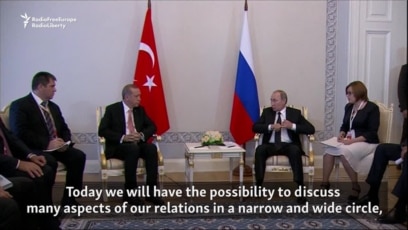
A new trade agreement between government-controlled and opposition-held areas in Syria marks a significant development in the Syrian conflict. This trade initiative, involving key economic exchanges between these once-divided regions, hints at a possible warming of relations between Syrian President Bashar al-Assad and Turkish President Recep Tayyip Erdogan.

The trade agreement comes amid shifting geopolitical dynamics, with Russia playing a pivotal role in facilitating dialogue between the Assad regime and various opposition factions. Moscow’s intervention in the Syrian conflict in 2015, aimed at restoring Assad’s control, has now expanded to include efforts to bridge the gap between conflicting parties. The recent trade pact underscores a potential realignment of alliances and objectives in the region.

The agreement involves the exchange of goods such as food, medicine, and construction materials, which are crucial for rebuilding efforts in the war-torn country. This trade is being managed through a network of intermediaries and is expected to alleviate some of the economic pressures faced by both sides. The move also reflects broader strategic interests, with both Assad and Erdogan seeking to stabilize their respective positions in the region.

The initiative has garnered attention from various international observers and analysts, who view it as a strategic maneuver by both leaders to consolidate their control and influence. The Syrian government sees this trade agreement as a means to reinforce its authority and address humanitarian needs, while Erdogan’s administration is leveraging the opportunity to address economic and political pressures within Turkey.

The trade pact aligns with Russia’s broader objectives in Syria, where Moscow has been working to strengthen its diplomatic and strategic foothold. The Russian government has been actively involved in brokering discussions and mediating between conflicting parties, aiming to create a more stable and cooperative environment in Syria. This recent development is seen as a part of Russia’s strategy to enhance its influence and facilitate a more sustainable resolution to the conflict.

The reaction from the international community has been mixed. While some view the agreement as a positive step towards reducing tensions and fostering dialogue, others remain skeptical about its long-term impact on the broader conflict. Critics argue that while the trade initiative may offer short-term benefits, it does not address the underlying political and security challenges that continue to plague Syria.

As the situation evolves, stakeholders are closely monitoring how this trade agreement will affect the broader dynamics of the Syrian conflict. The potential for improved relations between Assad and Erdogan could reshape the geopolitical landscape of the region, influencing not only Syria’s internal politics but also its interactions with neighboring countries and international actors.

The trade agreement between Syrian regime and rebel areas represents a notable shift in the ongoing conflict, with implications for both regional politics and international diplomacy. The development highlights the complex and evolving nature of the Syrian crisis, reflecting broader trends and strategic interests that continue to shape the region’s future.

Trade between Syria’s regime-held territories and rebel-controlled regions in Idlib has begun to show signs of increased cooperation, potentially hinting at a warming relationship between Syrian President Bashar al-Assad and Turkish President Recep Tayyip Erdogan. This development comes after years of hostilities that have defined the Syrian civil war and the broader geopolitical dynamics in the region.

The Bab al-Hawa crossing, a critical gateway for humanitarian aid and commercial trade between Syria and Turkey, is now functioning under the control of Hayat Tahrir al-Sham (HTS), an Islamist rebel group that dominates the Idlib region. Despite Turkey’s classification of HTS as a terrorist organization, the crossing has become a vital economic lifeline, with HTS reportedly generating millions of dollars in revenue from customs and tariffs imposed on goods passing through the border.

In a more controversial move, HTS has initiated trade with areas under the control of the Syrian regime, particularly through the Saraqib crossing. This crossing, which reopened following negotiations involving HTS, Syrian regime representatives, and Russian commanders, was touted as a means to revitalize the local economy. HTS claimed that the reopening would alleviate the severe shortages of medicine and other essential goods in Idlib, while also boosting the region’s agricultural sector.

The reopening of the Saraqib crossing has been met with mixed reactions. While HTS argues that this economic cooperation is necessary to sustain the local population and reduce reliance on smuggling, critics view it as a betrayal of the rebel cause, potentially signaling a shift in HTS’s stance towards the Assad regime. Additionally, there are reports of ongoing consultations between HTS and Turkey regarding the crossing, indicating a complex interplay of interests that could be influencing the group’s decisions.

The potential rapprochement between Assad and Erdogan is further complicated by Russia’s role in mediating and promoting these trade links. Russia, a key ally of the Syrian government, has been pushing for a normalization of relations between Turkey and Syria, as part of its broader strategy to stabilize the region and secure its interests. This effort aligns with Russia’s goal of strengthening Assad’s position while ensuring that Turkey, which backs several rebel factions, remains engaged in the political process rather than pursuing military options.

However, the thaw in relations is not without challenges. Turkey continues to support rebel groups in Idlib, and any overt alignment with the Assad regime could undermine Erdogan’s standing domestically and among Syrian opposition groups. Moreover, the economic benefits of these trade arrangements, while significant, do not address the underlying political and military tensions that persist between the two sides.

As trade between regime and rebel areas continues to expand, observers are closely monitoring whether this economic cooperation will lead to a broader political detente or if it will merely serve as a pragmatic arrangement in a protracted conflict. The implications of this development could have far-reaching consequences for the future of Syria and the region, particularly if it leads to a recalibration of alliances and power dynamics.

Tensions along the Israel-Lebanon border have sharply escalated after Hezbollah launched a barrage of rockets into northern Israel, following a deadly strike by Israeli forces. The exchange represents one of the most intense clashes between the two sides in over a decade, raising fears of a broader conflict. The rockets, targeting Israel’s Upper Galilee region, were fired shortly after the Israeli Defense Forces (IDF) carried out airstrikes […]

The Gulf states have long been perceived as part of a volatile region often characterized by conflict and instability. However, a closer look reveals a much different narrative, one where economic growth and strategic diplomacy have enabled these nations to thrive, even as their neighbors grapple with turmoil. The stereotype of the Middle East as a monolithic “conflict zone” overlooks the significant strides made by the Gulf […]

A magnitude 5.0 earthquake struck Syria on August 12, reigniting anxieties in a region still scarred by the devastating earthquake that rocked the area last year. The tremor, originally reported as a 5.5 magnitude quake, was later downgraded by the U.S. Geological Survey. The earthquake was felt across multiple cities, including Damascus and Hama, prompting residents to evacuate buildings and spend the night outdoors, fearing potential aftershocks.

The quake’s impact extended beyond Syria’s borders, with tremors felt in neighboring Lebanon and as far as northern Israel. Despite widespread panic, there were no immediate reports of casualties or significant damage, although around 25 people were admitted to hospitals due to anxiety-related issues.

The timing of the earthquake added to the region’s already high levels of tension, with ongoing conflicts and political instability exacerbating fears. Syrian state media quickly disseminated safety guidelines, urging the public to remain vigilant in the face of possible aftershocks. This event brought back haunting memories of the catastrophic 7.8 magnitude earthquake in 2023, which claimed over 59,000 lives in Syria and Turkey, leaving many in the region with lingering trauma.

Experts have expressed concerns that this earthquake might be a precursor to more severe seismic activity. The Syrian National Earthquake Centre has issued warnings for residents to stay alert, emphasizing the importance of preparedness in a region where the ground remains perilously unstable. As authorities and communities brace for the possibility of further quakes, the emotional scars from past disasters continue to weigh heavily on the population, underscoring the fragility of life in this volatile part of the world.

While the immediate physical damage from the latest quake appears minimal, the psychological impact is profound, as residents struggle with the fear and uncertainty that these natural disasters bring. The resilience of the Syrian people is once again being tested, as they navigate the ongoing challenges of rebuilding their lives amidst constant threats, both natural and man-made .

Iranian-backed forces have intensified their attacks on areas controlled by US-backed Kurdish fighters in eastern Syria. The clashes have primarily centered around the oil-rich Deir Ezzor province, escalating tensions in a region already fraught with conflict.

Violence erupted when Syrian government-backed mercenaries and local Arab tribal fighters launched a series of attacks on Kurdish-held villages, including Dhiban, Latwa, and Abu Hamam. These areas, situated near the strategically important Al-Omar oil field, have been scenes of heavy fighting, with casualties reported on both sides.

According to the Syrian Democratic Forces (SDF), the Iranian-backed attackers managed to inflict significant damage, including the destruction of military vehicles and the capture of SDF soldiers. The SDF has since imposed curfews in the affected areas, mobilizing reinforcements to regain control and prevent further incursions.

This surge in hostilities follows a series of provocative actions in the broader Middle East. Notably, the killings of key figures in the Hezbollah and Hamas movements have heightened regional tensions, prompting vows of retaliation from Iranian allies.

The US military, which maintains a presence in eastern Syria to support the SDF against ISIS remnants, has been put on high alert. American forces have been actively involved in the conflict, providing aerial surveillance and support to their Kurdish allies. The situation remains volatile, with US helicopters and drones conducting continuous operations over the conflict zones.

The clashes underscore the fragile nature of alliances and the complexity of the Syrian conflict, where multiple factions vie for control and influence. Iranian influence in the region, bolstered by alliances with local tribes and Syrian government forces, continues to challenge US interests and stability efforts in Syria.

As the conflict unfolds, the humanitarian impact is becoming increasingly severe. Civilians caught in the crossfire face displacement and loss, with access to essential services disrupted by the ongoing violence. The international community watches closely, concerned about the potential for a broader escalation that could draw in more regional powers and further destabilize the Middle East.

U.S. Senators Chris Coons and Ted Cruz introduced a resolution condemning attacks by Iranian military proxies on American troops stationed in Iraq and Syria. The resolution, backed by a bipartisan group of lawmakers, aims to respond to and deter these assaults, which have surged since mid-October following terror attacks by Hamas on Israel. More than 115 incidents have been recorded against U.S. forces in the region, attributed to Iranian-backed militia groups that receive financial and military support from Tehran.

Senator Coons emphasized the necessity for a strong response from the Biden administration to these provocations. He expressed his support for American service members in the Middle East and the mission of the U.S. Central Command in countering terrorism and maintaining regional stability. Senator Cruz highlighted the broader implications of Iranian aggression, which not only endangers American troops but also threatens freedom of navigation and global economic stability through actions in critical waterways like the Red Sea.

The resolution is co-sponsored by a diverse group of senators, reflecting broad bipartisan concern over the issue. Among the co-sponsors are Senators Jeanne Shaheen, Joe Manchin, Katie Britt, and John Barrasso, among others. They collectively underscore the urgency of holding Iran accountable for its actions and supporting measures to protect U.S. personnel and interests abroad.

In parallel, a separate legislative effort led by Senators Jeff Merkley and Marco Rubio, the Transnational Repression Policy Act, addresses the broader issue of foreign governments targeting dissidents and activists across borders. This bill proposes new policies to hold foreign entities accountable for such repressive actions, which can include stalking, intimidation, and physical assault. High-profile cases cited in support of this legislation include the Belarusian government’s diversion of a plane to arrest an opposition journalist and various instances of harassment by Iranian and Chinese agents against activists abroad.

These legislative initiatives represent a concerted effort by U.S. lawmakers to address and deter acts of aggression and repression by foreign governments. They highlight the ongoing challenges posed by authoritarian regimes to international stability and human rights, and the steps being taken to ensure accountability and protection for those targeted by such actions.

Palestinians in Gaza are grappling with heightened despair following the tragic death of three sons of Hamas leader Ismail Haniyeh in an Israeli airstrike. This attack occurred during the Muslim holiday of Eid al-Fitr, a time typically marked by celebration and communal gathering.

The Israeli airstrike targeted a car carrying Haniyeh’s sons—Hazem, Amir, and Mohammed—along with several of his grandchildren in the Al-Shati refugee camp. Eyewitnesses reported the car being obliterated, resulting in the deaths of all its occupants. This incident has intensified the already dire humanitarian situation in Gaza, where more than 30,000 Palestinians have been killed since the conflict began six months ago.

Ismail Haniyeh condemned the attack as a “horrendous massacre” and reaffirmed his commitment to the Palestinian cause. In a televised statement, he declared that such actions by Israel would not weaken the resolve of the Palestinian people but instead strengthen their determination to resist.

The war in Gaza has led to widespread devastation, with the majority of the population facing severe shortages of food, clean water, and medical supplies. Israel’s military offensive has displaced 85% of Gaza’s population, leaving many without homes and basic necessities. The international community has voiced concern over the humanitarian crisis, with the International Court of Justice urging Israel to take measures to prevent famine in the region.

This event has exacerbated tensions in the Middle East, with Israel’s actions being condemned by various global leaders. Iran’s Supreme Leader, Ayatollah Ali Khamenei, issued a stern warning to Israel, promising repercussions for the airstrike that also killed several Iranian generals in Syria.

As Gaza continues to mourn, the future remains uncertain. The conflict has pushed the region to the brink, with the latest incident only deepening the sense of hopelessness among its residents.

A high-level meeting between Egypt’s Foreign Minister Badr Abdelatty and Iran’s new President Masoud Pezeshkian has marked a significant step towards normalizing relations between the two countries. The encounter took place on the sidelines of Pezeshkian’s inauguration, symbolizing a potential thaw in diplomatic ties that have been strained for decades.

The diplomatic engagement follows months of behind-the-scenes negotiations aimed at easing long-standing tensions. Abdelatty’s attendance at the inauguration is seen as a strategic move to open new channels of communication and cooperation between Cairo and Tehran. This development comes amid broader regional efforts to stabilize the Middle East and foster collaborative relationships among key players.

Egypt and Iran, both influential countries in the region, have historically had a contentious relationship, primarily due to differing political ideologies and alliances. The Egyptian government has maintained close ties with Saudi Arabia and the United States, both of which have had adversarial stances towards Iran. Conversely, Iran’s alliances with non-state actors and its involvement in regional conflicts have further complicated relations.

The meeting between Abdelatty and Pezeshkian is part of a larger trend of rapprochement in the region. The recent reconciliation between Saudi Arabia and Iran, brokered by China, has set a precedent for other nations to follow. This shift is driven by the realization that regional stability and economic development are interlinked and can be better achieved through dialogue rather than confrontation.

Observers note that while the meeting is a positive step, significant challenges remain. The diplomatic normalization process will require addressing contentious issues such as Iran’s nuclear program, its influence in Iraq, Syria, and Lebanon, and its support for groups that Egypt and its allies consider destabilizing. Additionally, Egypt’s strategic partnerships with countries opposing Iran’s regional policies could complicate the normalization efforts.

However, both countries have shown a willingness to engage in dialogue. Abdelatty emphasized the importance of cooperation in areas such as trade, tourism, and cultural exchanges, which could serve as a foundation for rebuilding trust and fostering mutual benefits. Pezeshkian, on his part, expressed optimism about the future of bilateral relations, highlighting the potential for collaboration in addressing regional security challenges and economic opportunities.

Analysts believe that successful normalization between Egypt and Iran could have far-reaching implications for the region. Improved relations could lead to increased economic cooperation, contributing to regional stability and development. It could also pave the way for more comprehensive diplomatic efforts to resolve ongoing conflicts in the Middle East.

The international community is closely monitoring these developments, recognizing the significant impact they could have on global geopolitics. The United States and European Union have expressed cautious optimism, hoping that this rapprochement could lead to broader stability in the region. China, having played a crucial role in the Saudi-Iran reconciliation, has also shown interest in supporting Egypt-Iran normalization efforts, viewing it as a part of its broader strategy to enhance its influence in the Middle East.

The path to normalization is expected to be gradual and fraught with challenges. Both Egypt and Iran will need to navigate a complex web of regional alliances and domestic political considerations. Nonetheless, the willingness to engage in high-level dialogue signifies a noteworthy shift in their approach to regional diplomacy.

As the process unfolds, it will be essential for both nations to maintain a focus on mutual interests and the broader goal of regional stability. The potential benefits of normalized relations are substantial, offering a new chapter of cooperation and development in a region long marred by conflict and division.

M A Hossain After a recent rocket attack on a soccer field in the Israeli-controlled Golan Heights, the question of whether the Middle East is on the verge of an all-out war has captured global attention. This attack, which resulted in the death of 12 people amid the ongoing Gaza conflict, has escalated tensions to a critical level. In response, Israeli forces carried out a drone strike […]

An Israeli airstrike targeted Hezbollah commander Fouad Shukr in Beirut, marking a significant escalation in tensions between Israel and Hezbollah. Shukr, a senior military figure within the Lebanese group, is known for his close ties to Hezbollah’s leadership and his involvement in strategic operations.

The airstrike occurred late Tuesday, with initial reports indicating that Shukr was among the primary targets. Lebanese media confirmed the attack, noting damage to several buildings in the southern suburbs of Beirut, a Hezbollah stronghold. The area, often referred to as Dahiyeh, has seen similar strikes in the past, but this operation specifically aimed at Shukr signals a more direct confrontation.

Fouad Shukr, also known by his nom de guerre, Al-Hajj Mohsin, has been a prominent figure in Hezbollah for decades. His military career began in the early 1980s, and he has since ascended through the ranks, becoming a key advisor to Hezbollah’s Secretary-General Hassan Nasrallah. Shukr’s expertise in military tactics and his role in coordinating operations in Syria have made him a critical asset to the organization.

Hezbollah’s involvement in the Syrian conflict has been extensive, with Shukr playing a pivotal role. His strategic planning and operational oversight have contributed to the group’s efforts to support the Syrian government, particularly in key battles such as those in Aleppo and Qusayr. These operations have cemented Shukr’s reputation as a skilled military leader within Hezbollah’s ranks.

The Israeli government has long viewed Shukr as a significant threat. His role in planning and executing operations against Israeli targets, both within Lebanon and abroad, has placed him high on Israel’s list of adversaries. Israeli officials have accused Shukr of being involved in the 1983 Beirut barracks bombings, which killed 241 U.S. service members, a claim that Hezbollah has consistently denied.

This targeted strike on Shukr is part of a broader Israeli strategy to disrupt Hezbollah’s military capabilities. Israel has repeatedly stated its intent to prevent Hezbollah from acquiring advanced weaponry and strengthening its position along the Israeli-Lebanese border. Over the years, Israel has conducted numerous airstrikes in Syria and Lebanon aimed at intercepting weapons shipments destined for Hezbollah.

The timing of this strike is particularly noteworthy. It comes amid heightened tensions in the region, with ongoing conflicts in Syria and escalating confrontations between Israel and Iranian-backed militias. Hezbollah’s close alliance with Iran has further complicated the dynamics, as Israel seeks to counter Iranian influence in the Middle East.

Reactions to the strike have been swift. Hezbollah condemned the attack, vowing retaliation and reinforcing its commitment to resist Israeli aggression. The Lebanese government, while acknowledging the attack, has called for restraint to avoid further escalation. International reactions have been mixed, with some countries urging both sides to de-escalate and others expressing concern over the potential for a broader conflict.

Analysts suggest that this strike could have significant implications for the stability of the region. Hezbollah’s response will likely determine the immediate future of Israeli-Lebanese relations. Should Hezbollah choose to retaliate, the possibility of a larger military confrontation cannot be ruled out. However, the group may also opt for a more calculated response, avoiding direct confrontation while continuing to strengthen its military infrastructure.

The situation remains fluid, with the potential for rapid developments. As both Israel and Hezbollah navigate this latest escalation, the international community will be closely monitoring the unfolding events. The strike on Fouad Shukr underscores the persistent volatility in the region and the ongoing struggle for power and influence between Israel and Hezbollah.

Hezbollah’s next moves, coupled with Israel’s strategic objectives, will shape the regional landscape in the coming months. This episode highlights the fragile nature of the current ceasefire and the ever-present risk of conflict in the Middle East.

A series of U.S. airstrikes targeted facilities used by Iran-backed militia groups in Iraq, following a surge in attacks on American forces in the region. The strikes were conducted in response to ballistic missile attacks that wounded several U.S. soldiers.

The targeted facilities, operated by the Hezbollah Brigades, included a headquarters, storage areas, and training sites for rockets, missiles, and unmanned aerial vehicles (UAVs). These strikes mark the latest escalation in the ongoing conflict between U.S. forces and Iran-backed militias, which have conducted over 150 attacks on U.S. bases in Iraq and Syria since October 2023.

U.S. Secretary of Defense Lloyd Austin described the strikes as “necessary” and “proportionate,” aimed at deterring further attacks on U.S. and coalition personnel. The Hezbollah Brigades, designated as a Foreign Terrorist Organization by the U.S., have vowed to continue their assaults. Their spokesperson, Jaafar al-Husseini, affirmed their commitment to targeting U.S. strongholds.

The airstrikes resulted in the death of Ali Subieh, a fighter with the Hezbollah Brigades, as confirmed by the group on its Telegram channel. This development underscores the persistent volatility in the region, with Iran-backed groups maintaining their offensive stance despite significant losses.

The conflict has intensified since the onset of the Israel-Hamas war in October 2023, which has indirectly fueled militia activities against U.S. interests. The U.S. response, involving precision strikes on militia assets, aims to mitigate threats and stabilize the security situation for American and allied forces.

Hezbollah Brigades, a prominent Shia militia in Iraq, receives extensive support from Iran’s Qods Force, including training, funding, and weaponry. Founded by Abu Mahdi al-Muhandis and closely allied with the late Qassem Soleimani, the group has been a significant adversary for U.S. forces in the region. The persistent threat posed by these militias necessitates ongoing vigilance and strategic countermeasures by the U.S. military.

Tensions between Israel and Lebanon have escalated with both nations filing formal complaints with the United Nations Security Council. This development underscores the rising risk of military conflict in the region, driven by a series of recent confrontations and ongoing disputes.

Israel’s complaint accuses Lebanon of violating international norms by allowing Hezbollah, a militant group, to launch attacks from Lebanese territory. According to Israeli officials, these actions have resulted in significant damage to Israeli infrastructure and civilian areas. The Israeli government claims that Hezbollah’s aggressive actions not only breach Lebanese sovereignty but also threaten regional stability.

Conversely, Lebanon’s complaint highlights Israeli military operations within Lebanese airspace and territory. Lebanese authorities argue that Israel’s frequent incursions and airstrikes violate Lebanon’s sovereignty and have caused considerable harm to both military and civilian targets. The Lebanese government asserts that these actions are unjustified and exacerbate the already volatile situation in the region.

The exchange of complaints follows a series of border skirmishes and heightened rhetoric from both sides. The recent military exchanges have intensified fears of a broader conflict, with both nations mobilizing forces and preparing for possible escalation. The UN Security Council is now faced with the challenge of addressing these grievances and finding a pathway to de-escalate the situation.

The international community has expressed concern over the potential for a larger-scale conflict, emphasizing the need for diplomatic solutions and dialogue. Various nations and organizations have called for restraint and urged both Israel and Lebanon to engage in negotiations to prevent further violence.

Hezbollah’s role in the conflict remains a central issue, as the group’s operations are a significant point of contention between the two countries. The organization, which is backed by Iran, has a history of hostility toward Israel and has been involved in numerous clashes with Israeli forces over the years.

The situation is further complicated by the broader regional dynamics, including the influence of Iran and the ongoing civil conflict in Syria. These factors contribute to the complexity of the Israeli-Lebanese relations and the challenges in addressing the current disputes.

As the UN Security Council considers the complaints, there is a pressing need for effective mediation to address the underlying issues and prevent further escalation. The international body will likely seek to facilitate dialogue between the two nations and work towards a peaceful resolution to the ongoing tensions.

The outcome of the UN Security Council’s deliberations could significantly impact the trajectory of Israeli-Lebanese relations and the stability of the region. Both countries’ actions and the international response will be closely watched as efforts to de-escalate the situation continue.

VISHNU RAJA
RYO YAMADA
HITORI GOTOH
IKUYO KITA