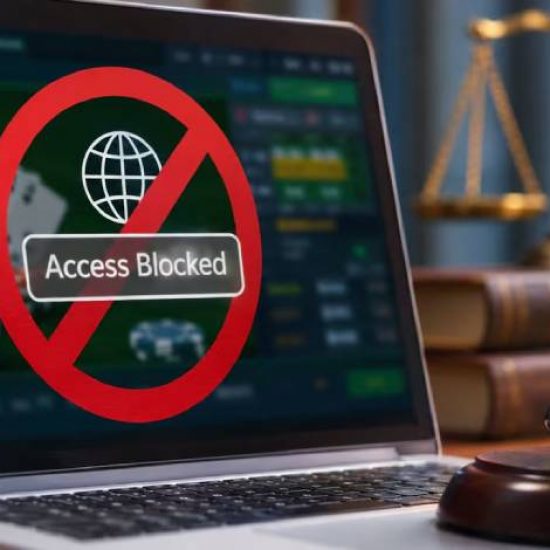
The United States has launched a series of measures aimed at countering what it describes as Russian attempts to interfere in the forthcoming presidential election. This includes targeting Russian-operated fake news sites and unwitting influencers believed to be spreading disinformation.
U.S. officials have identified a sophisticated network of misinformation campaigns orchestrated by Russian entities. These campaigns are designed to manipulate public opinion and sow discord among voters. The interventions reportedly involve fake news websites masquerading as credible sources and social media influencers who unknowingly propagate misleading content.
The Department of Homeland Security and the Federal Bureau of Investigation have been instrumental in uncovering and disrupting these operations. According to officials, these measures are part of a broader strategy to safeguard the integrity of the electoral process from foreign interference.
The U.S. government’s actions come amid growing concerns about the influence of foreign actors on domestic politics. A recent report by the Cybersecurity and Infrastructure Security Agency revealed that Russian operatives have been using advanced techniques to exploit social media platforms. This includes creating fake profiles and bots to amplify divisive content.
Further investigations have uncovered a network of fake news websites that have been disseminating false information on a range of issues, from health care to election integrity. These sites often present fabricated stories in a way that mimics legitimate journalism, making it challenging for the public to discern the truth.
The actions taken by the U.S. include sanctions against individuals and organizations implicated in these interference activities. Additionally, there are efforts to increase public awareness about misinformation and to provide resources for fact-checking and media literacy.
Experts suggest that the goal of these Russian operations is not only to influence voter behavior but also to undermine trust in democratic institutions. By creating confusion and polarization, these tactics aim to erode the public’s confidence in the electoral process.
In response to these threats, U.S. officials are working closely with social media companies to identify and remove harmful content. These collaborations are designed to prevent the spread of disinformation and to ensure that platforms remain free from manipulation by foreign actors.
The impact of these Russian interference efforts on the election remains a topic of intense debate. While some analysts argue that the influence of fake news and disinformation campaigns can be significant, others emphasize the resilience of democratic institutions and the ability of voters to critically evaluate information.
The U.S. government’s proactive stance reflects a growing recognition of the need to address the evolving threats posed by foreign interference. As the election approaches, there will likely be continued efforts to fortify cybersecurity measures and to promote transparency in the electoral process.
Follow Arabian Post
Select Arabian Post as your preferred source on Google and MSN News for trusted business news and Arab politics and updates.