Vermont farmer Anne O’Connor expected two lambs from Teemu, a Finnsheep at Clover & Bee Farm in Underhill. Instead, the ewe delivered six healthy lambs, turning an ordinary spring lambing into an unusually large birth for the small wool-focused farm. The sextuplets arrived earlier this month after a check-up had suggested Teemu was carrying twins. O’Connor, who runs the farm with her husband, Gunnar, had suspected the […]
Japan’s yen rallied sharply against the dollar on Friday as traders braced for further official action from Tokyo after suspected currency intervention jolted global markets during a packed week of central bank decisions.
The dollar fell to around 155.60 yen at one point in London trading, before recovering part of the move to trade near 156.40. The rebound in the yen followed a dramatic reversal on Thursday, when the Japanese currency strengthened by about 3 per cent after the dollar briefly climbed above 160 yen, a level widely viewed in markets as politically sensitive for Tokyo.
Japan’s top currency official Atsushi Mimura said authorities remained concerned about speculative moves and were watching markets closely. Finance Minister Satsuki Katayama had already warned that Tokyo was ready to take decisive action if currency movements became disorderly. The comments reinforced market expectations that further intervention could follow, particularly during Japan’s Golden Week holiday period, when thinner trading conditions can magnify exchange-rate swings.
Bank of Japan money-market data suggested authorities may have spent about 5.48 trillion yen, or roughly $35 billion, to support the currency on Thursday. The scale would be close to the size of Japan’s July 2024 intervention, when authorities moved after the yen weakened to a 38-year low near 162 per dollar. Tokyo typically does not confirm intervention immediately, preferring to disclose monthly figures later, but unusually large projected fund flows at the central bank often provide an early signal of official activity.
The pressure on the yen has been building for months as the interest-rate gap between Japan and the United States remains wide. The Bank of Japan kept its policy rate at around 0.75 per cent this week, although three board members dissented and argued for a rise to 1 per cent. That split underlined growing concern inside the central bank that imported inflation, higher energy costs and yen weakness could feed into domestic prices.
The Federal Reserve also left rates unchanged, keeping its target range at 3.5 to 3.75 per cent. The gap between US and Japanese yields continues to encourage carry trades, in which investors borrow cheaply in yen and invest in higher-yielding dollar assets. Such positioning has made the yen vulnerable whenever markets believe Tokyo’s warnings lack force.
The intervention threat gained urgency after oil prices climbed on concerns over disruption linked to the Iran conflict and risks around the Strait of Hormuz. Japan, heavily dependent on imported energy, faces a double blow from higher crude prices and a weaker currency, which raises the local cost of fuel, food and raw materials. That dynamic complicates the Bank of Japan’s effort to normalise policy gradually without damaging a fragile recovery.
The broader central bank backdrop added to volatility. The European Central Bank kept its deposit rate at 2 per cent while signalling that inflation risks had intensified. The Bank of England held Bank Rate at 3.75 per cent in an 8-1 vote, with one policymaker favouring an increase. Across major economies, policymakers are balancing weaker growth signals against renewed price pressures from energy and supply disruptions.
Currency traders said Japan’s challenge is that intervention can slow a slide but rarely reverses a trend unless supported by monetary policy or a shift in global rates. A one-off operation may force investors to cut speculative positions, but renewed dollar strength can quickly restore pressure on the yen if US yields remain elevated and the Bank of Japan moves cautiously.
The timing of the suspected intervention was also significant. With European markets partly thinned by the May Day holiday and Japan heading into an extended holiday stretch, liquidity conditions were expected to remain fragile. Authorities have often chosen moments of thin trading to maximise the impact of currency operations, but such moves also increase the risk of sudden reversals when full market participation returns.
For households and companies in Japan, the exchange-rate battle has direct economic consequences. A weaker yen benefits exporters by raising the value of overseas earnings, but it also lifts import bills and squeezes consumers through higher costs. Large manufacturers have been able to absorb some of the pressure, while smaller businesses reliant on imported inputs face tighter margins.
Global internet reliability came under sharper pressure in the first quarter of 2026 as shutdowns, war damage, power failures and cable incidents disrupted connectivity across several regions, exposing a widening risk for enterprises that depend on cloud platforms, cross-border data flows and always-on digital services. Cloudflare’s review of disruptions from January to March showed that the most damaging incidents were not dominated by software faults alone. Political […]
Arabian Post Staff -Dubai US President Donald Trump urged Iran to “get smart soon” and agree to a deal as Washington weighed a longer blockade of Iranian ports, raising the stakes in a confrontation that has already unsettled energy markets, shipping routes and diplomacy across the Gulf. Trump’s message on Truth Social followed several days of stalled contacts aimed at ending the conflict and securing restrictions on […]
A fake video meeting can now be enough to breach a Web3 company, with North Korea-linked BlueNoroff hackers using bogus Zoom calls, clipboard tricks and fileless PowerShell malware to steal credentials from cryptocurrency targets across multiple countries. The campaign marks a sharper turn in social engineering against the digital assets sector, where attackers are no longer relying only on malicious attachments or crude phishing pages. Instead, they […]
Having led 100+ Hong Kong tech firms to SE Asia over the past year, accelerating global expansion through strategic collaboration
HONG KONG SAR – Media OutReach Newswire – 30 April 2026 – Hong Kong Science and Technology Parks Corporation continues to deepen its innovation and technology (I&T) collaboration with Southeast Asia, actively playing an orchestrating role in supporting Hong Kong’s tech firms go global. HKSTP debuted as an official exhibitor at Southeast Asia’s largest public safety conference, Milipol TechX Summit 2026 (MTX 2026). Under the theme “Supercharging Innovation for Our Safer Tomorrow”, MTX 2026 is a strategic platform to advance business opportunities through government-backed collaboration. HKSTP showcased 10 park companies presenting breakthrough public safety solutions and signed a Memorandum of Understanding (MoU) with Singapore’s TechX Ventures (TechX, a private subsidiary by the HTX – Home Team Science and Technology Agency of Singapore) — HKSTP’s first MoU signed with an organization in Southeast Asia — establishing a structured framework to advance cross-border innovation partnerships focused on practical applications in public safety.
HKSTP debuted as an official exhibitor at Southeast Asia’s largest public safety conference, Milipol TechX Summit 2026 (MTX 2026). Eric Or, Chief Ecosystem Development Officer and Gladys Oon, Director of Partnerships and Account Management of HKSTP, officiated the opening of HKSTP Pavilion.
Singapore and Hong Kong share a substantive relationship, grounded in regular high-level engagement. These include the Prime Minister of Singapore’s official visit to Hong Kong last month, during which he met with the Chief Executive of the Hong Kong Special Administrative Region and visited the Hong Kong Park of the Hetao Shenzhen-Hong Kong Science and Technology Innovation Co-operation Zone (the Hong Kong Park in the Loop). The I&T connection also features HKSTP-led delegations to Singapore platforms such as Singapore Week of Innovation and Technology (SWITCH) and SLINGSHOT 2025, etc. Over the past year, more than 100 HKSTP park companies explored Southeast Asian opportunities, securing over HK$25 million in confirmed business deals with additional potential contracts exceeding HK$20 million directly supported by HKSTP.
Eric Or, Chief Ecosystem Development Officer, HKSTP, said, “At HKSTP, we enable innovators to solve real public safety challenges where trust and demonstrated results matter most. Collaborating with TechX and Singapore’s Public Safety ecosystem gives ventures faster access to decision-makers, enables solution testing in operational environments, and supports scaling validated technologies across Asia.”
Eric Chua, Chief Executive Officer, TechX Ventures said: “SPINN District was designed to be more than a startup village — it is a proving ground where bold founders showcase innovations that matter. Seeing HKSTP’s park companies engage meaningfully with the global public safety ecosystem at MTX 2026 reflects exactly the kind of cross-border momentum we built this platform for. This MoU marks the beginning of something lasting: a structured pipeline that turns innovation into operational impact, as we work together to build a safer world.”
The collaboration between HKSTP and TechX is aimed to establish a comprehensive framework to identify, co-create, and validate operational public safety solutions. Under the partnership, HKSTP and its counterparts will move from identified needs to real deployment through annual solution scouting visits to Hong Kong Science Park, funding of around HK$600,000 (S$100,000) per company for proof-of-concept trials with Singapore Public Safety experts, and an ongoing exchange of challenges and insights. This demand-led model accelerates problem-solution fit and reinforces HKSTP’s leadership in regional safety technology collaboration.
The HKSTP Pavilion, themed “Hong Kong’s Technology for Public Safety and Security — Global Application and Global Impact,” featured 10 park companies showcasing solutions proven in deployments across Hong Kong enforcement departments, the Greater Bay Area, and Singapore-related projects. Cutting-edge public safety technologies were showcased across AI-Driven & Robotics, Network & Communications Infrastructure, and Drones, Unmanned Aerial Vehicle (UAV) & Low-altitude Economy (LAE). MTX is the largest public safety conference in Southeast Asia, the HKSTP pavilion is strategically positioned within the startup-centric SPINN District, effectively facilitated targeted engagements, secured curated matching opportunities with Singapore government agencies for each participating company, and advanced pilot projects and partnerships.
Park companies eSIX and Weitu AI participated in the signature global innovation challenge Dimension X Cohort 6 and the inaugural cohort of the In-Beta tech verification capability programme organized by Hatch, the innovation centre of Singapore’s HTX, achieving significant success. These companies were the only Hong Kong representatives selected for the programmes, underscoring the global competitiveness and real-world impact of Hong Kong’s innovation ecosystem. eSIX, which delivers patented high-speed networking for Industrial IoT and 5G-enabled remote machine control, was awarded a place at Dimension X. The company received S$100,000 in prize money to complete a four-month proof-of-concept and was invited to showcase its solutions. Weitu AI, which provides world-leading multimodal video understanding for fast, accurate analysis across industries was awarded a place at In-Beta, received S$30,000 in prize money with opportunities to verify their promising tech through rapid experimentation and onsite demo.
Building on existing engagement across the region, HKSTP will continue to strengthen collaboration with regional partners, expand support for park companies, and promote technology‑driven solutions that enhance safety and resilience. The initiative reflects HKSTP’s ongoing commitment to fostering sustained innovation and regional cooperation.
Hashtag: #HKSTP
The issuer is solely responsible for the content of this announcement.
About Hong Kong Science and Technology Parks Corporation
Hong Kong Science and Technology Parks Corporation (HKSTP), established in 2001, has built a thriving innovation and technology (I&T) ecosystem in Hong Kong, supporting 12 unicorns, nurturing over 17,000 research talents, and hosting more than 2,500 technology companies from 26 countries and regions specializing in biomedicine, AI and robotics, fintech, and smart city development. HKSTP is dedicated to positioning Hong Kong as an international I&T hub.
To align with Hong Kong’s future development, HKSTP is committed to attracting and cultivating I&T talent, accelerating the commercialization of innovative outcomes, and providing comprehensive support for technology companies and professionals on their innovation journey. Its vibrant I&T ecosystem continues to grow, encompassing Hong Kong Science Park in Pak Shek Kok, InnoCentre in Kowloon Tong, and three InnoParks in Tai Po, Yuen Long, and Tseung Kwan O. These facilities drive advancements in applied technology, focusing on industries such as advanced manufacturing, micro- electronics, and biotechnology, steering Hong Kong toward new industrialization.
Hong Kong Science Park Shenzhen Branch, located in Futian, Shenzhen, leverages the strategic advantage of “support of the Motherland, connecting to the world.” It serves as a bridge for “bringing in and going global,” actively fostering cross-border I&T collaboration. The Shenzhen Branch supports global technology companies and professionals by providing research and collaboration spaces, with a focus on enterprises in seven key sectors: Medtech, big data and AI, robotics, new materials, microelectronics, fintech, and sustainable development.
HKSTP is dedicated to advancing Hong Kong’s I&T development by providing research infrastructure, startup and enterprise support services, professional investment and business expertise, fostering partnership networks, and attracting top talent. These efforts drive innovation as a new engine for economic growth for Hong Kong.
More information about HKSTP is available at www.hkstp.org.
About TechX Ventures
TechX Ventures is a wholly owned subsidiary of Singapore’s Home Team Science & Technology Agency (HTX) that operates at the intersection of government mandate and entrepreneurial drive. TechX serves as the engine behind a thriving innovation ecosystem where cutting-edge science and technology are put to work protecting people.
At the heart of it, TechX is established to connect global innovators and partners in advancing public safety innovation. Guided by our Safer World philosophy — the belief that progress means nothing if it doesn’t safeguard public safety — TechX approaches safety not as a sector, but as a shared mission. This conviction shapes every partnership forged, every programme designed, and every measure of success. Safety, at TechX, is our purpose.
TechX delivers its mission through two core areas of expertise: to build and to connect. TechX designs and develops innovation initiatives and programmes alongside partners from across the globe, including flagship platforms such as HTX’s Innovation Centre, Hatch — a structured innovation centre that gives frontier deep-tech a clear pathway to validate and deploy solutions for real public safety challenges. TechX also bridges industry, startups, and government agencies into a global network, producing landmark events such as Millipol TechX, and bringing international communities like DEF CON® to Singapore for the first time.
With active partnerships spanning over 30 ecosystems globally — from Hong Kong to South Korea, and the United States, TechX sits at the heart of a growing worldwide alliance united by one ambition: Bringing Together a Safer World.
Arabian Post Staff -Dubai Dubai’s aviation regulator has launched a passenger-rights framework that gives travellers a clearer route to raise complaints, track cases online and seek resolution when disputes arise with airlines or licensed travel agents. The Aviation Consumer Welfare Directive, introduced by the Dubai Civil Aviation Authority, establishes a formal regulatory reference for the relationship between passengers, carriers and travel agents operating in the emirate. It […]
SINGAPORE – Media OutReach Newswire – 30 April 2026 – As higher education continues to evolve beyond academic achievement, Singapore Institute of Management Global Education (SIM GE) is reinforcing its commitment to holistic student development through Project 1095, a strategic initiative designed to maximise every day of a student’s three-year university journey.
Built on the belief that university life extends far beyond lectures and examinations, Project 1095 represents SIM GE’s vision of a fully integrated student experience where academic learning is complemented by co-curricular engagement leadership development and personal growth. At the heart of this initiative lies a vibrant ecosystem of student clubs which play a pivotal role in shaping a meaningful and transformative university experience.
With more than 80 student led clubs across sports arts culture special interest groups and student governance SIM GE provides students with diverse opportunities to explore their passions, build communities and develop essential life skills.
A Structured Approach to Holistic Education
Project 1095 named after the 1095 days that make up a typical three-year university programme offers a structured framework that encourages students to make the most of their time on campus. Rather than viewing student life as supplementary, SIM GE positions it as an integral part of the educational journey.
Through this framework student clubs serve as practical platforms for experiential learning, enabling students to apply classroom knowledge in real world settings. Whether organising large scale campus events, leading committees or collaborating with peers from diverse backgrounds, students gain hands on experience that fosters confidence, adaptability and resilience.
Fostering Belonging in a Diverse Campus Community
Beyond skills development, student clubs are instrumental in cultivating a strong sense of belonging among SIM GE’s diverse student population. With a wide range of international cultural and interest-based groups, students can connect with like-minded peers while also broadening their perspectives through cross cultural interaction.
Project 1095 emphasises this aspect of community building, recognising that a supportive and engaging campus environment contributes significantly to overall student wellbeing and success. By participating in club activities students are encouraged to form meaningful relationships and create lasting memories throughout their university journey in SIM.
Preparing Future Ready Graduates
As employers increasingly seek graduates with strong interpersonal and leadership skills, SIM GE’s focus on co-curricular engagement aligns closely with industry expectations. Through its student clubs and Project 1095 framework, students actively take on roles such as organising campus wide events, leading club committees, managing projects and collaborating with peers across diverse backgrounds. These hands-on experiences enable students to develop critical competencies including leadership, communication, teamwork and problem solving in real world settings. For instance, students gain practical exposure by planning large scale events, coordinating with stakeholders and taking ownership of initiatives, allowing them to translate classroom knowledge into actionable skills.
Through Project 1095, SIM GE aims to produce well rounded graduates who are not only academically prepared but also equipped with confidence and global outlook needed to thrive in an evolving workforce.
Making Everyday Count
Project 1095 underscores SIM GE’s belief that university is more than earning a degree, it is about making every one of the 1095 days meaningful. By embedding student clubs and co-curricular experiences into the student journey, SIM GE delivers a holistic education that goes beyond the classroom. Through these experiences, students are empowered to grow, build connections and develop the skills needed to thrive in a dynamic global environment.
The issuer is solely responsible for the content of this announcement.
About SIM Global Education
SIM Global Education (SIM GE) is a leading private education institution in Singapore and the region. We offer more than 140 academic programmes ranging from diplomas and graduate diploma programmes to bachelor’s and master’s degree programmes with some of the world’s most reputable universities from Australia, Canada, Europe, United Kingdom, and the United States. SIM GE’s cohort is made up of 17,000 full- and part-time students and adult learners, of which approximately 41% are international students hailing from over 50 countries.
SIM GE’s holistic learning approach and culturally diverse learning environment aim to equip students with knowledge, industry skills and employability competencies, as well as a global perspective to succeed as future leaders in a fast-changing, technologically driven world.
For more information on SIM Global Education, visit www.sim.edu.sg
By K Raveendran Abu Dhabi’s decision to walk away from OPEC marks more than a dispute over barrels. It signals a recalibration of Gulf power, energy strategy and security alignments at a moment when the Iran war has exposed the limits of regional consensus. For decades, the UAE operated inside a cartel system dominated by […]
Hong Kong recorded its widest visible trade deficit since comparable records began in 1952, as imports outpaced a powerful export rebound driven by demand for artificial intelligence-related electronics and high-value technology goods.
The city’s merchandise trade gap widened to HK$89.1 billion in March 2026, equal to 12.6 per cent of the value of imports. Total exports rose 35.8 per cent year on year to HK$618.4 billion, while imports jumped 41.2 per cent to HK$707.5 billion, underscoring the unusual scale of the surge in cross-border goods flows through one of Asia’s main trading hubs.
The figures point to a mixed signal for Hong Kong’s externally oriented economy. Export growth was the strongest since early 2021, reflecting robust global demand for electronic components, telecommunications equipment, semiconductors and related supply-chain goods. Yet the sharper rise in imports left the city with a deficit larger than any monthly gap recorded over more than seven decades, highlighting the pressure created by front-loaded purchases, supply-chain repositioning and higher input costs.
For the first quarter of 2026, total exports climbed 32 per cent from a year earlier, while imports increased 37 per cent. The visible trade deficit for the quarter reached HK$168.4 billion, equivalent to 9.8 per cent of imports. On a seasonally adjusted basis, exports rose 18.4 per cent from the previous quarter, while imports advanced 20 per cent.
The most striking gains came from technology-linked categories. Exports of electrical machinery, apparatus, appliances and related parts rose by HK$99.8 billion, or 47.9 per cent, in March from a year earlier. Telecommunications and sound recording equipment exports increased by HK$40.2 billion, or 94.7 per cent, while non-ferrous metals shipments rose by HK$10.2 billion, or 175.9 per cent.
Imports showed a similar pattern, but with larger absolute increases in several categories. Purchases of electrical machinery and related parts grew by HK$106.2 billion, or 49.5 per cent. Telecommunications and sound recording equipment imports rose by HK$45.3 billion, or 93 per cent. Non-ferrous metals imports surged by HK$30.4 billion, a rise of more than 400 per cent, suggesting strong demand for materials used in electronics, data-centre infrastructure and advanced manufacturing supply chains.
The widening deficit also reflects Hong Kong’s role as a re-export centre rather than a conventional manufacturing economy. Goods imported into the city often move onwards to mainland China, Southeast Asia, the United States and Europe after financing, logistics, testing, repackaging or redistribution. During periods of strong global technology demand, import values can rise faster than exports if companies build inventories, reroute shipments or accelerate procurement to avoid transport delays.
Geopolitical tensions have added another layer of volatility. The war in the Middle East has pushed up energy prices, raised shipping risks and complicated trade routes linking Asia with Europe and the Gulf. Higher freight and insurance costs can lift the recorded value of imports, while uncertainty over maritime routes may encourage companies to bring forward shipments or diversify logistics channels. Hong Kong, with its deep financial links and dense regional supply-chain networks, is exposed to those shifts even when final demand originates elsewhere.
The export destination data showed broad-based strength across Asia and beyond. Shipments to Singapore more than doubled, while exports to Malaysia, Thailand, Taiwan and mainland China recorded strong gains. Exports to the United States also rose sharply, reflecting resilient demand for electronics and technology-linked goods despite continuing trade friction and tariff risks. Shipments to the United Kingdom declined, indicating uneven demand across advanced markets.
On the import side, increases were recorded from most major suppliers. Purchases from the United Kingdom, Korea, India, Vietnam, the United States and mainland China all rose substantially, underlining the geographically diverse nature of the procurement surge. Mainland China remained central to the city’s trade flows, both as a supplier and destination, while Southeast Asian economies continued to gain prominence in electronics and component supply chains.
The data suggest that Hong Kong is benefiting from the global investment race in artificial intelligence, cloud computing and advanced electronics, but the gains come with greater exposure to external shocks. Demand for AI servers, chips, networking equipment and related components has lifted trade volumes across Asia, while higher energy prices and shipping uncertainty are adding costs and complicating timing decisions for importers.
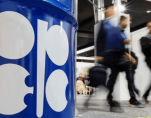
Abu Dhabi’s decision to leave OPEC and the wider OPEC+ alliance from May 2026 is set to redraw the balance of influence inside the oil producers’ bloc, with the first market impact likely to be muted while Gulf export routes remain constrained by the war around Iran. The move removes one of OPEC’s biggest producers from a system built on coordinated supply limits, voluntary cuts and quota […]
Arabian Post Staff -Dubai Abu Dhabi’s decision to leave OPEC and the wider OPEC+ framework from May 1, 2026 has introduced a new fault line in global oil diplomacy, raising questions over the future discipline of a producer alliance that has shaped crude supply policy for decades. The move ends nearly six decades of UAE participation in OPEC and removes one of the group’s most important Gulf […]
Business-to-business marketing teams are entering 2026 with a sharper problem than ranking on search results pages: how to make their brands visible inside AI-generated answers that buyers increasingly use before visiting a supplier’s website. Mark Lydon, senior content marketing manager, has framed the shift as a move from search engine optimisation to answer engine optimisation, reflecting a wider change in how procurement teams, technology buyers and enterprise […]
US Energy Secretary Chris Wright has said ships could resume passage through the Strait of Hormuz without every mine being removed, raising hopes of a faster reopening of one of the world’s most important energy corridors while leaving unresolved questions over risk, insurance and maritime security. Wright said a workable channel could be created for vessels moving in and out of the Gulf, rather than waiting for […]
BlueNoroff has intensified its campaign against cryptocurrency executives by combining fake Zoom meetings, AI-generated video lures and fileless PowerShell malware in an intrusion that gave attackers access to a North American Web3 company for 66 days. The operation, first detected after an intrusion began on 23 January 2026, marks a sharper turn in North Korea-linked cyber activity against digital asset businesses. Instead of relying on crude phishing […]
North Korean state-linked hackers have intensified attacks on cryptocurrency companies by combining fake video meetings, AI-generated identities and “ClickFix” infection tactics to compromise executives, founders and staff with access to wallets, exchanges and investment infrastructure. A large spear-phishing operation attributed with high confidence to BlueNoroff, the financially motivated arm of the Lazarus Group, targeted a North American Web3 company through a manipulated calendar invitation that led to […]
Security researchers have identified a 2005-era malware framework that appears to have targeted high-precision engineering software, raising new questions about covert attempts to disrupt Iran’s nuclear programme before Stuxnet became the defining case of cyber sabotage. The malware, tracked as Fast16, was analysed by SentinelOne researchers Vitaly Kamluk and Juan Andrés Guerrero-Saade, who found that its core components pre-date the earliest known Stuxnet operations by at least […]
Beijing’s move to sharpen penalties for unauthorised rare earth production sent shares of major producers higher, as investors assessed a tougher enforcement regime that could curb illegal supply and reinforce China’s control over a sector central to clean energy, defence and advanced manufacturing.
China’s Ministry of Industry and Information Technology has opened public consultation on detailed penalty benchmarks under the Rare Earth Management Regulations, setting out how authorities should punish breaches involving mining, smelting, separation, product circulation and data reporting. The draft rules target companies and individuals that exceed state production quotas, operate without approval, process illicit raw materials, falsify traceability data or obstruct inspections.
The consultation runs until 28 May, adding another layer to a regulatory structure that took effect on 1 October 2024. The framework places rare earth mining, smelting and separation under a “total control” system, giving Beijing formal authority to set production limits and police flows across the supply chain. The new penalty table is designed to narrow discretion in enforcement by grading violations according to value, volume, frequency and consequences.
Rare earth-linked equities climbed in Shanghai and Shenzhen after the announcement. China Northern Rare Earth, China Rare Earth Resources and Technology, Huahong Technology and other names tied to mining, processing and permanent magnets moved sharply higher during Wednesday trading. The rare earth permanent magnet segment also advanced, helped by firmer prices for praseodymium-neodymium products and stronger first-quarter earnings from leading producers.
Investors read the draft as a supply-side signal. Stricter penalties could reduce unapproved output that has historically weighed on pricing during periods of weak demand. For larger quota-holding groups, tighter enforcement may support margins by giving compliant producers a stronger position in pricing and procurement. China Northern Rare Earth reported a first-quarter net profit of about 918 million yuan, more than double the level a year earlier, helped by higher average prices for core rare earth products. China Rare Earth Resources and Technology also posted a sharp rise in quarterly profit as prices for selected products improved.
The proposed penalties are substantial. Unauthorised smelting and separation, misuse of rare earth mineral products by recycling or comprehensive utilisation companies, and trading in illegal rare earth products can lead to confiscation of products, unlawful income and related equipment. Fines may reach five to 10 times unlawful gains, while cases with no gain or gains below defined thresholds can still attract penalties running into millions of yuan. Serious breaches can result in business licence revocation.
Traceability is a central element of the enforcement push. Companies that fail to record, upload or maintain data on product flows face fines and possible suspension if they refuse to rectify violations. The system is intended to make it harder for illegal ore, semi-processed products or recycled materials to enter formal supply chains undetected. It also strengthens the state’s ability to align domestic output with industrial policy, export controls and strategic stockpiling objectives.
Rare earths comprise 17 elements used in permanent magnets, electric vehicles, wind turbines, smartphones, robotics, missile guidance systems, radar, drones and precision equipment. China accounts for roughly 70 per cent of global rare earth mining and an even larger share of processing, refining and magnet manufacturing. That position gives Beijing significant influence over a supply chain that remains difficult and costly for other economies to replicate.
The policy shift comes against a backdrop of heightened competition over critical minerals. Export controls introduced in 2025 placed rare earth materials and related technologies at the centre of trade negotiations and industrial security planning. Licensing delays and tighter availability of high-performance magnets have already affected downstream manufacturers, particularly in automotive, electronics and defence-linked industries.
Western governments and companies are trying to build alternative supply chains, but progress remains uneven. Mining projects in the United States, Brazil, Australia, Greenland and parts of Africa have attracted capital, while magnet-making and separation capacity outside China remains limited. Processing is the central bottleneck, requiring specialised technology, environmental safeguards and long approval timelines. New ventures can take years to move from exploration to commercial output, leaving buyers exposed to Chinese policy decisions.
Environmental enforcement is also part of the equation. Illegal mining and poorly controlled processing have caused soil, water and radioactive waste concerns in several producing regions. Tougher penalties can be framed not only as an industrial strategy but also as an attempt to reduce pollution, consolidate smaller operators and push production towards state-backed or better-capitalised firms.
Arabian Post Staff -Dubai Abu Dhabi has moved to leave OPEC and OPEC+, ending nearly six decades inside the producers’ group and sending a sharp signal through an oil market already strained by geopolitical risk, supply disruption and shifting energy strategies. The decision, announced on Tuesday and set to take effect on May 1, marks one of the most consequential breaks inside the oil-exporting bloc since Qatar’s […]
Abu Dhabi Investment Authority has taken part in a capital raise by TeraHop, a Singapore- and Thailand-based supplier of high-speed optical transceivers used in data centres, strengthening its exposure to one of the most critical layers of artificial intelligence infrastructure. The investment was made through a wholly owned ADIA subsidiary. The value of the Abu Dhabi investor’s participation was not disclosed. TeraHop, a subsidiary of Zhongji Innolight, […]
SINGAPORE – Media OutReach Newswire – 28 April 2026 – Each year, thousands of Singaporean men complete their National Service (NS) and transition into higher education, typically after a gap of up to two years from formal academic study. The transition back to academic life presents adjustment challenges. After two years in a highly structured and regimented environment, many returning students must readjust to self-directed learning, academic rigour, and independent time management.
A research paper done by higher education academia indicates transition, particularly after a break from formal education, can influence students’ academic performance, particularly as they rebuild study habits and self-directed learning.
A National Transition with Growing Relevance
As Singapore continues to emphasise lifelong learning and workforce readiness, the NS-to-university transition is increasingly viewed as a critical phase in the education journey. National policies allow some flexibility, such as disruption schemes that enable eligible servicemen to begin university alongside their academic cohort. However, most students still enter university after completing NS, requiring them to re-engage with academic learning after a prolonged hiatus. This has prompted educators to call for stronger institutional support to help students bridge the gap effectively.
Recognising the challenges faced by students transitioning from National Service back into academic life, the Singapore Institute of Management (SIM) provides a range of structured academic and student support services to facilitate reintegration. Through refresher workshop and learning support initiatives, students are introduced to university expectations, including academic writing, study strategies, and independent learning skills.
The SIM Student Learning Centre provides academic support and enriching learning experiences for all students. It is staffed by a dedicated team of senior students with strong proficiency in academic writing, who regularly conduct workshops on study skills and university life, sharing practical insights with their juniors. In addition, the Peer‑Assisted Learning (PAL) Programme, established in 2013, continues to run today. Under this programme, high‑performing students are trained as subject leaders to facilitate group learning sessions, supporting collaborative learning and helping participants improve their academic performance.
In addition, SIM provides holistic student support through its Student Wellness Centre and Student Care services, which offer counselling, stress management programmes, and peer support initiatives to help students adjust to academic and personal challenges. These services are designed to support students in managing the transition to university life and maintaining overall well-being.
Complementing its academic and personal support structures, SIM promotes a vibrant campus culture through student communities and peer networks that strengthen social integration and contribute to student resilience and success. The institution further supports employability by providing facilities and career-related resources that help students build connections and prepare for the workforce.
Together, these initiatives form a comprehensive support ecosystem that helps students returning from NS rebuild academic confidence, adapt to self-directed learning, and progress successfully in their higher education journey.
Preparing Students for Academic and Career Readiness
The transition from NS to university involves not only academic adjustment but also broader behavioural and social adaptation. By combining structured support, flexible learning pathways and applied education, SIM aims to support students in rebuilding academic confidence and sustaining long-term learning success. As Singapore continues to strengthen its education to employment pathways, supporting students through key transition phases such as NS to higher education will remain an important focus for institutions and policymakers alike.
Richardson, M., Abraham, C., & Bond, R. (2012). Psychological correlates of university students’ academic performance: A systematic review. Psychological Bulletin. – https://psycnet.apa.org/doi/10.1037/a0026838
The issuer is solely responsible for the content of this announcement.
About SIM Global Education
SIM Global Education (SIM GE) is a leading private education institution in Singapore and the region. We offer more than 140 academic programmes ranging from diplomas and graduate diploma programmes to bachelor’s and master’s degree programmes with some of the world’s most reputable universities from Australia, Canada, Europe, United Kingdom, and the United States. SIM GE’s cohort is made up of 17,000 full- and part-time students and adult learners, of which approximately 41% are international students hailing from over 50 countries.
SIM GE’s holistic learning approach and culturally diverse learning environment aim to equip students with knowledge, industry skills and employability competencies, as well as a global perspective to succeed as future leaders in a fast-changing, technologically driven world.
For more information on SIM Global Education, visit www.sim.edu.sg
Arabian Post Staff -Dubai Abu Dhabi National Oil Company is preparing a major expansion into the United States natural gas sector, with plans that could commit tens of billions of dollars to assets spanning production, pipelines, liquefaction, export infrastructure and downstream supply. The push is being led through XRG, ADNOC’s international investment arm, which is examining 29 potential transactions as it seeks to build a vertically integrated […]
Arabian Post Staff -Dubai Qatar’s media-sector push has gained fresh momentum after Media City Qatar and the International Association for MediaTech entered a Platinum Partnership designed to raise the country’s profile as a regional centre for media, technology and content creation. Announced in Doha on 26 April 2026, the agreement gives Media City Qatar wider access to IAMT’s international platforms, industry events, market intelligence and training […]
Japan has set up a financial-sector task force to assess risks from advanced artificial intelligence systems capable of discovering software flaws at a speed that could outpace existing cyber defences, deepening official concern over the resilience of banks, exchanges and payment infrastructure.
The move follows high-level talks involving the Financial Services Agency, the Bank of Japan, national cyber security officials, Mitsubishi UFJ Financial Group, Sumitomo Mitsui Financial Group, Mizuho Financial Group and Japan Exchange Group. The focus is Anthropic’s Mythos, a powerful AI model developed for defensive cyber security work but now regarded by regulators as a potential systemic risk if similar capabilities reach hostile actors.
Finance Minister Satsuki Katayama has framed the issue as an urgent challenge for core financial institutions, warning that Japan’s highly connected financial system could face cascading disruption if attackers used AI to identify and exploit weaknesses before institutions could repair them. No breach linked to Mythos has been reported, but officials are pressing banks to examine incident response plans, software exposure, vendor dependencies and market-continuity arrangements.
Japan tightens bank defences over Mythos as regulators confront a new cyber security problem: an AI tool built to strengthen software security may also demonstrate how fast the balance between defenders and attackers is shifting. Anthropic has said its Mythos Preview found thousands of high-severity vulnerabilities, including flaws affecting every major operating system and web browser. The company has placed the model under restricted access through Project Glasswing, an effort to use frontier AI for defensive discovery before equivalent capabilities spread more widely.
Security specialists see the financial sector as particularly exposed because banks rely on layered infrastructure that includes legacy systems, cloud services, trading platforms, third-party vendors and customer-facing applications. A vulnerability in one component may not remain isolated. Settlement systems, payment networks and securities markets depend on trust, synchronised data and rapid processing, leaving little tolerance for prolonged outages or uncertainty.
Japan’s top lenders have spent heavily on cyber resilience after a series of global incidents involving ransomware, software supply-chain attacks and attacks on critical infrastructure. Yet regulators remain concerned that AI-enabled vulnerability discovery could compress the time between flaw identification and exploitation. Traditional patch cycles often take days or weeks, while advanced models may help attackers generate working exploit paths far faster.
The task force is expected to coordinate technical assessments, information sharing and emergency procedures across the financial sector. Officials are also likely to examine how institutions verify third-party software, monitor anomalous activity and isolate critical operations during a cyber event. For exchanges and clearing systems, the priority will be maintaining orderly trading and settlement even if parts of the technology stack come under pressure.
The concern extends beyond Japan. Regulators in Asia, Europe and the United States have been urging banks to review their cyber controls as AI systems become more capable of code analysis, vulnerability chaining and automated exploitation. The issue has moved from a narrow technology debate into the domain of financial stability, because a successful attack on a major bank or exchange could quickly affect liquidity, confidence and cross-border transactions.
Anthropic has presented Mythos as a controlled defensive tool rather than a public product. The company says the model is intended to help responsible institutions find and fix vulnerabilities before they are misused. That defence has not removed policy concerns. The same capability that enables security teams to uncover hidden bugs can also lower the barrier for sophisticated offensive activity if access controls fail or comparable models emerge elsewhere.
Japan’s response reflects a broader shift in cyber regulation. Authorities are moving away from treating cyber security as a compliance checklist and towards stress-testing how institutions would cope with fast-moving, AI-assisted threats. Banks may face pressure to shorten patching timelines, improve software inventories and strengthen board-level oversight of technology risk.
For Japan, the issue also intersects with its ambition to modernise finance while promoting digital innovation. The country is expanding fintech services, digital payments and AI adoption across corporate operations, but regulators are signalling that innovation must be matched by stronger safeguards. Financial institutions are being asked to prepare for a threat environment in which attackers may use tools that can scan, reason and adapt at machine speed.
The immediate test for the task force will be whether it can turn concern into operational readiness. That means clear reporting channels, shared technical indicators, realistic crisis drills and faster coordination between banks, regulators, exchanges and cyber agencies. Japan’s financial authorities are seeking to prevent an AI-driven security breakthrough from becoming a market-disrupting event.







 www.hkstp.org