

Arabian Post Staff -Dubai
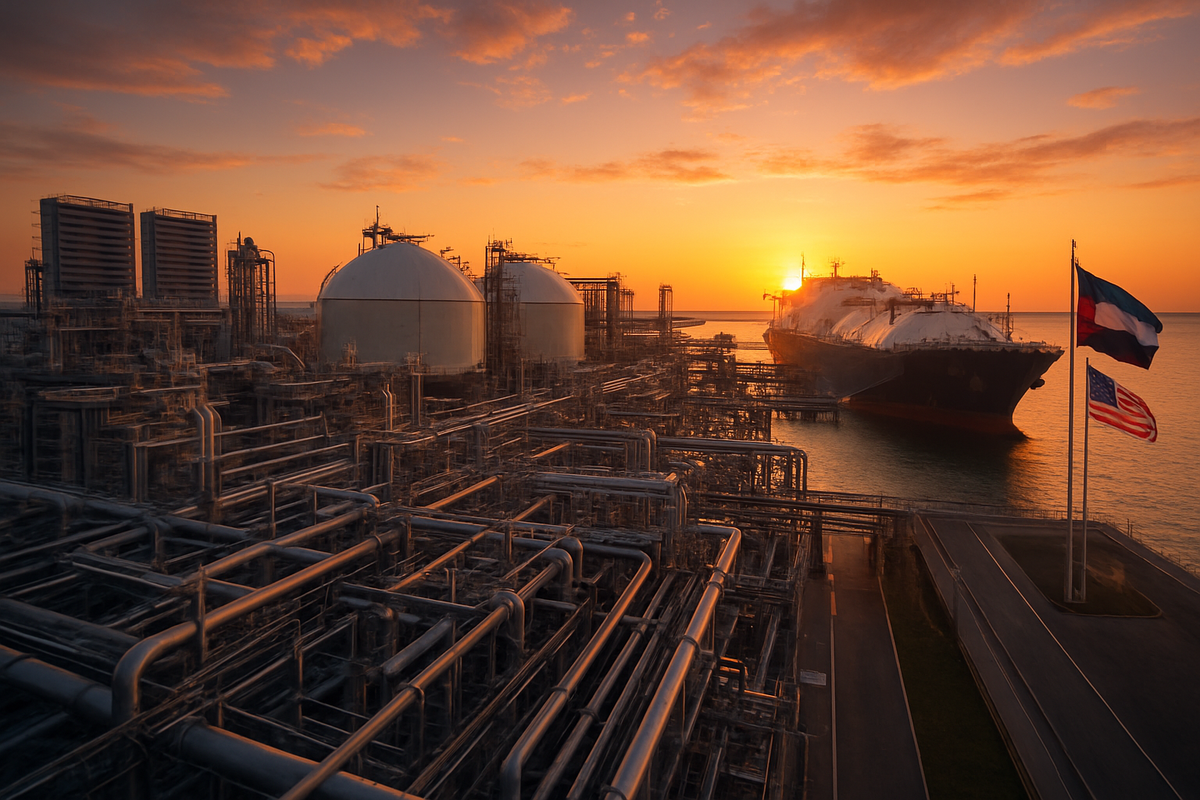
Abu Dhabi National Oil Company is preparing a major expansion into the United States natural gas sector, with plans that could commit tens of billions of dollars to assets spanning production, pipelines, liquefaction, export infrastructure and downstream supply.
The push is being led through XRG, ADNOC’s international investment arm, which is examining 29 potential transactions as it seeks to build a vertically integrated gas business outside its home market. Nameer Siddiqui, newly appointed chief investment officer of XRG, has indicated that the group wants exposure across the full gas value chain rather than relying on isolated stakes in upstream or export projects.
XRG’s strategy marks a sharper turn in ADNOC’s global expansion. The company has already built positions in LNG, chemicals, hydrogen and low-carbon energy, but the proposed United States gas platform would give it a stronger role in one of the world’s most competitive and politically significant energy markets. The United States has become the world’s largest LNG exporter, while its shale basins, Gulf Coast terminals and pipeline networks have drawn capital from global producers, trading houses and infrastructure funds.
The plan also reflects a broader shift in energy investment. Natural gas is being positioned by major producers as a transition fuel that can support power generation, industrial demand and LNG trade while renewables and grid infrastructure scale up. Demand from artificial intelligence-linked data centres has added a new layer to the market, with power-hungry technology infrastructure increasing interest in gas-fired generation and long-term supply security.
XRG was launched as an investment platform with more than $80 billion in enterprise value, focused on natural gas, chemicals and energy solutions. Its mandate is to more than double asset value over the next decade by targeting markets where energy demand, industrial growth and technology-related power consumption are expected to expand. Gas is central to that plan because it links ADNOC’s upstream strength with LNG trading, export infrastructure and long-duration customer contracts.
The United States offers several attractions. Shale gas production remains among the lowest-cost globally, the Gulf Coast has an expanding LNG export corridor, and long-term buyers in Europe and Asia continue to seek alternatives to politically exposed supply routes. US LNG export volumes are expected to climb through 2026 and 2027 as new terminals ramp up, with Europe remaining a major destination after its reduced dependence on Russian pipeline gas.
ADNOC’s move would not start from scratch. XRG has already been associated with US energy investments, including exposure to the Rio Grande LNG project in Texas and a stake linked to ExxonMobil’s low-carbon hydrogen development. Its increased interest in Rio Grande LNG underlined ADNOC’s willingness to take positions in large, capital-intensive projects that can anchor future supply chains.
A fully integrated gas business would give XRG greater control over margins and risk. Owning or partnering across production, transport, liquefaction, shipping, regasification and end-user supply can help protect earnings when prices swing. It also allows a producer-backed investor to match supply with long-term offtake agreements, a model that has become more important as LNG buyers seek reliability after years of volatility in global gas markets.
Competition for quality assets will be intense. Private equity firms, infrastructure funds, oil majors and national energy companies are all active in the US gas sector. Permitting delays, environmental challenges, methane-emissions scrutiny and local opposition to pipelines or export plants can slow project timelines. LNG developers also face the risk that a wave of new capacity later this decade could pressure margins if demand growth falls short of expectations.
Financial discipline will be closely watched. Tens of billions of dollars in potential spending would require careful sequencing, especially as large LNG and pipeline projects can face cost inflation, labour constraints and regulatory uncertainty. XRG’s review of 29 deals suggests the company is weighing a portfolio approach rather than relying on one transformational acquisition.
Follow Arabian Post
Select Arabian Post as your preferred source on Google and MSN News for trusted business news and Arab politics and updates.




