

Arabian Post Staff -Dubai
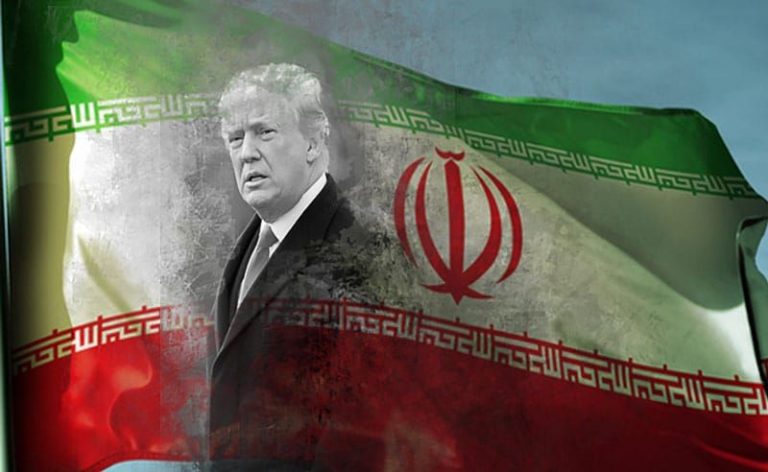
Trump’s message on Truth Social followed several days of stalled contacts aimed at ending the conflict and securing restrictions on Iran’s nuclear programme. He said Tehran “couldn’t get its act together” and repeated his demand that Iran must not be allowed to obtain a nuclear weapon. His comments sharpened a strategy built around military pressure, economic disruption and a public invitation for Iran to reopen talks on Washington’s terms.
A report citing US officials said Trump had instructed aides to prepare plans for an extended blockade targeting Iran’s ports, a move designed to squeeze Tehran’s revenue and force concessions. The reported plan would prolong restrictions on vessels linked to Iranian trade and energy exports, keeping pressure on a government already facing inflation, currency weakness and strains from the conflict.
Washington’s position remains centred on a demand that Iran suspend uranium enrichment for a lengthy period and accept limits beyond that. Tehran has rejected any arrangement seen as stripping it of what it calls a sovereign right to peaceful nuclear technology. That gap has left diplomacy exposed to military calculations, with both sides testing how much pressure the other can absorb before returning to negotiations.
Iran has signalled that it could discuss steps to ease maritime disruption if the United States ends the blockade and pulls back from military threats. Officials in Tehran have also warned of painful retaliation if Washington resumes attacks or expands pressure on Iranian territory. The competing messages have complicated efforts by mediators to build a route back to talks, particularly as neither side wants to appear to concede under pressure.
Pakistan has been trying to keep indirect channels open as messages move between Washington and Tehran. Gulf governments, European capitals and Asian energy importers are also watching closely because any prolonged disruption in the Strait of Hormuz would carry costs far beyond the immediate conflict. Roughly a fifth of global oil and liquefied natural gas shipments passes through the waterway, making any threat to navigation a matter of global economic concern.
Energy prices have already reflected fears that the standoff could spread to shipping lanes. A prolonged port blockade would increase pressure on Iran but could also raise legal and military risks for the United States, particularly if third-country vessels are intercepted or if Tehran responds by targeting commercial traffic. Shipping insurers and commodity traders have become more cautious, with higher risk premiums feeding into fuel costs and freight rates.
The White House has sought to present the pressure campaign as a way to prevent a wider war rather than start one. Trump has repeatedly said Iran can call if it wants to talk, but his public language has left little room for a face-saving compromise. The administration’s argument is that Tehran must be forced to choose between economic isolation and a verifiable agreement that blocks any pathway to a nuclear weapon.
Iran’s leadership faces its own constraints. A deal that appears to surrender enrichment rights would be politically costly at home, especially after years of sanctions and confrontation. Yet continuing the standoff risks deeper economic damage and possible escalation if US naval operations tighten further. Tehran’s security establishment is also weighing the dangers of retaliatory moves that could invite stronger US action.
The dispute has revived memories of earlier nuclear diplomacy, when international limits on Iran’s programme were tied to sanctions relief and inspections. That framework collapsed after Washington withdrew from the 2015 agreement during Trump’s first term, and efforts to restore it never fully recovered. Iran later expanded enrichment, installed more advanced centrifuges and reduced some monitoring, leaving less time and trust for a fresh bargain.
Any new agreement would have to address uranium enrichment, inspections, sanctions relief, shipping security and guarantees against future withdrawal. Those elements are difficult enough in ordinary negotiations. Under blockade conditions, they become harder because each side views compromise as a test of resolve.
Also published on Medium.
Follow Arabian Post
Select Arabian Post as your preferred source on Google and MSN News for trusted business news and Arab politics and updates.




