Just in:

News related to
across

  • A native world model built from the ground up for embodied intelligence, Kairos 3.0-4B delivers exceptional physics-consistent deep understanding and cross-embodiment generalization, enabling a single “brain” to drive robots of multiple form factors.
  • Kairos 3.0-4B leverages a unified “multi-modal understanding-generation-prediction” architecture for physical-level deep understanding, long-horizon dynamic interaction, precise action control, and long-horizon interaction — 7-minute coherent interaction videos set a new industry benchmark.
  • As a lightweight 4B-parameter model, Kairos 3.0-4B outperforms mainstream embodied world models while delivering industry-leading inference efficiency. It achieves real-time edge generation on the THOR platform with a1:1.5 ratio of generation time to video duration, leading performance across both cloud and edge environments.
  • Kairos 3.0-4B achieves top-ranking accuracy across multiple authoritative benchmarks. Furthermore, leveraging model capabilities and inference tooling, its inference speed is 72 times faster than Cosmos 2.5, setting a new global performance record for embodied world models.

SHANGHAI, CHINA – Media OutReach Newswire – 13 March 2026 – ACE ROBOTICS announced the open-source release of Kairos 3.0-4B, the industry’s first native world model for embodied intelligence to realize unified “multi-modal understanding-generation-prediction” within a single architecture. As the technical cornerstone of the company’s “Human-Centric” ACE Embodied Intelligence R&D Paradigm, Kairos 3.0-4B is designed from the ground up for real-world robotic operation — integrating physical laws, human behavior, and real robot actions to deliver physics-consistent deep understanding of the real world.

The prevailing approach to embodied world models has largely involved retrofitting general-purpose large language or vision models with motion interfaces. Kairos 3.0-4B takes a fundamentally different path. Rather than appending motion capabilities onto existing model architectures, it is built from the architectural level around the fundamental physical and causal laws that govern real-world environments, constructing a unified world-understanding framework capable of cross-embodiment generalization. By embedding causal reasoning chains directly into its decision-making process, the model transcends behavioral imitation and achieves what ACE ROBOTICS defines as physical-level deep understanding — enabling robots to not only know what to do, but to understand why. Its core breakthrough lies in the deep integration of three categories of data: real robot interaction data, structured human behavioral data, and chain-of-thought reasoning data, effectively breaking down multi-source data barriers and significantly improving the reuse efficiency of real-world data.

A landmark achievement of this release is Kairos 3.0-4B’s real-time edge deployment capability. Deployed on the NVIDIA Jetson Thor T5000 platform at 517 TFLOPs, it is the world’s first embodied world model to achieve real-time generation on edge hardware — achieving a 1.5x faster-than-real-time generation speed on the THOR platform — and the first capable of directly driving physical robot bodies for real-world task execution through native edge deployment. The model issues full-body control commands spanning upper limbs, fingers, and lower limbs without intermediate control layers, enabling robots to move from “capable of performing” to genuinely “capable of working.”

Kairos 3.0-4B also delivers a breakthrough in long-horizon interaction. By combining its unified architecture with Agent-based hierarchical planning and a self-reflective iterative optimization mechanism, the model generates coherent future-state predictions up to 7 minutes in length while maintaining full scene coherence and physical fidelity throughout — setting a new industry benchmark for long-horizon embodied interaction and opening new pathways for embodied intelligence training and deployment.

On the A800 GPU benchmark, Kairos 3.0-4B’s inference speed surpasses NVIDIA Cosmos 2.5 by 72 times, setting a new global performance record for embodied world models. This performance is delivered with a lightweight footprint of just 4B parameters and 23.5GB of VRAM — a fraction of Cosmos 2.5’s 70.2GB requirement — demonstrating that efficiency and capability need not be in tension and fundamentally challenging the assumption that larger parameters are a prerequisite for superior performance. The model has also achieved top rankings across three authoritative global benchmarks: PAI-Bench-robot, co-developed by Georgia Tech and CMU; WorldModelBench-robot TI2V, introduced at CVPR 2025; and NVIDIA GEAR Lab’s DreamGen Bench, outperforming all evaluated models on physical consistency and instruction-following metrics.

In A800 GPU benchmarks, Kairos 3.0-4B achieves order-of-magnitude breakthroughs in compute efficiency and inference speed

Supporting seamless cross-embodiment deployment across single-arm, dual-arm, and dexterous hand configurations with no additional per-embodiment training required, Kairos 3.0-4B is compatible with major hardware platforms including Agilex PIPER, Unitree G1, and Galaxy G1. Kairos 3.0-4B is now available on Github (https://github.com/kairos-agi/kairos-sensenova) and Hugging Face (https://huggingface.co/kairos-agi/kairos-sensenova-common).

Hashtag: #ACEROBOTICS


The issuer is solely responsible for the content of this announcement.

About ACE ROBOTICS – Equipping robots with intelligent “brains” and engaging “souls”

ACE ROBOTICS is a pioneering robotics company dedicated to advancing the field of embodied intelligence. Founded by SenseTime co-founder Wang Xiaogang, the company has brought together a team of young, globally scarce AI scientists and industry experts to focus on embodied intelligence. Through breakthrough technological innovations and deep insights into embodied intelligence scenarios, we aim to empower robots with the ability to autonomously understand and explore the physical world, thereby accelerating their commercial implementation.

The company pioneered the ACE R&D paradigm and built a vision-based “environmental data engine, real-world cognition, embodied interaction generalization” technology chain. Using full spatiotemporal and multi-perspective environmental capture as its engine, along with Kairos 3.0 – China’s first open-source and commercially applicable world model – plus the Embodied Foundation Model as its technical backbone, ACE ROBOTICS addresses core industry challenges such as data scarcity, common sense gaps, poor generalization, and limited versatility. Simultaneously, the company unveiled its flagship A1 Embodied Super Brain Module, accelerating the large-scale commercial deployment of embodied intelligence across diverse scenarios.

ACE ROBOTICS is both a technology pioneer and an ecosystem builder. Through strategic cooperation with top hardware manufacturers, cloud service providers, and vertical scenario partners, we have broken through the “model-hardware-scenario” industrial deadlock, providing standardized and customized solutions that are driving the development of China’s embodied intelligence industry.

HONG KONG SAR – Media OutReach Newswire – 13 March 2026 – The Hong Kong Innovation and Invention (HKII), one of the flagship projects organised by the Hong Kong Exporters’ Association (HKEA), leads 48 inventions from the Guangdong–Hong Kong–Macao Greater Bay Area(GBA) to showcase at the International Exhibition of Inventions Geneva (IEIG), taking place from 11 to 15 March (Central European Time).

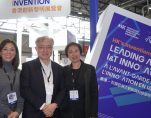
(From Left to right: Ms. Helena Chiu, Chairman of the Hong Kong Exporters Association; Ir. Andrew Young Honorary Advisor, The Hong Kong Exporters’ Association; and Ms. Alice Lai, Vice Chairman of the Hong Kong Exporters Association and Project Convenor, Hong Kong Innovation & Invention)

Hosted by HKEA and sponsored by the Innovation and Technology Commission (ITC) of the Government of the Hong Kong Special Administrative Region, HKII is committed to providing free international exchange opportunities for Hong Kong’s innovation and technology community. The initiative brings Hong Kong’s unique technological inventions onto world‑class exhibition platforms, connecting GBA innovators with global enterprises and users, and showcasing Hong Kong’s innovation story to the world.

Exhibited inventions have undergone rigorous evaluation by a distinguished panel of industry professionals. The shortlisting process will be conducted based on novelty, level of innovation and invention, technical utility, and symbolic significance. All exhibits are original inventions and launched in the market with patent protection or are under patent filing.

“‘Created in Hong Kong’ has long been recognised worldwide, yet the global visibility of our SMEs and start‑ups still has room to grow,” said Helena Chiu, Chairman of HKEA. “Through HKII, we enable Hong Kong’s innovation and technology brands to participate in top‑tier international exhibitions at no cost and connect directly with the global business community. This year, we are also bringing leading innovators from the Greater Bay Area to join Hong Kong enterprises as we venture overseas together and capture new opportunities around the world.”

MEET International, a multi-functional engineering inspection company, exhibits at IEIG for the first time. “With a supply chain anchored in the Greater Bay Area and more than 30 years of global market experience, we have been committed to strengthening ties with overseas clients and building a world‑recognised brand,” said K.S. Chou, Director of MEET International. “IEIG offers valuable access to engineers from European construction firms and research organisations, enabling us to present our product capabilities directly and substantially enhance our opportunities for international orders.”

“Intellectual property built on core technologies is essential for Hong Kong enterprises to upgrade their businesses,” said Marco Li, Managing Director of Propagate Intellectual Property, an invention commercialisation platform. “We are committed to nurturing academic innovations into patented technologies, developing products tailored for different scenarios for global customers. By exhibiting with other Greater Bay Area enterprises at Generva, our intellectual properties could become more attractive to European buyers. On top of greater revenue to companies and inventors, it also strengthens the branding of ‘Created in Hong Kong’ among the global, high‑end, industrial value chain.”

48 innovations and inventions are being showcased at the exhibition through HKII for free. The inventions span a wide spectrum of categories, including:

  1. Smart City,
  2. Smart Home & Lifestyle,
  3. Health Technologies and Medicine, and
  4. Smart Industry,

alongside a dedicated Youth Category for inventors aged 18 or below. The showcased innovation and technology products from the Greater Bay Area include:

Smart City: MEET International, a multi-functional engineering inspection company, developed a “7‑in‑1 Building Leakage Tracing Device,” breaking through the technical limitations of traditional single‑function inspection tools and redefining the standards for leakage detection. By continuously capturing and comparing highly precise data readings, the device pinpoints the source of leakage, ensuring that concealed problem areas are accurately exposed.

The device features synchronized “AC leakage” and “water leakage” dual detection, enabling early identification of hidden risks and precise localisation of the source to mitigate both seepage and electrical hazards. It also incorporates an innovative all‑scenario adaptability design, allowing it to operate effectively across different building materials and leakage environments. Applications include building maintenance, renovation inspection, and property management.

Smart Home & Lifestyle: Researchers at Sun Yat‑sen University developed a patented “Composite Heating Material” that integrates advanced graphene and nano-carbon tube composite heating films, replacing traditional heating tubes. The invention delivers precise, rapid and efficient heating with uniform heat distribution, while reducing energy loss.

Propagate Intellectual Property has commercialised the invention into more than 40 intellectual property assets, applying it to products such as electric teppanyaki, food‑warming mats and beauty eye masks, as well as in building and industrial settings, providing an efficient and flexible heating solution across diverse applications.

Health Technologies and Medicine: Health‑tech start‑up Kin Technology launched Kindo & App, a homecare solution redefining homecare and wellness. Integrating automation, IoT connectivity, and advanced AI, Kindo & App can automatically sort and dispense up to 10 types of medication with a single click. Equipped with smart reminders, a child‑safety lock, and built‑in humidity and temperature sensors, the solution ensures medication safety, accuracy, and convenience.

Paired with the Kin App and Web Platform, users can track their dosage history, set reminders, and receive low-medication alerts. The platform also supports remote dispensing, enabling caregivers to manage prescriptions and dispense medications from anywhere. Families and caregivers gain real-time access to adherence data and remote management tools, while healthcare providers can monitor patients, manage prescriptions, and access analytics to enhance outcomes.

Smart Industry: URS AI developed URS AI MATE, a holographic interactive AI agent. Integrating holographic projection technology, proprietary LLM, and multimodal interaction algorithms, URS AI MATE has successfully built a full closed‑loop of perception, cognition, decision‑making, and execution that enables continuous self‑evolution. This strengthens its ability to adapt in different scenarios and understand users, creating an AI agent uniquely tailored to each individual.

Hashtag: #HongKongExporters’Association #HKEA #HongKongInnovation&Invention #HKII

The issuer is solely responsible for the content of this announcement.

About “Hong Kong Innovation & Invention” (HKII)

Launched in 2023, “Hong Kong Innovation & Invention” (HKII), organized by the Hong Kong Exporters’ Association (HKEA) and sponsored by the Innovation and Technology Commission (ITC) of the Government of the Hong Kong Special Administrative Region, is an initiative dedicated to showcasing and promoting Hong Kong’s immense potential in innovation and technology (I&T) to a global audience. The Project aims to facilitate collaboration within the industry and cultivate a vibrant I&T culture among the general public.

For more details on the Project, visit

About Hong Kong Exporters’ Association (HKEA)

Founded in May 1955, the Hong Kong Exporters’ Association (HKEA) is a non-profit-making trade association registered under the Hong Kong Companies Ordinance. The Association’s mission is to develop Hong Kong as a trading hub for exporters, dedicating its efforts to serve and add value for the exporter community.

This press release is distributed by Mitopia Limited on behalf of the Hong Kong Exporters’ Association.

*Disclaimer: Any opinions, findings, conclusions or recommendations expressed in this material/event (or by members of the project team) do not reflect the views of the Government of the Hong Kong Special Administrative Region, the Innovation and Technology Commission or the Vetting Committee of the General Support Programme of the Innovation and Technology Fund.

  Motorists navigating through Dubai have reported unusual glitches in digital navigation systems, with some drivers briefly appearing to travel across open water or far from their actual locations on popular mapping applications. The phenomenon, noticed by commuters across parts of the emirate, has drawn attention to the growing vulnerability of satellite-based navigation systems to interference and technical anomalies. Drivers using applications such as Google Maps and […]

Air freight rates have surged sharply across several global trade corridors as the war involving the United States and Israel against Iran disrupts transport routes, closes large portions of Middle Eastern airspace and forces cargo operators to reroute shipments at significantly higher cost. Industry data show some air cargo routes have experienced price increases of up to 70 percent since the escalation of hostilities, with South Asia–Europe […]

Capital from a subsidiary of Abu Dhabi’s sovereign wealth fund has flowed into a Hong Kong-based private credit manager, signalling continued appetite among Gulf investors for property-linked lending opportunities across developed Asia-Pacific markets. Dignari Capital Partners said a wholly owned unit of the Abu Dhabi Investment Authority has committed capital to its Asia Pacific Developed Markets Private Credit Strategy, a fund designed to finance real-estate-related projects and […]

Washington is preparing a temporary suspension of a century-old shipping rule as the administration seeks to blunt a sharp rise in fuel prices triggered by turmoil in global energy markets and disruptions to key maritime routes. Officials are examining whether to grant a short-term waiver of the Merchant Marine Act of 1920, widely known as the Jones Act, which requires goods transported between United States ports to […]

Artificial intelligence is set to reshape the software industry, yet the transformation is unlikely to lead to a sweeping decline in credit ratings across the sector, according to an assessment by S&P Global Ratings that seeks to temper investor concerns about widespread financial stress among software companies. Analysts at the credit ratings agency say the rapid development of AI technologies may alter competitive dynamics and business models […]

Advertisements

Arabian Post Staff -Dubai Saudi Arabia has introduced a sea-to-air logistics corridor linking its western seaports with airports, an initiative aimed at sustaining cargo flows to international markets as disruptions continue to affect major shipping lanes and aviation routes. The programme connects Red Sea ports with key aviation gateways to allow freight arriving by sea to be transferred rapidly onto cargo aircraft, enabling exporters and logistics companies […]

Arabian Post Staff -Dubai   Saudi oil producer Aramco has rejected claims that it is negotiating with Ukrainian companies to acquire interceptor drones to defend its oilfields, pushing back against reports that the energy giant was seeking aerial defence systems amid escalating regional security threats. The company issued a statement saying reports of discussions with Ukrainian manufacturers were inaccurate, after media coverage suggested Aramco was exploring purchases […]

Arabian Post Staff -Dubai Debt issuance across Gulf financial markets has slowed sharply as geopolitical tensions linked to the confrontation involving Iran inject volatility into global credit markets, prompting borrowers and investors to reassess financing plans. Analysts warn that the shift could ripple across emerging market borrowing trends, given the Gulf region’s growing share of international dollar-denominated debt issuance. Credit rating agency assessments indicate that bond deals […]

Pressure on cooking gas supplies has pushed households and businesses across the country toward more polluting fuels, including kerosene, biomass and fuel oil, highlighting the vulnerability of energy supply chains during geopolitical upheaval.

Authorities have authorised the wider use of alternative fuels to ease the strain on liquefied petroleum gas and natural gas networks after disruptions to shipments from West Asia tightened availability and drove up prices. The shift marks a temporary reversal of a decade-long policy drive aimed at replacing traditional fuels such as coal, wood and kerosene with cleaner LPG and piped gas.

Officials say the measures are designed to shield households from the worst effects of the supply squeeze while allowing industries and commercial establishments to adapt by switching to alternative fuels. Hospitality businesses, restaurants and small manufacturers have been among the first to face curbs on LPG allocations as authorities prioritise residential supply. Environmental regulators have advised state pollution control boards to permit the temporary use of biomass, kerosene, refuse-derived fuel pellets and coal in certain sectors to maintain operations during the shortage.

The supply stress is linked to the conflict in West Asia, which has disrupted energy shipments through the Strait of Hormuz, a crucial corridor for crude oil, liquefied petroleum gas and liquefied natural gas moving from the Gulf to Asian markets. The country imports a large share of its LPG needs and has limited strategic reserves of the fuel, leaving the domestic market exposed to sudden supply shocks and price spikes when global trade routes are interrupted.

Government agencies have sought to reassure consumers that domestic cooking gas deliveries remain stable even as authorities adopt contingency measures. Emergency powers have been invoked to instruct refiners to maximise LPG production, diverting propane and butane toward household cooking fuel and away from petrochemical uses. Oil marketing companies have also tightened commercial sales and redirected supplies to residential consumers, a move affecting hotels, restaurants and other energy-intensive sectors.

As part of the response, officials have increased allocations of kerosene to states through the public distribution system to ensure access for households that depend on subsidised fuels. Additional supplies of the product are being released to meet growing demand in areas where LPG refills have become harder to secure.

Energy analysts say the sudden return to older fuels underscores the complexity of managing the transition to cleaner energy sources in a country with rapidly rising consumption. Over the past decade, policies promoting LPG connections for low-income households helped drive a significant decline in the use of biomass and kerosene for cooking, improving public health outcomes and reducing indoor air pollution. Programmes designed to expand LPG access reached tens of millions of homes and sharply increased the penetration of modern cooking fuels in rural regions.

Yet the current disruption reveals how heavily the system relies on global supply chains. Nearly two-thirds of the country’s LPG consumption is met through imports, with a substantial portion arriving from Gulf producers. When shipments are delayed or rerouted, domestic supply can tighten quickly, forcing policymakers to intervene to stabilise markets and protect vulnerable consumers.

Industry groups warn that sustained disruptions could place additional strain on manufacturing and services, particularly sectors that rely heavily on natural gas or LPG for process heat. Fertiliser plants, petrochemical complexes and small industrial units have already faced adjustments to gas allocations, and some facilities have reduced operations as fuel availability fluctuates.

Energy companies have responded by diversifying import sources in an effort to offset supply disruptions from the Gulf. Cargoes are being sourced from producers in North America, Europe and other regions as traders seek alternative routes and suppliers. This diversification strategy is intended to reduce dependence on any single supply corridor and cushion the domestic market from geopolitical shocks.

At the same time, officials are urging consumers and businesses to conserve fuel where possible and avoid panic buying. Authorities have intensified monitoring of fuel distribution channels to prevent hoarding and black-market sales, which can worsen shortages and inflate prices during periods of uncertainty.

Environmental experts note that the temporary return to dirtier fuels may carry consequences for air quality and emissions if prolonged. Burning kerosene, coal and biomass releases higher levels of particulate matter and greenhouse gases compared with LPG, potentially undermining progress made through clean cooking initiatives.

Policy planners therefore face a delicate balancing act: ensuring reliable energy supplies for households and industry while maintaining momentum toward cleaner fuels and reduced emissions. The current crisis has renewed debate among energy economists over the need for larger strategic reserves of LPG and natural gas, as well as expanded domestic production and storage capacity to cushion future shocks.

Shiba Inu has staged a modest rebound after a prolonged slide, prompting speculation among crypto traders that the meme-inspired token could be approaching a technical breakout. The price movement has revived debate about whether the digital asset can escape months of bearish pressure or whether the uptick represents only a short-lived relief rally. Market data shows the token climbing from levels near $0.0000055 to around $0.0000060 during […]

BlackRock has introduced a new exchange-traded fund offering investors exposure to ethereum alongside staking-based income, marking another step in the expansion of institutional products tied to digital assets. The fund, trading under the ticker ETHB, opened with more than $100 million in assets and generated over $15 million in trading volume during its first day on the market, signalling strong early demand from investors seeking yield in […]

Global medical technology manufacturer Stryker has been hit by a major cyberattack claimed by an Iran-linked hacker collective, triggering widespread disruption to corporate systems and raising fresh concerns about cyber warfare spilling into commercial infrastructure. The group, calling itself Handala, said it carried out a destructive operation that wiped data across more than 200,000 company devices while extracting roughly 50 terabytes of information from internal networks. The […]

SINGAPORE – Media OutReach Newswire – 13 March 2026 – i-Sprint Corporation today announced the successful completion of a management buy-out (MBO) of all its operating companies, and marks a pivotal milestone as the company celebrated its 25th anniversary last year. The transaction was led by the company’s existing management team in strategic partnership with KV Asia Capital.

i-Sprint Corporation Announces Successful Completion of Management Buy-Out in Partnership with KV Asia Capital

This landmark transaction ranks among the significant Identity and Access Management acquisitions in Asia. It underscores i-Sprint’s strategic importance in the region’s cybersecurity landscape as AI-driven threats, machine identity proliferation, and tightening regulatory requirements reshape cybersecurity across the region. The deal positions i-Sprint for its next phase of innovation and global expansion, as it continues to invest in next-generation capabilities, while expanding its footprint across the region.

This milestone firmly establishes i‑Sprint as one of the region’s largest independent IAM, Quantum Safe and Mobile cybersecurity provider.

Dutch Ng, Chief Executive Officer of i-Sprint, commented:
“This Management Buy-Out is a defining moment for i-Sprint and a testament to the strength of the business we have built and our deep belief in its future. Partnering with KV Asia Capital provides us with the strategic tools and capital to accelerate growth while preserving the entrepreneurial spirit and customer focus that define i-Sprint. We are grateful for the trust and support of our clients, partners, and team—and excited about the future we’re building together.”

KV Asia Capital has a proven track record of scaling growth-stage companies across Asia. Their expertise and financial backing will enable i-Sprint to enhance product offerings, invest in cutting-edge R&D, and pursue new market opportunities with greater agility.

Lee Gan Ping, Managing Director, at KV Asia Capital, said:
“We are thrilled to partner with i-Sprint’s founders and management team, whose deep domain expertise and track record has earned the trust of Asia’s leading financial and government institutions. As identity and authentication become increasingly complex and relevant, we look forward to supporting the team in their next chapter of growth. Together, we will scale i-Sprint’s global footprint through accelerated R&D investments and strategic M&A.”

The existing management team will continue to lead the company, ensuring seamless operations and a continued focus on delivering innovative and superior products and services.
Hashtag: #iSprint

The issuer is solely responsible for the content of this announcement.

About i-Sprint Innovations

is a global leader in Digital Identity, Mobile Security, PQC App Migration, and Brand Protection solutions. For 25 years, i-Sprint has provided award-winning security solutions to financial institutions, multinational corporations, and government agencies worldwide.

About KV Asia Capital

is a private equity firm dedicated to partnering management teams and companies across Southeast Asia. The firm has a multi-year track record of successfully investing behind management teams to drive strategic transformation and growth of mid-market businesses into regional success stories.

Japan’s stock market volatility has surged to levels not seen since the global pandemic turmoil of 2020 as a sharp jump in crude oil prices shakes confidence in the country’s economic outlook and disrupts what had been a strong equity rally.

Measures of market anxiety tied to Japanese equities climbed sharply as investors reacted to the sudden rise in global energy prices and mounting geopolitical tensions affecting oil supply routes. The spike in volatility coincided with a steep sell-off in Tokyo’s equity market, where the Nikkei 225 index plunged more than 7 per cent during trading while the broader Topix index fell over 6 per cent, marking one of the most severe declines in several years.

Traders and analysts attribute the surge in market fear to an abrupt reversal of expectations that had supported Japan’s equity rally earlier in the year. A powerful jump in crude prices above the $100-a-barrel threshold has heightened concerns about rising import costs, inflationary pressure and potential disruption to the country’s fragile economic recovery.

Japan remains one of the world’s largest importers of energy resources, relying heavily on overseas supplies for oil and liquefied natural gas. The sharp rise in crude prices therefore carries immediate implications for corporate profitability, household spending and the nation’s trade balance. Higher fuel costs can quickly feed into transport, manufacturing and electricity prices, creating ripple effects across the broader economy.

Equity strategists say that markets had been pricing in a favourable scenario for Japan’s corporate sector, including stable energy costs, a weaker yen that supports exporters, and gradual improvement in domestic consumption. The oil shock has complicated that outlook, prompting investors to reassess earnings forecasts and risk exposure.

The volatility gauge for Japanese equities, often referred to as the market’s “fear index,” spiked to levels not seen since the early months of the Covid crisis. Such indicators measure the expected turbulence in stock prices based on options trading, and a sharp rise typically signals increased hedging activity by investors preparing for further market swings.

The abrupt shift in sentiment comes amid wider turbulence across global financial markets. Equity benchmarks across Asia fell sharply as investors reacted to the energy price shock and rising geopolitical tensions in the Middle East, a region responsible for a large share of global oil production. The surge in crude prices has revived worries that inflation could accelerate again just as many central banks were expected to ease monetary policy.

Market participants say the latest volatility reflects more than a temporary correction. Analysts note that the rally in Japanese equities had drawn significant foreign investment during the past year, encouraged by corporate governance reforms, share buybacks and improved shareholder returns. Strong gains in technology stocks and export-oriented companies had helped drive the Nikkei to multi-decade highs.

Rising energy costs now threaten to undermine some of those positive dynamics. Japan’s manufacturing sector, including carmakers and electronics producers, depends heavily on imported raw materials and fuel. A sustained rise in oil prices could increase production costs and squeeze margins, particularly for companies unable to pass higher expenses on to consumers.

Currency movements add another layer of complexity. The yen often weakens when oil prices surge because the country must spend more on energy imports. While a weaker currency can benefit exporters by boosting overseas earnings, it also increases the cost of imported fuel and food, intensifying inflationary pressure on households.

Economic policymakers are watching the developments closely. Officials at the Bank of Japan have maintained an accommodative monetary stance even as other major central banks tightened policy to fight inflation. The current surge in energy prices raises questions about how the central bank might respond if inflationary pressure accelerates further while economic growth slows.

Financial analysts emphasise that volatility indicators should not be interpreted as a prediction of sustained market decline. Instead, they reflect heightened uncertainty and the demand for protection against abrupt price swings. Still, such spikes often coincide with periods of intense market stress and rapid portfolio adjustments.

Energy-related stocks and commodity producers have been among the few segments to benefit from the oil surge, as higher crude prices can boost revenues for companies involved in exploration, refining and trading. Conversely, sectors sensitive to fuel costs, including airlines, shipping and heavy manufacturing, have faced selling pressure.

Global investors are also weighing broader geopolitical risks tied to the energy market. Disruptions to shipping routes in key waterways used for oil transport could tighten supply and prolong elevated prices. Analysts warn that if crude remains above the $100-a-barrel mark for an extended period, the impact could spread beyond equity markets into inflation expectations, bond yields and currency movements.

By T.N. Ashok NEW YORK: Let’s be blunt about what’s actually happening in the current no holds barred war between Iran and US-Israel combine. The United States and Israel have been bombing Iran for thirteen straight days. Cruise missiles, precision strikes, relentless sorties. The kind of firepower that flattened cities in Iraq within weeks and […]

The article After 13 Days Of Iran War, Trump And Netanyahu Are Learning Bitter Lesson appeared first on Latest India news, analysis and reports on Newspack by India Press Agency).

AMSTERDAM, NETHERLANDS – Media OutReach Newswire – 12 March 2026 – Vietnam Airlines officially marked its entry into the Dutch market today with a high-profile promotion event at Amsterdam Schiphol Airport, announcing the much-anticipated launch of nonstop flights between Hanoi and Amsterdam.

Beginning June 16, 2026, Vietnam Airlines will operate three weekly round-trip flights using the state-of-the-art Airbus A350 wide-body aircraft.

The event, joined by the Ambassador of Vietnam to the Netherlands, Mr. Ngo Huong Nam, served as a strategic platform to introduce the new route to key European travel partners. The gathering highlighted Vietnam’s growing appeal as a top-tier destination and reinforced the airline’s mission to bridge Vietnam with Europe’s most vital economic hubs.

Beginning June 16, 2026, Vietnam Airlines will operate three weekly round-trip flights using the state-of-the-art Airbus A350 wide-body aircraft. As the first-ever direct link between the two nations, this service will drastically reduce travel time and position Amsterdam as a primary gateway for passengers traveling from Europe to Southeast Asia.

The flight schedule is optimized for maximum convenience, offering seamless onward connections from Hanoi to Vietnam’s most iconic destinations, including Ho Chi Minh City, Da Nang, Nha Trang, and Phu Quoc, as well as broader regional networks across Northeast Asia and Australia.

“Europe remains a cornerstone of our international growth strategy,” stated Nguyen Quang Trung, Executive Vice President of Vietnam Airlines. “The launch of the Hanoi–Amsterdam route is a testament to our dedication to the European market. By strengthening our ties with regional travel and tourism partners, we are creating a vital corridor for trade, cultural exchange, and tourism between Vietnam and the Netherlands.”

With the addition of Amsterdam, Vietnam Airlines now operates 12 nonstop services to eight major European cities, including Paris, Frankfurt, London, Munich, Milan, Copenhagen, and Moscow. This expansion solidifies the national flag carrier’s role in connecting Vietnam with global economic centers while showcasing the nation’s culture and hospitality to the world.

Hashtag: #VietnamAirlines

The issuer is solely responsible for the content of this announcement.

Microsoft is intensifying efforts to expand the use of its artificial-intelligence platforms across Africa, positioning the technology group against rising competition from China’s DeepSeek and other global providers seeking influence in one of the world’s fastest-growing digital markets. Executives from the US technology company have outlined plans to deepen partnerships with governments, universities and technology startups across the continent, aiming to embed Microsoft’s AI tools into public […]

  • Strategic Investment of S$3-5 billion in Singapore to advance AI-ready data centre developments, supporting over 2 GW of AI-ready capacity globally, and driving technological innovation with international ecosystem partners.
  • First-mover advantage as one of Asia Pacific’s top three hyperscale data centre developers, with proven track record delivering large-scale campus developments in Malaysia, Thailand and India, supporting regional AI and cloud demand.
  • Pioneering sustainable energy solutions, including Singapore’s first floating hydrogen power generation model leveraging the nation’s strengths in maritime transport, port infrastructure and global energy supply chains and research into nuclear energy as a future clean power source for data centres.
  • Building an integrated innovation ecosystem in Singapore through partnerships with universities, research institutions and global technology companies, while supporting job creation and talent development initiatives for around 3,000 students and professionals.

SINGAPORE – Media OutReach Newswire – 12 March 2026 – Bridge Data Centres (BDC), a Singapore-headquartered digital infrastructure platform backed by Bain Capital, has announced ambitious plans to invest S$3-5 billion in Singapore to advance next-generation digital infrastructure and strengthen the country’s position as a leading AI and cloud hub in Asia Pacific.

BDC had announced its new strategic brand identity in early 2026 that reflects the Company’s position of being a leading hyperscale and AI-infrastructure builder with a growing network of mega-campus developments in Asia Pacific. With close to a decade of experience developing high quality data centres, BDC’s new brand identity reflects BDC’s reputation as platform built on disciplined execution, certainty of delivery, and the ability to scale with customers.

As AI and high-density workloads accelerate across Asia Pacific, customers are looking for partners who can offer world-class capabilities and local agility, provide bespoke solutions at scale, and deliver and operate with a proven track record.

With Singapore serving as its global headquarters, BDC is uniquely positioned to support hyperscale customers and global technology companies seeking high-performance, sustainable and scalable data centre platforms across Asia Pacific, while enabling global technology companies to establish and expand their presence in Singapore as they develop AI and digital capabilities in the region.

Over the past decade, BDC has established itself as one of Asia Pacific’s leading digital infrastructure developers and operators. The Company currently operates and develops hyperscale campuses across Malaysia, Thailand and India.

Building on strong relationships with global hyperscale customers and ecosystem partners, BDC is on track to expand its regional capacity to approximately 2 GW by 2030.

By deepening its investments in Singapore, BDC aims to support customers seeking world-class digital infrastructure expertise, strong technology partnerships and integrated energy solutions that enable the sustainable growth of AI workloads.

First-mover advantage

BDC is among the first data centre developers to foray into Malaysia, where the Company has several large-scale data centre campuses – both operational and under development.

BDC’s flagship MY06 campus is the Company’s first project in Johor, as well as the state’s first hyperscale data centre development. In addition, BDC is the first data centre developer in Southeast Asia to adopt a build-to-suit (BTS) model for hyperscale data centre construction. BDC was also among the first hyperscale operators in the region to deploy advanced liquid cooling technologies at scale, including cold plate liquid cooling, to support high-density and AI-driven workloads. BDC’s suite of sustainability initiatives at MY06 enabled the facility to achieve an annualised Power Usage Effectiveness (PUE) of below 1.2.

BDC is also the first in Southeast Asia to incorporate Prefabricated, Prefinished Volumetric Construction (PPVC) construction, an innovative method that assembles large building sections off site. This enabled BDC to complete MY06 within eight months, which is 40 per cent faster than traditional methods, while reducing on-site dust, waste and noise. This strategy is one of BDC’s key competitive advantages to support the growing needs of hyperscale customers in the region, including Singapore, who need to rapidly scale to meet increasing demand for more capacity to power AI-workloads.

BDC has built Malaysia’s first large-scale Water Treatment Plant (WTP) to treat effluent and convert it into high grade effluent water to cool its upcoming 400MW campus in Ulu Tiram, Johor. The WTP applies advanced Membrane Bioreactor (MBR) and Reverse Osmosis (RO) technologies to deliver superior water recovery and quality. Since commencing operations in 2025, the WTP has been significantly reducing reliance on potable water. It further strengthens the long-term resilience of BDC’s operations and supports Johor’s broader environmental agenda.

The WTP has also attracted interest from regional public agencies. In 2025, BDC hosted a technical visit by representatives from PUB, Singapore’s National Water Agency, who were presented with an overview of the plant’s design and its use of advanced membrane technologies for sustainable water reuse in data centre operations.

BDC’s MY-06 Campus (Building 1) has achieved Singapore’s BCA Green Mark Platinum Award granted under the BCA-IMDA Green Mark International for Data Centres 2024 (GMDC: 2024) framework. The BCA Green Mark Award recognises developers, building owners and individuals who have made outstanding achievements in environmental sustainability in the built environment. BDC is the first data centre operator to achieve this recognition for a facility based outside of Singapore. Beyond project certification, BDC has also signed a Memorandum of Understanding with BCA International (BCAI) to support the international adoption of Singapore’s Green Mark standards in global data centre developments. Through this partnership, BDC will promote Singapore’s sustainable building standards globally while reinforcing the country’s position as a leading AI and green digital infrastructure hub in the region.

These capabilities are aligned with Singapore’s Green Data Centre (DC) Roadmap, which emphasises energy efficiency, sustainable resource use and the integration of green energy to support the growth of digital infrastructure. BDC’s experience in delivering high-efficiency campuses positions it well to contribute to these objectives through practical, deployable solutions.

Pioneering energy solutions

As AI workloads drive the rapid expansion of digital infrastructure, energy resilience, data security and sustainability are becoming increasingly important. BDC is advancing a range of initiatives to explore alternative energy pathways and strengthen long-term power strategies.

A key collaboration is with Concord New Energy (CNE), where the partners are jointly developing Singapore’s first floating hydrogen power generation solution tailored for next-generation AI digital infrastructure, marking a significant milestone in advancing low-carbon energy pathways for the data centre sector.

BDC and CNE will also collaborate with Nanyang Technological University (NTU) to support the development of Singapore’s hydrogen ecosystem, accelerating research, engineering and the deployment of scalable clean energy technologies for digital infrastructure applications.

In addition, BDC is working with Singapore’s Agency for Science, Technology and Research Institute of High Performance Computing (A*STAR IHPC) and HY to evaluate the potential of nuclear energy as a long-term clean power source for data centres.

BDC’s alliance with A*STAR IHPC and HY will leverage advanced modelling and engineering expertise to explore innovative low-carbon energy pathways that will support Singapore’s sustainable digital growth while reinforcing the nation’s position as a trusted global technology hub.

BDC has also established partnerships with global leaders in energy and energy storage technologies, including CATL, EcoCeres, SK Innovation. Through these collaborations, the partners will jointly explore the establishment of innovation and research platforms to advance the development and pilot deployment of clean energy solutions such as hydrogen and biomass energy, as well as next-generation energy storage technologies designed for tropical climates. These initiatives aim to enhance thermal management, improve safety performance and increase the power density of data centre energy storage systems.

These collaborations and pilot initiatives will also contribute to talent development and workforce capability building in Singapore’s digital infrastructure and energy sectors. Through joint research programmes, technology pilots and knowledge exchange with universities, research institutions and industry partners, BDC aims to support the development of specialised expertise in areas such as advanced energy systems, sustainable data centre design, and next-generation cooling and energy storage technologies.

The initiatives are also expected to create high-value job opportunities in Singapore, spanning engineering, energy systems research, digital infrastructure operations and advanced technology development. By nurturing local talent and strengthening cross-disciplinary capabilities, these efforts will help build a robust talent pipeline to support Singapore’s growing AI and digital infrastructure ecosystem.

These partnerships represent a strategic step in BDC’s long-term roadmap to diversify power sourcing pathways, enhance energy security, and future-proof its Singapore data centre portfolio amid evolving grid constraints and decarbonisation dynamics. They also reinforce Singapore’s position as a regional hub for AI-ready digital infrastructure, while supporting the nation’s broader ambitions in sustainable energy innovation and green economic growth. Furthermore, these advancements accelerate Singapore’s ambition to achieve its net zero emissions goal by 2050.

Advancing technology and ecosystem growth

BDC is also pushing the envelope in innovative and sustainable cooling solutions through collaborations with ecosystem technology partners such as Vertiv, Terahop and Teracule, which are subsidiaries of Zhongji Innolight, as well as Delta Electronics and Supermicro.

Many of these partners are established leaders in data centre cooling, power systems and high-performance computing infrastructure, and are active participants in the broader AI infrastructure ecosystem, working closely with leading chipmakers to support next-generation compute environments.

Through its collaboration with Teracule and Terahop, the subsidiaries of Zhongji Innolight, BDC is exploring opportunities to jointly develop next-generation liquid cooling modules and high-performance optical connectivity solutions tailored for AI data centre environments. By combining Innolight’s expertise in optical modules and high-speed interconnect technologies with BDC’s experience in hyperscale data centre design and operations, the partners aim to advance integrated solutions that enhance thermal efficiency, data transmission performance and system reliability for high-density AI workloads.

The collaboration will also explore the establishment of joint research and development initiatives in Singapore, bringing together industry, academia and research institutions to support innovation in AI infrastructure technologies. Through this industry–academia-research collaboration model, the partners aim to accelerate the development and commercialisation of advanced cooling and connectivity technologies while contributing to Singapore’s broader push to strengthen research, talent development and innovation within the digital infrastructure ecosystem.

Together, these alliances focus on the development of advanced liquid cooling architectures, high-density GPU cooling solutions, and energy-optimised HVAC systems designed to support increasingly compute-intensive workloads. These technologies are critical in enabling the efficient operation of AI infrastructure, particularly as rack densities and thermal loads continue to rise in next-generation data centre environments.

Driving regional connectivity

As a Singapore-headquartered digital infrastructure platform, BDC continues to strengthen Singapore’s position as a regional hub for digital infrastructure and AI-driven innovation. With its highly developed connectivity ecosystem, robust regulatory environment and strong international network links, Singapore plays a central role in enabling the growth of the digital economy across Asia Pacific.

In this context, Singapore serves as one of the primary regional hubs, supporting high-value and latency-sensitive digital services such as edge computing deployments, international data traffic management and regional digital service platforms.

To support the burgeoning demand for AI and cloud computing across the region, complementary infrastructure resources across Asia Pacific can help provide additional capacity for compute-intensive workloads, including AI inference, machine learning and large-scale data processing. This cross-border model enables Singapore to remain the connectivity and innovation anchor of the ASEAN digital ecosystem, while regional infrastructure supports the scaling of digital capacity.

BDC’s collaborations with ecosystem partners, including major telecommunications companies and global technology firms, also help expand connectivity networks beyond Asia Pacific, further reinforcing Singapore’s role as a key regional interconnection hub.

One such ecosystem partner is Zenlayer, a leading global edge cloud and connectivity provider with a well-established customer base across Asia Pacific, North America and Europe. Through this partnership, BDC continues to strengthen its regional and international network connectivity anchored in Singapore.

This expanded network reach supports low-latency cross-border digital infrastructure integration, enabling hyperscalers to scale efficiently across markets while leveraging Singapore as one of the core regional gateways for digital services.

Catalysing Singapore’s AI-driven digital growth

Looking ahead, BDC will continue to leverage its operating model as a glocal platform, combining regional scale with deep local execution capabilities to expand across Asia Pacific. The Company’s strategy focuses on connecting key economic corridors, developing high-density, utility-integrated campuses, and working with ecosystem partners to align digital infrastructure growth with evolving energy pathways.

Anchored in Singapore as its strategic regional hub, BDC’s investments and partnerships contribute to the development of a robust digital infrastructure ecosystem that supports AI-driven workloads and cross-border connectivity.

BDC is also adopting an industry–academia–research collaboration mode, bringing together industry partners, universities and research institutes to accelerate innovation in AI infrastructure, advanced cooling technologies and sustainable energy systems. This integrated approach supports the development of new technologies while nurturing local talent and strengthening Singapore’s innovation ecosystem.

BDC’s initiatives in hydrogen, low-carbon power solutions and energy storage further contribute to the growth of Singapore’s green economy, catalysing investment in sustainable energy infrastructure and support the transition towards lower-carbon digital operations.

BDC’s efforts support the creation of high-value jobs and the development of specialised technical expertise in Singapore, spanning engineering, digital infrastructure and advanced energy systems. In addition, BDC will work with universities, research institutes and industry partners to support talent development initiatives, including internships, training programmes and collaborative research opportunities, contributing to the development of a strong local talent pipeline for Singapore’s AI and digital infrastructure ecosystem.

Collectively, these contributions reinforce Singapore’s position as a leading AI and digital infrastructure hub in Asia Pacific, underpinned by resilient, efficient and sustainable infrastructure.
Hashtag: #BridgeDataCentres #Singapore

The issuer is solely responsible for the content of this announcement.

Bridge Data Centres

Bridge Data Centres (BDC) is a Singapore-headquartered hyperscale data centre provider delivering high-performance, next-ready infrastructure across Asia Pacific. Backed by Bain Capital, BDC operates in Malaysia, Thailand, India, and other high-growth markets, with the capability to deliver up to 3 gigawatts (GW) of capacity globally by 2030 through partnerships with sister platforms in Europe and the United States.


LG Energy Solution is preparing to commercialise an upgraded iron-based battery designed for large-scale energy storage, marking a strategic push by the South Korean manufacturer to capture a larger share of the rapidly expanding global market for grid and renewable-energy storage systems. The company plans to introduce the higher-performance lithium-iron-phosphate battery model next year, seeking to strengthen its position in the energy storage sector at a time […]

Autonomous delivery robots are beginning to move beyond pavements and into urban streets, as robotics company Coco Robotics deploys a faster generation of machines guided by mapping technology originally developed for the global mobile game Pokémon GO. The company says its latest machine, known as Coco 2, can travel at speeds of up to 13 miles per hour while navigating city roads and bicycle lanes where local […]

Japan will release crude from its strategic petroleum reserves in a unilateral move aimed at cushioning energy markets as the Middle East conflict disrupts global oil supplies, Prime Minister Sanae Takaichi said, signalling one of the earliest national responses to the escalating crisis.

Tokyo plans to release about 80 million barrels from its emergency stockpiles, equivalent to roughly 45 days of domestic consumption, according to government officials. The decision is designed to stabilise fuel supplies and dampen price pressures as shipping through the Strait of Hormuz — a key artery for global energy trade — has been severely disrupted by the conflict involving Iran, the United States and Israel.

Takaichi said Japan would move ahead with the release rather than wait for coordinated international action, reflecting concerns that prolonged disruption could tighten supplies for import-dependent Asian economies. Officials indicated that private-sector reserves would be drawn down first, followed by state stockpiles, allowing domestic refiners to maintain operations and ensure sufficient petroleum product supply to the market.

Energy security has become an urgent priority for Tokyo as nearly all of its crude imports originate from Middle Eastern producers such as Saudi Arabia, the United Arab Emirates, Kuwait and Qatar. Around 70 per cent of that oil typically travels through the Strait of Hormuz, a narrow waterway between Iran and Oman that normally handles roughly one-fifth of the world’s seaborne oil trade.

The ongoing conflict has sharply reduced tanker traffic through the strait after missile and drone attacks targeted vessels and infrastructure across the region. Shipping companies have diverted or halted voyages, leaving more than a hundred tankers anchored outside the corridor while insurers raised war-risk premiums. Oil prices have surged above $100 a barrel amid fears of prolonged supply disruption and escalating geopolitical tensions.

Japan’s move also comes as the International Energy Agency considers one of the largest coordinated releases of emergency oil reserves in history. Member countries of the agency have discussed releasing hundreds of millions of barrels to counter supply losses triggered by the conflict and calm volatile energy markets.

Officials in Tokyo signalled that the unilateral step could be followed by participation in a broader international release if the crisis deepens. Policymakers argue that acting quickly could prevent domestic fuel shortages and limit the economic damage of rising energy costs.

Economic pressure is mounting across Japan as oil and liquefied natural gas prices climb. The country imports the vast majority of its energy resources, leaving it highly vulnerable to geopolitical shocks. Higher fuel costs have already begun to affect industrial production, with petrochemical producers scaling back output and transport costs rising across supply chains.

The surge in energy prices poses a challenge for Takaichi’s government, which has pledged to strengthen economic growth while managing inflation and stabilising household costs. Economists warn that sustained oil prices above $140 per barrel could slow economic expansion and revive fears of stagflation in a country already grappling with a fragile recovery.

Energy analysts say the planned release from strategic reserves may provide short-term relief but will not fully offset the scale of disruption if shipping through the Strait of Hormuz remains constrained. The waterway normally carries about 20 million barrels of oil each day, linking Gulf producers to major Asian consumers including Japan, China and South Korea.

Japan maintains one of the world’s largest emergency oil stockpiles. Combined government and private reserves are estimated to cover more than 200 days of consumption, giving authorities significant flexibility during supply shocks. Such reserves are designed precisely for crises triggered by geopolitical events or natural disasters that threaten global energy flows.

Government officials say the release will be phased to ensure a stable supply chain and avoid sudden market distortions. Domestic refiners are expected to receive the first shipments from storage facilities, allowing them to continue processing crude into petrol, diesel and other fuels.

The last major release of strategic reserves by Japan occurred during the global energy turmoil following Russia’s invasion of Ukraine, when coordinated action among advanced economies sought to stabilise crude markets and ease inflationary pressure worldwide.

Current circumstances, however, present a more complex challenge because of the geographic concentration of supply risks. The Middle East remains the dominant source of Japan’s oil imports, and prolonged instability in the region could reshape energy strategies for Asia’s largest economies.

Policymakers in Tokyo have begun exploring longer-term measures to reduce exposure to supply shocks. Discussions include expanding renewable energy capacity, diversifying import sources and accelerating the restart of nuclear reactors that were shut down after the Fukushima disaster.

Supporters of nuclear power argue that restoring more reactors could lower dependence on imported fossil fuels and help shield the economy from geopolitical turbulence in global energy markets. Opponents remain cautious, citing safety concerns and public resistance in several regions.

XRP has drawn renewed market attention as Ripple accelerates regulatory expansion in the Asia-Pacific region, with a planned financial services licence in Australia viewed by analysts as a strategic step that could deepen institutional adoption and potentially strengthen the digital asset’s market trajectory. Ripple’s pursuit of regulatory approval in Australia forms part of a broader global strategy that has unfolded over the past year, with the blockchain […]

VISHNU RAJA
RYO YAMADA
HITORI GOTOH
IKUYO KITA