News related to
across

HONG KONG SAR – Media OutReach Newswire – 15 January 2026 – HKU Business School unveiled the “Hong Kong Economic Policy Green Paper 2026” (“Green Paper”). This comprehensive document delves into various facets of Hong Kong’s economic domain, covering everything from trade finance and Hong Kong’s role in the Greater Bay Area (GBA) startup ecosystem to green finance, the IP economy, social and shareholder value for Hong Kong-listed companies, and pressing social issues such as housing affordability and overcrowding in emergency departments. Moreover, with the emergence of AI, the Green Paper examines the impact of AI on the labour market, cybersecurity, and the development of a Web 3.0 ecosystem.

Hong Kong Economic Policy Green Paper 2026 by HKU Business School Focuses on New Opportunities for Hong Kong’s Economy

This is the fifth edition of the Hong Kong Economic Policy Green Paper, released by HKU Business School, with the aim of providing recommendations on how Hong Kong can effectively tackle these challenges.

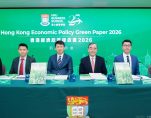
HKU Business School today unveils the Hong Kong Economic Policy Green Paper 2026. From left: Prof. Huiyin Ouyang, Associate Professor in Innovation and Information Management of HKU Business School, Prof. Dragon Tang, Professor in Finance in HKU Business School, Professor Hongbin CAI, Dean and Chair of Economics of HKU Business School, Prof. Richard Wong, Provost and Deputy Vice-Chancellor of The University of Hong Kong and Director, Hong Kong Institute of Economics and Business Strategy, Prof. Heiwai Tang, Associate Vice-President of The University of Hong Kong and Associate Dean of HKU Business School, and Dr. Tingting Fan, Principal Lecturer in Marketing of HKU Business School.

Prof. Richard Wong, Provost and Deputy Vice-Chancellor of The University of Hong Kong and Director, Hong Kong Institute of Economics and Business Strategy said, “This Green Paper was released after months of rigorous research by the scholars from HKU Business School. Grounded in an academic perspective and guided by a pragmatic, problem-solving approach, we have conducted objective analyses and in-depth investigations into core issues and real-world challenges currently facing Hong Kong’s development in political and economic operations, people’s livelihood, and industrial upgrading. Our aim is to provide the Government and relevant authorities with valuable insights and actionable policy recommendations.”

Professor Hongbin Cai, Dean and Chair of Economics of HKU Business School, said, “As a ‘super-connector’ bridging China and the world, Hong Kong’s unique role remains indispensable. Looking ahead, Hong Kong must deeply integrate into China’s national development plans, and also take a more prominent role on the international stage, with an in-depth understanding of the global market and active engagement with its international collaborators.

With campuses in Beijing, Shanghai, and Shenzhen, and an expanding presence in Vietnam and Europe, HKU Business School embodies our unique proposition: deeply rooted in Hong Kong, fully engaged with the Chinese Mainland, and truly international. This year’s Green Paper reflects our dedication to inspiring solutions based on rigorous research. As a world-class institute of higher education, we are committed to enabling Hong Kong to further unleash its core values and usher in a new era of high-quality development.”

Prof. Heiwai Tang, Associate Vice-President of The University of Hong Kong and Associate Dean of HKU Business School, added, “This Green Paper features research papers from ten teams of scholars with diverse backgrounds and varied expertise. Based on profound insights into Hong Kong’s development, they offer unique and targeted policy recommendations, building a rich and multifaceted framework of issues for the Green Paper. At the same time, behind these research achievements lies the scholars’ deep affection for and sense of responsibility toward Hong Kong.”

Regarding how digital technology can boost Hong Kong’s trade finance, he emphasised: “Both data and industry feedback clearly demonstrate the core value of trade finance. However, we need more synergy in the trade finance ecosystem and to catch up in digitisation. To address this, we must strengthen the governance and standard promotion of digital trade platforms and tools, deepen the cross-border interoperability of trade data, expand the functions of the Hong Kong Export Credit Insurance Corporation, focus on high-value-added trade enterprises, extend the coverage of Free Trade and Double Taxation Avoidance agreements, and promote responsible stablecoin adoption and Renminbi internationalisation.”

Prof. Dragon Tang, Professor in Finance at HKU Business School, stated, “Hong Kong is uniquely positioned to lead in the integration of blockchain technology within green finance, exemplified by our pioneering issuance of the world’s first tokenised green bonds, totalling HKD 6 billion in February 2024. With green finance representing a critical avenue for sustainable development, the global market is projected to grow significantly, emphasising the importance of transparency and trust. To capitalise on this opportunity, we must enhance our blockchain infrastructure, establish clear regulatory standards, and promote cross-border integration with initiatives like Core Climate. By leveraging blockchain’s capabilities, we can significantly reduce costs, improve transparency, and engage a broader investor base, ultimately driving our transition to a sustainable finance future.”

Prof. Huiyin Ouyang, Associate Professor in Innovation and Information Management, HKU Business School, commented on her study, saying, “Two weeks post-implementation of the hospital fee reform, the media reported no significant change in emergency department crowding, which aligns with what our analysis predicted. Overcrowding isn’t simply about patient behaviour – it’s a structural issue. Demographics are shifting, capacity is constrained, and alternative treatment options remain limited. What we now need is a careful, systematic evaluation of the fee changes. Where are vulnerable patients going for care? Are some patients delaying treatment? What unintended effects are emerging? Effective reform requires pairing fee adjustments with expanded primary care access. We can’t solve a capacity problem with pricing alone.”

Dr. Tingting Fan, Principal Lecturer in Marketing at HKU Business School, presented as well, spoke on her study and asked, “Why did Pop Mart go public in Hong Kong but register IP in Singapore? Or why was Molly ‘born’ in Hong Kong but did not go viral from Hong Kong? Why have local companies not managed to turn these homegrown IPs into major business triumphs? Learning from the past and looking forward, Hong Kong can leverage its financial market, legal system, as well as talents to build a comprehensive IP industry infrastructure and become an IP hub.”

The Green Paper includes ten articles; the key points are as follows:

Empowering Merchandise Trade Finance with Digital Technology in Hong Kong
Author: Prof. Heiwai Tang, Associate Vice-President (Global), The University of Hong Kong; Associate Dean (External Relations), HKU Business School; Associate Director, Hong Kong Institute of Economics and Business Strategy; Victor and William Fung Professor in Economics

  • Trade is an essential lifeline for Hong Kong; its total merchandise trade was three times the city’s HKD3.2 trillion GDP in 2024. Trade finance is thus equally important, yet research shows that the total loans extended for trade finance have been declining.
  • As geopolitical and technological shifts reshape trade, Hong Kong must upgrade its trade finance services. With consumer-goods trade shifting to smaller, more frequent orders and shorter cycles, financial institutions need to streamline approvals and develop flexible products for e-commerce and logistics-driven cash cycles. Banks also need to digitise core processes in fund settlement. The article cautions that platforms directly connecting mainland manufacturers with overseas buyers disintermediate Hong Kong’s traditional hub-and-spoke role.
  • To address this, the article suggests the government leverage digital technologies to elevate the adoption of Hong Kong’s digital trade platforms through unifying core digital trade functions. Moreover, speeding up interoperability of trade data platforms with the Chinese Mainland and other economies will enable seamless data exchange.

Rebuilding Hong Kong as the Catalyst to the Greater Bay Area (GBA) Startup Ecosystem
Prof. Alberto Moel, Professor of Practice in Finance, HKU Business School
Prof. Joseph Chan, Associate Professor of Practice in Management and Strategy, HKU Business School; Associate Director, Centre for Innovation and Entrepreneurship

  • Offering a quantitative analysis of the evolution of Hong Kong’s startup landscape, the article found that post-2019 activity has slowed, mirroring global venture capital trends, with most failing to grow beyond 50 employees due to scarce late-stage capital despite early-stage availability. While fintech and logistics dominate and AI/blockchain grow quickly, deep tech lags—authors view this as temporary and highlight Hong Kong’s alignment in financial innovation, regtech, and GBA supply chains to attract investment and support corporate transformation.
  • To strengthen Hong Kong as the GBA’s premier startup hub and international financial centre, the article recommends nine policies—including fixing funding gaps, closing academia-market divides through industry-focused research for tech transfer, attracting/retaining talent, integrating Northern Metropolis with GBA supply chains, pivoting to high-value services, and drawing large tech platforms to incubate local startups.

The Applications of Blockchain in Green Finance: Hong Kong’s Experience and Opportunities
Author: Prof. Dragon Tang, Professor in Finance, HKU Business School; Associate Director, Centre for Financial Innovation and Development

  • The green finance market has entered an important new phase. Hong Kong became the world’s first issuer of sovereign tokenised green bond when it priced an HKD800 million one-year note in February 2023. Despite this, Hong Kong faces several challenges in the practical implementation of using blockchain to advance green finance. This is due to the limited interoperability between blockchain platforms and existing financial infrastructure, which hinders cross-market transactions. Real-time settlement for tokenised assets is also difficult because of scalability constraints.
  • The article argues that the future success of blockchain development in green finance will depend on progress in three areas: standardisation, scalability, and security. Clear regulatory frameworks and common technical protocols are needed to provide legal certainty and interoperability across platforms. While collaboration among regulators, technology providers, and energy-market participants can align rules for tokenisation. Blockchain can also connect Hong Kong’s Core Climate platform with overseas counterparts, as cross-border integration is crucial to the inherently international nature of climate finance.

Can Hong Kong be an IP hub for Future Labubu? An Overview of Hong Kong’s IP Industry
Dr. Tingting Fan, Principal Lecturer in Marketing, HKU Business School
Prof. Heiwai Tang, Associate Vice-President (Global), The University of Hong Kong; Associate Dean (External Relations), HKU Business School; Associate Director, Hong Kong Institute of Economics and Business Strategy; Victor and William Fung Professor in Economics

  • As Labubu’s success turns the spotlight on the growing importance of the IP industry, the authors propose that this can inspire more creators and businesses to invest in branding, licensing, and cross-border collaborations. This can also attract policymakers’ attention to the emerging IP sector as a key driver of innovation and economic growth.
  • To position Hong Kong as a leading regional IP trading centre, the authors recommend that stakeholders—including IP developers, entrepreneurs, and government agencies—coordinate efforts across key areas. These include building a robust IP financing ecosystem, such as through government-issued IP bonds replicating the green finance model; enhancing infrastructure and platforms to support IP development; developing specialised talent and professional services in the IP sector; promoting IP initiatives throughout the Greater Bay Area; and strengthening IP protection alongside a solid legal framework.

Thematic Research: Maximisation of Social Value and Shareholder Value – Insights from Hong Kong-listed Companies Across Sectors
Author:
Prof. Sean Chang, Associate Professor of Practice in Finance, HKU Business School

  • Through a triangulation research approach, the article examines how social policies, international frameworks, and corporate social responsibility influence a company’s valuation and capital budgeting decisions. Using insights from major Hong Kong-listed companies across nine sectors—spanning transport, utilities, financials, banking, conglomerates, technology, real estate, consumer, and hotel servicing—the research highlights CSR’s role in enhancing long-term firm performance.
  • Key findings show that corporate risk assessment, company valuation, and stock performance are significantly influenced by CSR-linked socially responsible investing (SRI) factors. Hong Kong-specific social values, such as equality and sustainability, shape investor preferences, guiding finance managers to tailor solutions and adapt regulatory standards. While conventional metrics remain dominant, incorporating social value boosts long-term firm value by building shareholder trust and mitigating risks; companies can pursue CSR projects financed via SRI bonds to create dual economic and societal benefits.
  • The study recommends embedding core values like equality and sustainability into corporate strategies, aligning budgeting processes with social objectives to pinpoint investments yielding both returns and positive impacts, and urging Hong Kong-listed firms to sustain capital budgeting aligned with enduring societal values.

Housing Affordability and Homeownership in Hong Kong, 1985-2023
Mr. Allen W. Huang, Student Researcher, Hong Kong Future Economy Institute
Mr. Alex Ngau, Research Associate, Hong Kong Future Economy Institute
Prof. Michael B. Wong, Assistant Professor in Economics, Management and Strategy, HKU Business School

  • Hong Kong’s housing market has grown increasingly unaffordable, hindering upward mobility for younger generations. Main findings from the research reveal that since the 2002 suspension of the Home Ownership Scheme (HOS), homeownership has declined sharply, rendering private housing “impossibly unaffordable” for median-income households. A wide public-private rent gap drives young people to accept lower-paying or part-time jobs to qualify for public rental housing (PRH), distorting labour supply, stifling human capital investment, and fuelling a surge in adult co-living with parents; younger cohorts (born 1980-1999) face far lower access to public housing and ownership than prior generations at the same age.
  • Taking Hong Kong Island as an example, between 2003 and 2024, the rent-to-income ratio for a typical 400-sq-ft private unit jumped from 35% to 60% of median household income, peaking at 65% in 2015 and 2019—far exceeding the UN-Habitat and World Bank’s 30% affordability threshold. Public housing rents stayed dramatically lower at just 7%–11% of median household income from 1985 to 2024. For home purchases, it now takes 18.2 years of median income to buy a 500-sq-ft private unit (up from 7.4 years in 2003), placing it in the “impossibly unaffordable” zone per the Demographia International Housing Affordability report, where ≤3.0 years is considered affordable and 9.0+ years is impossibly unaffordable. After the 2002 Home Ownership Scheme suspension, even subsidised HOS units now require 15.8 years of income on Hong Kong Island (up from 7.4 years in 2007), shifting them from moderately unaffordable to severely or impossibly unaffordable in urban cores.
  • To reverse these trends, the authors recommend ramping up production of high-quality ownership units, easing resale and leasing restrictions on existing subsidised sale flats to boost residential mobility and enable “trading up” the housing ladder, setting housing price and affordability targets over mere supply goals, and adopting responsive mechanisms to balance demand and supply.

Beyond Crisis Management: Structural Reform for the Overcrowding in Hong Kong’s Emergency Departments
Prof. Huiyin Ouyang, Associate Professor in Innovation and Information Management, HKU Business School
Ms. Yiran Zhang, PhD student, HKU Business School

  • Hong Kong’s public emergency departments (EDs) handle over 2.14 million annual attendances. This crisis, exacerbated by an ageing population, results from a structural mismatch: the majority of the attendances are for non-emergency conditions, leading to staff burnout and compromised care.
  • The article proposes three comprehensive structural reforms. First, improving operational efficiency with accurate wait time information systems is crucial. Second, increasing the ED fee (categories III–V) aims to divert non-critical patients. Success for this hinges on assumptions about patient responses, particularly how varied population segments will react to the price signal. International evidence raises concerns, showing that higher ED fees can reduce overall utilisation, but with the decrease primarily occurring among price-sensitive groups who may risk delays in receiving serious care. Therefore, for this reform to succeed, the public must have genuine access to alternative care pathways that can accommodate acute but non-emergency needs outside regular business hours, with pricing acceptable to price-sensitive populations. Third, AI can augment the workforce and manage demand (e.g., through telemedicine).
  • Ultimately, sustainable reform demands robust evaluation, political courage, and a commitment to address root causes, not just symptoms.

Initial Efforts to Empirically Measure AI Activity and Its Impacts on Hong Kong’s Labour Market
Prof. Alan Kwan, Associate Professor in Finance, HKU Business School
Prof. Mingzhu Tai, Associate Professor in Finance, HKU Business School; Associate Director, Institute of Behavioural and Decision Science
Mr. Zihan Wang, Master student, HKU Business School

  • In an effort to empirically measure the impact of AI on Hong Kong’s labour force, the researchers observe that firms with a higher adoption of AI experience lower headcount growth. However, the scale of impact appears small in the city, which could be due to several potential reasons. One of these is the different composition of Hong Kong’s labour force compared with other countries. For instance, Hong Kong has a high proportion of finance or managerial talent, which is harder to displace; the city also features older or more elite workers. On the other hand, much of the impact of AI, particularly generative AI, is on the less elite and younger populations.
  • As such, the authors recommend policymakers produce more labour market statistics that track the impact of AI, particularly by occupation. On the rate of AI adoption in Hong Kong through innovation, the authors find that the city is heavily skewed towards research, but not commercialisation. This means that the quality and quantity of academic research is not translating to commercial use. To address this decoupling, the authors propose that the government tweak its existing early-stage startup funding platforms to encourage streamlining and higher utilisation of existing government resources.

The Impact of Generative Artificial Intelligence on Cybersecurity in Hong Kong
Author: Prof. Michael Chau, Professor in Innovation and Information Management, HKU Business School

  • As GenAI can produce human-like text, code, images, and audio, cybersecurity crimes have become easier and faster to perpetrate. Not only have data leaks and hacks into security systems led to significant financial losses in Hong Kong, but they also hurt confidence in the city’s digital infrastructure.
  • The article recommends using AI to fortify Hong Kong’s cyber defence, such as using biometric verification and deepfake detection technologies, especially in areas involving critical infrastructure and high financial stakes. It is also important to prevent data leakage and other threats in using GenAI.

Hong Kong’s Next Growth: Pioneering the Web 3.0 Ecosystem
Prof. Yulin Fang, Professor in Innovation and Information Management, HKU Business School; Director, Institute of Digital Economy and Innovation
Mr. Yangchen Mou, PhD student, HKU Business School

  • Given the inherent risks in Web 3.0 operational models—most notably within Decentralised Finance (DeFi) systems—striking a balance between fostering the development of the Web 3.0 ecosystem and implementing appropriate regulation to maintain financial stability is and should be a key priority for Hong Kong authorities. To support this, the article categorises the industry into three distinct systems—Centralised Finance (CeFi), the integration of Traditional Finance and Centralised Finance (TradFi-CeFi), and Decentralised Finance (DeFi)—and put forward targeted policy recommendations for each.
  • For the CeFi system, the authors recommend creating a more conducive environment for development by refining specialised auditing frameworks, promoting a local Web 3.0 talent certification system, and introducing global leading CeFi institutions to the local market. For the TradFi-CeFi system, they suggest upgrading audit standards for traditional firms holding digital assets and upskilling traditional finance professionals with Web 3.0 expertise. In contrast, for the DeFi system, which carries higher inherent risks and poses greater regulatory challenges, the authors advise authorities to adopt a prudent stance while keeping monitoring its latest technological developments.

The full version of the Green Paper can be accessed here. Hi-res photos are available here.

Hashtag: #HKUBS

The issuer is solely responsible for the content of this announcement.

About HKU Business School

Established in 2001, HKU Business School is one of the youngest and most dynamic members of The University of Hong Kong (HKU). The School strives to nurture first-class business leaders and foster academic and relevant research that serves the needs of Hong Kong, China and the rest of the world in the new Asia-led economy. As a top international business school, the School has established its place as a globally impactful institution that leads the way through timely thought leadership, pioneering research, and educational excellence. Deeply rooted in Hong Kong and fully engaged with China, the School’s world-class faculty equip students with global knowledge and perspectives.

HKU Business School offers business education across a full range of disciplines, while achieving remarkable growth in faculty strength and research capabilities. The School ranks Asia’s No.1 in Financial Times’ Aggregated Research Ranking for two consecutive years, 2024 and 2025, while the University of Hong Kong ranked 11th in the world and No. 1 in Asia according to the QS World University Rankings 2026. The School has strategic partnerships with world-renowned universities and corporate partners, providing market-oriented content, superior learning, and instrumental resources.

To better serve our students and alumni in various cities and regions, and to facilitate collaboration opportunities with business communities around the globe, HKU Business School has established a unique international network that extends to Beijing, Shanghai, Shenzhen and Ho Chi Minh City.

HKU Business School is fully accredited by the European Quality Improvement Systems (EQUIS) and the Association to Advance Collegiate Schools of Business (AACSB).

Visit us at

Arabian Post Staff -Dubai   Abu Dhabi-based conglomerate International Holding Company and the United States’ Development Finance Corporation have agreed to jointly deploy capital across emerging and frontier markets, marking one of the most ambitious investment alignments yet between a Gulf corporate heavyweight and Washington’s global development finance arm. The agreement, announced by both parties, sets out a framework to invest at scale in sectors considered critical […]

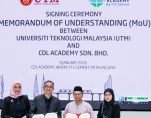
PETALING JAYA, MALAYSIA – Media OutReach Newswire – 15 January 2026 – CDL Academy Sdn. Bhd. (CDL Academy), the learning and development arm of YTL Cement Group, and Universiti Teknologi Malaysia (UTM) have signed a Memorandum of Understanding (MoU) on 9 January 2026 to strengthen collaboration in talent development, applied learning, and sustainable construction practices for Malaysia’s engineering sector.

(from left to right): Datuk Aziyah Mohamed, Co-chairman of CDL Academy Sdn. Bhd., Dato’ Sr. Mohd Zaid Zakaria, Chairman of CDL Academy Sdn. Bhd., Prof. Dr. Mohd Shafry Bin Mohd Rahim, Vice-Chancellor of Universiti Teknologi Malaysia, and Associate Professor Ir. Dr. Noor Nabilah Sarbini, Director, Forensic Engineering Centre of Universiti Teknologi Malaysia during the Memorandum of Understanding signing ceremony between CDL Academy Sdn. Bhd. and Universiti Teknologi Malaysia.

The MoU was signed by UTM Vice Chancellor Prof. Dr. Mohd Shafry Mohd Rahim and CDL Academy Chairman Dato’ Sr. Mohd Zaid Zakaria. It formalises the ongoing partnership between the two organisations and aims to provide students with industry exposure and practical experience, preparing them for careers in the construction sector.

Under the agreement, UTM and CDL Academy will pursue initiatives including professional training programmes, student internships, academic exchanges, workshops, seminars, and innovation projects in green building materials, advanced construction technologies, and cost management solutions.

Universiti Teknologi Malaysia (UTM) is Malaysia’s premier university for engineering, science, and technology, committed to building partnerships that enrich research output and provide students with real-world learning opportunities. The collaboration with CDL Academy exemplifies UTM’s efforts to equip graduates with the skills and experience needed to contribute effectively to the nation’s development.

Since its inception in 2019, CDL Academy has delivered over 100 seminars and learning engagements, benefiting more than 10,000 participants across the construction and engineering ecosystem. The collaboration with UTM expands these efforts, supporting the development of industry-ready graduates and addressing emerging needs in sustainable construction and advanced building technologies.

The MoU will be in effect for three years, with opportunities for renewal. Coordinators from both parties will oversee programme development to ensure measurable outcomes for students, researchers, and the construction industry.
Hashtag: #YTLCement, #CDLAcademy, #UTM, #ESG, #Sustainability, #Construction, #SustainableConstruction


The issuer is solely responsible for the content of this announcement.

CDL Academy Sdn Bhd

CDL Academy Sdn. Bhd. is the professional learning and development platform of the YTL Cement Group, established to support training and talent development within the construction industry. CDL Academy focuses on developing well-trained, industry-ready professionals through structured training and practical knowledge-sharing.

Beyond technical disciplines, CDL Academy serves as a hub for knowledge exchange, innovation and collaboration. It brings together practitioners, academics and universities, as well as industry leaders, industry associations and governing bodies through training programmes, seminars, workshops and strategic partnerships.

Through its commitment to quality education and best-practice sharing, CDL Academy aims to contribute to strengthening industry talent pipelines, supporting university–industry collaboration, and supporting the long-term advancement and sustainability of the construction ecosystem.

Universiti Teknologi Malaysia (UTM)

Universiti Teknologi Malaysia (UTM) is a premier public research university in Malaysia, specialising in engineering, science and technology. Located in Johor Bahru and with a campus in Kuala Lumpur, UTM is committed to producing globally competitive graduates and advancing cutting-edge research that addresses national and global challenges.

SINGAPORE – Media OutReach Newswire – 15 January 2026 – Aon plc (NYSE: AON), a leading global professional services firm, today announced the appointment of Kulshaan Singh as enterprise client leader, Asia Pacific, effective immediately.

Based in Singapore, Singh will leverage his extensive experience across some of Asia’s most dynamic markets to deliver innovative approaches to Risk Capital and Human Capital for Aon’s enterprise and large multinational clients in Asia. Reporting to Craig Torgius, chief client officer and head of enterprise clients, Asia Pacific, Singh will focus on building strategic partnerships and unlocking new opportunities supporting clients to achieve their growth ambitions.

“Kulshaan brings a rare blend of strategic acumen with strong execution ability, global insight and local expertise to our Asia Pacific team,” said Torgius. “His ability to lead transformation, foster collaboration and deliver results across diverse industries will be invaluable in helping clients navigate an increasingly complex risk landscape.”

With over two decades of experience in consulting and executive leadership, Singh held prominent roles including managing director for talent solutions for southeast Asia at Aon, CEO Mercer Singapore and chief people officer at Charoen Pokphand Group. Most recently, as the global group chief people officer at Thai Union Group, he spearheaded large-scale transformation initiatives including organisation design, succession and leadership alignment.

Reflecting on his new role, Singh said, “I feel privileged and excited to be back at Aon and look forward to working closely with Aon’s global and local teams to deliver solutions that help clients navigate complexity and interconnected challenges.”

Read more about Aon’s capabilities in Asia Pacific here.

Hashtag: #Aon

The issuer is solely responsible for the content of this announcement.

About Aon

exists to shape decisions for the better — to protect and enrich the lives of people around the world. Through actionable analytic insight, globally integrated Risk Capital and Human Capital expertise and locally relevant solutions, our colleagues provide clients in over 120 countries with the clarity and confidence to make better risk and people decisions that help protect and grow their businesses.

Follow Aon on , , and . Stay up-to-date by visiting Aon’s and sign up for news alerts .

Disclaimer
The information contained in this document is solely for information purposes, for general guidance only and is not intended to address the circumstances of any particular individual or entity. Although Aon endeavours to provide accurate and timely information and uses sources that it considers reliable, the firm does not warrant, represent or guarantee the accuracy, adequacy, completeness or fitness for any purpose of any content of this document and can accept no liability for any loss incurred in any way by any person who may rely on it. There can be no guarantee that the information contained in this document will remain accurate as on the date it is received or that it will continue to be accurate in the future. No individual or entity should make decisions or act based solely on the information contained herein without appropriate professional advice and targeted research.

  Apple has agreed to a multiyear partnership with Google that will see the Gemini artificial intelligence model integrated into Siri, marking one of the most significant shifts in Apple’s approach to core software in over a decade. The agreement, valued at about $1 billion a year, is aimed at delivering a substantially more capable version of Siri by 2026, as competition in generative AI intensifies across […]

SINGAPORE – Media OutReach Newswire – 12 January 2026 – SL Aesthetic Group celebrates its 22nd anniversary, marking its growth from a single clinic into a multi-brand medical aesthetics and healthcare group.

Founded in Singapore in 2003, the Group has grown to encompass five specialised brands operating more than twenty outlets across Singapore and the region.

  • SL Aesthetic Clinic offers doctor-led skin, face and body treatments, and is one of Singapore’s longest-running medical aesthetics clinic.
  • SkinLab The Medical Spa, a dermatology-focused medical spa, specialises in medical-grade facials and skincare products for sensitive skin.
  • TrichoLab, a dedicated hair and scalp health brand specialising in medical hair loss solutions.
  • Euphie (Malaysia) is the Group’s Malaysia-based extension comprising Euphie Skin Solutions and Euphie Clinic, delivering medically supervised aesthetic care.

The Group has served more than 100,000 patients, with care provided by a team of 12 doctors and more than 100 trained specialists.

Over the past two decades, the concept of beauty and wellness has broadened into a more holistic approach to personal care—one that goes beyond aesthetics to support overall wellbeing. People are placing greater emphasis on long-term health, from their mental health and nutrition to their physical appearance. This shift has driven growing demand for preventive, medically supervised services that integrate aesthetics with broader health concerns.

In response to these changing needs, SL Aesthetic Group has expanded its medical services beyond skin and hair treatments, introducing more than 40 new offerings across its five specialised brand portfolios, including women’s health services.

Dr Kelvin Chua, Founder and Senior Medical Director of SL Aesthetic Group, said: “Reaching 22 years reflects the continuity of care we have built over time. As patient expectations change, our focus remains on delivering medically supervised services that support long-term health and well-being.”

As part of this expansion, the Group launched Prologue The Lifestyle Medical Clinic and Prologue Centre for Women’s Wellness in 2025. Prologue The Lifestyle Medical Clinic focuses on preventive care for chronic conditions, supported by artificial intelligence–enabled health screenings for early detection of conditions such as dementia and cancer. Meanwhile, Prologue Centre for Women’s Wellness addresses women’s health needs across different life stages, including perimenopause, menopause, and postpartum recovery.

Within Singapore, the group strengthened its physical presence with the opening of its tenth SL Aesthetic Clinic and SkinLab The Medical Spa outlet at iMall in Marine Parade, as a response to strong and sustained demand from patients in the eastern region.

Regionally, SL Aesthetic Group marked a milestone as its Malaysia-based brand, Euphie — comprising Euphie Skin Solutions and Euphie Clinic — celebrated its first anniversary. Building on this foundation, the Group plans to open an additional outlet in Malaysia, extending its medically supervised services to a wider patient base.

Looking ahead, SL Aesthetic Group plans to continue expanding its clinical footprint while maintaining regulatory compliance, clinical standards, and patient safety.

For more information, visit: https://slaestheticgroup.com/
Hashtag: #SLAesthetic

The issuer is solely responsible for the content of this announcement.

About SL Aesthetic Group

SL Aesthetic Group is one of Singapore’s longest-established medical aesthetic groups, with a presence in Singapore and Malaysia. The Group houses a diverse portfolio of brands, including SL Aesthetic Clinic, SkinLab The Medical Spa, TrichoLab, PROLOGUE, and Euphie (Malaysia).

Founded in the 2000s, SL Aesthetic Group specialises in skin and hair health, women’s wellness, and holistic medicine. Across its clinics and outlets, the Group offers a comprehensive range of FDA-approved aesthetic and medical treatments, all supervised by trained and certified healthcare professionals holding Certificates of Competency (COC) recognised by the Singapore Medical Council’s Aesthetic Practice Oversight Committee (APOC).

By K Raveendran Oil prices have jumped roughly six percent in the span of a week, pushing benchmarks to around $63 a barrel and jolting a market that had grown accustomed to softer expectations closer to $50. The move has been swift enough to prompt talk of an over-reaction, not least because traders have already […]

The article Oil Displays An Uneasy Calm Amid Trump’s Brinkmanship On Iran appeared first on Latest India news, analysis and reports on Newspack by India Press Agency).

Advertisements

A software flaw in Apple’s iOS 26 has caused photographs shared from Android devices to display with an unexpected red tint when viewed on iPhones, triggering complaints across user forums and social platforms and underscoring persistent friction between the two mobile ecosystems. Users began reporting that images sent from Android phones via common messaging and sharing methods appeared noticeably warmer or reddish on iPhones running iOS 26, […]

Apple will pay an estimated $1 billion a year for access to Gemini’s large language models, instantly extending Google’s AI reach across one of the most powerful consumer ecosystems on the planet. I believe the Apple-Google AI alliance marks the moment artificial intelligence stops being a story about potential and starts becoming a story about profits. For more than a decade, investors rewarded ambition, vision and experimentation. […]

HONG KONG SAR – Media OutReach Newswire – 14 January 2026 – Initiated by Ge Jun, Chairman and CEO of TOJOY Enterprise Services, Shape the Era, Pioneer the Times — Ge Jun 2026 New Year Eve’s Talk was grandly held at the Guangzhou Baiyun International Convention Center. At the crossroads of 2025 and 2026, more than a thousand entrepreneurs, founders, and distinguished guests gathered for this landmark intellectual event—one that blended trend foresight, humanistic reflection, and purposeful recharging. Together, they listened to the narrative of the times, and explored the path to becoming true pioneers of the era.

The “Ge Jun 2026 New Year Eve’s Talk” was grandly held in Guangzhou, bringing together prominent business leaders and more than 1,000 entrepreneurs to share insights on the AI revolution, economic transformation, and the future pathways of high-quality development.

From Hidden Cornerstones to Transformation Pioneers — Painting the Resilient Foundation of China’s Economy

In his keynote address, Ge Jun outlined a vivid panorama of “Era Pioneers.” The picture encompassed technology trailblazers riding the crest of the AI wave, transformation leaders revitalizing traditional industries, and countless unsung yet indispensable cornerstone entrepreneurs. Together, these diverse figures revealed an essential truth: regardless of scale or spotlight, true pioneers are those who continuously create value in their fields.

“If these stories from across the country are not shared more widely, it would be unfair to the entrepreneurial community—and irresponsible to our times.” Ge remarked with conviction. Over the past six years, he has traveled across the country, engaging with countless SME founders. In his view, it is precisely these resilient, often unsung enterprises that underpin the most authentic strength and enduring warmth of China’s economy.

A New Generation Takes the Stage — Writing New Answers with New Tools

Midway through the address, Ge shifted focus to the rising generation of entrepreneurs. He depicted their multifaceted profiles, and emphasized that the new generation is redefining what it means to be an era pioneer. With new perspectives, new tools and new value systems, they inject fresh momentum into the future.

Addressing the critical issue of generational succession in the private economy, Ge highlighted developments ranging from the revival of legacy brands to IP-driven transformation, and revolutionary changes in manufacturing and communications. True succession, as he emphasized, is never a simple replication of experience. It is the continuation of a courageous, innovative spirit, paired with comprehensive renewal of tools, methodologies and connection models.

The Future Is Now — Finding the “Boarding Pass” and “Charging Station” in the AI Era

Standing at the threshold of a new technological revolution, Ge raised a profound question: “As AI redefines the core of productivity, how can enterprises and individuals ensure they are not left behind?”

In response, he laid out three crucial action pillars, forming a clear strategic framework for enterprises to navigate transformation and unlock new growth:

All Things Reborn — Every industry can be renewed with new technologies and new ways of thinking. New value always emerges from the reshaping and integration of traditional business models.

Local-Driven Prosperity — By deeply cultivating local markets, leveraging regional advantages and policy dividends, and building competitiveness within the dual-circulation framework, enterprises can realize “globalization at their doorstep.”

Purposeful Recharging — In an age of accelerating technological changes, emotional connection and the shared pursuit of meaning are becoming the ultimate “charging stations,” something AI can never replace.

According to relevant reports, this New Year Eve’s Talk marks an important milestone in Ge Jun’s ongoing commitment to empowering the entrepreneurial community. In this year’s Grain Rain season, he will continue to provide forward-looking perspectives and long-term growth companionship for entrepreneurs navigating an increasingly complex era.

Hashtag: #TOJOY

The issuer is solely responsible for the content of this announcement.

MoU signing and Malaysia Book of Records recognition underscore sustained consumer trust for ELDON, at a time when Malaysians are paying closer attention to sleep, stress and lifestyle balance

KUALA LUMPUR, MALAYSIA – Media OutReach Newswire – 14 January 2026 – Malaysian media personality Chan Fong and singer-actor Henley Hii have been appointed brand ambassadors for Malaysian health and wellness brand Eldon Healthcare, also known as ELDON, reflecting the brand’s mission to provide relatable, real-life health advocacy for modern Malaysians.

Eldon formalises brand ambassador partnership with Malaysian media personalities Chan Fong and Henley Hii

The appointment comes at a meaningful milestone for ELDON, a consumer health and wellness brand of the Pharm-D Health Science group, following Malaysia Book of Records’ recognition for one of its flagship products, ELDON DX MAGELAX, as the most magnesium glycinate capsules sold in Malaysia.

Introduced to the Malaysian market in 2020, ELDON DX MAGELAX was among the earliest magnesium glycinate supplements registered with the National Pharmaceutical Regulatory Agency (NPRA). At a time when awareness of magnesium was still limited, ELDON played an early role in familiarising consumers with magnesium glycinate, now widely recognised for its absorption profile and gentle tolerability, and and known for supporting muscle relaxation, migraines and sleep-related concerns such as insomnia. This Malaysia Book of Records recognition reflects not only strong sales performance, but also growing accessibility and consumer trust.

According to Wong Chin Cheang, Group Managing Director of Pharm-D Health Science, the appointment of the brand ambassadors, alongside the Malaysia Book of Records recognition for ELDON DX Magelax, reflects a broader milestone in the group’s long-term journey.

“ELDON’s growth reflects what we stand for as a group: building Malaysian health brands that are grounded in science, scaled responsibly, and trusted by the public over time,” he said. “Achievements like these are not only about the scale or numbers alone, but also consistency, credibility, and serving real needs in the community.”

Brand Ambassadors grounded in the real Malaysian health and lifestyle

Malaysian media personalities Chan Fong and Henley Hii are well-known Malaysian public figures with strong audience connections across lifestyle and entertainment circles. Grounded, busy and active in ways many Malaysians relate to, they were chosen for their strong alignment with ELDON’s brand philosophy, which inspires practical wellness habits, including prioritising better rest, sleep quality and a balanced lifestyle.

This partnership taps into post-COVID trends where three in four Malaysians prioritise holistic health, as national conversations continue to encourage prevention and healthier routines.

“This partnership feels personal because it is based on real routines,” said Chan Fong. “Whether you are working late, juggling responsibilities, or simply trying to keep up with life, your daily habits matter. I appreciate that ELDON’s approach is practical and grounded.”

Henley Hii added, “A lot of people think wellness has to look perfect, but most of us are just trying to be consistent. I am excited that this is a long-term partnership because real habits take time, and it is about showing up repeatedly.”

ELDON: a Malaysian consumer health brand shaped by purpose and scale

Fully homegrown in Malaysia, Eldon Healthcare is a wholly owned subsidiary of Pharm-D Health Science, an integrated Malaysian pharmaceutical and consumer health group of companies committed to advancing evidence-based health solutions across different life stages. ELDON represents the group’s consumer health pillar, which focuses on translating scientific expertise into accessible, everyday health and wellness solutions.

For ELDON, the focus has always been on building credibility steadily through quality formulation, transparent sourcing, and wide accessibility through pharmacies, clinics, and healthcare partners across Malaysia and Singapore.

“ELDON was never built to chase hype,” said Kenn Siaw, Chief Executive Officer of Eldon Healthcare. “Our responsibility is to create sustainable health solutions that people can rely on. The Malaysia Book of Records recognition is meaningful to ELDON because it reflects a strong trust from consumers, pharmacists, and healthcare partners.”

He added that the appointment of Chan Fong and Henley Hii represents the next phase of the brand’s journey: “They represent the realities of modern Malaysian life, demanding schedules, family responsibilities, and the need to stay healthy without overcomplicating things. That’s exactly who ELDON exists for.”

Looking ahead

With its growing footprint and renewed focus on public engagement, ELDON aims to continue supporting Malaysians who see health not as a luxury but as an essential foundation for everyday living.

Together, the appointment of brand ambassadors and Malaysia Book of Records recognition mark not just a celebration but a stronger commitment from both the company and the brand to continue delivering consistent, trustworthy health solutions.

This milestone adds to Pharm-D Health Science’s growing track record of national recognitions, as its probiotic brand Lang Bragman, was recently also being recognised by the Malaysia Book of Records as the Largest Range of Homegrown Probiotic Products in Malaysia.
Hashtag: #EldonHealthcare #Eldon #EldonMagelax #MalaysiaBookofRecord #MostMagnesiumGlycinateCapsulesSoldInMalaysia #MagnesiumGlycinate #Migrane #Insomia #magnesium #albion #BetterRest #BetterSleepQuality #glycinate #activelifestyle #Ambassador #ChanFong #HenleyHii #PharmDHealthScience


The issuer is solely responsible for the content of this announcement.

About ELDON

ELDON is a Pharm-D Health Science consumer health and wellness brand offering a wide range of science-based health solutions across nutritional supplements, functional food, skincare, personal care, and medical-adjacent products.

With partnerships and distribution spanning 2,000+ retail pharmacies and 100+ clinics across Malaysia and Singapore including digital health platform , ELDON is committed to quality, relevance, and accessible care for everyday health and wellness needs.

Learn about ELDON here:

About Pharm-D Health Science

Founded in 2001, Pharm-D Health Science (PDHS) is an integrated Malaysian pharmaceutical and consumer health group of companies specialising in pharmaceuticals and consumer health products. Its portfolio includes trusted, high-quality brands such as ELDON, VALENS, CMD, Lang Bragman, Reflux-G, Retane, and more.

Guided by its mission to make health and wellbeing accessible through science, the Group operates across research, development, manufacturing, and commercialisation to deliver science-based health solutions spanning across rare diseases, pharmaceuticals, medical nutrition, nutraceuticals, skincare and microbiome research.

Learn more about Pharm-D Health Science here:

Apple has rolled out a new subscription package aimed at video producers, podcasters and social media professionals, launching a “Creator Studio” bundle priced at $12.99 per month as the company deepens its push into the creator economy and recurring services revenue. The bundle brings together a suite of Apple-developed applications focused on video editing, audio production and graphics, integrating tools that were previously sold separately or bundled […]

Beyond Balance: The Next Regime

HONG KONG SAR – Media OutReach Newswire – 13 January 2026 – Today, KGI has released its 2026 Global Market Outlook, covering markets in the US, Mainland China, Hong Kong, Taiwan, and Singapore.

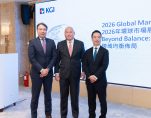
(From left) James Chu, Chairman at KGI Securities Investment Advisory; James Wey, Head of International Wealth Management at KGI; Cusson Leung, Chief Investment Officer at KGI

After a turbulent year of trade disruptions and policy uncertainty under President Trump, investors face new questions. China has unveiled its 15th Five-Year Plan, as policymakers aim to support domestic growth amid global challenges. The market outlook for 2026 is shaped by interest rate decisions, economic resilience, and shifting international dynamics.

Under this backdrop, we propose the “LEAD” strategy for 2026:

  1. Liquidity Shift
  2. Earnings Focused
  3. Adding Credit
  4. Diversified Assets

Cusson Leung, Chief Investment Officer at KGI, says: “Looking ahead to 2026, investors can adopt a LEAD strategy: L ​​stands for Liquidity Shift, benefiting from a weakening US dollar and interest rate cuts, with funds expected to flow to non-US dollar and Asian currencies; E stands for Earnings Focused, focusing on earnings growth to support valuations and allocating to US, European, and Japanese stocks; A stands for Adding Credit, locking in the credit of leading companies and increasing holdings of A-rated investment grade bonds; and D stands for Diversified Assets, responding to the upward trend in both stocks and bonds by including alternative assets to optimize asset allocation.”

Macro & US Markets
The US economy will experience a more pronounced downturn in 4Q25, which will extend into 1H26, and this will have a negative impact on consumption, slowing investment activity. Nevertheless, AI-driven productivity gains should provide some support, with US GDP growth in 2026 forecast at 2.2%. The eurozone will see moderate growth, with Germany benefiting significantly from fiscal expansion and economic improvement. Japan’s economy will strengthen on domestic demand, aided by additional fiscal stimulus. China has demonstrated resilience under trade protectionism in 2025. With inflation risks easing and labor market risks rising, the US Fed cut the interest rates in September 2025, with a total reduction of 75 bps in 2025, followed by an additional 50-75 bps in 2026.

Regarding US stocks, AI-driven productivity gains and cost reductions should sustain solid profitability, with S&P 500 earnings projected to grow by 13.55% year-on-year (YoY) in 2026. However, higher risk premiums may cap valuation upside, leading us to project a year-end target of 7,650 points. Market performance will reflect risk-driven declines in 1Q26, stabilize and recover in 2Q26, and rally significantly around the midterm elections in 4Q26. By sector, among AI-related themes we favor technology, semiconductors, utilities (on higher power demand), machinery for advanced manufacturing, and industrial REITs. Non-AI beneficiaries include aerospace and defense (on higher military spending), pharmaceuticals (on tariff benefits), and capital market segments (supported by active investment banking). As for fixed income, US economic weakness and Fed rate cuts will drive Treasury yields lower, with 10-year yields expected to fall to 3.5-3.7% by 2Q26. We recommend allocating to US Treasuries or high-rated investment-grade corporate bonds in 1H26, then rotating into high-yield bonds in 2H26 as policy rates and economic conditions reach a bottom.

James Chu, Chairman at KGI Securities Investment Advisory, says: “AI is triggering a new productivity revolution, supporting economic growth and strengthening corporate earnings. While the US economy is expected to slow, a recession remains unlikely, and the short-term impact of tariff policies should gradually fade by the first quarter of 2026. Although the Fed may shift from cutting rates at every meeting to cutting at alternating meetings, the overall environment remains a rate-cutting cycle. In a non-recession backdrop, lower interest rates should continue to support equity market performance.”

Mainland China and Hong Kong Markets
In terms of the macroeconomy, with the conclusion of trade agreements among many countries, risks have subsided. However, due to external drag, China’s GDP growth is expected to slow slightly to 4.6% in 2026. In 2026, investors should focus on four key areas for Hong Kong and mainland China markets: (1) In the consumption sector, domestic demand continued to be the core growth driver, contributing more than half of GDP. As the “trade-in” effect diminishes, the central government is expected to implement the “15th Five-Year Plan” and economic conference plans, launching a new round of subsidies covering culture, entertainment, and sports to continuously boost consumer spending. (2) In the financial market, risk appetite has increased. Given the narrowing spread between bond yields and fixed deposit rates, large amounts of savings are flowing into the capital market seeking returns. The fundamentals of the banking and insurance industries have bottomed out, and the credit structure is accelerating its shift from real estate to supporting the real economy. (3) Regarding the issue of “anti-involution,” the PPI remains weak, and capacity reduction has become a focus. Compared to 2015, this round involves more downstream private enterprises and needs to consider employment, presenting greater challenges. While industry consolidation is expected to be lengthy, the impact is controllable and beneficial for long-term healthy development. (4) Regarding new quality productive forces, this will replace real estate and infrastructure as the main investment focus. Digital infrastructure supports AI and embodied intelligence, and humanoid robots are expected to see commercialization in 2026, “iPhone moment.” Leading companies with core technological autonomy in innovative drugs will enjoy higher valuation premiums.

Overall, we are optimistic on Hang Seng Index. We expect the Federal Reserve’s interest rate cuts to drive fund inflows to the Hong Kong and mainland stock markets. Based on an upward revision of the forward PE ratio to 13.5x and 8% earnings growth, we set a target of 30,000 points for the Hang Seng Index by the end of 2026, representing a potential upside of approximately 14%. As confidence recovers, the investment style is expected to shift from defensive to growth stocks. Recommended 12 stocks: XPeng Motors (9868), UBTECH (9880), Tencent Holdings (700), Alibaba (9988), China Hongqiao (1378), AIA Group (1299), Ping An Insurance (2318), China Merchants Bank (3968), Akeso Biopharma (9926), Pop Mart (9992), Tencent Music (1698), and Sino Land (83).

Cusson Leung, Chief Investment Officer at KGI, says: “2026 marks a crucial turning point for the Chinese economy. While the market anticipates GDP growth to slow to 4.6%, “new quality productive forces,” resembling humanoid robots, is taking over as a new growth engine. The most critical signal in the market is the “awakening” of idle cash—massive savings are flowing from low-interest fixed deposits to the capital market seeking returns. With risk appetite returning and policy support intensifying, now is the time to shift investment strategies from “defensive” to “growth.” Driven by both valuation repair and earnings growth, we are optimistic that the Hang Seng Index will reach 30,000 points, and the allocation value of Hong Kong and mainland China stocks has reappeared.”

Taiwan Market
Compared to the dot-com era bull run, which lasted almost five years, the current AI frenzy has been around for about three years, suggesting that the uptrend is still in its middle phase and could extend through 2026.

AI plays are trading at high PEs, such valuations are backed by strong fundamentals. In fact, the PEG ratio of Taiwan’s AI supply chain has yet to surpass 1x. We estimate that aggregate earnings of AI plays will grow by 21% YoY in 2026, following impressive upticks of 35% in 2024 and 43% in 2025. AI stocks now account for more than 60% of TAIEX earnings, and with the ongoing AI arms race, overall TAIEX earnings growth is projected to accelerate from 14% in 2025F to 20% in 2026.

Although the AI frenzy should keep the bull market intact, volatility will rise in tandem due to: (1) substantial cumulative gains, and the fact that valuations are approaching historic highs; (2) policy and political uncertainty surrounding the US midterm elections; and (3) potential changes in the US Fed’s rate-cut pace. We expect the TAIEX to repeat a “smile-curve” pattern, featuring continued strength in 1Q26, followed by healthy corrections in 2Q-3Q26 before closing the year with a renewed upswing.

We think investors need to pay attention to two major themes. The first is a broad-based product spec upgrade trend across the AI supply chain, which will drive the industry into a new growth phase, with beneficiaries including foundries, GPU and ASIC designers, advanced packaging (such as CoWoS), and ODMs, as well as testing interfaces, memory, thermal solutions, CCL, ABF substrates, PCBs, switches, and power component suppliers amid strong AI computing demand and ongoing GPU platform upgrades. The second is diversification and defensive asset allocation. Innovations in consumer electronics, such as foldable iPhones and smart wearables, will provide growth opportunities, while companies with resilient domestic demand and stable high dividend yields offer a balanced strategy combining growth and income. Overall, investors should strike a balance between growth and resilience against volatility in their portfolios, in the face of market fluctuations.

James Chu, Chairman at KGI Securities Investment Advisory, says: “The solid earnings growth driven by AI and still reasonable valuations form a strong foundation for the ongoing bull market in Taiwanese equities. With AI adoption accelerating across enterprises and consumers, demand for computing power is rising rapidly. Yet supply remains constrained by chip and power bottlenecks, meaning hardware suppliers are likely to face continued shortages through 2026. Taiwan’s AI supply chain is set to remain a key beneficiary, particularly those tied to next-generation specification upgrades.”

Singapore Market
In 9M25, the overall performance of Singapore’s economy was better than expected as the global trade tensions eased after the US pivoted on its reciprocal tariffs and reached deals with its major trading partners. The manufacturing, wholesale trade and finance & insurance sectors remained the growth pillars of the Singapore economy, and each sector delivered decent growth. In particular, manufacturing’s growth has been robust, driven by the electronics, transport engineering and biomedical manufacturing clusters. The full year outlook is upbeat, as the growth momentum shall continue till the end of the year.

Looking ahead, the global economic outlook for 2026 suggests slower GDP growth for most of Singapore’s key trading partners, including China and the Eurozone, largely due to the impact of US tariffs, which will temper demand for Southeast Asian exports, though US growth is expected to remain resilient from AI investment. Consequently, Singapore’s outward-oriented sectors, particularly manufacturing and trade-related services, are projected to expand at a slower pace than in 2025, although the electronics and related sectors will benefit from AI demand, while some precision engineering and biomedical output may moderate domestically, the construction sector is set to grow, but consumer-facing sectors are likely to remain subdued. However, the relatively low interest rates and continuous government support shall buffer the impact of the slowdown, and the capital market will still benefit from the upward re-rating catalysts.

Chen Guangzhi, Head of Research at KGI Singapore, says: “Thanks to trade de-escalation and the AI wave, Singapore experienced significant economic expansion in 2025. Proactive government initiatives turbo-charged the equity bull run, and this strong momentum is expected to deliver an optimistic economic outlook for 2026.”
Hashtag: #KGI #MarketOutlook


Wechat: KGI 凱基

The issuer is solely responsible for the content of this announcement.

KGI

KGI* has been a leading financial institution in Asia since 1997. Our scope of business encompasses wealth management, brokerage, fixed income, and asset management. We are committed to offering a comprehensive range of financial products and services to corporate, institutional, and individual clients throughout Asia. Backed by KGI Financial Group, we have a robust footprint in Asia, covering Taiwan, Hong Kong, Singapore, Indonesia, and Thailand^.

*KGI refers to KGI Asia Limited and its affiliates.
^an investee enterprise of KGI Securities, not a subsidiary.

DISCLAIMER
All the information contained in this document is not intended for use by persons or entities located in or residing in jurisdictions which restrict the distribution of this document by KGI Asia Limited (“KGI”), or any other affiliates of KGI. Such information shall not constitute investment advice, or an offer to sell, or an invitation, solicitation or recommendation to subscribe for or invest in any securities, insurance or other investment products or services nor a distribution of information for any such purpose in any jurisdiction. In particular, the information herein is not for distribution and does not constitute an offer to sell or the solicitation of any offer to buy any securities in the United States of America, or to or for the benefit of United States persons (being residents of the United States of America or partnerships or corporations organised under the laws of the United States of America or any state, territory or possession thereof). All the information contained in this document is for general information and reference purpose only without taking into account of any particular investor’s objectives, financial situation or needs and may not be redistributed, reproduced or published (in whole or in part) by any means or for any purpose without the prior written consent of KGI. Such information is not intended to provide any legal, financial, tax or other professional advice and should not be relied upon in that regard.
All investments involve risks. The prices of securities fluctuate, sometimes dramatically. The price of a security may move up or down, and may become valueless. It is as likely that losses will be incurred rather than profit made as a result of buying and selling securities.
Bond investment is NOT equivalent to a time deposit. It is NOT protected under the Hong Kong Deposit Protection Scheme. Bondholders are exposed to a variety of risks, including but not limited to: (i) Credit risk – The issuer is responsible for payment of interest and repayment of principal of bonds. If the issuer defaults, the holder of bonds may not be able to receive interest and get back the principal. It should also be noted that credit ratings assigned by credit rating agencies do not guarantee the creditworthiness of the issuer; (ii) Liquidity risk – some bonds may not have active secondary markets and it would be difficult or impossible for investors to sell the bond before its maturity; (iii) Interest rate risk – When the interest rate rises, the price of a fixed rate bond will normally drop, and vice versa. If you want to sell your bond before it matures, you may get less than your purchase price. Do not invest in bond unless you fully understand and are willing to assume the risks associated with it. Please seek independent advice if you are unsure.
You are advised to exercise caution and undertake your own independent review, and you should seek independent professional advice before making any investment decision. You should carefully consider whether investment is suitable in light of your own risk tolerance, financial situation, investment experience, investment objectives, investment horizon and investment knowledge.
No representation or warranty is given, whether express or implied, on the accuracy, adequacy or completeness of information provided herein. In all cases, anyone proposing to rely on or use the information contained herein should independently verify and check the accuracy, completeness, reliability and suitability of the information. Simulations, past and projected performance may not necessarily be indicative of future results.
Information including the figures stated herein may not necessarily have been independently verified, and such information should not be relied upon in making investment decisions. None of KGI, its affiliates or their respective directors, officers, employees and representatives will be liable for any loss or damage of any kind (whether direct, indirect or consequential losses or other economic loss of any kind) suffered or incurred by any person or entity due to any omission, error, inaccuracy, incompleteness or otherwise, or any reliance on such information. Furthermore, none of KGI, its affiliates or their respective directors, officers, employees and representatives shall be liable for the content of information provided by or quoted from third parties.
Members of the KGI group and their affiliates may provide services to any companies and affiliates of such companies mentioned herein. Members of the KGI group, their affiliates and their directors, officers, employees and representatives may from time to time have a position in any securities mentioned herein.

President Donald Trump said on Monday that any country conducting business with Iran would face a 25% tariff on trade with the United States, signalling a sharp escalation in Washington’s economic pressure as the White House weighs its response to unrest inside Iran marked by widespread anti-government protests. The warning was delivered via a post on Truth Social, where Trump said the measure would take effect immediately […]

Abu Dhabi has constituted the board of its new sovereign investment platform, L’IMAD Holding Company, marking another step in the emirate’s drive to broaden revenue streams and deepen its presence in global deal-making. The formation of the board, announced by the Abu Dhabi Media Office, places the vehicle alongside a growing roster of state-backed investors tasked with deploying capital across sectors seen as strategic to long-term growth. […]

NAIROBI, KENYA – Media OutReach Newswire – 13 January 2026 – Swiss-Belhotel International, has signed a management agreement for The Gama by Swiss-Belhotel, Kilimani, Nairobi, with Albushra Real Estate Limited, marking the global debut of its newest brand concept and underscoring the group’s strategic expansion across Africa. The latest signing builds on the group’s established presence in East Africa, where Swiss-Belhotel International operates multiple properties.

Mr. Laurent A. Voivenel, Senior Vice President – Operations & Development, EMEA and India, Swiss-Belhotel International and Dr. Sheikh Mohamed Shakul, CEO of Albushra Real Estate Limited

Scheduled to open within the next 12 months, The Gama by Swiss-Belhotel, is strategically located in Kilimani, one of Nairobi’s most dynamic and sought-after districts. It features 155 well-appointed guest rooms, complemented by an extensive range of lifestyle and business facilities, including two food and beverage outlets, a fully equipped gym, a rooftop swimming pool, a dedicated ladies’ sauna, and expansive ballroom and meeting facilities.

Dr. Sheikh Mohamed Shakul, CEO of Albushra Real Estate Limited, said: “The Gama by Swiss-Belhotel represents a bold and future-focused development for Nairobi. Our vision was to create a modern hospitality and lifestyle destination that reflects the energy of the city while meeting the evolving expectations of today’s traveller. Partnering with Swiss-Belhotel International, with its global expertise and strong operational standards, ensures that this project will set a new benchmark in the market.”

Mr. Gavin M. Faull, Chairman and President of Swiss-Belhotel International, added: “The launch of The Gama by Swiss-Belhotel marks a significant milestone for our group as we introduce a new brand to our global portfolio. Africa continues to be a key focus market for Swiss-Belhotel International, and Nairobi, in particular, offers tremendous potential. This signing reflects our confidence in the city’s long-term growth and our commitment to delivering brands that are relevant, contemporary, and market-driven.”

Highlighting the strategic importance of the project, Mr. Laurent A. Voivenel, SVP – Operations & Development, EMEA and India, Swiss-Belhotel International, stated: “The Gama by Swiss-Belhotel has been carefully conceptualised to resonate with the next generation of travellers – those seeking authenticity, smart design, and social connectivity without compromising on comfort or service quality. This signing not only strengthens our footprint in Kenya but also underscores our broader expansion strategy across Africa and emerging markets.”

Hashtag: #swissbelhotel #swissbelhotelinternational #thegamabyswiss-belhotel #hotelkenya #hotelnairobi #kenya #nairobi


The issuer is solely responsible for the content of this announcement.

Arabian Post Staff -Dubai Emirates NBD Bank, the UAE’s second largest lender by assets, has taken a step towards expanding the domestic capital markets by mandating its debut dirham-denominated Regulation S three-year fixed-rate digitally native notes, marking a move that blends traditional funding with blockchain-enabled issuance infrastructure. The planned transaction signals growing confidence among regional issuers in digital settlement frameworks while maintaining alignment with established international clearing […]

Arabian Post Staff -Dubai Shares of Larsen & Toubro fell sharply in early trading on January 13, extending losses after reports indicated that Kuwait is weighing the cancellation of oil and gas project tenders with an estimated value of $8.7 billion, a development that unsettled investors exposed to the company’s hydrocarbons order book. The stock dropped close to 3 per cent during morning deals, touching a one-month […]

HARBIN, CHINA – Media OutReach Newswire – 12 January 2026 – On 10 January, the inaugural “HIT-Cambridge-Oxford Cup” Ice Dragon Boat International Friendship Race was held in Harbin, China’s “Ice City”. Fourteen teams participated, representing University of Oxford, University of Cambridge, Harbin Institute of Technology (HIT), other C9 League universities, as well as institutions from Hong Kong and Macao, competing in this exhilarating event.

The opening ceremony of "HIT-Cambridge-Oxford Cup" Ice Dragon Boat International Friendship Race
The opening ceremony of “HIT-Cambridge-Oxford Cup” Ice Dragon Boat International Friendship Race

“This is incredible!” said Edward Townsend, a Cambridge student, his cheeks rosy from the cold wind and his eyes gleaming with excitement after an intense ice dragon boat race. “In the UK, the lowest temperature is around -5°C, but here it’s over -20°C. At first, we had no idea about ice dragon boating, but it’s more than just physical; it’s a test of teamwork. We’ve rowed on the River Cam, but this is our first time racing dragon boats on ice in China.”

“The biggest challenge is the technique difference. Ice dragon boating tests your core and upper body, while water rowing is more about the legs,” said Daniel Foran from Oxford. “But this challenge brought us closer as a team, and the HIT coaches were incredibly supportive, showing us how to use our strength effectively.”

"HIT-Cambridge-Oxford Cup" Ice Dragon Boat International Friendship Race
“HIT-Cambridge-Oxford Cup” Ice Dragon Boat International Friendship Race

“Ice dragon boating has really shown me how sports can bring the world closer, making distance feel almost irrelevant,” said Na Boshi, a student at HIT who is competing in his third ice dragon boat race. “In the past, the event was mainly an opportunity to connect with students and faculty from other C9 universities in China. This year, however, it felt even more exciting, as we welcomed teams from Oxford, Cambridge, and universities in Hong Kong and Macao. HIT’s athletic programmes are becoming increasingly international, creating an incredible platform for cultural exchange and mutual learning.”

“In Chinese culture, the dragon boat symbolises unity, progress, and excellence, values that resonate with the British ideals of courage, courtesy, and responsibility,” said Chen Jie, HIT Party Secretary. “Although China and the UK are at opposite ends of the Eurasian continent, this event bridges Oxford and Cambridge’s century-old rowing tradition with HIT’s engineering legacy and fosters cultural understanding between our youth.”

Beyond the competition, the cultural exchange was equally vibrant. Participants had the chance to visit Harbin Ice-Snow World, feed Siberian tigers up close, taste traditional Northeast Chinese cuisine, and explore the century-old Chinese Baroque district. These immersive experiences gave the foreign students a new and deeper understanding of China.

As a leading engineering university in China, HIT’s hosting of the event was more than a sports competition; it was an effort to explore new pathways for opening up higher education in today’s complex international landscape.

Hashtag: #HIT

The issuer is solely responsible for the content of this announcement.

Average petrol prices across the United States have dropped to about $2.79 a gallon, marking the lowest national level in roughly five years and delivering tangible relief to households after a prolonged period of volatility at the pump. Data compiled from nationwide fuel surveys show the decline has been broad-based, with most states reporting steady week-on-week falls as winter demand ebbs and supply conditions improve. The slide […]

New targets outlined for 2030 following the successful conclusion of the 25×25 sustainability targets

HONG KONG SAR and SHANGHAI, CHINA – Media OutReach Newswire – 12 January 2026 – Hang Lung Properties Limited (SEHK stock code: 00101) (“Hang Lung” or the “Company”) today announces a new phase in its sustainability journey, unveiling 20 refreshed 2030 targets that build on its success in achieving its 25 x 25 Sustainability Targets.

EN.PNG

Launched in 2021, the 25 x 25 targets defined Hang Lung’s agenda to the end of 2025 across four priorities: Climate Resilience, Resource Management, Wellbeing, and Sustainable Transactions. The Company has achieved its earlier ambitions, and exceeded targets related to greenhouse gas emissions reduction, renewable energy, and energy efficiency. Establishing such a concrete and robust set of targets also helped the Company develop practices in sustainability innovation and continual improvement.

Building on this success, now with expanded data, greater organizational maturity, and heightened ambition, Hang Lung’s refreshed 2030 targets reflect its position as an industry leader in sustainability.

The 20 targets for 2030 continue to be organized under the four priorities that define Hang Lung’s approach to sustainability, including the below highlights:

  • Climate Resilience: Among the first real estate companies in Asia to have near- and long-term targets fully aligned with the Science Based Target initiative’s Buildings Criteria and its emission reduction pathway (1.5°C). Also, Hang Lung is the first real estate company in Asia to establish a Climate Value-at-Risk target.
  • Resource Management: The first real estate company in Asia to formulate a target for biodiversity net gain (10%) on all new development projects and major renovations, supporting urban ecosystems and enhancing green spaces.
  • Wellbeing: Generate at least HK$40 million in social value through community investments.
  • Sustainable Transactions: Collaborate with tenants representing 25% of our leased floor area through our sustainability partnerships program.

Collaboration across the value chain remains central to Hang Lung’s approach, extending beyond traditional metrics. Hang Lung aims to partner with suppliers and tenants through quantifiable targets to drive progress upstream and downstream. In addition, the Company is committed to supporting innovation in standards development to facilitate impactful sustainability initiatives across sectors and jurisdictions.

Mr. Adriel Chan, Chair of Hang Lung Properties and Chair of the Sustainability Steering Committee, commented: “We are excited to embark on this next phase of our sustainability journey, reflecting Hang Lung’s growing role not just as a leader in sustainability action, but also in sustainability thought leadership. By working closely with partners across our value chain, we are confident that we can deliver on these commitments and continue to foster excellence in sustainable development in Asia.”

Mr. John Haffner, Deputy Director – Sustainability, added: “Over the past several years, we have seen how ambitious targets focus our efforts and help develop a culture of innovation. Building on our achievements and lessons learned, our 2030 targets are sharper and more data-driven, and will help us achieve greater impact in our communities.”

Full details of the 25 x 25 wrap-up and the new 2030 targets will be shared in Hang Lung’s 2025 Sustainability Report to be released in March. The report will provide further insights into the Company’s achievements, lessons learned, and emerging plans to support the refreshed 2030 targets, inviting partners and the wider public to join forces in shaping a sustainable future.

Appendix
Overview of 2030 Sustainability Goals and Targets

Priority 2030 Goals 2030 Targets
Climate Resilience

Reduce carbon footprint in line with science and adapt to a changing climate

1. In-use operational emissions: 56.1% per m2 reduction in scope 1, 2 and 3 in-use operational GHG emissions of owned and leased buildings from a 2023 base year.
2. Upfront embodied emissions: 42% reduction in upfront embodied emissions from a 2023 base year.
3. Renewable electricity: 70% of our landlord’s electricity consumption across the portfolio provided by renewable electricity.
4. Adaptation: 10% reduction in our Climate Value-at-Risk compared to the absence of implemented adaptation measures.
Resource Management

Drive efficient and circular use of natural resources and help regenerate nature

5. Energy Use Intensity: 10% reduction in the landlord’s energy use intensity from a 2023 base year.
6. Operational Waste: 35% recycling of municipal solid waste generated from operating properties.
7. Construction Waste: 90% recycling of construction waste generated from construction sites.
8. Water: 8% reduction in freshwater intensity from a 2023 base year.
9. Biodiversity: 10% biodiversity net gain on all new development projects and major renovations with landscape renovation.
Wellbeing

Foster safe, inclusive and healthy spaces that enhance quality of life for all stakeholders

10. Health and safety: Maintain zero work-related fatalities, serious injuries, and occupational diseases for employees and contractors. Maintain a Lost Time Injury Rate of 1.5 or below for employees and contractors.
11. Indoor air quality: Maintain, more than 90% of the time, PM2.5, TVOC and CO2 levels below levels defined in the RESET Air standard.
12. Employee engagement: Maintain an employee engagement survey rating greater than or equal to the 75th percentile.
13. Diversity: At least 5% of our workforce across the portfolio is comprised of people from diverse backgrounds.*
14. Diversity: Maintain Female-to-Male pay ratio of 1:1; maintain gender balance in management positions.
15. Social impact: Create at least HK$40 million in social value through our community investments.
Sustainable Transactions

Collaborate with key stakeholders across our value chain to advance our sustainability priorities

16. Tenant electricity intensity: Benchmarking provided to 100% of tenants across the Chinese Mainland portfolio and work with tenants towards a 10% reduction in their electricity intensity from a 2023 base year.
17. Tenants: Tenants representing 25% of our leased floor area in applicable Chinese Mainland and Hong Kong properties participate in our tenant sustainability partnerships program.
18. Suppliers: Regularly conduct ESG risk screening for 100% of active suppliers and provide ESG assessments for suppliers covering 50% of spending.
19. Procurement: 15% of spending on operational procurement qualifies as sustainable procurement.
20. Standards development: Undertake at least three innovative initiatives in standards development to help accelerate learning and sustainability impact.

* Our definition of diverse background includes people with disabilities and ethnic minorities.

Hashtag: #HangLungProperties

The issuer is solely responsible for the content of this announcement.

About Hang Lung Properties

Hang Lung Properties Limited (SEHK stock code: 00101) creates compelling spaces that enrich lives. Headquartered in Hong Kong and Shanghai, the Company manages a portfolio of over 3.5 million square meters of retail, office, residential, and hotel properties across Hong Kong and mainland China.
The Company’s diverse portfolio in Hong Kong includes office towers and malls in prime districts, as well as luxury residential developments in prestigious areas. In mainland China, under the signature “66” brand, the Company’s mixed-use and retail developments are regarded as premium landmarks, strategically located in the hearts of key cities of Shanghai, Shenyang, Jinan, Wuxi, Tianjin, Dalian, Kunming, Wuhan, and Hangzhou.
The Company is recognized for pioneering sustainability in the real estate industry, with an MSCI ESG rating of AA and inclusion on CDP “A List” for Climate Change. The Company powers 80% of its operating properties in the Mainland with renewable energy, with a net zero commitment by 2050.
At Hang Lung Properties – We Do It Well.
For more information, please visit .

National Stock Exchange of India has set its sights on filing draft initial public offering documents by the end of March, signalling a decisive step towards a long-anticipated market listing after years of regulatory uncertainty and governance resets.

People familiar with the matter say preparatory work is advancing, with internal approvals and compliance checks being aligned to meet the timeline. The exchange, which dominates equity and derivatives trading in the country, has been seeking to revive its listing plans after earlier attempts were stalled by regulatory scrutiny and leadership changes.

The move hinges on the receipt of a no-objection certificate from the market regulator, Securities and Exchange Board of India, which would clear the way for formal appointments of investment bankers and legal advisers. Those appointments are expected to follow swiftly once regulatory clearance is in hand, allowing the exchange to progress towards a draft red herring prospectus.

A potential filing by the end of March would place the exchange on track for a listing later in the financial year, subject to market conditions and regulatory review. Such a timeline would mark a turning point for the bourse, which has remained unlisted despite being among the world’s largest exchanges by trading volumes.

The exchange’s renewed push comes after a period of structural and governance reforms aimed at addressing issues that emerged earlier in the decade. These included concerns around preferential access to trading systems and lapses in oversight, which led to enforcement actions and delayed the listing roadmap. Since then, the exchange has reconstituted its board, strengthened compliance frameworks, and worked to restore regulatory confidence.

Market participants view the IPO as a significant milestone for capital markets, offering investors exposure to a cash-generative infrastructure asset with a dominant market position. The exchange commands a substantial share of equity derivatives trading globally and has expanded its product offerings across equities, indices, commodities, and data services.

Financial performance has also supported renewed listing ambitions. The exchange has reported steady growth in revenues driven by trading fees, clearing and settlement income, and technology-related services. Operating margins have remained robust, reflecting the scale advantages of its platform and relatively low incremental costs as volumes rise.

Valuation expectations, while not formally disclosed, have been the subject of market discussion for several years. Unofficial estimates have ranged widely depending on assumptions around growth, regulatory constraints, and competitive dynamics. A formal IPO filing would provide the first detailed, regulator-reviewed snapshot of the exchange’s finances, risks, and strategic priorities.

The listing process is expected to draw intense scrutiny from the regulator, given the exchange’s systemic importance and its history. Any draft filing will need to address past issues comprehensively, outline governance safeguards, and demonstrate sustained compliance with regulatory norms. Observers expect the regulator to take a cautious but structured approach, balancing investor protection with the broader objective of deepening capital markets.

For investors, the exchange’s ownership structure adds another layer of interest. Several domestic and global financial institutions hold stakes, some of which have been illiquid for years due to the absence of a public market. An IPO would offer a potential exit route and price discovery mechanism for these shareholders, while also broadening public participation in a key piece of market infrastructure.

Competition in the exchange space has intensified, particularly in derivatives and technology-driven trading solutions. Rival platforms have sought to chip away at market share through pricing, product innovation, and regulatory appeals. Even so, the exchange’s network effects, liquidity depth, and brand recognition continue to underpin its leading position.

Analysts note that the timing of an IPO will also be influenced by broader market conditions. Equity markets have shown periods of volatility, and new listings have faced varying levels of investor appetite. A filing by March-end would allow flexibility to choose a launch window that aligns with sentiment and valuations.

Tether has frozen $182 million worth of its USDT stablecoin across five wallets operating on the TRON blockchain, signalling an assertive enforcement step as the issuer tightens controls around illicit finance risks. The action was executed on January 11, 2026, and followed coordination with law-enforcement and compliance partners, according to people familiar with the move. The freeze places the affected balances beyond transfer or redemption, effectively neutralising […]

  UAE authorities and major lenders have warned customers to stay on high alert after disclosures of a dangerous WhatsApp security flaw that can allow attackers to compromise smartphones through a single call, exposing banking credentials, personal data and private communications. Advisories circulated by banks and cyber security teams say the vulnerability exploits the way WhatsApp handles voice calls, enabling so-called zero-day or zero-click attacks that do […]

VISHNU RAJA
RYO YAMADA
HITORI GOTOH
IKUYO KITA