Just in:
Microsoft apologises as Outlook services recover after outage // China’s Taiwan warning tests Washington’s defence commitments // BJP-sponsored school exam approval revoked // Salik posts Dhs1.045bn profit despite lower toll traffic // Hong Kong International Airport Online Shop Winter Festive Offer // TORRAS Launches Two New iPhone Duo Cases from Its Popular Ostand Series, Addressing Foldable Phone Users’ Concerns About Difficult Stand Positioning and Scratches // Bahrain broadcasts nationwide safety warnings amid aerial threats // US resumes flights after nationwide air traffic shutdown // OpenAI unveils ChatGPT Wallet for agent-led purchases // Danone expands consumer insight capabilities to accelerate nutrition innovation through Southeast Asia R&I Application Lab upgrade // Iran claims six-drone operation against US radar in Bahrain // EU levies definitive duties on five steel suppliers // Bitcoin rebounds after weekend plunge wipes billions from cryptocurrencies // JCI Names the 2026 Ten Outstanding Young Persons of the World // Pink Economy report puts equal rights at the heart of Thailand’s road to Bangkok WorldPride 2030 // October Food Price Shock Has Far Reaching Consequences // The Honey Trap Is The Headline, The Chip Pipeline Is The Story // Thiruvambady Devaswom hails rejection of report // IEA forecasts fourth-quarter oil surplus as Gulf shipments rebound // Sun World Ba Den Mountain marks Vietnam Culture Day, welcoming Cambodian visitors over Bon Om Touk //

News related to
completion

Dubai’s Roads and Transport Authority has introduced significant advancements to its public transport services, aiming to enhance commuter convenience and align with the emirate’s smart city vision. Passengers across various modes of transport can now access free Wi-Fi and utilize cashless payment options, reflecting RTA’s commitment to integrating technology into daily commutes. As of February 2025, the RTA, in collaboration with e& , has successfully installed free […]

Umm Al Qura for Development and Construction, the developer behind Makkah’s transformative Masar Destination project, has set its initial public offering price at SAR 15 per share. This pricing, at the upper limit of the anticipated range, reflects robust investor interest, with institutional orders surpassing expectations. The IPO’s institutional tranche witnessed an oversubscription rate of approximately 241 times, amassing orders totaling around SAR 473 billion from both […]

Dubai’s real estate market witnessed a 0.57% decline in property prices in January 2025, marking the first downturn since mid-2022. This shift suggests a potential stabilisation in a market that has seen consistent growth over the past two years.

According to Property Monitor’s latest report, the average price per square foot in January stood at AED 1,484 . Despite the price reduction, the month recorded 14,413 transactions, the highest-ever sales volume for January. However, this figure represents a 4.6% decrease compared to December 2024.

The median prices for different property types were reported as follows: apartments at AED 1,350,000, townhouses at AED 2,610,000, and villas at AED 6,915,888. These figures indicate a slight moderation in prices across various segments.

Industry experts attribute this price correction to several factors, including an increase in housing supply and a natural market adjustment following a prolonged period of rapid price escalation. The surge in property values over the past two years has been partly driven by an influx of high-net-worth individuals seeking luxury residences in Dubai.

In response to the growing demand, developers have accelerated construction projects. Notably, nearly 9,000 villas are slated for completion by the end of this year, with an additional 19,700 expected by 2025. This expansion aims to address the housing needs of a population projected to reach 5.8 million by 2040.

While the luxury segment has been a significant driver of the market, there are emerging concerns about affordability for middle-income residents. The rapid appreciation in property values has led to increased living costs, prompting discussions about sustainable growth and the necessity for diverse housing options.

International Holding Company has unveiled its financial results for 2024, showcasing a substantial 54.2% increase in revenue, reaching Dhs92.7 billion, up from Dhs60.1 billion in 2023. This impressive growth is attributed to strong performances across various sectors, notably real estate and construction, marine and dredging, and hospitality and leisure. The company’s net profit stood at Dhs25.7 billion, indicating a strategic shift towards value-driven investments. Total assets expanded […]

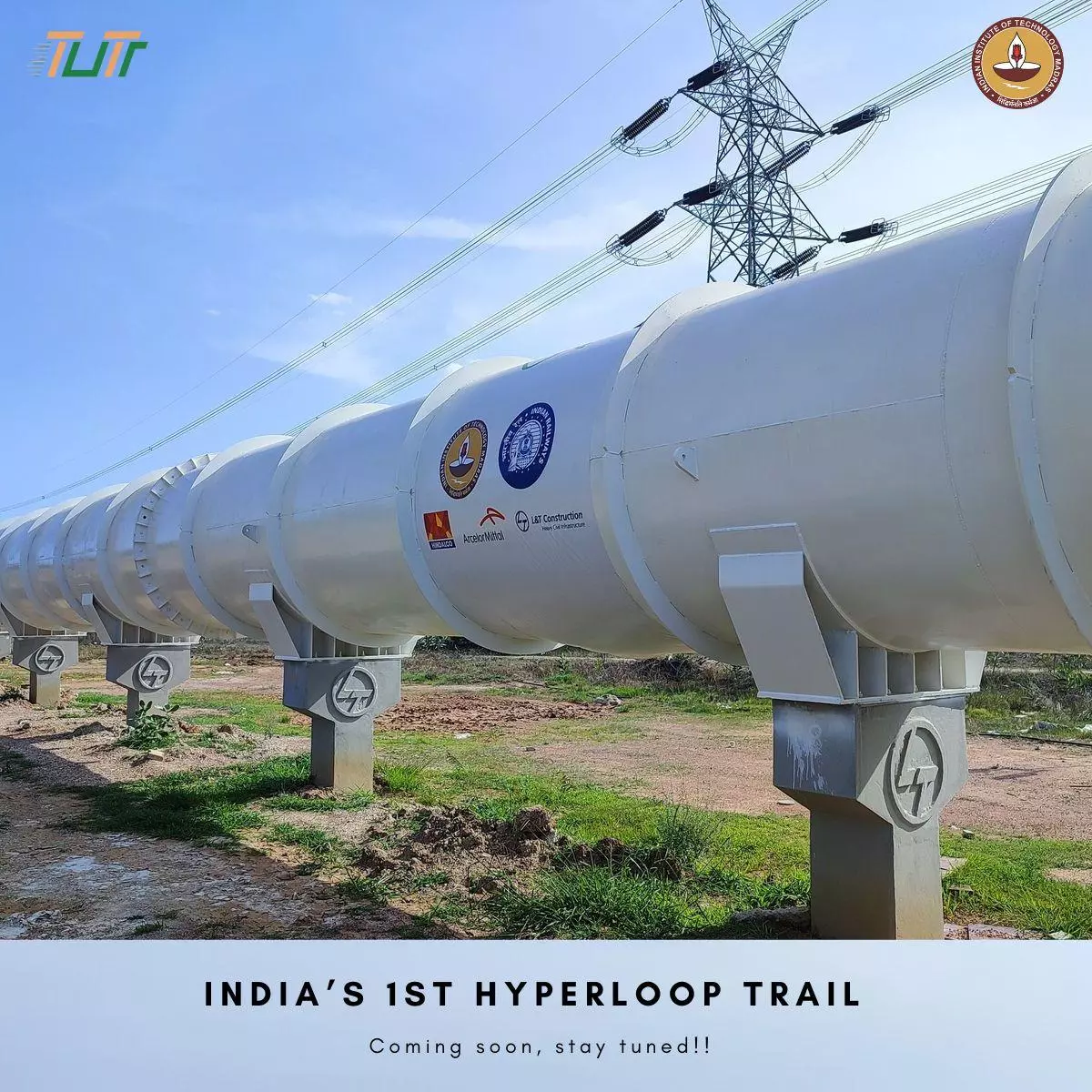
India has inaugurated its first hyperloop test track, a 422-meter facility developed by the Indian Institute of Technology Madras in collaboration with the Ministry of Railways. This significant milestone aims to revolutionize high-speed transportation in the country, potentially reducing travel times between major cities to mere minutes.

The hyperloop concept, first proposed by Elon Musk in 2013, envisions passenger pods traveling through low-pressure tubes at speeds exceeding 1,000 km/h. The completion of this test track at IIT Madras marks India’s commitment to exploring this cutting-edge technology. The facility, located on the IIT Madras campus in Chennai, serves as a critical platform for testing and refining hyperloop systems.

Union Minister for Railways, Electronics, and Information Technology, Ashwini Vaishnaw, announced an additional grant of $1 million to IIT Madras for the continued development of the hyperloop project. This funding follows two previous grants of the same amount, underscoring the government’s dedication to advancing this transformative mode of transport. Speaking at the closing ceremony of the Global Hyperloop Competition 2025, held at the Discovery Campus in Thaiyur, Vaishnaw emphasized the importance of this investment in propelling India’s transportation infrastructure into the future.

The hyperloop system promises to drastically cut travel times between major urban centers. For instance, the distance between Delhi and Jaipur, approximately 300 kilometers, could be traversed in less than 30 minutes using this technology. Similarly, routes like Mumbai to Delhi and Bengaluru to Chennai could see travel times reduced to a fraction of current durations. Such advancements not only enhance passenger convenience but also have the potential to boost economic activities by facilitating faster movement of goods and people.

The Ministry of Railways is also exploring the development of a 50-kilometer commercial hyperloop corridor, which would be the world’s longest test track of its kind. This initiative aims to assess the feasibility of integrating hyperloop technology into India’s existing transportation network. The proposed corridor is expected to serve as a prototype for future commercial hyperloop routes, setting the stage for a new era of high-speed travel in the country.

IIT Madras has been at the forefront of hyperloop research in India. The institute’s Avishkar Hyperloop team has been actively involved in developing scalable and efficient hyperloop technologies. Their efforts have garnered international recognition, positioning India as a significant player in the global pursuit of ultra-fast transportation solutions. The team’s work focuses on creating cost-effective and energy-efficient systems tailored to India’s unique geographic and demographic challenges.

The hyperloop project aligns with India’s broader strategy to modernize its transportation infrastructure. The government has been prioritizing investments in railway modernization, with plans to expand the 68,000-kilometer rail network and introduce 400 high-speed Vande Bharat trains by 2027. The integration of hyperloop technology is seen as a complementary effort to these initiatives, offering an alternative mode of transport that could alleviate congestion on traditional rail and road networks.

However, the implementation of hyperloop systems is not without challenges. High capital expenditure, land acquisition hurdles, and the need for rigorous safety standards pose significant obstacles. Moreover, the technology is still in its nascent stages globally, with no fully operational commercial hyperloop systems to date. Despite these challenges, India’s proactive approach, exemplified by the IIT Madras test track and continued governmental support, reflects a strong commitment to overcoming these barriers and pioneering the future of transportation.

SINGAPORE – Media OutReach Newswire – 24 February 2025 – The Institute of Singapore Chartered Accountants (ISCA) has signed a Memorandum of Understanding (MOU) with Xi’an Jiaotong-Liverpool University (XJTLU) in Suzhou, China, to establish pathways for students in China to pursue the Singapore Chartered Accountant Qualification (SCAQ). The newly-formed partnership marks the first collaboration with a university in China for ISCA, since the launch of its first […]

Lightpath, a prominent provider of all-fiber infrastructure-based connectivity, has announced the deployment of a 230-route mile, high-fiber-count network in the Phoenix metropolitan area. This strategic expansion is driven by partnerships with multiple hyperscaler clients and aims to meet the escalating demand for robust connectivity, particularly for artificial intelligence applications. The newly constructed network features underground, multi-conduit systems capable of housing up to 20,000 fibers. It establishes connections […]

Advertisements

Türkiye has launched its inaugural New-Type Landing Craft Tank at the Anadolu Shipyard in Istanbul, marking a significant advancement in the nation’s naval capabilities. The vessel, designated YLCT C-159, is the first of eight planned ships under a project initiated in early 2024 by the Presidency of Defense Industries.

The contract for these advanced amphibious vessels was signed in April 2024, and just ten months later, the first ship has been successfully launched. The remaining seven ships are slated for completion within the next 27 months, with the second YLCT expected to launch within a week. This accelerated timeline underscores Türkiye’s commitment to enhancing its naval fleet with domestically produced assets.

Haluk Gorgun, head of Turkish Defence Industries, expressed pride in this milestone, stating that it brings Türkiye closer to its goal of a stronger and more deterrent navy in the “Blue Homeland.” The YLCTs are designed to transport various vehicles and personnel, playing a crucial role in combat missions, disaster response, humanitarian aid, and evacuation operations.

Over the past 23 years, Türkiye has significantly increased the domestic production rate of its naval platforms from 20% to 80%. This achievement positions the country among a select group capable of designing, building, and maintaining a comprehensive range of military ships, including amphibious assault ships, support vessels, combat ships, and submarines.

The Anadolu Shipyard, located in Tuzla, Istanbul, has been instrumental in this progress. Founded in the early 1950s, the shipyard has evolved from building sailing yachts to advanced military vessels. It boasts facilities capable of constructing ships up to 17,000 DWT, with two shipways measuring 200 meters and 140 meters, respectively. The shipyard can simultaneously build up to six vessels, reflecting its substantial capacity and expertise.

In addition to bolstering its own naval forces, Türkiye has made strides in exporting domestically produced warships. The country has delivered vessels to nations such as Indonesia, Malaysia, Pakistan, Nigeria, and Qatar. Notably, in December 2024, Turkish defense company STM announced a contract to build two naval logistics ships for Portugal, marking Türkiye’s first military shipbuilding export to a NATO and EU member state.

The YLCT class ships are poised to enhance Türkiye’s operational capabilities significantly. These vessels are designed for high-speed operations, capable of transporting tanks, troops, and supplies during various missions. Their versatility makes them invaluable assets for both military logistics and humanitarian efforts, including natural disaster response and evacuation operations.

The launch of YLCT C-159 signifies a broader national effort to develop a self-sufficient defense industry. Türkiye’s focus on domestic production aims to reduce reliance on foreign suppliers and strengthen its strategic autonomy. This initiative aligns with the country’s long-term vision of becoming a formidable maritime power, capable of projecting influence and ensuring security within its regional waters and beyond.

As the remaining YLCT vessels are completed and integrated into the fleet, Türkiye’s naval forces will experience a substantial boost in their operational readiness and versatility. The successful execution of this project reflects the nation’s growing industrial capabilities and its determination to assert itself as a key player in the global defense sector.

The Anadolu Shipyard’s role in this endeavor cannot be overstated. With a history dating back to the 1950s, the shipyard has transformed into a hub of advanced naval construction. Its facilities, including two expansive shipways and multiple quays, enable the construction and maintenance of a wide array of vessels. The shipyard’s capacity to build up to six ships simultaneously highlights its strategic importance to Türkiye’s defense infrastructure.

Looking ahead, Türkiye’s investment in domestic naval production is expected to yield significant economic and strategic benefits. The development of indigenous shipbuilding capabilities not only enhances national security but also opens avenues for international collaboration and export opportunities. As Türkiye continues to modernize its fleet, it sets a precedent for self-reliance and innovation in defense manufacturing.

The launch of the first YLCT ship represents a pivotal moment in Türkiye’s maritime history. It exemplifies the nation’s commitment to strengthening its naval forces through domestic ingenuity and production. As subsequent vessels join the fleet, Türkiye is poised to enhance its maritime security and project power more effectively on the global stage.

The U.S. Senate has confirmed Kash Patel as the new Director of the Federal Bureau of Investigation with a narrow 51-49 vote. Patel, a long-time adviser to President Donald Trump, is set to lead the nation’s premier law enforcement agency, succeeding Christopher Wray, who resigned prior to the completion of his term.

Patel’s confirmation has been met with significant debate, primarily due to his close ties to President Trump and his previous criticisms of the FBI. Democratic senators have expressed concerns that his appointment could lead to the politicization of the bureau. Senator Dick Durbin highlighted Patel’s past statements and actions, suggesting they might compromise the FBI’s impartiality.

Adding to the controversy are Patel’s financial disclosures, which reveal substantial investments in the cryptocurrency sector. According to official filings, Patel holds up to $115,000 in Bitcoin and has invested between $50,001 and $100,000 in Core Scientific, a prominent Bitcoin mining company. These holdings have raised questions about potential conflicts of interest, especially given the FBI’s role in regulating and investigating cryptocurrency-related activities.

During his confirmation hearing, Patel addressed these concerns, stating that his investments are part of a diversified portfolio and asserting that they would not influence his duties as FBI Director. He emphasized his commitment to maintaining the bureau’s integrity and impartiality.

Republican senators have largely supported Patel’s appointment, viewing his leadership as an opportunity to reform the FBI and address perceived biases within the agency. Senator Chuck Grassley expressed confidence in Patel’s ability to restore public trust and ensure the bureau operates without political influence.

Patel’s professional background includes roles as a public defender, a trial attorney at the Department of Justice, and various positions during President Trump’s first term. His supporters cite this experience as evidence of his qualifications to lead the FBI.

However, critics remain skeptical. Concerns have been raised about Patel’s previous appearances on platforms known for promoting conspiracy theories and his past statements regarding internal FBI matters. Some former Justice Department officials have publicly opposed his nomination, suggesting that his leadership could undermine the bureau’s mission and integrity.

As Patel assumes his new role, he faces the immediate challenge of addressing internal morale within the FBI and external perceptions of the bureau’s impartiality. His approach to handling his cryptocurrency investments and potential conflicts of interest will be closely scrutinized by both lawmakers and the public.

The confirmation of Kash Patel marks a significant moment for the FBI, as the agency navigates complex political dynamics and emerging technological challenges. How Patel balances his personal investments with his professional responsibilities will play a crucial role in shaping the bureau’s future direction and public perception.

In the coming weeks, all eyes will be on Director Patel as he outlines his vision for the FBI and addresses the myriad issues facing the agency. His actions and decisions will be pivotal in determining the bureau’s trajectory during his tenure.

As the FBI embarks on this new chapter under Patel’s leadership, the interplay between personal interests and public duty will be a focal point of discussion and analysis among policymakers, law enforcement professionals, and the American public.

The Senate’s confirmation of Kash Patel as FBI Director underscores the deep divisions within the political landscape and highlights the ongoing debates surrounding the role of personal investments in public service. Patel’s tenure will undoubtedly be closely monitored as he steps into this critical position at a pivotal time for the nation.

As Director Patel begins his term, the balance between innovation in financial sectors and the ethical obligations of public office holders will remain a topic of significant importance and scrutiny.

The coming months will reveal how Patel navigates these challenges and whether his leadership will bring the reforms and renewed trust that his supporters anticipate. The outcomes of his decisions will have lasting implications for the FBI and its role in upholding justice and security in the United States.

Director Patel’s approach to his new role will be instrumental in shaping the future of the FBI and its relationship with both the government and the public it serves. His ability to address internal and external concerns will define his legacy and the bureau’s path forward.

As the nation watches, Director Patel’s actions will speak to his commitment to justice, integrity, and the principles that underpin the Federal Bureau of Investigation. The challenges ahead are significant, but so too are the opportunities for positive change under his leadership.

In this critical period, the direction set by Director Patel will influence not only the FBI’s operations but also the broader discourse on ethics, governance, and public trust in federal institutions. His tenure promises to be a defining chapter in the bureau’s storied history.

As Director Patel takes the helm, the interplay between his personal financial interests and his public responsibilities will be a key area of focus, with implications that extend beyond the FBI to the broader landscape of public service ethics.

The path Director Patel charts in addressing these complex issues will be closely observed, setting precedents for future leaders and shaping the narrative of accountability and transparency in government roles.

In navigating the responsibilities of his position, Director Patel’s decisions will resonate through the corridors of power, influencing policy, public perception, and the very fabric of the nation’s approach to law enforcement and justice.

As the FBI enters this new era under Director Patel, the balance he strikes between personal interests and public duty will serve as a barometer for the agency’s commitment to its foundational values and its adaptability in a rapidly evolving societal landscape.

The tenure of Director Patel is poised to be a transformative period for the FBI, with his leadership style and ethical considerations setting the tone for the agency’s future and its role in safeguarding the nation’s security and upholding the rule of law.


The cryptocurrency market of 2025 is witnessing a surge in presale activities, with two projects, PEPETO and Solaxy, capturing significant attention. PEPETO, an Ethereum-based memecoin, has achieved a remarkable milestone by surpassing $5 million in its presale phase, indicating robust investor interest. In contrast, Solaxy, a Layer 2 blockchain solution enhancing Solana and Ethereum compatibility, is nearing the completion of its presale, aiming to address scalability issues within these networks.

PEPETO’s success can be attributed to its unique features that resonate with the crypto community. The project offers a zero-fee trading platform, a cross-chain bridge facilitating seamless transactions across multiple blockchains, and a staking mechanism with an annual percentage yield of 348%. These incentives have led to over 24 trillion tokens being staked, representing approximately 5% of the total supply. The project’s emphasis on usability and accessibility has fostered a strong grassroots following, distinguishing it from other memecoins that rely heavily on influencer-driven hype.

Solaxy, on the other hand, focuses on enhancing blockchain efficiency by providing a scalable Layer 2 solution compatible with both Solana and Ethereum networks. The project has allocated 30% of its total SOLX supply for ongoing development and 10% for liquidity upon listing on decentralized and centralized exchanges. Additionally, Solaxy offers a staking yield of up to 214%, appealing to investors seeking passive income opportunities. The project’s recent audit by Coinsult has reinforced trust in its smart contract infrastructure, positioning it as a promising player in the Layer 2 blockchain sector.

Azizi Developments has officially commenced sales for Burj Azizi, poised to become the world’s second-tallest tower at 725 meters. The grand launch event took place at Dubai’s Coca-Cola Arena on February 18, 2025, attracting over 15,000 attendees, including government officials, investors, and media representatives. The evening featured a performance by American singer Jennifer Lopez.

Global sales events are scheduled for February 19, 2025, at prestigious venues worldwide, including the Conrad Hotel in Dubai, The Peninsula in Hong Kong, The Dorchester in London, JW Marriott Juhu in Mumbai, Marina Bay Sands in Singapore, Four Seasons Hotel in Sydney, and the Palace Hotel in Tokyo.

Burj Azizi, set for completion by 2028, will feature over 131 stories comprising residential, hotel, retail, and entertainment spaces. The residential section offers luxurious one-, two-, and three-bedroom apartments, with prices starting at AED 10,000 per square foot. Notably, it will be the only freehold property on Dubai’s Sheikh Zayed Road.

Amenities include wellness centers, swimming pools, saunas, cinemas, gyms, mini markets, resident lounges, and a children’s play area. The tower will also house a seven-floor vertical retail center, a luxury ballroom, a beach club, an observation deck, an adrenaline zone, and various high-end dining options.

Mr. Farhad Azizi, Group CEO of Azizi Developments, expressed pride in the project, stating, “Burj Azizi is not just a structure; it is a tribute to the emirate’s ever-growing prominence on the global stage.”

The tower is designed to set multiple records, including the highest hotel lobby on the 111th floor, the highest nightclub on the 126th floor, and the highest restaurant on the 122nd floor. A museum at the pinnacle will showcase the building’s development through multimedia exhibits.

Every 20 floors will feature dedicated amenity spaces, including swimming pools, saunas, steam rooms, fully equipped gyms, yoga centers, spas, game rooms, business centers, children’s play areas, cinemas, restaurants, coffee shops, and supermarkets.

Azizi Developments, with a portfolio of over 30,000 delivered homes, aims to redefine luxury living and architectural innovation with Burj Azizi, further enhancing Dubai’s iconic skyline.

The project represents a significant investment, with sales now open to buyers worldwide. Interested parties can attend the global sales events or visit the official website for more information.

Burj Azizi is poised to become a landmark destination, offering unparalleled luxury and contributing to Dubai’s status as a global metropolis.

The development underscores Dubai’s commitment to pushing architectural boundaries and setting new standards in luxury real estate.

As construction progresses, Burj Azizi is expected to attract significant interest from investors and residents seeking a prestigious address in one of the world’s most dynamic cities.

The tower’s strategic location on Sheikh Zayed Road offers residents and visitors easy access to Dubai’s key attractions and business districts.

With its blend of luxury, innovation, and prime location, Burj Azizi is set to become a symbol of Dubai’s ambitious vision and growth.

Saudi Arabia’s state-owned oil giant, Aramco, has signed definitive agreements to acquire a 25% equity stake in Unioil Petroleum Philippines, a prominent player in the Philippine petroleum sector. This strategic move aims to capitalize on the anticipated growth of the high-value fuels market in the Philippines and represents a significant step in Aramco’s global downstream expansion.

Established in 1966, Unioil operates a robust network of 165 retail stations and four storage terminals across the Philippines. The company’s diversified operations have positioned it as one of the fastest-growing entities in the country’s fuel industry. By acquiring a substantial stake in Unioil, Aramco plans to extend its brand presence and introduce its range of products, including Valvoline-branded lubricants, to selected retail stations within the archipelago.

Yasser Mufti, Aramco’s Executive Vice President of Products and Customers, expressed enthusiasm about the partnership, stating, “This investment represents another step forward in our global strategy to expand Aramco’s retail network, and we look forward to introducing Aramco’s high-quality products and services to customers in the Philippines.” This sentiment underscores Aramco’s commitment to enhancing its participation in vibrant economies through collaboration with established local partners.

The financial specifics of the transaction have not been publicly disclosed. However, the acquisition aligns with Aramco’s broader strategy to secure additional outlets for its refined products and strengthen its global retail footprint. This move follows Aramco’s previous retail acquisitions in Chile and Pakistan, highlighting a consistent pattern of strategic investments aimed at diversifying its market presence and tapping into emerging economies with growing energy demands.

The Philippines, with its expanding economy and increasing energy consumption, presents a lucrative opportunity for Aramco. The country’s demand for high-value fuels is projected to rise, driven by rapid urbanization, industrial growth, and a burgeoning middle class. By integrating into the Philippine market, Aramco positions itself to meet this rising demand while fostering economic growth within the region.

Unioil’s Chief Executive Officer, Janice Co Roxas-Chua, welcomed the partnership, noting that the collaboration with Aramco is poised to enhance Unioil’s service offerings and operational capabilities. “Partnering with a global leader like Aramco allows us to bring world-class products and services to our customers, further elevating the standards of the Philippine fuel industry,” she remarked.

This acquisition is subject to customary closing conditions, including regulatory approvals. Both companies are expected to work closely with Philippine authorities to ensure compliance and facilitate a smooth transition. Upon completion, consumers in the Philippines can anticipate access to a broader range of high-quality fuel products and services, reflecting the combined expertise and resources of Aramco and Unioil.

Lumotive, a Redmond, Washington-based company specializing in programmable optical semiconductors, has raised $45 million in a Series B funding round. The investment aims to accelerate the commercialization of its Light Control Metasurface technology, which digitally steers light for 3D sensing applications across various industries. The funding round was led by Gates Frontier, an investment arm associated with Bill Gates, and MetaVC Partners. Other participants included Swisscom Ventures, […]

The United Arab Emirates has solidified its position as a premier destination for luxury real estate investment, driven by liberal policies, economic stability, and an influx of high-net-worth individuals . In 2024, Dubai’s luxury property transactions surpassed AED 71 billion, marking a 688% increase since 2015. This surge is attributed to the UAE’s investor-friendly environment and strategic initiatives. Dubai’s luxury real estate market has demonstrated remarkable resilience, […]

2024 Annual Results – Financial Highlights (Figures for the corresponding period in 2023 are shown in brackets) Consolidated revenue: HK$ 901 million (HK$ 822 million) Consolidated net loss attributable to equity holders of the Company: HK$ 230 million (HK$ 466 million) Basic loss per share: 11.29 HK cents (22.89 HK cents) No final dividend (No final dividend) HONG KONG SAR – Media OutReach Newswire – 19 February […]

Saudi Arabia’s ACWA Power has entered into a definitive agreement to acquire significant stakes in power generation and water desalination assets from French utility developer ENGIE. The transaction, valued at $693 million, marks ACWA Power’s strategic expansion into Kuwait and a bolstered presence in Bahrain.

The acquisition encompasses a combined capacity of 4.61 gigawatts in gas-fired power generation and 1.11 million cubic meters per day of water desalination. Additionally, the deal includes the associated operations and maintenance companies in both countries.

In Kuwait, ACWA Power will acquire an 18% stake in the Az Zour North Independent Water and Power Project . This facility, operational since 2016, boasts a 1,500 MW gas-fired combined cycle power plant and a desalination plant capable of producing 107 million imperial gallons of water daily. The plant operates under a 40-year Energy Conversion and Water Purchase Agreement with Kuwait’s Ministry of Electricity and Water.

In Bahrain, the acquisition involves several key assets:

– Al Ezzel Independent Power Plant : ACWA Power will obtain a 45% stake in this 940 MW facility, which has been a cornerstone of Bahrain’s power infrastructure.

– Al Dur IWPP: A 45% stake in this project will be transferred to ACWA Power. The facility has a power generation capacity of 1,234 MW and a desalination capacity of 218,000 cubic meters per day.

– Al Hidd IWPP: ACWA Power will acquire a 30% stake in this plant, which provides 1,000 MW of power and produces 410,000 cubic meters of desalinated water daily.

Marco Arcelli, CEO of ACWA Power, stated, “We consolidate our presence in Bahrain, where we are already a reliable supplier of power and water, and we enter Kuwait, where we recently submitted a bid for a large power and desalination plant.”

The transaction is subject to customary regulatory and stakeholder approvals. Upon completion, ACWA Power will assume responsibility for the operations and maintenance of the acquired assets, further solidifying its position as a leading provider of power and water solutions in the Middle East.

This strategic move aligns with ACWA Power’s broader objectives to expand its footprint in the Gulf region and enhance its portfolio of energy and water projects. By integrating these assets, the company aims to leverage operational synergies and contribute to the sustainable development of the region’s infrastructure.

ENGIE’s decision to divest its stakes in these assets is part of its strategic realignment to focus on achieving net-zero carbon emissions by 2045. The proceeds from the sale are expected to be reinvested into renewable energy projects and other sustainable initiatives.

The Az Zour North plant in Kuwait represents a significant milestone as the country’s first IWPP, developed under a public-private partnership framework. Its successful operation has paved the way for increased private sector participation in Kuwait’s utility sector.

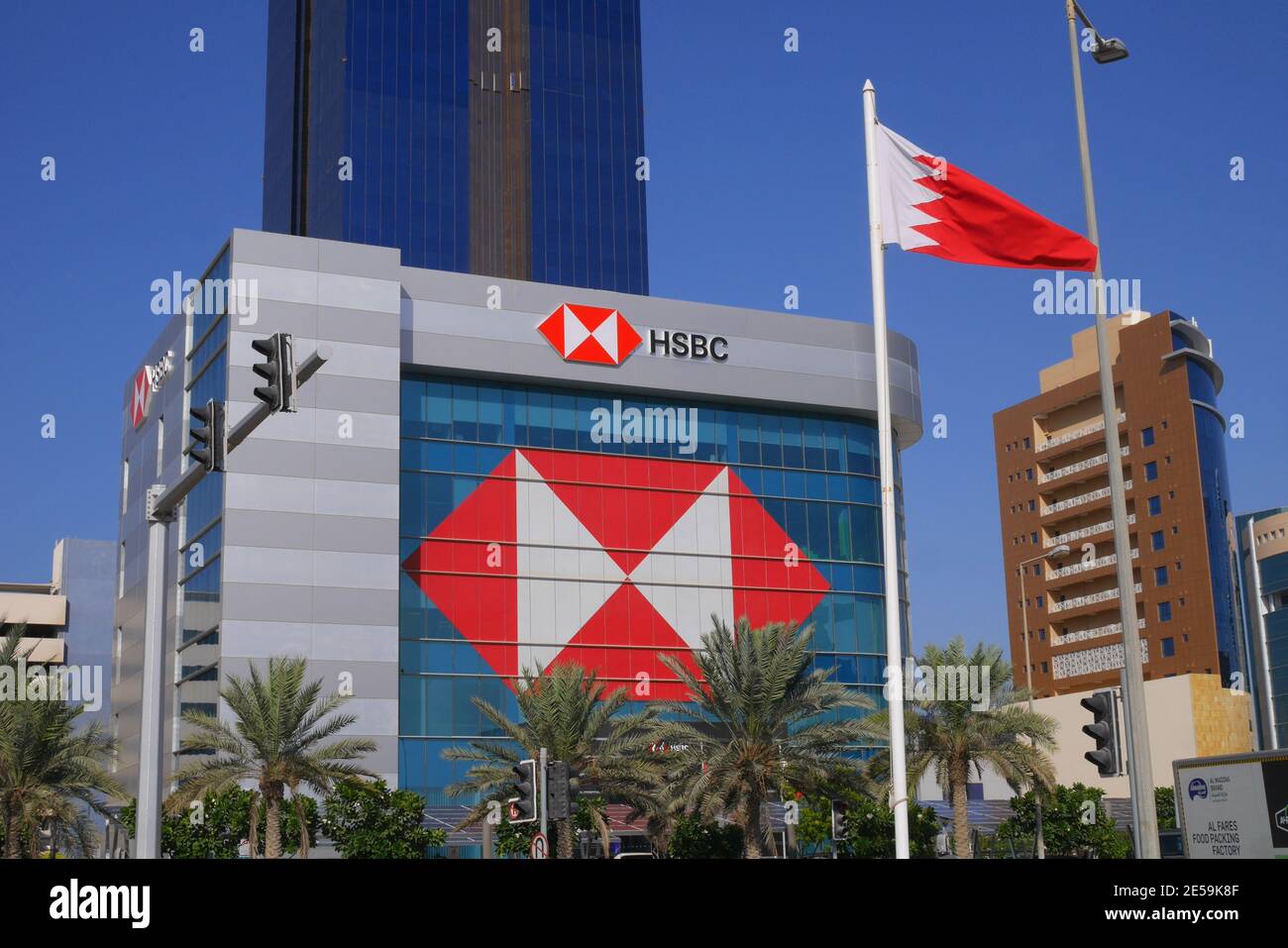
HSBC has announced the sale of its retail banking operations in Bahrain to the Bank of Bahrain and Kuwait , transferring approximately 76,000 customer accounts. This move aligns with HSBC’s ongoing global restructuring strategy, focusing on streamlining operations and enhancing profitability.

The transaction encompasses the transfer of retail loans, deposits, and customer accounts to BBK, a financial institution predominantly owned by the governments of Bahrain and Kuwait. Notably, HSBC’s corporate and private banking services in Bahrain are excluded from this deal. While the financial specifics remain undisclosed, the completion of the transaction is anticipated in the fourth quarter of 2025.

This divestment is a component of HSBC’s broader initiative to reduce its global footprint in less profitable markets. Under the leadership of CEO Georges Elhedery, who assumed his role in October 2024, the bank has been actively reassessing its international operations. Elhedery’s restructuring plan aims to achieve $1.5 billion in annual cost savings by the end of 2026, reallocating resources from non-strategic areas to more competitive sectors. This strategy has already led to significant changes, including the consolidation of commercial and investment banking divisions and a revamp of the leadership structure.

In line with these efforts, HSBC has been withdrawing from various retail banking markets worldwide. The bank has exited retail operations in countries such as Thailand, Japan, South Korea, Brazil, and New Zealand over the past decade. More recently, HSBC has been evaluating its retail banking presence outside the UK and Hong Kong, considering scaling back in markets like Mexico, Malaysia, and Indonesia to concentrate on wealthier “premier” clients and wealth management services.

The decision to sell the Bahrain retail unit reflects HSBC’s commitment to optimizing its global operations and focusing on core markets where it holds a competitive advantage. By divesting from less profitable regions, the bank aims to enhance efficiency and profitability, ensuring resources are allocated to areas with the highest growth potential.

BBK, established in 1971, stands as one of Bahrain’s leading commercial banks. The acquisition of HSBC’s retail operations is poised to bolster BBK’s market position, expanding its customer base and retail banking assets. This strategic move aligns with BBK’s growth objectives, enabling the bank to offer an expanded range of services to its clients.

The global banking landscape has been undergoing significant transformations, with major institutions like HSBC reevaluating their strategies to adapt to evolving market conditions. Factors such as technological advancements, changing customer preferences, and economic shifts have prompted banks to streamline operations and focus on core competencies. HSBC’s restructuring efforts are indicative of a broader trend among global banks aiming to enhance agility and competitiveness in a rapidly changing environment.

In addition to divesting from certain markets, HSBC has been implementing cost-cutting measures across its operations. The bank reported a 3% reduction in headcount, bringing the total number of employees to approximately 220,928. This reduction is part of a concerted effort to manage expenses and improve operational efficiency. Despite these cuts, HSBC’s bonus pool remained relatively stable at $3.80 billion, reflecting the bank’s commitment to rewarding performance while maintaining fiscal prudence.

The restructuring has also led to strategic shifts in HSBC’s investment banking sector. The bank has laid off around 40 investment bankers in Hong Kong and announced plans to wind down its mergers and acquisitions and certain equities businesses in Europe and the Americas. These changes underscore HSBC’s strategic pivot towards focusing more on the Asian market, where it anticipates higher growth opportunities.

Financially, HSBC has demonstrated resilience amid these transitions. The bank’s annual pre-tax profit rose by 6.6% to $32.3 billion, surpassing market expectations. This growth was driven by increased revenue in wealth and markets businesses, highlighting the effectiveness of HSBC’s strategic focus on these areas. Additionally, the bank has announced a dividend of 87 cents per share and a $2 billion share buyback, signaling confidence in its financial position and future prospects.

The sale of the Bahrain retail banking operations is subject to regulatory approvals and customary closing conditions. Both HSBC and BBK are collaborating closely to ensure a seamless transition for customers and employees affected by the transaction. The banks have committed to maintaining transparent communication throughout the process to minimize disruptions and uphold service quality.

South Korea has announced plans to build a groundbreaking artificial intelligence data centre with a capacity of 3 gigawatts , positioning it as the largest of its kind globally. The project, spearheaded by investment firm Stock Farm Road , is set to commence construction in late 2025 and aims for completion by 2028. The total investment is projected to reach $35 billion , marking a significant milestone […]

ACWA Power has signed a power purchase agreement worth SAR 8.6 billion with the Egyptian Electricity Transmission Company to develop a 2-gigawatt wind power plant in South Hurghada, Egypt. The 25-year agreement was formalized on February 18, 2025, marking a significant milestone in Egypt’s renewable energy expansion.

The project encompasses the development, financing, construction, ownership, and operation of the wind energy facility. Financial closure is anticipated in 2026, following the completion of environmental studies expected by mid-2026. This initiative aligns with Egypt’s strategic objectives to diversify its energy mix and reduce reliance on fossil fuels.

Saudi Arabia’s Minister of Energy, Prince Abdulaziz bin Salman, announced the agreement during the Egypt Energy Show . He highlighted that this project is the largest of its kind in Egypt and is part of a broader collaboration between Saudi and Egyptian companies in the renewable energy sector. Collectively, these initiatives aim to add approximately 1.696 GW of renewable energy capacity to Egypt’s grid, with a total investment nearing SAR 6.2 billion.

In addition to the wind project, Saudi and Egyptian authorities are advancing the Saudi-Egypt Electricity Interconnection Project. Valued at SAR 6.7 billion, this project is designed to facilitate the exchange of up to 3,000 megawatts of electricity between the two nations upon completion of both phases. This interconnection is poised to enhance grid stability and energy security in the region.

Egypt has been actively pursuing renewable energy projects in collaboration with international partners. Notable developments include the Benban Solar Park in Aswan, which boasts an installed capacity of 1.8 GW and features contributions from multiple developers. Another significant venture is the 500 MW Gulf of Suez Wind Farm, developed in partnership with international stakeholders.

China has successfully completed its first intercity cargo drone flight, a groundbreaking development in the nation’s push to revolutionise its transportation infrastructure. This historic flight paves the way for a future where drones play a vital role in moving goods swiftly and efficiently across cities. The journey, which covered multiple urban centres, showcases China’s growing capabilities in the field of unmanned aerial vehicles , with potential implications […]

The United Arab Emirates has initiated a groundbreaking project to map air corridors and establish regulatory frameworks for piloted and autonomous air taxis and cargo drones. This ambitious endeavour aims to integrate advanced air mobility solutions into the nation’s urban infrastructure, enhancing transportation efficiency and connectivity.

The General Civil Aviation Authority , in collaboration with the Advanced Technology Research Council’s entities—Technology Innovation Institute and ASPIRE—announced the initiative during the World Government Summit 2025. The project is slated for completion within the next 20 months, during which aerial corridors and comprehensive regulations will be defined.

These designated routes are planned to link major international airports with prominent urban landmarks, facilitating the seamless operation of air taxis and cargo drones across the UAE’s cities. This development is poised to alleviate traffic congestion, promote sustainable urban growth, and position the UAE as a leader in advanced air mobility.

Saif Mohammed Al Suwaidi, Director General of the GCAA, highlighted the significance of this milestone: “Air corridor mapping for piloted and autonomous air taxis and drones is a crucial milestone that will enable the seamless implementation of advanced air mobility into the UAE’s infrastructure.” He emphasized that this initiative ensures the safe and efficient adoption of air mobility, paving the way for a smarter, more connected future.

The UAE’s commitment to innovative transportation solutions is further exemplified by its history of embracing cutting-edge technologies. In 2017, Dubai commenced testing two-seater, propeller-driven flying taxis developed by Germany’s Volocopter, marking an early foray into autonomous aerial transport. Building on this foundation, the current project seeks to operationalize such technologies on a broader scale.

In September 2024, U.S.-based air-taxi manufacturer Joby Aviation applied for certification to operate commercial air transport services in the UAE. This move signifies growing international interest in the UAE’s burgeoning advanced air mobility sector. The certification process involves developing operational manuals, facility inspections, and comprehensive training programs for pilots and maintenance personnel, underscoring the rigorous standards set by the GCAA.

Dr. Najwa Aaraj, CEO of TII, underscored the transformative potential of this collaboration: “By advancing airspace management and integrating piloted and autonomous air taxis and cargo drones, we are not only enhancing urban connectivity but also driving sustainable and accessible mobility solutions that will benefit future generations.” TII’s role focuses on developing advanced airspace management systems to ensure the safe integration of these new aerial vehicles into existing urban environments.

ASPIRE, tasked with coordinating among regulators, industry stakeholders, and researchers, aims to create a flexible and diverse transportation system. Stephane Timpano from ASPIRE noted: “Addressing real-time urban mobility challenges through innovative solutions like air taxis and drones is a major step forward.” This initiative is expected to ease pressure on traditional road networks and foster the development of smarter, more resilient cities.

The UAE’s strategic vision encompasses the integration of artificial intelligence and smart automation to manage and optimize these air corridors. This approach ensures predictive maintenance, efficient traffic management, and robust safety protocols, aligning with global trends in smart city development.

Dubai’s Roads and Transport Authority has completed a significant upgrade to Kite Beach Street in Jumeirah, effectively doubling its capacity and reducing travel time from 15 minutes to just 5 minutes. The project expanded the road from a single lane in each direction to two lanes in the same direction, addressing congestion issues caused by parking and pedestrian pathways.

The RTA announced the completion of this project on February 13, 2025, as part of its ongoing efforts to enhance traffic flow across the emirate. The authority stated that the modifications are in line with continuous efforts towards smoother traffic movement in various areas of Dubai, particularly to manage the high traffic volumes on Kite Beach Road.

In addition to lane expansion, the RTA has introduced extra parking spaces to accommodate the increasing number of visitors to Kite Beach, one of Dubai’s most popular leisure destinations. These enhancements aim to alleviate traffic congestion exacerbated by limited parking and pedestrian activity in the area.

Hussain Al Banna, CEO of the Traffic and Roads Agency at RTA, highlighted that these improvements have played a crucial role in optimizing vehicle movement on major roads while increasing the capacity of road networks as well as entry and exit points. He emphasized that the project aligns with the city’s urban expansion and the need to accommodate growing traffic volumes.

This initiative is part of a broader strategy by the RTA, which completed traffic enhancements at more than 50 locations across Dubai in 2024. These efforts have collectively improved the efficiency of the city’s roads, achieving a 60% reduction in travel time and increasing road capacity by up to 20% in various areas.

The comprehensive plan includes the Dh16 billion Main Roads Development Plan for 2024-2027, unveiled by Sheikh Hamdan bin Mohammed bin Rashid Al Maktoum, Crown Prince of Dubai and Chairman of the Dubai Executive Council. This plan encompasses 22 strategic projects aimed at bolstering the city’s infrastructure to support Dubai’s expanding population, benefiting over six million residents and enhancing connectivity across the emirate.

Key projects under this development plan include the Latifa bint Hamdan Street and Meydan Road developments, which are expected to boost road capacity and significantly reduce travel times in critical areas. These projects are designed to address the increasing demand on Dubai’s road networks and to facilitate smoother traffic flow throughout the city.

In line with Dubai’s commitment to incorporating technology-driven solutions in public transit, the RTA has integrated AI-powered traffic management systems and autonomous transport initiatives. These advancements are part of the city’s Smart Self-Driving Transport Strategy, aiming to transform 25% of total mobility journeys in Dubai into driverless journeys by 2030.

The city’s road network has seen substantial growth, expanding from 8,715 lane-kilometers in 2006 to 18,990 lane-kilometers, now facilitating 2.2 million daily public transport riders. This expansion reflects Dubai’s rapid urban development and the RTA’s proactive approach to infrastructure planning and traffic management.

The RTA’s continuous efforts to enhance road infrastructure and traffic flow are pivotal in accommodating the city’s growth and ensuring a high quality of life for residents and visitors alike. The successful upgrade of Kite Beach Street serves as a testament to Dubai’s commitment to developing efficient and sustainable urban mobility solutions.

As Dubai continues to evolve, the RTA remains dedicated to implementing strategic projects that address current challenges and anticipate future needs. The integration of advanced technologies and comprehensive planning underscores the city’s vision of becoming a global leader in smart and sustainable transportation.

The recent enhancements to Kite Beach Street not only improve the daily commute for motorists but also contribute to the overall safety and accessibility of the area. By providing additional parking and expanding road capacity, the RTA ensures that both residents and tourists can enjoy one of Dubai’s most cherished beachfronts with greater ease and convenience.

ROSHN Group, Saudi Arabia’s prominent multi-asset real estate developer and a Public Investment Fund company, has finalized a SAR 2 billion Shariah-compliant credit facility with Saudi National Bank . This seven-year financing arrangement is designated for the acquisition of ROSHN Front, a premier commercial and retail complex in Riyadh.

The strategic acquisition of ROSHN Front signifies ROSHN Group’s deliberate expansion into the commercial and retail sectors, complementing its existing residential projects. Opened in 2019, ROSHN Front has become a central hub for both shoppers and businesses, drawing over 7 million visitors annually. The development comprises two main sections: ROSHN Front—Retail, offering more than 81,800 square meters of leasable space occupied by leading retail and dining brands; and ROSHN Front—Business, providing over 78,900 square meters of office space housing esteemed government agencies, private enterprises, and multinational corporations.

Avinash Pangarkar, Group Chief Finance Officer of ROSHN Group, emphasized the importance of this financial partnership, stating that the agreement with Saudi National Bank is a pivotal milestone for ROSHN Group, enabling the unlocking of significant value from the acquisition and creating long-term benefits for stakeholders and the communities served.

The integration of ROSHN Front into ROSHN’s portfolio is poised to enhance the retail and commercial landscape of the area, elevate tenant experiences, and attract top-tier brands and businesses. This move aligns with ROSHN’s broader mission to develop integrated, human-centric communities that enrich the quality of life across the Kingdom.

The acquisition of ROSHN Front, formerly known as Riyadh Front, was initially announced in December 2022, with the rebranding to ROSHN Front occurring in September 2023. The complex is strategically located adjacent to ROSHN’s flagship SEDRA project in Riyadh, facilitating potential synergies between the developments. SEDRA is envisioned to house approximately 30,000 new homes upon completion, and the proximity to ROSHN Front is expected to provide residents with enhanced access to amenities, exclusive promotions, and diverse retail and commercial options.

The financing agreement with SNB not only underscores ROSHN’s commitment to expanding its footprint in the Kingdom’s real estate sector but also reflects the confidence of financial institutions in ROSHN’s strategic vision and operational capabilities. As a PIF-backed entity, ROSHN continues to play a vital role in advancing Saudi Arabia’s Vision 2030 objectives by developing sustainable and vibrant communities that cater to the evolving needs of its populace.

Bighit Music Co. Ltd. has announced the launch of the BTS Token, a blockchain-based digital currency aimed at transforming the purchasing experience for BTS fans worldwide. This initiative seeks to streamline transactions for merchandise, event tickets, and exclusive digital content, offering a more efficient and secure payment method.

The BTS Token is designed to address common challenges faced by the global fanbase, such as high transaction fees, unpredictable exchange rates, and limited payment options in certain regions. By leveraging blockchain technology, the token ensures transparent, decentralized, and cost-effective transactions, enhancing accessibility for all fans.

Key features of the BTS Token include:

– Stable Pricing: Advanced stabilization mechanisms are in place to maintain consistent pricing for merchandise and tickets across different regions.

– Exclusive Benefits: Token holders will have access to unique perks, including discounts on official merchandise, priority access to limited-edition NFTs, and invitations to exclusive events.

– Secure Transactions: The blockchain foundation provides transparent and tamper-proof transactions, granting fans full control over their digital assets.

– Smart Contract Automation: Real-time regulation of pricing and availability through smart contracts ensures fairness and prevents third-party price inflation.

The rollout plan for the BTS Token is as follows:

– Q1 2025: Official launch of the token and its integration into fan platforms.

– Q2 2025: Partnerships with merchandise vendors and ticketing providers to facilitate token transactions.

– Q3 2025: Introduction of staking programs and community-driven rewards to incentivize active participation.

– Q4 2025: Expansion into NFT-based fan experiences and digital collectibles, offering fans new ways to engage with BTS.

This development comes after all BTS members renewed their exclusive contracts with Bighit Music in September 2023, ensuring continued collaboration with the agency. The renewed contracts are set to commence in 2025, aligning with the anticipated completion of the members’ mandatory military service.

VISHNU RAJA
RYO YAMADA
HITORI GOTOH
IKUYO KITA