News related to
completion

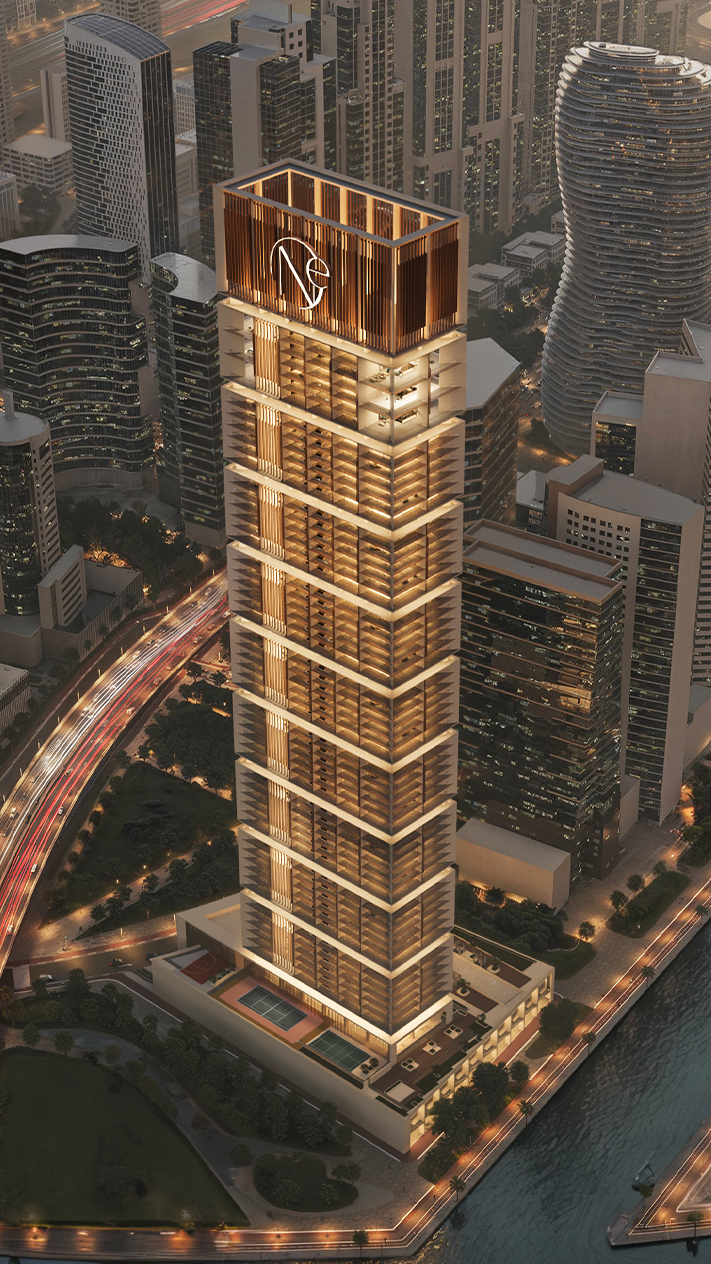
Dubai-listed Deyaar Development has announced ambitions to achieve sales of nearly AED 2 billion from its Downtown Residences project in Business Bay, CEO Saeed Mohammed Al Qatami confirmed to CNBC Arabia. The mammoth twin‑tower, rising over 110 storeys and reaching 445 metres in height, is slated to commence construction in the fourth quarter of 2025. Completion is targeted for the end of 2030, with the project offering 522 residences, including one‑ to […]

Thousands of visitors were left outside the Louvre under its iconic glass pyramid on 16 June 2025 after staff launched a spontaneous strike over overcrowding, chronic understaffing and deteriorating infrastructure at the world’s most‑visited museum. The closure, initiated during a routine internal meeting, involved gallery attendants, ticket office personnel and security staff who refused to work, describing current conditions as “untenable”. The unexpected walkout ignited fresh scrutiny […]

Radisson Hotel Group has ramped up its presence in Saudi Arabia, now anchoring half of its Middle East portfolio within the Kingdom, a senior company executive confirmed amidst the Future Hospitality Summit in Riyadh. With 50 of the group’s 100 regional properties either operational or under construction based in Saudi Arabia, the expansion underscores its strategic prioritisation of the country’s ambitious hospitality landscape.

Elie Younes, Executive Vice President and Global Chief Development Officer at Radisson, described Saudi Arabia as “one of the top five countries for us globally.” Of the 50 properties, 30 are already open, while 20 are at various stages of construction. The current pipeline, spanning the next three to four years, includes these 20 projects, with another 30 slated for completion over the next four years, collectively offering approximately 4,000 to 5,000 new rooms and generating some 5,000 jobs.

This expansion aligns with the Kingdom’s target to add more than 362,000 hotel rooms by 2030, backed by a US$110 billion investment as part of its Vision 2030 diversification drive. Radisson is strategically deploying a mix of brands across segments. Younes outlined plans for another 10–15 Radisson Blu properties and four to five more under its luxury Radisson Collection label in cities including Riyadh, Jeddah, Makkah and Madinah. Smaller priors in secondary cities are also on the radar for core four‑star Radisson properties.

Recent openings include Radisson Blu Hotel & Convention Centre, Riyadh Minhal, and Radisson Hotel Madinah— the group’s first presence in the holy city of Madinah. Additional launches planned this year include Radisson Blu Hotel Riyadh Al Sahafa and Radisson Hotel Jeddah Tahlia Street in Q2, followed by Radisson Collection Residence Riyadh and Radisson Hotel & Residences Makkah Thakher City in Q4, all designed to capture the religious and leisure tourism surge.

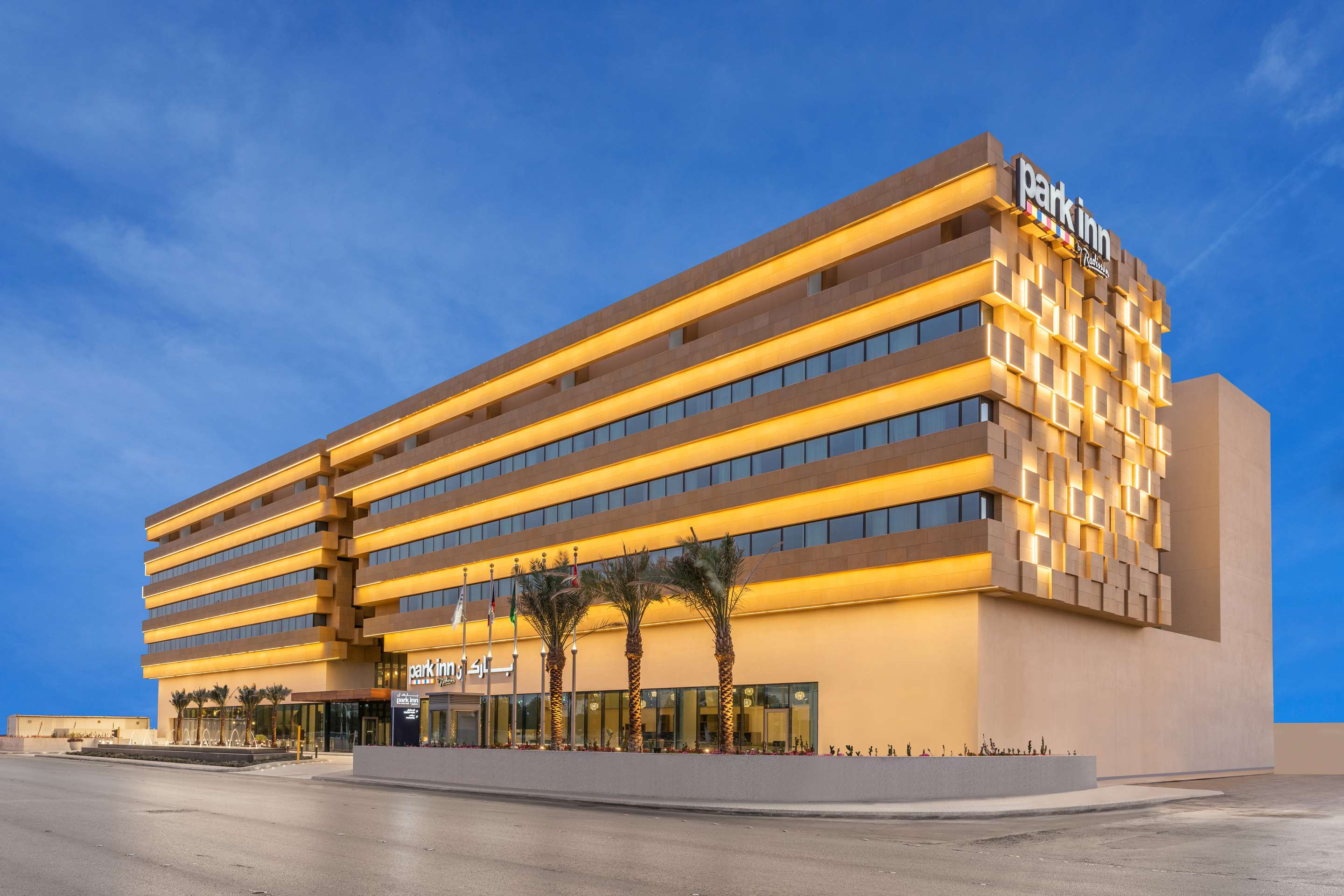
Radisson is also forging partnerships with Saudi entities. A landmark deal with Knowledge Economic City in Madinah will introduce a Park Inn by Radisson in the Islamic World District. Meanwhile, a Memorandum of Understanding with the Saudi Tourism Authority—signed at the Arabian Travel Market—demonstrates deep engagement within the local ecosystem.

The group remains on track to grow its Middle East network to 150 hotels, resorts and serviced apartments by 2030, building on a record-breaking global performance in 2024. Younes emphasises the tailored approach: blending its Scandinavian-inspired hospitality with regional traditions and integrating wellness, eco-friendly features and entertainment to appeal to evolving guest preferences, as detailed by Development Director Ayman Ezzeddine at the Riyadh summit.

Analysis by regional consultants underscores the significance of Radisson’s strategy. Analysts note that by allocating half of its current Middle East portfolio to Saudi Arabia, Radisson demonstrates confidence in the Kingdom’s tourism transformation. Its focus on both high-volume mid-market and luxury segments positions it to tap demand from business travellers, pilgrims and upscale visitors alike amid government incentives and infrastructure investments.

Radisson’s move is also in step with ongoing giga‑projects such as Amaala, the Red Sea Project and Rua Al Madinah, each aimed at hosting millions of tourists and pilgrims by 2030. These projects feature world-class hotels, resorts and cultural infrastructure, reinforcing Saudi Arabia’s status as a global hospitality hub.

Binghatti Holding Ltd has launched Binghatti Capital in the Dubai International Financial Centre, aiming to manage approximately $1 billion in Shariah-compliant private credit and real‑estate investments. Licensed by the Dubai Financial Services Authority to deal exclusively with professional clients, the firm marks Binghatti’s strategic pivot from pure property development to full-spectrum asset management.

The new entity will implement dual strategies: acquiring and selling off‑plan residential assets and developing residential projects; and providing private‑credit finance targeted at construction, property management firms and suppliers in the Dubai real‑estate supply chain. Beyond private funds, clients can access bespoke discretionary and non‑discretionary portfolio mandates tailored to their investment goals.

Executive Director Katralnada Binghatti described the move as “a strategic initiative to deepen Binghatti Holding’s investment footprint and enhance access to alternative capital,” underlining ambitions to drive high‑value, income‑generating growth and bolster Dubai’s appeal as a global investment destination. CEO Shehzad Janab added that the firm’s “inaugural suite of unique strategies represents a disciplined, well‑structured approach” designed for strong governance and long‑term resilience.

DIFC Authority’s Chief Business Development Officer, Salmaan Jaffery, welcomed the launch, noting that the centre, home to more than 46,000 financial professionals and over 400 wealth and asset managers, remains the region’s top asset-management hub. He said Binghatti’s addition would further reinforce DIFC’s financial ecosystem.

The launch reflects broader market trends in the Gulf, where firms like Amwal Capital Partners are expanding into private‑credit—a form of non‑bank lending offering direct finance to mid‑tier real‑estate developers and other asset‑backed borrowers. Dubai’s policy environment, characterised by robust infrastructure investment and tax incentives, has boosted demand for these private‑credit solutions.

Industry observers note the move signals a maturing of Dubai’s real‑estate landscape, with residential unit completions projected to exceed 243,000 by 2027, presenting ample opportunity for asset managers specialising in this market—particularly with Shariah‑compliant structures gaining traction among global and Gulf investors.

Binghatti’s pedigree in luxury development, seen in flagship schemes such as Binghatti Ghost in Al Jaddaf, complements its newfound investment ambitions. The firm’s announcement of more than 12 projects valued at $2.7 billion reinforces its market clout and provides a foundation for its asset‑management division.

By branching into private credit and real‑estate fund management, Binghatti aligns with Dubai’s economic diversification goals, channelling institutional capital into strategic sectors and reinforcing the emirate’s role as a conduit between East, West, and the Islamic finance community.

As the firm rolls out its Shariah‑compliant investment vehicles, its governance frameworks and active management approach will be key to winning trust among discerning professional clients. It will also test how effectively Binghatti can manage investor interests alongside its parent’s development pipeline.

Dodoma’s state leadership confirmed significant advancements in the Third National Five-Year Development Plan, registering strides in infrastructure, agriculture, energy, justice reform and foreign investment initiatives. In a parliamentary session, Planning and Investment Minister Professor Kitila Mkumbo detailed over 193 development schemes—among them 17 flagship mega-projects—now underway. Irrigation farming has expanded, with irrigated areas growing from approximately 695,000 ha in 2019/20 to 727,280 ha by 2022/23, driven by intensified use […]

Runner H, Surfer H and Tester H, three autonomous AI agents developed by Paris-based H Company, make web-native task automation available across consumer and enterprise settings. The framework integrates advanced vision–language models that perceive browser interfaces and predict actions like clicking buttons or filling text fields, executing them via a headless browser. Runner H acts as the orchestrator. It receives natural‑language instructions, composes workflows using specialised sub‑agents and interacts with platforms […]

IFA Hotels & Resorts, the hospitality arm of Dubai-listed International Financial Advisors Holding Company, has received board approval to increase its capital. The move, sanctioned on 11 June, aims to address borrowings totalling more than KWD 17.3 million, according to the parent company’s announcement. The proposed capital raise follows IFA Hotels’ earlier struggles with mounting liabilities. Listing on the Kuwait Stock Exchange, IFA Hotels specialises in developing, managing and […]

Advertisements

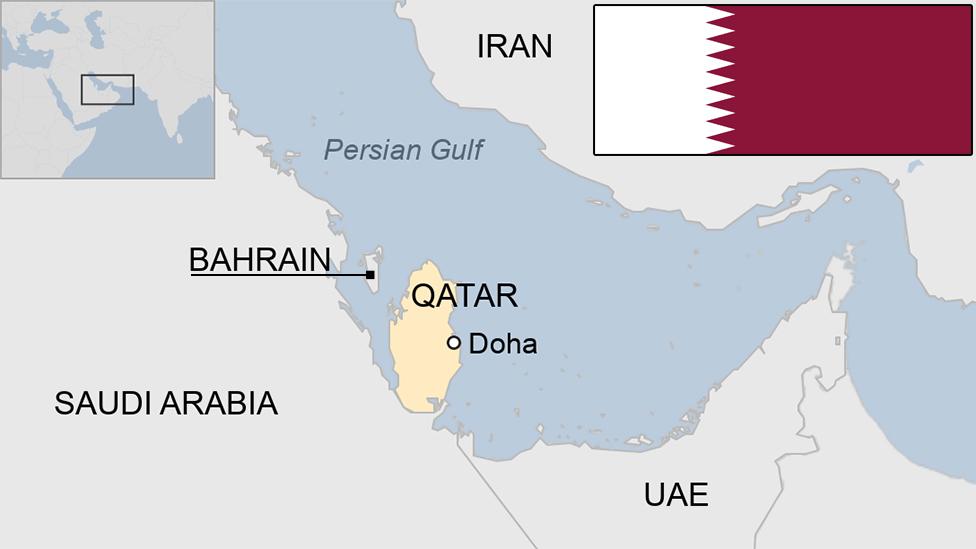
Defense Secretary Pete Hegseth informed the Senate Appropriations Committee on 11 June 2025 that the United States and Qatar have not yet formalised any agreement transferring a Boeing 747‑8 jetliner gifted by the Qatari royal family for potential use as Air Force One. Lawmakers pressing for details were met with repeated deferrals, as Hegseth invoked security and confidentiality concerns.

Senators voiced concern over the lack of transparency surrounding the gift. Senator Jack Reed of Rhode Island demanded insight into contractual terms and timeframe for retrofitting the aircraft to meet presidential standards, only to be told such information was “not for public consumption”. The Pentagon has neither disclosed cost estimates nor identified a specific US contractor for the extensive upgrade work required, including secure communications, defensive capabilities and airworthiness certification.

Despite earlier assurances from Air Force Secretary Troy Meink that retrofitting expenses could remain under USD 400 million, Democrats remain sceptical. Senator Chris Murphy pointed out that past Air Force One modernisation efforts have encountered significant budget escalations, sometimes reaching billions, and questioned the wisdom of funding work on a foreign jet when replacement aircraft are already in production.

Republicans, including Senators Jim Risch and Roger Marshall, defended the deal, asserting that Qatar and the UAE are strong US allies and that the jet donation alleviates procurement delays with Boeing. Secretary Hegseth echoed this view, suggesting that accepting Qatar’s jet could temporarily ease reliance on delayed Boeing‑built VC‑25B aircraft, though he declined to specify projected completion dates or key benchmarks.

Ethical concerns persist across party lines. Opponents argue that accepting a luxury aircraft from a foreign government may trigger Foreign Emoluments Clause issues or at least generate the appearance of impropriety. Qatar, meanwhile, has maintained that the nature of the transaction is under review—possibly a lease or outright purchase rather than a gift—though final details remain unresolved.

The Boeing 747‑8 in question, approximately 13 years old, features lavish interiors and advanced technology, earning it the nickname “palace in the sky.” Converting it to a presidential transport requires secure communications suites, defensive countermeasures, and structural modifications—a process estimated to span years. While Pentagon officials suggest costs may be contained beneath USD 400 million, analysts warn that upgrades for classified systems and nuclear safety could push costs well above one billion dollars.

Beyond the technical and ethical dimensions, questions remain over how accepting Qatar’s jet might affect broader US defence priorities. Some argue that prioritising resources for a foreign-made interim aircraft could detract from funding the delayed VC‑25B programme, which is pivotal to modernising the presidential fleet.

At the same hearing, Hegseth also dismissed calls for transparency, stating that budgetary and negotiating processes must remain classified for national security. This response intensified criticism from Democratic senators, who claim taxpayers deserve clarity on military expenditures and foreign transfers of high-value assets.

Meanwhile, Senate Republicans rejected two resolutions aiming to pause arms sales to Qatar and the UAE, signalling ongoing bipartisan support for the Gulf states despite growing unease over Trump administration’s foreign dealings. Republicans emphasised the strategic importance of maintaining strong defence cooperation, downplaying concerns over the aircraft gift.

The debate is set to continue as the Air Force advances planning and preliminary feasibility studies. Key upcoming moments include formalisation of the memorandum of understanding, selection of retrofit contractors, and disclosure of cost and timeline projections. The outcome will test the administration’s balance between diplomatic expediency, financial responsibility, and institutional transparency.

Gulf Navigation Holding PJSC has signed a definitive agreement to acquire the assets and subsidiaries of Nasdaq‑listed Brooge Energy for AED 3.2 billion, a move set to significantly expand its midstream oil and gas capacity. The transaction spans a blend of cash, share issuance, and mandatory convertible bonds, with completion anticipated by the close of the third quarter of 2025, subject to regulatory and shareholder approvals.

The bulk of the deal involves taking over Brooge Petroleum and Gas Investment Company FZE, its Phase III FZE entity, and BPGIC Phase 3 Limited—each operating advanced crude, fuel oil, and refined petroleum storage facilities in Fujairah. These strategically located assets will double GulfNav’s existing infrastructure, reinforcing its footprint at a key UAE bunkering and storage hub.

Under the structured settlement, GulfNav will allocate 358.8 million new shares at AED 1.25 each to Brooge Energy, enforceable with a 12‑month lock‑up period. It will also issue AED 2.336 billion in mandatory convertible bonds convertible at the same share price and restricted similarly. Existing shareholders have access to AED 500 million in MCBs at AED 1.10 per share, with major investors covering any unclaimed portion. Additionally, AED 460 million will be disbursed in cash.

Chief Executive Ahmad Kilani described this acquisition as transformational, explaining that integrating Brooge’s storage infrastructure with GulfNav’s maritime services will “unlock operational synergies, enhance storage capacity and drive long‑term value for shareholders.” Incoming facilities in Fujairah are expected to enhance logistical efficiency, lower costs, and broaden GulfNav’s revenue mix.

This move aligns with GulfNav’s strategy to transition from a legacy maritime operator to a diversified energy‑logistics conglomerate. The firm’s board was authorised in March 2025 to proceed with the asset acquisition, capital increase, and issue of MCBs, all in light of its shareholders’ approval. Regulatory processes and amendments to the company’s articles of association—particularly regarding foreign ownership—are now underway.

Brooge Energy has previously attracted scrutiny. In December 2024, U.S. investors filed a fraud claim against auditor Ernst & Young, alleging that revenues were overstated by between 30% and 80% during 2018–2020. The firm reached a $5 million settlement with the U.S. Securities and Exchange Commission over irregular accounting practices. Despite these concerns, GulfNav maintains the deal offers strategic value, citing diligence and planned regulatory housekeeping prior to close.

Analysts note the landmark nature of this deal; GulfNav’s storage assets are poised to surge, positioning it as a key player in the region’s rapidly evolving energy-logistics ecosystem. Fujairah’s strategic location outside the Strait of Hormuz means its terminals are well placed to serve global crude oil logistics, with Brooge’s high-tech blending capabilities offering an edge in operational efficiency.

Transaction conditions encompass customary requirements: shareholder approvals, regulatory consents, debt settlements, and commercial registration. GulfNav expects to finalise the share and bond issuance in tandem with regulatory clearance, with the goal of closing by end‑Q3 2025. After completion, the Brooge Energy shareholders and bondholders will receive equity in GulfNav under lock‑up terms.

Post-acquisition, GulfNav’s board plan includes integrating Brooge’s board representatives to ensure continuity and operational alignment throughout the transition. Integration is expected to elevate GulfNav’s EBITDA margins and open fresh revenue streams via enhanced storage, blending, and bunkering services.

Although GulfNav navigates complexities from Brooge’s previous accounting controversies, analysts emphasise the strategic benefits—particularly the ability to offer complete maritime-to-storage and product blending services from a single platform. The expanded Fujairah facilities will allow GulfNav to capitalise on growing crude export flows, further supported by Abu Dhabi’s energy growth ambitions.

With conventional execution risk low, attention now shifts to securing regulatory and legal clearances, along with capital-raising for the MCB component. Successful completion will mark GulfNav’s transformation into a fully integrated energy logistics powerhouse, ready to meet regional demand while delivering enhanced returns to investors.

Kali GPT demonstrates a new frontier in cybersecurity, embedding an AI‑powered assistant directly into Kali Linux to streamline penetration testing for professionals and learners. Leveraging GPT‑4 architecture, the tool generates payloads, explains complex tools such as Metasploit and Nmap, and recommends relevant exploits—all within the terminal. For expert practitioners, the assistant accelerates assessments; for novices, it serves as an interactive mentor by translating technical concepts into clear guidance . […]

Dubai Mall is set to undergo a significant expansion, with Emaar Properties announcing a substantial investment of AED 1.5 billion to enhance the mall’s offerings. The development will introduce 240 new luxury retail stores and food and beverage outlets, further solidifying the mall’s position as a premier global shopping destination. In 2023, Dubai Mall achieved a remarkable milestone by welcoming 105 million visitors, marking a 19% increase […]

Mistral AI has unveiled Mistral Code, a comprehensive AI-powered coding assistant designed specifically for enterprise software development. The platform integrates advanced language models with secure, customisable deployment options, aiming to address the stringent compliance and security requirements of large organisations. Mistral Code offers a suite of features tailored for enterprise needs, including in-IDE assistance, on-premise deployment capabilities, and robust enterprise tooling. Built upon the open-source project Continue, […]

Bechtel Corporation has been appointed as the delivery partner for three new terminals at King Salman International Airport in Riyadh, marking a significant advancement in one of the world’s most ambitious aviation infrastructure projects.

The agreement, formalised during a high-profile visit by U.S. President Donald Trump to Saudi Arabia, entrusts the U.S.-based engineering firm with managing the development of a terminal for commercial airlines, Terminal 6 for low-cost carriers, and a private aviation terminal complete with hangars. This collaboration underscores the strengthening infrastructure ties between the United States and Saudi Arabia.

KSIA is poised to become the world’s largest airport upon completion, a cornerstone of Saudi Arabia’s Vision 2030 initiative aimed at diversifying the nation’s economy and enhancing global connectivity. The airport is designed to handle an anticipated capacity of 185 million passengers and 3.5 million tonnes of cargo annually by 2050. It will feature six parallel runways and encompass an area of 57 square kilometres, integrating advanced sustainable practices to achieve LEED Platinum certification across all terminals.

Darren Mort, President of Bechtel’s Infrastructure Business, expressed enthusiasm about the project, stating, “The King Salman International Airport is a landmark project that will reshape Riyadh and enhance the lives and communities it serves.” He highlighted Bechtel’s extensive experience in delivering complex airport projects globally, including Hamad International Airport in Qatar, Dubai International Airport in the UAE, and London City Airport in the UK.

Marco Mejia, Acting CEO of the King Salman International Airport Development Company, emphasized the project’s commitment to innovation and sustainability. He noted that the selection of Bechtel as the delivery partner reflects the project’s dedication to elevating aviation infrastructure standards through collaboration with a company possessing over 120 years of global experience.

The new terminals are expected to replace existing facilities at King Khalid International Airport, enhancing Riyadh’s status as a global hub for transportation, tourism, and trade. The development aligns with Saudi Arabia’s broader goals of economic diversification and infrastructure modernization.

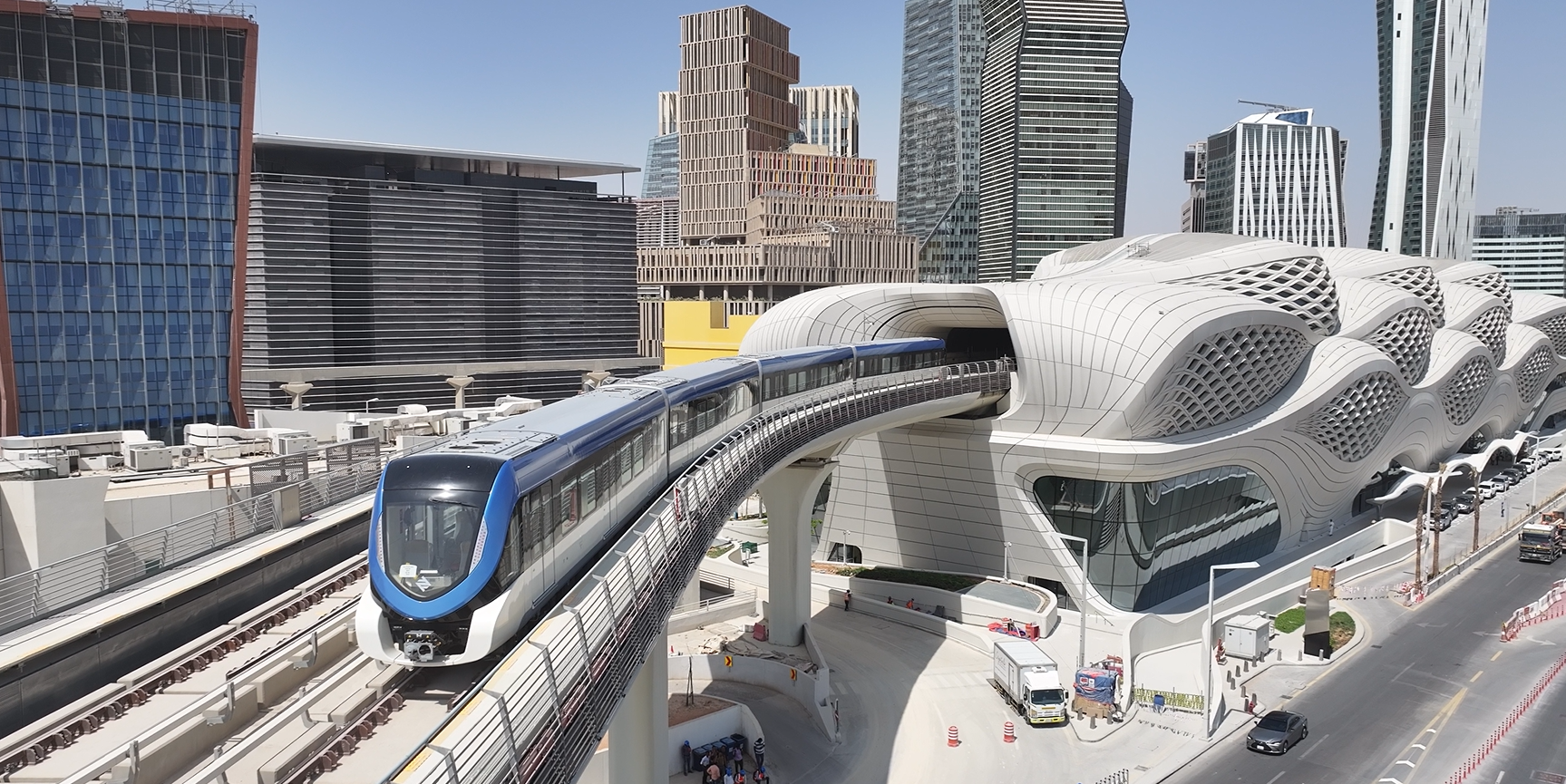
Bechtel’s role in the KSIA project builds upon its longstanding presence in Saudi Arabia, where it has completed over 300 projects, including the recently inaugurated Riyadh Metro. The company’s involvement in KSIA signifies a continued commitment to supporting the kingdom’s transformative infrastructure initiatives.

The East African Crude Oil Pipeline , stretching 1,443 kilometres from Uganda to the Tanzanian port of Tanga, has passed the 60 percent completion mark, marking a significant step forward in one of Africa’s largest infrastructure projects. This progress highlights the accelerating momentum in the development of critical energy infrastructure in the East African region, with implications for the economies and geopolitics of multiple countries. The pipeline, […]

Arada has launched Akala, a AED 5 billion development positioned as the world’s first precision wellness destination, located between Dubai International Financial Centre and Downtown Dubai. The project comprises two 220-metre towers housing 534 branded residences, integrating advanced medical diagnostics with luxury living. The residences range from one-bedroom apartments to a two-level penthouse named The Observatory, offering panoramic views of the Burj Khalifa. Each unit is designed […]

Dubai’s Roads and Transport Authority has initiated a comprehensive upgrade of Umm Suqeim Street, aiming to significantly enhance traffic flow and urban connectivity across the city. The project, stretching from the intersection with Jumeirah Street to Al Khail Road, is a pivotal component of a broader strategy to modernise the city’s infrastructure and accommodate its rapid urban expansion.

The upgrade is designed to increase the road’s capacity to 16,000 vehicles per hour in both directions, effectively reducing travel time between Jumeirah Street and Al Khail Road from 20 minutes to just six. This enhancement is expected to alleviate congestion and improve accessibility for key residential and commercial areas, including Jumeirah, Umm Suqeim, Al Manara, Al Sufouh, Umm Al Sheif, Al Barsha, and Al Quoz.

Integral to the project are the redevelopment of six major intersections along Umm Suqeim Street. These include the construction of four bridges and three tunnels, collectively spanning 4.1 kilometres. Notably, a two-lane tunnel in each direction will be constructed at the intersection with Jumeirah Street, complemented by a signalised surface-level junction. Another two-lane tunnel is planned at the intersection with Al Wasl Street to facilitate traffic flow from Sheikh Zayed Road towards Jumeirah Street, while maintaining uninterrupted surface traffic in the direction of Sheikh Zayed Road.

At the intersection with Sheikh Zayed Road, two bridges will be constructed to eliminate traffic overlap and enhance movement efficiency. Additionally, a tunnel will be developed at the intersection with First Al Khail Street to accommodate traffic from Al Barsha towards Sheikh Zayed Road, along with associated surface-level improvements. The stretch between First Al Khail Street and Al Asayel Street will be widened by adding one lane in each direction, increasing capacity to four lanes per direction. At Al Khail Road, the works involve the construction and widening of two flyovers—one connecting Al Khail Road with Al Quoz Industrial Area, and the other facilitating traffic from Umm Suqeim Street to Al Khail Road heading towards Deira.

Beyond vehicular traffic improvements, the project places a strong emphasis on enhancing pedestrian and cyclist infrastructure. Upgrades include the development of pedestrian walkways, dedicated cycling tracks, landscaped boulevards, and vibrant public spaces designed to foster community interaction and promote sustainable urban living. A direct link will also be established between the Mall of the Emirates Metro Station and nearby residential communities, enhancing last-mile connectivity and encouraging the use of public transportation.

This initiative is part of RTA’s master plan to overhaul the surrounding road network, which includes planned upgrades to Jumeirah Street, Al Wasl Street, and Al Safa Street. The overarching goal is to enable uninterrupted traffic flow from Jumeirah to Al Qudra Road over a distance of 20 kilometres, thereby improving connectivity across four major transport corridors: Sheikh Zayed Road, Al Khail Road, Sheikh Mohammed bin Zayed Road, and Emirates Road.

Mattar Al Tayer, Director General and Chairman of the Board of Executive Directors at RTA, stated that the upgraded corridor will directly serve vital residential and development areas with a combined population exceeding two million. He emphasised that the project is designed to accommodate Dubai’s rapid population growth and urban expansion while improving the overall quality of life for residents and visitors.

Construction is already 70% complete on a 4.6-kilometre segment of Umm Suqeim Street from Al Khail Road to Sheikh Mohammed bin Zayed Road. This phase includes an 800-metre tunnel near Kings’ School in Al Barsha South and a surface-level junction, scheduled to open in the third quarter of the year. The completion of this segment is expected to reduce travel time between Sheikh Mohammed bin Zayed Road and Al Khail Road by 61%, from 9.7 minutes to just 3.8 minutes.

The RTA is also leveraging advanced technologies to monitor and manage the project’s progress. Drones are being utilised to capture and analyse project data, while artificial intelligence is employed to track construction milestones and performance indicators. This integrated approach has enhanced operational efficiency on-site, accelerated decision-making processes, and enabled the provision of real-time, high-precision data. The adoption of these technologies has resulted in a 100% increase in field presence and a 60% reduction in the time required for site surveys. Time-lapse imaging systems are also being used to continuously monitor construction activities, contributing to a 40% improvement in overall project monitoring efficiency.

Passenger traffic across the Middle East is projected to reach 530 million by 2043, doubling from current levels, according to forecasts presented at the International Air Transport Association Annual General Meeting held in Dubai. This growth represents an average annual increase of 3.9% over the two-decade period from 2023 to 2043, slightly outpacing the global average of 3.8%.

Kamil Al Awadhi, IATA’s Regional Vice President for Africa and the Middle East, highlighted the region’s strategic geographic position and robust infrastructure investments as key drivers of this anticipated growth. He noted that Middle Eastern carriers have fully recovered from the pandemic-induced downturn, with cargo performance also showing a 6.4% increase as of April 2024.

The surge in passenger numbers is underpinned by significant investments in airport infrastructure across the region. Dubai has initiated the expansion of Al Maktoum International Airport, with plans to accommodate up to 260 million passengers annually upon completion, positioning it as the world’s largest airport. In Abu Dhabi, a new terminal commenced operations in November, enhancing the capital’s capacity to handle increased traffic. Qatar continues to expand Hamad International Airport in Doha, while Saudi Arabia has launched Riyadh Air and announced the development of a new terminal in Riyadh with a capacity for 120 million passengers annually.

These developments are complemented by the region’s efforts to diversify economies and reduce reliance on oil revenues. Saudi Arabia’s Vision 2030 initiative, for instance, emphasizes tourism and infrastructure development, with the Red Sea International Airport beginning operations in September 2023 to serve the burgeoning tourism sector.

The Middle East’s role as a global aviation hub is further reinforced by its proximity to emerging markets in South Asia and Africa. This strategic location allows airlines to offer efficient connectivity between East and West, capitalizing on the growing demand for air travel in these regions.

Industry analysts suggest that the anticipated growth will necessitate a corresponding increase in fleet size and workforce. Airlines are expected to place substantial orders for new aircraft to meet demand, while also investing in training programs to ensure a skilled workforce capable of supporting expanded operations.

Environmental considerations remain a focal point, with IATA members committed to achieving carbon-neutral growth from 2020 and a 50% reduction in net aviation carbon emissions by 2050 relative to 2005 levels. Airlines in the region are exploring sustainable aviation fuels and more efficient aircraft to align with these goals.

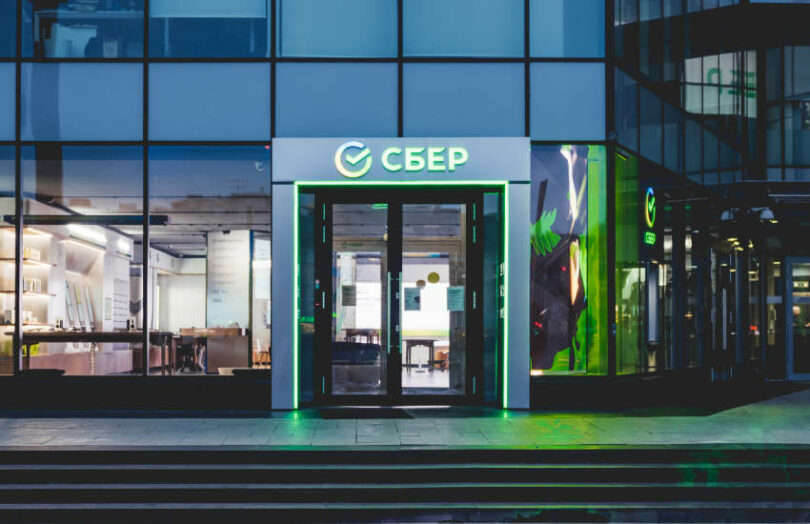
Sber, Russia’s largest lender, is poised to become a market maker and liquidity provider on the country’s forthcoming regulated cryptocurrency platforms, marking a significant shift in Moscow’s approach to digital assets. This development aligns with the Central Bank of Russia’s experimental legal regime , designed to permit cryptocurrency trading among a select group of high-net-worth individuals and institutions.

Under the ELR, only “super-qualified” investors—those with over 100 million rubles in securities and deposits or an annual income exceeding 50 million rubles —will be authorized to participate in crypto trading. The initiative, set to span three years, aims to enhance market transparency and establish regulatory standards for digital asset transactions.

Sber’s involvement is a strategic move, leveraging its existing license from the CBR to issue and exchange digital financial assets. This license, obtained in 2022, allows Sber to facilitate transactions involving tokenized assets backed by traditional financial instruments. By acting as a market maker, Sber will provide liquidity to the nascent crypto platforms, ensuring smoother trading experiences for participants.

The ELR represents a cautious yet progressive step by Russian authorities to integrate digital assets into the financial system without fully lifting the domestic ban on cryptocurrency payments. While the use of cryptocurrencies for payments remains prohibited, the ELR provides a controlled environment for investment activities, mitigating risks associated with volatility and illicit transactions.

The CBR and the Finance Ministry are collaborating to finalize the framework for the ELR, including the precise criteria for investor qualification and the operational guidelines for participating institutions. The initiative reflects a broader trend of regulatory experimentation in the face of evolving financial technologies and international sanctions.

Russia’s approach mirrors similar sandbox models adopted by other jurisdictions, aiming to balance innovation with financial stability. By restricting participation to super-qualified investors, the ELR seeks to limit systemic risks while gathering data to inform future regulatory decisions.

The establishment of regulated crypto trading platforms also addresses the current reliance on foreign exchanges by Russian investors, which poses challenges for oversight and compliance. A domestic infrastructure would enable authorities to monitor transactions more effectively and enforce anti-money laundering measures.

Sber’s role is pivotal in this context, given its technological capabilities and extensive client base. The bank’s digital asset platform, which supports the issuance of tokenized financial instruments, is expected to serve as a foundation for the new crypto trading environment. This infrastructure will facilitate the development of a regulated market, offering investors access to digital assets within a legal framework.

The ELR is anticipated to commence in the latter half of 2025, following the completion of regulatory preparations and the establishment of necessary technological systems. During the pilot phase, authorities will assess the effectiveness of the regulatory measures and the performance of market participants, including Sber’s role in maintaining liquidity and market stability.

This initiative is part of Russia’s broader strategy to modernize its financial sector and reduce dependence on Western financial systems, especially in light of ongoing international sanctions. By fostering a regulated digital asset market, Russia aims to attract investment, stimulate innovation, and enhance the resilience of its financial infrastructure.

The success of the ELR could pave the way for more comprehensive integration of digital assets into Russia’s financial ecosystem, potentially leading to the development of new financial products and services. However, the authorities remain vigilant about the risks associated with cryptocurrencies, emphasizing the importance of robust regulatory oversight and investor protection.

HONG KONG SAR – Media OutReach Newswire – 27 May 2025 – Diginex Limited (“Diginex” or the “Company”)(Nasdaq: DGNX), a leading provider of Sustainability RegTech solutions, today announced the signing of a Memorandum of Understanding (MOU) dated 23 May 2025 for an all-share acquisition of Matter DK ApS (“Matter”), an innovative ESG data company focused on delivering sustainability data and analytics solutions to the investment industry and […]

Chelsea Football Club has unveiled plans for a groundbreaking real estate venture in Dubai, marking its first foray into branded residential developments. In collaboration with Dubai-based developer DAMAC Properties, the project, named Chelsea Residences by DAMAC, will comprise six 130-metre-high towers situated in Dubai Maritime City. Scheduled for completion by December 2029, the development will offer over 1,400 sea-facing apartments, each infused with Chelsea’s distinctive branding and […]

The Dubai Financial Services Authority has announced the launch of its 2025 Graduate Programme, targeting Emirati graduates and final-year students aspiring to build careers in financial regulation. Set to commence in September 2025, the two-year initiative aims to equip participants with practical skills and global perspectives essential for the evolving financial services sector. Fadel Al Ali, Chairman of the DFSA, emphasised the programme’s role in fostering national […]

Object 1, a prominent real estate developer, has announced the launch of Essenlife, a new residential development located in Jumeirah Village Triangle , Dubai. The project is designed to cater to the growing demand for wellness-oriented living spaces, integrating modern amenities and sustainable features. Essenlife offers a range of studio to 3.5-bedroom apartments, each equipped with smart home technology and high-quality finishes. The development includes over 20 […]

Abu Dhabi’s aerospace firm Space 42 is set to initiate production of prototype platforms designed to operate at altitudes reaching thousands of metres above the Earth’s surface. This development marks a significant step in the emirate’s growing ambitions within the aerospace sector, targeting near-space exploration and flight operations.

The prototypes will serve as platforms to launch near-space flights, a field that bridges traditional aviation and outer space exploration by operating at the edge of the Earth’s atmosphere. Space 42’s initiative is aligned with broader national goals to position Abu Dhabi and the United Arab Emirates as leaders in aerospace innovation and technology development. The company aims to contribute to the emerging commercial space economy by developing technologies capable of operating in the stratosphere and beyond.

Near-space platforms have a variety of potential applications, ranging from scientific research and atmospheric monitoring to telecommunications and high-altitude surveillance. These platforms can also serve as launchpads for suborbital missions, enabling experimental payloads or commercial ventures to access near-space environments more cost-effectively than traditional rockets.

Space 42 plans to produce the prototypes by the end of the year, employing advanced aerospace engineering and leveraging local expertise alongside international collaborations. The company’s approach involves creating modular, reusable platforms that can carry payloads to high altitudes while maintaining stability and control in the thin upper atmosphere.

Abu Dhabi has invested heavily in aerospace and space-related ventures as part of its strategy to diversify the economy away from oil. Space 42 is among several entities in the emirate focused on fostering innovation and building capabilities in advanced technologies. The move toward near-space flights reflects a global trend where governments and private companies alike are investing in technologies that can bridge the gap between Earth-bound aviation and space travel.

The platforms under development will use cutting-edge materials and propulsion technologies tailored to withstand harsh near-space conditions, including extreme temperature variations and low atmospheric pressure. The prototypes are expected to undergo rigorous testing phases before any commercial or scientific deployments.

Space 42’s project is part of a broader wave of interest in high-altitude platforms worldwide. These platforms offer a middle ground between satellites and aircraft, combining endurance and payload capacity with relative ease of deployment and maintenance. Their ability to provide persistent observation or communication coverage without the high costs associated with orbital launches makes them attractive for various industries.

The company’s initiative aligns with the UAE’s long-term space ambitions, which include Mars exploration, satellite development, and fostering a local space industry ecosystem. By manufacturing these prototype platforms, Space 42 aims to develop a technological edge that can be leveraged for both domestic and international markets.

Industry experts note that near-space platforms could transform how data is collected and transmitted across multiple sectors. They can support environmental monitoring by offering high-resolution data on atmospheric conditions, track climate change indicators, and improve weather prediction models. Telecommunications companies see potential in using such platforms to extend internet coverage to remote areas or enhance network resilience during emergencies.

Globally, the near-space flight market is gaining momentum as new entrants join established aerospace firms in developing technologies for stratospheric operations. Governments are increasingly recognising the strategic importance of controlling near-space assets for national security, scientific advancement, and economic competitiveness.

The production of prototype platforms by Space 42 is expected to position Abu Dhabi as a key player in this expanding field. This move may encourage further investments in research and development, talent acquisition, and infrastructure to support near-space flight activities. The initiative also aligns with the UAE’s vision to be a hub for science and technology innovation in the Middle East.

Space 42 has emphasised the role of sustainability and cost-effectiveness in their design philosophy, aiming to reduce the environmental footprint compared to traditional aerospace operations. Reusability and energy-efficient propulsion systems are central to this strategy, ensuring that the platforms can operate repeatedly without significant resource expenditure.

As the prototypes enter production, the company plans to collaborate with academic institutions, industry partners, and government bodies to validate performance and explore potential applications. This cooperation will be critical to overcoming technical challenges inherent in operating at the edge of space, where conditions differ markedly from those experienced by conventional aircraft.

The near-space platform project reflects a strategic blend of ambition and pragmatism. By focusing on prototype development, Space 42 is taking measured steps toward establishing a presence in an area that promises to grow significantly in importance and economic value. The company’s work contributes to the broader narrative of the UAE’s emergence as a forward-looking aerospace nation, committed to advancing scientific knowledge and commercial capabilities beyond the atmosphere.

While the production timeline anticipates completion before year-end, the path ahead will involve iterative testing and refinement. These phases are crucial to ensure the platforms meet stringent operational standards for safety, reliability, and performance under near-space conditions.

The company’s announcement has drawn attention from industry analysts and potential customers interested in utilising high-altitude platforms for various applications, from telecommunications to defence. The development also signals increasing competition in a sector where innovation and technical mastery are vital.


BEIJING, CHINA – Media OutReach Newswire – 20 May 2025 – On the morning of May 20, the 29th World Gas Conference (WGC2025) opened at the China National Convention Center in Beijing. This marks the first time in the nearly 100-year history of the World Gas Conference that the event is being held in China. As one of the three flagship events of the International Gas Union […]

VISHNU RAJA
RYO YAMADA
HITORI GOTOH
IKUYO KITA