News related to
data

SINGAPORE – Media OutReach Newswire – 16 March 2026 – Months before the current geopolitical crisis hit global markets, Asia Pacific (APAC) executives had begun shielding their businesses by shortening supply chains and focusing on regional trade. Forvis Mazars’ C-suite barometer 2026: Adapting in uncertainty shows this proactive approach, alongside with efficiency-driving AI investments, is now key to navigating today’s global challenges.
While the number of APAC leaders expecting revenue growth had dropped to 67% (down from 80% in 2025) ahead of this year, underlying business confidence had notably strengthened to 41% (up from 30% in 2025). This contrast, lower growth expectations yet stronger confidence, highlights a resilience paradox: leaders are separating financial outlook from global turmoil, actively reinventing their operations to endure anticipated shocks rather than waiting for conditions to improve.
Key findings for APAC:
  • Measured confidence amidst geopolitical volatility: Amidst ongoing geopolitical volatility, APAC leaders remain acutely aware of the shifting landscape. Notably, 29% cite geopolitical instability and social unrest as a top trend impacting their organisation over the next 12 months, outpacing the global average of 26% and tying with regulatory pressures. Consequently, growth expectations are tempered: while 83% still anticipate positive growth in 2026, this trails the global average of 92% and marks a decline from 84% in 2025.
  • Expansion turns inward: Driven by geopolitical and tariff risks, expansion plans have shifted to regional neighbours, with China (36%), Australia (29%) and Hong Kong (29%) as the top destinations.
  • AI is a net job creator: Defying global displacement fears, 43% of APAC leaders say AI has created new roles in their organisation, significantly outpacing the 28% who say it replaced them.
  • The sustainability gap: While 91% are confident in meeting reporting compliance, only 73% feel prepared to manage the actual physical impacts of climate change.
The APAC resilience paradox: Building structural resilience despite lower revenue expectations
The anticipated dip in revenue expectations was primarily driven by converging pressures that have only intensified: economic uncertainty, political instability and intensifying competition. Yet, this foresight did not dampen investment. In a clear sign that businesses are fortifying their foundations, investment in human capital remains strong across the region, with 63% of APAC respondents plan to increase spending on acquiring new talent and 68% intend to upskill their workforce.
APAC’s underlying optimism is supported by a high level of operational readiness. Even as geopolitical instability remains a top concern, 76% of executives express confidence in their organisation’s preparedness to manage it. This sentiment extends to navigating supply chain challenges (85%) and new regulatory requirements (91%), showing that leaders are turning global disruptors into manageable areas of control.

Rick Chan, Managing Partner Singapore, Head of Audit & Assurance APAC and Member of Group Governing Board, Forvis Mazars, observed, “Asia Pacific has always had to move fast. The region’s businesses are built on agility – on reading the market, adjusting quickly and staying close to customers. That DNA is proving invaluable right now. The data shows leaders are transitioning from short-term firefighting to building lasting resilience. By investing in localised supply chains and AI, they are taking highly practical steps to insulate their operations against escalating geopolitical risks and secure long-term growth.”
The strategic pivot: strengthening intra-regional trade
The barometer reveals a fundamental change in how APAC firms plan to grow. Rather than facing global trade barriers head-on, executives are pivoting to markets closer to home. The top three expansion destinationsareChina (36%), Australia (29%) and Hong Kong (29%).
This inward shift is a direct, data-driven response to rising global tensions. A striking 67% of APAC leaders who revised their expansion plans this year cited geopolitical instability as the primary driver, making it the top catalyst for changing global strategies. Furthermore, 42% cite costs and operational issues due to tariffs as their biggest challenge when entering new markets. Facing these dual threats, APAC businesses have pragmatically shortened their supply chains to secure growth in neighbouring markets where geopolitical and tariff risks are more manageable.

The growth engine: AI as a workforce catalyst
In an environment where operational margins are under pressure, AI has become a critical tool for efficiency. Notably, the data indicate that AI is a net job creator in the region. 43% of APAC C-suite leaders report that AI has already prompted the creation of new roles, compared to 28% who report job replacements.

While 47% of executives rank AI as their top technology priority, their approach is disciplined. APAC leaders are prioritising high-impact applications such as forecasting (65%), knowledge acquisition, banking and retrieval (61%), client services, recommendations, relationships (61%), and operational efficiency, including automation (60%). Interestingly, they are achieving these gains with leaner investment; 41% (versus 35% globally) allocate less than 10% of their budget to AI, suggesting a focus on cost-effective, high-return AI adoption.
The blind spot: the sustainability gap – compliance versus operational resilience
While the report highlights strategic maturity in technology and trade, it reveals a critical disconnect in sustainability. Although 91% of APAC executives express confidence in meeting sustainability reporting compliance, only 73% feel prepared to manage the actual physical and operational impacts of climate change. This disparity indicates that while they are confident in meeting regulatory expectations, the priority now is to bridge the gap between compliance and reality, specifically by strengthening supply chains and building physical resilience against tangible climate risks.
Chester Liew, Partner, Head of Risk Consulting & Sustainability, Forvis Mazars in Singapore, said, “High confidence in reporting compliance is an encouraging baseline, but paperwork does not protect operations. The foresight APAC leaders are demonstrating in navigating geopolitical risks must now be urgently applied to climate risks. With regulatory timelines providing some breathing room, the prudent next step is to pivot resources from disclosure to physical defence – ensuring that supply chains and physical assets can actually withstand extreme weather and emerging environmental shocks.”
Forvis Mazars’ 2026 C-suite barometer survey captures insights from 3,012 senior executives worldwide prior to the US-Israeli war with Iran in February 2026. This independent research was conducted in October and November 2025 and captures the views of C-suite leaders at for-profit organisations with annual revenues of over US$1 million across 40 countries, including 260 respondents from seven markets in the Asia-Pacific region: Australia, China, Hong Kong, India, Japan, Singapore and South Korea. Findings reflect executive sentiments at the time of fieldwork.

Hashtag: #ForvisMazars #ForvisMazarsSingapore #APACBusiness #BusinessOutlook2026 #ExecutiveInsights #LeadershipTrends #AIAdoption #DigitalTransformation #Sustainability #ClimateResilience


The issuer is solely responsible for the content of this announcement.

Forvis Mazars in Singapore

About Forvis Mazars in Singapore
Forvis Mazars Group SC is an independent member of Forvis Mazars Global, a leading professional services network. Operating as an internationally integrated partnership in over 100 countries and territories, Forvis Mazars Group specialises in audit, tax and advisory services. The partnership draws on the expertise and cultural understanding of over 40,000 professionals across the globe to assist clients of all sizes at every stage in their development. Forvis Mazars in Singapore is part of the Forvis Mazars Group. Our clientele benefits from the combined expertise of 400+ Singapore-based professionals and our international team.

About Forvis Mazars APAC
Present in Asia Pacific since 1997, Forvis Mazars operates in more than 15 countries and territories in the region and draws on the expertise of over 10,100 professionals in more than 60 offices. We work as one integrated team, leveraging expertise, scale and cultural understanding to deliver exceptional and tailored services in audit and accounting, as well as tax, financial advisory, outsourcing, consulting, sustainability and legal services.

| |

HONG KONG SAR – Media OutReach Newswire – 16 March 2026 – Professional credit management firms CollectForU Expert and Debt Hunter today jointly released a comprehensive industry observation report regarding the financial health of local enterprises. The report indicates that small and medium enterprises (SMEs) in Hong Kong are currently facing significant liquidity risks as payment cycles across supply chains continue to lengthen. This trend has resulted in a critical imbalance between recorded profits and actual cash flow.

CollectForU Expert and Debt Hunter Jointly Report Critical Credit Risk Management Gaps Among Hong Kong SMEs

Widespread Absence of Credit Defense Mechanisms
According to the findings, more than 70% of Hong Kong SMEs lack robust credit defense mechanisms. The report highlights that many businesses fail to perform in-depth credit due diligence on new clients or establish firm payment thresholds.

Alex Yeung, founder of CollectForU Expert, noted that a high percentage of SMEs remain in a state of low defense regarding credit management. Yeung emphasized that bad debts in B2B transactions often have a domino effect. He stated that if a company focuses solely on gross margins while ignoring the operational stability of a counterparty, a single large-scale default could potentially eliminate an entire year of net profit. He recommends that businesses establish standardized defense systems including background checks, credit limit settings, and continuous monitoring to ensure operational safety.

The 90-Day Recovery Threshold
The joint report identifies the 90-day mark as a critical watershed for the successful recovery of overdue accounts. Many SME owners hesitate to take action during the early stages of delinquency to preserve client relationships, which inadvertently increases the risk of asset dissipation or insolvency proceedings by the debtor.

Obis Tsang, founder of Debt Hunter and a professional mediator, stated that the success rate of commercial debt recovery is inversely proportional to the duration of the delinquency. Once a debt is overdue by more than 90 days, the probability of recovery decreases significantly. Tsang suggested that early intervention by specialized third parties should be viewed as a rational tool for commercial negotiation. Engaging mediation-focused professionals can facilitate viable repayment plans and prevent the loss of claims due to excessive delays.

Strategic Recommendations for SMEs
In response to the current economic environment, both institutions advise SMEs to adopt a proactive approach to credit defense rather than waiting for defaults to occur:

  • Strengthen Pre-Contract Screening: Implement standardized credit assessments before finalizing commercial agreements.
  • Establish Warning Mechanisms: Define clear payment deadlines and take immediate action when clients breach these thresholds.
  • Seek Timely Professional Assistance: Introduce expert third-party advice early in the delinquency period to stabilize cash flow.

CollectForU Expert and Debt Hunter intend to continue their collaboration to standardize credit management practices and enhance the financial resilience of Hong Kong SMEs.
Hashtag: #CreditManagement #AccountsReceivable #CollectForU #DebtHunter #DebtCollection #HongKongSMEs


Wechat: DebtHunterHK

The issuer is solely responsible for the content of this announcement.

About Debt Hunter

Debt Hunter is a commercial debt resolution agency founded by professional mediator Obis Tsang. The firm prioritizes negotiation and mediation as its core service philosophy. Debt Hunter was awarded the “Mediate First” Pledge Star Logo Award by the Hong Kong Department of Justice, in recognition of its commitment to mediation practices. Recognized by HackerNoon as a “Startups of the Year 2023” in Hong Kong, the firm employs a strategy involving legal compliance, behavioral insights, and big data to resolve commercial disputes. The agency has processed over 10,000 commercial cases to provide rational asset protection for its clients.

Website:

About CollectForU Expert

CollectForU Expert was founded by Alex Yeung, who possesses over 15 years of practical experience in commercial debt recovery and credit management. The firm provides integrated solutions ranging from credit risk early-warning systems to accounts receivable recovery, with a focus on maintaining corporate reputation and long-term partnerships. CollectForU Expert utilizes behavioral psychological analysis and commercial negotiation techniques to resolve complex financial disputes and helps SMEs optimize internal credit processes.

Website:

Switzerland’s federal government is preparing to determine how much additional capital UBS Group AG must hold as regulators complete a major overhaul of banking rules following the collapse of Credit Suisse. The decision, expected in April, will set the tone for one of the most significant regulatory shifts in the country’s financial sector since the emergency takeover that reshaped Swiss banking. Authorities are weighing stricter capital requirements […]

Stalled software development for the F-35 Lightning II has drawn scrutiny from Pentagon auditors, even as the stealth fighters continue to fly operational missions linked to tensions with Iran, underscoring a widening gap between battlefield deployment and technological modernisation. An annual assessment by the Pentagon’s weapons testing office found that efforts to introduce new software capabilities for the aircraft failed to produce additional combat functionality during the […]

Central Board of Secondary Education has cancelled all Class 12 board examinations scheduled between March 16 and April 10 across several Middle Eastern countries, citing security concerns linked to the widening conflict involving Iran and regional powers.

The decision affects CBSE-affiliated schools in Bahrain, Iran, Kuwait, Oman, Qatar, Saudi Arabia and the United Arab Emirates, where thousands of expatriate students were preparing for the final phase of the 2026 board examination cycle. The board said all remaining and previously postponed examinations for Class 12 in these locations stand cancelled and that an alternative evaluation method for students will be announced separately.

Officials indicated that safety considerations were the primary factor behind the move as tensions and military activity across parts of West Asia disrupted normal operations, including international travel and school schedules. Schools across the region had already reported logistical difficulties, uncertainty among students and disruptions to classroom teaching as governments issued security advisories and airlines altered flight routes.

The cancellation marks the culmination of a series of escalating measures by the board over the past weeks. Earlier in March, several examinations scheduled for overseas centres in the region were first postponed following a review of the geopolitical situation. Papers scheduled between March 9 and March 11 were delayed, with authorities saying conditions would be reassessed before deciding whether to continue with the examination calendar.

Subsequent circulars extended the postponement to additional dates as regional uncertainty deepened, affecting exam centres that serve large expatriate student communities in Gulf states. The board had already cancelled Class 10 examinations in the region earlier in the month, indicating that authorities were increasingly concerned about the ability of schools to conduct secure and orderly examinations during the conflict.

CBSE-affiliated institutions in the Gulf represent a significant segment of the overseas education network linked to the board’s curriculum. More than 150 schools operate across West Asia under CBSE affiliation, serving children of expatriate professionals working in sectors ranging from construction and healthcare to technology and finance. These schools follow the same academic calendar and examination framework as institutions in India, with board examinations playing a decisive role in university admissions.

Students and parents across the region had been closely monitoring official notifications as the situation evolved. The postponements earlier triggered confusion among candidates preparing for key subjects, particularly because board examinations typically determine eligibility for higher education programmes both in India and internationally.

Education administrators say the uncertainty surrounding examinations has added pressure on students who had spent months preparing for the crucial assessments. Community organisations representing expatriate families in Gulf countries had appealed to authorities for a decision that would prioritise student welfare and minimise academic disruption.

School leaders in the United Arab Emirates and Saudi Arabia described the board’s decision as a difficult but necessary step given the circumstances. Administrators had warned that maintaining examination schedules amid heightened security concerns could expose students, invigilators and school staff to unnecessary risks, especially in locations where travel advisories or temporary airspace restrictions complicated logistics.

Education experts note that examination cancellations in overseas centres remain rare, reflecting the exceptional circumstances affecting the region. Board examinations are normally conducted simultaneously across India and international centres to maintain standardised assessment procedures.

Authorities are now expected to announce a mechanism for evaluating the performance of affected students. Education analysts say possible options could include internal assessment scores, practical examination results or a formula combining school-based evaluations with earlier academic performance. Similar methods have been used during extraordinary disruptions in the past to ensure students are not disadvantaged in university admissions.

Universities and higher-education institutions that admit CBSE students are also monitoring developments closely. Admission timelines in many countries coincide with the board examination season, making timely declaration of results critical for students applying to degree programmes abroad.

Parents and teachers say clarity on the evaluation process will be essential in the coming days. Many schools have begun counselling sessions and online support programmes to help students manage anxiety and remain focused on academic planning despite the upheaval.

Arabian Post Staff -Dubai Aluminium Bahrain BSC, operator of the world’s largest single-site aluminium smelter, has begun a phased shutdown of part of its production capacity in an effort to conserve dwindling raw-material supplies as shipping routes in the Gulf face severe disruption. The company, widely known as Alba, confirmed that it has taken three production lines offline, representing about 19 per cent of its annual output […]

Chainlink’s native token LINK climbed more than 2 per cent as Bitcoin surged beyond the $73,000 threshold, reinforcing a broader recovery across the cryptocurrency market and drawing renewed attention to blockchain infrastructure projects tied to decentralised finance. Market data shows LINK trading near $9.2–$9.3 during the rally, giving the token a market capitalisation of roughly $6.5 billion and placing it among the leading digital assets by value. […]

Advertisements

Rising oil prices linked to the war involving Iran are creating fresh economic strain for Indonesia just as millions prepare for the annual Eid al-Fitr travel surge, placing President Prabowo Subianto’s administration under mounting pressure to shield consumers from higher fuel costs.

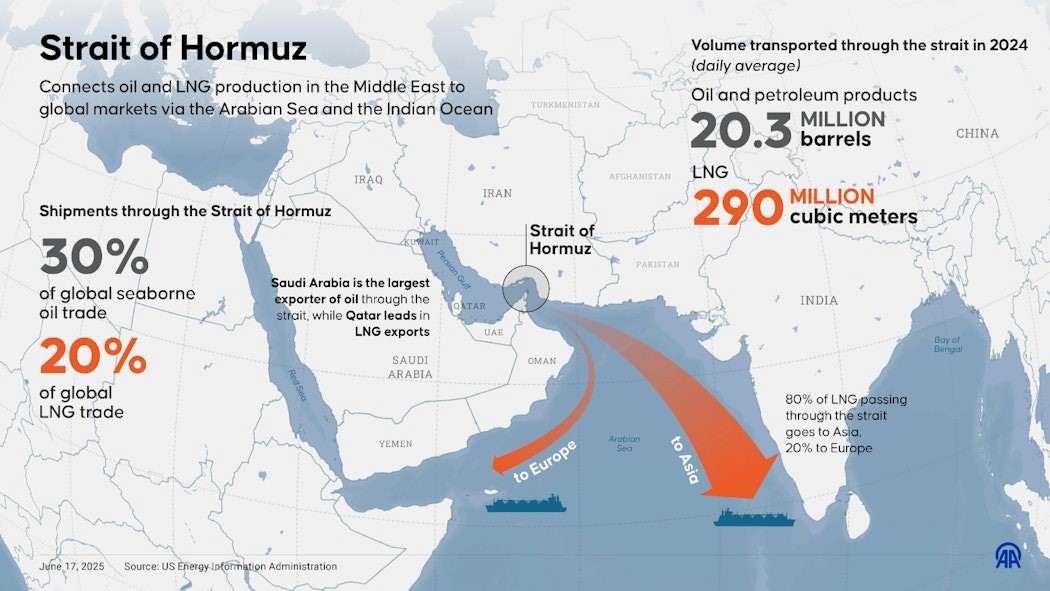
Energy markets have been rattled by escalating conflict across the Persian Gulf, where attacks on shipping routes and oil infrastructure have disrupted global crude supplies. A large share of the world’s petroleum exports passes through the Strait of Hormuz, a narrow maritime corridor connecting Gulf producers with international markets. Disruption to tanker traffic through this chokepoint has pushed benchmark crude prices sharply higher, triggering fuel price increases across Asia and raising fears of supply shortages in import-dependent economies.

Indonesia faces particular vulnerability because it relies heavily on imported energy. Around a quarter of its crude oil and roughly a third of liquefied petroleum gas supplies originate in the Middle East. Shipping disruptions in the Gulf have already complicated trade flows, with tanker movements slowed by security risks and insurance costs rising for vessels operating in the region. Market volatility has driven crude prices beyond the psychological threshold of $100 per barrel, fuelling concern that further escalation could drive them even higher.

The timing of the price shock has heightened the challenge for Jakarta. Eid al-Fitr, marking the end of Ramadan, triggers one of the largest annual travel movements in the country as families journey from major cities to hometowns across the archipelago. State energy company Pertamina anticipates gasoline demand during the holiday period to climb by more than 10 per cent, intensifying pressure on supply chains already strained by global market turbulence.

Authorities have attempted to reassure the public that domestic fuel supplies remain sufficient. Officials say government stockpiles and logistics networks can support the expected surge in consumption during the festive season. At the same time, policymakers have signalled that subsidised fuel prices will remain unchanged until the Eid holidays conclude, a move designed to prevent abrupt increases in transport costs during the peak travel period.

Holding prices steady carries significant fiscal implications. Indonesia already devotes substantial resources to energy subsidies, allocating more than 380 trillion rupiah in the state budget to keep fuel and electricity costs manageable for households and businesses. Sustaining those subsidies while global oil prices rise could widen the fiscal deficit or force adjustments elsewhere in the budget.

Economists warn that prolonged turbulence in global oil markets may reverberate across the broader economy. Higher crude prices increase the cost of imports and can erode Indonesia’s trade balance, particularly because the country has transitioned from being an oil exporter to a net importer over the past two decades. Analysts estimate that each $10 increase in the price of oil could shave hundreds of millions of dollars from the country’s trade surplus while raising domestic inflationary pressures.

Currency markets have already reacted to the geopolitical shock. The rupiah has faced downward pressure amid investor concerns about rising energy import costs and potential fiscal strain from expanded subsidies. A weaker currency makes fuel imports more expensive, compounding the burden on state finances and increasing the risk that domestic prices may eventually need to adjust.

Officials are exploring alternative strategies to mitigate the impact. One approach involves diversifying crude imports away from the Middle East by securing additional shipments from suppliers such as the United States and other regions less affected by the conflict. Authorities are also considering longer-term measures including accelerated blending of biofuels and the expansion of renewable energy capacity to reduce dependence on imported oil.

Energy security has become a central concern for policymakers across Southeast Asia as the Gulf crisis unfolds. Countries throughout the region rely heavily on imported petroleum and have limited capacity to absorb sustained price shocks. Governments have begun introducing conservation measures, adjusting subsidies, and seeking alternative suppliers as they attempt to stabilise domestic markets.

Indonesia’s logistical challenges are magnified by its geography. The archipelago spans more than 17,000 islands, making fuel distribution complex even during stable market conditions. Sudden shifts in global prices can ripple quickly through domestic supply chains, affecting transportation costs, food prices, and broader consumer inflation.

Political pressures add another layer of complexity for the administration. Public sensitivity to fuel prices has historically been high, and previous attempts to reduce subsidies have sparked protests and social unrest. Managing the current crisis therefore requires balancing fiscal prudence with the need to maintain social stability and support economic growth.

Market analysts say the duration of the Middle East conflict will determine how severe the economic impact becomes. If disruptions to shipping lanes and energy infrastructure persist, global crude supplies could tighten further, pushing prices to levels that strain government budgets and household finances alike. A prolonged crisis could also prompt broader shifts in energy policy, encouraging faster investment in domestic energy resources and renewable alternatives.

Pressure from Washington for allies to help secure shipping lanes in West Asia has placed Tokyo in a delicate strategic position, with senior figures signalling that dispatching Japanese military vessels to the Middle East would face formidable political and legal barriers. Takayuki Kobayashi, policy chief of the ruling Liberal Democratic Party, stated that any move to send Japanese naval assets to escort commercial vessels through the Strait […]

OpenAI is preparing to expand the capabilities of its widely used chatbot by bringing advanced video-generation technology from its Sora model into ChatGPT, a move that could transform how users interact with artificial intelligence and reshape the competition among global AI platforms. Plans under discussion within the company involve integrating Sora’s text-to-video generation system directly into ChatGPT, allowing users to create short videos simply by typing prompts […]

Al Habtoor Polo and Jehangiri Polo have secured places in the final of the fourth Dubai Polo Challenge Cup after winning their respective qualifying matches at the Al Habtoor Polo Resort and Club in Dubai, setting up a decisive clash in one of the region’s prominent mid-handicap tournaments. The competition, staged at the sprawling polo grounds on the outskirts of Dubai, features four teams with handicap ratings […]

Bitcoin surged past the $72,000 mark on 13 March, buoyed by a sustained inflow of institutional capital into spot exchange-traded funds and improving market sentiment following a volatile start to the year. The rally lifted the world’s largest cryptocurrency to its highest level in more than a week, strengthening a rebound that has unfolded alongside growing interest from large investors and asset managers. Market data showed Bitcoin […]

Dubai-based technology firm Solstice Data has signed a memorandum of understanding with the Kerala government to invest ₹52,600 crore in a large-scale data infrastructure project at the KINFRA Industrial Park in Mattannur, marking one of the biggest technology investments proposed for the state’s digital economy. The agreement envisions the development of advanced artificial intelligence-driven high-performance computing data centres on approximately 100 acres of land in Kannur district, a move officials say could reshape the region’s industrial profile.

The MoU was exchanged in Thiruvananthapuram between Raj Babu Thulaseedharan, Solstice Data’s country head for India, and Santhosh Koshy Thomas, managing director of Kerala Industrial Infrastructure Development Corporation, commonly known as KINFRA. The signing ceremony took place in the presence of Industries Minister P Rajeev and Director of Industries P Vishnuraj, signalling strong administrative backing for the project.

Solstice Data, headquartered in Dubai, specialises in designing and operating high-performance computing facilities that support artificial intelligence applications, cloud services and large-scale data processing. The company has overseen more than sixty data-centre projects internationally, including facilities in North America. The planned Kerala campus is expected to incorporate similar advanced infrastructure, supporting large computing workloads used by artificial intelligence developers, research institutions and global technology companies.

Officials involved in the negotiations describe the proposed facility as a strategic attempt to position Kerala within the expanding global data-centre ecosystem. The investment is scheduled to be implemented over a five-to-seven-year period, with phased development of computing infrastructure and supporting utilities. Such projects typically require heavy investments in power systems, cooling technology, fibre-optic connectivity and advanced cybersecurity frameworks, all of which are considered essential to attract international technology firms that rely on reliable data-processing capacity.

Mattannur’s KINFRA Industrial Park was selected as the project site after infrastructure upgrades created additional industrial land within the complex. The park covers about 175 acres, with roughly 123 acres designated for industrial use after internal roads, power supply and other facilities were developed. Officials said the Solstice Data project will occupy the remaining 100 acres currently available for new enterprises within the park, effectively completing the industrial allocation of the site.

Kerala’s industry department has framed the project as part of a broader push to attract technology-driven investments beyond the state’s established IT corridors. While cities such as Kochi and Thiruvananthapuram host major software parks and technology campuses, northern districts have been seeking large industrial anchors to stimulate employment and infrastructure development. Officials believe a data-centre cluster could generate both direct and indirect jobs, ranging from engineering and maintenance roles to specialised positions in artificial intelligence research and cloud-computing operations.

Industries Minister P Rajeev said the planned facility is expected to open significant digital opportunities for the state’s technology ecosystem. According to government officials, the project will be developed in collaboration with local partners, potentially creating links with educational institutions, startups and software companies working in artificial intelligence and data analytics. The state has promoted digital innovation as a key pillar of its industrial strategy, aiming to expand sectors such as fintech, health-tech and data science.

Data-centre investments have gathered momentum globally as demand for computing power rises with the growth of artificial intelligence models, streaming services and cloud-based applications. Major technology companies have been building hyperscale facilities capable of handling vast quantities of data, often requiring reliable electricity supply and extensive fibre-optic connectivity. Industry analysts say regions that provide stable power networks, regulatory clarity and strong connectivity stand to attract significant investments from technology infrastructure firms.

Kerala has gradually positioned itself as a destination for knowledge-based industries through investments in IT parks, research institutions and digital-skills programmes. Earlier technology initiatives in the state have involved collaborations with global companies and overseas investors. Observers see the Solstice Data project as another example of cross-border partnerships shaping technology infrastructure, particularly with firms based in the Gulf that maintain commercial ties with southern states.

Local authorities in Kannur district view the project as a potential catalyst for broader economic activity around Mattannur, an area already connected by road networks and the nearby Kannur International Airport. Industrial planners say large technology campuses often stimulate the creation of ancillary industries including power equipment suppliers, cooling system manufacturers and digital-services firms.

Solstice Data’s decision to establish an artificial-intelligence-focused data-centre campus also reflects the intensifying competition among regions seeking to host digital infrastructure. Governments across Asia have introduced policies aimed at attracting such projects through land allocation, tax incentives and investments in high-capacity electricity grids.

Arabian Post Staff -Dubai Firefighters and emergency teams contained a blaze in the emirate of Fujairah after debris from an intercepted drone fell in the area on Saturday, authorities said, with no injuries reported. Officials confirmed that air-defence systems intercepted the unmanned aerial vehicle before it reached its intended target, but fragments from the interception landed on the ground and ignited a fire. Civil defence crews responded […]

Greenlogue/AP Thick clouds of smoke rising over fuel depots and refineries in Iran have triggered growing concern among scientists and public-health experts that the environmental impact of the ongoing US and Israeli military campaign could linger for decades. Fires sparked by strikes on energy infrastructure have released a complex mix of toxic pollutants into the atmosphere, raising fears of long-term contamination of air, soil and water across […]

New Delhi has pressed Tehran to allow more India-bound vessels to cross the Strait of Hormuz after two liquefied petroleum gas carriers carrying critical fuel supplies cleared the strategic waterway, highlighting the vulnerability of energy flows through one of the world’s most important maritime chokepoints.

Officials confirmed that two Indian-flagged LPG carriers, Shivalik and Nanda Devi, passed through the strait with cargo bound for ports in Gujarat, transporting roughly 92,700 tonnes of cooking gas. The shipments represent more than a day’s requirement for household LPG consumption, providing partial relief amid tightening supplies.

Government representatives indicated that discussions with Iranian authorities are continuing to secure safe transit for additional tankers waiting in the Persian Gulf. More than twenty vessels carrying crude oil and gas destined for India have been held up near the waterway during the standoff, raising concerns over prolonged disruptions to fuel deliveries.

The Strait of Hormuz, situated between Iran and Oman, handles about a fifth of global oil and liquefied natural gas shipments. Any disturbance along this narrow corridor has the potential to reverberate across global energy markets and shipping routes. Escalating tensions across West Asia have already led to attacks on several vessels and heightened security risks for commercial shipping in the region.

Iran’s decision to permit the two LPG carriers to sail through the strait marked an exception to restrictions imposed after military action targeting Iranian infrastructure triggered a broader confrontation. Tehran has maintained that vessels from most countries can navigate the passage but warned that ships from states viewed as hostile could face restrictions or heightened scrutiny.

Diplomatic engagement between New Delhi and Tehran played a role in securing the initial transit. Conversations between Prime Minister Narendra Modi and Iran’s president Masoud Pezeshkian, along with discussions between foreign ministers, focused on safeguarding energy shipments and the safety of nationals in the conflict-affected region.

India depends heavily on Middle Eastern suppliers for its energy needs. About 90 per cent of the country’s imported LPG originates from the region, while a substantial share of crude oil imports also passes through the Strait of Hormuz. That reliance has made the stability of the shipping lane central to the country’s energy security strategy.

Officials from the shipping ministry confirmed that Indian authorities are coordinating with regional partners and monitoring maritime traffic closely. Naval vessels deployed in the Gulf under Operation Sankalp have been keeping watch over merchant ships heading towards the subcontinent, providing situational awareness and escort support where necessary.

Energy analysts say the partial reopening of the route for Indian cargo illustrates the delicate balance between geopolitical confrontation and commercial necessity. Countries reliant on Gulf hydrocarbons have sought diplomatic channels to keep trade flowing even as military tensions complicate navigation in the region.

Oil markets reacted sharply to the conflict surrounding the strait, with benchmark crude prices surging amid fears of prolonged disruption to supply. Traders remain wary that even isolated incidents could affect tanker movements through the corridor, where narrow shipping lanes and heavy traffic leave little room for error.

The two LPG carriers now sailing toward the western coast highlight the importance of maintaining uninterrupted access to the strait. With domestic demand for cooking gas remaining high, authorities have prioritised household supply chains while assessing contingency measures for industrial users if shipments continue to face delays.

Shipping industry figures note that vessels have increasingly adopted precautionary routes or delayed departures until security conditions improve. Insurance costs for tankers operating in the Gulf have also climbed, reflecting the heightened risk environment created by missile strikes, drone attacks and naval deployments in surrounding waters.

Strategic calculations extend beyond immediate fuel deliveries. India has been strengthening diplomatic engagement with Gulf producers and maritime partners to ensure continued energy access during periods of instability. The country has also expanded storage capacity and diversified crude sources over the past decade to mitigate supply shocks.

Even with those measures, the Strait of Hormuz remains a critical artery for trade between the Gulf and Asia. Any sustained restriction would affect not only India but also large importers such as China, Japan and South Korea, which depend on the same route for oil and gas shipments.

A coordinated international law enforcement operation has dismantled SocksEscort, a large malicious proxy service that enabled cybercriminals to hide their identities while carrying out fraud, ransomware attacks and other online crimes. The operation, codenamed Operation Lightning, targeted infrastructure spread across multiple countries and led to the seizure of dozens of domains and servers used to run the network. Authorities said the proxy service relied on malware that […]

A sophisticated malware operation targeting software developers has expanded its reach by exploiting trusted extension ecosystems, with security researchers uncovering dozens of malicious packages distributed through the Open VSX marketplace. The campaign, known as GlassWorm, now relies on hidden transitive dependencies to introduce malicious code into developer environments, marking a notable shift in tactics within the growing wave of software supply-chain attacks. Security analysts have identified at […]

By K Raveendran #Oil markets have entered a phase of acute uncertainty as military escalation involving strikes on Iran and the resulting closure of the Strait of Hormuz begin to reverberate through global energy supply chains. Within just over a week of the disruption, more than 12 million barrels of oil equivalent per day of […]

The article Analysts See Prolonged War Cutting Up To 70% Of Crude Output appeared first on Latest India news, analysis and reports on Newspack by India Press Agency).

Clair Obscur: Expedition 33 secured the Game of the Year title at the 26th annual Game Developers Choice Awards, marking one of the most significant recognitions yet for the role-playing game that has dominated industry accolades over the past year. The awards ceremony, held alongside the Game Developers Conference in San Francisco, saw the title collect five trophies in total, reinforcing its reputation as one of the […]

Featuring Over 40 Interactive and Game Booths Showcasing Engineering Innovation

HONG KONG SAR – Media OutReach Newswire – 14 March 2026 – To celebrate its 50th Anniversary, The Hong Kong Institution of Engineers (hereafter “the HKIE”) has organised “The HKIE ‘Together we RISE’ Carnival” (hereafter “the Carnival”) at High Lawn, Art Park, WestK. The opening ceremony took place today, officiated by Ms Bernadette LINN Hon Ho, JP, Secretary for Development of the HKSAR Government; Mr YE Shuiqiu, Deputy Director-General of the Department of Educational, Scientific and Technological Affairs of the Liaison Office of the Central People’s Government in the Hong Kong Special Administrative Region; Ir Ricky LAU Chun Kit, JP, Permanent Secretary for Development (Works); and Ir The Hon Aaron BOK Kwok Ming, Legislative Council Member (Functional Constituency – Engineering) cum Past President of the HKIE. They were joined by Ir Alice CHOW, President of the HKIE; Ir Prof Frank CHAN Fan, GBS, JP, Senior Vice President of the HKIE; Ir Rupert LEUNG Kwok Yiu, Vice President of the HKIE; Ir William LUK Wai Lam, Vice President of the HKIE and Ir Prof Alfred SIT Wing Hang, GBS, JP, Chief Executive and Secretary of the HKIE to kick off this two-day event.

Group Photo of officiating guests at the Opening Ceremony, including Ms Bernadette LINN Hon Ho, JP, Secretary for Development(4th right); Mr YE Shuiqiu, Deputy Director-General of the Department of Educational, Scientific and Technological Affairs of the Liaison Office of the Central People's Government in the Hong Kong Special Administrative Region(4th left); Ir Ricky LAU Chun Kit, JP, Permanent Secretary for Development (Works) (3rd left); Ir The Hon Aaron BOK Kwok Ming, Legislative Council Member (Functional Constituency - Engineering) cum Past President of the HKIE(3rd right); Ir Alice CHOW, President of the HKIE(middle); Ir Prof Frank CHAN Fan, GBS, JP, Senior Vice President of the HKIE (2nd left); Ir Rupert LEUNG Kwok Yiu, Vice President of the HKIE(2nd right); Ir William LUK Wai Lam, Vice President of the HKIE(1st right); and Ir Prof Alfred SIT Wing Hang, GBS, JP, Chief Executive and Secretary of the HKIE(1st left).
Group Photo of officiating guests at the Opening Ceremony, including Ms Bernadette LINN Hon Ho, JP, Secretary for Development(4th right); Mr YE Shuiqiu, Deputy Director-General of the Department of Educational, Scientific and Technological Affairs of the Liaison Office of the Central People’s Government in the Hong Kong Special Administrative Region(4th left); Ir Ricky LAU Chun Kit, JP, Permanent Secretary for Development (Works) (3rd left); Ir The Hon Aaron BOK Kwok Ming, Legislative Council Member (Functional Constituency – Engineering) cum Past President of the HKIE(3rd right); Ir Alice CHOW, President of the HKIE(middle); Ir Prof Frank CHAN Fan, GBS, JP, Senior Vice President of the HKIE (2nd left); Ir Rupert LEUNG Kwok Yiu, Vice President of the HKIE(2nd right); Ir William LUK Wai Lam, Vice President of the HKIE(1st right); and Ir Prof Alfred SIT Wing Hang, GBS, JP, Chief Executive and Secretary of the HKIE(1st left).

With the theme “Together we RISE”, the Carnival aims to highlight the engineering profession’s outstanding contributions to social progress, technological innovation, and sustainable development. Running from 14-15 March, the Carnival features over 40 interactive booths and game zones designed by various organisations and HKIE divisions. The booths showcase exciting innovations including robot and robot dog demonstrations, model displays, VR experiences, UAV flight simulators, a water pumping robot, and more, offering enjoyable, hands-on exploration of the diversity and fun of engineering for the whole family over the weekend.

The Carnival also features a travelling exhibition, “Engineering Legacy: 50 Years of Excellence”, celebrating 19 excellent engineering projects honoured with The HKIE 50th Anniversary Legacy Award. The exhibition highlights the remarkable achievements and milestones that have shaped Hong Kong’s engineering landscape over the past five decades. In addition, the winning entries from the “Together we RISE” school competition held by the HKIE earlier will be showcased, reflecting the creativity and imagination of the younger generation in building sustainable and innovative cities.

Ir Alice CHOW, President of The Hong Kong Institution of Engineers, remarked, “The Hong Kong Institution of Engineers has grown alongside Hong Kong over the past 50 years, witnessing and contributing to many of the city’s landmark infrastructure and urban development projects. Through the Carnival, we hope the public can gain a deeper understanding of the vital role engineers play in society, while inspiring the younger generation’s interest and creativity in the engineering profession. ‘Together we RISE’ is not just a theme; it also expresses our commitment to fostering innovation, uniting the industry, and building the future, leveraging Hong Kong’s unique advantages of being ‘backed by our motherland and connected to the world’!”

The HKIE 50th Anniversary “Together we RISE” Carnival

Date and time: 14 March 2026 (Sat) 10am-6pm

15 March 2026 (Sun) 10am-6pm

Location: High Lawn, Art Park, WestK
Fee: Free of charge

Hashtag: #HKIE

The issuer is solely responsible for the content of this announcement.

About the HKIE

The Hong Kong Institution of Engineers (HKIE) – previously The Engineering Society of Hong Kong – was founded in 1947. In 1975, the HKIE was incorporated under The Hong Kong Institution of Engineers Ordinance, Chapter 1105 of the Laws of Hong Kong. Today the HKIE has over 32,000 members, of which around 17,000 are Corporate Members.

The Institution aims to bring together engineers of different disciplines for their common good. The HKIE is committed to upholding the quality of membership, and sets standards for the training and admission of engineers from 22 engineering disciplines. It also has strict rules governing members’ conduct and is dedicated to raising the ethical standards of professional engineers in Hong Kong. For more information about the HKIE, please visit

Arabian Post Staff -Dubai Conflict involving Iran, Israel and the United States has entered a second week, prompting heightened caution across financial markets in the Gulf while investment banks operating in the region signal that their local operations remain in place despite escalating security warnings. Financial institutions active in the Gulf Cooperation Council have indicated that dealmaking teams and advisory units will continue functioning as normal even […]

Microscopic plastic particles circulating through food, water and air may be contributing to neurological damage linked with Alzheimer’s and Parkinson’s disease, according to emerging scientific research examining how these pollutants interact with the human brain. Researchers studying the biological effects of microplastics say the tiny fragments can enter the body through ingestion or inhalation and may accumulate in organs, including brain tissue. Laboratory studies and environmental monitoring […]

Authorities in Hong Kong have launched one of the most sweeping investigations into the territory’s financial industry in nearly a decade, placing hedge fund Infini Capital Management at the centre of a widening insider-trading probe that has rattled brokers, banks and investors across Asia’s leading financial hub.

The investigation, conducted jointly by the Securities and Futures Commission and the Independent Commission Against Corruption, has led to the arrest of eight people and the search of offices and residences across the city. The operation targeted suspected exchanges of confidential market information tied to share placements in Hong Kong-listed companies, a practice that authorities say may have generated illicit profits while undermining confidence in capital markets.

Sources familiar with the matter have identified Infini Capital Management, alongside brokerage operations linked to Citic Securities and Guotai Junan International, as among the firms caught up in the crackdown. The investigation centres on allegations that executives accepted more than HK$4 million in bribes in return for non-public information about equity placements before those transactions were disclosed to investors.

According to regulatory statements, the suspected information leaks allowed traders to establish short positions in companies whose share placements would later depress prices once announced publicly. Authorities estimate the strategy generated profits of roughly HK$315 million, underscoring the scale of the alleged misconduct.

Infini Capital has said its operations remain normal and that its investment management processes have not been disrupted by the investigation. The firm has pledged to comply fully with regulatory authorities while declining to comment on what it described as unverified reports circulating in the market.

Founded in 2015 by former investment banker Tony Chin, the hedge fund built a reputation for aggressive trading strategies and direct negotiations with companies seeking capital. Market participants say the firm sometimes approached share placement deals in ways that bypassed traditional investment bank intermediaries, a tactic that brought both attention and scrutiny within Hong Kong’s tightly interconnected financial community.

Chin, who previously worked at major global financial institutions before establishing the fund, has not responded publicly to requests for comment regarding the probe. Regulatory filings indicate that he stepped down as a responsible officer for Infini Capital at the end of 2025, meaning he no longer holds the licence required to oversee regulated asset management activities on behalf of the firm.

Developments surrounding the investigation have reverberated beyond the immediate targets of the raid. Several global banks, including JPMorgan and UBS, had already severed prime brokerage relationships with Infini Capital months before the probe became public, according to people familiar with the matter. The reasons behind the decisions were not disclosed, though the timing has drawn attention among market observers assessing the fund’s risk profile and compliance record.

Prime brokerage services play a critical role in hedge fund operations, providing financing, securities lending and trade execution support. Losing such relationships can constrain trading activity and signal broader concerns among financial institutions regarding counterparty risk.

The crackdown arrives at a moment when Hong Kong’s equity capital markets have been undergoing a revival following a prolonged downturn in listings. Fundraising through share offerings surged in the past year as Chinese technology and industrial companies turned to the territory for capital, helping restore the city’s position as one of the world’s busiest venues for initial public offerings.

Regulators have responded to that surge by intensifying scrutiny of investment banks and brokers responsible for underwriting and distributing share sales. Officials have warned repeatedly that lapses in due diligence or market conduct could undermine investor trust and the credibility of Hong Kong’s financial system.

Analysts say the case highlights the complex ecosystem that has developed around equity placements, where hedge funds, banks and corporate issuers interact in fast-moving transactions worth hundreds of millions of dollars. Such deals often involve limited groups of investors receiving shares at discounted prices, creating incentives for traders to speculate on how markets will react once the placements are disclosed.

Authorities believe that confidential information about several such deals was circulated before public announcements, allowing certain investors to position themselves advantageously. The resulting trades allegedly generated substantial profits when share prices fell following the disclosure of the placements.

Operation “Fuse”, the codename given to the joint investigation, involved searches at fourteen locations across Hong Kong, including corporate offices and private residences. The arrests included senior executives within financial firms, signalling that regulators are pursuing accountability at the highest levels of the industry.

Market participants are watching closely to see whether the probe expands further. Hong Kong’s regulators have historically pursued insider trading cases aggressively, but raids on multiple high-profile financial institutions simultaneously are comparatively rare.

Infini Capital had become an active participant in the city’s equity markets over the past several years, taking positions in a number of high-profile share placements linked to technology companies and other fast-growing sectors. The firm also forged financing partnerships with emerging robotics and artificial intelligence businesses seeking funding through Hong Kong’s capital markets.

VISHNU RAJA
RYO YAMADA
HITORI GOTOH
IKUYO KITA