North Korea has carried out a ground test of a newly upgraded high-thrust solid-fuel engine, with leader Kim Jong-un saying the development would strengthen the country’s strategic strike capability and advance its military modernisation drive. State media said Kim observed the test and described it as an important step in the ruling party’s five-year defence plan, a programme that has centred on building faster-launching missiles and a […]
Mubadala Energy has tightened its grip on one of Southeast Asia’s most closely watched offshore gas provinces after winning the Southwest Andaman exploration Production Sharing Contract in Indonesia, a move that extends the Abu Dhabi-based company’s push to build scale in the country’s Andaman basin. The block was awarded by Indonesia’s oil and gas regulator, Direktorat Jenderal Minyak dan Gas Bumi, under the second bid round for […]
Arabian Post Staff -Dubai Rosatom has agreed to form a logistics joint venture with DP World in a deal that would place Russia’s state nuclear corporation in majority control while bringing one of Dubai’s biggest global trade operators deeper into a strategically sensitive transport network centred on FESCO and Arctic shipping lanes. Under the proposed structure, Rosatom will hold 51% and DP World 49%, with Rosatom contributing […]
DeepSeek is investigating a prolonged disruption that knocked its chatbot offline for more than seven hours in China, in the most serious outage yet for the Hangzhou-based artificial intelligence company since its rise into the global mainstream. The company’s public status page showed web and app service problems began late on Sunday night, rolled into Monday morning, and were not fully marked resolved until 10:33 a. m. […]
HONG KONG SAR and SHANGHAI, CHINA – Media OutReach Newswire – 30 March 2026 – Hang Lung Properties Limited (“Hang Lung” or the “Company”; stock code: 00101) today announced that Westlake 66 in Hangzhou, the Company’s 11th mixed-use commercial development in Chinese Mainland, will commence its soft opening on April 28, 2026.
Westlake 66 in Hangzhou will commence its soft opening on April 28, 2026
Opening in stages with a planned ramp-up, following the phased launch of its office towers since late 2025, Westlake 66 marks a major milestone in the Hang Lung’s Mainland portfolio and represents the latest embodiment of its “Pulse of the City” positioning. It will set a new benchmark for regional mixed-use development and redefine sophisticated lifestyle experiences in a top-tier Chinese city, leading the experiential retail trend and establishing a curated destination where culture, commerce, and community converge.
Situated in the Wulin CBD of Hangzhou in Zhejiang Province — one of China’s wealthiest provinces by GDP and purchasing power — Westlake 66 spans a gross floor area of approximately 390,200 square meters, bringing together a world-class shopping mall, five Grade A office towers, and the 194-key Mandarin Oriental Hangzhou — the first Mandarin Oriental in Zhejiang — to serve the discerning tastes of Hangzhou’s affluent and growing population. Hashtag: #HangLungProperties
The issuer is solely responsible for the content of this announcement.
About Hang Lung Properties
Hang Lung Properties Limited (SEHK stock code: 00101) creates compelling spaces that enrich lives. Headquartered in Hong Kong and Shanghai, the Company manages a portfolio of over 3.5 million square meters of retail, office, residential, and hotel properties across Hong Kong and Chinese Mainland.
The Company’s diverse portfolio in Hong Kong includes office towers and malls in prime districts, as well as luxury residential developments in prestigious areas. In Chinese Mainland, under the signature “66” brand, the Company’s mixed-use and retail developments are regarded as premium landmarks, strategically located in the hearts of key cities of Shanghai, Shenyang, Jinan, Wuxi, Tianjin, Dalian, Kunming, Wuhan, and Hangzhou.
The Company is recognized for pioneering sustainability in the real estate industry, with an MSCI ESG rating of AA and inclusion on CDP “A List” for Climate Change. The Company powers 90% of its operating properties in the Mainland with renewable energy, with a net zero commitment by 2050.
Arabian Post Staff -Dubai Donald Trump has triggered fresh controversy after using crude language about Saudi Crown Prince Mohammed bin Salman at the Future Investment Initiative Institute summit in Miami Beach, telling the audience the Saudi leader had not expected to “be kissing my a” and adding that “now he has to be nice to me.” The remarks, delivered on 27 March at the Saudi-backed forum, drew […]
India’s rupee surged on Monday after the Reserve Bank of India tightened banks’ foreign-exchange position limits, forcing lenders to cut dollar holdings and unwind arbitrage trades that had built up as the currency slid to a record low at the end of last week. The rupee rose as much as 1.4% in early trade and was quoted around 93.48 to 93.85 per US dollar, marking its sharpest one-day gain since February.
The immediate trigger was the RBI’s March 27 directive capping banks’ net open rupee positions in the onshore deliverable market at $100 million by the close of each business day from April 10. That replaced a looser framework under which banks’ boards could set limits up to 25% of total capital. Traders said the order prompted a burst of dollar selling as banks moved to reduce exposures that had become profitable while the rupee was weakening.
The rebound followed a bruising stretch for the currency. On Friday, the rupee hit a record low of about 94.84 to the dollar after heavy pressure from higher crude prices, risk aversion and foreign outflows. Reuters reported the rupee had fallen more than 4% in March, putting it on course for its worst monthly performance in more than seven years, while broader anxiety over the Middle East conflict and its implications for energy markets deepened concern over India’s import bill and external balance.
At the centre of the RBI’s move is the gap between the domestic market and the offshore non-deliverable forward, or NDF, market. Banks had been exploiting pricing differences between the two venues, building large arbitrage books that were profitable during the rupee’s slide. Estimates for those positions vary, but Reuters and other market reports put them broadly in the $25 billion to $50 billion range. By suddenly tightening the rules, the central bank appears to have targeted not only volatility in the spot market but also the speculative mechanics that were amplifying pressure on the currency.
That has given the rupee breathing room, but it has also shifted the strain onto banks. Lenders have warned that rapid compliance could force a disorderly unwinding of positions and crystallise losses in treasury books. Several banks have asked the RBI for three months to comply, arguing that a phased adjustment or permission to hold existing trades to maturity would reduce the risk of market disruption. Equity investors appeared to register that concern, with banking shares falling amid estimates that mark-to-market losses could run into thousands of crores if the unwind is abrupt.
The central bank’s intervention is being read in dealing rooms as one of its strongest attempts in years to reassert control over rupee pricing. Market participants said the RBI has already been active in local and offshore markets, using reserves and liquidity tools to keep the currency from sliding too quickly. The new cap adds a regulatory weapon to that defence. It also sends a signal that the central bank is prepared to curb trading strategies it sees as destabilising, even at the cost of squeezing bank profitability in the short term.
Whether the rupee can hold on to these gains will depend less on technical unwinding and more on the backdrop that pushed it down in the first place. Brent crude has climbed sharply, with Reuters reporting a move above $115 a barrel on Monday and a monthly gain of nearly 60%. For an economy that imports the bulk of its oil, that raises the risk of a wider current account deficit, imported inflation and renewed pressure on the currency. Bond yields also edged higher, indicating that traders remain alert to the wider macroeconomic fallout even as the rupee recovers ground.
TAIPEI, TAIWAN – Media OutReach Newswire – 30 March 2026 – More than half of Taiwan’s small businesses recorded growth in 2025, while confidence heading into 2026 climbed to its highest level since 2020, according to the Asia-Pacific Small Business Survey 2025–26 conducted by global professional accounting body CPA Australia.
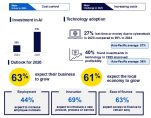
The survey found that 53 per cent of Taiwanese small businesses grew in 2025, slightly below the 57 per cent recorded in the previous survey. Looking ahead, business sentiment strengthened notably. In 2026, 63 per cent of respondents expect their business to grow, while confidence in the local economy also improved, with 61 per cent anticipating economic growth, the highest level recorded since Taiwan was first included in the survey in 2018.
Taiwan’s small and medium‑sized enterprises (SMEs) continue to play a vital role in creating new jobs. In 2025, 31 per cent of SMEs increasing staff numbers, while 44 per cent plan to hire additional employees in 2026.
With rising costs identified as the biggest challenge facing Taiwan’s SME in 2025, many businesses identified cost control as the most positive contributor to business performance last year.
Mr Elic Lam FCPA (Aust.), Honorary Taiwan Advisor at CPA Australia, said Taiwan’s economic fundamentals continue to support small business resilience, “Rising global demand for semiconductors and AI related chips continues to create opportunities for exporters and suppliers across Taiwan’s value chain,” Mr Lam said. “While geopolitical tensions and intensifying competition are adding uncertainty, government support measures for SMEs, including targeted subsidies and tax incentives, together with Taiwan’s resilient domestic demand, are helping to lift business confidence.”
Technology adoption, particularly artificial intelligence (AI), is becoming increasingly widespread among Taiwanese small businesses. The survey found that 33 per cent of small businesses identified AI as the technology they invested in most heavily invested in 2025, up from 29 per cent in the previous year.
Cyber risk among Taiwanese small businesses fell markedly. The share of small businesses reporting losses of time or money due to cyber incidents declined sharply from 59 per cent in 2024 to 27 per cent in 2025, reflecting stronger awareness and the uptake of basic protective measures across the sector.
However, the survey also indicates there is room to strengthen the returns from digital investment. Only 40 per cent of respondents reported that their technology investment in 2025 improved profitability, compared with the survey average of 56 per cent.
Mr Lam noted that Taiwan’s SME sector is undergoing a generational transition that is influencing technology adoption patterns, “Many SMEs in Taiwan are moving from first generation ownership to second or third generation leadership, and technology adoption remains cautious and practical,” he said. “The increase in AI investment reflects both external drivers, such as changing customer expectations and government policy support for digital transformation, as well as internal factors, including younger owners’ familiarity with AI tools and rising operating and staffing costs.”
“To improve profitability, SMEs should focus on applying digital solutions in areas with the greatest impact. For example, as rising costs were identified as the most negative factor affecting performance in 2025, investing in ready-to-use and AI enabled accounting or financial management tools can help reduce operating expenses and lift productivity.”
Access to finance is another notable finding. Financing conditions in Taiwan improved significantly in 2025, even as borrowing softened. Two-thirds of businesses (66 per cent) I said it was easy to access external finance, placing Taiwan among the top three surveyed markets and representing a sharp increase from 28 per cent in 2024. Looking ahead, financing conditions are expected to remain supportive, with 63 per cent anticipating easy access to finance in 2026.
Despite the marked improvement in financing conditions, demand for finance was more subdued. In 2025, 54 per cent of SMEs sought external finance, down from 72 per cent in 2024.
“The Taiwan government has expanded inclusive and guaranteed financing mechanisms to support SMEs, including higher guarantee ratios under the SME Credit Guarantee Fund and preferential loans offered through state affiliated banks,” Mr Lam said. “These measures have made bank financing more accessible for small businesses.”
“Even so, many SMEs remain cautious about taking on new debt. In a stable domestic environment, businesses can maintain steady growth, but external uncertainties drive them to take a prudent approach to borrowing. This aligns well with the government’s policy focus on gradual and resilient SME transformation rather than rapid, high risk expansion.”
Lam concluded, “To navigate international uncertainty and intensifying market competition, Taiwan’s small businesses should make better use of government policy support to upskill their workforce through AI adoption, foster innovation, and diversify export markets by strengthening online sales channels.”
The Asia Pacific Small Business Survey 2025–26 gathered views from 4,166 small businesses across 11 markets in the region, including Singapore, Chinese Mainland and Australia. The Taiwan survey sample comprised 311 small businesses.
Hashtag: #CPAAustralia
The issuer is solely responsible for the content of this announcement.
About CPA Australia
CPA Australia is Australia’s leading professional accounting body and one of the largest in the world. We have more than 176,000 members in over 100 countries and regions, including more than 22,500 members in Greater China. Our core services include education, training, technical support and advocacy. CPA Australia provides thought leadership on local, national and international issues affecting the accounting profession and public interest. We engage with governments, regulators and industries to advocate policies that stimulate sustainable economic growth and have positive business and public outcomes. A CPA is a Certified Practising Accountant. More at cpaaustralia.com.au
A China-Singapore youth dialogue in Singapore has closed with artificial intelligence, innovation and cross-border cooperation at the centre of discussions, as both countries seek to deepen people-to-people links alongside a broader push into advanced technology and digital governance. The two-day event was held on 24 and 25 March and brought together 12 young representatives from the two countries under the theme “Building Tomorrow: Youth Voices United”.
The gathering was co-organised by People’s Daily and Lianhe Zaobao, giving it a media-diplomacy character as well as a youth engagement role. Participants discussed how their generation is navigating technological change, cultural renewal and sustainable development, with one panel focused specifically on how young professionals in robotics, flying cars and data verification see the opportunities and risks of the AI era.
That emphasis matters beyond the symbolism of a youth exchange. Singapore has been working to position itself as a regional hub for trusted AI deployment, regulation and commercialisation, while China continues to expand its technological reach across sectors from advanced manufacturing to data-driven consumer platforms. Against that backdrop, a dialogue framed around youth voices and innovation also functions as a signal that bilateral engagement is moving beyond trade and official diplomacy into talent, technology and narrative influence.
Organisers said the technology segment featured participants working in frontier and emerging fields, including robotics, air mobility and digital verification. Those subjects reflect a wider regional agenda in which governments, universities and companies are trying to balance investment enthusiasm with concerns over safety, labour disruption, misinformation and the standards needed for responsible AI adoption. The inclusion of data verification in the discussion is especially notable at a time when synthetic media, manipulated content and trust in online information have become strategic concerns across Asia.
The event also extended beyond technology. Another strand of the dialogue focused on culture and identity, with participants in wood sculpture, paper arts, jewellery design and cultural reporting arguing that heritage does not have to be sidelined by digital change. That framing aligns with a broader trend in both China and Singapore, where policymakers and institutions increasingly present innovation and cultural continuity not as competing ideas but as parallel pillars of national development and soft power.
For Singapore, the dialogue fits neatly into its longer-standing strategy of maintaining practical, multi-layered ties with China while preserving its distinct regulatory and economic model. Youth exchanges, especially those tied to technology and entrepreneurship, can help widen those ties at a time when regional competition for skilled workers, capital and research partnerships is intensifying. Singapore’s universities and public institutions have also hosted multiple youth-oriented dialogues on China-related themes this year, pointing to a sustained effort to cultivate a new generation conversant in both policy and commercial realities.
For China, the event offered another platform to project openness and collaborative intent through younger voices rather than official communiqués. That matters at a moment when Beijing is trying to reassure partners in Southeast Asia that technological cooperation can advance without crowding out local priorities. Using youth representatives, entrepreneurs and cultural figures helps soften what might otherwise appear as a purely state-led message, while also reinforcing the idea that future bilateral ties will be shaped as much by personal networks and innovation ecosystems as by government ministries.
Still, such forums come with limits. Dialogues can build familiarity and create useful connections, but they do not by themselves resolve harder policy questions around data governance, platform regulation, research openness or strategic competition. Singapore has been careful to develop AI frameworks that stress accountability and trust, while China’s model is backed by a far larger domestic market and a different regulatory environment. That means cooperation may expand fastest in applied innovation, education, mobility and selected commercial fields rather than in fully harmonised digital rules.
Online anonymity is facing a sharper threat as new research suggests large language models can now identify pseudonymous internet users at scale by combining fragments of public writing with broader online data. The warning comes from a February 2026 preprint by Simon Lermen and co-authors at ETH Zurich, Anthropic and the Machine Learning Alignment and Theory Scholars programme, which argues that the “practical obscurity” that once protected […]
Arabian Post Staff -Dubai Nabil Fahmy is set to become the next secretary-general of the Arab League after Arab foreign ministers unanimously backed Egypt’s nominee in a virtual meeting on 29 March, clearing the way for the veteran diplomat to take over in July when Ahmed Aboul Gheit’s second term ends. The ministers’ decision still requires formal endorsement at the next Arab summit in Saudi Arabia, but […]
India has cut special excise duties on petrol and diesel after a sharp rise in global crude prices, seeking to shield consumers from a broader inflation shock as the Iran war and disruption around the Strait of Hormuz continue to unsettle energy markets. A government order issued late on Thursday reduced the special excise duty on petrol to Rs 3 a litre from Rs 13, while the levy on diesel was removed entirely from Rs 10 a litre. At the same time, New Delhi imposed fresh windfall taxes on diesel and aviation turbine fuel exports to recover part of the revenue loss and manage the fiscal hit.
The move underlines the pressure facing policymakers as oil prices remain volatile and the rupee weakens, raising the cost of imports for one of the world’s biggest crude buyers. Brent crude climbed above $112 a barrel on Friday, extending a rally driven by doubts over any near-term ceasefire and persistent fears that supply disruptions in the Gulf could deepen. Traders and analysts have said the risk premium now reflects not only lost barrels but also the strategic importance of Hormuz, through which a large share of global oil and liquefied natural gas flows.
For India, the tax cut is as much about inflation management as political optics. Retail prices at state-run fuel retailers have been largely held steady even as global crude costs have climbed, forcing public-sector oil marketing companies to absorb losses on every litre sold. Reuters reported that those losses were running at about Rs 24 a litre on petrol and Rs 30 on diesel at the time of the duty cut, a burden that had begun to raise concerns about the financial strain on the country’s dominant fuel retailers. By lowering excise duties, the government creates room for those companies to keep pump prices stable without taking the full blow on their balance sheets.
That relief, however, comes with a cost. The excise reduction is expected to trim government revenue by roughly Rs 70 billion every fortnight, with the net impact estimated at about Rs 55 billion after accounting for the new export levies on diesel and jet fuel. Those numbers matter because New Delhi is already balancing slower growth risks, higher import costs and sensitivity in bond markets. India’s 10-year government bond yield rose as investors weighed the inflationary impact of oil and the possibility that fiscal targets may come under pressure if energy turbulence persists.
Currency markets have been sending a similar warning. The rupee slipped beyond 94 to the US dollar, marking a record low and capping its weakest fiscal-year performance in more than a decade. Higher oil prices have compounded external pressures by widening import costs and fuelling worries over inflation, while signs of reduced support from the Reserve Bank of India have added to volatility in both the currency and government debt markets. The combination of a softer rupee and expensive crude intensifies the urgency for measures that can prevent fuel inflation from feeding into transport, food and manufacturing costs.
The government has paired the tax changes with broader supply assurances. Officials have said retail fuel prices will remain stable and that supplies of fuel, fertiliser and coal are adequate. India has also increased the availability of liquefied petroleum gas for industrial use, an indication that authorities are trying to prevent energy stress from spilling into factories and power demand. That broader messaging is aimed at containing panic in a market already on edge over whether the Middle East conflict could trigger a more prolonged energy shock.
The burden of holding down prices has not been distributed evenly across the sector. State-run retailers, which control more than 90 per cent of the country’s fuel stations, have largely refrained from raising pump prices, while private players have begun adjusting. Nayara Energy, for example, increased gasoline and gasoil prices this week, citing the combined impact of a weaker rupee and surging global crude prices. The divergence highlights the structural challenge for the government: keeping inflation contained without unduly damaging the finances of state-backed refiners and marketers.
Artificial intelligence is redrawing the economics of data centres at a speed that is forcing developers, utilities and investors to rethink where digital infrastructure can be built and how it can be financed. A new 2026 marketplace report from Colliers says global investment in data centres topped $580 billion in 2025, up 27 per cent from a year earlier, as hyperscalers and infrastructure groups poured money into […]
Distributed denial-of-service attacks gathered dangerous momentum in the second half of 2025, with a new industry report showing incidents rising 150 per cent year on year as both volume and velocity increased, underscoring how quickly cyber disruption is moving from episodic nuisance to board-level operational risk. The findings point to a sharp escalation in late 2025, when total attacks climbed to about 1.3 million in the fourth […]
Digital Realty has begun providing colocation infrastructure to Samsung Electronics at its ICN10 facility in Seoul, a deal that highlights how large corporate users in South Korea are seeking more resilient, high-density digital infrastructure as artificial intelligence, cloud services and mission-critical enterprise workloads put heavier demands on power, cooling and connectivity. The announcement was made on March 25 by Digital Realty, which said the arrangement would support Samsung Electronics’ enterprise IT operations from its Seoul site.
The ICN10 facility, located in Sangam-dong in Mapo-gu, has been operating since 2022 and is described by the company as South Korea’s first carrier-neutral data centre. Digital Realty says the building has a maximum IT load of 12 megawatts and around 132,000 square feet of space, with high-density power architecture, network connectivity and the resilience needed for large-scale computing environments. Those specifications matter because enterprise clients are no longer looking only for secure rack space; they increasingly want facilities that can handle denser compute loads without compromising uptime.
For Samsung Electronics, the move points to a practical shift in how even large technology groups manage parts of their own internal infrastructure. Rather than relying exclusively on self-operated facilities, major companies are turning to specialist operators for colocation capacity that can be scaled more quickly and managed to global standards. Digital Realty framed the arrangement as support for a large-scale customer environment in Korea, while emphasising stable, high-performance infrastructure for global enterprises. That wording suggests the deal is less about consumer-facing products and more about the backbone systems that keep a multinational company running across data-intensive operations.
The timing is notable because Seoul’s data-centre market is expanding while facing mounting strain over where future capacity can be built and how it will be powered. Cushman & Wakefield said the Greater Seoul Area reached 533 megawatts of capacity in the first half of 2025, with a further 715 megawatts in the development pipeline, alongside land secured for another 250 megawatts. Its later market update said the second half of 2025 saw double-digit year-on-year growth, while AI demand and tighter power-related rules were reshaping development patterns. That combination of growth and constraint is pushing operators and customers alike to value operational certainty.
South Korea’s broader technology push adds another layer to that demand story. Reuters reported this week that Seoul approved a 250 billion won investment in AI chip startup Rebellions, part of a wider effort to strengthen domestic semiconductor and advanced computing capabilities. Reuters also reported that SK Hynix is pursuing a US listing partly to fund major chipmaking investments tied to rising AI demand. Those moves sit outside the colocation market itself, but they reinforce the same structural point: processing power, data movement and digital infrastructure are becoming more strategically important across the economy.
Digital Realty’s position in Seoul also reflects a larger contest among global and regional operators seeking to capture Asia’s enterprise and cloud demand. Market research and adviser reports point to South Korea as one of the faster-growing data-centre markets in the region, driven by digital-first consumers, cloud adoption and increased enterprise modernisation. JLL’s 2026 outlook said the global data-centre sector could nearly double between 2025 and 2030, while other market estimates show South Korea’s colocation and broader data-centre segments expanding strongly through the decade. Forecasts from commercial research firms should be treated cautiously, but taken together with operator activity and land acquisition trends, they show why Seoul has become a closely watched infrastructure market.
The Samsung agreement may not be transformative in size on its own, yet it carries signalling value. When one of the country’s largest technology groups places enterprise workloads with an external colocation provider, it gives weight to the argument that carrier-neutral, high-density facilities are becoming integral to mainstream corporate IT strategy rather than serving only cloud giants and telecom operators. It also strengthens Digital Realty’s credentials in a market where network diversity, reliability and location all matter.
Questions remain over how quickly South Korea can add capacity in and around Seoul without worsening power bottlenecks or pushing new builds further from the capital’s main concentration of corporate demand. Legal and advisory analyses have pointed to the mismatch between the location of generation capacity and the heavy concentration of data centres around metropolitan Seoul. That tension is likely to shape the next phase of expansion, forcing operators to balance geography, power access and customer proximity more carefully than before.
SINGAPORE – Media OutReach Newswire – 29 March 2026 – The China-Singapore Youth Dialogue concluded in Singapore on March 25, bringing together young participants to exchange ideas on technology, culture and sustainability under the theme “Building Tomorrow: Youth Voices United.”
A total of 12 youth panelists from China and Singapore participate in three panel discussions at Asian Civilisations Museum in Singapore on March 25.(Photo: People’s Daily)
Co-organized by the People’s Daily and Lianhe Zaobao, the two-day event featured 12 young representatives who explored how their generation is shaping the future through innovation, cultural renewal and cross-border collaboration.
In the first panel, “Youth Driving Tech Innovation,” participants working in robotics, flying cars and data verification discussed both the opportunities and challenges of the AI era.
Tan Wei Hua, head of design at Singapore-based LionsBot International, addressed concerns over “AI anxiety” and its impact on jobs. “New jobs are going to be created. The next generation will be doing something entirely different,” he said, pointing to robotics as a growing field of opportunity.
Quah Zheng Wei, CEO and co-founder of Accredify, encouraged aspiring entrepreneurs to take the first step. With the tech industry evolving rapidly, he stressed that “nothing is holding you back.”
From an industry perspective, Michael Du, CFO and vice president of ARIDGE, said emerging technologies are expanding possibilities in everyday life. Meanwhile, Xu Huazhe, assistant professor at the Institute for Interdisciplinary Information Sciences at Tsinghua University, highlighted the strengths of younger generations: “With the correct taste, they will build the most meaningful things.”
The second panel, “Contemporary Renewal of Traditional Culture,” shifted focus from innovation to heritage. Artists and cultural practitioners in wood sculpture, paper art, jewelry design and journalism explored how tradition can be revitalized in modern contexts.
Wood sculpture artist Deng Kun emphasized the importance of cultivating an eye for beauty, while Lianhe Zaobao arts and culture journalist Zhang Heyang described traditional culture as “a place of spiritual haven for today’s youth.”
Designer Longhong Ziwei, founder and art director of the accessory brand Soft Mountains, said engaging with Yi heritage has inspired her work and resonated with international audiences.
Singaporean paper and mixed media artist Koh Pei Li, drawing inspiration from everyday urban life, highlighted the value of noticing overlooked details. Through her work, she hopes to reconnect people with the subtle beauty around them.
In the final panel, “Jointly Building a Sustainable Future,” speakers from architecture, fashion, and marine conservation offered interdisciplinary perspectives on sustainability.
Chen Kan, principal architect of TAB Architecture and Design, spoke about the philosophy of “being-with” as a guiding principle. “We need a deeper capacity to coexist with others,” he said.
Goy Zhenru, principal architect of Goy Architects in Singapore, emphasized designing in harmony with nature. She highlighted the importance of connecting living spaces with natural elements such as breeze and sunlight to create comfort and environmental awareness.
Sam Shu Qin, co-founder of Our Singapore Reefs and Our Blue Spaces, who describes herself as “a gardener underwater,” expressed hope that younger generations will recognize their ability to give back to the ocean.
For fashion designer Chen Peng, founder of brand CHENPENG, sustainability is both cultural and practical. “It should be culture-based and do no harm to the earth. It’s not a choice, but a natural extension of philosophy,” he said.
The dialogue marked a step forward in media cooperation and people-to-people exchanges between China and Singapore. By amplifying youth perspectives, it showcased the innovative energy and collaborative potential of both countries, while helping to build a long-term platform for bilateral engagement and shared progress.
The issuer is solely responsible for the content of this announcement.
Arabian Post Staff -Dubai Telda has moved beyond payments and cards to add stock and fund investing to its app, opening a new front in Egypt’s fast-growing race to attract first-time retail investors. The Cairo-based fintech said on Sunday that users can now buy and sell shares on the Egyptian Exchange and subscribe to investment funds from within the same platform, without relying on a traditional broker […]
Erythritol, a low-calorie sweetener widely used in sugar-free drinks, protein bars, keto snacks and diabetic-friendly foods, is facing renewed scrutiny after new research found it can harm cells lining tiny blood vessels in the brain in ways that may favour clotting and reduce normal vessel relaxation. The study adds to a growing body of evidence that has raised questions over whether one of the food industry’s most […]
Expansion strengthens access to fast, reliable device repair services across Jurong, Yishun, Tampines and Chinatown as demand for urgent technical support rises
SINGAPORE – Media OutReach Newswire – 29 March 2026 – Citri Mobile has expanded its Singapore repair network with stronger support in Jurong and Yishun, responding to rising demand for faster and more accessible device repair as device failures become increasingly disruptive to daily life.
A Citri Mobile technician performing internal diagnostics at a fully equipped repair station in Singapore.
What often begins as a minor inconvenience can quickly escalate. A phone may take longer to charge, a screen may flicker briefly before stabilising, or a laptop may run hotter than usual during routine use. These early signs are often ignored until the device stops functioning at a critical moment.
In recent months, technicians have observed a noticeable increase in cases involving sudden power loss, charging instability, motherboard-related faults and water damage. These issues often appear gradually before escalating into complete device failure, reflecting a broader shift in how modern devices behave under long-term usage.
Across Singapore, users are increasingly facing device failures at moments where immediate access is essential. A phone may stop responding during a payment, a transport app may fail to load before a journey, or a laptop may refuse to power on just before an important task. In such situations, the priority shifts quickly from convenience to restoring access in order to regain control of payments, communication and daily responsibilities.
Against this backdrop, Citri Mobile and its C3 Smart Repair by Citri Mobile outlets are strengthening support for customers dealing with urgent issues across smartphones, foldable devices, tablets, MacBooks and laptops.
In Jurong, these situations are often experienced during working hours and daily commutes. A phone that powers off unexpectedly mid-transaction or loses signal during navigation can create immediate disruption. In these moments, users searching for phone repair in Jurong often prioritise providers that are nearby, responsive and able to diagnose issues clearly without unnecessary delay.
In Yishun, the pattern frequently unfolds in residential settings. Devices that appear functional the night before may fail completely the next morning. A phone may not power on, a screen may remain black despite vibration, or a device may show signs of internal failure after minor exposure to moisture or accidental spills. When access to essential services is affected, the need for immediate local support becomes more urgent.
Water damage continues to be one of the more unpredictable causes of device failure. Even small amounts of moisture can lead to corrosion within internal components, affecting charging circuits, display connections or motherboard stability. In some cases, devices may continue to function temporarily before deteriorating rapidly over time.
At the same time, laptop and MacBook issues remain a significant concern, particularly for users who rely on their devices for work, study and communication. A MacBook that fails to power on, shuts down under load or shows inconsistent charging behaviour often indicates deeper issues such as logic board faults, battery degradation or power management instability.
For iPhone-related repairs, some users also look for providers that participate in Apple’s Independent Repair Provider programme, where applicable. Those seeking specialised support may explore iPhone repair in Singapore when reliability, diagnostics and parts compatibility are key considerations.
These issues are no longer isolated to one category of device. Similar underlying problems — including power IC faults, charging circuit instability and motherboard-level failures — can affect both smartphones and laptops. In many cases, users turn to providers offering broader device repair services in Singapore to address multiple concerns within a single visit.
In more complex cases, symptoms may appear inconsistent at first. A device may turn on intermittently, charge irregularly, or shut down without warning before failing entirely. These patterns often require careful diagnosis rather than immediate part replacement, particularly when internal board-level issues are involved.
Across Singapore, from Jurong and Yishun to Tampines and Chinatown, users increasingly choose repair providers that are close by, familiar and capable of handling both straightforward and complex faults with dependable turnaround. Customers in the northern region may also rely on nearby options such as mobile repair in Yishun for quicker access.
Citri Mobile said its recent expansion reflects a broader shift in customer expectations, where speed, clarity and reliability play a more significant role in decision-making.
“People usually start searching seriously when the problem stops them from doing something important,” a Citri Mobile spokesperson said. “Once payments, work access or communication are affected, the decision becomes immediate. They want a nearby solution they can trust.”
Citri Mobile operates across multiple Singapore locations under both Citri Mobile and C3 Smart Repair by Citri Mobile, supporting a wide range of repair needs from screen and battery replacements to charging issues, water damage recovery and motherboard-level repairs.
The company’s recent milestones include recognition as a Carousell Preferred Partner, receipt of the Carousell Best Service Award 2025, CaseTrust accreditation, and participation in Apple’s Independent Repair Provider programme for iPhone-related repair support.
With stronger coverage in Jurong and Yishun, alongside continued support in Chinatown and Tampines, Citri Mobile aims to improve access to timely and reliable device repair services for customers across the wider Singapore market.
The issuer is solely responsible for the content of this announcement.
C3 Smart Repair By Citri Mobile
Citri Mobile is a Singapore-based device repair provider serving customers across multiple locations, including Jurong, Yishun, Chinatown and Tampines. The company operates outlets under both Citri Mobile and C3 Smart Repair by Citri Mobile, supporting smartphones, foldable devices, tablets, MacBooks and laptops.
Its services cover a wide range of issues, including screen and battery replacements, charging faults, water damage recovery and motherboard-related repairs, with a focus on accurate diagnostics and reliable turnaround.
Citri Mobile is a Carousell Preferred Partner, recipient of the Carousell Best Service Award 2025, CaseTrust-accredited, and part of Apple’s Independent Repair Provider programme for iPhone repairs.
Disneyland Paris has formally opened a new phase of its long-running expansion, using the March 29 debut of World of Frozen to relaunch its second gate as Disney Adventure World, a move the company says marks the biggest transformation in that park’s history. Official announcements from Disneyland Paris, backed by Reuters and Associated Press reporting, show the renamed park now centres on a large new Frozen-themed land, […]
Anger over the war with Iran has widened the scope of the anti-Trump “No Kings” protests across the United States, turning what began as a broad movement against executive overreach into a sharper rebuke of the White House’s foreign and domestic agenda. Demonstrations on Saturday spread through more than 3,100 locations across all 50 states, with organisers and news reports describing one of the largest coordinated days […]
Blippo+ has arrived as one of the stranger releases to gain traction across independent gaming, presenting itself not as a conventional narrative title but as a faux television service from an alien world. Built around channel surfing, short-form live-action broadcasts and a deliberately warped retro aesthetic, the project has drawn attention for turning the language of late-20th-century television into an interactive spectacle that feels equal parts parody, […]
U. S. spot Bitcoin exchange-traded funds recorded their heaviest one-day net withdrawals in three weeks on Thursday, with investors pulling about $171.2 million as Bitcoin slid below the $70,000 mark and broader market nerves rose over the risk of a fresh flare-up in the conflict involving the United States, Israel and Iran. The outflow, based on market data compiled by SoSoValue and widely tracked across the crypto […]
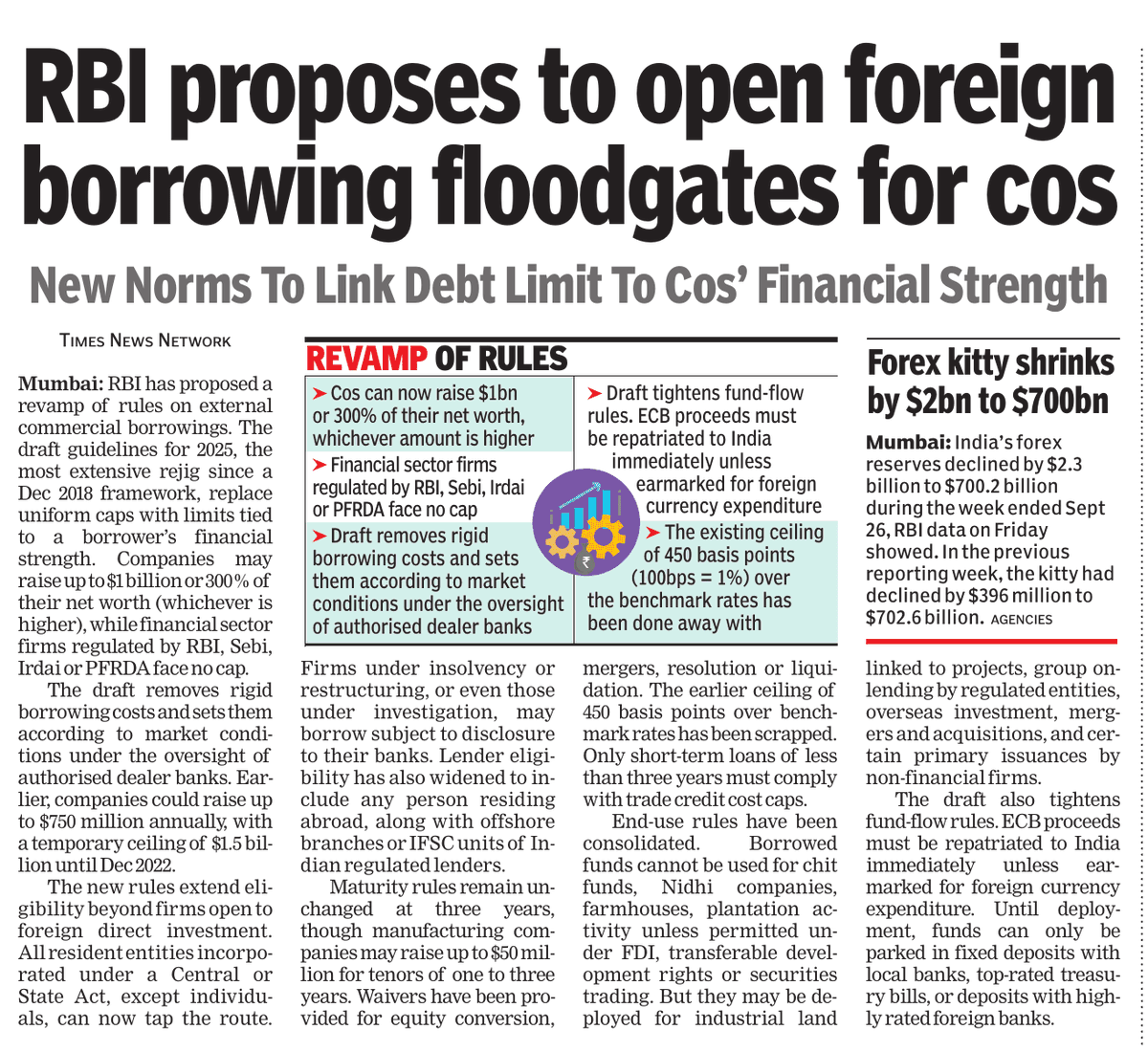
Banks are pressing the Reserve Bank of India to soften a new foreign-exchange rule that dealers say could force the unwinding of large arbitrage positions, deepen trading losses and add fresh strain to the rupee at a fragile moment for the currency market. The central bank has told lenders to keep their net open rupee positions in the onshore deliverable market within $100 million by the end of each business day from April 10, replacing a far more flexible regime under which banks’ boards could set limits linked to capital.
The pushback from lenders has grown because the rule change lands after weeks of pressure on the rupee from higher oil prices, foreign portfolio outflows and war-driven risk aversion across global markets. The rupee touched a record low of 94.84 against the US dollar after a sharp slide this week, underscoring the urgency with which the central bank is trying to contain volatility and regain influence over price formation in the domestic market.
At the heart of the dispute is a trading structure that banks have used to profit from differences between the onshore market and the offshore non-deliverable forward, or NDF, market. Under the earlier framework, dealers could offset positions across the two venues without breaching broader exposure limits. The new rule narrows that room sharply by capping end-of-day net open rupee exposure in the onshore deliverable market, regardless of how positions are balanced elsewhere. Traders told Reuters that arbitrage books likely to be affected are worth about $10 billion to $18 billion, while Bloomberg reported that banks see total unwinding pressure building toward roughly $30 billion.
That distinction matters because the RBI appears to be targeting a channel through which offshore pricing has increasingly spilled back into the domestic market. By tightening end-of-day exposure, the central bank is seeking to reduce the ability of banks to transmit volatility from the NDF market into onshore rupee trading, while making its own intervention in the domestic market more effective. That objective fits with a broader pattern this month, as the RBI has been active in spot, futures and non-deliverable forward markets to steady the currency.
Banks, however, argue that the speed of implementation could be costly. Treasury officials have warned that compressing positions before the April 10 deadline may force disorderly exits, widen onshore-offshore spreads and crystallise mark-to-market losses on trades that had previously been profitable. The immediate complaint is not only about tighter oversight but also about the lack of transition time for legacy positions built under the old regime. Reports from the domestic financial press say lenders have asked the central bank to reconsider or provide relief, reflecting concern that a hard cap applied uniformly across banks does not distinguish between speculative bets and market-making activity.
The central bank’s tougher line comes as India’s external buffers, while still substantial, have been tested by intervention. RBI data cited in a Reuters report showed foreign-exchange reserves at $709.76 billion as of March 13, enough to cover 11.2 months of imports and about 95 per cent of outstanding external debt. Even so, reserves had fallen notably over the month as the central bank sold dollars to smooth rupee moves. That means policymakers are trying to balance two goals at once: preserving confidence in India’s macro-financial resilience while discouraging trading structures that may amplify pressure during periods of external shock.
Another layer of complexity is that the RBI had, only weeks earlier, proposed broader reforms that would ease some foreign-exchange transaction norms for authorised dealers and give market participants greater flexibility in hedging and balance-sheet management. That makes the present clampdown look less like a reversal of liberalisation and more like a targeted response to extraordinary market conditions. For banks, though, the contrast has sharpened frustration: one arm of the regulatory agenda promises flexibility, while another has suddenly imposed a hard operational ceiling on rupee positions.





 http://www.hanglung.com/











 https://x.com/CitriMobile
 https://www.facebook.com/CitriSG/
 https://www.instagram.com/citrimobilesg