News related to
digital

Gulf Cooperation Council (GCC) banks are expected to maintain robust performance through 2024, according to a new report by S&P Global Ratings. Despite uncertainties and potential economic disruptions, these financial institutions are well-positioned to navigate the challenges and sustain their strong financial metrics.

S&P Global Ratings’ latest analysis highlights that GCC banks have demonstrated remarkable resilience over recent years. Their solid performance is attributed to a combination of strong capital buffers, prudent risk management practices, and favorable economic conditions within the region. The banks’ ability to adapt to fluctuations in the global economic environment has been crucial in maintaining their stability.

One significant factor contributing to the banks’ resilience is their strong capitalization. GCC banks have managed to build and maintain high capital adequacy ratios, providing them with a solid cushion against potential financial shocks. This strong capital base allows them to absorb losses and continue operating effectively even in adverse conditions.

Additionally, GCC banks have benefited from improved economic conditions in the region. The ongoing economic diversification efforts by GCC countries, aimed at reducing their dependency on oil revenues, have created a more stable economic environment. Investments in infrastructure, tourism, and technology have bolstered economic growth, supporting the financial sector’s stability.

The report notes that while GCC banks are in a favorable position, they are not entirely immune to external shocks. Global economic uncertainties, fluctuations in oil prices, and geopolitical tensions could pose risks to the financial stability of these institutions. However, the banks’ strong risk management practices and conservative lending strategies are expected to mitigate these risks effectively.

In particular, the banking sector’s focus on digital transformation has enhanced its ability to manage and respond to potential disruptions. The adoption of advanced technologies and digital platforms has improved operational efficiency, customer engagement, and risk management. This technological edge positions GCC banks to better handle emerging challenges and capitalize on new opportunities.

Moreover, the GCC banking sector has shown a commitment to strengthening regulatory frameworks and compliance standards. This proactive approach to regulatory adherence has enhanced transparency and accountability within the sector, further bolstering its resilience.

S&P Global Ratings also highlights that GCC banks are likely to continue benefiting from supportive government policies and economic initiatives. The ongoing reforms and strategic plans undertaken by GCC governments aim to enhance economic stability and promote sustainable growth, providing a favorable environment for the banking sector.


The U.S. Federal Reserve has directed United Texas Bank to cease its operations, citing major compliance failures related to anti-money laundering (AML) regulations. This directive marks a significant intervention by the Fed against financial institutions involved in cryptocurrency transactions. United Texas Bank, known for its engagement with the cryptocurrency sector and its prior connections with firms like Stellar and Circle, has been flagged for “substantial deficiencies” in […]

OneDegree, a pioneering force in digital asset insurance across Asia, has forged a strategic partnership with Walaa Cooperative Insurance Company, a prominent player in Saudi Arabia’s insurance and reinsurance sector. This collaboration aims to address the burgeoning needs of digital asset security, merging OneDegree’s innovative approach with Walaa’s established market presence.

The alliance between OneDegree and Walaa Cooperative Insurance Company marks a significant step in the evolution of insurance solutions tailored for digital assets. As digital currencies and blockchain technologies gain traction globally, the necessity for specialized insurance products to safeguard these assets has become increasingly apparent. This partnership leverages OneDegree’s expertise in the digital insurance space with Walaa’s robust infrastructure and regional market insights.

OneDegree has established itself as a leader in providing insurance solutions for digital assets, having received regulatory approval as Asia’s first licensed insurer for such assets. Their offerings cover a range of digital assets, including cryptocurrencies and blockchain-based investments, which are often vulnerable to cybersecurity threats and market volatility. By collaborating with Walaa, OneDegree aims to expand its reach and offer its innovative insurance solutions to a broader audience, particularly in the Middle East.

Walaa Cooperative Insurance Company, known for its comprehensive insurance and reinsurance services across various sectors, brings a wealth of experience to this partnership. The company’s established market presence in Saudi Arabia provides a solid foundation for the integration of digital asset insurance into its existing portfolio. This move is expected to enhance Walaa’s service offerings, addressing the growing demand for secure and reliable insurance solutions for digital assets in the region.

This partnership is timely, given the rapid growth in the adoption of digital assets and the corresponding need for protection against potential risks. The digital asset market has seen substantial growth over the past few years, with increasing interest from both individual and institutional investors. As this market continues to expand, the risks associated with digital assets, such as cyber attacks and regulatory changes, become more pronounced. Insurance products designed to mitigate these risks are crucial for fostering confidence and stability in the digital asset ecosystem.

The collaboration between OneDegree and Walaa Cooperative Insurance Company represents a forward-thinking approach to addressing these emerging risks. By combining OneDegree’s specialized expertise with Walaa’s extensive experience and regional knowledge, the partnership is poised to set a new standard in the insurance industry for digital assets. This integration not only broadens the availability of digital asset insurance but also enhances the overall security and reliability of the market.

As digital assets continue to gain prominence, insurance solutions tailored to this sector will play a pivotal role in mitigating associated risks. The partnership between OneDegree and Walaa Cooperative Insurance Company highlights the increasing recognition of the importance of specialized insurance products in the digital age. With their combined strengths, the two companies are well-positioned to meet the evolving needs of investors and stakeholders in the digital asset space.

By Dr. Gyan Pathak Farmers have been demanding legal guarantee for Minimum Support Price (MSP), but the Centre has announced 7 new big schemes for farm sector worth Rs14,000 crore on September 2. Modi government said that the schemes intended for farmers welfare, but farmers have been saying that their well-being depend on the legally […]
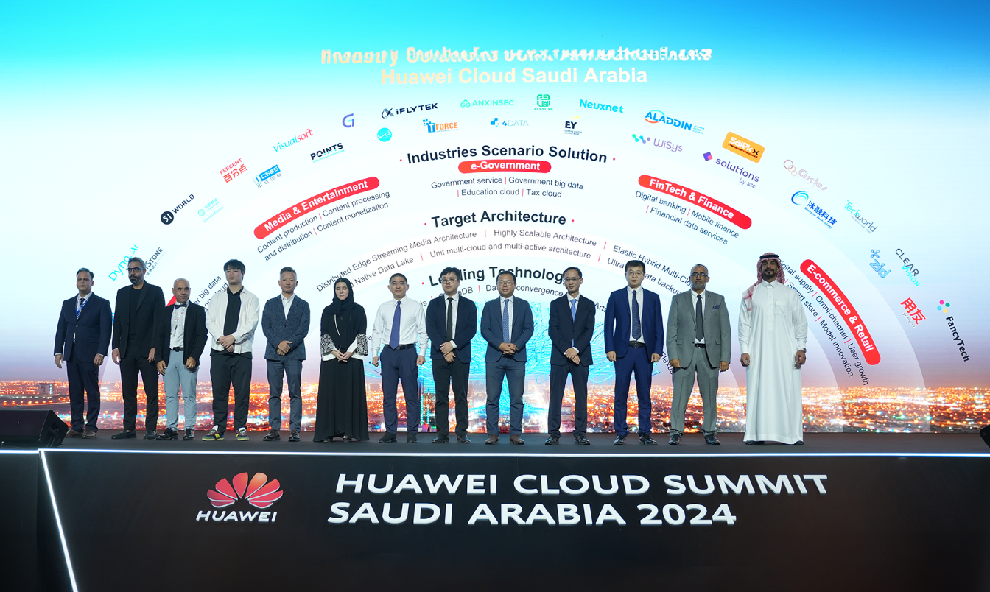
Saudi Arabia’s push towards digital modernization is gaining momentum, bolstered by Huawei Cloud’s latest technological advancements. The company’s cloud services, renowned for their high-performance and low-latency capabilities, are playing a crucial role in this transformation. Huawei Cloud’s infrastructure now offers a remarkable latency of just 25 milliseconds across the kingdom, reflecting its commitment to providing seamless and efficient AI-powered solutions.

Huawei Cloud’s robust network infrastructure has significantly enhanced the digital landscape in Saudi Arabia. This achievement is pivotal for various sectors, including finance, healthcare, and government services, which are increasingly relying on advanced technologies to improve their operations and deliver superior services. The low latency performance facilitates real-time data processing and AI applications, essential for businesses and institutions aiming to stay competitive in a fast-evolving digital environment.

The integration of Huawei Cloud’s services is expected to drive innovation and efficiency across different industries. For instance, financial institutions can leverage this technology to enhance transaction speeds and security, while healthcare providers can utilize AI for better diagnostics and patient care. Government agencies are also set to benefit, with improved data management and enhanced public service delivery.

This strategic expansion aligns with Saudi Arabia’s Vision 2030, a comprehensive plan to diversify the economy and reduce dependence on oil revenues. The initiative places a strong emphasis on technology and innovation as key drivers of economic growth. By providing cutting-edge cloud services, Huawei Cloud is positioning itself as a key player in this transformation, supporting the kingdom’s ambitious goals.

Huawei’s commitment to the region is further demonstrated through its significant investments in local data centers and partnerships with various Saudi entities. These efforts not only improve service reliability but also bolster local expertise and job creation. The company’s engagement in Saudi Arabia reflects a broader trend of global tech giants investing in the Middle East, recognizing the region’s growing importance as a tech hub.

The performance of Huawei Cloud’s network is a testament to the company’s technical prowess and dedication to meeting the needs of its clients. With a latency of 25 milliseconds, the cloud services are optimized for applications requiring high-speed data processing and minimal delays. This level of performance is crucial for businesses that rely on real-time analytics and AI-driven decision-making.

As digital transformation accelerates in Saudi Arabia, the demand for reliable and high-performance cloud services is expected to grow. Huawei Cloud’s advancements not only support this demand but also set a benchmark for other cloud service providers. The company’s focus on innovation and quality positions it well to lead the market and contribute significantly to the kingdom’s digital economy.

The Hia Hub event has made its return to Riyadh, capturing attention with an expanded platform that bridges the worlds of fashion, beauty, and lifestyle. This year’s edition of the highly anticipated event, organized by *Hia* magazine, is set to further establish itself as a leading gathering for industry professionals, designers, influencers, and entrepreneurs from the Middle East and beyond.

Taking place in Riyadh’s cultural district, the event aims to showcase a diverse range of talents and innovations, drawing an impressive roster of both regional and international participants. With an emphasis on sustainable fashion and beauty, the platform seeks to explore the intersections between creativity, business, and evolving consumer trends, particularly as Saudi Arabia continues its journey of economic transformation.

A key feature of this year’s Hia Hub is the inclusion of sustainability-focused discussions, highlighting the importance of ethical practices within the fashion and beauty industries. With sustainability at the forefront of global fashion conversations, the Riyadh gathering provides an essential platform for dialogue on how brands and creators can incorporate eco-friendly practices into their designs and operations. The program includes workshops and panel discussions led by industry leaders who are shaping the future of fashion and beauty.

Notable attendees this year include regional fashion designers who are increasingly making their mark on the global stage. Saudi designers, in particular, are using this opportunity to not only highlight their work but also engage in conversations around local craftsmanship and the global appeal of Middle Eastern aesthetics. The event is positioned as a key contributor to the development of the country’s burgeoning fashion industry, in line with Saudi Arabia’s Vision 2030, which emphasizes diversification beyond oil, including investments in culture and the creative industries.

The fashion showcase features the works of emerging designers alongside established brands, allowing for a mix of styles and perspectives. This aspect of the event has been praised for creating an inclusive environment where creativity can thrive, with both regional and global talents being recognized. Many of these designers have incorporated traditional elements with modern fashion, representing a cultural fusion that reflects Saudi Arabia’s growing role in global fashion markets.

Beauty, another central pillar of Hia Hub, is also receiving significant attention this year. Global and regional beauty brands have been invited to present their latest products and innovations, catering to the sophisticated tastes of the Saudi market. The beauty segment of the event emphasizes the rapidly growing demand for high-quality, luxurious products in the region, driven by a young and increasingly affluent population. This sector, like fashion, has also seen a shift towards sustainability, with several brands unveiling eco-friendly products and packaging that align with consumer preferences for cleaner, ethically sourced items.

In addition to the fashion and beauty elements, Hia Hub is also focusing on lifestyle trends that resonate with the Middle Eastern market. The event includes curated experiences related to wellness, luxury living, and technology’s role in shaping modern lifestyles. These elements reflect broader trends within the region, where lifestyle preferences are evolving in line with global shifts towards wellness, self-care, and the use of cutting-edge technology in everyday life.

Industry observers have noted that Hia Hub is not just a showcase but a vital platform for business networking and collaboration. The event fosters connections between designers, entrepreneurs, and potential investors, with several discussions centered around scaling local fashion and beauty businesses to compete on an international level. With Saudi Arabia’s ongoing efforts to develop its cultural and creative sectors, this event plays a crucial role in positioning the country as a growing hub for fashion and beauty innovation.

The participation of high-profile influencers and celebrities further amplifies the reach of the event, creating a ripple effect that extends beyond the physical venue. Social media coverage of the event is vast, with influencers sharing key moments and collaborations that take place during the showcase. This has helped boost the visibility of participating brands, particularly those that are new to the market or seeking to expand their presence in the Middle East.

In keeping with its status as a trendsetter, Hia Hub has integrated cutting-edge technology into the event experience. Attendees can engage with virtual reality displays, interactive fashion installations, and digital beauty try-ons, creating an immersive experience that bridges the gap between physical and digital worlds. These elements reflect a broader trend in the fashion and beauty industries, where technology is increasingly being used to enhance consumer experiences and offer personalized services.

A Saudi podcast has achieved a remarkable feat, becoming the most-watched podcast episode on YouTube worldwide. The latest episode of *Fnjan*, featuring Yasser Al Hazimi, garnered over 110 million views, surpassing high-profile interviews, including the widely known Joe Rogan-Elon Musk episode. This achievement marks a significant milestone for Arabic-language content, spotlighting the region’s growing influence in the digital media space.

*Fnjan*, produced by the Saudi media company Thmanyah, has been steadily gaining traction in both regional and global markets. The podcast, known for its engaging interviews with prominent figures, tackles deep cultural, social, and philosophical issues, resonating with an increasingly diverse audience. The particular episode featuring Al Hazimi, a motivational speaker, captured viewers with its exploration of personal growth and emotional resilience, topics that have found universal appeal in an age of mental health awareness.

The surge in popularity of *Fnjan* reflects broader trends in the digital content landscape, where podcasts and video interviews are seeing unprecedented growth. The podcast’s appeal can be attributed not only to the substance of its discussions but also to the high production quality and strategic use of platforms like YouTube. The format of long-form, unfiltered conversations mirrors a global shift toward more in-depth, thoughtful content that allows audiences to connect with topics on a deeper level.

Industry observers note that *Fnjan*’s record-breaking viewership underscores the growing demand for Arabic content on global platforms, a shift that reflects broader digital consumption patterns in the Middle East. As digital literacy and internet access continue to rise, particularly among younger demographics, creators in the region are increasingly leveraging platforms like YouTube to reach audiences far beyond their geographical boundaries.

The success of *Fnjan* and Thmanyah illustrates the potential of Arabic content creators to carve out significant spaces in the global media landscape. This achievement not only highlights the appetite for regionally produced media but also underscores the potential for Middle Eastern creators to compete on a global scale, challenging traditional media powerhouses.

The episode’s viewership surge also speaks to the rise of digital content consumption in Saudi Arabia, where internet penetration has reached over 95%. The Saudi government has made significant investments in digital infrastructure as part of its Vision 2030 plan, which aims to diversify the economy and promote cultural industries. This has led to an explosion of online platforms, creative startups, and influencers, reshaping the country’s media landscape.

Advertisements

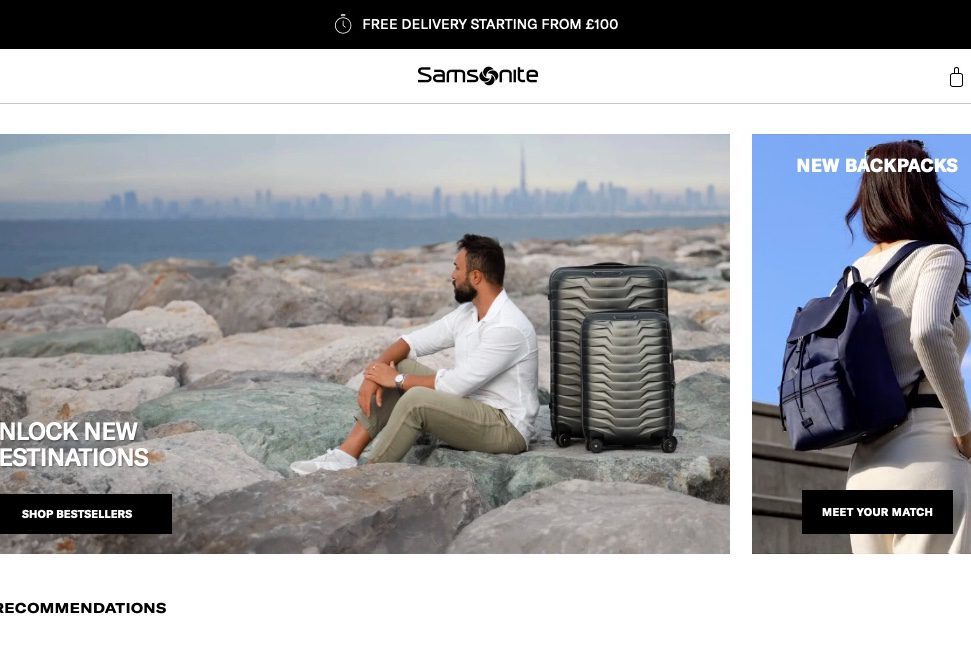
Samsonite International SA, the world’s largest travel luggage company, is preparing for a significant move to enhance its market position by pursuing a dual listing in the United States. According to sources familiar with the matter, Samsonite has selected JPMorgan Chase & Co. and Morgan Stanley to lead the process, signaling its intent to improve liquidity and widen its shareholder base. The decision comes as the company seeks to bolster its global presence and capitalize on the strong recovery of the travel industry.

The dual listing will allow Samsonite to attract a broader range of investors, particularly from the US, where its brands, including American Tourister and Tumi, are already well known. A listing on a US exchange, such as the New York Stock Exchange or Nasdaq, would increase the company’s visibility and provide easier access to the capital markets. This is seen as part of a strategic initiative by the company to diversify its funding sources and offer shareholders the option to trade more easily in a larger and more liquid market.

Samsonite, headquartered in Luxembourg, has been listed on the Hong Kong Stock Exchange since 2011. The company has been looking to expand its investor base, particularly in the wake of a strong recovery in travel demand. The resurgence in global travel after years of pandemic-related disruptions has given the company renewed confidence to explore growth avenues, including a possible US dual listing. The decision is seen as a way to solidify its foothold in a market that has seen increased demand for premium luggage and travel-related goods.

As discussions on the dual listing progress, it is expected that Samsonite will file the necessary paperwork for an initial public offering (IPO) in the US in the coming months. The timeline for the listing remains flexible, but sources suggest the company could be ready to go public in 2024. The dual listing would allow shares to be traded both in Hong Kong and the US, giving Samsonite a strategic edge in navigating international capital markets.

The company’s board is reportedly optimistic about the move, believing that a US listing could bring in significant capital that could be reinvested in expanding Samsonite’s retail footprint, enhancing its digital presence, and accelerating product development. Analysts view the listing as a smart move that would enable the firm to tap into the resurgence of travel demand and capture the attention of a larger pool of investors, especially those focused on the luxury goods and travel sectors.

Samsonite has seen substantial growth since its founding in 1910. The company, initially based in Denver, Colorado, has transformed itself into a global giant in the luggage industry. With operations in over 100 countries and a broad portfolio of brands catering to various market segments, Samsonite is uniquely positioned to take advantage of the recovery in global travel. Its product offerings, which range from budget-friendly to high-end luxury, have made it a household name in both business and leisure travel circles.

While the company faced significant challenges during the COVID-19 pandemic, with travel restrictions severely curtailing demand for its products, the easing of lockdowns and a rebound in international tourism have provided a much-needed boost. The firm reported a strong performance in its most recent earnings, with revenues climbing back to pre-pandemic levels. This recovery has been driven by a surge in demand for luggage and travel accessories as consumers resume international vacations and business trips.

In addition to its traditional luggage products, Samsonite has been investing heavily in expanding its range of travel-related goods, such as backpacks, business bags, and travel accessories. The company has also focused on sustainability initiatives, launching eco-friendly product lines made from recycled materials. These efforts are part of a broader strategy to appeal to environmentally conscious consumers, who are increasingly driving purchasing decisions in the travel goods market.

Samsonite’s leadership has remained focused on maintaining the company’s competitive edge in a rapidly evolving industry. CEO Kyle Gendreau has been vocal about the company’s ambitions to grow its presence in key markets, particularly in North America, Europe, and Asia. The potential US dual listing is seen as a critical part of this strategy, allowing the company to raise additional capital that could be used to fuel its expansion plans.

Market analysts have speculated that Samsonite’s choice of JPMorgan and Morgan Stanley reflects the company’s intent to make a strong debut in the US market. Both banks have extensive experience in handling high-profile IPOs and dual listings, making them ideal partners for a company of Samsonite’s scale and ambitions. Their involvement is expected to instill confidence in prospective investors, many of whom are eager to capitalize on the company’s strong market position and its growth potential.

The dual listing comes at a time when Samsonite is benefiting from favorable market conditions. Travel demand has rebounded sharply, and consumer spending on luggage and travel accessories is expected to grow steadily over the next several years. Industry forecasts indicate that the global luggage market could reach $23.6 billion by 2026, driven by increased travel, rising disposable incomes, and greater demand for premium travel products.

SINGAPORE – Media OutReach Newswire – 5 September 2024 – ST Telemedia Global Data Centres (STT GDC), one of the world’s fastest-growing data centre colocation services provider headquartered in Singapore, is pleased to announce the release of its enhanced Sustainability-Linked Financing Framework (SLFF). This update builds on STT GDC’s ongoing commitment to achieving carbon-neutral data centre operations by 2030, with more rigorous targets that align its financing […]

HKSTP’s 14 Park Companies Showcase Pioneering Robots, AI-Powered Safety System, Smart Building and ESG Solutions at Asia’s Most Comprehensive Built Environment Event HONG KONG SAR – Media OutReach Newswire – 4 September 2024 – Hong Kong Science and Technology Parks Corporation (HKSTP) is leading 14 innovative partner companies to the International Built Environment Week (IBEW) 2024, held from 4-6 September at Marina Bay Sands, Singapore. This participation […]

Uniswap Labs, the entity behind the popular decentralized cryptocurrency exchange Uniswap, has been fined $175,000 by the U.S. Commodity Futures Trading Commission (CFTC) for offering illegal leveraged and margined digital asset transactions. The fine stems from violations of the Commodity Exchange Act (CEA), a federal law that regulates the trading of commodity futures in the United States. The CFTC’s action marks a significant development in the ongoing […]

A high-level meeting between Saudi Arabia and the United States has underscored the deepening strategic partnership between the two nations, with a particular focus on the digital economy and fostering innovation. The discussions, which brought together top officials from both countries, aimed at exploring new avenues for collaboration in technology, cybersecurity, and artificial intelligence, areas that are rapidly becoming pivotal in the global economy.

Saudi Arabia, under the leadership of Crown Prince Mohammed bin Salman, has been aggressively pushing forward its Vision 2030 initiative, a comprehensive plan aimed at diversifying the nation’s economy away from its heavy reliance on oil. Central to this vision is the development of a robust digital economy, which the Kingdom views as essential for its future prosperity. The discussions with the U.S. were seen as a critical step in bolstering this aspect of Saudi Arabia’s long-term economic strategy.

The meeting, which took place in Riyadh, featured prominent figures from both the public and private sectors. Key topics included enhancing bilateral cooperation in the digital sphere, fostering innovation ecosystems, and addressing the challenges posed by the rapidly evolving technology landscape. Both sides expressed a strong commitment to working together to advance these objectives, recognizing the mutual benefits that such collaboration could bring.

Saudi officials emphasized the Kingdom’s ambitious plans to become a global leader in technology and innovation. The nation has already made significant investments in this area, including the establishment of tech hubs, the promotion of digital entrepreneurship, and the implementation of advanced technological infrastructure. The U.S., with its well-established tech industry and expertise in innovation, is seen as an ideal partner to help Saudi Arabia achieve these goals.

A key element of the discussions was cybersecurity, an area of increasing concern for both nations. With the rise of digital threats, protecting critical infrastructure and ensuring the security of digital assets have become top priorities. The U.S. has been a leader in cybersecurity innovations, and its expertise is expected to play a crucial role in helping Saudi Arabia develop its capabilities in this domain. The discussions highlighted the importance of sharing knowledge and resources to build resilient cyber defenses that can withstand sophisticated attacks.

Artificial intelligence (AI) also featured prominently in the talks. Saudi Arabia has shown a strong interest in AI, viewing it as a transformative technology that can drive economic growth and improve various sectors, including healthcare, finance, and transportation. The U.S., home to many of the world’s leading AI research institutions and companies, is well-positioned to assist Saudi Arabia in harnessing the power of AI. The two nations discussed potential joint initiatives to develop AI applications that could benefit both countries, as well as the broader global community.

Innovation ecosystems were another focal point of the meeting. Saudi Arabia has been actively working to create a supportive environment for innovation, including the development of new regulations, the promotion of research and development, and the establishment of innovation centers. The U.S. has a long history of fostering innovation through its vibrant startup culture and well-established tech industry. The discussions explored ways to integrate these strengths, with the aim of creating a dynamic innovation ecosystem in Saudi Arabia that could serve as a model for the region.

Both sides also addressed the broader implications of their collaboration on the global stage. The digital economy is increasingly seen as a critical driver of global growth, and partnerships like the one between Saudi Arabia and the U.S. could have far-reaching impacts. By working together, the two nations aim to set new standards for digital innovation and leadership, potentially influencing the direction of the global digital economy.

Ambitious climate change targets set by numerous nations aim to combat global warming by accelerating the shift toward renewable energy. While this transition is crucial, it comes with an increased demand for critical minerals essential for the development and implementation of renewable technologies. To navigate this complex interplay, a comprehensive bibliometric review has been conducted to shed light on the challenges and research trends surrounding the mineral […]

AD Ports Group’s Noatum has launched a new rail logistics solution designed to enhance the efficiency of cargo transportation across the region. This development comes as part of a broader strategy to bolster the capabilities of the logistics sector and address increasing demands for more sustainable and reliable supply chain operations.

The new rail solution aims to streamline the movement of goods by integrating advanced technology and infrastructure improvements. It features state-of-the-art railcar systems and enhanced track management to ensure a smoother, faster, and more efficient transportation process. The initiative is expected to significantly reduce transit times and operational costs, benefiting both businesses and consumers.

Noatum’s rail logistics solution includes a comprehensive digital platform that provides real-time tracking and analytics. This platform is intended to offer greater visibility into the logistics chain, allowing businesses to monitor shipments more closely and make informed decisions based on up-to-date data. By leveraging these technological advancements, the solution aims to minimize delays and optimize cargo handling processes.

The introduction of this solution aligns with AD Ports Group’s strategic objectives to expand its logistics network and enhance its service offerings. The company has been investing heavily in modernizing its infrastructure and adopting cutting-edge technologies to meet the evolving needs of the global logistics market. The new rail solution is a testament to these efforts, reflecting the group’s commitment to driving innovation in the logistics sector.

In addition to improving operational efficiency, the rail logistics solution is also expected to have a positive environmental impact. By promoting the use of rail transport over other modes of transportation, the initiative supports AD Ports Group’s sustainability goals. Rail transport is generally considered more environmentally friendly compared to road transport due to its lower carbon emissions per ton of cargo.

The implementation of the rail solution will involve significant upgrades to existing rail infrastructure. This includes the installation of advanced signaling systems and the enhancement of railcar capabilities. These improvements are designed to increase the capacity and reliability of the rail network, addressing the growing demand for efficient freight transport.

AD Ports Group has emphasized that the new rail solution will play a crucial role in supporting the region’s economic growth. By facilitating more efficient cargo movement, the solution is expected to boost trade and contribute to the development of key industrial sectors. The initiative is also likely to create new job opportunities within the logistics and transportation industries, further supporting economic advancement.

The launch of this rail logistics solution follows a series of successful projects and partnerships that AD Ports Group has undertaken in recent years. The company has established itself as a leader in the logistics sector, with a focus on integrating innovative technologies and expanding its operational capabilities. This latest development reinforces its position as a key player in the global logistics market.

Delivery Hero, the global food delivery service, has enlisted Emirates NBD and Morgan Stanley to guide the upcoming initial public offering (IPO) of its Dubai-based subsidiary, Talabat. This strategic move underscores Delivery Hero’s commitment to strengthening its presence in the Middle Eastern market and capitalizing on the burgeoning e-commerce sector.

The IPO, anticipated to be one of the significant market events in the region this year, aims to raise capital that will support Talabat’s expansion and enhance its competitive edge in a rapidly evolving industry. The decision to hire Emirates NBD and Morgan Stanley reflects Delivery Hero’s intent to leverage the expertise of prominent financial institutions in executing the listing.

Emirates NBD, one of the largest banks in the Middle East, brings extensive regional knowledge and a robust network to the table. The bank’s involvement is expected to facilitate a smooth transition for Talabat into the public market, given its deep understanding of local investor sentiment and market dynamics. Morgan Stanley, a global financial services firm, complements this with its international reach and expertise in managing high-profile IPOs, ensuring that the offering attracts a diverse pool of investors.

The selection of these two firms follows a competitive bidding process, wherein Delivery Hero sought advisors with a proven track record in handling major IPOs and a comprehensive grasp of both regional and global market trends. The collaboration aims to position Talabat effectively in the market, aligning with broader trends in the food delivery and e-commerce sectors.

The IPO is expected to be a pivotal moment for Talabat, which has established itself as a leading player in the Middle East’s food delivery market. The company, founded in 2004 and acquired by Delivery Hero in 2019, has seen substantial growth, driven by an increasing demand for online food delivery services. This growth trajectory has been bolstered by changing consumer behaviors and the rise of digital platforms, which have reshaped how consumers interact with food service providers.

Market analysts predict that Talabat’s IPO will attract significant interest from both institutional and retail investors, given the company’s strong market position and growth potential. The offering is anticipated to be a key indicator of investor confidence in the Middle Eastern tech and e-commerce sectors, which have seen a surge in investment and interest over the past few years.

The timing of the IPO is strategic, as it aligns with broader economic trends in the region. The Middle East has been experiencing a period of economic transformation, with an increasing focus on technology and innovation as drivers of growth. The successful listing of Talabat could serve as a catalyst for further investment in the region’s tech and e-commerce sectors, highlighting the Middle East’s potential as a hub for technological advancement and digital innovation.

Delivery Hero’s decision to list Talabat in Dubai is also a reflection of the city’s growing prominence as a global financial center. Dubai has become a key destination for IPOs, attracting companies looking to tap into its dynamic market and leverage its strategic location as a bridge between East and West. The city’s financial infrastructure and supportive regulatory environment provide a conducive backdrop for the successful execution of high-profile IPOs.

Kazuo Ueda, the Governor of the Bank of Japan (BOJ), has recently reiterated the central bank’s readiness to raise interest rates if the Japanese economy and inflation align with forecasts. This stance has significantly impacted currency markets, contributing to the yen’s strengthened position against the U.S. dollar. As the BOJ navigates its monetary policy, the broader implications for risk assets and global financial stability are becoming increasingly […]

Mark Karpeles, the former CEO of the infamous Mt. Gox cryptocurrency exchange, is preparing to launch a new digital currency trading platform in Europe, marking a significant comeback after the collapse of his previous venture. The new exchange, reportedly named UNGOX, aims to restore trust in the cryptocurrency market, particularly in a region known for its robust regulatory environment. Mt. Gox, once the world’s largest Bitcoin exchange, […]

BingX, a prominent global cryptocurrency exchange, has unveiled its latest addition to the BingX Launchpool, featuring the Counter Fire (CEC) token. This initiative marks a significant step forward for blockchain-based gaming, as the token promises to introduce a new level of interaction within the gaming ecosystem. From September 3 to September 9, BingX users can stake their USDT or BTC to earn CEC tokens, providing them with […]

Emirates Global Aluminium (EGA) has unveiled a pioneering digital greenhouse gas (GHG) emissions tracking system, marking a significant step in the UAE’s environmental sustainability efforts. This new system is designed to enhance transparency and expedite the decarbonization process, setting a precedent for other industries in the region. EGA’s initiative is a part of its broader strategy to reduce its carbon footprint and aligns with the UAE’s ambitious […]

Smartlog, an innovator in intralogistics technology, has joined forces with Tamer Group, a prominent Middle Eastern conglomerate, to enhance the automation of a new logistics park in Riyadh. This significant collaboration, announced during the Saudi Warehousing and Logistics Expo, introduces AutoStore and Galys Monitor technologies, promising to revolutionize the logistics landscape in the region.

The partnership aims to integrate cutting-edge technologies to optimize warehouse operations, improve efficiency, and support scalability. AutoStore, known for its high-density storage and retrieval capabilities, and Galys Monitor, which offers advanced monitoring and analytics, will play pivotal roles in streamlining Tamer’s logistics processes. This implementation is set to elevate the operational capabilities of Tamer’s new facility, making it a benchmark for logistics innovation in the Middle East.

AutoStore technology is a modular storage system designed to maximize space utilization and reduce operational costs. It utilizes robots to manage inventory within a compact grid system, significantly enhancing picking accuracy and speed. The system’s ability to adapt to various storage needs makes it a versatile solution for diverse warehousing requirements. Galys Monitor complements this by providing real-time data analytics, enabling precise control and management of inventory flows and operational performance.

The logistics park, strategically located in Riyadh, is expected to become a crucial hub for Tamer Group’s distribution network. The park’s design reflects modern logistical trends emphasizing automation and data-driven decision-making. The integration of AutoStore and Galys Monitor technologies aligns with the growing demand for sophisticated solutions to handle complex supply chain challenges efficiently.

The Saudi Warehousing and Logistics Expo highlighted the growing emphasis on technological advancements in the logistics sector. The event served as a platform for unveiling new solutions and exploring industry trends. The collaboration between Smartlog and Tamer Group underscores the shift towards automation and technology-driven improvements in warehouse management.

Industry experts view this partnership as a step forward in addressing the evolving needs of the logistics sector. As supply chains become increasingly intricate, the demand for automation and real-time data management solutions continues to rise. Smartlog’s expertise in intralogistics solutions and Tamer Group’s established presence in the region create a synergy poised to set new standards in logistics efficiency.

The implementation of these technologies is expected to provide Tamer Group with a competitive edge by enhancing operational agility and reducing time-to-market for products. The partnership aligns with broader industry trends focusing on digital transformation and the integration of advanced technologies to optimize supply chain operations.

As the logistics sector in the Middle East grows, the adoption of innovative technologies like AutoStore and Galys Monitor will likely become more prevalent. The collaboration between Smartlog and Tamer Group represents a forward-thinking approach to meeting the demands of modern logistics challenges, setting a precedent for future developments in the field.

This strategic partnership not only promises to enhance the efficiency of Tamer Group’s logistics operations but also serves as a model for other companies looking to leverage technology to gain a competitive advantage. The successful integration of AutoStore and Galys Monitor technologies at the Riyadh logistics park will be closely watched by industry stakeholders and could influence future investments in logistics technology across the region.

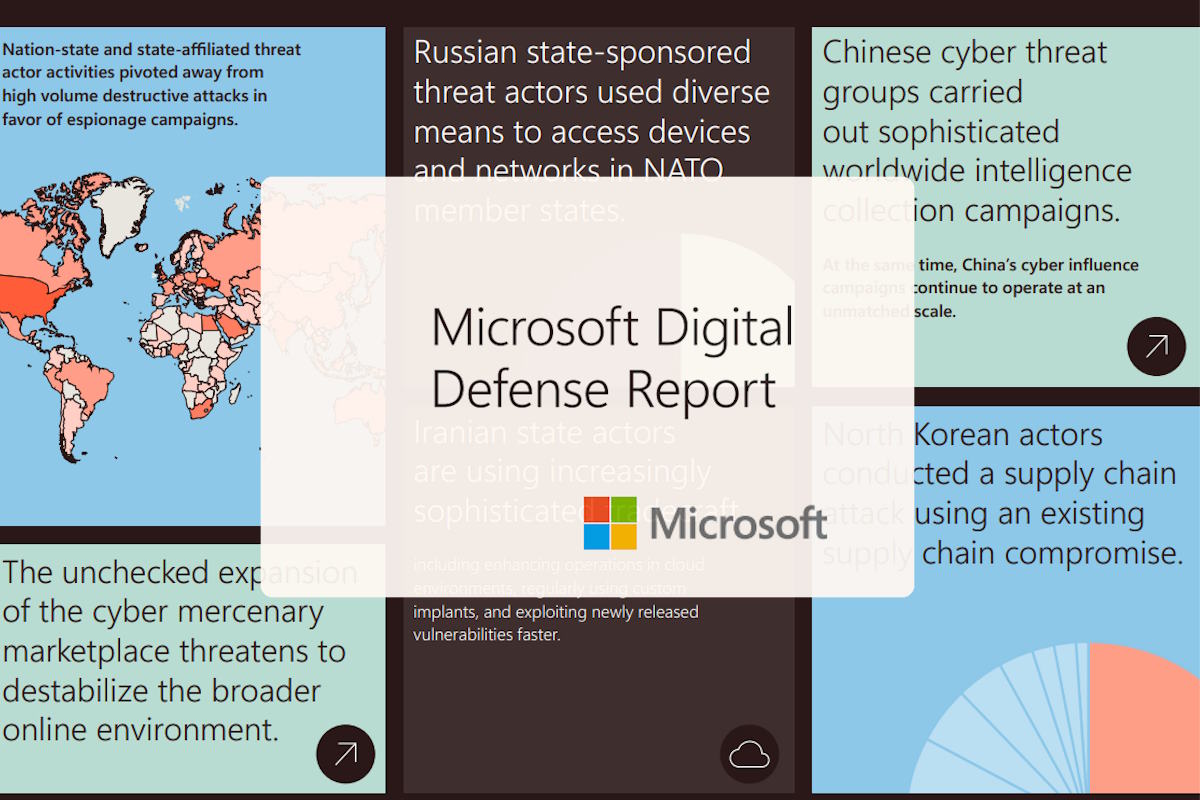
Microsoft Windows users are encountering a surge in malware threats following an extensive series of security updates on Patch Tuesday, as new warnings from U.S. government agencies highlight the growing risks. The heightened alert has underscored the critical need for continued security measures, as users grapple with the implications of the latest vulnerabilities and threats.

Patch Tuesday, a routine monthly event where Microsoft releases security updates, was unusually significant this month. The company rolled out a broad array of patches aimed at addressing a variety of vulnerabilities affecting Windows operating systems. However, this surge in updates has coincided with a noticeable increase in malware attacks, raising concerns among cybersecurity experts and government officials alike.

The U.S. Cybersecurity and Infrastructure Security Agency (CISA) and other federal entities have issued urgent advisories, emphasizing the importance of applying these patches to prevent potential exploits. These advisories come in response to a spate of sophisticated cyberattacks that have targeted both individual users and large organizations. The recent alerts reveal a pattern of aggressive malware campaigns that exploit vulnerabilities addressed in the latest updates.

Experts from the cybersecurity community have observed a marked uptick in threats, including ransomware and spyware, which have intensified following the Patch Tuesday updates. These malicious programs are designed to infiltrate systems, often leveraging the same vulnerabilities that Microsoft aimed to address. The increase in attacks highlights the persistent and evolving nature of cyber threats, emphasizing the necessity for vigilant and ongoing security practices.

The rising malware incidents have sparked significant concern about the potential implications for millions of Windows users globally. As users scramble to implement the latest patches, there are growing worries about the effectiveness of these updates against increasingly sophisticated threats. The cybersecurity landscape is evolving rapidly, with new attack vectors and techniques emerging frequently, making it crucial for users to stay updated and proactive in their security measures.

Security experts advise that users must not only apply the latest patches but also adopt comprehensive security practices, including regular system scans, the use of robust antivirus software, and cautious behavior online. These measures are vital in mitigating the risks associated with malware and ensuring that systems remain secure amidst the evolving threat landscape.

The situation has prompted discussions about the broader implications for long-term security support for Windows users. With the ongoing threat of malware and the need for constant updates, there is growing debate about the sustainability of security practices and the potential need for users to consider additional protective measures. As the landscape of cyber threats continues to shift, users and organizations must remain adaptable and proactive in their approach to cybersecurity.

As the cybersecurity community continues to assess and respond to these developments, the focus remains on ensuring that users are equipped with the tools and knowledge needed to defend against evolving threats. The situation serves as a stark reminder of the importance of maintaining robust security practices and staying informed about the latest developments in the field.

It seems that for most casino audiences, whether they make trips to physical establishments to place their bets in, or they just log in to digital or mobile casinos online, there is just a certain fascination for Arabian-themed games hosted in these platforms. Games such as slots and video poker in some of these establishments often adapt visuals or elements that are popular in desert culture such […]

Innovation Center Invests RMB 9 Billion to Support Enterprises and Drive Technological Projects in Huishan HONG KONG SAR – Media OutReach Newswire – 3 September 2024 – CashOn, Hong Kong’s first digital currency lending platform, announced today the signing of a strategic cooperation memorandum with the Wuxi Huishan (Shenzhen) Innovation Center. The cooperation aims to jointly explore digital currency lending matching services based on CashOn’s innovative fintech […]

Tata AIA Life Insurance has expanded its offerings to cater to Non-Resident Indians (NRIs) by introducing dollar-denominated life insurance policies. This new product line is available directly through the company’s website, allowing NRIs to purchase life insurance coverage in U.S. dollars. The move aims to address the needs of NRIs who prefer to manage their insurance premiums and benefits in a currency aligned with their financial activities abroad.

The introduction of dollar-denominated policies marks a strategic shift for Tata AIA, aligning its product offerings with the preferences of NRIs who may want to avoid currency conversion risks associated with their home country’s currency. By facilitating transactions in U.S. dollars, Tata AIA aims to simplify the insurance process for NRIs, who often find themselves managing assets and expenses in multiple currencies.

Tata AIA’s new insurance products offer several benefits tailored to NRIs. Policyholders can enjoy the flexibility of making premium payments and receiving benefits in U.S. dollars, potentially providing a more straightforward financial management experience. This initiative reflects a growing trend among insurers to adapt to the global needs of their customers by offering products that cater to international lifestyles.

In addition to the convenience of dollar-denominated policies, Tata AIA provides various life insurance plans that cover different needs, from term life insurance to comprehensive investment-linked policies. The ability to manage these policies in U.S. dollars can be particularly appealing to NRIs who are earning or holding assets in the U.S. or other dollar-based economies.

The move aligns with Tata AIA’s broader strategy to enhance its global reach and appeal to a diverse customer base. This strategic initiative is expected to bolster the company’s position in the competitive life insurance market, particularly among the NRI community, which has significant financial interests abroad.

NRIs often face challenges in navigating financial products that are aligned with their international lifestyle. Tata AIA’s introduction of dollar-denominated insurance solutions is a response to these challenges, providing a tailored financial product that addresses the specific needs of this demographic. By offering these products online, Tata AIA also leverages the growing trend of digital financial services, making it easier for NRIs to access and manage their insurance coverage from anywhere in the world.

This development is part of a broader trend where financial institutions are increasingly customizing their offerings to meet the needs of global customers. As financial markets become more interconnected, there is a growing demand for products that cater to an international clientele, allowing them to seamlessly manage their financial activities across different currencies.

Tata AIA’s initiative reflects an understanding of the complexities faced by NRIs and an effort to simplify their financial management. The introduction of dollar-denominated policies not only provides a practical solution for managing insurance but also positions Tata AIA as a forward-thinking insurer capable of meeting the evolving needs of its global customer base.

VISHNU RAJA
RYO YAMADA
HITORI GOTOH
IKUYO KITA